
Review · ITALY
Ancient Venice and its spices: cooking class and market tour
Venice tastes better with a spice trail. This three-hour private experience pairs a walk through Rialto Market with a hands-on meal in Massimo’s old Venetian home, using spices such as saffron, pepper, anise, cardamom, nutmeg, and cinnamon to tell the story of the city’s trade routes. I like the market visit because it gives you a practical look at local ingredients before you cook. I also like the personal setting, where history, family stories, cooking, wine, dessert, and grappa share the same table.
The main consideration is that this is not a standard pasta lesson built around a fixed menu. The focus is ancient recipes, spices, storytelling, and a long shared meal. Dietary needs can be discussed in advance, and Massimo has accommodated allergies with care, but you should explain your preferences clearly before arriving. The experience is also not suitable for children under two, babies under one, wheelchair users, people with epilepsy, diabetes, or high blood pressure, or people over 70.
Key points to know before booking
- Rialto comes first: Spend about an hour exploring Venice’s famous market, learning about ingredients, and shopping before cooking.
- Massimo is the heart of the experience: His stories about Venice, food, family traditions, and spices give the class its personal character.
- The meal is more than pasta: Expect a multicourse tasting that may include handmade pasta, vegetables, dessert, wine, cocktails, spirits, espresso, and grappa.
- Old recipes meet a little invention: The class looks back to Venetian cooking connected with Marco Polo, Casanova, and the spice trade while allowing room for modern touches.
- It is a private group: You can ask questions freely and discuss allergies, preferences, or foods you hope to taste.
- Plan for a walking finish: The tour begins near Caffè Vergnano 1882, visits Rialto Market, continues on foot, and ends at Campo Santa Maria Formosa.
Why spices tell the Venetian story
Venice was shaped by trade, and this experience uses the kitchen to make that story easy to taste. Spices arrived from far beyond the lagoon, including saffron, pepper, anise, and cardamom. They were not just seasoning. They were valuable goods that connected Venice to distant markets and helped give Venetian cooking its unusual mix of sweet, savory, warm, and aromatic flavors.
That idea makes this class different from a basic lesson in rolling pasta. You are not simply learning how to make lunch. You are looking at why a pinch of cinnamon or nutmeg might appear in a dish, how imported ingredients changed local cooking, and how old recipes can be brought back without treating them like museum pieces.
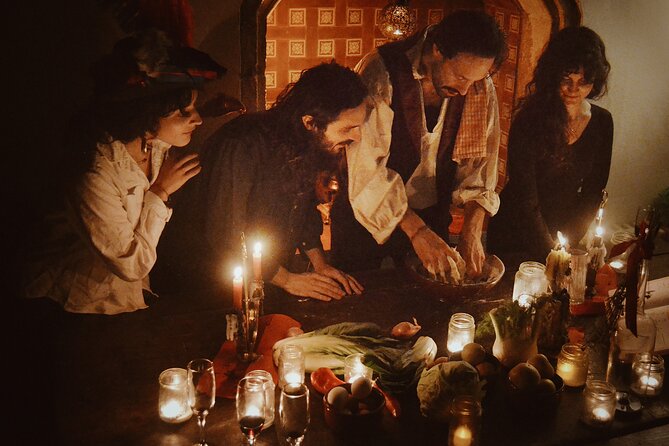
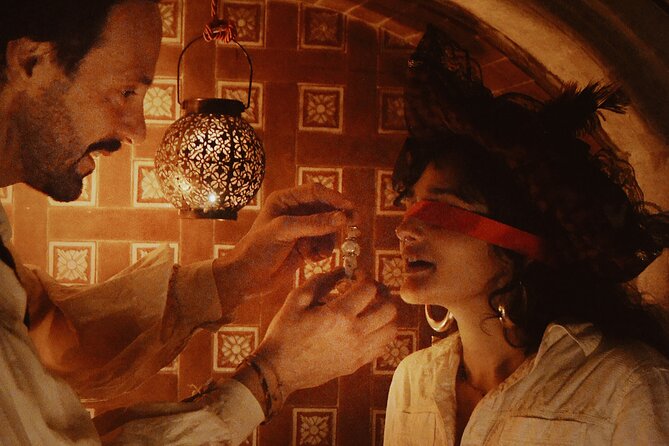
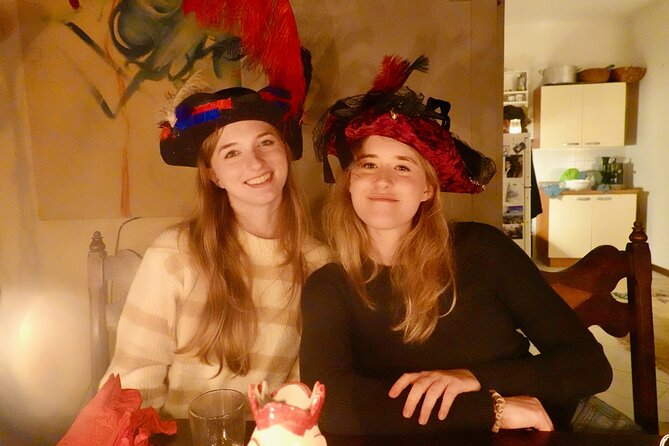
The references to Marco Polo and Casanova are part of the experience’s storytelling style. You may hear about merchants, travelers, aristocrats, and the pleasures of Venetian dining while handling ingredients yourself. The tone is playful, with candles, a tricorne, old recipes, and a setting designed to feel like a journey into another period.
You should not expect a formal academic lecture. The appeal is the connection between history and the plate. A story about trade becomes clearer when you can smell the spice, taste it in a sauce, and compare it with another seasoning at the table.
More Cooking Classes in Italy
- Cooking Class and Lunch at a Tuscan Farmhouse with Local Market Tour from Florence
★ 5.0 · 4,831 reviews - Small Group Cooking Class & Market Food Tour in Florence
★ 5.0 · 1,574 reviews - Seaview Cooking Class & Taormina local flavors with Chef Mimmo
★ 5.0 · 665 reviews
Meeting Massimo near Caffè Vergnano 1882
The meeting point is directly in front of the door of Caffè Vergnano 1882, at approximately 45.438690, 12.335534. This is a useful detail in Venice, where a small mistake at a meeting point can lead to a long search through alleys and bridges. Arrive with enough time to identify the café and wait by the entrance.
The activity is conducted in English and is limited to a private group. That matters here because the experience depends on conversation. You can ask why a spice is used, discuss a family food tradition, or explain a dietary concern without competing with a large class.
Massimo’s role is broader than that of a cooking instructor. He acts as guide, storyteller, host, and teacher. His background and personal stories are a major part of the appeal, and the atmosphere is described as warm and welcoming from the start. You will likely spend as much time talking about Venice and food as you do following a recipe.
One hour at Rialto Market
The first major stop is Mercato di Rialto, where you spend about an hour visiting, sightseeing, and shopping. This is a strong opening because it puts ingredients before instructions. Instead of hearing a general explanation of Venetian food and then walking past an anonymous kitchen counter, you begin by seeing the market products that will shape the meal.
The market stop also gives you a sense of Venice beyond its famous views. You can look at local ingredients, discuss flavors, and consider how the city’s food traditions depend on what arrives through its markets. The experience is not described as a simple sightseeing walk, so expect the market to be part of the cooking preparation.
I like this order. It lets you get your bearings and think about food before the class begins. It also gives Massimo a chance to connect ordinary market items with older Venetian dishes and imported spices.
A practical note: Rialto can be crowded, and the tour includes walking and shopping rather than sitting in one place. Wear comfortable shoes and keep your schedule flexible. The market portion lasts about an hour, so it is substantial, but it is not a full market-only tour.
The short walk into the cooking portion
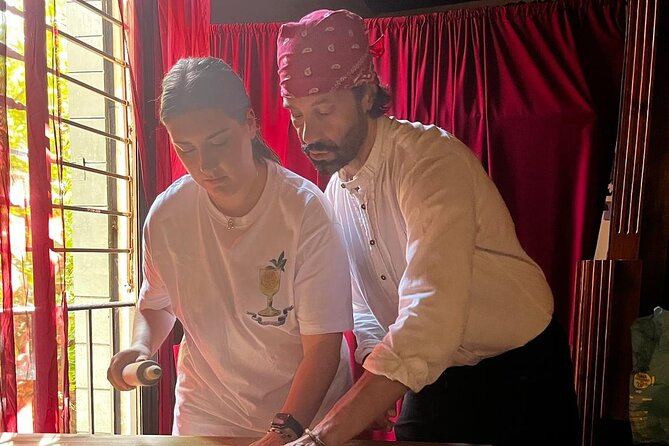
After the market, the route continues on foot for about ten minutes. The activity then moves into Venice for roughly two hours and fifteen minutes of cooking, eating, tasting, and storytelling. The exact home address is not provided, so you should rely on the meeting instructions and the guide’s directions rather than trying to plan the route in advance.
That short walk helps connect the public side of Venice with the private side. You begin among stalls and shoppers, then move toward a home where the food becomes more personal. The change of setting is one of the class’s main pleasures.
Because this is an old Venetian house, do not expect a modern cooking school with rows of identical workstations. The setting is meant to feel like a home filled with historical atmosphere, candles, old recipes, and spice-shop character. That can be far more memorable than a polished commercial kitchen, though travelers who want a tightly structured professional lesson may prefer a more traditional cooking school.
More Cooking Classes in Venice
- Market Tour and Cooking Class with a Local Venetian Chef
★ 5.0 · 313 reviews - Venice: Rialto Market Tour, Cooking Class, and Lunch
★ 4.9 · 119 reviews - Rialto Market Tour & Private Cooking Class in the Heart of Venice
★ 5.0 · 106 reviews - Rialto Market Tour with Hands on Cooking Class, Wine & Tiramisu
★ 4.5 · 66 reviews
Cooking in an old Venetian home
The cooking segment is hands-on, but the supplied details do not promise one fixed menu for every booking. Massimo asks what you would prefer to taste and whether you have allergies or special wishes. That flexibility is useful, especially for a private group, but it also means your meal may vary.
One particularly appealing example is handmade pasta made with ancient flour and served with wild mushrooms, nutmeg, and cinnamon. That combination gives you a good idea of the class’s character: familiar Italian food, but with less predictable seasoning and a clear link to older cooking traditions.
The meal may include several courses and can involve lunch or dinner, wine tasting, food tasting, dessert, cocktails, spirits, espresso, and grappa. The exact food depends on the arrangements made with Massimo, so do not treat every listed item as a guaranteed course. Ask about the planned menu before the day if there is something you especially want to try.
The cooking lesson is designed to be social. You will cook, play with flavors, listen to stories, and eat what has been prepared. That makes it a good choice for families with adult children, couples, siblings, and small private groups who want an activity that leaves room for conversation.
It is less suited to anyone seeking a technical master class focused on knife skills, precise measurements, or professional kitchen methods. The strongest part is the complete experience: market, ingredients, old recipes, history, and a shared meal.
A meal inspired by Casanova and old Venice
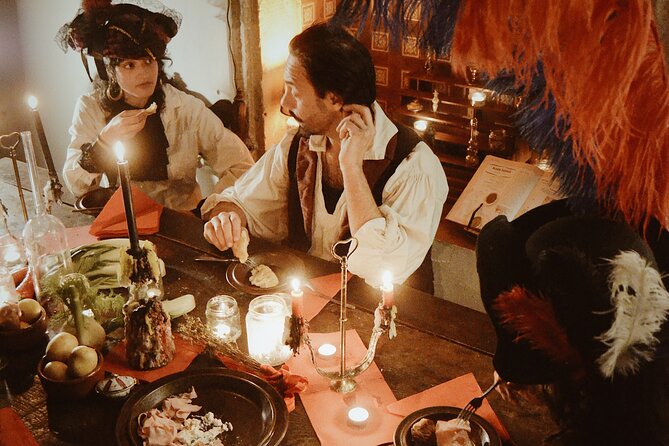
The final meal is where the experience’s different parts come together. The stated aim is to eat and drink in the spirit of Casanova, with historic stories and Venetian traditions surrounding the food. The atmosphere may include candles and a tricorne, giving the gathering a theatrical touch without turning it into a formal performance.
The meal is not limited to a quick plate of pasta. The available descriptions point to a multicourse vegetarian meal on at least one occasion, and the food has been praised for its flavor and care. The cooking can include local ingredients and old combinations, with spices used as more than decoration.
The end of the meal may include grappa and espresso, along with conversation about the different spices. That detail matters because it shows how the experience continues after the cooking is finished. You are encouraged to taste and compare, not simply eat and leave.
If you enjoy food experiences that feel like an invitation into someone’s home, this is the strongest reason to book. The setting encourages a slower pace and a more personal exchange. If you prefer a restaurant meal where you remain a passive diner, the cooking portion may feel like more work than you want.
The route ends at Campo Santa Maria Formosa
The experience finishes at Campo Santa Maria Formosa. This gives you a clear endpoint in central Venice, but you should not expect to return to the café or your hotel automatically. Plan your next stop from Campo Santa Maria Formosa.
The finish also works well for travelers who want to continue exploring on foot. The tour does not provide a separate transfer, and the route itself includes walking between the market and the cooking location. Venice is best handled at a relaxed pace, so avoid scheduling a major timed attraction immediately afterward.
You will have spent three hours moving from market to home kitchen to shared table. That is a full activity, especially once the meal and conversation are included.
What the five-star feedback tells you
The strongest praise centers on Massimo. His warmth, kindness, humor, and command of Venetian food and history receive repeated attention. The experience feels personal because he does not act only as an instructor. He welcomes you into his home, talks about traditions, and creates a setting where strangers can leave feeling like friends.
The second major strength is the meal itself. It has been described as one of the best meals of a wider Italian trip, including an excellent vegetarian menu and handmade pasta with wild mushrooms, nutmeg, and cinnamon. That is important for vegetarians, who may want to ask for a meat-free menu in advance.
The market walk is also highly valued. Seeing Venice with a local guide changes the experience from simply passing through streets to noticing ingredients, neighborhoods, and connections between food and place.
Finally, the class has handled food allergies thoughtfully. Still, you should not rely on a last-minute conversation. Share your allergy or dietary restriction before the experience so the menu can be planned safely.
Value, flexibility, and practical limits
No price is provided here, so I cannot judge the exact cost. You can judge the value by comparing it with what you would pay for three separate elements in Venice: a guided market visit, a private cooking class, and a multicourse meal with drinks. Since this is a private group and includes all three in one experience, it may offer good value for people who would otherwise book several food activities.
The value is less clear if you mainly want to learn a single recipe. In that case, a shorter pasta class may suit you better. This experience earns its place through the combination of food, history, setting, and personal attention.
Free cancellation is available up to 24 hours before the activity for a full refund, and you can reserve now and pay later. Starting times vary, so check availability before planning the rest of your day. The tour is offered in English and skips a ticket line, though the principal appeal is the private food experience rather than ticket access.
The age and health restrictions are unusually specific. The activity is not suitable for children under two, babies under one, people with epilepsy, diabetes, or high blood pressure, wheelchair users, or people over 70. If anyone in your group falls into one of those categories, contact the provider before booking rather than assuming the restriction can be waived.
Who should book this Venetian food experience?
I would choose this for someone who wants Venice through its food and stories rather than through a checklist of monuments. It suits couples, adult families, friends, and small groups who enjoy eating slowly and asking questions.
It is especially strong for:
- People curious about spices and old recipes
- Vegetarians who want to request a thoughtful menu
- Visitors who prefer private activities
- Anyone who likes meeting a local host in a home setting
- Food lovers who want market shopping and cooking in one outing
- Returning visitors looking for a different side of Venice
I would hesitate if you need a wheelchair-accessible activity, have one of the listed medical restrictions, or want a highly technical cooking course. I would also think twice if you dislike long meals, storytelling, or flexible menus.
Should you book Ancient Venice and Its Spices?
Book it if you want a warm, unusual food experience led by Massimo, with Rialto Market, old Venetian recipes, spices, wine, and a home-cooked meal all connected in one afternoon or evening. The best reason to go is not a single dish. It is the way market ingredients, Venetian history, and personal hospitality meet around the table.
Before booking, send your food preferences and allergies, confirm what you hope to eat, and allow extra time after the three-hour activity. If that sounds like your kind of Venice, this is a strong choice. If you only want to make pasta quickly and leave, choose a more focused class.
FAQ
How long does the experience last?
The experience lasts three hours.
Where does the tour begin?
It begins in front of the door of Caffè Vergnano 1882. The listed coordinates are 45.438690185546875, 12.33553409576416.
Where does the experience finish?
It finishes at Campo Santa Maria Formosa.
Does the experience include Rialto Market?
Yes. You spend about one hour at Mercato di Rialto visiting, sightseeing, and shopping.
How long is the walk after the market?
The walk from the market to the next part of the experience takes about ten minutes.
Is this a private activity?
Yes. It is offered for a private group.
What language is the experience conducted in?
The instructor speaks English, and the activity is offered in English.
Can I discuss food preferences or allergies in advance?
Yes. The provider asks what you prefer to taste and whether you have allergies or special wishes.
Is food and drink included?
The experience includes cooking and food tasting, with wine tasting, dessert, spirits, cocktails, lunch, or dinner listed as part of the food experience. The exact menu is not fixed in the provided information, so confirm the planned dishes when arranging your visit.
Can I cancel for a full refund?
Yes. You can cancel up to 24 hours in advance for a full refund.
Can I reserve without paying immediately?
Yes. Reserve now and pay later is available.
Who should not join this activity?
It is not suitable for children under two, babies under one, wheelchair users, people with epilepsy, diabetes, or high blood pressure, or people over 70.
Just added around Italy
- Cesarine: Market Tour & Home Cooking Class in Catania★ 4.0 · 6 reviews
- Small Group Market tour and Dining Experience at a Cesarina’s home in Brindisi★ 4.5 · 6 reviews
- Small Group Market tour and Cooking class in Brindisi★ 4.5 · 8 reviews
- Cesarine: Market Tour & Cooking Class at Local’s Home in Bologna★ 5.0 · 19 reviews
- Private Market Tour and Cooking Class in Bologna with Giovanna C★ 5.0 · 20 reviews
- One day tour Christmas markets Innsbruck – Bressanone – Vipiteno★ 4.5 · 11 reviews
- Food markets tour with a local!★ 4.5 · 39 reviews
- Cesarine: Market Tour & Home Cooking Class in Bari★ 5.0 · 5 reviews
Cooking Classes, compared.
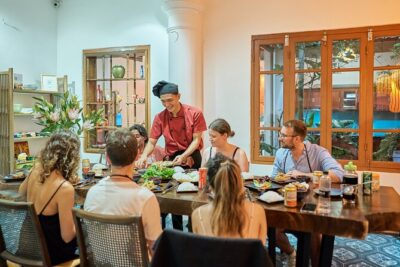
Hanoi Cooking Class: Culture, Local Market & Meaning CSR Impact
Read our review →
5 Traditional Dishes Hanoi Cooking Class with Market Trip
Read our review →
Cooking Class and Lunch at a Tuscan Farmhouse with Local Market Tour from Florence
Read our review →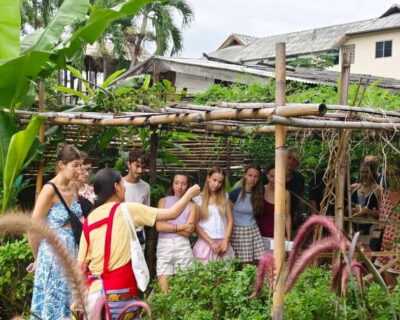
Cooking Class, Market & Thai Herbs Garden Tour
Read our review →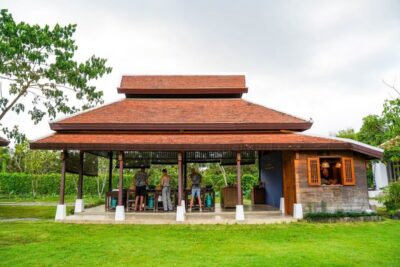
Authentic Cooking Class with Market & Farm Visit
Read our review →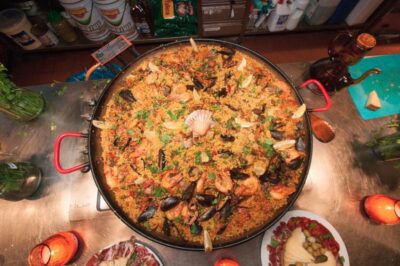
Paella Cooking Experience & Boqueria Market Tour
Read our review →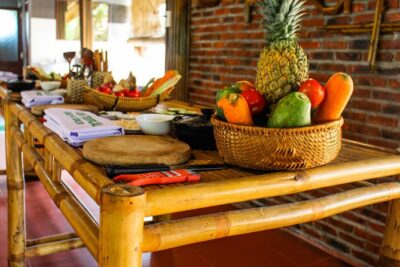
Cooking Class Hoi An:Local Market, Basket Boat, Fishing & Cooking
Read our review →
Hoi An Cooking Class(Market,BasketBoat Crabfishing&Cooking Class)
Read our review →Browse the lists this tour appears in