
Review · TANZANIA
Arusha: Traditional Tanzania Cooking class& Food Market Tour
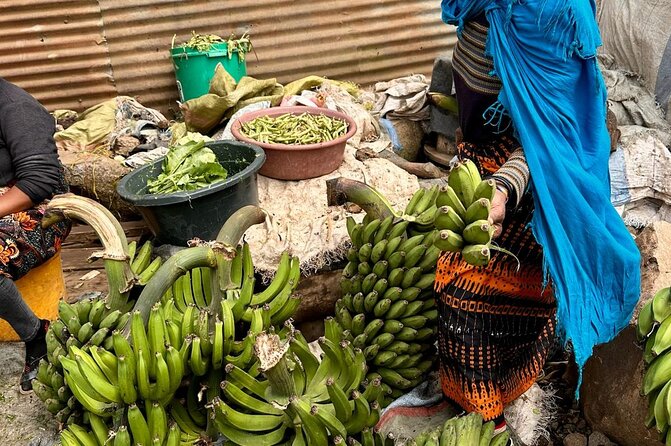
Markets tell the real story of a city. This five-hour Arusha experience combines a guided walk through a central food market with hands-on cooking in a local home. I like the chance to see ingredients before they reach the cooking pot, and I like that you prepare the meal yourself rather than simply watching a chef work.
The warm, personal hosting is another strong point. Guides including Liroy, Israel, and chef Neema have been praised for answering questions, taking photos, and making the class feel social. The main drawback is that drinks are not included, and the cooking can take longer than expected, especially if you are waiting for several dishes to finish.
Key points to know before booking
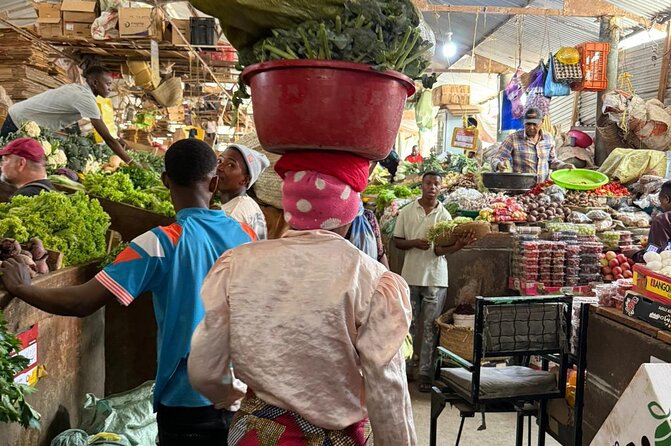
- Market shopping comes first: Spend about 30 to 50 minutes seeing dry goods, meat, fruit, vegetables, and other everyday foods in Arusha.
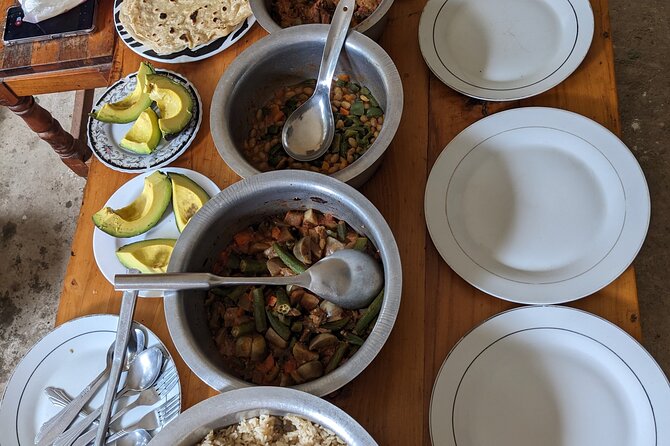
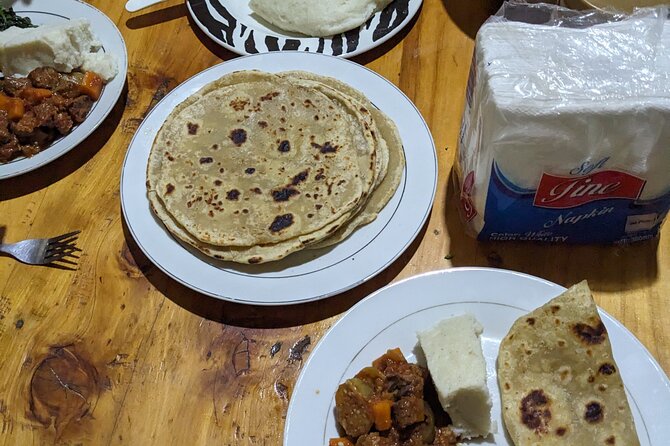
- You help choose and prepare the food: The class covers plantain banana, chapati, ugali, vegetables, and optional stewed or barbecued meat.
- Cooking takes place in a local home: The setting is simple and personal, with a washroom and cooking equipment using charcoal and propane.
- The meal is part of the experience: You sit down with the group and eat what you made, with possible leftovers to take back to your hotel.
- Hotel transport is included: Pickup and drop-off are provided for hotels in Arusha town, near the city center.
- Budget around five hours: The market visit is short, but the cooking portion can last from one to three hours.
Why this Arusha food tour is worth your time
Many city tours show you sights from the outside. This one gives you a practical look at daily food life in northern Tanzania. You see ingredients being sold, ask questions about them, buy what you need, and then use those same ingredients in a meal.
That order matters. It helps you understand why Tanzanian food tastes the way it does. You are not just handed a finished plate with unfamiliar dishes. You can see the produce and dry foods first, then learn how a local cook turns them into lunch.
At $45 per person, the tour offers good value if you want more than a meal. The price includes hotel pickup and drop-off, the market visit, ingredients, instruction from a local chef, and the cooked meal. You are paying for about half a day of transport, shopping, teaching, and eating.
The value is strongest for people who enjoy conversation and participation. If you only want to sit at a restaurant and sample food, this will feel slower and more involved. If you want to carry home a few useful recipes and a clearer sense of local life, the format earns its price.
More Cooking Classes in the world:
- Hanoi Cooking Class: Culture, Local Market & Meaning CSR Impact
★ 5.0 · 5,147 reviews - 5 Traditional Dishes Hanoi Cooking Class with Market Trip
★ 5.0 · 4,890 reviews - Cooking Class and Lunch at a Tuscan Farmhouse with Local Market Tour from Florence
★ 5.0 · 4,831 reviews
Starting with Arusha’s central food market
The day begins with pickup from your hotel in Arusha town. The exact start time depends on availability, so check the schedule before booking. Transport is included, which removes the need to arrange your own ride to the market.
The central market is not presented as a polished food hall. It is a working place where people buy ordinary supplies. You can expect to see dry foods, meat, fruit, vegetables, and other ingredients used in Tanzanian homes.
You have about 30 to 50 minutes to walk around, take photos, and speak with vendors. That is enough time to get a feel for the place without turning the market visit into an all-day outing. Keep your attention on the guide, too. Arusha markets can have workers carrying heavy loads, so you may need to step aside quickly in narrow areas.
Guides such as Liroy and Israel add value here. Their role is not simply to lead you between stalls. They explain the products, the sellers, and aspects of local life, while making room for your questions. That kind of conversation can be more useful than a rehearsed speech.
You may also visit a smaller market to buy ingredients for the class. This second stop makes the shopping feel practical. You are not only looking at food. You are helping select what will become your meal.
Photography is allowed, but use ordinary courtesy. Ask before photographing individual people, especially at close range. The best market moments often come from slowing down and talking, not from quickly collecting pictures.
Choosing the dishes for your class
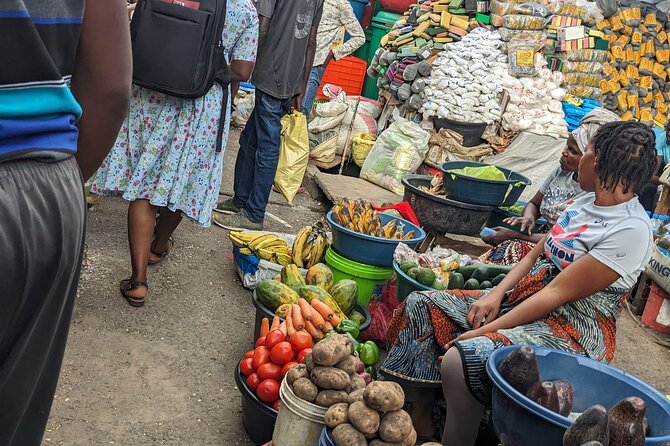
After seeing the food stalls, you discuss the menu and move on to the cooking session. The class includes several common Tanzanian foods, with some choice built into the meal.
The main options include:
- Plantain banana
- Chapati
- Ugali
- Vegetables
- Stewed or barbecued meat for those who want it
One useful feature is that you may be able to choose three dishes from four local options. That gives you some control over the meal and lets you focus on foods that interest you most.
Chapati is a good choice if you want a hands-on lesson. The work involves preparing and handling dough, and you can learn the basic method rather than simply receiving a finished flatbread. Ugali offers a different lesson in texture and preparation. Plantain and vegetables add variety to the plate.
The meat option is useful for people who want a fuller meal, but it also creates a practical food-safety point. One participant noted that the food was fully cooked, but the kitchen hygiene did not match United States standards. Soap and water were available, though handwashing and board cleaning after handling meat could have been more thorough.
I would treat that note seriously without making it the whole story. Wash your hands carefully, pay attention during preparation, and ask the chef about any concern. The food is cooked through, but this is a simple home setting, not a commercial teaching kitchen.
Cooking in a local home with Neema
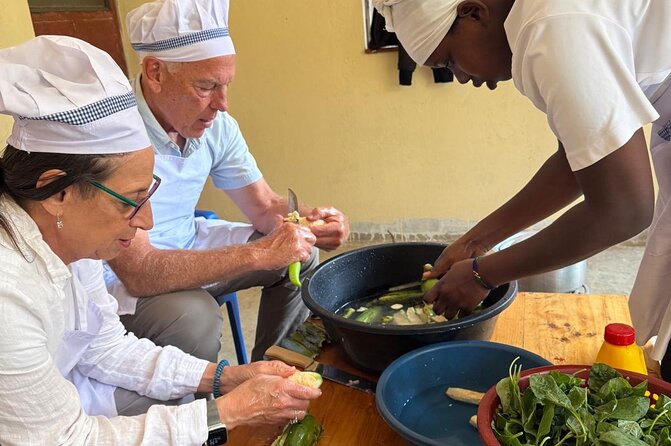
The class takes place in a small local house, where chef Neema guides you through the preparation. This setting is a major part of the appeal. You are closer to the way food is prepared in an ordinary home than you would be in a formal culinary school.
Neema demonstrates each step, then gives you a task to complete while she handles another part of the cooking. That arrangement keeps you involved without leaving you lost. You should expect to chop, mix, shape, stir, or otherwise help with the meal instead of standing at the side.
The cooking equipment can include charcoal and propane stoves. That detail gives the class a more grounded feel, but it also means the pace may not be as quick or predictable as it would be in a modern demonstration kitchen.
The class lasts between one and three hours. That is a wide range, and it explains why the overall experience can feel relaxed for some people and slow for others. You are preparing several dishes from the beginning, often with conversation and photos along the way.
Bring patience. The longer version is not necessarily a problem if you enjoy the process. It becomes an issue if you have a tight afternoon schedule, a safari departure, or another fixed appointment immediately afterward.
The personal approach is a clear strength. Guides and the chef may take photos of you while you cook, so you can leave with a record of the experience without spending the whole time holding your own camera. Ask if you want a particular dish or cooking step photographed.
More Food and Drink Trips in the world:
- Dubai: Old Town, Creek, Museums, Souks, & Street Food Tour
★ 4.8 · 10,816 reviews - Dubai: Old Town, Souks, Street Food, Guided Tour & Abra Ride
★ 4.9 · 7,170 reviews - Bangkok by Night: Temples, Markets and Food Tuk-Tuk Tour
★ 5.0 · 3,752 reviews - Chef Guided Food Tour of Pike Place Market
★ 5.0 · 3,733 reviews
Eating what you prepared
At the end, everyone sits down to eat the dishes made during the class. This is more satisfying than a standard tasting because you have seen the ingredients, helped with the preparation, and waited for the food to finish.
The meal is likely to feel simple and filling rather than decorative. That is appropriate for the experience. You are learning common foods, not attending a fine-dining event.
The social side matters here. Several named hosts, including Liroy, Israel, and Neema, have been praised for friendly conversation and a welcoming manner. The meal gives you time to continue talking about Tanzanian food, the market, and life in Arusha.
Drinks are not included. Water may be obtained during the day, but do not assume that bottled water, soda, beer, or other drinks are part of the package. Bring money for drinks or confirm arrangements before you start.
If there is food left over, you may be able to pack it for another meal at your hotel. That is a useful bonus, though it depends on how much remains. Bring this up with the guide if you would like to save leftovers.
Timing, transport, and what to wear
The advertised experience lasts five hours, with pickup and drop-off at hotels in Arusha town. The market portion generally takes 30 to 50 minutes, while the cooking class can last one to three hours. The remaining time allows for transport, shopping, and the meal.
One part of the supplied itinerary describes a 12-hour activity, but the experience details consistently give a five-hour duration. I would plan around five hours and confirm the start time and expected return when you book.
Wear comfortable clothes and long pants. Comfortable shoes are important because you will walk through the market and may spend several hours cooking. Long pants also make sense in a working market and home setting.
Do not bring weapons or sharp objects. The class provides the ingredients and cooking setup, so there is no reason to carry kitchen tools with you.
The tour is conducted in English. If you want to learn exact Swahili names for ingredients or dishes, ask the guide as you go. The market is a good place to connect names with actual foods.
Who will enjoy this experience most
I would recommend this tour to people who enjoy food, local contact, and a bit of useful work while on holiday. It suits solo visitors, couples, and small groups who want a shared activity in Arusha.
It is also a good fit before or after a safari. The class offers a change from game drives and lodge meals, while still connecting you with the region. The hotel transfer keeps the day easy to arrange if you are staying near central Arusha.
Families may enjoy it if children are comfortable with market walks and kitchen tasks, though the supplied details do not specify a minimum age. Ask the provider before booking with young children.
This is less suitable for anyone wanting a fast, polished, highly standardized cooking demonstration. The home setting, charcoal stove, changing pace, and simple facilities are part of what makes it personal. They may also feel basic if you expect restaurant-level comfort.
People with strict dietary needs should ask about menu choices before booking. The available foods include plantain, chapati, ugali, vegetables, and optional meat, but no specific allergy or vegetarian arrangements are stated.
Small drawbacks to consider
The lack of included drinks is easy to solve, but it is still worth knowing. Carry money and ask the guide where water or other drinks can be purchased.
The cooking class may run long. One session was described as taking a while, even though the finished food was very good. Do not schedule a flight, long-distance transfer, or important appointment too close to the expected end.
The facilities are simple. A washroom is available, but the kitchen is a local home rather than a purpose-built cooking studio. Hygiene practices may not match what you are used to at home, particularly around meat preparation.
The market can also be busy in a practical, working sense. People carry goods through the walkways, and you need to stay alert. That is not a reason to avoid the visit, but comfortable shoes and attention will make it easier.
Cancellation and booking flexibility
You can cancel up to 24 hours before the experience for a full refund. The reserve-now, pay-later option lets you hold a place without paying at the time of booking, which is helpful when your Arusha plans are still shifting.
Because the cooking portion can vary from one to three hours, confirm the pickup time and expected finish if you have another activity that day. Hotel pickup and drop-off apply to hotels in Arusha town, near the city center.
FAQ
How long does the Arusha cooking class and market tour last?
The experience is advertised as five hours. The market visit takes about 30 to 50 minutes, and the cooking class lasts between one and three hours, with additional time for transport, shopping, and eating.
What food will I cook?
The class covers plantain banana, chapati, ugali, and vegetables. You may also have the option of preparing stewed or barbecued meat.
Is hotel pickup included?
Yes. Pickup and drop-off are provided for hotels in Arusha town, near the city center.
Are drinks included?
No. Drinks are not included in the price. Water may be obtained during the day, but you should plan to pay separately for drinks.
What should I wear?
Wear comfortable clothes, long pants, and comfortable shoes. Do not bring weapons or sharp objects.
Can I cancel for a refund?
Yes. You can cancel up to 24 hours in advance for a full refund. A reserve-now, pay-later option is also available.
Should you book this Arusha food experience?
Book it if you want a friendly, hands-on introduction to Tanzanian food and daily life. The best parts are the market shopping, the choice of dishes, the home kitchen with Neema, and the shared meal at the end.
At $45, the experience gives you more than a cooking lesson. You receive local transport, a market walk, ingredients, instruction, and lunch. Just allow extra time, bring money for drinks, and expect simple facilities rather than a polished cooking school.
If those conditions suit you, this is a useful and enjoyable way to spend half a day in Arusha. If you prefer speed, luxury, or strict commercial-kitchen standards, choose a restaurant meal or formal cooking studio instead.
More Food Trips in the world
- Tokyo Tsukiji Fish Market Food and Culture Walking Tour
★ 5.0 · 3,184 reviews - Bangkok: Markets, Temples and Food Night Tour by Tuk Tuk
★ 4.9 · 2,371 reviews - London Bridge & Borough Market Food Tour with 7 Authentic Dishes
★ 5.0 · 1,972 reviews - Tokyo: Tsukiji Fish Market Food and Walking tour
★ 5.0 · 1,724 reviews
Just added around the world
- Half-day Dandan Noodles Cooking Class with a Local Market Visit★ 5.0 · 8 reviews
- Three-Hour Private Chengdu Tea Wholesale Market Tour★ 5.0 · 4 reviews
- 3-Hour Herbal Wholesale TCM Market and a Local Wet Market Tour★ 5.0 · 4 reviews
- Moroccan Cooking Class with a Local Family & Market Visit★ 5.0 · 16 reviews
- Charleston International Sweet Treats & Historic City Market Tour★ 5.0 · 22 reviews
- Chania Old Town, Public Market and Chrisopigi Monastery Tour★ 4.5 · 6 reviews
- Chania: Old Town, Public Market, Hill of Prophet Elias, Agia Triada★ 5.0 · 35 reviews
- Cesarine: Market Tour & Home Cooking Class in Catania★ 4.0 · 6 reviews
Cooking Classes, compared.
Hanoi Cooking Class: Culture, Local Market & Meaning CSR Impact
Read our review →
5 Traditional Dishes Hanoi Cooking Class with Market Trip
Read our review →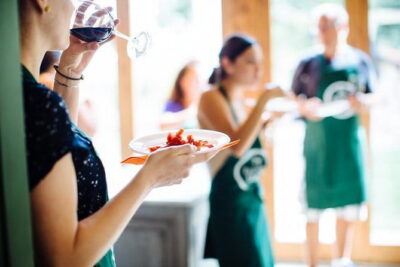
Cooking Class and Lunch at a Tuscan Farmhouse with Local Market Tour from Florence
Read our review →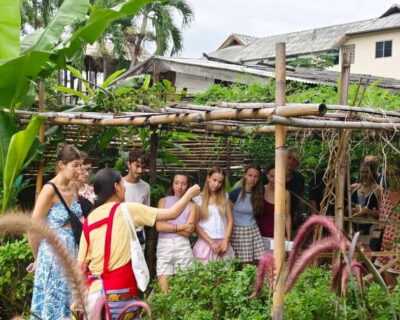
Cooking Class, Market & Thai Herbs Garden Tour
Read our review →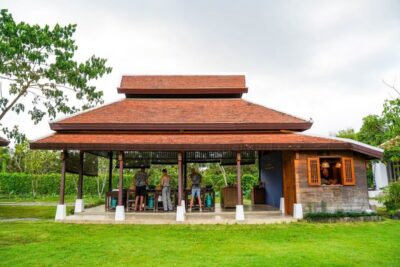
Authentic Cooking Class with Market & Farm Visit
Read our review →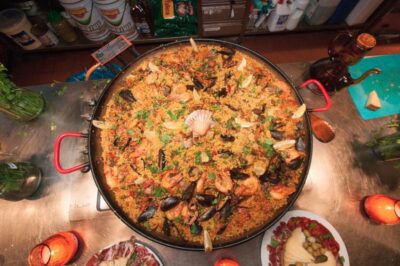
Paella Cooking Experience & Boqueria Market Tour
Read our review →
Cooking Class Hoi An:Local Market, Basket Boat, Fishing & Cooking
Read our review →
Hoi An Cooking Class(Market,BasketBoat Crabfishing&Cooking Class)
Read our review →Browse the lists this tour appears in