
Review · SPAIN
Alicante Paella Cooking Class, Tapas, Drinks and Market
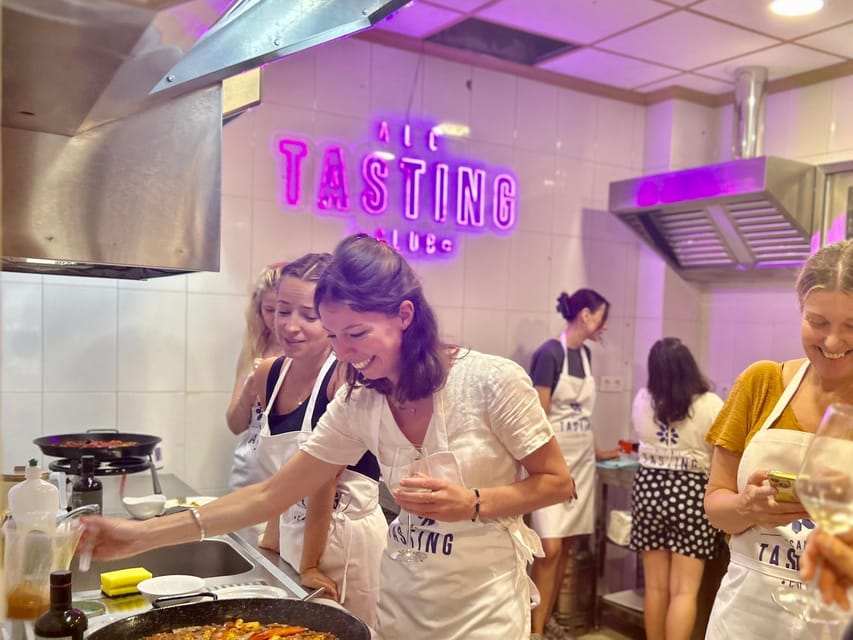
Come hungry and ready to stir. This Alicante food experience combines a visit to the Central Market with a hands-on paella class, tapas, wine, sangría, and a shared meal. I like that you do not simply watch a chef cook. You help choose ingredients, prepare the food, and learn why Alicante’s rice dishes differ from the paella many people know.
I also like the friendly teaching style reported from guides such as Cristina, Andrea, Marina, and Maria. They explain local food and Alicante history along the way, then keep the cooking relaxed for beginners. The one thing to consider is group size: one larger session still worked well, but it may mean less individual attention than a very small private class.
What makes this Alicante food class special
- A market-first approach: You visit a local market before cooking, helping connect the finished rice dish with the produce, seafood, and other ingredients.
- Three styles of Alicante rice may be prepared: Depending on the group, you might taste meat, seafood, and vegetarian versions.
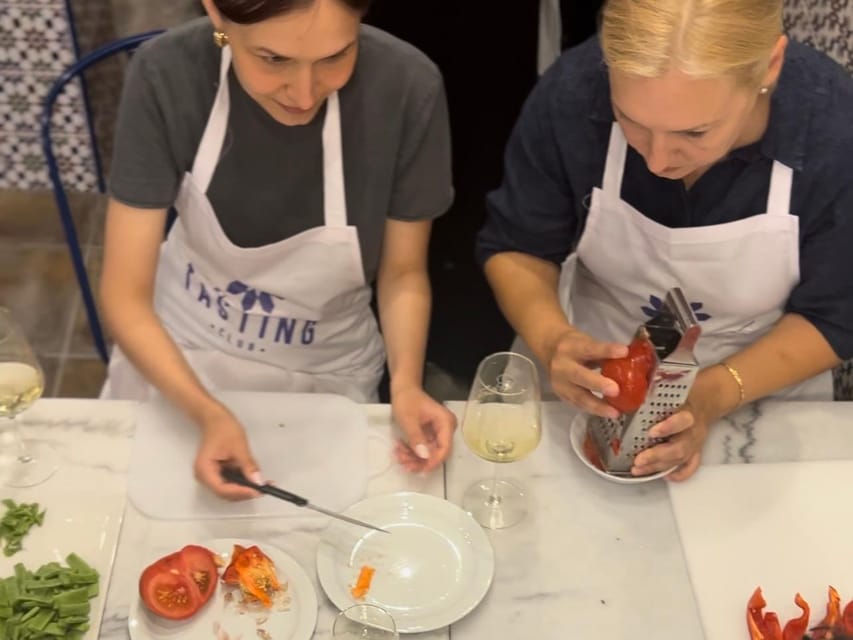
- The class is genuinely hands-on: You help prepare ingredients, cook the rice, and take part rather than sitting through a demonstration.
- Tapas and drinks are part of the meal: Traditional small dishes, local wine, sangría, water, soft drinks, and other beverages are included.
- The atmosphere suits solo visitors: The shared cooking format makes it easy to meet people from different countries.
- You receive recipes to take home: The class is designed to give you enough guidance to try Alicante-style rice again.
Starting at Alicante’s Central Market
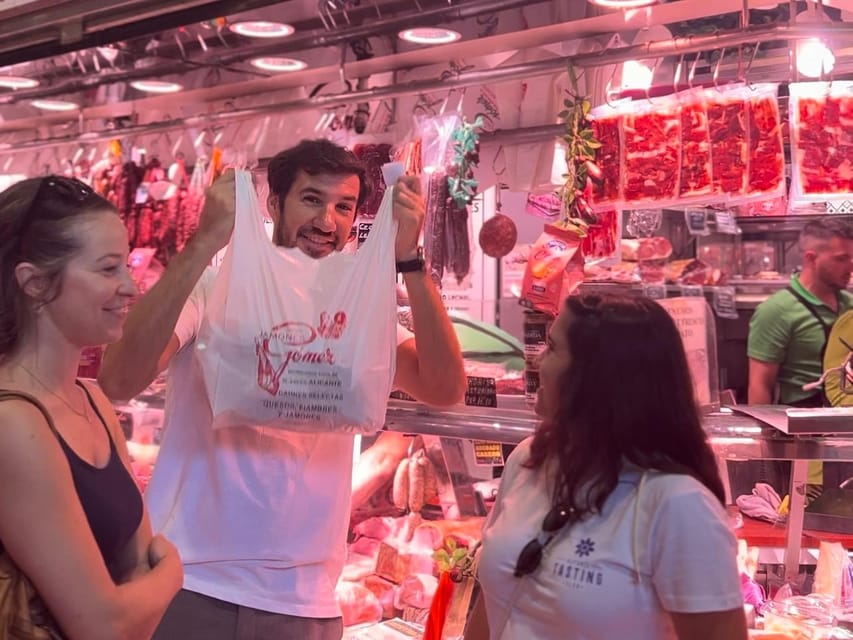
The experience begins with a guided visit to a local market, described in the itinerary as Alicante’s famous Central Market. This is more than a quick stop to collect shopping bags. Your guide introduces the ingredients needed for the class and explains how they fit into local cooking.
That opening matters. Paella and arroz dishes make more sense when you see the raw materials first. Instead of treating the rice as an isolated recipe, you start with the food culture around it: market produce, seafood, meat, vegetables, and the habits of local cooks.
The guides also share stories about the market and Alicante. Cristina is especially praised for explaining the market’s past and introducing its vendors, while Andrea and Marina are noted for their warm, informative approach. The market visit usually takes about an hour, according to the details provided by participants.
I would pay attention to the shopping portion rather than rushing through it. You can ask about the ingredients, how to choose them, and which products are typical of the area. The market is also a useful introduction to Alicante if you have just arrived and want practical food tips for the rest of your stay.
One small limitation is that the market is part of the cooking experience, not a separate food tour with unlimited time at every stall. You are there to gather ingredients and learn, so the pace follows the class schedule.
More Cooking Classes in Spain
- Barcelona: Paella Cooking Experience & Boqueria Market Tour
★ 4.8 · 3,661 reviews - Barcelona Paella Cooking Class with Market Visit, Tapas & Sangria
★ 5.0 · 2,531 reviews - Paella Cooking Class, Wine Tasting & Central Market in Valencia
★ 5.0 · 1,150 reviews
Walking five minutes to the purpose-built kitchen
After the market, the group walks roughly five minutes to the cooking space. That short transfer keeps the activity simple. You do not need a bus, taxi, or complicated meeting point between the two main parts.
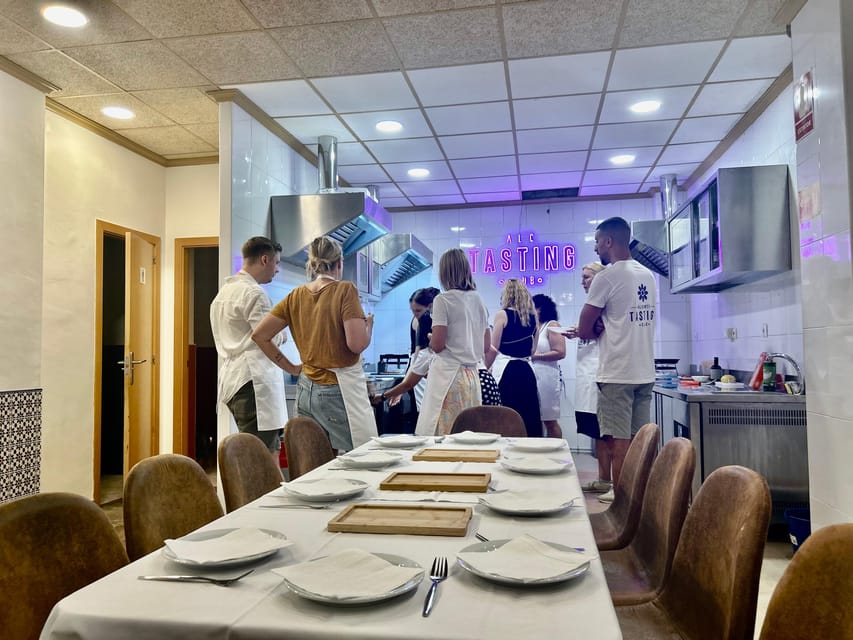
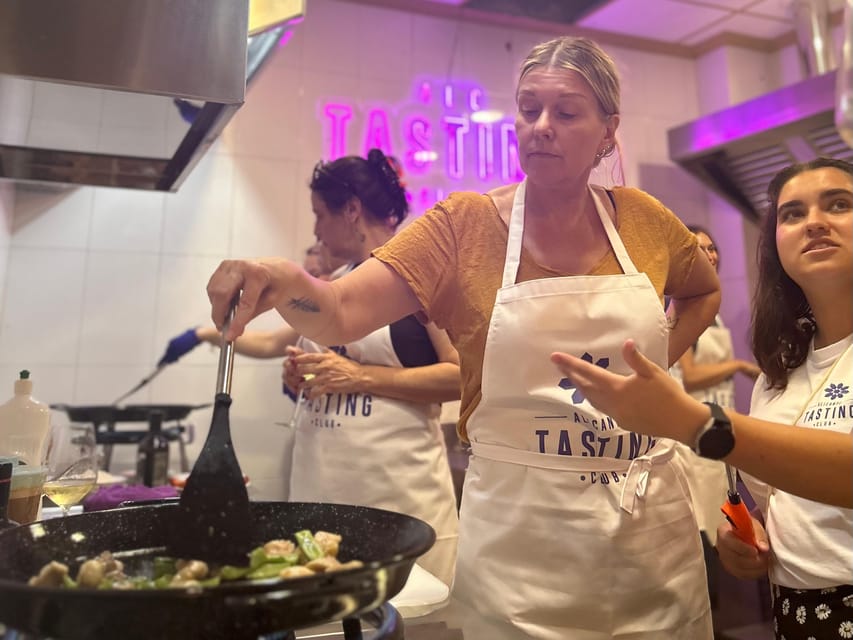
The kitchen is described as purpose-built and comfortable for group cooking. The setting is important because the class depends on participation. You need room to prepare ingredients, follow the chef’s instructions, and gather around the rice dishes as they cook.
The cooking staff takes a team approach. In some sessions, the group prepares more than one type of arroz de Alicante, allowing you to compare meat, seafood, and vegetarian options. This is a useful advantage over a class that gives everyone exactly one fixed recipe. You may get to taste several versions, and you can see how changing the main ingredients affects the finished dish.
The guides also adjust the class to the group when possible. One participant with previous paella-class experience appreciated being able to make different meat and seafood choices. That flexibility makes the experience more useful for mixed groups, especially if one person avoids seafood or another prefers vegetarian food.
Learning the paella method, not just copying steps
The central lesson is how to prepare authentic Alicante-style rice. You work with the ingredients, follow the cooking process, and learn practical tips from the chef. The focus is not on fancy culinary theory. It is on getting the details right.
That makes the class suitable for a first-time cook. Several people describe the guides as patient and clear, including with participants who did not feel confident in the kitchen. Teenagers and solo visitors also fit comfortably into the format.
At the same time, experienced home cooks can pick up useful details. A chef who attended found the class offered worthwhile tips, which suggests the teaching is not limited to basic chopping instructions.
The rice dishes are the main event, but the class also gives you a better sense of local terminology. You may hear the food referred to as arroz de Alicante, a useful distinction because not every Spanish rice dish is prepared in the same way. Learning that difference helps you order more intelligently at restaurants later.
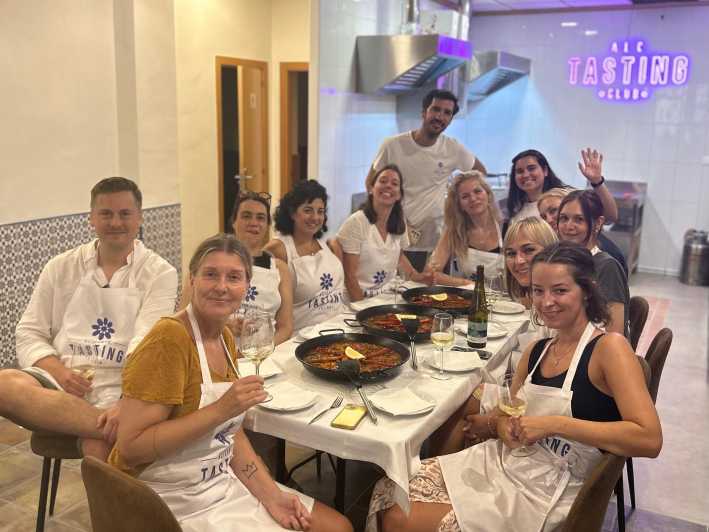
The best part is the shared responsibility. You do not simply wait for a finished paella to arrive. You help make it, then sit down to eat food your group has prepared. That creates a stronger connection between the recipe and the meal.
Tapas, wine and sangría while the food cooks
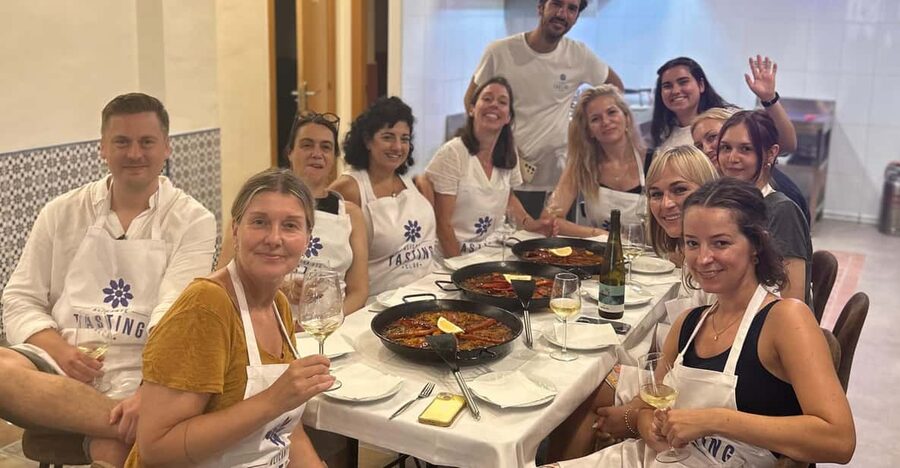
The class includes a selection of traditional tapas, served alongside local wines, sangría, water, soft drinks, and other beverages. This turns the preparation time into part of the social experience rather than dead time while the rice cooks.
The tapas also give you something to eat before the main dish. That is useful because the class lasts three and a half hours, and the final rice course comes after preparation. The food is not limited to one plate of paella at the end.
The drinks are frequently described as generous, with wine and sangría available during the cooking and meal. This is a pleasant feature, but it is worth pacing yourself. You are in a kitchen, handling ingredients, and spending several hours with the group. Enjoy the local drinks, but do not mistake a relaxed food class for an open-ended drinking session.
The social side works particularly well for solo visitors and couples. People cook in teams, share tapas, and eat together. The experience has a family-lunch feeling rather than a formal restaurant lesson. That atmosphere depends partly on the group, of course, but the guides make a clear effort to include everyone.
Same place, a different set of stalls:
- Valencian paella cooking class, tapas and visit to Ruzafa market.
★ 5.0 · 828 reviews - Spanish Cooking Class & Triana Market Tour in Sevilla
★ 5.0 · 760 reviews - Seville: 3.5-Hour Spanish Cooking Class & Triana Market Tour
★ 4.9 · 751 reviews - Valencia: Paella Cooking Class with Central Market Tour
★ 5.0 · 721 reviews
Eating the rice you helped prepare
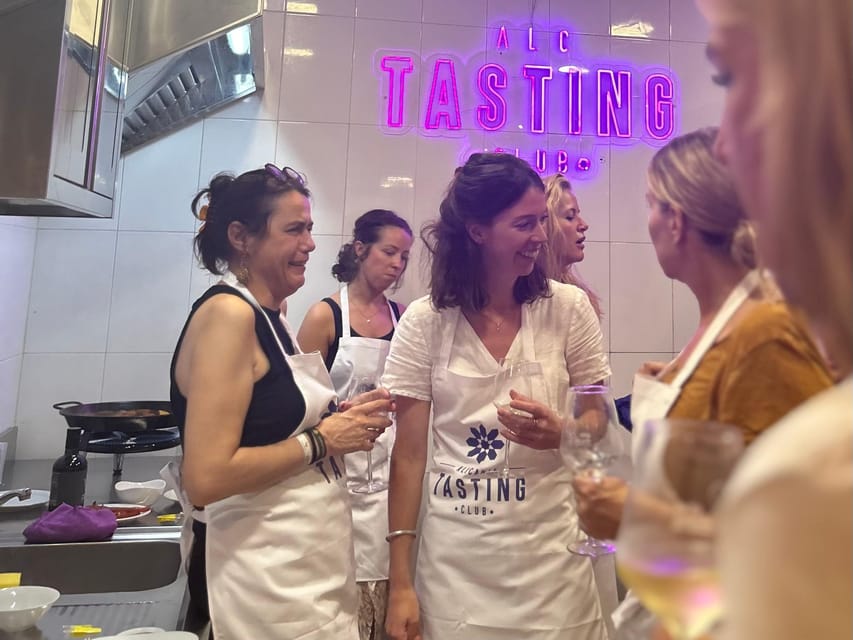
At the end, the group sits down to taste the finished dishes. This is the payoff, but it is also where the class becomes useful. You can compare how the meat, seafood, and vegetarian versions differ, especially if the session includes all three.
Seafood paella receives particularly strong praise from one participant, who found it more flavorful than the chicken version. That is a personal preference, not a guarantee, but seafood is worth considering if you have the choice.
The final meal is shared, so do not expect a private dish for each person. The advantage is variety and conversation. You get to taste the work of the whole group, and the meal feels communal.
The class also supplies recipes to take home. That makes the $58 price easier to justify. You are paying for more than a single meal: the market visit, guide, ingredients, instruction, tapas, drinks, and a recipe you can use later are all part of the package.
Is $58 good value for three and a half hours?
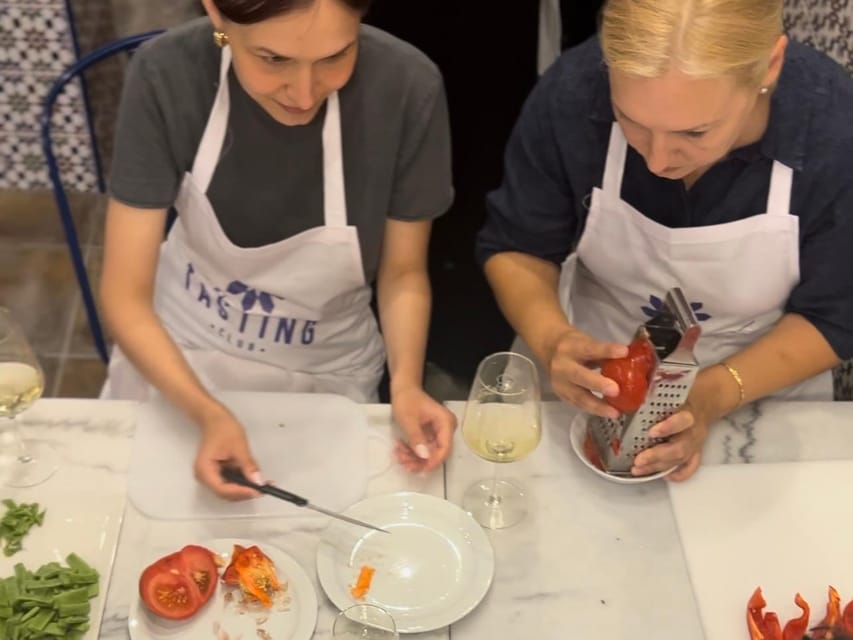
At $58 per person, this is not the cheapest way to eat in Alicante. You could order a rice dish at a restaurant for less. But a restaurant meal would not include a market visit, cooking instruction, several tapas, local drinks, or the chance to prepare multiple styles of rice.
I consider the price fair for a visitor who wants an activity as well as lunch or dinner. The value is strongest if you take part fully. If you only want to eat paella, choose a restaurant. If you want food, local context, and a social afternoon, the class offers more.
The package also avoids some common hidden costs. Ingredients for the class are included, as are the tapas and listed beverages. You receive the recipes, and the English or Spanish-speaking guide remains with you through the experience.
Group size can affect the value. A larger group may mean more shared tasks and less one-on-one coaching, though it can also allow several rice dishes to be prepared. The teaching team has handled larger sessions successfully, but people seeking quiet, highly personal instruction should ask about the expected group size before booking.
Who will enjoy this most?
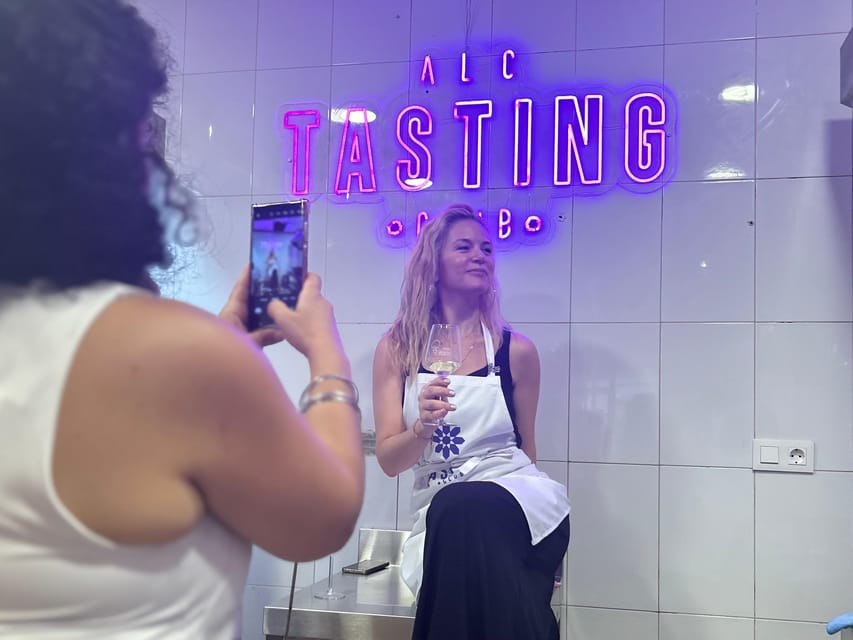
I would recommend this class to:
- First-time cooks who want calm, clear instruction
- Couples looking for a shared food activity
- Solo visitors who enjoy meeting people at the table
- Families with teenagers
- Home cooks who want practical Alicante rice tips
- Anyone who wants local food context without committing to a full-day tour
It is also a good choice for a birthday activity or a memorable afternoon during a short Alicante stay. The mix of market, cooking, tapas, and drinks gives you several ways to enjoy the experience.
You may want to skip it if you dislike group activities, do not want to prepare food, or prefer a quiet meal with no fixed schedule. The experience is built around participation and conversation. It is not a private chef lesson or a simple tasting.
Language, access and useful booking details
The activity is available in English and Spanish, with a live guide. The guides named in the supplied details include Cristina, Andrea, Marina, and Maria, though the person leading your class can vary.
The experience is wheelchair accessible. Because the route includes a market visit and a short walk to the cooking location, it is sensible to confirm the practical arrangements when booking if you have specific mobility needs.
The duration is three and a half hours. Starting times vary, so check availability for your chosen date. You can cancel up to 24 hours in advance for a full refund, and the reserve-now, pay-later option gives you some flexibility.
Dietary choices are covered at the basic level stated: meat, seafood, vegetarian, and vegan options are available. Tell the provider your preference when booking so the class can prepare the right ingredients.
What the strongest praise focuses on
The most consistent strengths are the guides, the market visit, and the friendly cooking atmosphere. Cristina receives repeated praise for her warmth, patience, local knowledge, and ability to include everyone. Andrea is also described as welcoming and clear, while Marina is praised for guiding groups through both the market and kitchen.
The market is not treated as a token photo stop. You learn about ingredients, vendors, and Alicante food traditions before using those products in the kitchen. That link gives the class more substance.
The food itself is another major strength. The finished dishes are usually described as delicious, and many people leave feeling confident enough to try the recipe at home. The inclusion of tapas and local wine makes the activity feel like a complete meal rather than a short cooking demonstration.
The only recurring practical caution is that group size can vary. Most people enjoy the shared format, but a larger class may feel less intimate. Ask about the expected number of participants if personal attention matters to you.
Should you book this Alicante paella class?
Book it if you want to understand Alicante through food, not just eat one famous dish. The market visit gives the class a local starting point, the cooking is active without being intimidating, and the tapas and drinks make the three and a half hours feel generous.
I would especially choose it early in an Alicante visit. You can use the market knowledge, restaurant suggestions, and local food tips for the rest of your stay. Pick the seafood option if that appeals to you, and expect to share the cooking with a friendly group rather than receive a private lesson.
For $58, this is a strong value for an all-in food activity. It is best for curious eaters who enjoy a little teamwork, a few glasses of local wine, and the satisfaction of saying: I made that rice dish myself.
FAQ
How long does the Alicante paella cooking class last?
The experience lasts three and a half hours.
How much does the cooking class cost?
The listed price is $58 per person.
Is a market visit included?
Yes. The experience begins with a guided visit to a local market where the group buys ingredients for the cooking class.
What food is included?
The class includes a hands-on Alicante paella or arroz cooking session, traditional tapas, and the finished rice dishes. Meat, seafood, vegetarian, and vegan options are available.
Are drinks included?
Yes. Local wines, sangría, water, soft drinks, and other beverages are included.
Can beginners join the class?
Yes. The class is suitable for both seasoned cooks and beginners, with a local chef guiding the group through the preparation.
Is the experience available in English?
Yes. Live guidance is offered in English and Spanish.
Is the activity wheelchair accessible?
Yes. The activity is listed as wheelchair accessible.
Can I cancel for a full refund?
Yes. You can cancel up to 24 hours in advance for a full refund.
Just added around Spain
- Explore Bilbao’s Flavors Mercado de la Ribera and Old Town★ 4.5 · 3 reviews
- CERTAL Exclusive Tour: LA RIBERA Market + GASTROBARS Bilbao (3h)★ 4.5 · 12 reviews
- Barcelona La Boqueria & Sant Antoni Private Food Experience★ 5.0 · 7 reviews
- Taste of Barcelona: Boqueria Market, Tapas & History Tour★ 4.5 · 22 reviews
- Barcelona Tapas Cooking & Cocktail Class with Veronique & Mattias★ 5.0 · 3 reviews
- Spanish Oysters, Cava and Ibérico Ham at Barcelona’s La Boqueria Market★ 5.0 · 8 reviews
- Private Barcelona Market Tour & Paella Cooking Class with Josh★ 5.0 · 4 reviews
- Food and Market Tapas Tour★ 5.0 · 6 reviews
Cooking Classes, compared.
Hanoi Cooking Class: Culture, Local Market & Meaning CSR Impact
Read our review →
5 Traditional Dishes Hanoi Cooking Class with Market Trip
Read our review →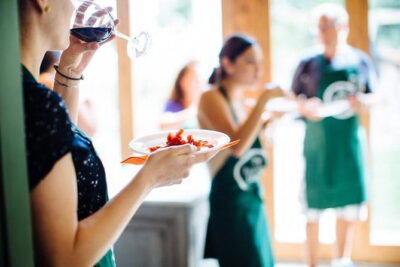
Cooking Class and Lunch at a Tuscan Farmhouse with Local Market Tour from Florence
Read our review →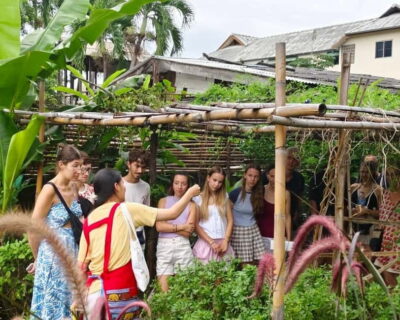
Cooking Class, Market & Thai Herbs Garden Tour
Read our review →
Authentic Cooking Class with Market & Farm Visit
Read our review →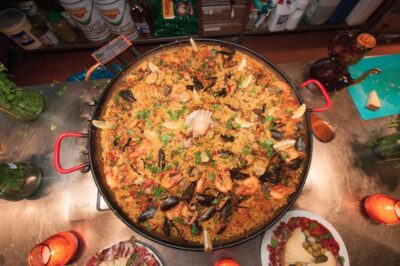
Paella Cooking Experience & Boqueria Market Tour
Read our review →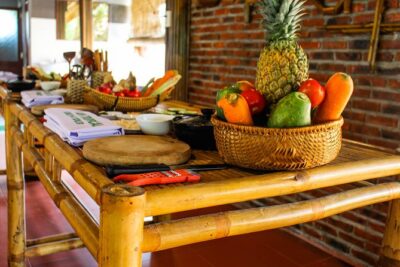
Cooking Class Hoi An:Local Market, Basket Boat, Fishing & Cooking
Read our review →
Hoi An Cooking Class(Market,BasketBoat Crabfishing&Cooking Class)
Read our review →Browse the lists this tour appears in