
Review · EMIRATE OF DUBAI, UNITED ARAB EMIRATES
walking tour in old dubai, souks, abra boat, old town
Old Dubai tells a better story on foot. This three-hour tour links Al Fahidi’s wind towers, the Old Mosque, textile stalls, and Dubai Creek with a short abra ride. I like the mix of landmarks and everyday market life, and I especially like that camel milk tea, camel milk chocolate, water, and a local snack are included. At $23 per person, it offers a lot for a half day.
The main consideration is the pace and heat. You will walk through open streets and crowded market lanes, and the route is not suitable for wheelchair users or people with mobility impairments. The Dubai Museum may also be closed at certain times, as one Sunday visit found, so expect to see the area and fort rather than count on an indoor museum visit.
Key points to know before you book
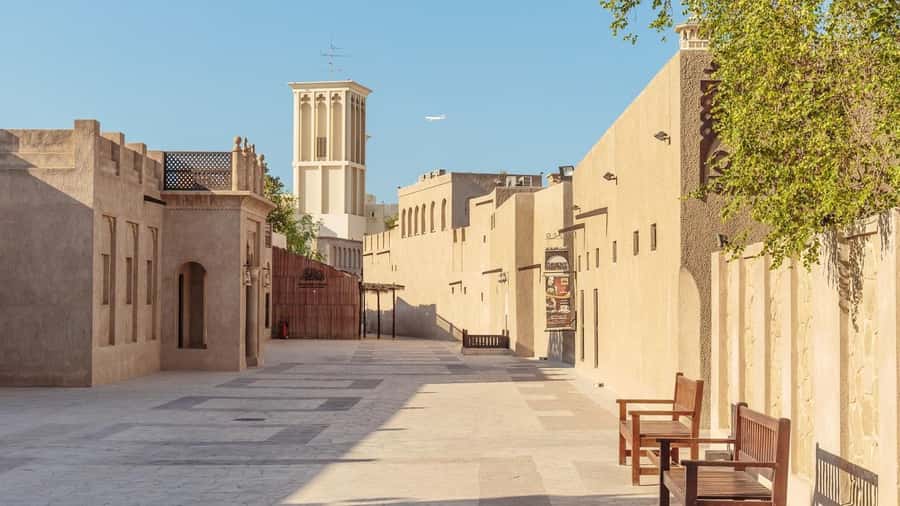
- Al Fahidi comes first: See restored courtyard houses, wind towers, cultural venues, galleries, and the coffee museum.
- The abra ride is part of the price: Cross Dubai Creek by traditional water taxi, a simple but memorable change from walking.
- The souks are a major focus: Explore the textile, spice, and gold markets with guidance on local products and fair-priced shopping.
- Local tastes are included: Try camel milk tea, camel milk chocolate, water, and a local food item such as the chicken wrap served on one tour.
- Guides receive the strongest praise: Muhammad, Abdullah, Ikram, Shahzad, Mazher, Hassan, Ehsan, and Aqib Abbas are among the guides singled out for warmth and clear explanations.
- The meeting point is easy to reach: Meet at Sharaf DG Metro Station, Exit 4, unless you select the private pickup option.
Why Old Dubai deserves three hours
Dubai’s famous skyline can make the city seem brand new. This walking route gives you a useful counterpoint. Before the towers, shopping malls, and wide highways, life centered on the creek, small courtyards, trade, fishing, and connections across the water.
You will not see every part of Old Dubai in three hours, but you will get a well-shaped introduction. The route moves from Al Fahidi on the Bur Dubai side to the textile, spice, and gold markets near Deira. That progression matters. You begin with architecture and local history, then finish where commerce still fills the streets with color, scent, bargaining, and display.
I would choose this tour early in a Dubai stay. It helps you understand the city before you spend time in its modern districts. It also works well during a short stopover because the meeting point is close to the Metro, the activity lasts three hours, and the final drop-off is near Al Ras Metro Station.
The group can be shared with other people or arranged privately. A shared tour keeps the price low and can create a friendly small-group feel. A private option costs more, but it gives you more control over the pace, which matters if you are traveling with children or an older family member.
More Market Walking Tours in Dubai
- Historic Old Dubai & Souk Small Group Walking Tour
★ 5.0 · 156 reviews - Dubai Souks, Food & Culture Walking Tour
★ 5.0 · 132 reviews - Private Old Dubai Walking Tour: Forts, Souks, and Boats
★ 5.0 · 116 reviews
Al Fahidi: wind towers, courtyards, and old walls
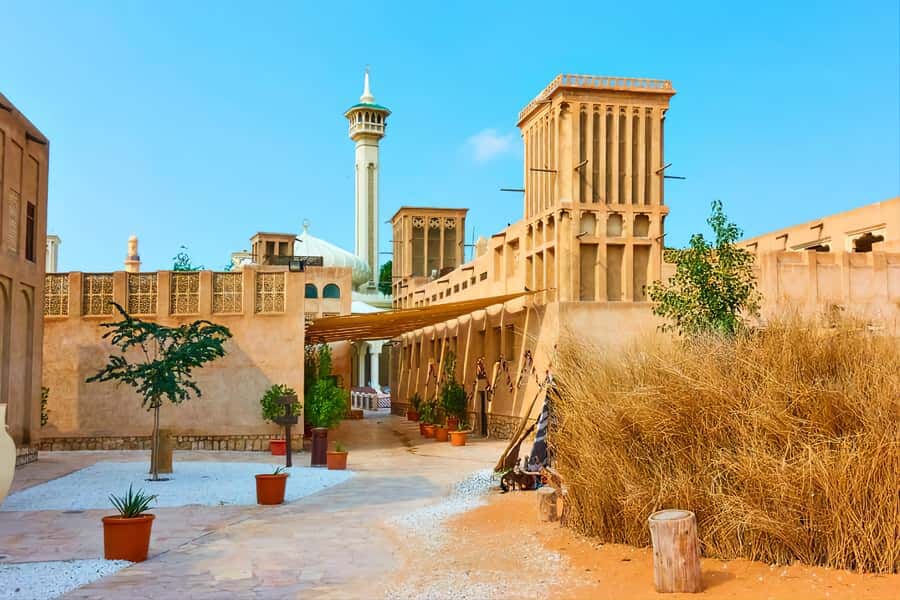
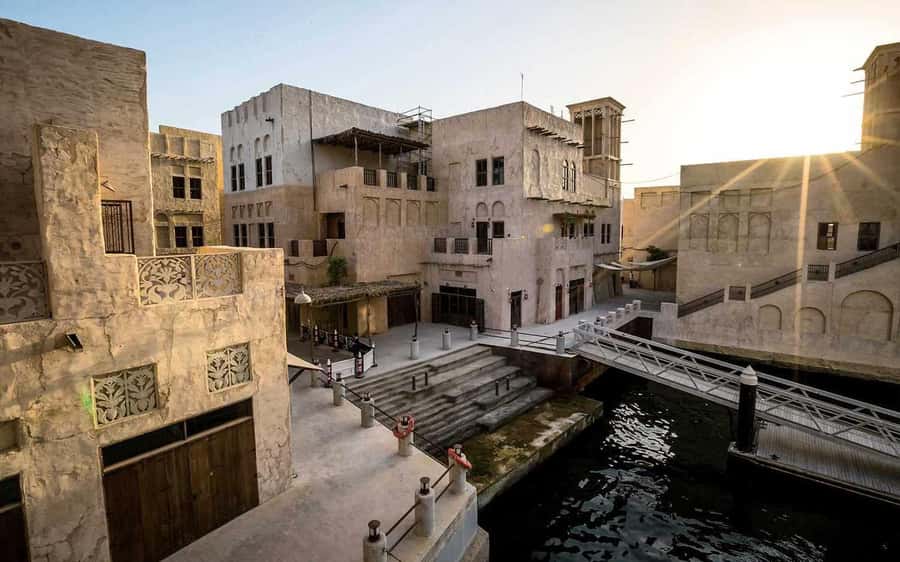
The tour begins in or near Al Fahidi, depending on the selected option. This district is the architectural heart of the experience. Its sand-colored buildings, narrow lanes, shaded courtyards, and traditional wind towers show a side of Dubai that is easy to miss from a taxi window.
Your guide explains how the buildings worked, not just how they looked. The wind towers were designed to catch air and help cool the rooms below. The old houses now serve as museums, art galleries, event spaces, and cultural centers, so the neighborhood feels less like a preserved film set and more like a working heritage district.
Expect about 45 minutes around Al Bastakiya, including a guided visit and time for photographs. This is the part of the route where a good guide makes a major difference. Muhammad has been praised for adding historical context without making the walk stiff or academic. Abdullah has also been praised for answering questions about Dubai’s past, culture, religion, and modern life.
You may stop near the Old Mosque, where the architecture provides another look at traditional Dubai. The route also passes the remains of Dubai’s old enclosure wall, built around 1800 AD. It is not a grand monument, but that is part of its value. Small remains like this help show how compact and protected the early settlement was.
The group also passes Al Fahidi Fort and the Dubai Museum area. The fort offers a useful landmark and a chance to discuss Emirati civilization, relics, and artifacts. Do not assume the museum interiors will always be open. One Sunday visit found the house closed at 4 p.m., so the schedule and opening hours can affect this portion.
Textile Market and Al Souq Al Kabeer
From Al Fahidi, the route heads toward the old textile market and Al Souq Al Kabeer. This stretch is less about grand monuments and more about understanding Dubai as a trading port.
At the textile stalls, you will see fabrics in many colors and patterns. Your guide can explain what is traditional, what is intended for clothing, and how shopping works in the souks. You may be approached by shopkeepers, especially in the busier lanes, so keep your budget and interests clear.
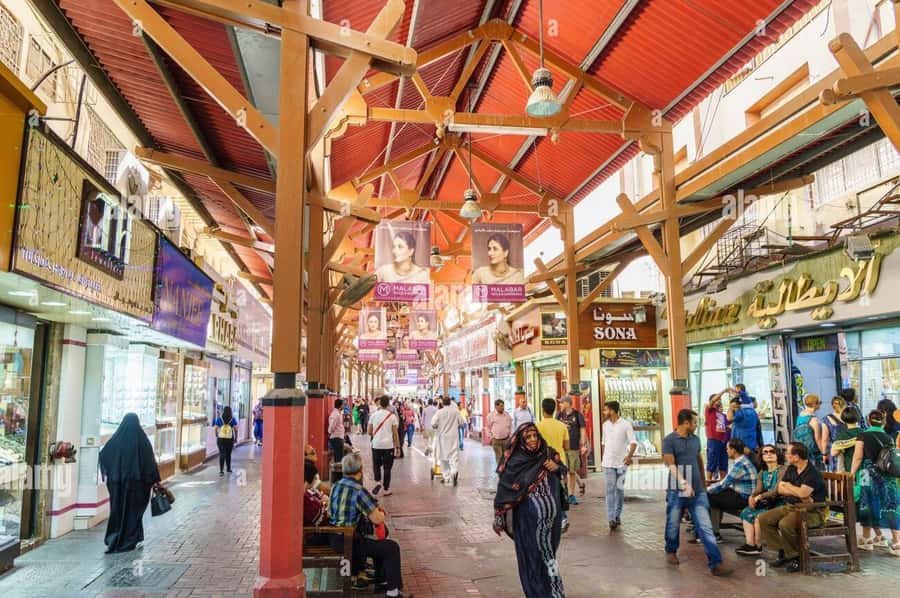
Al Souq Al Kabeer receives about 30 minutes for guided exploration and photographs. It is a good place to notice the contrast between restored heritage buildings and active retail streets. The route is tourist-friendly, but it does not feel like a museum visit. Shops are open, sellers are working, and the atmosphere changes with the flow of customers.
A practical tip: wear shoes that can handle uneven pavement and stand up to three hours of walking. Comfortable clothing, sunglasses, and a sun hat are sensible choices. Shaded lanes help, but you will still spend time outdoors.
The tour includes local food. One group received a chicken wrap before crossing the creek, which added a useful break before the second half of the route. The exact food may vary, but you should expect a small local tasting rather than a full meal. Have breakfast or lunch beforehand if you need something substantial.
Crossing Dubai Creek by abra
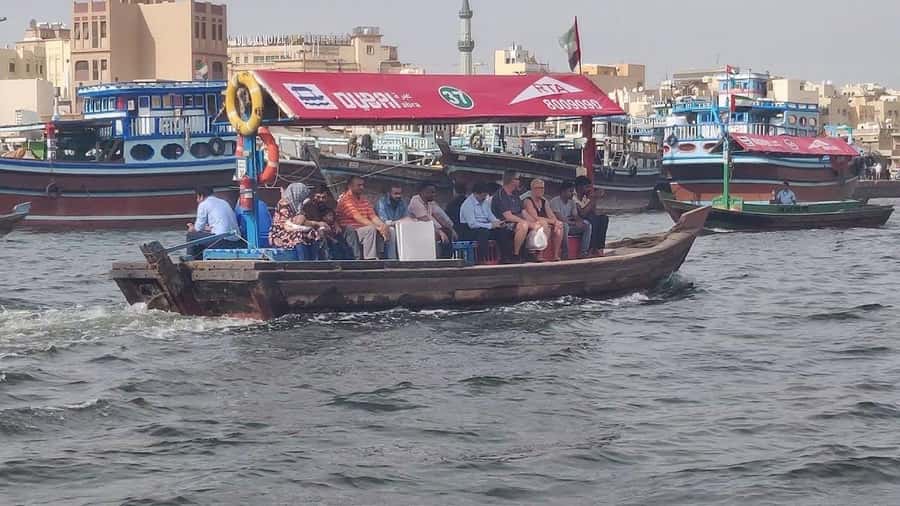
The abra ride is short, around 15 minutes, but it changes the feel of the tour. After walking through courtyards, shops, and narrow streets, you board a traditional water taxi and cross Dubai Creek.
This is not a luxury cruise. That is precisely why it works. The abra is everyday transport, and the ride gives you a local view of the waterway that shaped Dubai’s growth. Look back toward the older buildings, watch the creek traffic, and notice how quickly the city changes from one bank to the other.
The crossing also breaks up the walking. If you are traveling with family, this is often the moment that resets everyone’s energy. The ride is included in the $23 price, so you do not need to arrange or pay for it separately.
Keep your belongings close and leave large bags at your accommodation. Large luggage and baby strollers are not allowed on the activity. The tour is not designed for wheelchair users or people with mobility limitations, and the combination of walking, boarding, and market lanes makes that restriction important.
More Market Walking Tours in the UAE
- Private Historic Old Dubai and Souks Walking Tour featuring Hidden Gems
★ 5.0 · 27 reviews - Walking Tour in Dubai. Souks, museums, Local Food Testing
★ 5.0 · 11 reviews - Dubai Old Town Walking Tour with Abra ride, Spice and Gold Souk
★ 5.0 · 11 reviews - Dubai Old Town, Creek, Abra boat, Souks Guided walking Tour
★ 4.7 · 3 reviews
Spice Souk: scents, samples, and practical shopping
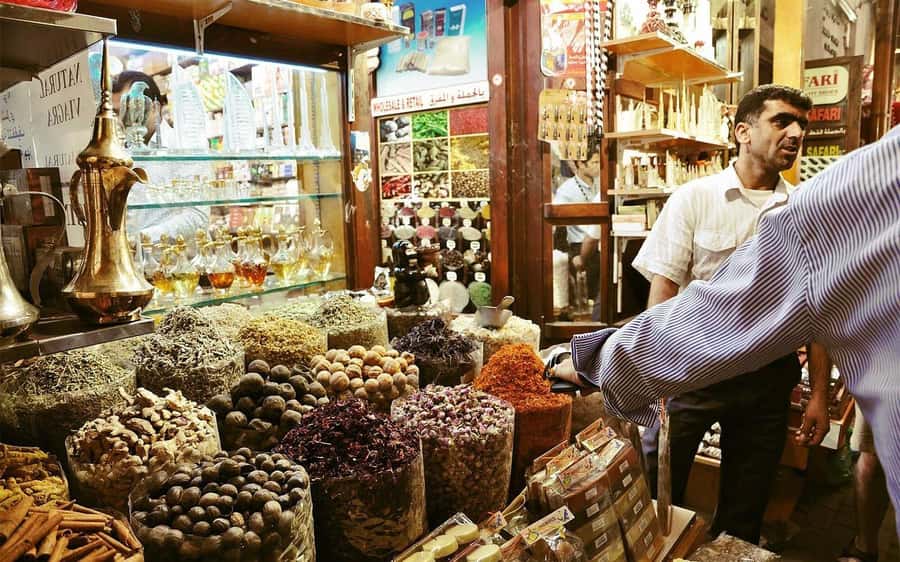
After crossing the creek, you explore the Spice Souk for about 45 minutes. This is one of the most sensory parts of the tour. The smell of spices, coffee, dried ingredients, and herbs reaches you before you have examined the displays.
Your guide helps put the products into context. You may see spices and ingredients from across the region, with shopkeepers explaining possible uses and recipes. The tasting element gives you a chance to try unfamiliar flavors rather than simply photograph them.
This is also where shopping advice matters. Hassan was praised for steering people toward fairly priced gift shops and friendly sellers. That does not mean every purchase will be a bargain, so compare prices, ask about quantities, and buy only what you actually want to carry home.
The souk can be busy and sales-focused. Some people enjoy the energy; others may find the attention tiring. If you prefer to browse quietly, tell your guide. A private tour gives you the most control, but even on a shared tour, a clear word should help you avoid spending the whole visit inside one shop.
Gold Souk: spectacle with a shopping lesson
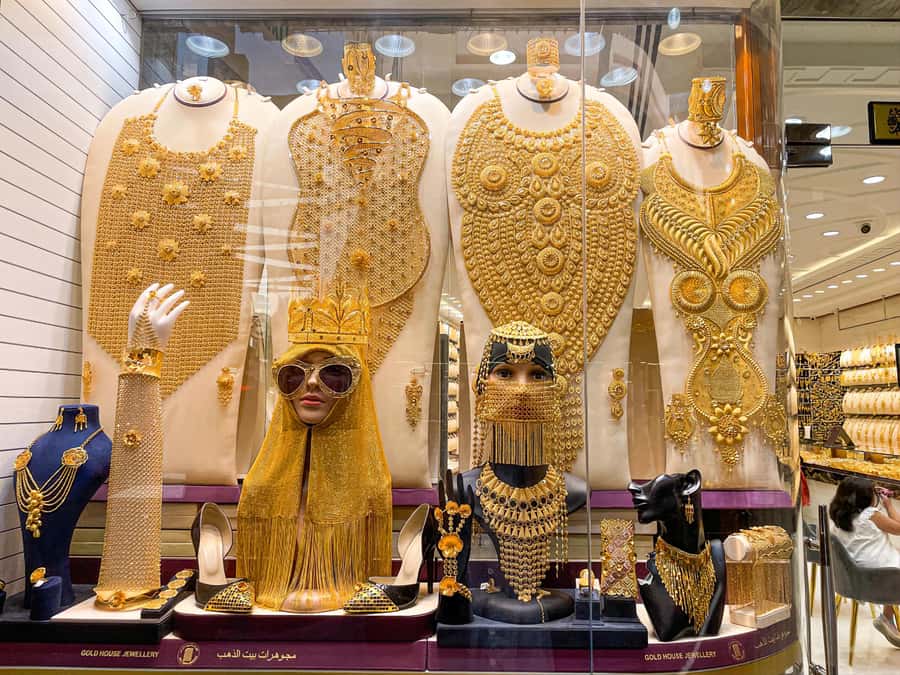
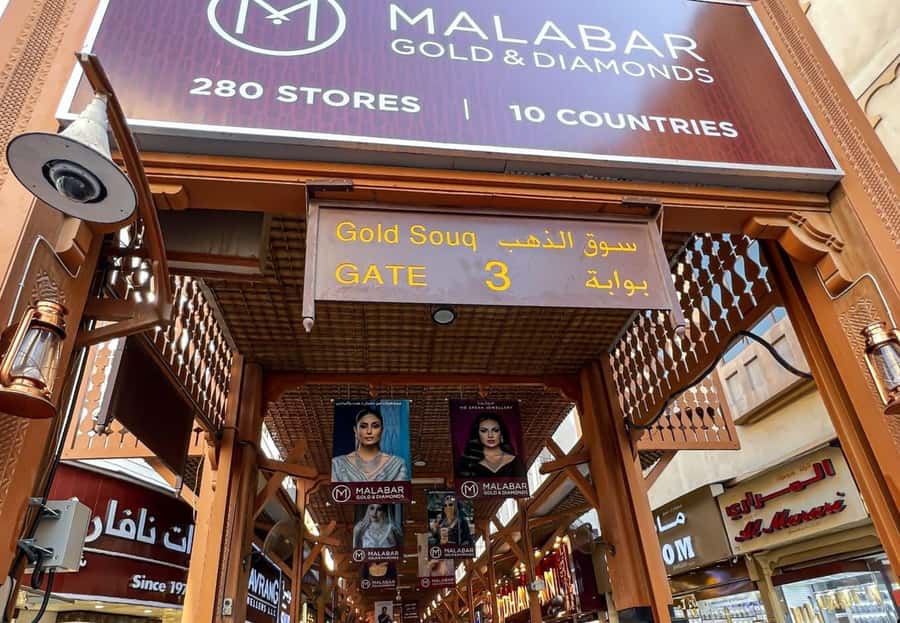
The Gold Souk is the final major stop, with roughly 45 minutes for a guided visit and photographs. The market is known for more than 350 tax-free gold retailers, and the displays are designed to catch your eye.
Even if you have no plan to buy jewelry, the souk is worth seeing. Large necklaces, elaborate bridal pieces, bracelets, and bright window displays show how gold functions as both adornment and a store of value in the region. The scale is far removed from a typical jewelry street.
You do not need to shop to enjoy this stop. If you are considering a purchase, ask questions about weight, purity, workmanship, and the final price. Keep your expectations realistic: a guide can help you understand the setting and direct you toward reputable or fairly priced shops, but you remain responsible for checking the deal.
The final drop-off locations are Dubai and Al Ras Metro Station. Ending near Al Ras is convenient if you want to continue exploring Deira, return by Metro, or make your own way to another part of the city.
The guides are the heart of the experience
The activity uses licensed English or German-speaking guides, and the strongest praise centers on their personal approach. Muhammad has been described as entertaining and attentive, with a talent for connecting Bedouin traditions, Arabic coffee, dates, and Dubai’s rapid growth.
Abdullah receives repeated praise for clear explanations, friendliness, and patience. He adjusted the shade and pace for one group, and he helped another family understand Dubai’s culture and daily life. Ikram has also been praised for speaking several languages and slowing down for an elderly father and children.
Other named guides include Aqib Abbas, Shahzad, Mazher, Hassan, and Ehsan. The useful pattern is clear: the guide is not there simply to point at buildings. You can ask about the ruling family, religion, local customs, architecture, trade, and how Dubai changed so quickly.
Guide quality can vary on any shared activity, but the feedback attached to this one is unusually consistent, with a 5 out of 5 rating from 89 reviews. The best way to get more from the walk is to bring questions. Ask what the wind towers did, how the souks are organized, and what is genuinely local rather than made for visitors.
Price, group size, and what you receive
At $23 per person, the price is strong for three hours with a licensed guide, the abra crossing, water, a local food item, camel milk tea, and camel milk chocolate. You are also paying for the route design. Seeing these places independently is possible, but you may spend more time finding the right lanes and less time understanding them.
The value is best if you want context. If you only want quick photographs of the souks, you could walk through parts of the area on your own. The guide earns the fee by explaining what you are seeing and helping you move between districts without guesswork.
The private option costs more but may suit families, older relatives, or anyone who wants a slower schedule. A shared group suits solo visitors and couples who enjoy meeting other people. The tour can also be a good fit for a short Dubai stopover, since it starts at an accessible Metro station and ends near Al Ras.
The activity has free cancellation up to 24 hours before departure, and you can reserve now and pay later. Pickup and drop-off from hotels, the airport, or another Dubai location are available only when you select the appropriate private pickup option.
Who should book this Old Dubai walk?
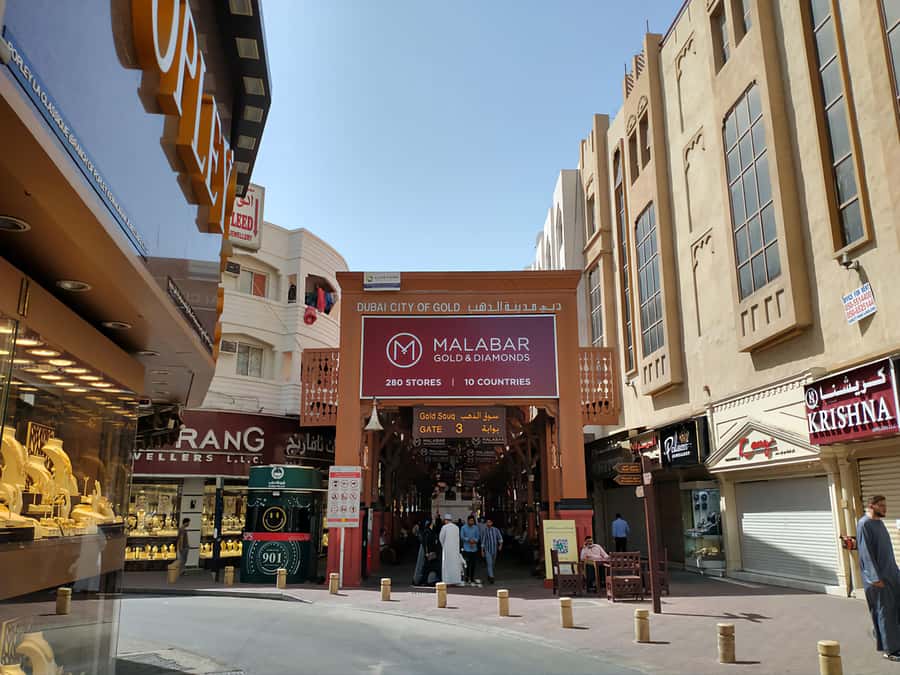
Book it if you want to understand Dubai beyond its modern skyline. It suits first-time visitors, history fans, solo visitors, couples, and families who can manage several hours on foot. It is particularly useful if you want a guide who can connect architecture, religion, food, trade, and modern Emirati life in one compact route.
You should think twice if you dislike market sales, outdoor heat, or walking on uneven surfaces. It is also not suitable for wheelchair users, people with mobility impairments, those bringing baby strollers, or anyone carrying large luggage.
For most able-bodied visitors, I would book it near the start of a Dubai stay. The Al Fahidi lanes, creek crossing, spice scents, gold displays, and friendly guide make a strong introduction to the city’s older character. Choose a private tour if comfort and flexibility matter more than the lowest price. Otherwise, the shared option offers excellent value.
FAQ
How long does the Old Dubai walking tour last?
The tour lasts three hours.
How much does the tour cost?
The listed price is $23 per person.
Where does the tour meet?
The meeting point is Sharaf DG Metro Station, Exit 4. The guide waits there wearing a tour guide license.
Is hotel pickup included?
Hotel pickup and drop-off are not included unless you select the private option with pickup.
Which languages are available?
The tour is offered in English and German.
Is the abra water taxi included?
Yes. The traditional abra crossing is included in the tour price and takes about 15 minutes.
What food and drinks are included?
The tour includes water, camel milk tea, camel milk chocolate, and local food.
Which markets does the tour visit?
The route includes the Old Textile Market, Spice Souk, and Gold Souk.
Is the tour suitable for wheelchair users?
No. The activity is not suitable for wheelchair users or people with mobility impairments.
What should I bring?
Bring comfortable shoes, sunglasses, a sun hat, and comfortable clothes. Baby strollers and large bags are not allowed.
Can I cancel the tour?
Yes. You can cancel up to 24 hours in advance for a full refund.
Just added around Dubai
- Walking Tour in Dubai. Souks, museums, Local Food Testing★ 5.0 · 11 reviews
- Old Dubai Heritage Tour: Souks, Mosques & more hidden gems!★ 4.3 · 72 reviews
- Old Dubai Guided Tour With Photographer: Souks & Street Food★ 4.9 · 74 reviews
- Dubai Tour: Haritage Walking Guide, Gold & Spice Souq, Creek★ 4.5 · 11 reviews
- Dubai:Private Frame Entry, Mosque, Souks, Tastings& transfer★ 4.8 · 9 reviews
- Dubai Old Town, Creek, Abra boat, Souks Guided walking Tour★ 4.7 · 3 reviews
- Dubai: Discover Dubai Old Town, Souks, Museum & Street Food★ 4.9 · 25 reviews
- Dubai: Guided City Walking Tour to Spice and Gold Souk★ 5.0 · 3 reviews
Walking Tours, compared.

City Highlights Temple and Market Walking Tour
Read our review →
Tokyo Tsukiji Fish Market Food and Culture Walking Tour
Read our review →
Ben Youssef, Secret Garden, & Souks Walking Tour
Read our review →
Air Raid Shelter + St. Nicholas Market Walking Tour
Read our review →
Nishiki Market Brunch Walking Tour (7 Tastings + Brunch)
Read our review →Tsukiji Fish Market Food and Culture Walking Tour
Read our review →Browse the lists this tour appears in