
Review · EMIRATE OF DUBAI, UNITED ARAB EMIRATES
Dubai Old Town, Creek, Abra boat, Souks Guided walking Tour
Old Dubai rewards slow walking. This three-hour tour gives you a useful look at the city before skyscrapers, with Al Fahidi’s coral-and-shell houses, a traditional abra ride, museums, and the Spice and Gold Souks. I especially like the mix of walking, short cultural stops, and time on Dubai Creek.
I also like that the tour includes Arabic coffee or tea, fresh juice, samosa, camel milk chocolate, bottled water, museum entry, and the boat ride. The main consideration is the pace: you will walk through narrow streets and souks, and the tour is not suitable for people with mobility impairments. Summer heat can also make the open-air sections tiring.
Key points to know before booking

- Al Fahidi shows Dubai before the towers: Walk among more than 55 traditional houses built with coral and seashells.
- The abra ride connects two sides of the city: Cross Dubai Creek in a small traditional boat before reaching Deira’s old markets.
- Small food tastings add local flavor: Arabic coffee or tea, fresh juice, samosa, and camel milk chocolate are included.
- The guide matters here: A good guide can explain local customs and help you handle the busy Gold Souk. Walid, a French-speaking guide, is specifically praised for being friendly and helpful.
- The $27 price covers a lot: Museum and heritage-site entry, snacks, bottled water, the abra ride, and guiding are included, though transportation and a full meal are not.
- Bring only a small bag: Large bags and luggage are not allowed, and you should expect a fair amount of walking.
Why old Dubai is worth your time
Dubai is famous for glass towers, giant malls, and engineered attractions. Those sights are impressive, but they do not explain how the city functioned before its modern boom. This tour shifts the focus to the creek, trading neighborhoods, homes, mosques, markets, and everyday customs.
You begin at Al Seef Heritage Hotel, outside the hotel entrance. From here, the walk moves toward Al Fahidi Historical Neighborhood, one of the best places in Dubai to see traditional buildings and quieter lanes.
The tour is useful because it gives you context as you walk. Instead of seeing a courtyard or wind tower as decoration, you learn how homes were built and how people lived in Dubai from the mid-nineteenth century through the 1970s.
The schedule allows about three hours, but the route contains several stops. That makes it easier to follow than a long, unbroken walk. You can pause for explanations, photographs, drinks, and small tastings along the way.
More Market Walking Tours in Dubai
- Historic Old Dubai & Souk Small Group Walking Tour
★ 5.0 · 156 reviews - Dubai Souks, Food & Culture Walking Tour
★ 5.0 · 132 reviews - Private Old Dubai Walking Tour: Forts, Souks, and Boats
★ 5.0 · 116 reviews
Starting at Al Seef and entering Al Fahidi
The meeting point is outside Al Seef Heritage Hotel, Curio Collection by Hilton. You need to arrange your own transportation to the starting point. The nearest metro station is Sharaf DG on the Green Line, and you can also arrive by taxi.
Al Seef provides a gentle introduction to the creek area before the tour reaches the older neighborhood. You spend around 20 minutes here with the guide. This first section helps connect Dubai’s polished heritage presentation with the original trading life along the water.
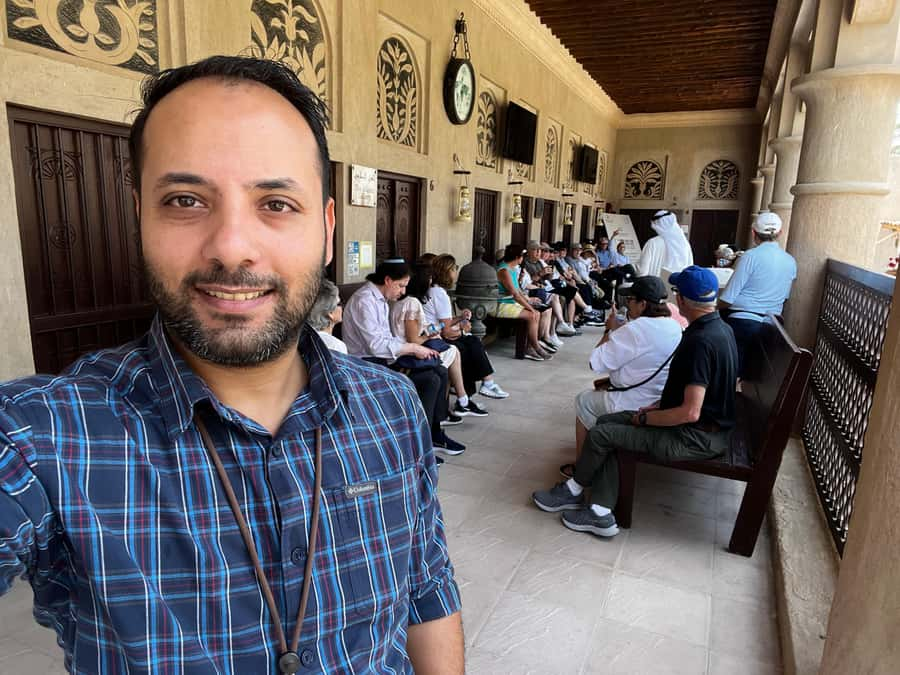
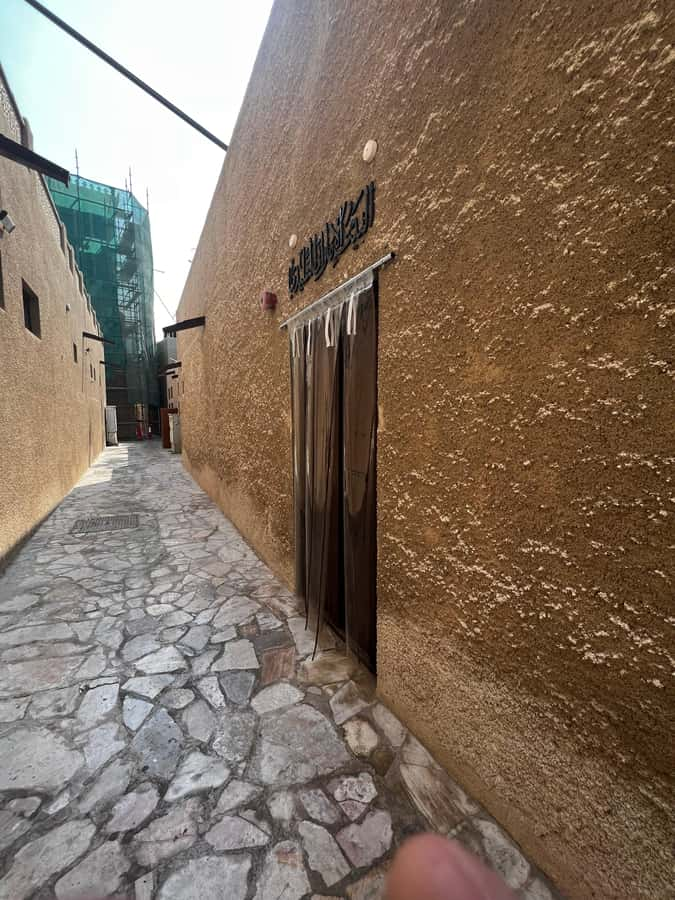
From Al Seef, the group continues on foot toward Al Fahidi. Allow 30 minutes for the guided walk through the historic district. The lanes and courtyards offer a clear contrast with modern Dubai, and this is one of the strongest parts of the experience for anyone interested in architecture or local customs.
More than 55 houses in the area were built using coral and seashells. That detail gives the buildings a strong sense of place. Rather than seeing generic old-style walls, you are looking at construction methods tied to the coastal environment and the materials available at the time.
The guide also discusses traditions, family life, and the lifestyle of people in old Dubai. The exact amount of detail depends on the guide and the questions you ask, so speak up if you want more background on homes, trade, religion, or Bedouin life.
Coins Museum and the old ways of trade
The Coins Museum receives about 20 minutes on the schedule. This stop adds a different layer to the walking tour because it moves from streets and buildings to money, trade, and changing political eras.
You can see ancient coins connected with Arabia and Dubai. The collection helps show how commerce developed in the region and why the creek became so important. It is a compact museum visit, not a long museum tour, so expect an introduction rather than an exhaustive examination of every display.
The museum works best when you treat it as part of the larger route. After seeing old houses and learning about local life, the coins give you a physical reminder that Dubai’s story has always been tied to exchange, movement, and business.
The tour also includes entry fees to the museums and heritage sites. That matters at this price, since you are not paying separate admission at each stop.
Traditional village, Al Fahidi Fort, and Al Souq Al Kabeer
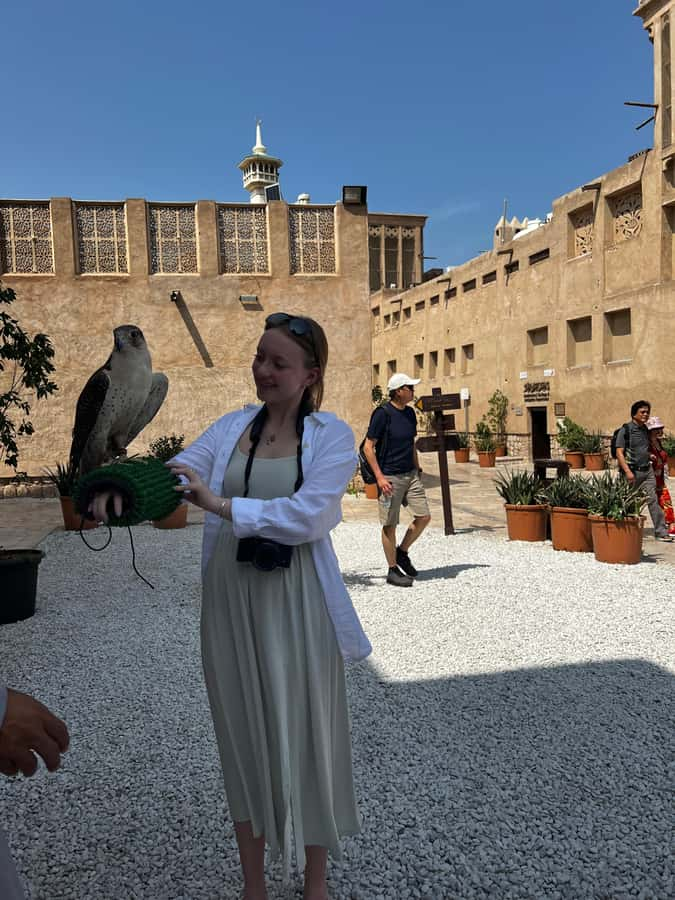
A traditional village visit takes around 20 minutes. The focus remains on older customs and the way people lived in the Arabian Peninsula. This is also where the tour’s introduction to Bedouin life can add meaning to the rest of the day.
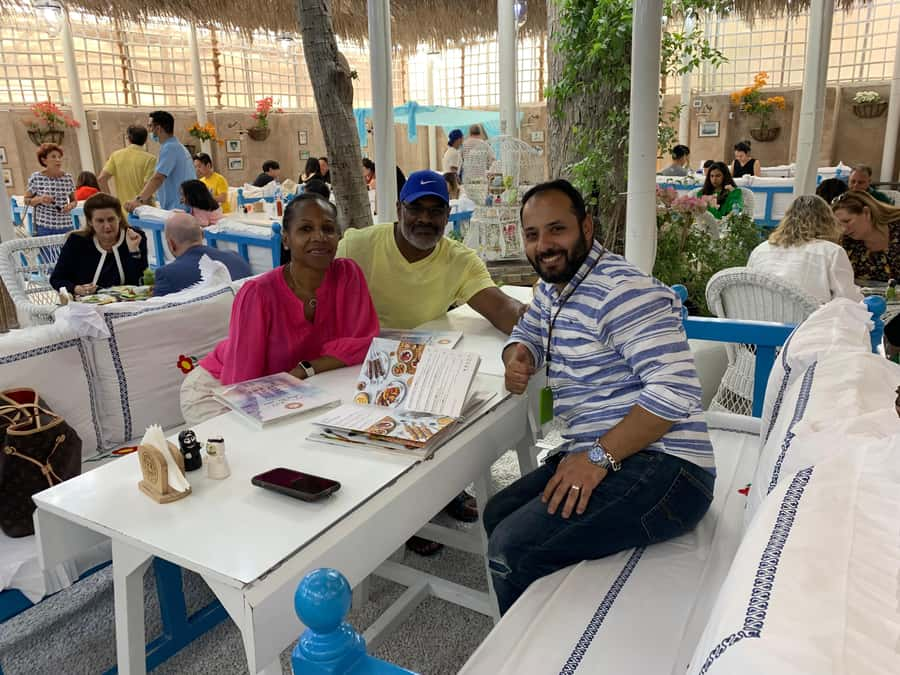
You will have time for Arabic coffee or tea, prepared in the style associated with Emirati hospitality. Fresh juice, a samosa, and camel milk chocolate are also included. These are small tastes rather than a full meal, so eat beforehand if you need substantial food.
The Arabic coffee is an especially useful touch because it connects the history discussion with a living custom. You are not only looking at old buildings. You are also learning how hospitality is expressed.
The route includes a ten-minute photo stop at Al Fahidi Fort. The stop is brief, so think of it as a chance to frame photographs and hear a short explanation rather than a full fort visit.
The tour then passes by Al Souq Al Kabeer for around 15 minutes. You are moving through an active part of Bur Dubai, where the old commercial character of the district becomes more apparent. Since this is a pass-by section, the guide’s commentary will be more important than the amount of time spent there.
More Market Walking Tours in the UAE
- walking tour in old dubai, souks, abra boat, old town
★ 5.0 · 89 reviews - Private Historic Old Dubai and Souks Walking Tour featuring Hidden Gems
★ 5.0 · 27 reviews - Walking Tour in Dubai. Souks, museums, Local Food Testing
★ 5.0 · 11 reviews - Dubai Old Town Walking Tour with Abra ride, Spice and Gold Souk
★ 5.0 · 11 reviews
Crossing Dubai Creek by abra
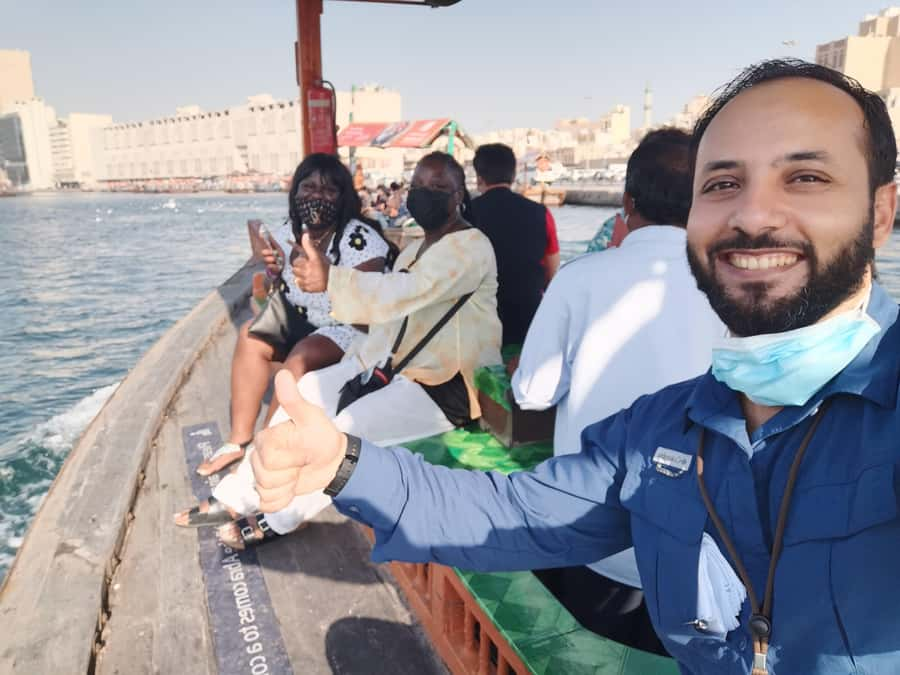
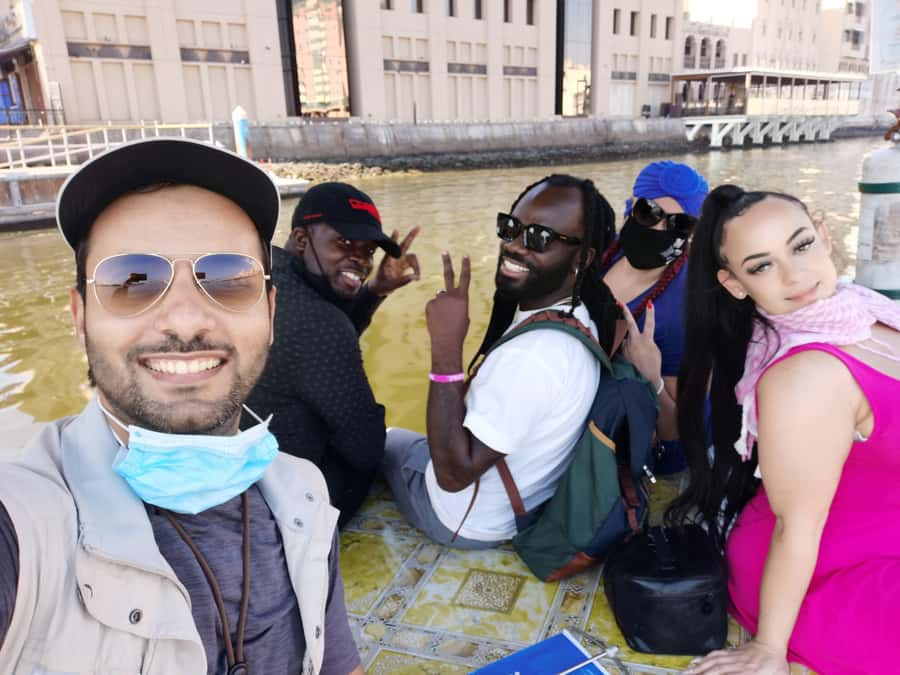
The traditional boat ride is one of the tour’s most appealing features. You board an abra at Bur Dubai Abra Station and cross Dubai Creek toward Deira.
The crossing itself takes about five minutes. That is short, but it changes the rhythm of the tour. After walking through courtyards and museums, you are suddenly on the water, looking back toward the old city and moving toward the markets.
The abra is not a sightseeing cruise. It is a simple transport crossing, which is precisely why it feels connected to the area’s working history. Dubai Creek was central to trade and movement long before the city’s modern roads and towers took over the story.
You also pass the wall of Old Dubai on the way toward the Coin Museum area and the markets. The boat is a practical link between the Bur Dubai and Deira portions of the route, not an expensive add-on designed to fill time.
Spice Souk: smells, colors, and careful shopping
The Spice Souk sits in Deira, one of Dubai’s oldest commercial districts. The walk through the market takes about 20 minutes, followed by a longer 30-minute section that includes guiding, walking, and shopping.
The narrow lanes are lined with shops selling spices from around the world. You will see displays filled with different colors and textures, and the aromas can be strong. For many people, this is the liveliest sensory part of the tour.
The shopping portion deserves a practical warning. Souk sellers are active and persuasive, and prices may not always be clear at first. A helpful guide can make the process less stressful by explaining what you are looking at and helping with negotiation.
Megan from the United States gave particular praise to the guide’s help with overwhelming Gold Souk vendors, but that advice applies here too. Keep your purchases simple, ask the price before agreeing, and do not feel pressured to buy.
The included samosa, juice, and camel milk chocolate give you a taste of local flavors without turning the tour into a food tour. You should not expect a full meal or a long tasting session.
Gold Souk and the textile market walk
The Gold Souk is reached after the creek crossing and market walk. Its narrow streets contain small shops with Arabic and Indian-style gold jewelry, ranging from traditional pieces to elaborate designs.
Even if you do not plan to purchase anything, the Gold Souk is worth seeing for the scale and presentation of the jewelry. The tour gives you a way to understand the market without simply wandering in and trying to work out where to go.
A short walk through the Textile Souk connects the market sections. The route shows how Deira and Bur Dubai developed as commercial districts with different types of goods grouped around the creek.
Because this is a guided walking tour, you can ask questions as you go. That is more useful than rushing through the souks alone, especially if you want to understand the difference between browsing, bargaining, and buying.
The Gold Souk can be overwhelming, particularly during a busy period. The guide’s ability to keep the group together and offer practical help is important here. Megan also noted that the guide kept teenagers interested in the old Dubai material and sought shaded areas during hot weather. That suggests the experience can work for families, provided everyone is comfortable walking in heat.
What the $27 price really covers
At $27 per person, this tour offers solid value if you want several old Dubai sights in one outing. The price includes a local guide, Arabic coffee or tea, bottled water, fresh juice, samosa, camel milk chocolate, entry fees for heritage sites and museums, the abra ride, and visits to both the Gold and Spice Souks.
You are also getting a route that would be awkward to assemble independently in only three hours. The tour links Al Seef, Al Fahidi, the Coin Museum, the fort area, the creek crossing, and Deira’s markets.
Transportation to the starting point is not included. You must reach Al Seef Heritage Hotel yourself, and any meal beyond the listed snacks is also your responsibility. Those exclusions are reasonable at this price, but you should plan for them.
The tour offers free cancellation up to 24 hours before the start time, and you can reserve now and pay later. Check the available start times when booking, since the schedule is not fixed in the information provided.
Heat, walking, and what to bring
This experience is not suitable for people with mobility impairments. The route includes walking through historic lanes, souks, and market areas, plus the transition between the two sides of the creek.
You should wear comfortable shoes and dress for Dubai’s heat. The route includes shaded sections, and one guide was praised for deliberately finding shade for the group, but much of the experience takes place outdoors.
Large bags and luggage are not allowed. Bring only what you need for a few hours, such as a phone, wallet, water if desired, and sun protection.
The tour is offered in Arabic and English. One specific guide, Walid, is described as French-speaking, friendly, and helpful, but you should confirm language availability if French is important to you.
Who will enjoy this tour most
I would recommend this tour to first-time visitors who want an introduction to Dubai beyond modern architecture. It is also a good choice for families with older children or teenagers, since the route changes often and includes boats, markets, snacks, and short museum visits.
It suits anyone interested in local customs, old homes, Islamic culture, trade, coins, and traditional markets. The guide’s explanations are a major part of the value, so ask questions rather than treating the walk as a simple photo stop.
You may want a different experience if you dislike bargaining, narrow market lanes, outdoor heat, or walking on a set schedule. It is also not the right choice if you want a relaxed restaurant meal, a long cruise, or a private shopping trip.
Should you book the Old Dubai walking tour?
Book it if you want a compact, affordable introduction to Dubai’s older districts. The best reasons are the Al Fahidi houses, the short abra crossing, the Coins Museum, and the chance to visit both souks with a guide who can explain what you are seeing.
The main tradeoff is comfort. You will walk, spend time outside, and handle busy market areas. Still, at $27, the combination of guiding, admissions, snacks, and the traditional boat ride makes this a practical way to understand the city’s past before returning to its modern skyline.
FAQ
Where does the tour start?
The meeting point is outside Al Seef Heritage Hotel Dubai, Curio Collection by Hilton.
How long does the tour last?
The tour lasts three hours.
How can I reach the meeting point?
You can arrive by taxi. The nearest metro station is Sharaf DG on the Green Line.
Is the abra boat ride included?
Yes. A traditional boat ride across Dubai Creek is included, and the crossing takes about five minutes.
Which languages are available?
The live tour is offered in Arabic and English. A French-speaking guide named Walid has also led a booking, but French availability should be confirmed before booking.
Are museum and heritage-site tickets included?
Yes. Entry fees to the heritage sites and museums are included.
Is food included?
Small refreshments are included: Arabic coffee or tea, bottled water, fresh juice, samosa, and camel milk chocolate. A full meal is not included.
Is the tour suitable for people with mobility impairments?
No. The activity is marked as unsuitable for people with mobility impairments, and large bags or luggage are not allowed.
Just added around Dubai
- Walking Tour in Dubai. Souks, museums, Local Food Testing★ 5.0 · 11 reviews
- Old Dubai Heritage Tour: Souks, Mosques & more hidden gems!★ 4.3 · 72 reviews
- Old Dubai Guided Tour With Photographer: Souks & Street Food★ 4.9 · 74 reviews
- Dubai Tour: Haritage Walking Guide, Gold & Spice Souq, Creek★ 4.5 · 11 reviews
- Dubai:Private Frame Entry, Mosque, Souks, Tastings& transfer★ 4.8 · 9 reviews
- Dubai: Discover Dubai Old Town, Souks, Museum & Street Food★ 4.9 · 25 reviews
- Dubai: Guided City Walking Tour to Spice and Gold Souk★ 5.0 · 3 reviews
- Dubai: Al Ain Oasis, Camel Market, Old Museum & Jebel Hafeet★ 4.4 · 8 reviews
Walking Tours, compared.

City Highlights Temple and Market Walking Tour
Read our review →
Tokyo Tsukiji Fish Market Food and Culture Walking Tour
Read our review →
Ben Youssef, Secret Garden, & Souks Walking Tour
Read our review →
Air Raid Shelter + St. Nicholas Market Walking Tour
Read our review →
Nishiki Market Brunch Walking Tour (7 Tastings + Brunch)
Read our review →Tsukiji Fish Market Food and Culture Walking Tour
Read our review →Browse the lists this tour appears in