
Review · WESTERN PROVINCE, SRI LANKA, SRI LANKA
Colombo: Local Market Tour & Cooking Demo with Lunch
Market shopping becomes lunch. This four-hour Colombo outing links a local produce market with a hands-on cooking session in a countryside home. I like that you choose the vegetables, fruit, and meat for the meal, and I like the chance to learn family methods rather than simply watch a restaurant demonstration. The main consideration is dietary planning: ingredients are selected during the visit, so discuss restrictions when confirming your reservation.
The activity costs $55 per person and includes hotel pickup, tuk-tuk transport, a guide, lunch, refreshments, water, and taxes. Roman and Delrin Vanhoff, a mother and daughter team, led one especially well-received session, with Roman and Delrin sharing Sri Lankan dishes and generous hospitality. I would allow extra time for the meal and conversation if you can, since one afternoon participant had to leave before enjoying as much of the visit as hoped.
Key details before you book
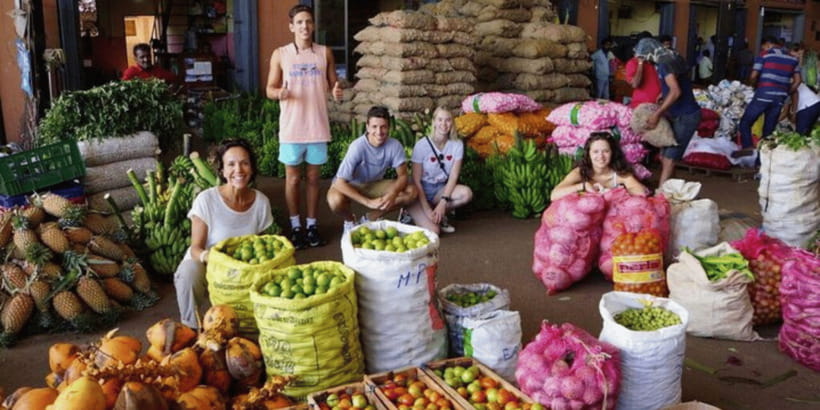
- You shop for the meal yourself: Choose seasonal vegetables, fruit, and meat ingredients at a Colombo-area market before cooking.
- A mother and daughter may host your class: Roman and Delrin Vanhoff have led a warm, personal session focused on Sri Lankan home cooking.
- The cooking takes place in a countryside house: This is a home-based activity, not a polished restaurant kitchen or formal culinary school.
- Lunch is part of the lesson: After cooking, you sit down to eat the locally inspired dishes you helped prepare.
- Tuk-tuk transport is included: Pickup and return are available from most centrally located Colombo hotels.
- Plan around your diet: Ingredient selection happens on the day, so raise food restrictions when confirming the booking.
Why this Colombo food tour feels personal
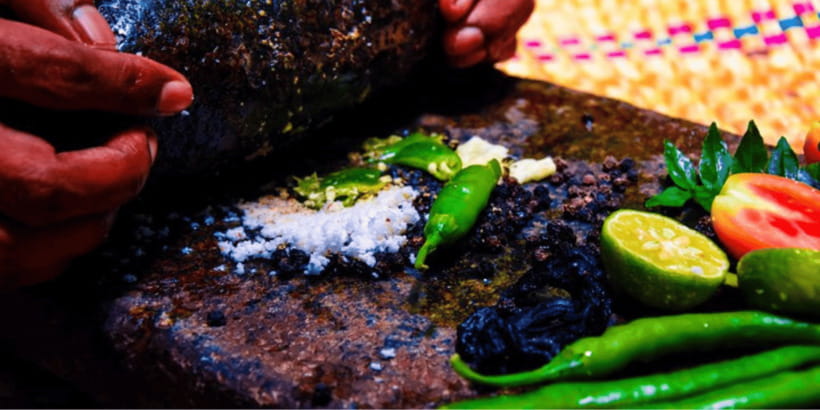
Many food tours keep you at the tasting end of the process. This one begins before the cooking pot appears. You visit a local vegetable and fruit market, inspect the available produce, and select ingredients that will become your meal later in the day.
That simple step gives the food more meaning. You are not just told that Sri Lankan cooking uses fresh produce. You see what is available, make choices, and then watch those choices turn into lunch. The market also gives you a look at ordinary food shopping in and around Colombo, rather than limiting the day to a restaurant dining room.
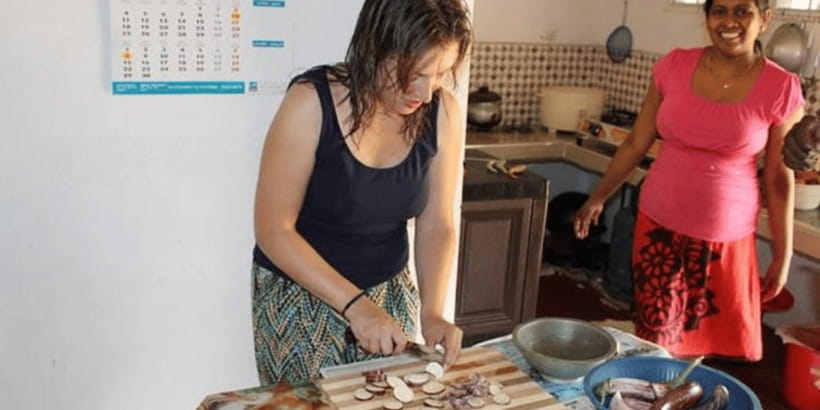
The second half takes place at a traditional countryside home. You learn how to prepare typical Sri Lankan dishes under the direction of a local cook, with traditional spices, cooking methods, and family recipes forming the core of the lesson. You also prepare a dessert, which adds a pleasant change of pace after the savory dishes.
I like the scale of this activity. A family home allows more room for conversation than a large commercial class usually does. The setting may also feel less predictable than a restaurant, since the focus is on household cooking and hospitality rather than a staged show.
There is one point to keep in mind. The wording describes a cooking demonstration, but the activity also promises hands-on work. You should expect to participate, yet the exact amount of chopping, stirring, seasoning, and preparation may depend on the host and the day’s menu. If you want a class built around a fixed recipe list and formal instruction, this may feel more relaxed than expected.
More Farmers Market Tours in the world:
- Hanoi Cooking Class: Culture, Local Market & Meaning CSR Impact
★ 5.0 · 5,147 reviews - Cooking Class and Lunch at a Tuscan Farmhouse with Local Market Tour from Florence
★ 5.0 · 4,831 reviews - Chef Guided Food Tour of Pike Place Market
★ 5.0 · 3,733 reviews
Starting at the market: choosing what goes into lunch
Your guide collects you from your Colombo hotel and takes you by tuk-tuk to a local market. Pickup is offered from most centrally located hotels, and you should be ready in the lobby 15 minutes before the scheduled time.
The market visit is not just a quick stop for supplies. You handpick fresh seasonal vegetables and fruit, and the description also includes meat ingredients. That gives you a direct role in shaping the meal. You can ask about the produce and notice the kinds of ingredients used in home kitchens, though the available selection will naturally depend on the season and the day’s market stock.
This is one of the strongest parts of the outing for me. Food in Sri Lanka is often discussed through its spices and heat, but the market reminds you that good cooking begins with basic ingredients. You get to see those ingredients before they are cleaned, cut, and seasoned.
The market can also be the least controlled part of the four hours. The supplied information does not name a particular market, provide an exact route, or promise a set list of products. That means you should treat the visit as a real shopping trip guided by a local, not as a museum-style stop with a scripted display.
If you have food allergies, follow a vegetarian diet, avoid meat, or cannot eat particular spices, bring this up when you call to confirm the booking. One useful suggestion is to discuss the ingredient selection with the host family beforehand. That is especially important here because the food is chosen as part of the activity, not simply served from a menu you saw in advance.
Riding a tuk-tuk from Colombo to the countryside
Transportation is provided by tuk-tuk, with hotel pickup and drop-off included. That is a practical benefit in Colombo, where arranging separate transport can take time and add cost.
A tuk-tuk also suits the nature of the outing. You are not being moved between a chain of major attractions. The ride takes you from your hotel toward a market and then a countryside home, so the vehicle becomes part of the local feel of the day.
Still, a tuk-tuk is not the same as a private car. The supplied information does not specify the vehicle size, luggage space, air-conditioning, or group arrangement. If you are booking with a larger party or have mobility needs, ask about the transport setup before paying.
The four-hour duration is long enough to cover the market, the cooking, and lunch without turning the activity into an all-day commitment. It also means you should avoid scheduling an important afternoon appointment too close to the end. A participant on an afternoon booking could not stay as long as hoped because of another commitment, and the meal and conversation are part of the appeal.
Cooking in a traditional family home
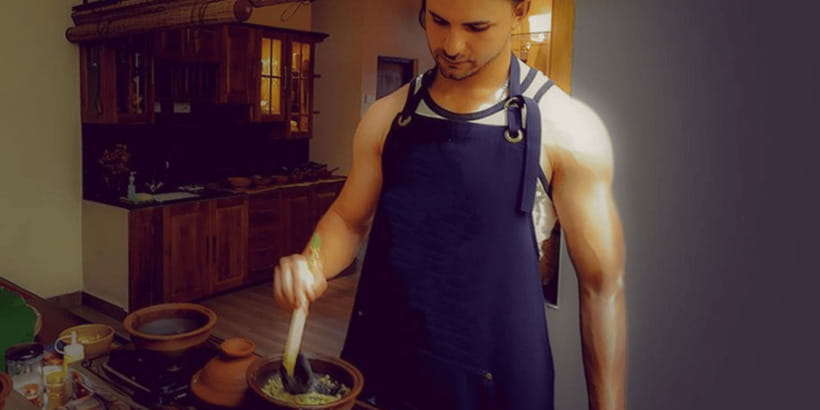
At the countryside house, the local host guides you through the preparation of a Sri Lankan meal. The emphasis is on traditional spices, familiar techniques, and family recipes. You do not simply taste finished dishes and move on. You take part in the process and then eat what you helped create.
Roman and Delrin Vanhoff, described as a mother and daughter, have hosted a session in which they taught Sri Lankan cooking and shared their home hospitality. Their relationship matters because it suggests that the food is tied to a family kitchen rather than presented as a generic cooking script.
I especially like the chance to learn why ingredients are used, not just what they are called. The information provided does not list the exact dishes, spice mix, or dessert, so you should not book expecting a particular curry or sweet. The menu may change with the market choices and seasonal produce.
That uncertainty is both a plus and a minus. If you want a fixed recipe, it may feel too open-ended. If you enjoy seeing how a home cook works with what is available, it gives the lesson a more genuine quality.
The class also offers a useful correction to a common assumption about Sri Lankan food. One participant expected the food to use a lot of oil but found the cooking healthy and tasty. That does not mean every dish will suit every diet, but it does suggest that you should not reduce the cuisine to heavy, fiery food. Fresh produce, spices, and careful cooking all have a place at the table.
More Cooking Classes in the world:
- 5 Traditional Dishes Hanoi Cooking Class with Market Trip
★ 5.0 · 4,890 reviews - Chiang Mai: Cooking Class, Market & Thai Herbs Garden Tour
★ 4.9 · 4,824 reviews - Chiang Mai: Authentic Cooking Class with Market & Farm Visit
★ 4.9 · 4,546 reviews - Barcelona: Paella Cooking Experience & Boqueria Market Tour
★ 4.8 · 3,661 reviews
Learning the flavor of Sri Lankan spices
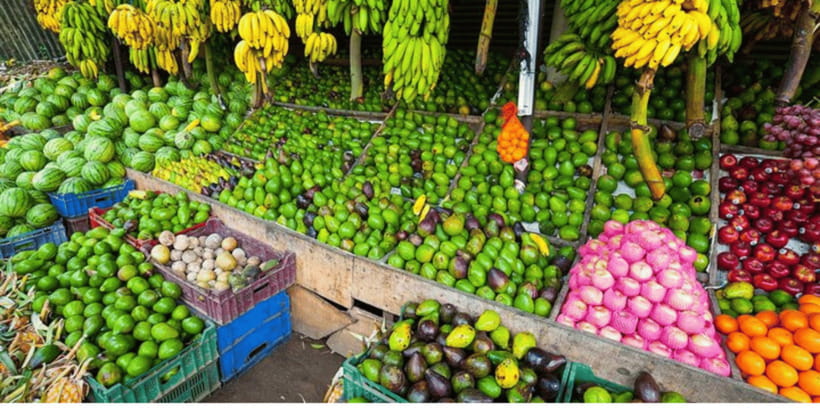
Spices are central to the lesson, but you should expect practical household cooking rather than a technical lecture. The host explains traditional methods and shares family secrets while you work through the meal.
The value is in the context. A spice is easier to understand when you see how it fits into a dish, when it is added, and what it does to the finished food. The same is true of technique. A short explanation at the stove can tell you more than a list of ingredients on a printed recipe card.
The activity does not state that you receive written recipes, so do not count on taking home a complete cooking booklet. Bring a phone or small notebook if you want to record ingredients and steps, but ask permission before taking photographs or notes during the class.
You should also expect the teaching style to be friendly and informal. A family home is likely to involve conversation and demonstration, but the exact pace will vary. Some people will love that flexibility. Others may prefer a more structured format with measured ingredients, printed instructions, and a set timetable.
Dessert, lunch, and the best part of the afternoon
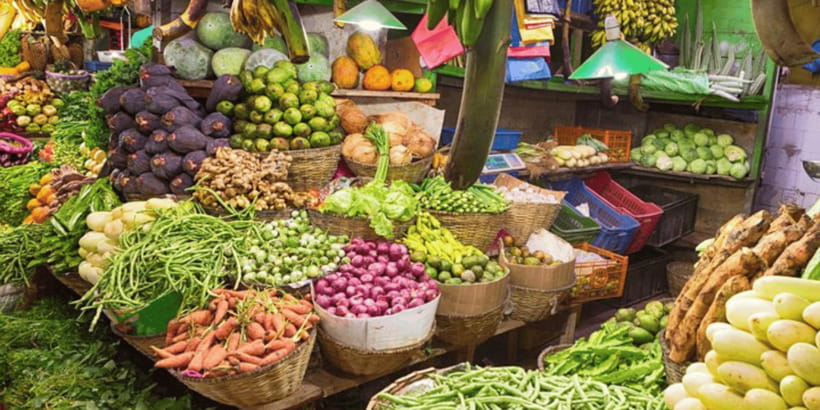
After the savory dishes, you prepare a dessert and sit down to eat the meal. Lunch, refreshments, and bottled water are included, so you do not need to budget separately for the main food during the activity.
The meal is more than a final reward. It lets you taste the effect of the ingredients you selected at the market and the methods you practiced in the home. You can compare the raw produce with the finished dish and see how spices and cooking time change it.
This is also the point where you should leave room in your schedule. The listed duration is four hours, but a family meal can be the part you remember most, especially if conversation with the hosts develops naturally. One afternoon participant had to leave early and regretted not having more time to eat and talk with the family.
The information does not promise a particular number of courses, portion size, or dining arrangement. You can expect a Sri Lankan lunch, but the precise menu depends on the day’s ingredients and the host’s cooking plan.
Is $55 good value for four hours?
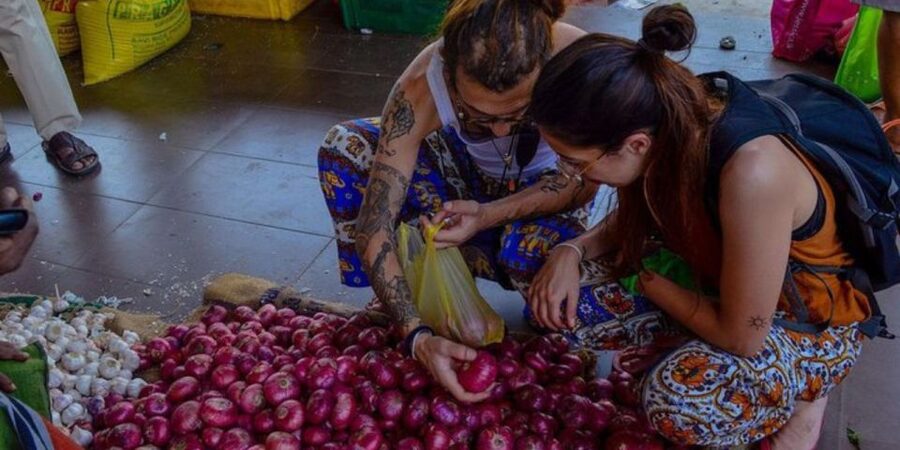
At $55 per person, the price is reasonable if you value a small-scale food activity rather than just a meal. You are paying for hotel pickup and return, tuk-tuk transport, a guide, the market visit, hands-on cooking, lunch, refreshments, bottled water, and government taxes.
Booking those elements separately would take effort and could cost more, especially when Colombo transport is included. The strongest value comes from the combination: shopping, instruction, and lunch form one connected experience.
The price is less compelling if your main goal is to eat cheaply or visit a market without cooking. You could find a less expensive meal elsewhere, and the activity spends four hours on one food-focused outing. You are paying for access to a family setting and for the chance to participate, not merely for the calories.
Gratuity is not included. You can decide what to leave based on the quality of the guiding and hospitality. Personal expenses are also excluded, though the main listed components are covered.
Who will enjoy this experience most?
I would recommend this for you if you enjoy food, local contact, and learning by doing. It suits couples, solo visitors, families with older children, and small groups who want something more personal than a standard restaurant meal.
It is also a good choice early in your Colombo stay. The market introduces you to local ingredients, while the cooking lesson gives you a useful frame for later meals across Sri Lanka. After learning how spices and produce come together, you may recognize more of what appears on restaurant tables.
Children can join from age five, since children 4 years and 11 months or younger are complimentary with a paying adult. All children must be accompanied by an adult. Because the activity involves transport, shopping, cooking, and eating, comfortable clothing is the sensible choice.
I would be more cautious if you have strict dietary restrictions and cannot adjust the menu. The host family and the booking team should know your needs before the market visit. The activity may still work, but you should not assume that substitutions will be available unless they confirm them.
Timing, weather, and practical planning
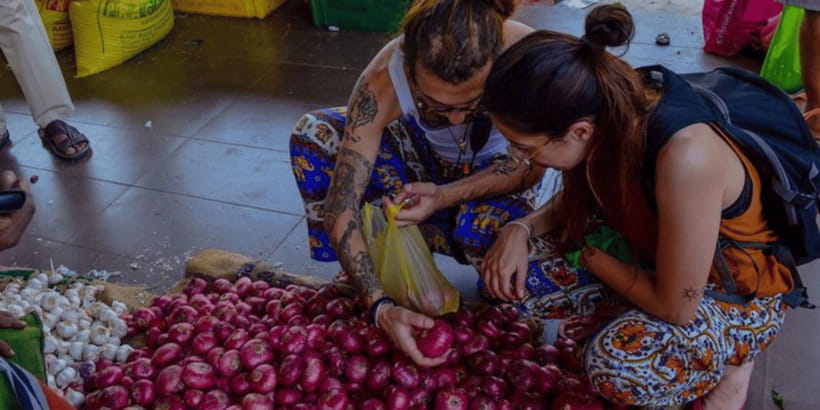
The activity runs for four hours, with starting times available by checking the schedule. Pickup is included from most centrally located Colombo hotels, but you need to arrange the exact hotel or a nearby meeting place when confirming the reservation.
Arrive in the lobby 15 minutes before pickup. That small step matters because the outing includes transport beyond your hotel, and a late start can shorten the market or meal portion.
The activity can be canceled because of bad weather. If that happens, it can be rescheduled or the payment can be refunded. You can also cancel up to 24 hours in advance for a full refund, and the reserve-now-pay-later option lets you hold a place without paying immediately.
The live guide speaks English. The available information does not provide a maximum group size, exact market name, or accessibility details, so ask those questions if they affect your decision.
Should you book the Colombo market and cooking tour?
Book it if you want to connect Sri Lankan food with the people, ingredients, and home methods behind it. The market selection, mother-and-daughter hosting, hands-on cooking, dessert, and shared lunch give the four hours a clear purpose.
I would skip it if you want a tightly scripted culinary school with a guaranteed menu or if you have not confirmed that the food can meet your dietary needs. For most food-minded visitors staying in Colombo, though, $55 is a fair price for transport, instruction, lunch, and a personal look at everyday cooking. Give yourself enough time afterward, because rushing away just as the meal begins would miss one of the best parts.
FAQ
How long does the Colombo market and cooking activity last?
The activity lasts four hours.
What is included in the price?
The price includes hotel pickup and drop-off, tuk-tuk transportation, a tour guide, Sri Lankan lunch, refreshments, bottled water, and government taxes.
Is pickup available from my Colombo hotel?
Pickup is available from most centrally located Colombo hotels. Arrange your hotel or a nearby pickup point when you call to confirm the reservation.
What language does the guide speak?
The live tour guide speaks English.
Do I choose the ingredients for the meal?
Yes. You visit a local market and select fresh seasonal vegetables, fruit, and meat ingredients for the cooking session.
Where does the cooking lesson take place?
The cooking session takes place in a traditional countryside home with local hosts.
Can children join the activity?
Children aged 4 years and 11 months or younger are complimentary when accompanied by a paying adult. All children must be accompanied by an adult.
What happens if the weather is bad?
The activity may be canceled because of inclement weather. It can be rescheduled, or the payment may be refunded. You can also cancel up to 24 hours in advance for a full refund.
More Lunch Trips in the world
- Paris Cooking Class and Lunch with Wine plus Market Visit Option
★ 5.0 · 1,024 reviews - Cairo: Private Pyramids, Museum & Bazaar Tour with Lunch
★ 4.6 · 744 reviews - Durres/Golem: Kruja Castle & Bazaar with Traditional Lunch
★ 5.0 · 632 reviews - Active Volcano, Rice Field, Hot Spring, Fruit market, Tea Plantation with Lunch
★ 5.0 · 513 reviews
Just added around the world
- Half-day Dandan Noodles Cooking Class with a Local Market Visit★ 5.0 · 8 reviews
- Three-Hour Private Chengdu Tea Wholesale Market Tour★ 5.0 · 4 reviews
- 3-Hour Herbal Wholesale TCM Market and a Local Wet Market Tour★ 5.0 · 4 reviews
- Moroccan Cooking Class with a Local Family & Market Visit★ 5.0 · 16 reviews
- Charleston International Sweet Treats & Historic City Market Tour★ 5.0 · 22 reviews
- Chania Old Town, Public Market and Chrisopigi Monastery Tour★ 4.5 · 6 reviews
- Chania: Old Town, Public Market, Hill of Prophet Elias, Agia Triada★ 5.0 · 35 reviews
- Cesarine: Market Tour & Home Cooking Class in Catania★ 4.0 · 6 reviews
Local & Farmers Market Tours, compared.
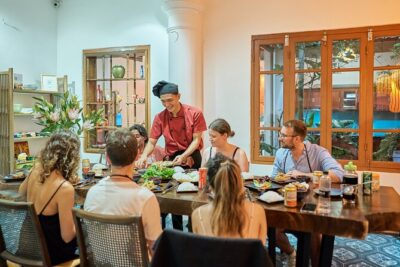
Hanoi Cooking Class: Culture, Local Market & Meaning CSR Impact
Read our review →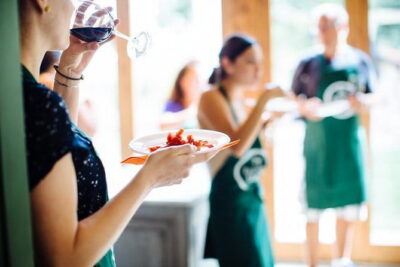
Cooking Class and Lunch at a Tuscan Farmhouse with Local Market Tour from Florence
Read our review →
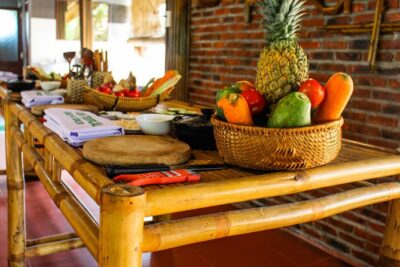
Cooking Class Hoi An:Local Market, Basket Boat, Fishing & Cooking
Read our review →
London Bridge & Borough Market Food Tour with 7 Authentic Dishes
Read our review →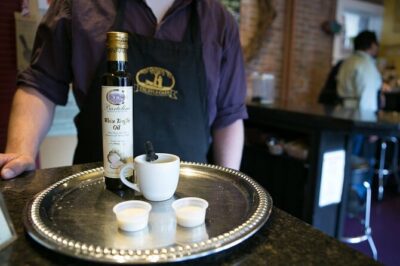
Hoi An Cooking Class(Local market,Basket Boat,Fishing & Cooking)
Read our review →
Browse the lists this tour appears in