
Review · KUALA LUMPUR, MALAYSIA
Market Visit & Private Hands-on Cooking Class at Daun Senja
Start with a market, not a menu. This four-and-a-half-hour Kuala Lumpur experience links a local wet market, a simple breakfast, and a private home kitchen in one friendly morning. I especially like the small group limit of five and the chance to cook with Patricia and Kingston, rather than sit in a large demonstration class. The main drawback is location: Taman Suntex in Cheras sits outside central Kuala Lumpur, so you need to allow extra time and arrange your own way there.
The food is practical, too. You learn dishes such as nasi lemak, chicken pong teh, roti jala, sambal, and local desserts, with recipes that may be easier to recreate at home than restaurant versions. Just note that the wet market is closed on Mondays, when the morning changes to breakfast at a small local restaurant before heading to the kitchen.
Key points to know before booking
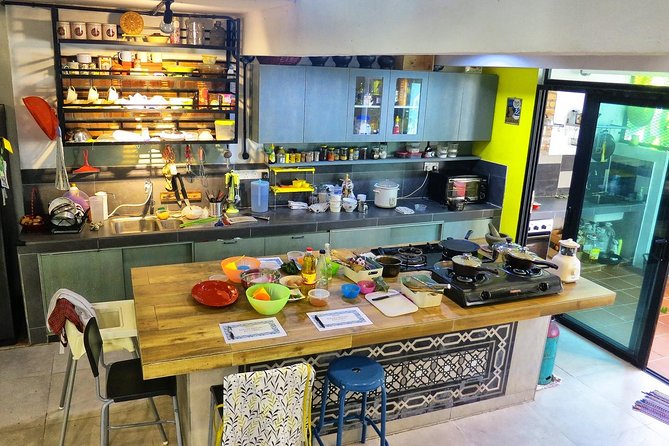
- The morning starts at a local market: Except on Mondays, you shop for ingredients and have breakfast at a market food stall.
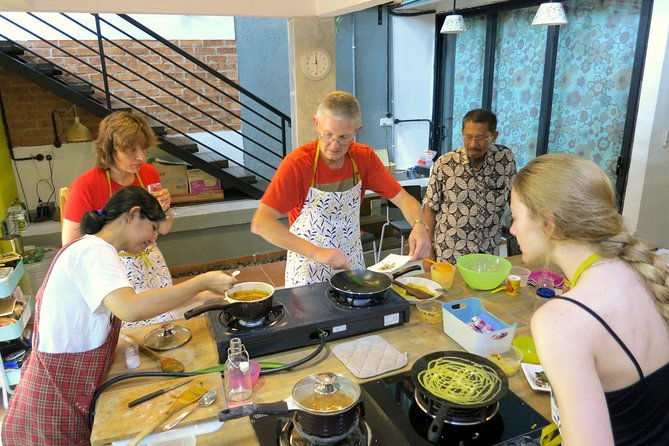
- Your group has the kitchen to itself: The private class accepts up to five people, giving you plenty of room to ask questions and work beside the hosts.
- You cook a full Malaysian meal: Choose from three menus, each with a main dish, a side or bread, and a dessert.
- Patricia and Kingston host the experience: Their warm, family-style approach is a major part of the appeal.
- The setting feels local rather than central: Taman Suntex is about 20 to 30 minutes from central Kuala Lumpur by Grab, according to practical visitor feedback.
- The meal is part of the lesson: After cooking, you sit down to eat the three-course meal with a glass of wine or beer.
Why this class feels different from a standard cooking lesson
Many cooking classes begin with a recipe card and a row of identical workstations. Daun Senja takes a more personal route. You first see where local ingredients are bought, then return to Patricia and Kingston’s home to prepare the meal together.
That change of setting matters. A market visit gives you a chance to ask what unfamiliar vegetables, spices, sauces, and herbs are used for before they reach the cutting board. You are not simply told that an ingredient is important. You see it in the place where local shoppers buy food for ordinary meals.
The private format also changes the pace. With only your party, up to five people, you can ask why a dish uses a particular ingredient, how a texture should look, or what might work as a substitute at home. You are not trying to keep up with a room full of strangers.
Patricia and Kingston are central to the experience. Their hosting style is relaxed and welcoming, with a family atmosphere that makes the lesson feel closer to cooking with friends than attending a formal school. That is especially useful if you are not a confident cook, but experienced home cooks should find enough room to ask detailed questions and adjust their technique.
More Cooking Classes in the world:
- Hanoi Cooking Class: Culture, Local Market & Meaning CSR Impact
★ 5.0 · 5,147 reviews - 5 Traditional Dishes Hanoi Cooking Class with Market Trip
★ 5.0 · 4,890 reviews - Cooking Class and Lunch at a Tuscan Farmhouse with Local Market Tour from Florence
★ 5.0 · 4,831 reviews
The 8:00 a.m. start in Taman Suntex
The meeting point is in Taman Suntex, 43200 Cheras, Selangor, and the activity ends back there. Start time is 8:00 a.m., so plan the morning around the location rather than treating this as a central Kuala Lumpur walking tour.
The area is reachable by public transportation, and Grab is a practical choice. One useful estimate puts the journey from central Kuala Lumpur at about 20 to 30 minutes by Grab, though you should allow a buffer for traffic and the early start.
That travel time is part of the trade-off. You give up the convenience of a class near Bukit Bintang or the Petronas Towers, but you gain a quieter residential setting and a local market away from the main sightseeing circuit. If you prefer to stay close to central attractions, the location may feel inconvenient. If you want a more ordinary side of the city, it works in your favor.
The early hour is well chosen. Markets and breakfast stalls are at their most useful in the morning, and you finish the main activity while much of the day remains free.
Shopping and breakfast at the local wet market
On most days, the first stop is a local wet market. You visit except on Mondays, select ingredients, and learn about the foods that will later appear in your meal.
The market is not presented as a sightseeing show. It is a working place where you can look at local produce and learn how Malaysian cooking begins with shopping. That makes the stop valuable even if you have already eaten Malaysian food in restaurants. Restaurant menus tell you what to order. The market helps explain what goes into the cooking.
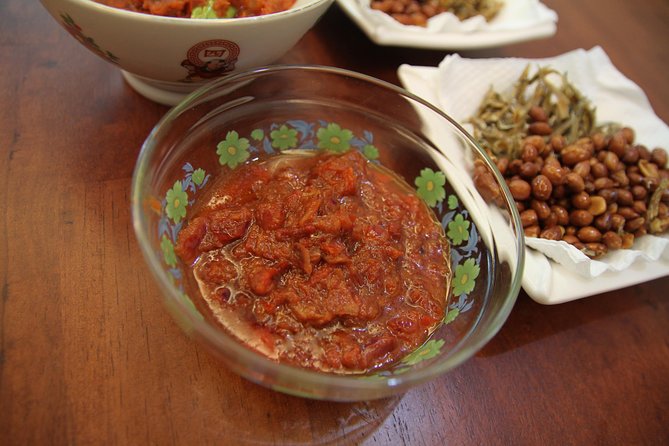
You also have breakfast at one of the food stalls. The exact breakfast is not fixed in the tour details, but the experience has included local Indian dishes such as roti and dosa. This is a useful detail for anyone who wants to try more than one part of Malaysia’s food culture in a single morning.
The market visit also gives the class a gentle start. You are not rushed directly into chopping and frying. You have time to look around, taste breakfast, and ask questions before the cooking begins.
On Mondays, the market is closed. Instead, the morning starts at a small local restaurant, with breakfast such as roti and dosa, followed by the short journey to Patricia’s home. This is not the same market experience, so choose another day if the shopping stop is your main reason for booking. The Monday alternative still preserves the food and local-host elements.
Cooking three Malaysian courses by hand
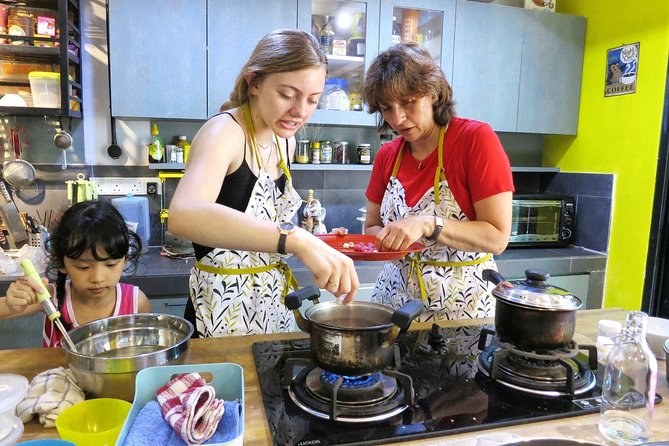
The kitchen lesson is hands-on rather than a demonstration where you only watch. You prepare a three-course meal under local guidance, then sit down to eat what you made.
The available menu choices are:
- Option 1: Chicken pong teh with rice, eggplant sambal, and pulut inti
- Option 2: Nasi lemak, pineapple and cucumber salad, and sago gula Melaka pudding
- Option 3: Chicken curry, roti jala, and ondeh ondeh
The menus give you three different views of Malaysian home cooking. Chicken pong teh brings a savory, slow-cooked style served with rice. Eggplant sambal adds heat and spice, while pulut inti gives the meal a sweet finish.
Nasi lemak is the most immediately recognizable choice for many first-time visitors. Pairing it with pineapple and cucumber salad gives the meal a fresh contrast, and sago gula Melaka pudding introduces the caramel-like sweetness of palm sugar.
The third menu is appealing if you want to make something with a more interactive bread element. Roti jala is a lacy, net-shaped bread often served with curry, while ondeh ondeh are small sweet rice-flour treats with a palm sugar center. These dishes also give you a chance to practice techniques that are different from ordinary Western cooking.
The exact amount of time spent on each recipe can vary, but the class runs for approximately four hours and 30 minutes including the market and breakfast. That gives the morning enough space for questions and shared preparation, rather than a hurried cook-and-eat session.
More Private Market Tours in the world:
- Cairo 8 Hour Private Tour of Pyramids, Egyptian Museum and Bazaar
★ 5.0 · 2,931 reviews - Private Excursion to Maeklong Railway and Floating Markets
★ 5.0 · 850 reviews - Floating and Railway Market (Optional Waterfall): Private Tour
★ 5.0 · 827 reviews - Cairo: Private Pyramids, Museum & Bazaar Tour with Lunch
★ 4.6 · 744 reviews
The value of a private class for families and couples
The group size is one of the strongest reasons to consider the $130 price. The experience is private for your party, with a maximum of five people. The price is not described as a per-person figure in the supplied information, so check the final booking total carefully before paying.
For a couple, the cost may be higher than joining a large group class. You are paying for privacy, direct instruction, the market visit, breakfast, the meal, and the use of the home kitchen. For a family or small group of friends, the cost can make more sense because everyone shares the private experience.
The format also suits families with children. One family found the setting comfortable enough for a young child to be present while the adults took the class. That does not mean childcare is provided, but it suggests the home setting can be more forgiving than a formal cooking school.
You should still consider your group’s energy and attention span. The morning begins early, includes transport, a market, breakfast, and several cooking tasks. Young children may enjoy tasting and helping, but the activity is built around cooking, not entertainment for children.
What the meal afterward adds
The final meal is not an afterthought. You eat the dishes you prepared, with a glass of wine or beer. This gives you a clear sense of how the recipes work as a complete meal rather than as isolated samples.
Eating together also gives the morning a social ending. Patricia and Kingston are not simply instructors who leave once the stove is turned off. The shared table is part of the home-style welcome, and it gives you a chance to talk about the food and the morning.
I like this format because it lets you judge the results immediately. You can remember the texture of the roti jala, the balance of a sambal, or the sweetness of gula Melaka while the steps are still fresh. That makes the recipes easier to recall when you return home.
The wine or beer is a pleasant extra, but it should not be the deciding factor. The real value lies in the food, instruction, and setting.
What you can take home from the lesson
A good cooking class should survive beyond the holiday. This one has a practical advantage: the dishes do not depend entirely on rare ingredients that are impossible to find outside Malaysia.
One participant from Switzerland found the recipes realistic to reproduce at home, with ingredients that could be bought locally. You should still expect some variation depending on where you live, but the menu is more useful than a one-off tasting of highly specialized dishes.
Pay attention to the reasons behind each step. Ask how the ingredients affect the final taste, what a mixture should look like, and what substitutions are sensible. The private format gives you time to do that.
You can also treat the menu as a guide rather than a fixed list of dishes you must master perfectly. If you are new to Malaysian cooking, focus on the basic pattern: rice or bread, a main dish, a vegetable or salad, and a sweet ending. That structure helps you build future meals even if you do not remember every measurement.
The main drawbacks to consider
The clearest limitation is the location. Taman Suntex is not in the center of Kuala Lumpur, and the activity starts early. Add transport time and cost to the $130 experience price.
The wet market is also unavailable on Mondays. The substitute breakfast at a local restaurant is still appealing, but you should not book Monday expecting the full market visit.
The experience is private, but the maximum group size is five. Larger families or groups will need to split up or choose another activity.
The menu options are given in advance, yet the supplied information does not explain how much customization is possible. If you have allergies, dietary restrictions, or strong food preferences, contact Daun Senja Kitchen before booking rather than assuming substitutions will be available.
Finally, this is not a quick demonstration. It lasts about four and a half hours and includes several stages. That is a strength if you want a full morning, but not if you are trying to squeeze in a short activity between major Kuala Lumpur sights.
Who should book this Kuala Lumpur food experience
I would recommend it most strongly to couples, families, and small groups who want personal contact with local hosts. It also suits you if you care as much about how people shop and cook as about eating the finished food.
Beginners should feel comfortable here because the instruction is step by step and the hosts are patient. Experienced cooks can make good use of the private format by asking about technique, ingredients, and the differences between home cooking and restaurant dishes.
It is also a strong choice for anyone who has already visited central Kuala Lumpur and wants a slower morning in a local neighborhood. The area feels calmer and less tourist-focused than the city center, according to the experience described by visitors who took the class.
I would be less enthusiastic if you have only a few hours in the city, dislike early starts, or want a class in a central hotel district. In those cases, the transport may outweigh the benefits.
Should you book Daun Senja Kitchen?
Book this experience if you want more than a recipe demonstration. The market, breakfast, private kitchen lesson, and shared meal form one connected morning, and Patricia and Kingston’s personal hosting is a major part of what makes it work.
The $130 price deserves a careful look, especially for a couple, but the private setting and full food experience give it real value for a small group. Pick a non-Monday date if the wet market matters to you, use Grab or public transportation with extra time, and confirm the menu and any dietary needs before booking.
If you want authentic local food, patient instruction, and recipes you can try again at home, this is an excellent choice. If you want the easiest central location or a fast activity, choose something closer to the city center.
FAQ
Where does the cooking class start?
It starts at Taman Suntex, 43200 Cheras, Selangor, Malaysia.
What time does the experience begin?
The start time is 8:00 a.m.
How long does the experience last?
It lasts approximately four hours and 30 minutes.
Is the class private?
Yes. Only your group participates, with a maximum of five people.
Does the experience include a market visit?
Yes, a visit to a local wet market is included except on Mondays.
What happens on Mondays when the market is closed?
The morning begins with breakfast at a small local restaurant, followed by the journey to the host’s home for the cooking class.
Is breakfast included?
Yes. The experience includes a local breakfast at a market food stall, or at a small local restaurant on Mondays.
What dishes can I learn to cook?
The menu choices include chicken pong teh with rice, eggplant sambal, pulut inti, nasi lemak, pineapple and cucumber salad, sago gula Melaka pudding, chicken curry, roti jala, and ondeh ondeh.
Is a meal included after the lesson?
Yes. You eat a three-course meal after cooking, along with a glass of wine or beer.
Can I cancel for a full refund?
Yes, if you cancel at least 24 hours before the experience start time. Cancellations made less than 24 hours in advance are not refunded, and changes within that period are not accepted.
Just added around the world
- Half-day Dandan Noodles Cooking Class with a Local Market Visit★ 5.0 · 8 reviews
- Three-Hour Private Chengdu Tea Wholesale Market Tour★ 5.0 · 4 reviews
- 3-Hour Herbal Wholesale TCM Market and a Local Wet Market Tour★ 5.0 · 4 reviews
- Moroccan Cooking Class with a Local Family & Market Visit★ 5.0 · 16 reviews
- Chania Old Town, Public Market and Chrisopigi Monastery Tour★ 4.5 · 6 reviews
- Chania: Old Town, Public Market, Hill of Prophet Elias, Agia Triada★ 5.0 · 35 reviews
- Charleston International Sweet Treats & Historic City Market Tour★ 5.0 · 22 reviews
- Cesarine: Market Tour & Home Cooking Class in Catania★ 4.0 · 6 reviews
Cooking Classes, compared.
Hanoi Cooking Class: Culture, Local Market & Meaning CSR Impact
Read our review →
5 Traditional Dishes Hanoi Cooking Class with Market Trip
Read our review →
Cooking Class and Lunch at a Tuscan Farmhouse with Local Market Tour from Florence
Read our review →
Cooking Class, Market & Thai Herbs Garden Tour
Read our review →
Authentic Cooking Class with Market & Farm Visit
Read our review →
Paella Cooking Experience & Boqueria Market Tour
Read our review →
Cooking Class Hoi An:Local Market, Basket Boat, Fishing & Cooking
Read our review →
Hoi An Cooking Class(Market,BasketBoat Crabfishing&Cooking Class)
Read our review →Browse the lists this tour appears in