
Review · KUALA LUMPUR, MALAYSIA
LaZat Malaysian Cooking Class
Come hungry, leave with Malaysian recipes. LaZat gives you a half-day kitchen lesson that starts at a real Kuala Lumpur wet market and ends with a full meal you helped prepare. I like the market visit because it puts names, smells, textures, and spices into context before you begin cooking. I also like the personal setup, with each participant getting a burner, utensils, a mortar and pestle, and a place to work.
The class suits cooks of all levels and welcomes both local and international participants. I like that it is limited to 12 people and intended for ages 16 and older, which keeps the room more focused. The main drawback is the price, $130 per person, plus the need to arrange your own transport to the wet market and after the class.
Key points to know before booking

- The morning starts at Pasar Besar Taman Tun Dr Ismail, not simply at a generic hotel lobby.
- A market visit is included Tuesday through Saturday, but it is not available on Mondays.
- You cook at your own station, using a gas burner, traditional tools, utensils, and a mortar and pestle.
- The menu includes a starter, main dishes, and dessert, with light roti canai breakfast, tea, and coffee included.
- The group is capped at 12 people, and the class is for participants aged 16 and older.
- The class runs about five hours, leaving your afternoon open for Kuala Lumpur sightseeing.
Starting at Kuala Lumpur’s wet market
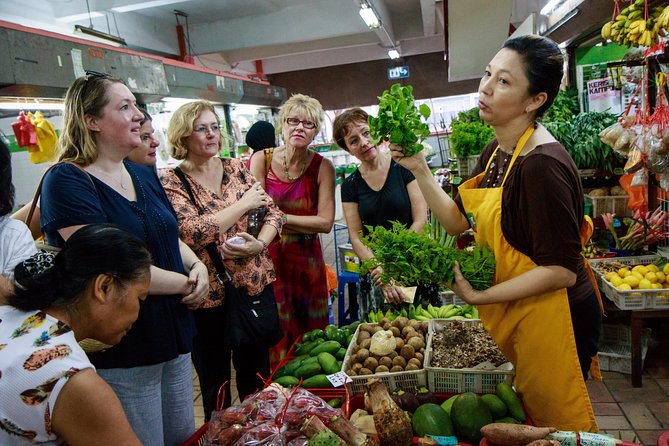
Your morning begins at Pasar Besar Taman Tun Dr Ismail, usually shortened to TTDI Market. The published meeting point is TS37, Pasar Besar, Taman Tun Dr Ismail, Kuala Lumpur. The scheduled hours are Tuesday through Saturday, 8:30 AM to 1:30 PM.
This first stop matters. Malaysian cooking depends on ingredients that can seem unfamiliar when they are presented in a tidy supermarket aisle. At the market, you can see the produce, spices, herbs, and other cooking supplies in their everyday setting. You may learn how ingredients look and feel before they reach the kitchen, which is far more useful than memorizing a recipe card.
The market visit also gives the class a local feel. This is not a cooking demonstration staged only for visitors. The setting is an active public market, and the morning begins with shopping and food rather than a lecture in a hotel room.
You also receive a light roti canai breakfast. That is a sensible beginning for a five-hour activity. You will be cooking, tasting, and listening for much of the morning, so having food before the main class keeps your attention where it belongs.
A practical note: the general meeting information also refers to the Majestic Hotel, while the detailed start point is Pasar Besar Taman Tun Dr Ismail. Since transport to the wet market is not included, check your confirmation carefully before setting out. The class provides a transfer from the wet market to LaZat Cooking School after the market visit, but you arrange your own way to the market.
More Cooking Classes in the world:
- Hanoi Cooking Class: Culture, Local Market & Meaning CSR Impact
★ 5.0 · 5,147 reviews - 5 Traditional Dishes Hanoi Cooking Class with Market Trip
★ 5.0 · 4,890 reviews - Cooking Class and Lunch at a Tuscan Farmhouse with Local Market Tour from Florence
★ 5.0 · 4,831 reviews
From market ingredients to the LaZat kitchen
After the market portion, a transfer takes you to LaZat Cooking School. This makes the morning easier, since you do not need to work out a second connection across Kuala Lumpur once the market visit is finished.
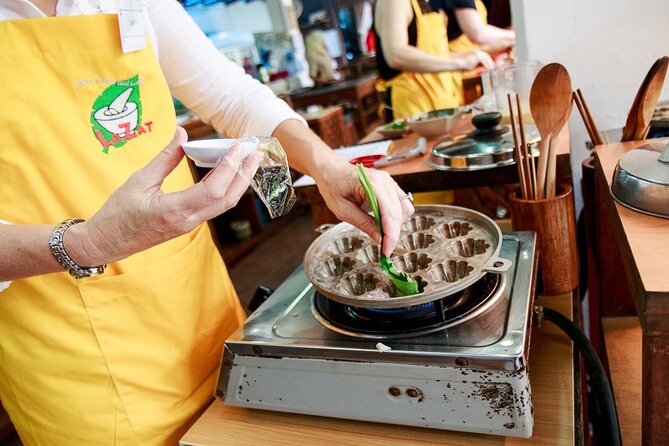
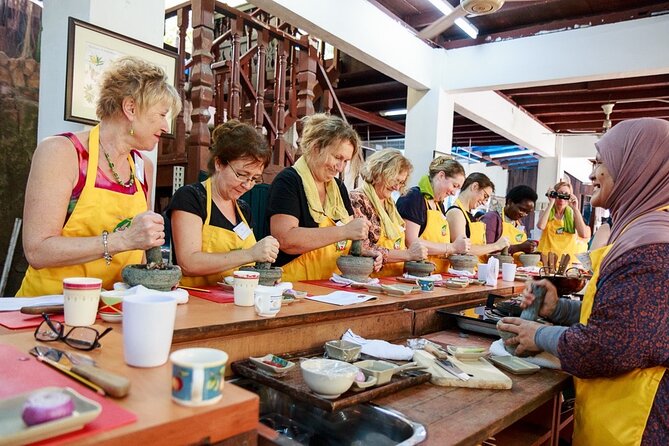
The kitchen is arranged for active participation. Each person receives an individual set of equipment, including a gas burner stove, countertop cooking utensils, traditional utensils, and a mortar and pestle. That detail changes the nature of the class. You are not standing behind a chef while someone else does the chopping. You have the tools in front of you and take part in the actual preparation.
The mortar and pestle are especially useful for understanding Malaysian flavor. Grinding ingredients by hand shows how pastes come together and gives you a feel for texture that a quick explanation cannot provide. The traditional tools also make the class more connected to home cooking than a standard Western cooking lesson built around electric appliances.
The school supplies the ingredients and equipment, so you do not need to shop before class or bring cooking tools. You simply arrive ready to work. Coffee and tea are available during the session, along with the breakfast already mentioned.
Cooking a complete Malaysian meal
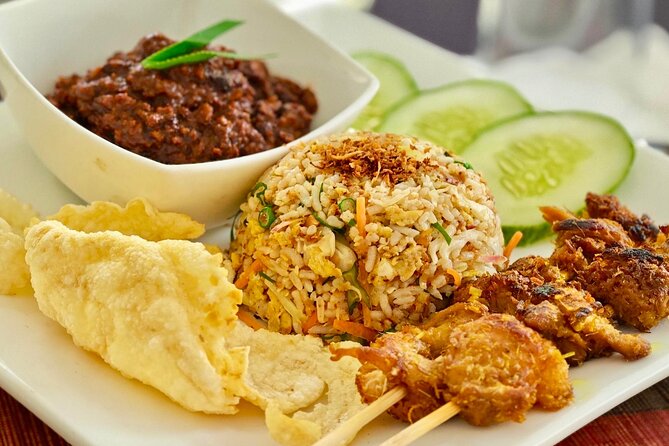
The class includes a full-course menu with a starter, main dishes, and dessert. The exact menu can vary, so you should not assume that a particular dish will be offered on your date.
That point matters if you have a personal target. One participant specifically wanted to learn rendang, and the school adjusted the planned menu to accommodate that request. The change was possible because the group was very small, with only three people on that day. If you have a dish in mind, ask ahead rather than counting on a last-minute change.
Another participant particularly enjoyed preparing nasi lemak. These examples show why it is worth contacting LaZat about your interests before the class. The school may be able to help, but the information provided does not promise a custom menu for every booking.
You do not need professional kitchen skills. The class is designed for complete beginners as well as more experienced home cooks. I would expect the teaching to focus on useful methods, ingredient handling, and the order in which flavors are built, rather than assuming that you already know Malaysian cooking.
The staff and instructors are described as friendly, patient, and entertaining. One participant who spoke little English still found the class enjoyable, which suggests that the teaching includes enough demonstration and hands-on guidance to support people who are not fully comfortable with culinary English.
Still, language comfort can vary from person to person. If you have detailed dietary or cooking questions, send them in advance. The school asks you to report vegan, vegetarian, gluten-free, and allergy needs before arrival.
Why the small group makes a difference
The maximum group size is 12, but the actual class can be much smaller. One session had only three participants, while another person ended up with a private class because nobody else had booked that day.
A very small group can be a real advantage. You get more direct help, have more room to ask questions, and may have a better chance of discussing a particular dish. The tradeoff is that a larger group can bring more social energy and a wider mix of cooking backgrounds.
The class welcomes locals and international participants. That mix is valuable because it keeps the setting from feeling like a scripted tourist show. You may be cooking beside someone who already knows Malaysian food well, or beside someone tasting the ingredients for the first time.
The age rule also shapes the experience. This activity is for people 16 and older, so you will not be sharing the kitchen with young children. That makes it a better fit for adults, older teenagers, couples, solo participants, and friends who want a focused morning.
Same place, a different set of stalls:
- Bangkok: Damnoen Saduak Market and Maeklong Railway Market
★ 4.5 · 26,723 reviews - The Old Siam: Damnoen Saduak and Maeklong Railway Market
★ 4.5 · 10,992 reviews - Dubai: Old Town, Creek, Museums, Souks, & Street Food Tour
★ 4.8 · 10,816 reviews - Bangkok: Train Market & Floating Market with Boat Ride
★ 4.7 · 9,547 reviews
The value of $130 per person
At $130 per person, LaZat is not a budget cooking class. The price needs to cover more than a meal: it includes the market component, instruction, ingredients, individual equipment, breakfast, tea, coffee, the transfer from the wet market to the school, and a recipe book to take home.
The small group is the strongest argument for the cost. If the class has only a few people, your payment buys access to direct instruction rather than a place in a large demonstration. The individual cooking station is another plus. You are paying for time at the stove, not just for someone else to prepare lunch.
The recipe book adds value after you return home. A cooking class is much more useful when you can repeat the dishes, and written recipes give you a way to keep practicing. The book cannot replace Malaysian markets or local ingredients, but it helps turn one morning into a skill you can use again.
The price feels less attractive if you mainly want to eat Malaysian food or watch a chef cook. Kuala Lumpur offers cheaper meals, and this class takes about five hours. You should book it because you want to cook and learn, not simply because you want lunch.
Transport also affects the total cost. You pay for your own route to Pasar Besar Taman Tun Dr Ismail and your transport after the class. The transfer between the market and school is included, but the beginning and end of your day are not fully covered.
A half-day plan with room for more Kuala Lumpur
The session runs from 8:30 AM to 1:30 PM, about five hours. That timing works well for a city break because you can spend the afternoon on another activity, take a rest, or return to dishes and markets with a better understanding of what you are seeing.
The early start is worth noting. You need to reach the wet market on time, and the market is not located at every visitor’s hotel doorstep. Give yourself enough time for the trip, particularly if you are unfamiliar with Kuala Lumpur’s public transport system.
The class ends after lunch preparation and tasting, with the published end point listed back at the meeting point. At the same time, transport after the class is not included. Confirm the exact end arrangement with LaZat so you know where you will be leaving and can plan the rest of your day.
This is not an activity for someone who wants a slow late morning. It asks you to be punctual and ready to work. In return, you get a clear block of time and a free afternoon.
What makes the experience feel authentic
The strongest part of LaZat is the link between the market and the cooking station. You first see ingredients in their everyday setting, then handle them in a dish. That sequence gives the food a practical context.
The class also uses a mix of modern and traditional equipment. You have a gas burner and countertop workspace, but you also use traditional utensils and a mortar and pestle. That combination keeps the lesson practical for home cooks while still showing how Malaysian techniques are carried out.
The mood sounds relaxed rather than formal. Staff are described as kind, funny, and helpful, and the class is open to people with different levels of cooking ability. That makes it less intimidating if you are new to Malaysian food.
Do not expect a polished luxury dining event. The appeal is participation, not ceremony. You may leave with food on your hands, new spice vocabulary, and a better idea of how to repeat the meal at home. For many people, that is the point.
Who should book this class
I would choose LaZat if you want more than a restaurant meal and like learning through your hands. It is a good match for adults who enjoy markets, food culture, practical instruction, and small groups.
It also suits solo participants. A very small booking can lead to unusually personal teaching, and the market visit gives you a natural way to meet others if more people are attending.
Couples and friends should like the format as well, especially if you want an activity that produces lunch instead of another sightseeing stop. The five-hour length gives the experience substance without taking the whole day.
I would think twice if you are only mildly interested in cooking, need door-to-door transport, or want complete certainty about a specific dish. The price is high for a casual activity, and the nonrefundable booking rule means you should be sure of your plans before paying.
The activity requires a minimum number of participants. If LaZat cancels because that minimum is not met, you are offered another date or experience, or a full refund. Your own cancellation is different: the booking is nonrefundable and cannot be changed for any reason.
FAQ
Where does the LaZat Malaysian Cooking Class begin?
The detailed meeting point is Pasar Besar Taman Tun Dr Ismail, also called TTDI Market, at TS37, Pasar Besar, Taman Tun Dr Ismail, Kuala Lumpur. Some general information refers to the Majestic Hotel, so check your confirmation for the exact instructions.
How long does the cooking class last?
The activity lasts about five hours, with scheduled hours from 8:30 AM to 1:30 PM, Tuesday through Saturday.
Is the market tour included?
Yes. A guided market tour is included Tuesday through Saturday. It is not available on Mondays.
Is transport included?
Transport to Pasar Besar Taman Tun Dr Ismail is not included. A transfer from the wet market to LaZat Cooking School is included after the market tour. Transport after the class is not included.
What is included in the $130 price?
The price includes cooking ingredients and equipment, an individual gas burner and cooking station, traditional utensils, a mortar and pestle, a light roti canai breakfast, coffee or tea, the market-to-school transfer, instruction, and a recipe book.
Can dietary needs be accommodated?
You should tell LaZat in advance about vegan, vegetarian, gluten-free, or allergy requirements. The school specifically asks participants to provide this information before the class.
Should you book LaZat?
Book it if you want to cook, not just eat. The market visit, individual station, traditional tools, small maximum group size, and recipe book make this a useful food experience rather than a quick demonstration.
The $130 price is justified best when the class is small and you value direct instruction. Check the meeting point, plan your own transport to the market, disclose dietary needs early, and ask about a preferred dish such as rendang before booking. If those details fit your plans, LaZat offers one of Kuala Lumpur’s more practical ways to understand Malaysian food from market stall to finished plate.
Just added around the world
- Half-day Dandan Noodles Cooking Class with a Local Market Visit★ 5.0 · 8 reviews
- Three-Hour Private Chengdu Tea Wholesale Market Tour★ 5.0 · 4 reviews
- 3-Hour Herbal Wholesale TCM Market and a Local Wet Market Tour★ 5.0 · 4 reviews
- Moroccan Cooking Class with a Local Family & Market Visit★ 5.0 · 16 reviews
- Charleston International Sweet Treats & Historic City Market Tour★ 5.0 · 22 reviews
- Chania Old Town, Public Market and Chrisopigi Monastery Tour★ 4.5 · 6 reviews
- Chania: Old Town, Public Market, Hill of Prophet Elias, Agia Triada★ 5.0 · 35 reviews
- Chania: Morning Bites and Market Delights Food Tour★ 5.0 · 11 reviews
Cooking Classes, compared.
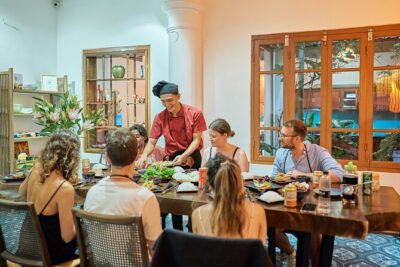
Hanoi Cooking Class: Culture, Local Market & Meaning CSR Impact
Read our review →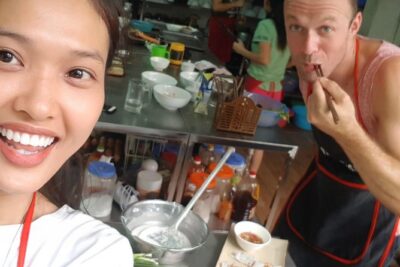
5 Traditional Dishes Hanoi Cooking Class with Market Trip
Read our review →
Cooking Class and Lunch at a Tuscan Farmhouse with Local Market Tour from Florence
Read our review →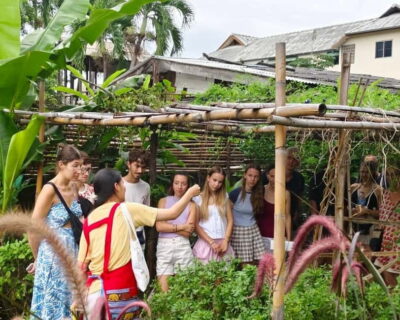
Cooking Class, Market & Thai Herbs Garden Tour
Read our review →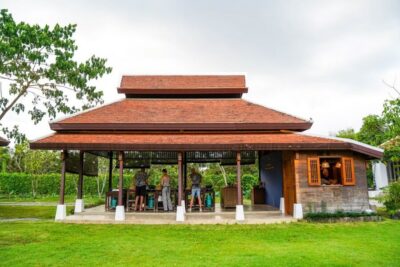
Authentic Cooking Class with Market & Farm Visit
Read our review →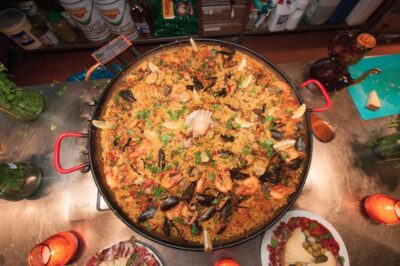
Paella Cooking Experience & Boqueria Market Tour
Read our review →
Cooking Class Hoi An:Local Market, Basket Boat, Fishing & Cooking
Read our review →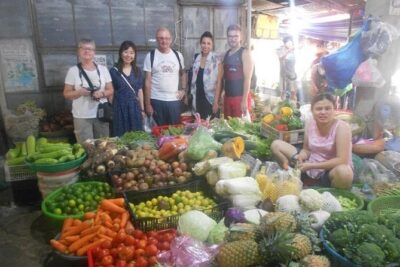
Hoi An Cooking Class(Market,BasketBoat Crabfishing&Cooking Class)
Read our review →Browse the lists this tour appears in