
Review · KRAKOW, POLAND
Pierogi Cooking Class with Market Shopping and Local Snacks
A good meal can open a city. This three-hour Krakow experience combines a walk through the city’s oldest marketplace, hands-on pierogi making, and a relaxed meal in Olga’s apartment. I especially like the small group of no more than six people and the way the class starts with real market shopping instead of simply presenting pre-measured ingredients. The price is $83.48 per person, which is fair if you value a full meal, local snacks, drinks, cooking instruction, and personal Krakow advice in one outing.
The main drawback is that the experience takes place in a private apartment, so it will feel more like a cooking visit than a formal culinary school. Sunday sessions also skip the market visit. If fresh food shopping is a major reason you are booking, choose another day and allow time to reach the meeting point at the Grunwald Monument.
Key details before you book
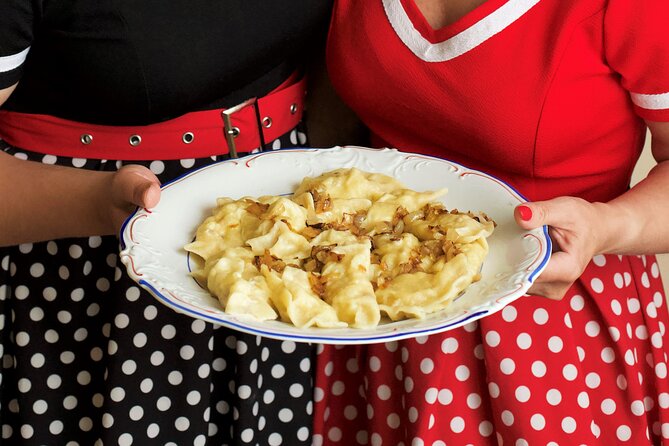
- Traditional filling: Make pierogi with potatoes, fresh cottage cheese, and caramelized onions, then eat what you prepare.
- Market first: Shop for ingredients and sample Polish foods at the oldest marketplace in town, except on Sundays.
- Home kitchen setting: Olga hosts the class in her apartment, with local snacks and drinks served before cooking.
- Very small group: The maximum is six people, giving you plenty of time to knead, roll, fill, and fold.
- A generous food stop: Expect smoked and fresh cheeses, sausage, pickles, sour cabbage, regional alcohol, and a large serving of dumplings.
- Useful Krakow advice: Olga shares food traditions and suggestions for places to visit and eat during the rest of your stay.
Meeting Olga at the Grunwald Monument
The experience begins at the Grunwald Monument on plac Jana Matejki, near public transportation. From there, Olga leads the group toward the market. The meeting point is practical, but you should still allow a little extra time to find the monument and gather before the walk begins.
The group size changes the feel of the class. With no more than six people, you are not watching a chef work from the back of a large room. You should have room to handle the dough yourself, ask questions, and get help when your first pierogi looks more like a folded handkerchief than a neat Polish dumpling.
Olga receives especially warm praise for her patient teaching and friendly manner. She also makes the event social without making it feel forced. Couples, families, and solo participants can cook together, share food, and talk with the other people in the group.
More Cooking Classes in the world:
- Hanoi Cooking Class: Culture, Local Market & Meaning CSR Impact
★ 5.0 · 5,147 reviews - 5 Traditional Dishes Hanoi Cooking Class with Market Trip
★ 5.0 · 4,890 reviews - Cooking Class and Lunch at a Tuscan Farmhouse with Local Market Tour from Florence
★ 5.0 · 4,831 reviews
Shopping at Krakow’s oldest marketplace
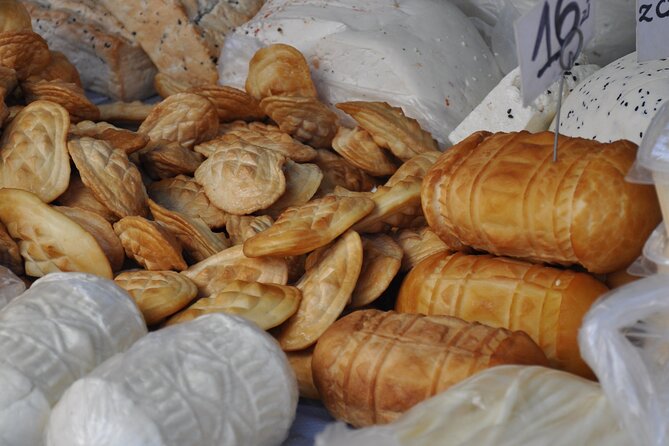
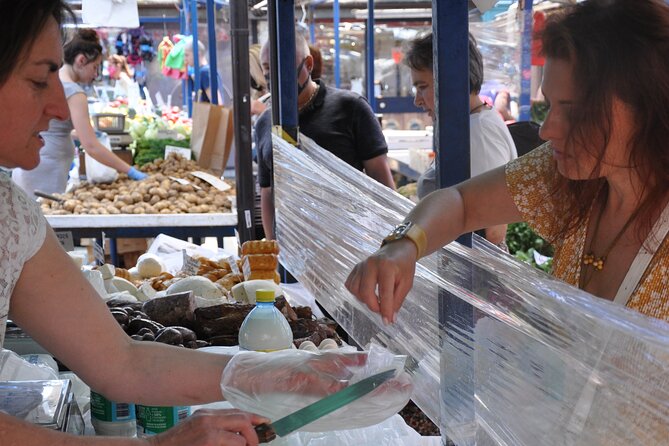
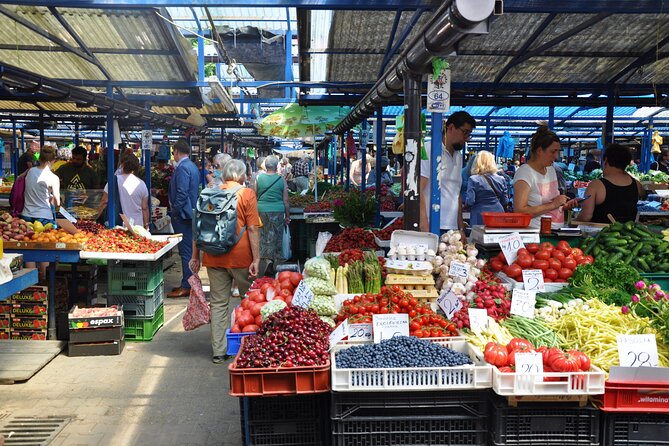
The first part is more than a quick ingredient pickup. Olga walks you through the oldest marketplace in town and explains the foods needed for the class. You might sample fresh cheese, smoked cheese, Polish sausage, pickles, sour cabbage, or other seasonal products along the way.
The market visit gives the cooking lesson a useful sense of place. You see what Polish food looks like before it reaches the plate, and you learn which ingredients matter for the final dish. Fresh cottage cheese is central to the filling, and Olga explains the different kinds of cheese and how to judge quality.
This is also where the experience moves beyond a standard dumpling workshop. Olga points out foods you may want to buy later, including products that can be taken home. One family returned to the market after class and bought extra items, including a pierogi mold recommended for making fruit-filled dumplings in summer.
Do not expect a long guided market tour with a detailed stop at every stall. The market walk serves the cooking class first. Still, the combination of shopping, tasting, and food advice gives you a better understanding of Polish everyday cooking than a class that begins indoors.
On Sundays, there is no market visit. The class still takes place, but this part of the experience is missing, so I would avoid Sunday if the market matters to you.
Walking to Olga’s apartment
After shopping, the group takes a short walk to Olga’s apartment. The walk is described as less than ten minutes in some accounts, making it easy to connect the market portion with the cooking lesson.
The apartment setting is one of the most personal parts of the experience. Olga opens her own home and prepares a table of snacks before the main cooking begins. You may try smoked cheese, fresh cheese, sausage, pickles, sour cucumbers, sour cabbage, bread with lard, and other seasonal Polish foods.
This food is not simply decoration. Olga uses it to explain how Polish ingredients are eaten and paired. The bread with lard and a pickle, for example, gives you a taste of an old-fashioned Polish snack that you might not order in a restaurant.
The menu changes with the season, so you should not expect every listed item on every date. That variety is a plus for repeat visitors, but anyone with dietary restrictions should ask before booking because the snacks can include meat, dairy, and alcohol.
Learning the pierogi dough from scratch
The central dish is pierogi ruskie, a traditional style filled with potatoes, fresh cottage cheese, and caramelized onions. You work through the whole process rather than just assembling dumplings from prepared dough.
Olga demonstrates how to make and knead the dough, and then you get to work. The texture matters. The dough must be soft enough to roll but sturdy enough to hold its filling without splitting in the pot. Several accounts point to the dough lesson as one of the most useful parts because Olga explains the small details, including what to do and what to avoid during kneading.
You then prepare the potato and cheese filling. The filling is vegetarian, which makes this part useful for anyone who wants to recreate the dish at home without meat. The caramelized onions add sweetness and depth, while the cottage cheese gives the mixture its familiar Polish character.
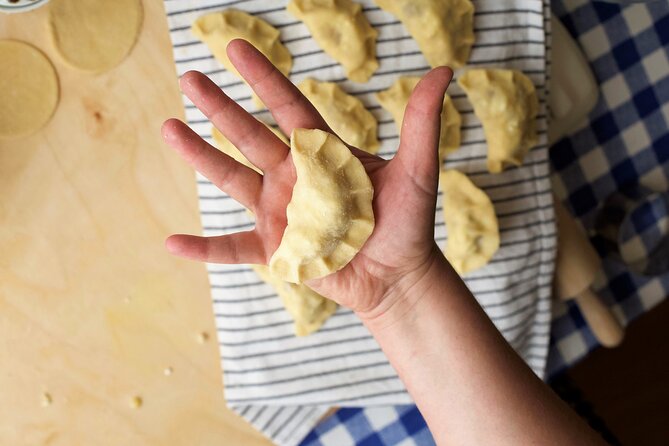
The work is hands-on from start to finish. You roll the dough, cut or shape it, add the filling, and seal each dumpling. Olga also teaches special folding and pleating shapes. The technique is simple once you see it, but the first few can take practice. One family found that even the folding required a few attempts before everyone found a comfortable rhythm.
That is part of the fun. Perfectly uniform dumplings are not the point. You are learning a practical kitchen skill, and the small group lets Olga correct your technique without rushing you.
More Shopping Tours in the world:
- Marrakesh: Guided Souk Shopping Tour with a Local Guide
★ 4.9 · 651 reviews - Shopping in the Souks of Marrakech Private Tour
★ 5.0 · 620 reviews - Cairo: Local Markets & Khan el Khalili Private Shopping Tour
★ 4.6 · 614 reviews - Souks Shopping Tours
★ 5.0 · 395 reviews
Eating a mountain of handmade dumplings
Once the pierogi are shaped, they are boiled and served with toppings, including sour cream. The amount can be substantial. One group described making more than 100 pierogi together, and several people noted that the class provides enough food to count as a full meal.
The meal follows the cooking, so plan your day around it. I would not schedule an important dinner reservation immediately afterward. The market snacks come first, the dumpling work takes time, and the final meal is generous.
Eating your own work gives the class a satisfying finish. You see how the dough behaves after boiling, compare different folding styles, and taste the balance of potato, cheese, and onion. You also leave with a recipe and a method you can try with family or friends at home.
Some groups have had extra pierogi to take away. That possibility is a nice bonus, but it should not be treated as a guaranteed part of the experience.
Regional drinks and Polish food culture
The drinks are part of the meal, not an optional add-on. The experience includes regional alcohol, which may be homemade liquor or a selection of local spirits paired with the food.
A memorable example is bison grass vodka, sometimes called bison vodka, served during the class. One particularly playful detail is that it has been served from a fish-shaped container. The presentation adds character, but the important point is that this is an adult food experience with alcohol.
You should tell the host in advance if you do not drink. The supplied details do not promise nonalcoholic substitutes, so it is sensible to clarify your needs before the class. Families can still enjoy the food and cooking, but parents should consider the drink portion when deciding if this activity fits their group.
The alcohol also helps explain Polish hospitality and eating customs, but the experience is not only about drinking. The stronger focus remains the food, conversation, and shared work at the table.
Local stories and useful Krakow advice
Olga talks about Polish culinary traditions, the background of pierogi in Poland, and her own family approach to making them. She also shares suggestions for restaurants and things to do in Krakow.
This advice is most useful when you take the class early in your visit. You can use her food tips for later meals and ask about places to visit while your plans are still flexible. The experience works especially well as an opening activity because it gives you a local point of contact and a better sense of what Polish food is beyond the familiar restaurant menu.
The history portion is informal rather than academic. You will not get a formal lecture on Polish cuisine, but you will hear practical stories while preparing food. That keeps the information connected to what is on the table.
Is $83.48 a fair price?
At $83.48 per person, this is not the cheapest way to eat pierogi in Krakow. You could order the finished dish for much less at a milk bar or casual restaurant.
But you are paying for more than lunch. The price includes a small-group market walk, ingredient shopping, food samples, a three-hour cooking session, a full meal, regional drinks, and personal suggestions for Krakow. You also get the skill of making pierogi yourself, which has lasting value if you plan to cook Polish food at home.
The value is strongest for people who care about personal contact and active participation. If you only want to taste pierogi, spend less at a restaurant. If you want to understand the ingredients, learn the dough, and share a meal in a local home, the price is easier to justify.
A group of four or six should get particularly good value because the class remains intimate without feeling like a private lesson. Couples and solo participants can also enjoy it, especially if they like meeting people around a table.
Who will enjoy this class most?
This is a strong choice for food lovers, families, couples, and anyone who likes learning by doing. Children can take part, and one family found the class worked well for a seven-year-old, teenagers, and adults together.
It also suits people who enjoy comfort food more than polished restaurant cooking. You will handle dough, filling, flour, and the small mistakes that come with making dumplings by hand.
The class may be less suitable if you want a formal cooking school with professional equipment, a long menu, or many different pierogi fillings. The featured recipe is deliberately traditional and focused: potatoes, cottage cheese, and caramelized onions.
It may also be a poor fit for anyone who dislikes entering a private home, eating dairy or meat-based snacks, or taking part in a meal that includes alcohol. Sunday is fine for the apartment cooking class, but not for the market visit.
Practical details for a smooth visit
The activity lasts about three hours and is offered in English. Confirmation is sent within 48 hours of booking, subject to availability, so do not leave a tightly scheduled activity immediately afterward.
The tour ends back at the meeting point area. It is near public transportation, and service animals are allowed.
The experience offers free cancellation up to 24 hours before the start time for a full refund. Cancellations or changes made less than 24 hours before the start time are not accepted for a refund. The operator also requires a minimum number of participants, so if the class is canceled for that reason, you are offered another date or experience, or a full refund.
Book early if your dates are fixed. The experience is booked an average of 46 days ahead, and the six-person limit can make popular dates fill quickly.
Should you book the Krakow pierogi class?
I would book this class if you want a friendly, food-centered afternoon that combines shopping, cooking, and conversation. Olga’s patient instruction, the market stop, and the apartment setting give the experience more personality than a basic demonstration class.
Choose a non-Sunday date if the market is important to you. Come hungry, leave room for snacks and drinks, and avoid a dinner reservation afterward. If you prefer to eat rather than cook, order pierogi at a restaurant instead. But if you want to learn a Polish dish you can make again at home, this is one of the better-value food experiences in Krakow.
FAQ
How long does the pierogi cooking class last?
The experience lasts approximately three hours.
Where does the experience begin?
It begins at the Grunwald Monument on plac Jana Matejki, 30-001 Kraków, Poland.
Where does the experience end?
The activity ends back at the meeting point area.
Does the experience include a market visit?
Yes, the experience includes a walk through the oldest marketplace in town and shopping for ingredients. On Sundays, the class takes place without the food market visit.
What kind of pierogi will I make?
You will make pierogi with fresh cottage cheese, potatoes, and caramelized onions.
How many people can join the class?
The maximum group size is six people.
Can I cancel for a full refund?
Yes. You can cancel at least 24 hours before the experience start time for a full refund. Changes or cancellations made less than 24 hours before the start time are not accepted for a refund.
Just added around the world
- Half-day Dandan Noodles Cooking Class with a Local Market Visit★ 5.0 · 8 reviews
- Three-Hour Private Chengdu Tea Wholesale Market Tour★ 5.0 · 4 reviews
- 3-Hour Herbal Wholesale TCM Market and a Local Wet Market Tour★ 5.0 · 4 reviews
- Moroccan Cooking Class with a Local Family & Market Visit★ 5.0 · 16 reviews
- Charleston International Sweet Treats & Historic City Market Tour★ 5.0 · 22 reviews
- Chania Old Town, Public Market and Chrisopigi Monastery Tour★ 4.5 · 6 reviews
- Chania: Old Town, Public Market, Hill of Prophet Elias, Agia Triada★ 5.0 · 35 reviews
- Food Tasting & Market Shopping: Private Guided Tour in PORT LOUIS★ 4.5 · 9 reviews
Cooking Classes, compared.
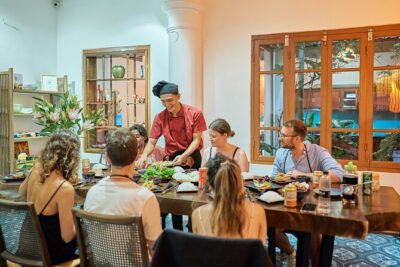
Hanoi Cooking Class: Culture, Local Market & Meaning CSR Impact
Read our review →
5 Traditional Dishes Hanoi Cooking Class with Market Trip
Read our review →
Cooking Class and Lunch at a Tuscan Farmhouse with Local Market Tour from Florence
Read our review →
Cooking Class, Market & Thai Herbs Garden Tour
Read our review →
Authentic Cooking Class with Market & Farm Visit
Read our review →
Paella Cooking Experience & Boqueria Market Tour
Read our review →
Cooking Class Hoi An:Local Market, Basket Boat, Fishing & Cooking
Read our review →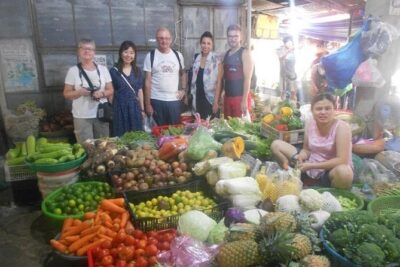
Hoi An Cooking Class(Market,BasketBoat Crabfishing&Cooking Class)
Read our review →Browse the lists this tour appears in