
Review · INDONESIA
Active Volcano, Rice Field, Hot Spring, Fruit market, Tea Plantation with Lunch
Jakarta can feel far away by lunchtime. This long day trip trades traffic and towers for Tangkuban Perahu Volcano, village roads, rice fields, and cooler highland air. I especially like the mix of nature and food, with tropical fruit tasting, a Sundanese lunch, tea, coffee, and a hot spring all included. The possible catch is simple: this is a 12 to 13-hour tour on paper, but several people have spent closer to 14 or even 16 hours on the road.
The best parts are the volcano and the guide-led explanations along the way. Guides such as Bryan, Rizky, Vincent, Mitchell, and Nanda have been praised for making the long drives interesting, answering questions, and adjusting the day when possible. The rice-field and tea stops, however, can be brief, so do not book this expecting long walks through farmland.
Key points to know before booking
- Tangkuban Perahu is the main event: You can get close to an active crater, smell sulfur, and see smoke without a demanding hike.
- The day covers a lot of ground: Expect Jakarta traffic, mountain roads, and a very early or late finish depending on conditions.
- Food is part of the experience: Four types of local fruit, Indonesian lunch, and tea tasting are included.
- The group is capped at 10 people: That allows for a more personal day than a large coach excursion.
- Ciater Hot Spring is a welcome finale: After hours in the vehicle, the warm sulfur water gives your legs a break.
- The countryside stops are short: Rice fields and tea farming offer a useful introduction, but not an extended rural visit.
Leaving Jakarta for the cooler highlands
The appeal of this trip is how quickly the setting changes. You start in Jakarta, one of Southeast Asia’s great urban sprawls, then head toward West Java’s higher country. The exact road time depends heavily on traffic, and that matters more than the printed duration.
I would treat this as a full-day commitment, not a tidy day trip with a guaranteed return hour. One passenger described a 16-hour day, while another reported 14 hours. That is not necessarily a fault with the operator. Jakarta traffic can turn a long excursion into an even longer one. Still, avoid scheduling an evening flight, dinner reservation, or important meeting after the tour.
The vehicle is air-conditioned, bottled water is supplied, and pickup is offered. A small group of no more than 10 people is a useful middle ground. You get the convenience of private-style transport without having to organize a car and guide yourself. The tradeoff is that the vehicle becomes your base for much of the day, and one person found the ride less comfortable than expected.
Your English-speaking guide is important here. A good guide turns the drive into part of the visit by explaining Indonesian food, farming, local life, and history. Bryan, Rizky, Vincent, Mitchell, Nanda, Isabella, and others have been singled out for being friendly, flexible, and clear. The particular guide assigned to you will vary, but the human side of the tour is one of its strongest features.
More Coffee and Tea Market Tours in Indonesia:
- Bali: Ubud Monkey Forest, Coffee Plantation, and Market Tour
★ 5.0 · 5 reviews - Da Nang Cooking Class with Coffee Tasting and Market Visit
★ 5.0 · 310 reviews - Kyoto: Nishiki Market Tea Ceremony with Koto Performance
★ 4.8 · 294 reviews
Lembang Fruit Market and four tropical tastes
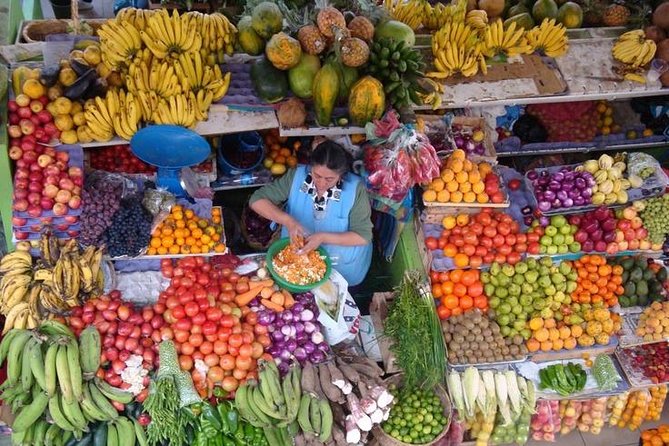
The first stop is Pasar Buah Lembang, a local fruit market in the highland area. You receive four types of fruit, including the famous honey pineapple, along with seasonal produce such as snake fruit. This is a small stop, around 30 minutes, but it gives the day an immediate taste of West Java.
The honey pineapple is a favorite for good reason. It is sweet, fragrant, and a pleasant change from the standard supermarket pineapple found in many countries. Snake fruit, known locally as salak, has a scaly skin and a crisp texture. Your guide can help explain what you are tasting and how the fruit fits into local food culture.
Do not expect a long market wander or a chance to build a full shopping basket. The stop is designed for tasting, not a major market tour. If you want spices or other products, it is worth asking your guide early in the day. One guide accommodated a request for spice shopping, but flexibility depends on traffic, timing, and the rest of the group.
Rice fields and a quick look at village life
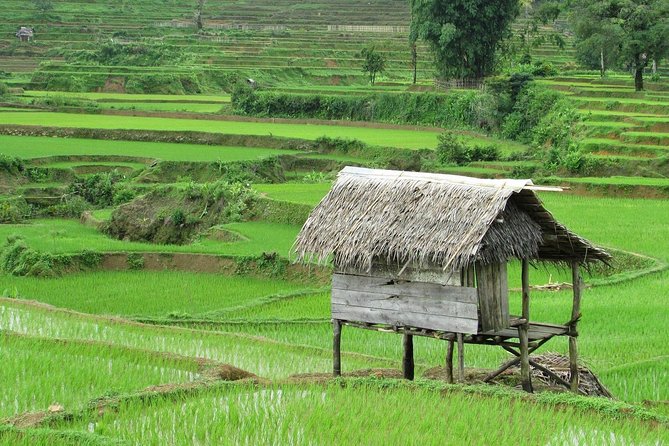
Near Subang, the tour pauses at a local village and rice fields. You may see farmers planting, tending, or harvesting rice, depending on the season. This is one of the more grounded parts of the day because it connects the highland scenery to the work that feeds the region.
The stop lasts about 30 minutes. That gives you time to look around, take photographs, and hear an introduction to rice farming, but it is not a farm visit with a long walk or hands-on activity. In some cases, the explanation may be only a few minutes. I would think of this as a brief window into rural life rather than a full cultural program.
That limited time is the main weakness of the countryside portion. If rice terraces are your main reason for booking, you may find this stop underwhelming. If you want a broad introduction to Java in one day, it does its job. You get a change of scenery and a short break from the vehicle before the volcano.
Tangkuban Perahu, the day’s strongest stop
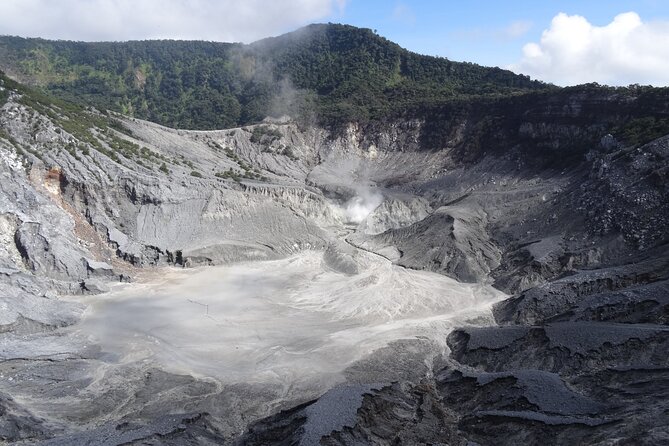
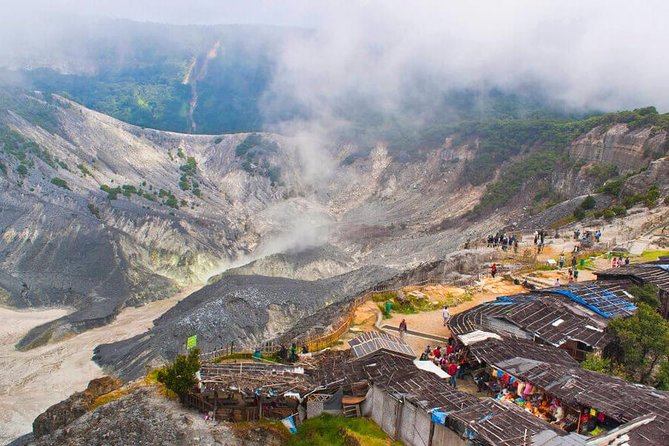
Tangkuban Perahu is the reason to choose this tour over a standard food or city excursion. The volcano is active, and the visit brings you close to the crater area, where you can smell sulfur and see smoke rising. Tropical rainforest and pine trees surround the mountain, giving the setting a dramatic contrast of green slopes and volcanic earth.
You have about two hours here, much longer than at the fruit, rice, or tea stops. That extra time makes sense. The volcano needs room for walking, photographs, looking into the crater area, and listening to the guide explain what you are seeing.
A major advantage is that the visit suits people who do not want a strenuous hike. You can reach the crater area without signing up for a mountain trek. Still, this is an outdoor stop. Wear shoes that are comfortable on uneven ground, and bring a light layer if you tend to feel cool at higher elevations. Those suggestions are practical rather than promises about the weather, which can change quickly in mountain areas.
Sulfur fumes may be noticeable near the crater. The smell is part of the experience, but it can be strong. Stay with the guide and follow any instructions at the site. The tour includes the volcano admission fee, so you do not need to handle that separately.
This is also the place where the guide’s knowledge matters most. A good explanation helps you understand the crater rather than simply photograph it. Several guides have been praised for talking about geology, Indonesian history, and local people in a lively way. That turns a scenic stop into a more meaningful one.
More Lunch Trips in Indonesia:
- Cooking Class and Lunch at a Tuscan Farmhouse with Local Market Tour from Florence
★ 5.0 · 4,831 reviews - Paris Cooking Class and Lunch with Wine plus Market Visit Option
★ 5.0 · 1,024 reviews - Cairo: Private Pyramids, Museum & Bazaar Tour with Lunch
★ 4.6 · 744 reviews - Durres/Golem: Kruja Castle & Bazaar with Traditional Lunch
★ 5.0 · 632 reviews
Sundanese lunch, coffee, and a taste of local production
Lunch takes place at a local restaurant in the Lembang area. Traditional Sundanese food is included, and the meal gives you a chance to sit down after the volcano visit. One especially memorable detail from the day is lunch beside koi ponds, though that setting may not be guaranteed for every group.
The food has received strong praise, but portions may not satisfy every appetite. One person felt the lunch was not enough, so if you usually need a large midday meal, consider bringing a small snack. Bottled water is included, and the fruit tasting earlier in the day helps, but it should not replace lunch.
The same general stop includes a local coffee production center. You can learn how coffee is processed, including information about local coffee such as luwak coffee. Coffee itself is not included, so budget separately if you want to purchase or sample it.
This is a useful distinction: the tour includes local tea tasting, but local coffee is listed as an extra. The visit is educational and gives you a closer look at products made in the region. It can also feel like a shopping stop, so decide in advance if you are interested in buying something or simply learning about production.
The lunch and coffee portion lasts around 45 minutes. That is enough for a meal and a short explanation, but not a relaxed restaurant afternoon. The day’s schedule is built around variety, not lingering.
Tea plantations and highland views
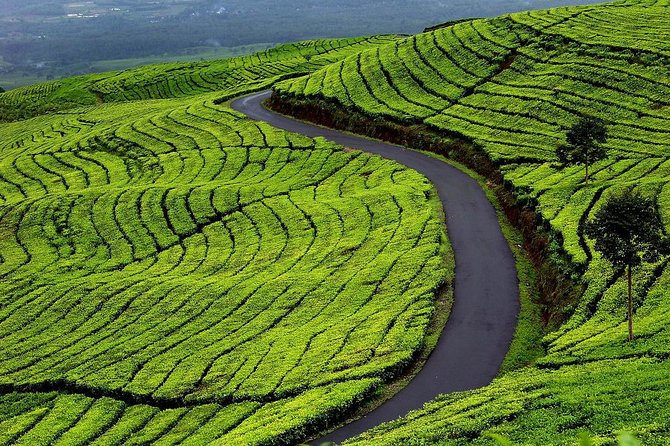
The tea plantation visit introduces the plants, varieties, cultivation, harvesting, and history of tea farming in the volcanic highlands. You can walk through the plantation, hear how tea is produced, and take photographs of the rows and valley views.
This is a pleasant visual change after the crater and lunch. The highland setting gives the tea fields a calm, open feel, and the plantation helps explain why this part of Java is important for agricultural production. If you enjoy food origins, farming, or photography, you will find something worthwhile here.
Keep your expectations measured. The tea stop may be fairly short, and the amount of walking or explanation can vary. One person felt the tea and rice visits were little more than quick introductions. Another enjoyed learning about tea farming in more detail, which shows how much the guide can shape the stop.
I would not book this as a dedicated tea plantation tour. I would book it as one useful piece of a wider day that also includes a volcano, fruit, lunch, and hot springs. That combination gives you a better sense of the region than a single attraction would.
Ciater Hot Spring as the final reward
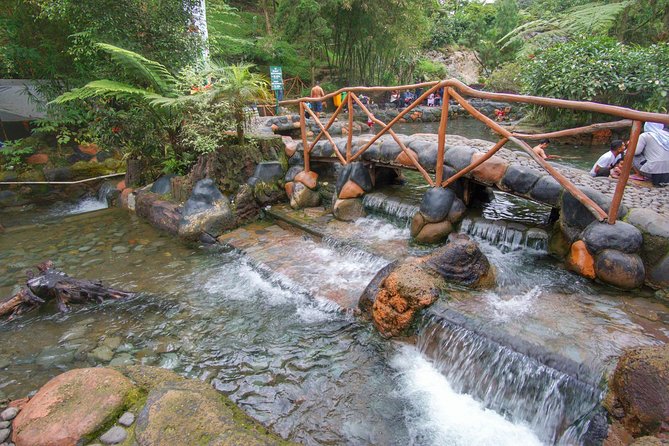
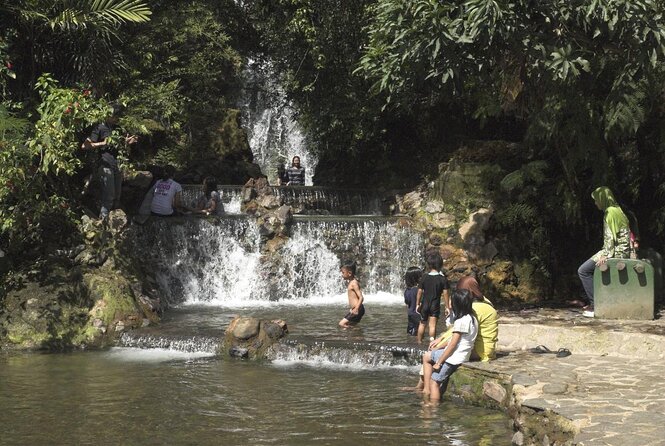
After the mountain roads, the Ciater Hot Spring is a sensible last stop. You get about an hour to soak in warm sulfur water and relax before the journey back to Jakarta. The hot spring entrance fee is included, while massage services are extra.
This is not just an added attraction. It changes the pace of the day. Until this point, you have been moving between viewpoints, food stops, and short walks. The hot spring gives you time to sit still and recover.
The water is sulfur-based, and the heat may feel intense if you are not used to hot springs. Bring what you need for the visit, though the provided details do not specify towel or changing-room arrangements. A massage is available for an additional charge, but it is not part of the tour price.
Some people especially enjoy this stop because it is genuinely relaxing after a long ride. Others may prefer more time at the volcano or plantation. If soaking in warm water is not your thing, the hot spring will not add much value, but for many people it is the pleasant finish that makes the long day easier.
What the $110 price really covers
At $110 per person, this is not the cheapest way to visit the Bandung and Subang area. It is also not simply a transport service. The price includes an air-conditioned vehicle, guide, bottled water, all listed taxes and fees, volcano admission, hot spring admission, Indonesian lunch, local tea tasting, and four kinds of fruit.
Those inclusions add up. Booking separate transport from Jakarta, arranging a driver for mountain roads, paying entrance fees, finding lunch, and fitting all five main stops into one day would take work. You are paying for convenience and a carefully packed route as much as for the attractions themselves.
The value is strongest if you have limited time in Jakarta and want to see several sides of West Java without spending a night outside the capital. You get volcano geology, farming, tropical produce, coffee, tea, Sundanese food, and a hot spring in one outing.
The value is weaker if you dislike long drives, prefer slow travel, or want detailed time at each site. A private overnight trip would give you more breathing room, though likely at a higher total cost. The capped group of 10 helps keep the experience personal, but it does not remove the basic problem of distance and traffic.
Who should book this day trip
I would recommend it to first-time visitors who want to get beyond Jakarta and see a broad slice of West Java in one day. It also suits people who prefer guided travel, do not want to hike a volcano, and enjoy mixing scenery with food and local production.
It is a good match for couples, families, and small friend groups. Most people can participate, and the route does not depend on a long mountain trek. The guide can also help explain unfamiliar foods and customs, which is useful if you are new to Indonesia.
I would hesitate if you have a hard evening schedule, limited stamina for a full day in a vehicle, or a very specific interest in rice farming or tea. Those stops are short. The volcano, food, and hot spring receive the most time and attention.
A solo booking may not work in every case because a minimum number of participants is required. Check availability before building your plans around it. Free cancellation is available up to 24 hours before the start time, but changes or cancellations inside that window are not refunded.
Should you book the volcano and hot spring tour?
Book it if you want maximum variety in one long day. Tangkuban Perahu is the clear centerpiece, while the fruit tasting, Sundanese lunch, tea plantation, and Ciater Hot Spring add color and comfort around it. The guides are often the difference between a basic sightseeing run and an informative day, with Bryan, Rizky, Vincent, Mitchell, and Nanda among the names praised for friendly, flexible service.
Skip it if you want an unhurried rural experience or cannot tolerate Jakarta traffic. The rice and tea stops are introductions, not deep visits, and the total day may run well beyond 13 hours. For the right person, though, this is a practical way to trade Jakarta’s urban crush for a volcano, farms, local food, and warm sulfur water without arranging the pieces yourself.
FAQ
How long does the tour take?
The stated duration is approximately 12 to 13 hours. Actual days can be longer, with some departures taking about 14 to 16 hours because of traffic and road conditions.
What is included in the $110 price?
The price includes an English-speaking guide, air-conditioned vehicle, bottled water, taxes and fees, volcano admission, hot spring entrance, Indonesian lunch, local tea tasting, and tasting of four types of local fruit.
Is the volcano visit suitable for someone who does not want to hike?
Yes. The tour visits the crater area and suits people who want to see the volcano without taking on a demanding hike.
Is lunch included?
Yes. Lunch at a local restaurant featuring Indonesian food is included. One person found the portion too small, so you may want to carry a snack if you normally eat a large lunch.
Is coffee included?
No. The tour visits a local coffee production center, but local coffee is not included in the price.
Is a massage included at Ciater Hot Spring?
No. The hot spring entrance is included, but any local massage costs extra.
What is the maximum group size?
The experience has a maximum of 10 participants. A minimum number of participants is also required for the tour to operate.
More Spa & Hot Springs in Indonesia
- Osaka: Wakayama Cat Train, Seafood market, Hot Springs Tour
★ 4.6 · 24 reviews - Seoul: Sokcho beach, market, hot spring and Seorak Cable Car
★ 4.8 · 5 reviews
Just added around Indonesia
- Nusa Dua: Balinese Cooking Class with Market Tour★ 5.0 · 4 reviews
- Bali: Balinese Cooking Class and Market Tour★ 4.8 · 19 reviews
- Jambangan bali cooking class with morning market tour★ 5.0 · 35 reviews
- Balinese cooking class/Go shopping at the market, cook, eat★ 5.0 · 12 reviews
- Bali: Turtle Conservation and Education Tour & Local Market★ 4.8 · 20 reviews
- Bali: Ubud Monkey Forest, Coffee Plantation, and Market Tour★ 5.0 · 5 reviews
- Bali: Penglipuran Village, Waterfall, and Night Market Tour★ 4.2 · 4 reviews
- Bali: Safari Zoo and Ubud Palace and Market Day Tour★ 4.7 · 6 reviews
Coffee & Tea Market Tours, compared.
Da Nang Cooking Class with Coffee Tasting and Market Visit
Read our review →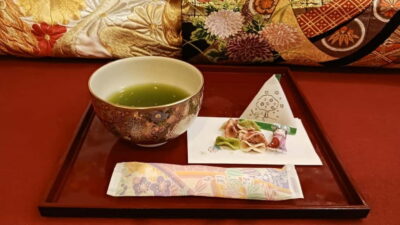
Nishiki Market Tea Ceremony with Koto Performance
Read our review →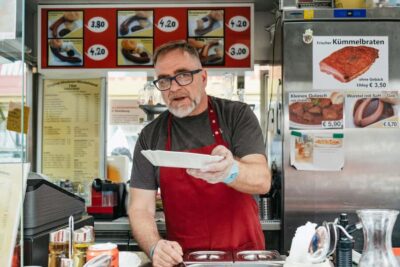
Hungry in Vienna? A Food Lover’s Coffee & Market Walk
Read our review →
Delicious Doughnuts & Tea: Small-Group Borough Market Experience
Read our review →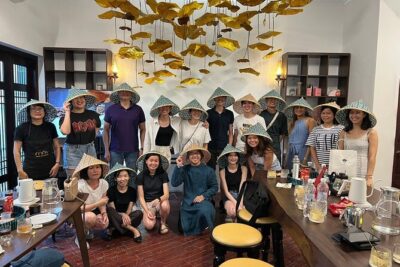
Mini Hanoi Coffee Workshop: Pick Any Signature Coffee You Like
Read our review →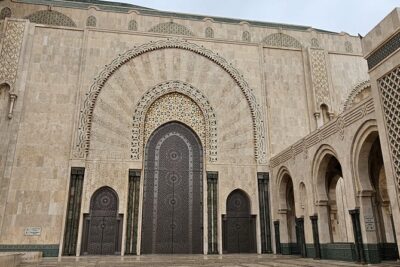
From rick’s coffee to local markets authentic casablanca
Read our review →
Vienna Eats: Private Foodie Walk with Coffee & Markets
Read our review →
Ethiopian Culinary Tour – Market, Food, Coffee Ceremony & more
Read our review →Browse the lists this tour appears in