
Review · THAILAND
Cooking Evening Class Chiang Mai Visit Organic Garden and Market
Thai food makes a fine souvenir. This four-and-a-half-hour Chiang Mai evening class combines a local market visit, an organic garden tour, and hands-on cooking at Siam Garden Cooking School. I like the freedom to choose one dish in each of six categories, and I like that every person gets a wok and mortar. The main thing to consider is that many ingredients are prepared ahead of time, so this suits beginners more than serious cooks seeking advanced knife work.
The value is hard to ignore. For $13.04, you prepare an appetizer, curry paste, curry, stir-fried dish, soup, and dessert, then eat your work in an air-conditioned dining room or an open-air Thai pavilion. The class can feel busy when the group is large, and some cooking steps are simplified, but friendly instructors such as Gift, Fon, Tukta, Mint, Dao, and Ploy keep the mood light.
Six useful things to know before you book
- Six dishes, one choice in each category: You select your own appetizer, curry paste, curry, stir-fry, soup, and dessert.
- One wok and mortar per person: You cook your own food rather than simply watching a demonstration.
- Market and garden visits first: The afternoon begins with Thai ingredients before the cooking starts.
- Pickup from Chiang Mai Old Town: Hotel transport is included within the stated pickup area, though some hotels require a central meeting point.
- Spice and diet choices are flexible: Vegetarian, vegan, gluten-free, allergy-friendly, meat, and mild or spicy options are available when you choose your menu.
- A practical take-home bonus: You receive an online color recipe book and can eat your food or take it away.
Why this low-cost class offers real value
The price is the first surprise. At $13.04 per person, this is one of the more budget-friendly ways to spend an afternoon in Chiang Mai, especially since ingredients, transport within Chiang Mai Old Town, drinks, and six menu items are included.
The value is not just the number of dishes. You also get an introduction to Thai produce, a visit to an organic garden, cooking equipment, instruction in English, Wi-Fi, an online recipe book, and a meal made by your own hands. Tea, coffee, and drinking water are included. Alcohol is available to buy, but it is not part of the price.
The six-dish format also explains why the school prepares some items before class. If every person chopped every vegetable, cleaned every protein, and built every sauce from the first step, the session would take much longer. Here, the goal is to let you choose several dishes and finish them all in one afternoon.
That trade-off matters. If you are new to Thai cooking, the pre-prepared ingredients make the class manageable and let you focus on flavors, order, and heat. If you already cook often, you may wish for more preparation work. One participant found cutting cabbage into four pieces and slicing an onion too basic, while another appreciated the efficient setup and the chance to cook a large range of food.
I would treat this as a friendly introduction to Thai cooking, not a professional culinary course. You leave with recipes and a better feel for Thai ingredients, but not with advanced lessons in butchery, knife technique, or sauce development.
More Cooking Classes in Chiang Mai
- Chiang Mai: Cooking Class, Market & Thai Herbs Garden Tour
★ 4.9 · 4,824 reviews - Chiang Mai: Authentic Cooking Class with Market & Farm Visit
★ 4.9 · 4,546 reviews - Chiang Mai: Cooking Class with Market and Pickup
★ 4.9 · 1,365 reviews
The 2:30 pickup keeps the afternoon simple
The class begins around 2:30 pm, with hotel pickup scheduled between 2:30 and 3:00. Transport is offered from hotels in Chiang Mai Old Town. If your accommodation sits outside that area, you may need to meet the vehicle at a central pickup point, so confirm the arrangement before the day of the class.
The drive is worth factoring into your plans. One family enjoyed the cooking but felt the transfer was long and wished they had known the expected travel time. The exact duration is not stated, so do not schedule a tight evening appointment immediately afterward.
The class usually ends around 7:30 pm, though the finish can be earlier or later depending on the group. That flexibility is useful if people need help with their dishes, but it also means you should leave some space in your evening.
The maximum group size is listed as 15 people. Smaller groups can feel much more personal. One session had only two couples, which allowed plenty of individual attention. Another account described a group of about 20 and found the class hectic, so the actual group size can affect the experience. Ask about the expected group size if personal instruction is important to you.
A local market introduction to Thai ingredients
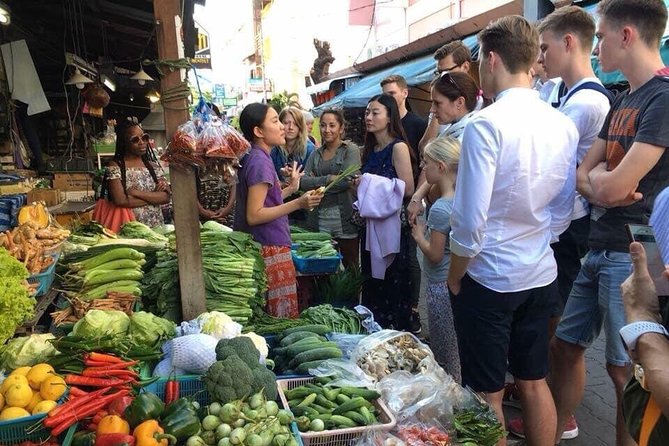
The first planned stop is a local market at about 3:30 pm. This is not presented as a long shopping trip. It is a short orientation to the ingredients used later in the kitchen.
Your instructor explains fruits, rice, herbs, vegetables, and other Thai staples before you start cooking. This is useful because many ingredients can look unfamiliar when you first see them in a market or recipe. A little context helps you understand why Thai dishes use fresh herbs, curry aromatics, and different types of rice.
I like this order. You see ingredients in their everyday setting before they arrive trimmed and arranged at the school. It gives the food more meaning than a class that simply places identical bowls in front of you.
Do not expect a full market tour with lots of free time. One person wished for more time at the market. The stop works best as a compact introduction, not as a separate market experience. If you want to buy snacks, spices, or gifts, you should plan another market visit.
The organic garden puts herbs within reach
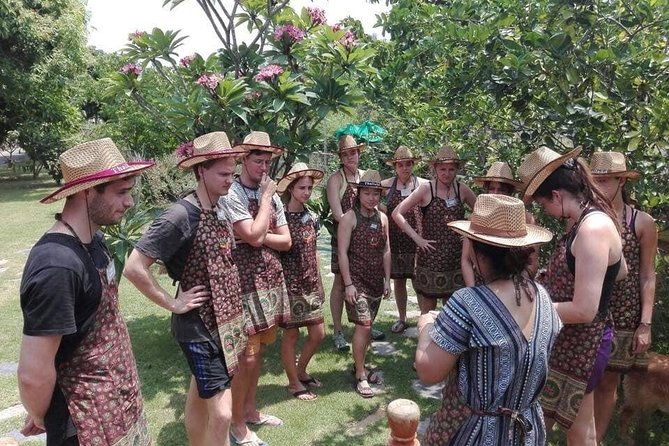
At about 4:00 pm, you arrive at Siam Garden Cooking School and visit the organic garden. The garden is one of the more appealing parts of the setting. It gives you a chance to connect the herbs and plants discussed at the market with the dishes you are about to prepare.
The garden is also a pleasant break before the main cooking session. It offers a quieter setting, with the option to eat later in a Thai pavilion beside the garden. Several people especially liked the herb garden, and one person noted that the peaceful setting and friendly dogs added to the atmosphere.
The garden visit is not a full farming lesson. The available information does not promise a set length or a detailed growing tour. Think of it as a practical look at Thai plants and ingredients, with the cooking class as the main event.
This stop is particularly helpful if you are curious about the differences between herbs available in Thailand and those commonly found in the United States. The instruction can make familiar dishes easier to recreate at home, even when you need to substitute an ingredient.
More Cooking Classes in Thailand
- Chiang Mai: Evening Cooking Class and Local Market Visit
★ 4.9 · 648 reviews - Evening Cooking Class in Organic Farm with Local Market Tour
★ 5.0 · 394 reviews - Cooking Morning Class Chiang Mai Visit Organic Garden and Market
★ 5.0 · 211 reviews - Half-Day Cooking Class with Market Tour
★ 5.0 · 163 reviews
Six menu choices make the class feel personal
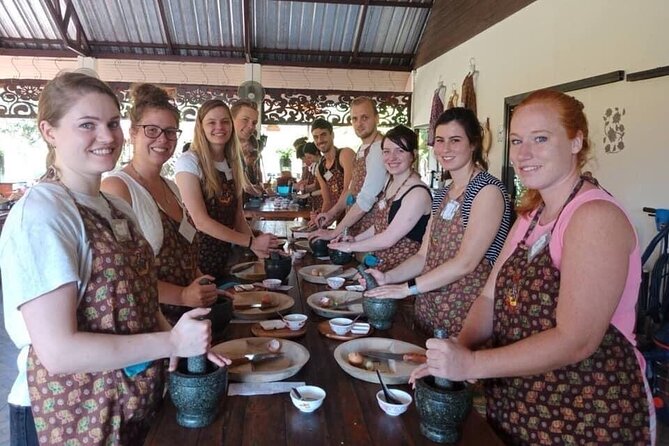
Once the garden visit ends, the cooking begins at about 4:30 pm. Each person chooses one dish from each of six groups:
- One appetizer
- One curry paste
- One curry
- One stir-fried dish
- One soup
- One dessert
The exact dish choices are made from the available menu on the day. That choice is a major strength. You are not locked into the same meal as everyone else, so a group can sample different dishes and compare results.
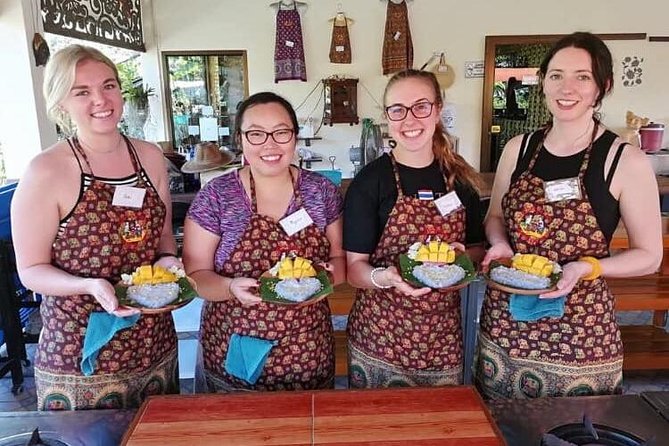
The class also includes a lesson on making glutinous rice for mango sticky rice. That dessert is a popular highlight, and one person specifically enjoyed learning to make it alongside Tom Yum soup. For many people, the dessert is a fitting finish because it brings together sweet coconut flavors and sticky rice in a form you can try again at home.
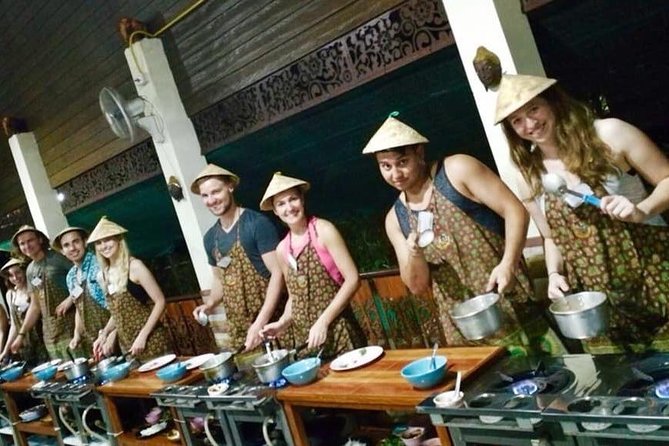
The curry paste lesson is another strong feature. Each person uses a mortar to make their own paste. Grinding the ingredients helps you understand how the flavors are built, even if other parts of the preparation have already been done.
Each person also gets an individual wok. That means your meal is not merely a sample cooked by the instructor. You handle the cooking and adjust the seasoning and heat with help from the staff.
What you actually learn at the stove

The teaching is designed for people with little or no previous cooking experience. The instructors explain the dishes, guide you through the process, and help with spice levels. Friendly staff members are repeatedly praised for being patient, funny, and attentive, with Gift receiving especially warm appreciation for her teaching.
You can request mild or spicy food. This is important in Thailand, where a dish that sounds moderate on paper can still be hot for some palates. Tell the staff what you want when selecting your menu rather than waiting until the food is already in the wok.
The class is also well suited to mixed groups. Children and adults can take part, though infants and non-participating visitors are not included in the standard service. Vegetarian, vegan, gluten-free, allergy-friendly, and different meat options can be arranged if you tell the staff during menu selection.
The level of preparation is the main limitation. The staff prepare much of the work in advance so the class can cover six dishes in a reasonable time. You will cook, season, and assemble your dishes, but you will not necessarily prepare every ingredient from scratch.
That approach keeps the session moving and helps the group finish its meal. It also means the class teaches the structure and flavor of Thai cooking more than every technical step. I would recommend it to a first-time cook, a family, or anyone who wants an enjoyable food activity. A serious home cook may prefer a smaller class with more time spent chopping and building ingredients from the beginning.
Eating in air conditioning or beside the garden
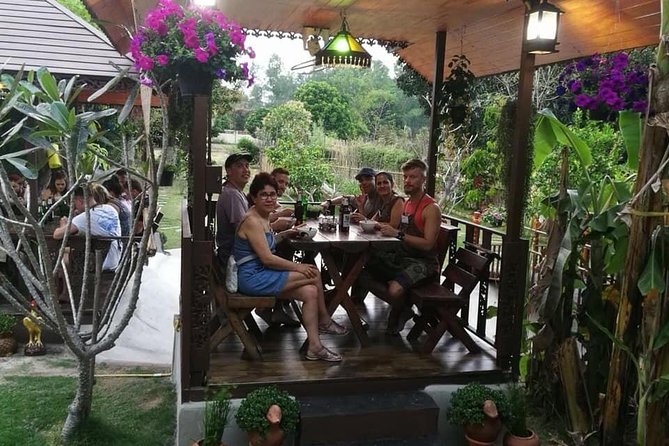
After cooking, you eat what you have made. The school offers a Chiang Mai-style dining room with air conditioning, as well as open-air seating in a Thai pavilion by the garden.
The air-conditioned room is a practical advantage during a hot afternoon. One person called it a major plus, especially after cooking. The pavilion offers a more atmospheric setting and lets you remain close to the garden, so the choice comes down to comfort and weather.
You can eat everything at the school or take your food away. That is useful if you become full before finishing six dishes, which is quite possible. One person cooked several small meals and was full by the end.
The staff provide tea, coffee, and drinking water. Alcohol is not included, but it can be purchased. The meal is the food you prepare, so do not expect a separate restaurant-style tasting menu.
The staff create the best part of the evening
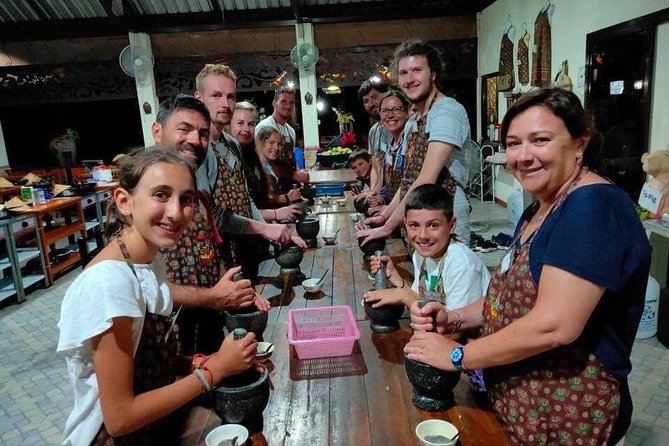
The cooking itself is only half the appeal. The instructors and assistants shape the mood, and the strongest feedback centers on their warmth and humor.
Gift is frequently singled out as a patient cooking teacher. Fon is described as funny and lively, while Tukta, Mint, Dao, and Ploy also receive praise for their help. The staff check whether you need more spice or other ingredients, and they accommodate different diets without making the process feel difficult.
That personal help matters when several dishes are cooking at once. The class covers a lot in three hours, and you can lose track of which ingredients go where. An assistant nearby can keep a beginner calm and prevent a small mistake from ruining dinner.
The atmosphere also suits families. A parent and teenager enjoyed the class as a basic introduction, and another family described it as a good shared experience. Couples and groups of adult children can also find plenty to do because everyone selects individual dishes.
Recipes and photos give the class a longer life
You receive a full-color online recipe book after the class. The recipes include ingredient lists with photos, which is especially helpful when you are shopping at home and do not recognize a Thai herb or vegetable by sight.
The online format is easy to keep, but it depends on you actually using it. Save the recipes before leaving or while you have Wi-Fi. The school also provides online photo albums, so you may have a record of the class after the evening ends.
This follow-up material adds real value to a low-cost activity. A cooking class can be fun for one afternoon and then disappear from memory. Recipes give you a chance to repeat the dishes and adjust the spice level to suit your kitchen.
Who should book this Chiang Mai cooking class?
I would choose this class if you want a relaxed introduction to Thai food, especially if you like eating what you make. It is a strong match for:
- First-time cooks
- Families with older children
- Couples and small groups
- People on a tight activity budget
- Vegetarians, vegans, and people needing gluten-free options
- Anyone interested in herbs, curry paste, and mango sticky rice
I would think twice if your main goal is advanced technique. The class is efficient, and the prepared ingredients allow six dishes to fit into one afternoon, but that leaves less time for detailed chopping, cleaning, and ingredient preparation.
You should also check your pickup point, leave room after the 7:30 pm finish, and tell the staff about dietary needs during menu selection. The class requires good weather and a minimum number of participants. If poor weather or low numbers force a cancellation, you are offered another date, another experience, or a full refund. Standard cancellations receive a full refund when made at least 24 hours before the start time. Cancellations within 24 hours are not refunded.
Should you book it?
Yes, if you want a friendly, inexpensive food experience with plenty to eat and a clear introduction to Thai ingredients. The combination of market, garden, six menu choices, individual cooking stations, and take-home recipes gives you much more than a short demonstration.
Book with realistic expectations. This is not a quiet, advanced cooking workshop, and the group can feel busy when numbers are high. But at $13.04, with transport from Chiang Mai Old Town, ingredients, drinks, instruction, and a full meal included, it offers excellent value for beginners and families. Tell the school your dietary needs, ask about the pickup point, and choose this class for fun, flavor, and useful recipes rather than technical chef training.
FAQ
How long does the Chiang Mai cooking class last?
The experience lasts about 4 hours and 30 minutes. The scheduled evening course runs from pickup around 2:30 pm until about 7:30 pm, though the finish can vary by group.
What dishes can I cook?
You choose one dish from each of six categories: an appetizer, curry paste, curry, stir-fried dish, soup, and dessert. The class also includes instruction on glutinous rice for mango sticky rice.
Is hotel pickup included?
Transport to and from hotels in Chiang Mai Old Town is included. If your hotel is outside the pickup area, you may need to meet the vehicle at a central location.
Are ingredients and cooking equipment included?
Yes. Fresh cooking ingredients are included, and each person receives one wok and one mortar for making curry paste.
Can I request vegetarian, vegan, or gluten-free food?
Yes. Vegetarian, vegan, gluten-free, allergy-friendly, and other meat options are available. Tell the staff when selecting your menu on the day of the class.
Can I choose how spicy my food is?
Yes. You can request mild or spicy food. Make your preferred spice level clear during menu selection.
What happens if I cannot finish all the food?
You can eat everything you prepare at the school or take it away. Tea, coffee, and drinking water are included, while alcoholic drinks are available to purchase.
More Evening Experiences in Chiang Mai
- Chiang Mai: Evening Local Street Food Market Tour
★ 4.8 · 604 reviews - Chiang Mai: Kalare Night Bazaar Boxing Stadium Muay Thai
★ 4.7 · 507 reviews - Chiang Mai Temples and Market Tuk-Tuk Evening Night Tour
★ 4.5 · 201 reviews - Chiang Mai: Half Day Evening Cooking Class with Market Tour
★ 4.9 · 19 reviews
Just added around Chiang Mai
- Chiang Mai: Half Day Morning Cooking Class with Market Tour★ 4.9 · 10 reviews
- Chiang Mai: Half Day Cooking Class at Organic Farm★ 4.8 · 96 reviews
- Full Day Thai Cooking Class in Organic Farm and Market★ 5.0 · 3 reviews
- Chiang Mai: Traditional Thai-Akha Cooking Class& Market Tour★ 5.0 · 25 reviews
- Chiang Mai: Morning Cooking Class with Market Visit★ 4.9 · 81 reviews
- Chiang Mai Light: Tuk Tuk Night Tour with Temples & Markets★ 5.0 · 7 reviews
- Chiang Mai: Sticky Waterfall by Local Truck with Market Stop★ 4.8 · 26 reviews
- Chiang Mai: Half Day Evening Cooking Class with Market Tour★ 4.9 · 19 reviews
Cooking Classes, compared.
Hanoi Cooking Class: Culture, Local Market & Meaning CSR Impact
Read our review →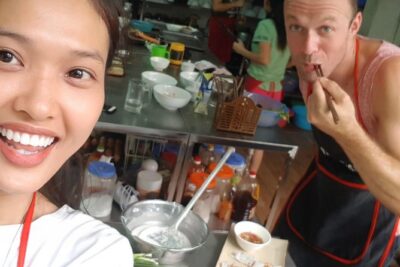
5 Traditional Dishes Hanoi Cooking Class with Market Trip
Read our review →
Cooking Class and Lunch at a Tuscan Farmhouse with Local Market Tour from Florence
Read our review →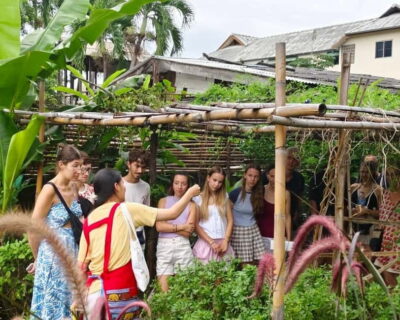
Cooking Class, Market & Thai Herbs Garden Tour
Read our review →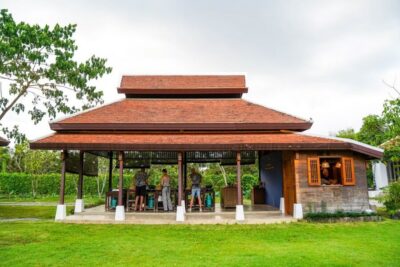
Authentic Cooking Class with Market & Farm Visit
Read our review →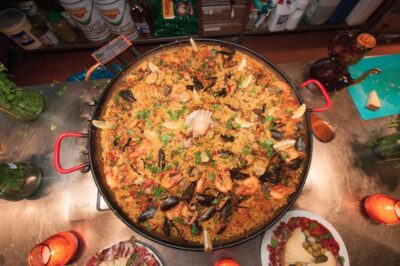
Paella Cooking Experience & Boqueria Market Tour
Read our review →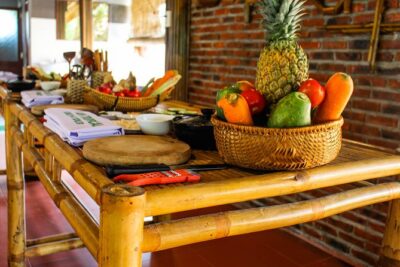
Cooking Class Hoi An:Local Market, Basket Boat, Fishing & Cooking
Read our review →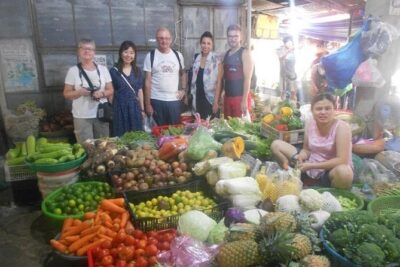
Hoi An Cooking Class(Market,BasketBoat Crabfishing&Cooking Class)
Read our review →Browse the lists this tour appears in