
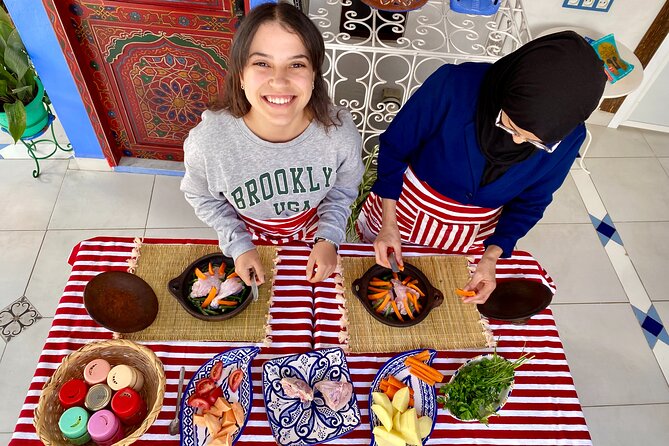
Review · MOROCCO
Moroccan Cooking Class with a Local Family & Market Visit
Food tells you how a place lives. This three-hour Chefchaouen experience takes you from the local market to a 300-year-old family house, where you prepare couscous or tagine using Amazigh methods passed down through generations. I like the small group size, limited to five people, and the chance to shop for ingredients with the family rather than simply watching a chef cook.
I also like the human side of the experience. Murad welcomes you, while Zohra, also referred to as Zouhra, leads the cooking and explains each step. The main consideration is that private transportation and alcohol are not included, so you should confirm the pickup or meeting details before setting out.
Key points at a glance
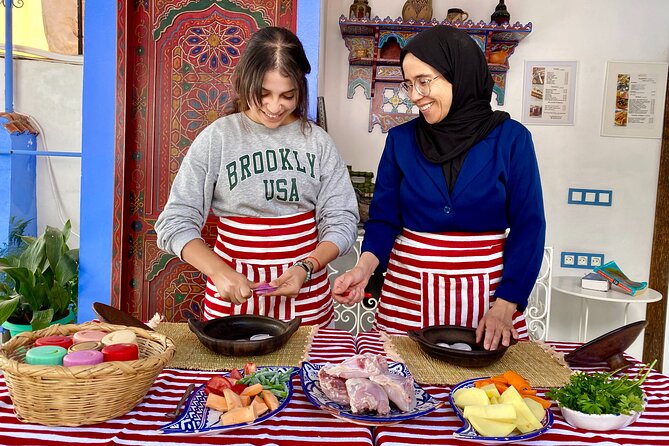
- Shop before you cook: Spend about 30 minutes choosing fresh ingredients at a local market with the family.
- Learn two Moroccan classics: The class focuses on couscous or tagine, with vegetable or chicken options, plus a traditional eggplant dish called zaalouk.
- Cook in an old family home: The meal is prepared in a 300-year-old house, giving the class a strong sense of place.
- Keep the group small: A maximum of five people allows room for questions and hands-on guidance.
- Finish with tea and conversation: The meal includes Moroccan tea, cookies, bottled water, and time to discuss food and culture.
- Pay $49 for about three hours: The price covers dinner and instruction, but not private transportation or alcoholic drinks.
Why this Chefchaouen cooking class feels personal
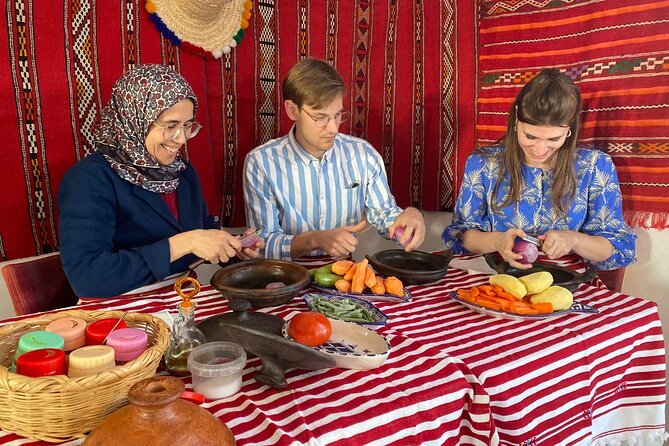
Many cooking classes are really demonstrations with a few token tasks added. This one is shaped more like an afternoon with a local family. You meet the hosts, walk to the market, choose ingredients, return to the house, and help prepare a meal that you then eat together.
That order matters. When you see the vegetables and other ingredients before cooking, the final dish makes more sense. You understand that Moroccan food is not just a list of spices. It is also about shopping, careful preparation, shared work, and sitting down together.
The small maximum of five people helps. You are less likely to disappear into a crowd, and you should have a better chance to ask about cooking methods, Moroccan customs, and life in Chefchaouen. The experience is especially appealing if you want contact with local people rather than another restaurant meal in the medina.
The hosts are central to the experience. Murad is there to welcome and assist you, while Zohra guides the cooking. The warm reception and family setting are among the most praised parts of the activity. One especially useful detail is that Zohra makes sure you understand the steps by the end, so you can take the method home instead of remembering only the taste.
More Cooking Classes in Morocco
- Marrakech: Traditional Moroccan Cooking Class & Market Visit
★ 4.8 · 1,861 reviews - Moroccan Cooking Class & Marrakech Market Visit with Chef Khmisa
★ 5.0 · 1,504 reviews - Marrakech: Moroccan Cooking Class with Market Visit and Meal
★ 4.9 · 347 reviews
The 30-minute market visit
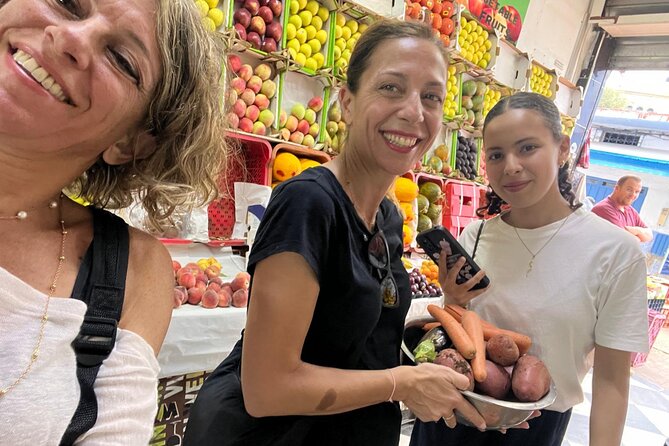
The market visit is not filler before the real class. It is the first lesson. You spend around 30 minutes selecting fresh ingredients with the family, and the choices you make become part of the meal later.
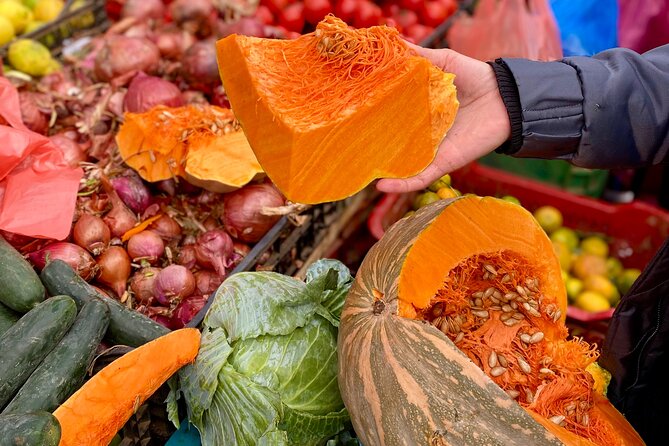
This gives you a look at Moroccan food from the shopping side. You can ask about the produce, see what the family selects, and learn how a traditional dish begins before any pot or tagine is placed on the heat. The exact market route and ingredient list are not specified, so the visit may vary with the day and the dish chosen.
The market stop also gives the class a stronger connection to Chefchaouen. You are not simply transported to a kitchen stocked in advance. You take part in a small local errand, then carry those ingredients into a family home.
Some details from past cooking sessions add color to this part of the experience. The shopping has included vegetables and Moroccan cookies, with time to learn about Chefchaouen and Moroccan customs along the way. If you enjoy food markets, this may be one of the most useful parts of the outing because it connects what you see for sale with what you later eat.
A practical point: pickup is offered, but private transportation is not included. Since the experience is also near public transportation, check the exact pickup arrangement and meeting point when booking. That simple check can save time in Chefchaouen’s winding streets.
Preparing couscous, tagine, and zaalouk
After the market, the cooking begins with a short introduction to Moroccan cuisine. The planned preparation stage lasts about 20 minutes, followed by roughly an hour of cooking. You are not expected to arrive with expert kitchen skills. Zohra guides you through the process and explains the traditional techniques as you work.
The central choice is usually couscous or tagine, with vegetables or chicken available. Some sessions have also included zaalouk, a Moroccan eggplant dish. That combination makes sense for a first class because it gives you more than one texture and cooking style, while keeping the menu manageable within three hours.
Couscous receives particular praise for the care involved in making it properly. The careful steps are said to produce an especially good result, which is a useful warning against treating couscous as a quick side dish. If you choose this option, pay attention to the preparation method and ask questions. Those details are what you can repeat at home.
Chicken tagine with vegetables is another recorded menu. This option may appeal to you if you want the dish most closely associated with Moroccan home cooking. The precise ingredients can change, since the group selects food at the market, but the class description confirms chicken and vegetable choices.
Zaalouk adds a meat-free element and helps show how Moroccan meals can be built around vegetables. If you prefer vegetarian food, ask what options are available before the class begins. The experience specifically offers vegetable versions, but the final selection depends on the class plan and market shopping.
The kitchen is described as very clean, and the hosts are attentive and accommodating. That matters in a hands-on class. You want clear instruction, a comfortable setting, and enough help to avoid spending the entire hour wondering what to do next.
Cooking inside a 300-year-old house
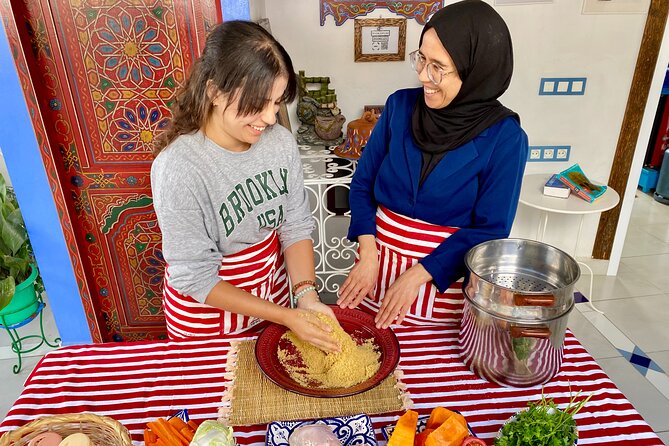
The setting gives this experience much of its character. You prepare the meal in a 300-year-old house, not in a purpose-built cooking studio designed for tourists. The age of the building does not turn the class into a history tour, but it places the food in an older domestic setting.
This is where the experience feels different from a standard restaurant meal. You are learning in a home connected to family life and local tradition. The Amazigh techniques are presented as methods passed down through generations, so the class offers cultural context as well as recipes.
You should keep your expectations sensible. The supplied details do not promise a formal architectural tour, extensive sightseeing, or a professional demonstration kitchen. The house is valuable because it is the backdrop for the meal and family welcome, not because it adds a separate list of attractions.
The group limit of five is a real advantage here. A small class should make it easier to see the preparation, take part, and speak with the hosts. It also suits people who find large group activities tiring or impersonal.
Same place, a different set of stalls:
- Marrakech: Bahia Palace, Saadian Tombs, Souk and Medina Tour
★ 4.7 · 4,974 reviews - Marrakech: Ben Youssef, Secret Garden, & Souks Walking Tour
★ 4.6 · 2,802 reviews - Marrakech: Colorful Medina Souks Guided Walking Tour
★ 4.7 · 2,470 reviews - Marrakech Monuments & Souks 3-Hour Tour
★ 3.8 · 1,540 reviews
Plating, tasting, and Moroccan tea
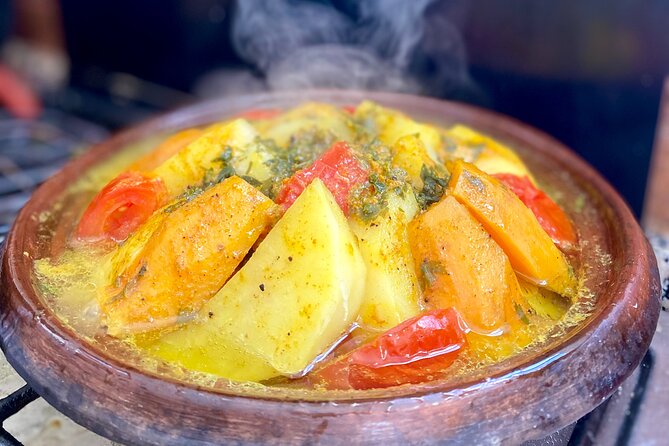
Once the food is ready, about 15 minutes are set aside for plating and presentation. This is a nice touch because the class does not stop when the cooking is finished. You learn how the meal is arranged before sitting down to eat.
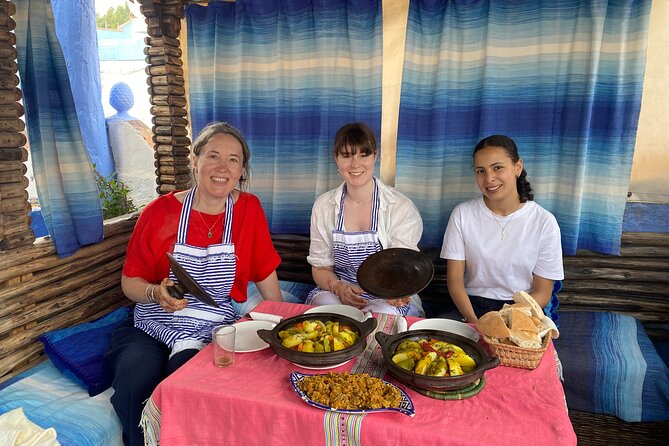
The tasting period lasts about 25 minutes and includes discussion of the food’s cultural meaning. This gives you time to ask about the dishes, compare methods, and understand how the meal fits into Moroccan family life. It is also the moment when the market visit, cooking, and shared meal come together.
Dinner is included, along with coffee or tea and bottled water. Moroccan tea and cookies are part of the experience, adding a simple but welcome finish. Alcoholic drinks are not included, and the class is better understood as a cultural meal than as a nightlife activity.
The food itself receives unusually strong praise. Couscous with zaalouk and chicken vegetable tagine are both cited as successful dishes, and the hosts are repeatedly described as kind and welcoming. Still, taste is personal, and the menu may differ depending on the choice of dish and the ingredients available that day.
What $49 gets you
At $49 per person, this is not the cheapest way to eat in Chefchaouen. You can find a meal for less, especially if all you want is food. The value here comes from the combined experience: a market visit, instruction, hands-on preparation, dinner, tea, cultural conversation, and time with a local family.
The small group size strengthens that value. With no more than five people, the $49 fee pays for personal attention rather than just a seat at a crowded cooking demonstration. You are also paying for the time and planning involved in shopping, preparing, cooking, and hosting.
The price makes the most sense for food lovers, couples, families, and people who want a personal cultural activity in Chefchaouen. It is also a good choice near the end of a Morocco trip, when you have already eaten tagine and couscous and want to learn how those dishes are made.
It may be less useful if you are looking only for a quick meal or a formal sightseeing tour. The class takes around three hours, and the main attraction is participation. You need to be willing to cook, listen, ask questions, and share the table.
Timing, group size, and practical details
The full activity lasts about three hours:
- Introduction to Moroccan cuisine: about 10 minutes
- Market visit: about 30 minutes
- Ingredient preparation: about 20 minutes
- Cooking: about one hour
- Plating and presentation: about 15 minutes
- Tasting and cultural discussion: about 25 minutes
The schedule is clear enough to help you plan the rest of your day, though cooking times can sometimes shift. I would avoid booking another fixed activity immediately afterward. A market visit and shared meal need a little breathing room.
Confirmation is provided at booking, and the activity accepts a mobile ticket. Pickup is offered, but private transportation is not included, so check what pickup means for your reservation. Public transportation is nearby, which may help if you are arranging your own way to the meeting point.
The experience requires good weather. If poor weather causes cancellation, you are offered another date or a full refund. For your own plans, the standard cancellation rule allows a full refund when you cancel at least 24 hours before the start time. Cancellations or changes within 24 hours are not refunded or accepted.
Who will enjoy this most
I would choose this class if you want to meet local people and understand Moroccan food through ordinary routines. The market visit and family meal make it more personal than a class held in a commercial venue.
It also suits families. A past session included a parent and daughter making chicken tagine and an eggplant dish, and the small group format should make it easier to keep children involved. The class is not described as child-specific, so parents should decide if a three-hour cooking session matches their child’s interest and patience.
Vegetarians should ask about the menu before starting. Vegetable tagine and vegetable couscous are listed options, and zaalouk has also featured in the cooking. Meat is not the only focus, but the exact menu should be confirmed in advance.
This may not be the best pick if you dislike markets, communal meals, or hands-on cooking. It is also not designed as a private transportation service or an alcohol-focused evening. The appeal is food, family contact, and cultural exchange.
Should you book the Chefchaouen cooking class?
Book it if you want more than a meal and you value a small, personal encounter. The strongest reasons are the family hosts, the market shopping, the 300-year-old house, and the careful instruction from Zohra. The food is important, but the experience also shows you how shopping and cooking fit into daily life.
At $49, the activity offers good value when you take part fully. Confirm the pickup details, ask which dish is planned, and allow the full three hours. If that sounds appealing, this is one of the better ways to make your time in Chefchaouen about people as well as blue-painted streets.
FAQ
How long does the cooking class last?
The experience lasts approximately three hours, including the introduction, market visit, preparation, cooking, plating, meal, tea, and cultural discussion.
What dishes can you prepare?
You can prepare couscous or tagine with vegetables or chicken. Zaalouk, a traditional Moroccan eggplant dish, has also been included in some cooking sessions.
Is dinner included?
Yes. Dinner is included, along with coffee or tea and bottled water.
Is Moroccan tea included?
Yes. Moroccan tea and cookies are included as part of the experience.
How many people can join the class?
The activity has a maximum of five travelers.
Is pickup available?
Pickup is offered, but private transportation is not included. Confirm the specific pickup or meeting arrangements when booking.
Can I use a mobile ticket?
Yes. A mobile ticket is available, and confirmation is provided at the time of booking.
What happens if the weather is poor?
The experience requires good weather. If it is canceled because of poor weather, you can receive a different date or a full refund.
What is the cancellation policy?
You can cancel at least 24 hours before the start time for a full refund. Cancellations and changes made less than 24 hours before the experience are not accepted, and the amount paid is not refunded.
Just added around Morocco
- Market Tour & Moroccan Cooking Class in Casablanca with Transfers★ 5.0 · 18 reviews
- Private Market Tour & Cooking Class in Casablanca with Transfers★ 5.0 · 20 reviews
- Casablanca Market and Street Food Walking Tour★ 5.0 · 3 reviews
- 5 am in Casablanca: Mosque, Medina, Beach , Souks , Coffee and more★ 5.0 · 11 reviews
- Half day tour : Agadir Goats in argan trees & Souk El Had Market★ 3.5 · 6 reviews
- Agadir city Tour with big Souk Elhad★ 5.0 · 5 reviews
- Paradise Valley & Gorge Adventure with Souk & Transfer★ 4.0 · 5 reviews
- Agadir /Taghazout : Paradise Valley trip + Berber Breakfast+ souk★ 5.0 · 3 reviews
Cooking Classes, compared.
Hanoi Cooking Class: Culture, Local Market & Meaning CSR Impact
Read our review →
5 Traditional Dishes Hanoi Cooking Class with Market Trip
Read our review →
Cooking Class and Lunch at a Tuscan Farmhouse with Local Market Tour from Florence
Read our review →
Cooking Class, Market & Thai Herbs Garden Tour
Read our review →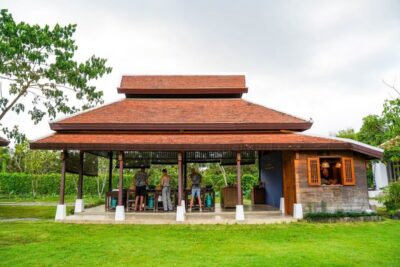
Authentic Cooking Class with Market & Farm Visit
Read our review →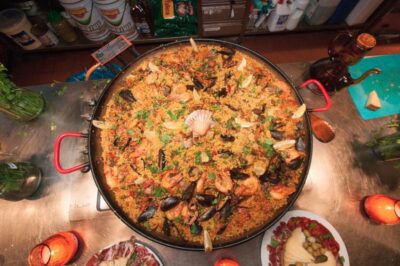
Paella Cooking Experience & Boqueria Market Tour
Read our review →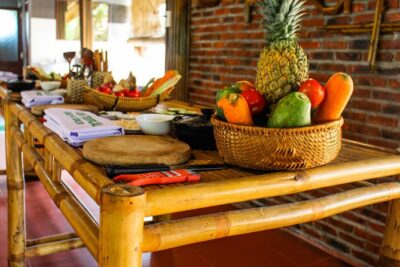
Cooking Class Hoi An:Local Market, Basket Boat, Fishing & Cooking
Read our review →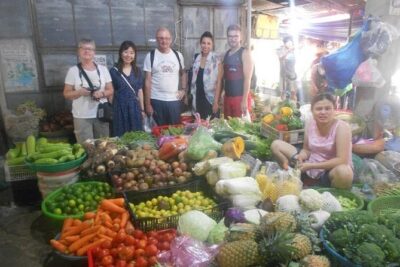
Hoi An Cooking Class(Market,BasketBoat Crabfishing&Cooking Class)
Read our review →Browse the lists this tour appears in