
Review · MOROCCO
Private Market Tour & Cooking Class in Casablanca with Transfers
Food opens doors quickly. This private Casablanca experience takes you from a local market to Maria’s home kitchen, where you help prepare Moroccan dishes, share a meal, and learn how everyday cooking connects to family life. I like the personal welcome from Maria and the fact that you shop for ingredients before cooking. I also like that hotel transfers are included, which removes the hassle of finding a suburban villa on your own.
The main consideration is time. The market visit and cooking session both have plenty to offer, but the whole experience lasts about five and a half hours. If you want a fast city tour, this is not it. Market hours can also affect the visit, especially on Friday when some stalls may be closed.
Key points to know
- Maria is your host and cooking teacher: She learned family recipes from her grandmother and now shares them in her Casablanca home.
- The market comes first: You can see where Maria shops, taste olives, visit a bakery, and buy ingredients to take home if you wish.
- You cook for about an hour: Typical dishes include chicken tagine and a chickpea and couscous salad.
- The meal goes beyond what you prepare: Harira, pastille, homemade bread, and dessert may already be waiting at the table.
- Transfers are included: Pickup and return to your hotel are part of the experience, with help available for cruise-terminal pickup arrangements.
- It is fully private: Only your own group takes part, making the pace and conversation more personal.
Casablanca food beyond the restaurant menu
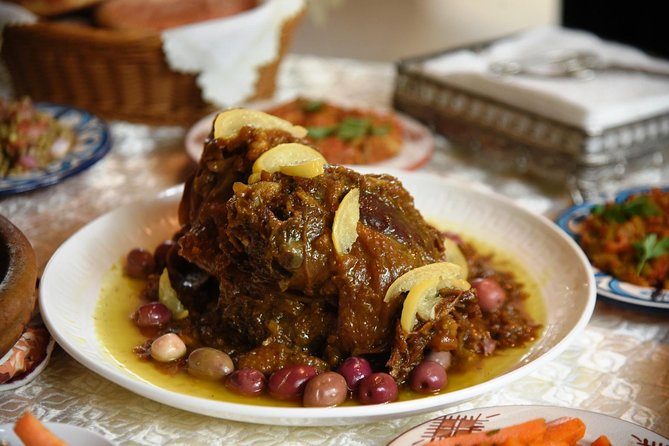
Casablanca is a modern city, and its restaurant menus can sometimes make Moroccan food seem simpler than it is. A tagine arrives at the table looking effortless. The real work is in the shopping, chopping, spice balance, slow cooking, and patience that came before it.
That is the useful idea behind this experience. You do not simply order a tagine and take a photo. You see ingredients in their everyday setting, watch how Maria selects them, and then help turn them into lunch or dinner. I like this approach because it gives you practical context rather than a polished restaurant performance.
The class is hosted by Maria, who grew up in a large Moroccan family. Helping in the kitchen was part of family life, and her grandmother taught her traditional recipes, including lamb tagine with cardoons. Maria later traveled and experienced other cuisines, but those journeys made her more appreciative of her own cooking traditions.
That background matters. You are learning from a home cook with family habits, not from a teacher reading a standard recipe card. The menu can change with the season, and Maria can adapt it for vegetarian, vegan, or halal meals if you explain your needs when booking.
More Cooking Classes in Morocco
- Marrakech: Traditional Moroccan Cooking Class & Market Visit
★ 4.8 · 1,861 reviews - Moroccan Cooking Class & Marrakech Market Visit with Chef Khmisa
★ 5.0 · 1,504 reviews - Marrakech: Moroccan Cooking Class with Market Visit and Meal
★ 4.9 · 347 reviews
Pickup, the city drive, and a local market
The day begins with pickup from your hotel. You need to provide the hotel name and address when booking, since the transfer is part of the plan. If you are arriving by cruise ship, allow extra care with the pickup details. Maria has helped a group manage complications at a cruise terminal, and she also used the drive to point out Casablanca sights and explain parts of the city.
The market visit is not simply a stop to buy vegetables. Maria helps you find your way through a place that can feel confusing if you are on your own. You see where she shops and can ask about ingredients, spices, olives, and local food habits.
One especially appealing detail is a stop at a bakery. Some groups have also tasted different olives from a market merchant. These small moments can teach you more than a formal lecture because they show how food is bought and judged in daily life.
Do not expect a long, leisurely market walk. The cooking and meal take up much of the five-and-a-half-hour schedule, so the market portion has a practical focus. You will shop for the class rather than inspect every stall. If you want a particular ingredient or a souvenir food purchase, Maria can help you shop before the drive home, although anything you buy for yourself costs extra.
Timing matters here. A Friday visit may be quieter in some parts of the market because certain booths are closed. That does not ruin the experience, but it can mean less variety than you might find on another day.
Entering Maria’s villa and Moroccan home life
After the market, you ride with Maria to her home in a suburb of Casablanca. She lives in a modern villa inside a gated community, a setting quite different from the market streets. The contrast is useful: you see both the public food world of Casablanca and the private space where a family meal is prepared.
Maria welcomes you with Moroccan tea. While you drink it, she can talk about Morocco, its customs, food, and family life. This pause is more than a polite greeting. It gives you time to settle in before the cooking begins and helps explain why certain foods matter.
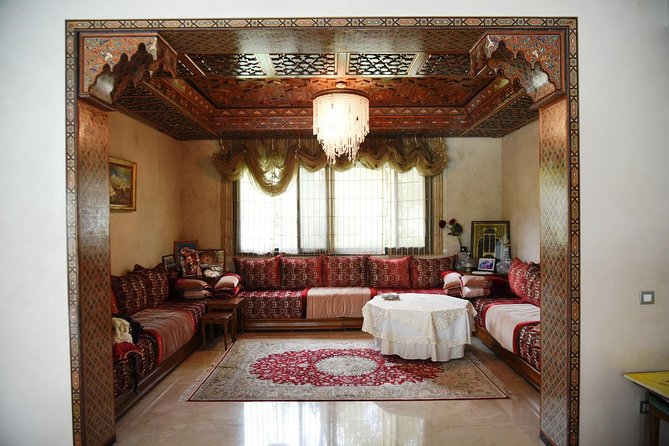
Her home includes a traditional Moroccan salon, and the meal is served in a comfortable domestic setting rather than a restaurant dining room. You may also meet members of Maria’s household. She lives with her nine-year-old son, his nanny, and her sister, and some groups have been introduced to her family during the visit.
That personal setting is one of the experience’s strongest features. You are not being moved from one staged stop to another. You are welcomed into the home of someone who has chosen cooking and cultural exchange as a way to share her heritage.
Still, you should respect the nature of a home visit. The setting is personal, and the schedule is shaped around Maria’s household as well as your group. The appeal is conversation and warmth, not the precision of a professional culinary school.
About one hour of hands-on Moroccan cooking
The cooking portion lasts about an hour. Maria works beside you and explains the ingredients, preparation, spices, and family methods behind the dishes. The exact menu changes with the season, but you can expect to help make two Moroccan dishes.
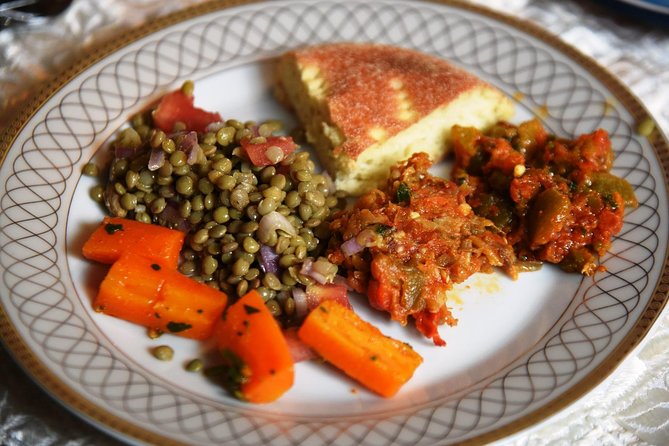
Chicken tagine is one likely choice. You learn how the ingredients are prepared and how the dish develops its flavor during cooking. The class can also include a chickpea and couscous salad, giving you a different texture and style from the slow-cooked tagine.
This is a good class for people who want to participate without spending an entire day in a kitchen. You will not be expected to produce a complicated banquet from start to finish. Instead, you help with selected parts of the meal while Maria handles other preparations and guides the process.
I would pay close attention to the small techniques. Ask about spice combinations, when ingredients are added, how couscous is handled, and which steps can be prepared in advance. Moroccan cooking often looks simple once it reaches the table, but the class shows how much care goes into that simplicity.
The experience can also change your view of the food. One useful lesson is that tagine and couscous are not instant dishes. The shopping, prep work, slow cooking, and careful serving all require time. You may leave with more respect for the work behind a meal that once seemed easy to order at a restaurant.
More Private Market Tours in Morocco
- Shopping in the Souks of Marrakech Private Tour
★ 5.0 · 620 reviews - Marrakech Shopping Tours : Private Souks Tour
★ 5.0 · 345 reviews - Marrakech: Exclusive Private Shopping Adventure in The souks
★ 5.0 · 200 reviews - 3h Private Walking Tour in Tangier Kasbah Medina & Colorful Souks
★ 5.0 · 148 reviews
A generous meal after the class
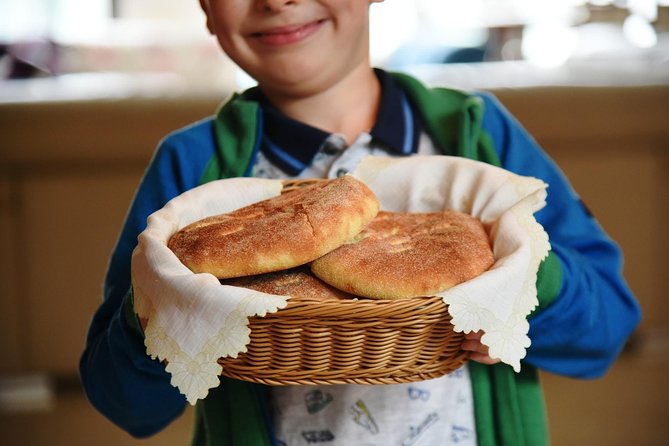
The meal includes the dishes you help prepare, along with food Maria has made in advance. Harira, a traditional Moroccan soup, may be served before the main dishes. Pastille, a Moroccan meat pie filled with spiced meat and apricots, may also appear, along with homemade bread.
Dessert can be something simple and traditional, such as oranges with cinnamon, or a cake. The meal is not limited to a single plate of tagine. It is designed to give you a wider taste of Moroccan home cooking and to show how several dishes work together.
Non-alcoholic drinks and bottled water are included. Local alcohol, usually one or two glasses, is also included. If you prefer no alcohol, mention your preference when booking.
The meal is a major part of the value. At $200 per person, this is not a budget market walk or a basic cooking lesson. You are paying for a private transfer, a personal host, market guidance, an hour of instruction, and a full home-cooked meal with extra dishes. For a private experience, that package can make sense, especially if you are sharing the cost with family or friends.
The price may feel high if your main goal is simply to learn one tagine recipe. It is easier to justify if you value the wider exchange: Maria’s family stories, the market visit, the city drive, the meal, and the ease of door-to-door transport.
What makes the private format useful
Only your group takes part. That changes the feel of the class. You can ask questions without competing with a large group, and Maria can adjust the pace to your cooking ability and interests.
A private class is also helpful for dietary needs. Vegetarian and vegan options are available, and halal meals can be arranged. Allergies, restrictions, and cooking preferences should be shared at the time of booking, not left until you arrive.
The private format suits couples, families, and small groups who want an easy social experience. It is also a good choice if you want cultural conversation rather than a formal sightseeing schedule. Children may appreciate the hands-on work, though the data provided does not specify a minimum age or a special children’s menu.
The experience is less suitable if you dislike eating in private homes or prefer a strict, professionally timed class. It is also not the best match for someone who wants a long market-shopping session. The schedule has several parts, and the cooking and meal need their share of time.
Practical details that affect your decision
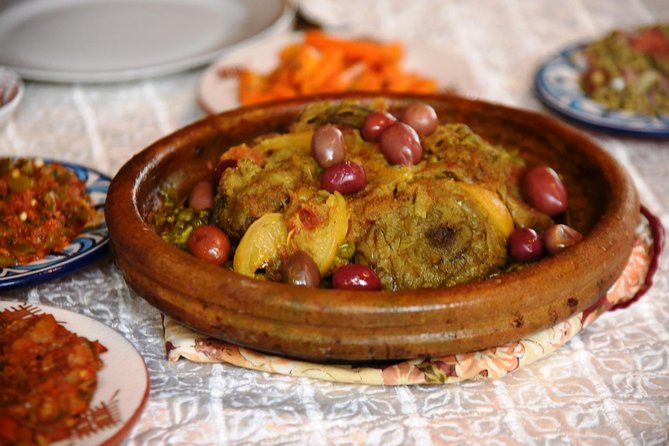
The experience lasts approximately five hours and 30 minutes and can be arranged for lunch or dinner. Pickup and drop-off are included, which is especially useful because Maria’s home is in a suburban gated community rather than in the center of Casablanca.
Confirmation is provided at booking. Service animals are allowed, and the experience is near public transportation, although the included hotel transfer means you may not need to use it. The class is available with a mobile ticket.
You can cancel for a full refund up to two full days before the local start time. Changes or cancellations inside that two-day window are not accepted for a refund, so check your Casablanca schedule before committing.
The experience is often booked well ahead, with an average booking lead time of about 34 days. That is worth noting if your dates are fixed, especially if you need vegetarian, vegan, halal, or allergy-related arrangements.
Who should book this Casablanca experience?
I would choose this for anyone who sees food as a way to understand a place. You get a market, a home, a family setting, a cooking lesson, and a generous meal in one half-day outing.
It is particularly well suited to visitors staying in Casablanca who want something more personal than a standard city drive. It can also work well for cruise passengers, provided pickup details are arranged carefully and enough time is allowed for the return to the ship.
Food lovers will appreciate the chance to taste harira, pastille, homemade bread, tagine, couscous salad, and a Moroccan dessert in one sitting. Beginners should feel comfortable too, since Maria’s role is to guide you through the process rather than test your cooking skills.
I would think twice if your priority is a low-cost activity, a long market visit, or a highly structured culinary school format. The class is about hospitality and home cooking as much as technique. That is its strength, but it may not match everyone’s idea of a cooking lesson.
Should you book it?
Book this experience if you want to understand Moroccan food through the person who cooks it. Maria’s family background, warm home setting, market help, and hands-on instruction give the day a personal shape that a restaurant meal cannot provide.
The best reason to go is the complete sequence: see the ingredients, help prepare the food, then sit down to eat it with your host. The main caution is the price and the time commitment. At $200 per person, it is a special outing rather than a casual add-on, but the private transport and full meal add real value.
If you have one free half-day in Casablanca and want an experience centered on food, conversation, and everyday Moroccan life, this is a strong choice. Tell Maria your dietary needs in advance, check the market day, and leave room in your schedule for a meal that takes its time.
FAQ
How long does the Casablanca market and cooking experience last?
The experience lasts approximately five hours and 30 minutes. It includes hotel pickup and return, a market visit, a cooking class, and a home-cooked meal.
Is hotel transportation included?
Yes. Hotel pickup and drop-off are included. You should provide your hotel name and address when booking.
Who hosts the cooking class?
Maria hosts the experience. She learned to cook in her large Moroccan family and was taught family recipes by her grandmother.
What dishes might I prepare?
The menu varies by season, but the class may include chicken tagine and a chickpea and couscous salad. The meal may also include harira, pastille, homemade bread, and dessert.
Can vegetarian, vegan, or halal meals be arranged?
Yes. Vegetarian and vegan options are available, and Maria can offer halal meals on request. Share allergies, restrictions, and preferences when booking.
What is included in the $200 price?
The price includes hotel pickup and drop-off, the private market tour, the cooking class, the home-cooked meal, non-alcoholic drinks, bottled water, one or two glasses of local alcohol, taxes, fees, handling charges, and gratuities. Personal market purchases are not included.
Just added around Morocco
- Moroccan Cooking Class with a Local Family & Market Visit★ 5.0 · 16 reviews
- Market Tour & Moroccan Cooking Class in Casablanca with Transfers★ 5.0 · 18 reviews
- Casablanca Market and Street Food Walking Tour★ 5.0 · 3 reviews
- 5 am in Casablanca: Mosque, Medina, Beach , Souks , Coffee and more★ 5.0 · 11 reviews
- Half day tour : Agadir Goats in argan trees & Souk El Had Market★ 3.5 · 6 reviews
- Agadir city Tour with big Souk Elhad★ 5.0 · 5 reviews
- Paradise Valley & Gorge Adventure with Souk & Transfer★ 4.0 · 5 reviews
- Agadir /Taghazout : Paradise Valley trip + Berber Breakfast+ souk★ 5.0 · 3 reviews
Cooking Classes, compared.
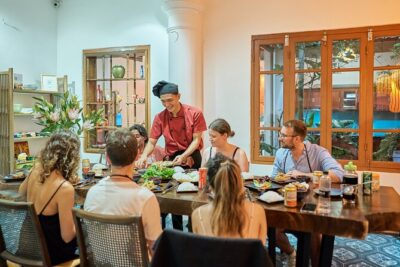
Hanoi Cooking Class: Culture, Local Market & Meaning CSR Impact
Read our review →
5 Traditional Dishes Hanoi Cooking Class with Market Trip
Read our review →
Cooking Class and Lunch at a Tuscan Farmhouse with Local Market Tour from Florence
Read our review →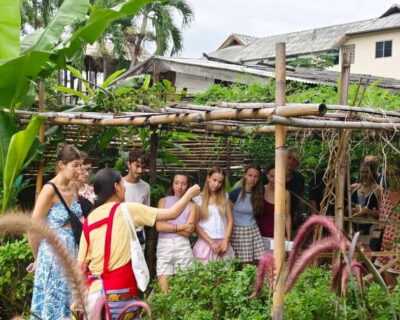
Cooking Class, Market & Thai Herbs Garden Tour
Read our review →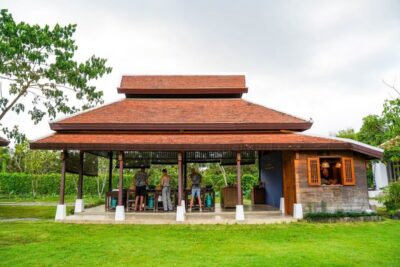
Authentic Cooking Class with Market & Farm Visit
Read our review →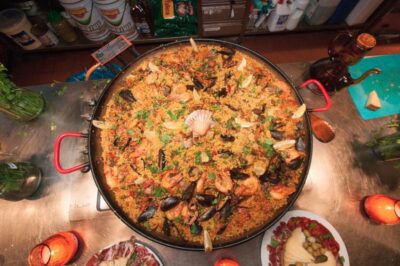
Paella Cooking Experience & Boqueria Market Tour
Read our review →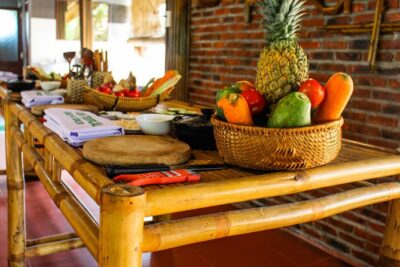
Cooking Class Hoi An:Local Market, Basket Boat, Fishing & Cooking
Read our review →
Hoi An Cooking Class(Market,BasketBoat Crabfishing&Cooking Class)
Read our review →Browse the lists this tour appears in