
Review · INDIA
Pondicherry: Indian Cooking Class with Market Visit
Taste Pondicherry with your hands. This three-hour class pairs a Goubert Market visit with practical Indian cooking, so you learn not only what goes into a dish, but how local cooks choose it. I especially like the market walk and the freedom to select vegetarian, vegan, South Indian, North Indian, or meat dishes.
I also like the small-group format, with no more than 10 people, and the relaxed meal served in the garden afterward. The main caution is that the kitchen setup can be basic and menus may vary, so confirm the number of dishes and your preferred teaching language before you go.
Key points at a glance
- Goubert Market with an instructor: Learn about unfamiliar produce, spices, and local ingredients before cooking with them.
- Around four recipes: Choose from South Indian, North Indian, vegetarian, vegan, and non-vegetarian dishes.
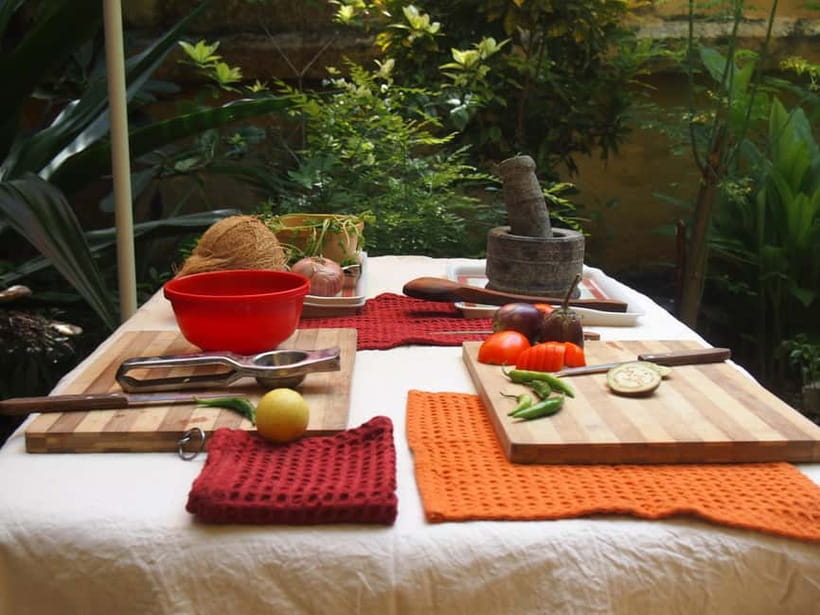
- Hands-on preparation: Chop vegetables, grate coconut, season food, and take part in each stage of the cooking.
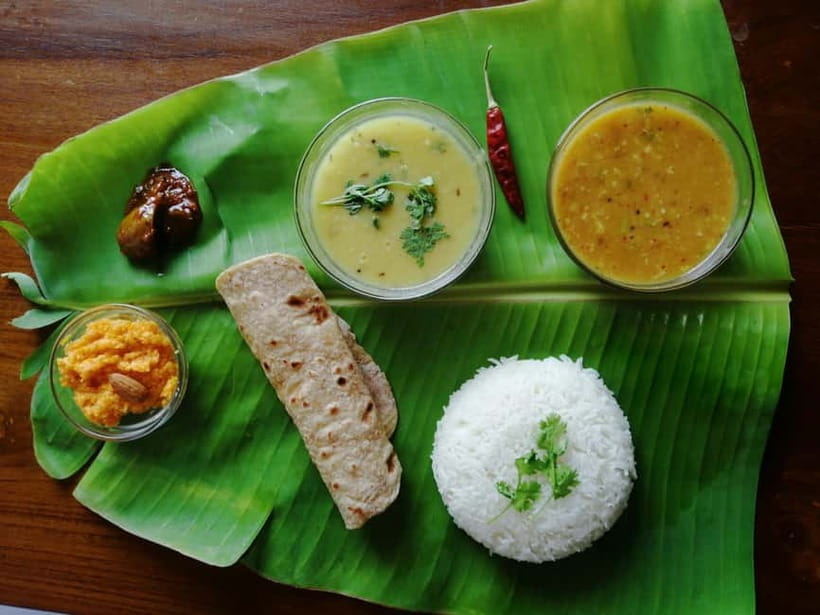
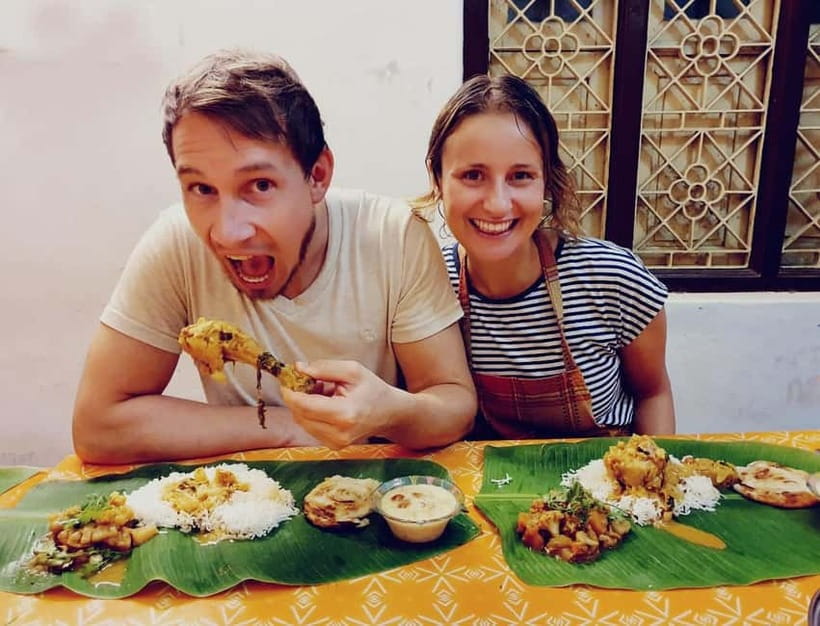
- Garden meal afterward: Sit down with the group and eat the food you prepared, sometimes served on a banana leaf.
- Small group, three hours: A maximum of 10 participants allows room for questions and personal guidance.
- Recipe e-booklet included: Keep the recipes and try to recreate the meal after returning home.
Why this Pondicherry cooking class works
Pondicherry is a fine place to learn Indian cooking because its food reflects several traditions. You may work with South Indian staples such as lentils, coconut, vegetables, and curry leaves, while also choosing North Indian dishes such as palak paneer. The menu can include local favorites such as meen kozhumbhu, sambar, carrot halwa, or chicken Chettinad.
The appeal is not simply eating a good lunch or dinner. You get to see ingredients before they reach the cooking table, ask why they are used, and handle them yourself. That connection makes the food easier to understand and more memorable.
At $24 per person, the experience offers a fair amount for the money. The fee covers the market transport by autorickshaw, ingredients, cooking equipment, instruction, and the meal you prepare. It also includes a recipe e-booklet sent afterward. You still need to arrange your own way to and from the cooking school, so factor that into the total cost.
I would not book this expecting a polished restaurant kitchen or a formal culinary course. This is a cultural activity with food at its center. The best value comes from the market access, the personal contact, and the chance to cook dishes you may not encounter in a standard restaurant meal.
More Cooking Classes in India
- Jaipur Market Tour & Vegetarian Rajasthani Home Cooking Class
★ 5.0 · 113 reviews - Spice Knight (Cooking Class -> Meal -> Local Market walk)
★ 5.0 · 59 reviews - New Delhi: Traditional Indian Cooking Class & Market Visit
★ 5.0 · 32 reviews
Starting at the local market
The class begins with an autorickshaw ride to a local vegetable market. In Pondicherry, the market is not just a place to buy food. It is where you see the daily business of selecting, selling, weighing, and carrying ingredients.
Your instructor leads the way and explains the items you are buying for the meal. This matters because Indian cooking often depends on ingredients that are hard to identify from a recipe alone. You might see unfamiliar greens, fresh coconut, local vegetables, or spices sold in forms you have not used before.
A market visit also gives you a better sense of proportion. Indian recipes may call for a small amount of one spice, a whole handful of another ingredient, or a particular part of a plant. One especially memorable example from this class was banana stem, which a group had not seen or prepared before. The instructor added it to the menu and showed how it could be used.
That sort of flexibility is one of the class’s best features. You are not simply following a fixed shopping list. You can ask about an ingredient, mention a food preference, and learn how the menu changes with local produce.
The market can be noisy and crowded, with vendors calling out to customers and plenty of movement around you. Wear comfortable clothes and bring a camera if you enjoy food photography. You should also expect a working market rather than a staged attraction. It can feel quick, warm, and intense, but that is part of the lesson.
From chopping vegetables to grating coconut
Back at the cooking school, the class moves step by step through the preparation. You are involved in the work, rather than watching an instructor perform everything from a distance.
You may chop vegetables, grate coconut, prepare spices, and help assemble the dishes. The instructors encourage questions, so use the time to ask about substitutions, cooking order, spice levels, and how the same ingredient can be used in another recipe.
This hands-on approach is useful for beginners. Indian cooking can seem difficult when a recipe lists many spices or unfamiliar techniques. Once you see the order of the work and take part in it, the process becomes less mysterious.
The choice of menu is another strong point. Available options include:
- South Indian dishes such as sambar and meen kozhumbhu
- North Indian food such as palak paneer
- Non-vegetarian dishes such as chicken Chettinad
- Vegan and vegetarian recipes
- Desserts such as carrot halwa with raisins, cashews, milk, and sugar
The description promises around four recipes of your choice, but the final menu can depend on the group, ingredients, and instructor. One participant had to discuss the number of dishes with the manager after finding that the meal did not match the expectation of four separate preparations. For that reason, I would confirm the menu at the start, especially if cooking several different dishes is important to you.
The class is taught in English, Hindi, or French. If language matters to you, state your preference clearly when booking and check it again before the class begins. A French-language selection was not always matched with French instruction, although the participants involved could also speak English.
The recipes tell Pondicherry’s story
The menu gives you more than a list of things to eat. It shows how Indian cooking changes from region to region and how local ingredients shape the meal.
Sambar is a good example. This lentil and vegetable gravy is familiar across South India, but the exact flavor can vary with the vegetables, spice blend, and cooking method. Preparing it yourself helps you notice how the ingredients work together rather than treating it as one generic curry.
Meen kozhumbhu offers a stronger local connection. This fish preparation is associated with Pondicherry and gives the meal a regional character that you may not find in a standard North Indian restaurant. If you eat meat or seafood, ask whether it is available during your session.
Chicken Chettinad brings a different style, with a bolder spice profile. Palak paneer lets you compare North Indian flavors with the South Indian dishes on the same table. Carrot halwa provides a sweet finish and gives you a look at how milk, sugar, nuts, and dried fruit are combined in a traditional dessert.
Vegetarian and vegan cooks have good choices, but you should share dietary needs or allergies in advance. The class can adapt to preferences, yet it is safer to make those needs clear before the shopping and cooking begin.
Same place, a different set of stalls:
- Mumbai: Street Food and Night Markets Tour
★ 4.9 · 719 reviews - Private Heritage Walking Tour in Jaisalmer Fort and Old Bazaar
★ 5.0 · 306 reviews - Old Delhi Food-Spice Market-Temples Tour Soon Featured on NETFLIX
★ 5.0 · 304 reviews - Old Delhi Odyssey: A Tour of Religion, Spice Market, & Best Food
★ 5.0 · 284 reviews
Sharing the meal in the garden
The class ends around a shared meal in the garden. This is where the activity shifts from instruction to conversation. You sit with the other participants, taste the food, and compare the results of the group’s work.
The meal may be served on a banana leaf, which adds a distinctly South Indian touch. It also makes the meal feel less like a cooking demonstration followed by a standard lunch. You are eating the food you helped prepare, with the group gathered around the same table.
This social finish suits solo visitors and couples who want an evening activity with some interaction. It also gives families a chance to cook together. Children over six are welcome, and two children aged 11 and 13 were reported to have enjoyed taking part alongside the adults.
The garden meal is not a luxury dining experience. It is simple, shared, and tied to the class itself. If you want a quiet private meal, this may not be the right choice. If you enjoy meeting people and talking over food, it adds real value to the three-hour schedule.
The setting and what to expect
The cooking takes place in a cultural center rather than a large professional kitchen. The space may feel compact, and the kitchen has been described as small. That can make movement and preparation less comfortable when the group is full.
A small group of up to 10 helps, but it does not turn the activity into a private lesson. You may be sharing workstations, waiting briefly for a turn, or cooking as part of a team. I would wear clothes that are easy to move in and that you do not mind wearing around food and spices.
The basic setting is not automatically a problem. A home-style or community setting can feel more personal than a hotel cooking studio. Still, hygiene and organization matter. If you are particular about kitchen cleanliness or expect professional culinary-school standards, ask about the setup before booking.
Smoking is not allowed during the session. Bring a camera if you want to record the market, ingredients, or finished dishes, but stay focused on the cooking too. The most useful moments are often small ones, such as learning how coconut is grated or seeing how an unfamiliar vegetable is trimmed.
The instructors and language choice
The instructor can make a large difference here. Saranya received especially warm praise for her friendly manner and strong understanding of the food. Keerthi and Keerthy were also singled out for guiding groups through Goubert Market and explaining the ingredients used later in the class. Krishti was praised for hosting an enjoyable evening and handling both the market and cooking portions well.
Because the experience is interactive, ask questions throughout the session. You can ask how to change the spice level, what to use if an ingredient is unavailable at home, or how a dish differs across regions of India.
English, Hindi, and French are offered. Do not assume the requested language will always be available in practice. If you need French or Hindi instruction, reconfirm it before the class, particularly if nobody in your group is comfortable in English.
Who will get the most from it
I would recommend this experience to you if you want more than a restaurant meal and enjoy learning by doing. It suits first-time visitors to India who want a guided introduction to markets, ingredients, and regional food.
It is also a good fit for:
- Couples seeking a shared evening activity
- Solo visitors who enjoy meeting a small group
- Families with children over six
- Vegetarians and vegans who want to cook local food
- Food lovers who want recipes they can use at home
- Visitors who are curious about South Indian ingredients
You may want to choose another activity if you dislike market noise, shared workspaces, or flexible menus. It is also not suitable for children under six. Anyone with serious allergies should provide details well before the cooking begins and confirm that the class can meet those needs.
Practical value at $24 per person
The price is low for a three-hour experience that includes transport to the market, ingredients, equipment, instruction, and a meal. The recipe e-booklet improves the value because it gives you something practical to take home rather than only a memory and a full stomach.
The class is especially good value if you would otherwise pay separately for a guided market visit and a cooking lesson. The autorickshaw transport during the market portion is included, but your trip to and from the cooking location is not.
The main question is what standard you expect. At $24, you are paying for access, teaching, food, and cultural contact, not a luxury venue. A simple setting and some variation in organization are part of the tradeoff.
Free cancellation is available up to 24 hours before the start time, and you can reserve while paying later. Starting times vary, so check availability for the date you want.
Should you book this Pondicherry cooking class?
I would book it if you want a friendly, practical introduction to Indian food and you are happy with a modest kitchen and a flexible menu. The market visit gives the class its strongest sense of place, while the garden meal turns the lesson into a social experience.
Before booking, tell the operator your dietary restrictions, preferred language, and interest in specific dishes. At the start, confirm how many recipes the group will prepare. With those points clear, this is a strong-value way to spend three hours in Pondicherry, especially for families, curious eaters, and anyone who wants to bring a little of South India home.
FAQ
How long does the cooking class last?
The class lasts three hours, including the market visit, cooking session, and shared meal.
What is included in the $24 price?
The price includes ingredients, cooking materials, transport to the market by autorickshaw, the meal you prepare, and an e-booklet with the recipes afterward.
Do I need to arrange transportation to the cooking school?
Yes. Transport during the market visit is included, but transportation to and from the cooking class location is not included.
Which languages are available?
The session can be taught in English, Hindi, or French. State your preferred language when booking and reconfirm it before the class.
Can children join the class?
Children over six are welcome. The activity is not suitable for children under six.
Can I choose vegetarian, vegan, or non-vegetarian recipes?
Yes. You can choose from vegetarian, vegan, non-vegetarian, South Indian, and North Indian recipes. Tell the provider about allergies or dietary restrictions in advance.
Just added around India
- Shopping and Bazaar Trail in Bangalore★ 4.5 · 5 reviews
- Bangalore Walking Tours – Flower Market, PETE and more★ 5.0 · 5 reviews
- Bangalore: Walk in Historic Ulsoor – Landmarks, Bazaar & Culture★ 5.0 · 9 reviews
- KR Market Photo Walk★ 5.0 · 12 reviews
- Lalbagh+Bull Temple+Tipu Palace+Market+Lunch=Bangalore City Tour★ 5.0 · 9 reviews
- Experience Bangalore Evening City Walk Tour and Market Visit★ 5.0 · 9 reviews
- Bangalore Evening Food Street Walk and Market Visit★ 5.0 · 32 reviews
- Private Walking Tour into the Oldest Local Market in Bengaluru★ 5.0 · 5 reviews
Cooking Classes, compared.
Hanoi Cooking Class: Culture, Local Market & Meaning CSR Impact
Read our review →
5 Traditional Dishes Hanoi Cooking Class with Market Trip
Read our review →
Cooking Class and Lunch at a Tuscan Farmhouse with Local Market Tour from Florence
Read our review →
Cooking Class, Market & Thai Herbs Garden Tour
Read our review →
Authentic Cooking Class with Market & Farm Visit
Read our review →
Paella Cooking Experience & Boqueria Market Tour
Read our review →
Cooking Class Hoi An:Local Market, Basket Boat, Fishing & Cooking
Read our review →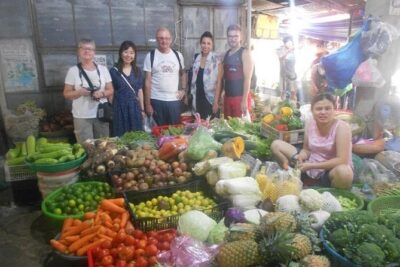
Hoi An Cooking Class(Market,BasketBoat Crabfishing&Cooking Class)
Read our review →Browse the lists this tour appears in