
Review · KENYA
Nairobi Traditional Cooking Classes and Local Market Visit
The best Kenyan souvenir may be dinner. This five-hour Nairobi experience pairs a local farmer’s market with hands-on cooking in a family home, so you see ingredients before they reach the plate. I like the chance to cook dishes such as ugali and pilau, and I like that private transport connects the market, home, and street-food stops. The main drawback is practical: the host’s home is not easy to reach by public transport, so you need to plan your return ride.
You begin in Westlands, Karen, or Parklands, then spend about an hour shopping for fresh food in Nairobi. The cooking session takes roughly three hours, followed by an hour of Kenyan street food on the way back. Cook Tasha has earned especially warm praise for being funny, proactive, and a good cook, though the experience is not a formal chef school. The host does most of the cooking, and you help where possible.
Six things to know before booking
- The market comes first: You shop for fresh ingredients with your host before cooking, which gives the meal a useful local context.
- Ugali is on the menu: You may prepare Kenyan staples such as ugali, pilau, mukimo, chapati, githeri, matoke, and mandazi.
- Tasha may lead your class: Her cooking, humor, and ability to offer meal choices were singled out in the available feedback.
- The meal happens in a real home: The kitchen is modest in size, giving you a close look at ordinary household life.
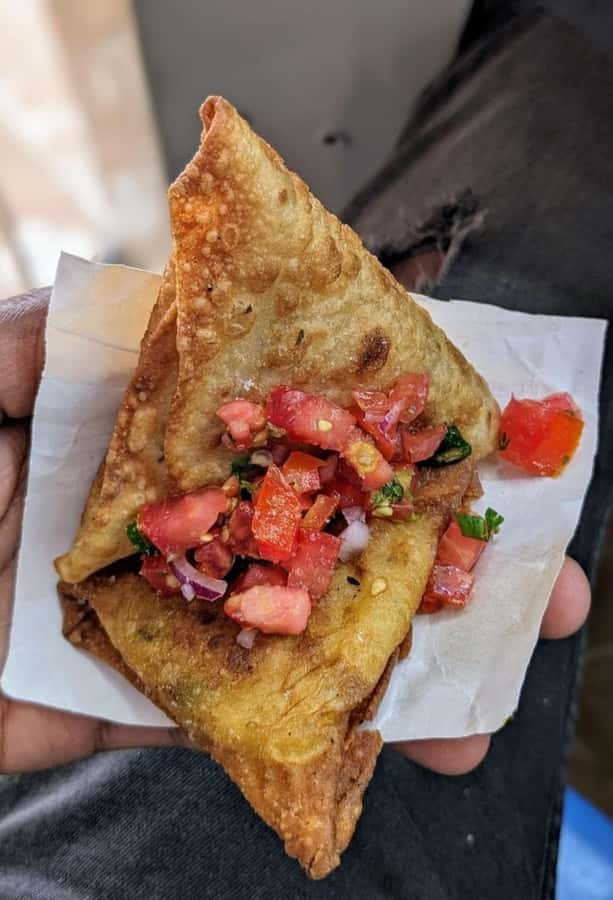
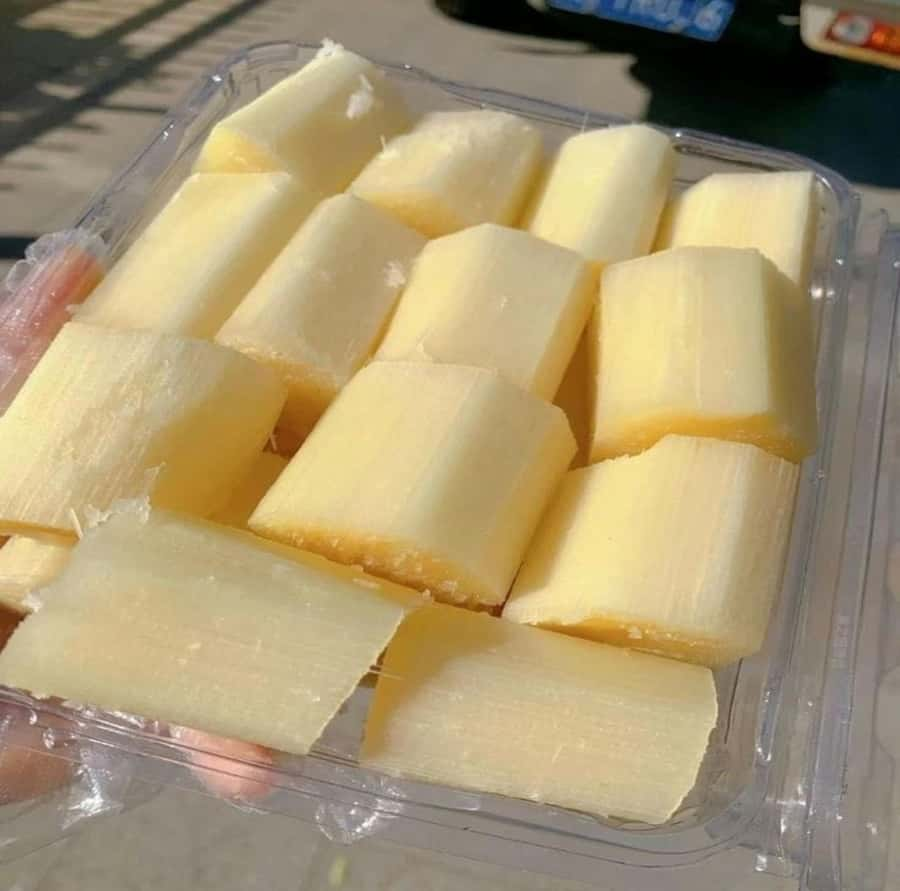
- Street food finishes the day: Smocha, smokie, boiled eggs, roasted maize, and sugarcane add a casual final course.
- The price covers more than food: At $100 per person, you also get private transport, the market visit, the class, lunch, bottled water, and the street-food portion.
Starting in Westlands, Karen, or Parklands
The experience begins with pickup from one of three Nairobi areas: Westlands, Karen, or Parklands. Those pickup choices are useful because you do not need to make your own way to a central meeting point before the cooking starts.
Private transport is included from your pickup location and back to one of the listed drop-off areas. That matters here. The host’s home sits outside the city and is not easily reached by public transport, so a vehicle removes one awkward part of the day.
You should still pay attention to the transport note. Uber and taxis are available, and the host can arrange transportation at an additional cost, but those extra charges are not included. If your accommodation is outside Westlands, Karen, or Parklands, ask about the pickup plan before booking.
The tour lasts five hours, but the exact starting times depend on availability. I would choose a morning slot if possible, especially if you want a relaxed cooking session and enough appetite for the street food later.
More Farmers Market Tours in Kenya:
- Traditional Kenyan Cooking Class & Local Market Tour
★ 5.0 · 129 reviews - Local Market Tour and Traditional Meal Cooking Class
★ 5.0 · 4 reviews - Hanoi Cooking Class: Culture, Local Market & Meaning CSR Impact
★ 5.0 · 5,147 reviews
Shopping for ingredients at a Nairobi market
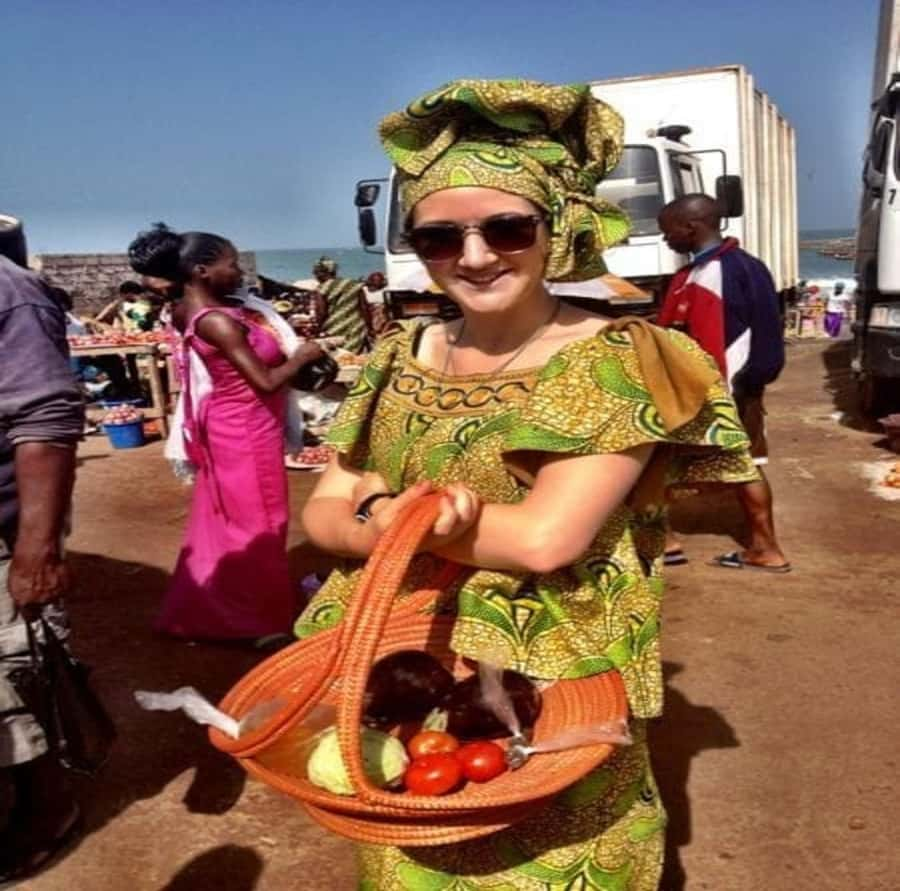
The first main stop is a local farmer’s market, with about an hour set aside for shopping and food exploration. This is more useful than simply arriving at a kitchen with ingredients already laid out.
You get to see the produce before it becomes lunch. You can ask about what you are buying, watch how the host selects ingredients, and connect everyday market shopping with Kenyan cooking. The market also gives you a brief look at the pace and social life of Nairobi food shopping.
The available details do not name the exact market or promise a particular list of purchases. That is worth keeping in mind. The menu includes many possible dishes, but you should not assume every item will appear in one meal.
The checklist says to bring ingredients, which is unusual alongside a market-shopping stop. I would clarify this point before you go. It may refer to ingredients selected during the visit or to items requested for a particular class. Do not arrive unsure about what you are expected to supply.
The market visit is also your best chance to ask about unfamiliar foods. If you have dietary restrictions, mention them before the shopping begins. The cooking menu can include meat, fish, maize, potatoes, beans, wheat-based foods, and plantains, so early notice is sensible.
Cooking in a modest Nairobi home kitchen
After the market, you travel to the host’s home just outside the city. The kitchen is described as modest in size, and that detail sets the right expectation. This is not a large teaching kitchen with individual workstations, polished counters, or a separate cooking station for every person.
Instead, you join a host in a working household kitchen. I see that as one of the strongest parts of the experience, provided you are comfortable with a more informal setup. You get a closer look at how a traditional meal is prepared at home, rather than watching a restaurant demonstration designed for tourists.
The session lasts about three hours and includes cooking, lunch, and food tasting. The host primarily handles the cooking, while you lend a hand when possible. That means the amount of hands-on work may vary. If your main goal is to prepare every dish yourself, this may feel less active than a professional cooking school.
If you want conversation and a glimpse into daily life, the format makes good sense. You can hear stories about Kenyan heritage, ask about household customs, and watch the food come together in the place where it would normally be prepared.
The private-group option is another advantage. A private setting gives you more room to ask questions and may make it easier to discuss food preferences. The standard information does not state the maximum group size, so confirm the arrangements if group size matters to you.
What you may cook and eat

The possible menu covers a broad range of Kenyan food. You might encounter boiled potatoes, sweet potatoes, fresh corn, fish, githeri, matoke, mukimo, chapati, mandazi, pilau, and ugali.
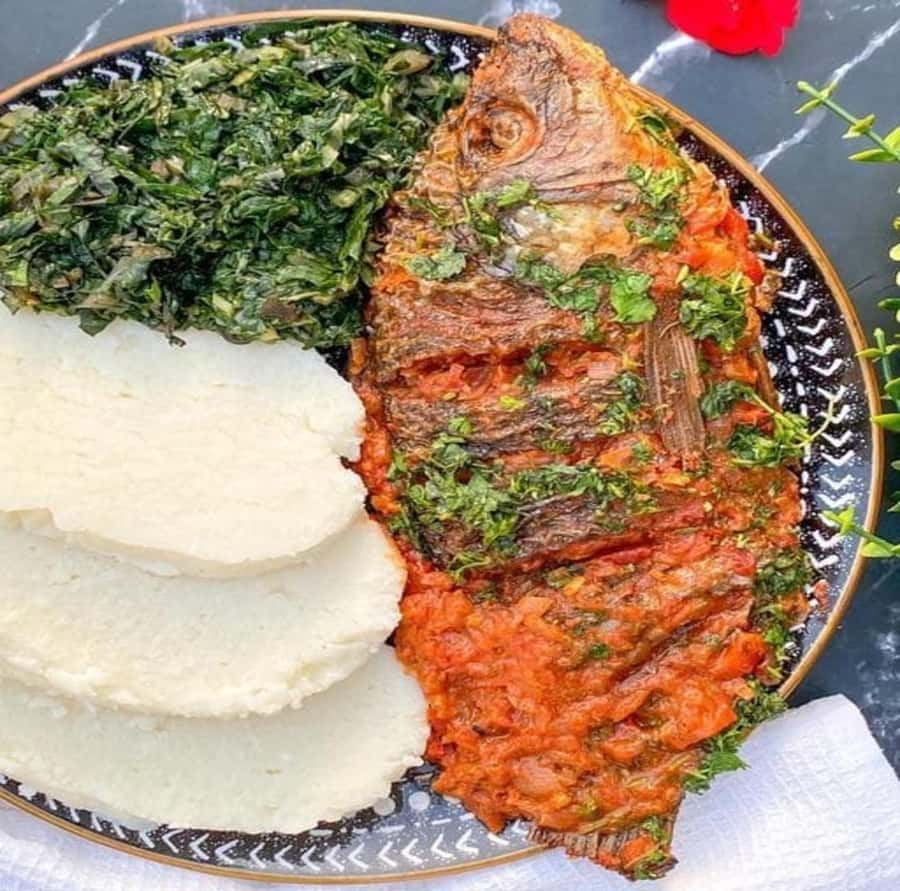
Ugali is one of the key foods to understand. It is a firm maize-based staple commonly served alongside other foods, and making it helps you see how a simple ingredient becomes the foundation of a meal. Pilau brings a different style, with rice prepared as a seasoned dish. Having both on the possible menu gives you a useful contrast in texture and flavor.
Mukimo, githeri, and matoke add more variety. The menu suggests a meal built around everyday staples rather than one showcase dish. You are not just tasting a single recipe. You are getting a look at several ways Kenyan households use maize, potatoes, beans, bananas, rice, and flour.
Chapati and mandazi are especially appealing if you like breads and fried dough. Chapati is served as a savory accompaniment, while mandazi is a sweet item often enjoyed as a snack. The experience may also include fish, depending on the meal chosen.
One useful detail comes from the class with Tasha. She offered a few choices, and the participants cooked beef stew with ugali. That tells you the menu may have some flexibility, rather than being fixed down to one exact plate. It also shows the value of discussing your preferences at the start.
The available feedback gave the food very high marks, with particular praise for the final taste and for Tasha’s cooking. I would give the cooking class enough attention to enjoy the process, but I would also arrive hungry. Lunch is part of the experience, and the day includes more food afterward.
More Cooking Classes in Kenya:
- Authentic Kenyan Cooking Class & Market Tour in Nairobi
★ 5.0 · 12 reviews - Market Tour and Traditional Kenyan Cooking Class in Nairobi
★ 4.8 · 6 reviews - 5 Traditional Dishes Hanoi Cooking Class with Market Trip
★ 5.0 · 4,890 reviews - Cooking Class and Lunch at a Tuscan Farmhouse with Local Market Tour from Florence
★ 5.0 · 4,831 reviews
Kenyan stories served alongside lunch
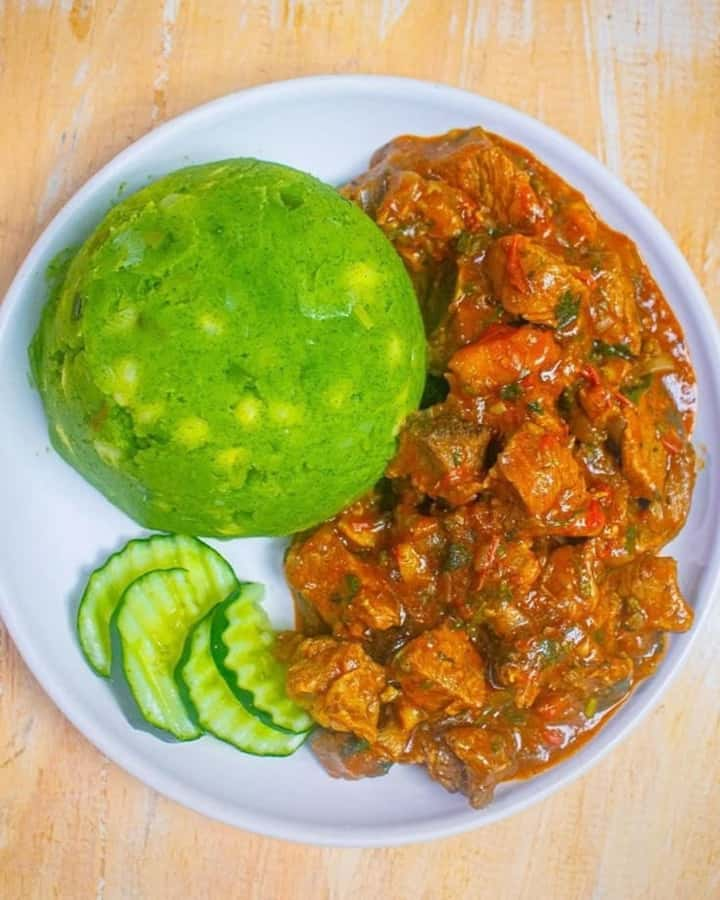
Food is only half of the home visit. The other half is conversation.
As you cook, the host shares stories about local heritage and everyday life. This helps you understand the dishes as part of a living culture, rather than as items on a menu. You can ask how foods are served, when they are eaten, and which recipes are linked to family or community traditions.
The experience is described as a Kenyan tribal meal, though no single community or tribe is specified. You should not expect one universal version of Kenyan cuisine. Cooking styles and recipes vary across Kenya, and the host’s menu reflects the home and traditions being shared with you.
I like this lack of restaurant polish. A home kitchen can show details that a formal venue often hides: the size of the cooking area, the order in which foods are prepared, and how a meal is shared. The trade-off is that the experience may feel less controlled and less predictable than a scheduled class in a culinary studio.
The strongest praise in the feedback was aimed at Tasha. She was described as funny, proactive, and a great cook, and the meal choices helped make the session engaging. If she is leading your class, expect the personality of the host to be a major part of the experience.
Street food on the return journey
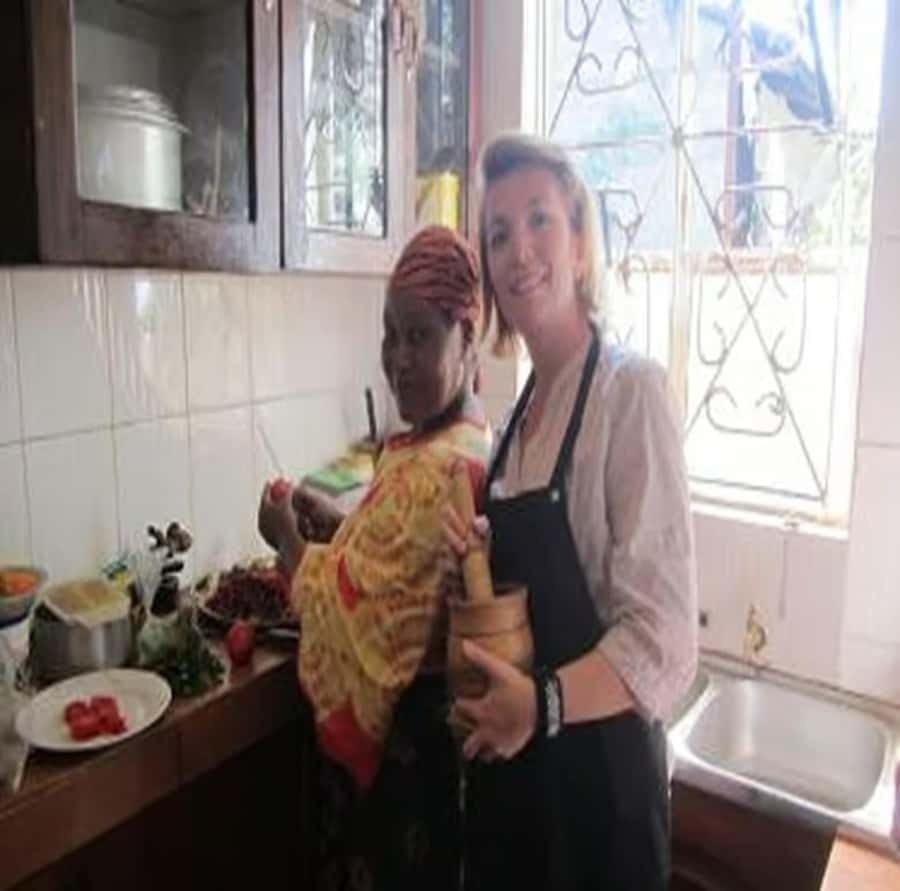
The final hour is set aside for Kenyan street food as you head toward your drop-off location. This extends the food experience beyond the family kitchen and lets you sample casual snacks associated with eating on the move.
The listed options include smocha, smokie, boiled eggs, roasted maize, and sweet sugarcane. A smocha combines a samosa with a smokie, creating the sort of filling snack that makes sense when you want something quick and substantial. Smokies are sausages, while roasted maize and sugarcane offer a simpler taste of street-side food.
The details do not identify a particular vendor or exact stop, so the street-food portion may depend on the route and the day. I would think of it as a tasting opportunity rather than a planned restaurant meal.
This final hour works well for anyone who wants to try several small foods. It may be less appealing if you are already full after lunch, so pace yourself during the cooking session. Bottled water is included, but alcohol and other drinks are not.
Is $100 a fair price?
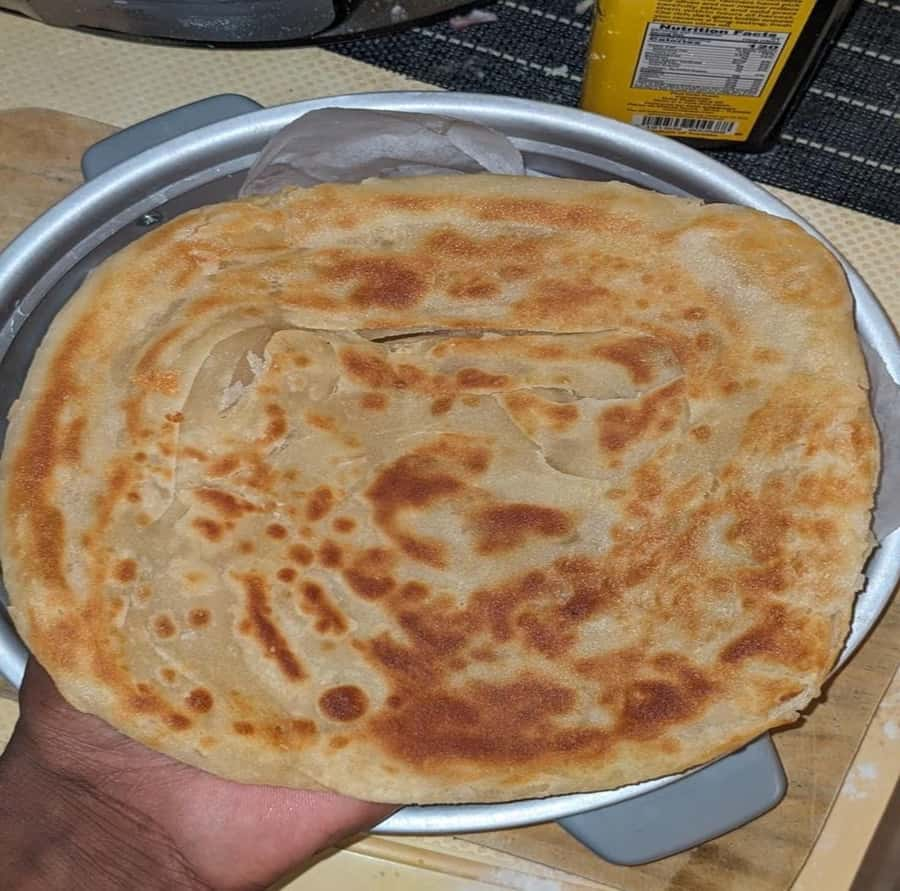
The cost is $100 per person. That is not a budget meal, but the price includes several separate elements: pickup and return transport, transport to and from the market, the market visit, the cooking session, lunch, street food, cultural discussion, and bottled water.
The value depends on what you want from Nairobi. If you only want a cooking lesson, you may find cheaper options. If you want a private day that combines food shopping, home cooking, a full meal, transportation, and street snacks, the price is easier to justify.
Transport is important to the calculation. Since the host’s home is outside the city and not easy to reach by public transport, included private transport saves you from arranging several separate rides. Just remember that Uber, taxis, or host-arranged transport beyond the stated pickup and drop-off areas may cost extra.
The group setup also affects value. A private group is available, which can make $100 worthwhile for families, couples, or friends who want the session shaped around their own pace. The standard details do not say that every booking is private, so confirm that before you pay if privacy is essential.
Free cancellation is available up to 24 hours before the experience for a full refund. You can also reserve now and pay later, which helps if your Nairobi schedule is still changing.
Who will enjoy this experience most?
I would recommend it to you if you enjoy food as a way to understand daily life. The market, home kitchen, family stories, and street snacks create a fuller picture than a restaurant meal alone.
It is also a good match for families and small private groups. The activities are varied, and the cooking offers a practical way to keep children or curious adults involved. Still, the kitchen is modest, so very young children may need close supervision.
You should book it if you want authentic contact and do not need a polished cooking studio. The home setting is part of the appeal, but it also means the class may not give you constant individual cooking time.
People with mobility needs should note that the experience is listed as wheelchair accessible. Because the host’s home is not easy to reach by public transport and no detailed accessibility description is provided, contact the provider before booking to discuss the vehicle, entrance, and kitchen setup.
The class is conducted in English. That makes the stories and cooking instructions accessible to English speakers, but the information provided does not list other languages.
My recommendation for this Nairobi food experience

I would book this experience if your priority is personal contact, home cooking, and a broad taste of Kenyan food. The strongest elements are the market shopping, the chance to help prepare lunch, and the easygoing personality associated with Tasha’s class.
I would skip it if you want a formal chef-led lesson where you prepare every dish from start to finish. I would also confirm pickup details, the meaning of the request to bring ingredients, the menu for your date, and the transport plan to the host’s home.
At $100, this is best viewed as a half-day cultural outing with food at its center. You are paying for more than lunch. You are paying for access to a local household, a guided market visit, a cooked meal, and a route through Nairobi’s everyday food culture.
FAQ
Where does the experience begin?
Pickup is available from Westlands, Karen, or Parklands in Nairobi.
How long does the experience last?
The experience lasts five hours. The schedule includes about one hour at a food market, three hours for cooking and lunch, and one hour for street food.
Is transportation included?
Yes. Private transport from your pickup location and back is included, along with transport to and from the local market. Extra Uber, taxi, or host-arranged transportation charges are not included.
What food might I prepare?
The possible menu includes ugali, Kenyan pilau, mukimo, chapati, boiled potatoes, sweet potatoes, mandazi, fish, githeri, fresh corn, and matoke.
What street food might I try?
The street-food portion may include smocha, smokie, boiled eggs, roasted maize, and sweet sugarcane.
Is the cooking class conducted in English?
Yes. English is the listed tour language.
Is the experience wheelchair accessible?
Yes, the experience is listed as wheelchair accessible. Detailed information about the home and kitchen setup is not provided, so you should confirm your specific needs in advance.
Can I cancel or pay later?
You can cancel up to 24 hours in advance for a full refund. Reserve-now-and-pay-later booking is also available.
Just added around Kenya
- Nairobi: Maasai Market and Nairobi City Tour★ 5.0 · 4 reviews
- Nairobi: Hop on Hop off and Maasai market Collections Visit★ 3.5 · 10 reviews
- Nairobi: Explore Maasai Market for Unique Souvenirs★ 5.0 · 5 reviews
- Market Tour and Traditional Kenyan Cooking Class in Nairobi★ 4.8 · 6 reviews
- Maasai Market Souvenir Shopping★ 5.0 · 2 reviews
- Local Market Tour and Traditional Meal Cooking Class★ 5.0 · 4 reviews
- Diani: Market and Street Food Walking Tour★ 4.2 · 6 reviews
- Authentic Kenyan Cooking Class & Market Tour in Nairobi★ 5.0 · 12 reviews
Local & Farmers Market Tours, compared.
Hanoi Cooking Class: Culture, Local Market & Meaning CSR Impact
Read our review →
Cooking Class and Lunch at a Tuscan Farmhouse with Local Market Tour from Florence
Read our review →
Cooking Class Hoi An:Local Market, Basket Boat, Fishing & Cooking
Read our review →
London Bridge & Borough Market Food Tour with 7 Authentic Dishes
Read our review →
Hoi An Cooking Class(Local market,Basket Boat,Fishing & Cooking)
Read our review →
Browse the lists this tour appears in