
Review · MALAYSIA
Kuala Lumpur: Malaysian Cooking Class with Market Tour
Come hungry and curious. This Kuala Lumpur cooking class begins at TTDI Wet Market, then moves into a hands-on lesson at LaZat Cooking where you prepare a three-course Malaysian lunch. I like the market start, since it gives you a practical look at the herbs, spices, produce, and food stalls that shape Malaysian cooking. I also like the personal touch: local instructors share family recipes and explain the meaning behind the dishes, not just the steps.
The main consideration is the long morning and early afternoon schedule. The experience lasts 330 minutes, begins at 8:30 AM, and requires you to arrange your own transport to the market. Still, the small-group format, individual cooking station, snacks, drinks, and included ride from the market to the school make this feel like much more than a standard demonstration. Saadiah is especially praised as a warm and engaging teacher, and her classes often include nasi lemak and chicken rendang.
Key points to know before booking
- The day begins at TTDI Wet Market: Meet the representative at the entrance facing Jalan Wan Kadir at 8:30 AM.
- The market tour is part of the lesson: You learn about local ingredients and cooking methods before touching a stove.
- You cook a full three-course lunch: The menu includes an appetizer, main course, and dessert, with a different ethnic menu each day.
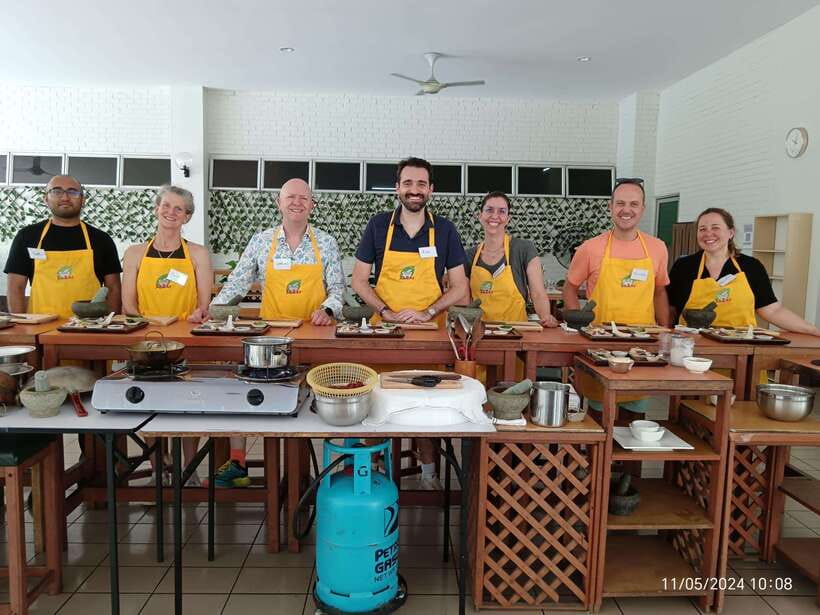
- You get your own cooking setup: Each participant has a gas burner, counter space, cooking utensils, traditional tools, and a mortar and pestle.
- The market-to-school transfer is included: You arrange your own way to the market, then ride to LaZat Cooking after the tour.
- Saadiah may be a highlight: Her Saturday classes are especially appreciated for their stories about Malaysian food, culture, and family life.
Starting at TTDI Wet Market at 8:30 AM
The meeting point is TTDI Wet Market, also called Pasar Besar TTDI. You meet the LaZat representative at the entrance facing Jalan Wan Kadir. This detail matters, because markets can have several entrances and a busy morning is not the best time to wander around looking for your group.
You need to arrange your own transport to the market. After the market tour, transport to LaZat Cooking School is included, so the day has a clear split: get yourself to the meeting point, then let the class team handle the move to the kitchen.
The early start is useful rather than merely inconvenient. Markets are part of daily food life in Malaysia, and the morning is when you can see ingredients being selected and sold for the day’s cooking. Instead of meeting Malaysian cuisine only on a restaurant plate, you begin with the raw materials.
The market visit also gives the instructor a chance to explain ingredients in context. You may learn why certain herbs are used, how spices contribute fragrance and heat, and how local cooks choose produce. This is the kind of information that can make a recipe easier to remember later.
The exact market route and stall stops are not fixed in the information provided, so I would expect the focus to change with the day’s menu. That is a strength in one sense. A changing menu allows the visit to match the ingredients you will later use, though you should not expect the identical food list on every date.
More Cooking Classes in the world:
- Hanoi Cooking Class: Culture, Local Market & Meaning CSR Impact
★ 5.0 · 5,147 reviews - 5 Traditional Dishes Hanoi Cooking Class with Market Trip
★ 5.0 · 4,890 reviews - Cooking Class and Lunch at a Tuscan Farmhouse with Local Market Tour from Florence
★ 5.0 · 4,831 reviews
Why the market visit adds real value
A market walk can sometimes be a quick prelude to a cooking lesson. Here, it is meant to be part of the food education. The guide has a good relationship with the stall holders, which adds a more natural feel than simply pointing at ingredients from a distance.
You might see foods and herbs that are hard to identify in a finished dish. The instructor can connect those ingredients to cooking techniques and explain how they are handled. That bridge between market and kitchen is useful if you want to recreate Malaysian dishes at home.
The morning also includes a chance to eat. One participant particularly enjoyed the roti canai at the market and called it a favorite among the roti tried in Kuala Lumpur. That is a helpful reminder to arrive with room for a snack, even though the class itself also provides snacks and coffee or tea.
The drawback is that the market portion requires some energy before the cooking starts. If you prefer a slower morning, you can skip the market tour and join the class later. The available information does not give a separate joining time, so you should confirm the later start when booking.
Moving from the market to LaZat Cooking
After the market tour, the school provides a transfer to LaZat Cooking. This is a practical inclusion. Kuala Lumpur’s food markets and cooking schools are not always next door to one another, and having the group move together keeps the day simple.
Transport after the class is not included. Plan your onward journey before you begin, especially if you have an evening reservation or need to reach another part of Kuala Lumpur. The class is listed as 330 minutes, or five and a half hours, so it takes up most of the morning and part of the afternoon.
The school’s approach centers on traditional Malaysian food prepared with care. Ingredients come from the garden and local farms when possible, and the cooking is guided by family recipes passed down through generations. That does not mean the lesson is formal or stiff. The tone appears to be friendly, social, and hands-on.
Your own burner, tools, and mortar and pestle
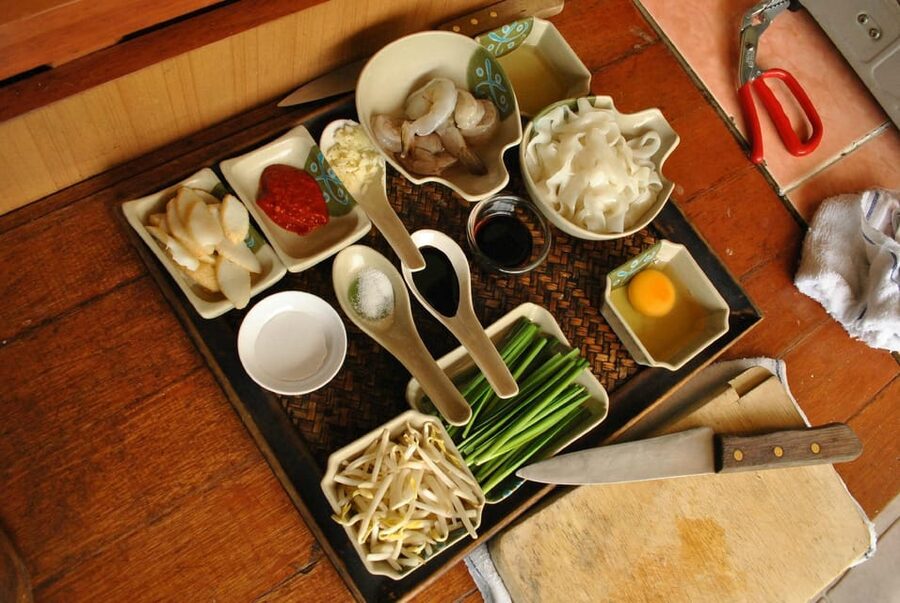
This is not a watch-and-take-notes cooking demonstration. Each participant gets an individual set of equipment, including a gas burner stove, counter space, cooking utensils, traditional utensils, and a mortar and pestle.
Having your own station changes the experience. You can feel how ingredients are combined, adjust your movements, and work through each stage with help close by. A mortar and pestle also gives you a direct connection to older preparation methods, particularly when herbs and spices need to be crushed into a paste.
The equipment list is generous for a class. You are not expected to share one burner with a large group or wait for a turn at the only chopping board. The class is designed for a small group, though no exact group size is provided, so the atmosphere should be intimate without promising one-on-one instruction.
The instructors speak English, Malay, and Chinese. English-language teaching is available, and the presence of several languages can be useful for a mixed group. You should still expect cooking to involve watching, tasting, and doing, not just listening to a long explanation.
A few more market tours around the world worth a look
- Bangkok: Damnoen Saduak Market and Maeklong Railway Market
★ 4.5 · 26,723 reviews - The Old Siam: Damnoen Saduak and Maeklong Railway Market
★ 4.5 · 10,992 reviews - Dubai: Old Town, Creek, Museums, Souks, & Street Food Tour
★ 4.8 · 10,816 reviews - Bangkok: Train Market & Floating Market with Boat Ride
★ 4.7 · 9,547 reviews
Cooking a three-course Malaysian lunch
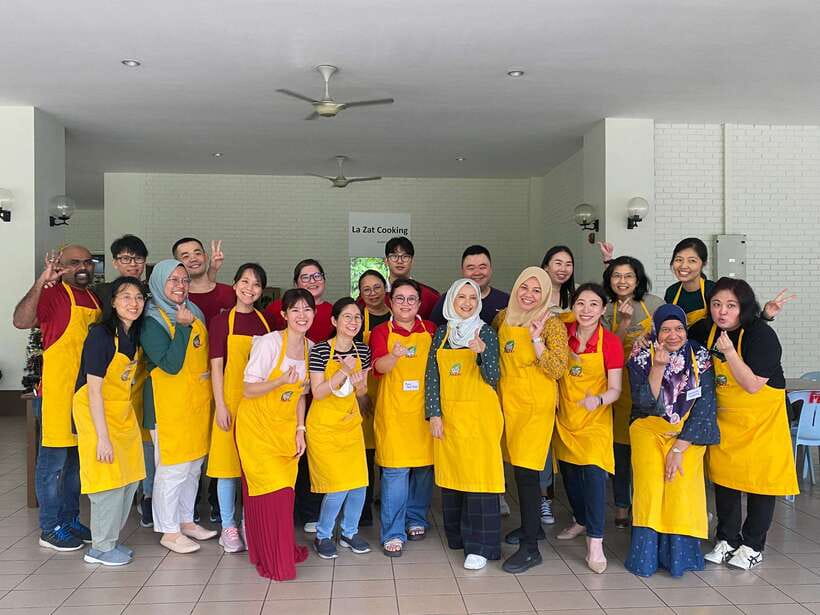
The main event is your own three-course meal. You prepare an appetizer, a main course, and a dessert, then sit down to enjoy the finished food.
The menu changes by day and features a different ethnic menu. This is important for repeat visitors and for anyone who has a particular Malaysian dish in mind. You may not cook the same dishes every day, so check the date’s menu if nasi lemak or rendang is a priority.
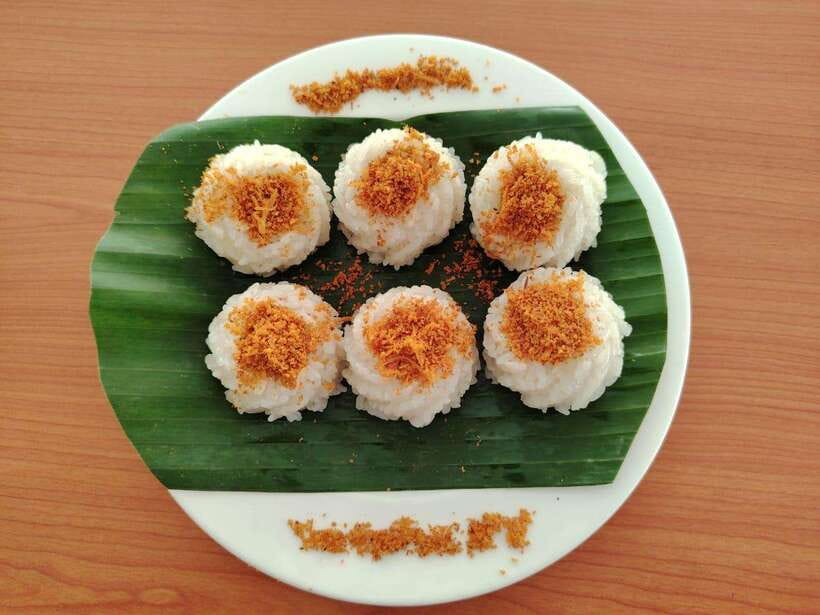
Nasi lemak and chicken rendang have both appeared in the class. Nasi lemak is a useful dish for understanding how rice, coconut, sambal, and accompanying elements work together. Chicken rendang shows how slow cooking and spice pastes build a dish with depth and body.
The class is not only about copying a recipe. The instructors explain techniques and the food traditions behind them. Saadiah, in particular, is known for sharing stories about her own life, family, history, and Malaysian culture while teaching. If she is leading your session, expect the lesson to feel personal as well as practical.
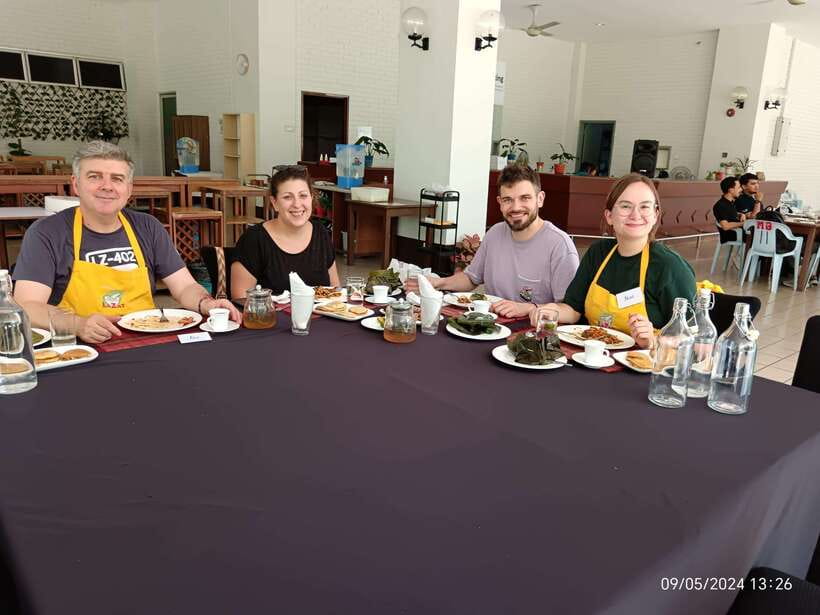
The finished lunch is part of the value. You do the work, then eat together with the instructor and other participants. That shared table helps turn a cooking lesson into a social meal, and it gives you a chance to compare results and talk through what you have learned.
Family recipes and the human side of Malaysian food
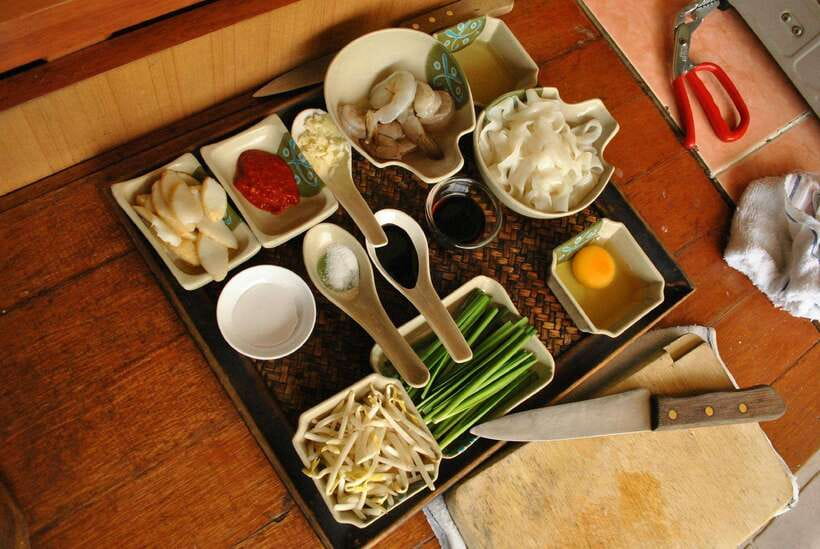
LaZat Cooking places strong emphasis on recipes passed down through families. That approach matters because Malaysian food is not one single style. It reflects several ethnic traditions, and the daily menu is designed to show some of that variety.
The school’s philosophy treats ingredients with care. The founder, Ana, encourages cooks to handle and combine ingredients with affection and attention. You do not need to adopt the phrase as a cooking rule, but the idea explains why the class gives time to preparation instead of rushing straight to the final plate.
The personal stories are an important part of the experience. Food becomes easier to remember when you connect a dish with the person teaching it, the market where ingredients were found, and the family tradition behind the recipe.
This also gives the class a sense of place. You are not simply learning a generic curry or stir-fry in a classroom. You are learning dishes tied to Malaysia, local ingredients, and the instructors’ own family kitchens.
Dietary needs and the level of participation
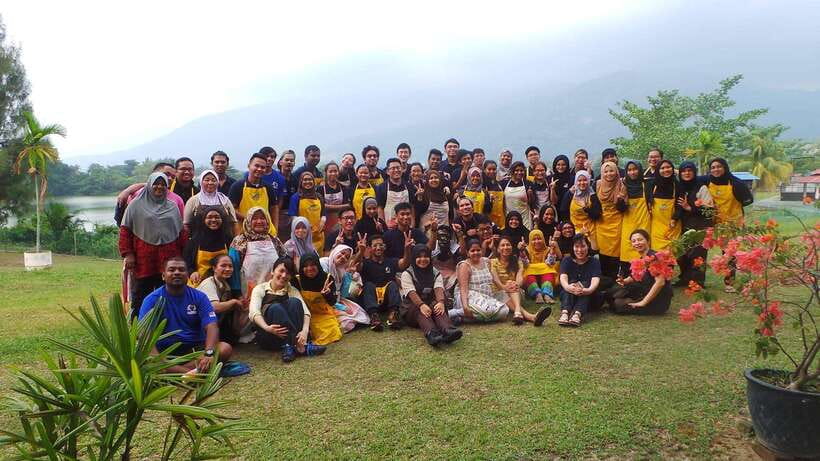
The class welcomes people with different dietary needs. That is useful, but the supplied details do not explain which substitutions are possible or how far in advance you should notify the school. If you have allergies or strict dietary requirements, contact LaZat before booking rather than assuming every menu can be changed on the day.
The hands-on structure suits people who like to participate. You will get more from it if you are willing to chop, crush, stir, taste, and ask questions. It may be less suitable if you want a short, passive food tour with no kitchen work.
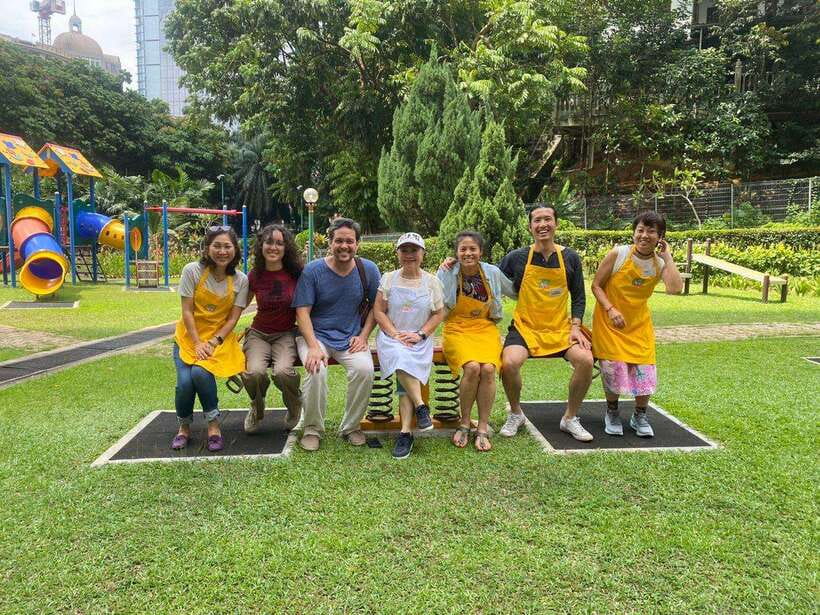
The experience works well for solo visitors because the small-group setting offers an easy way to meet people. It also suits couples, friends, and groups looking for an activity with a clear shared result: lunch.
Families and children are not specifically discussed in the available details, so I would confirm age requirements before booking for younger participants.
Is $149 good value for five and a half hours?
At $149 per person, this is not the cheapest way to eat in Kuala Lumpur. You can find an excellent local meal for far less. The question is what you are buying beyond lunch.
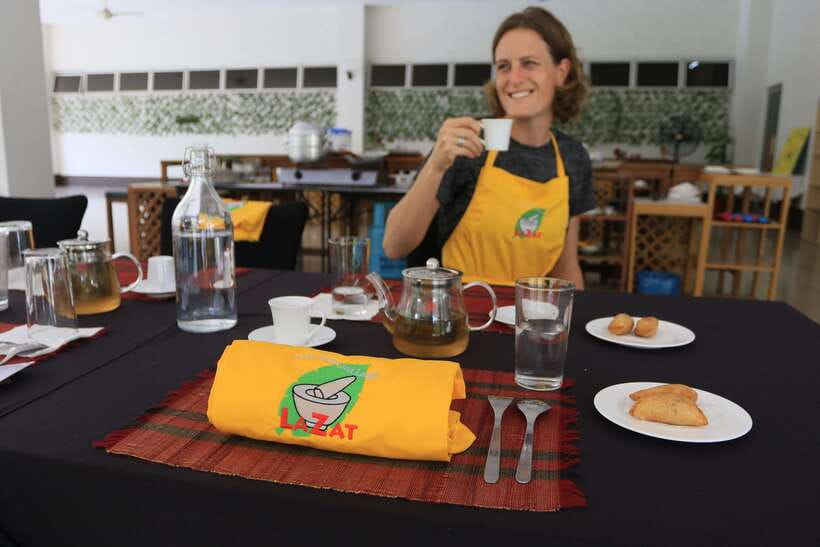
The price includes a market tour, a transfer from the market to the school, snacks, coffee or tea, instruction, a full set of cooking equipment, and a three-course meal that you prepare yourself. You are also paying for access to family recipes, local food knowledge, and a small-group setting.
I think the value is strongest for people who want a lasting skill or memory rather than just a meal. The mortar and pestle, individual burner, and direct guidance make the experience more useful than a cooking show. The market visit adds another layer by showing you how the ingredients look before they reach the pot.
The price is harder to justify if you mainly want to eat Malaysian food or if you have limited time in Kuala Lumpur. Five and a half hours is a serious commitment, and the cost does not include your transport to the market or your journey after class.
Free cancellation is available up to 24 hours before the start, and you can reserve now and pay later. Those terms help if your Kuala Lumpur schedule is still changing, but they do not reduce the need to plan the morning carefully.
Who will enjoy this class most?
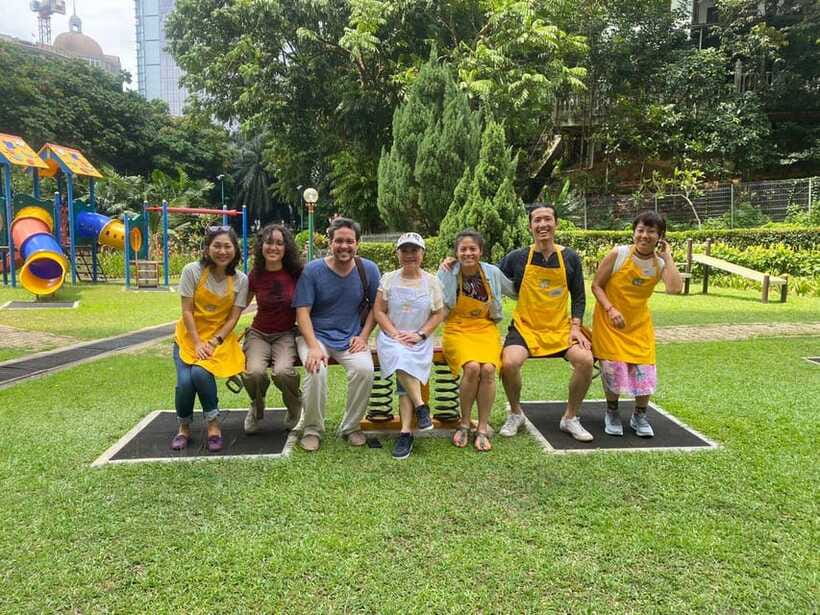
I would choose this experience if you want to understand Malaysian food through ingredients, technique, and personal stories. It is especially suited to people who enjoy markets, cooking, and shared meals.
You will likely appreciate it if:
- You want to cook rather than watch.
- You enjoy trying local dishes and learning how they are made.
- You like small-group activities with time for questions.
- You want to visit a market with guidance rather than browse alone.
- You are happy to give up most of a morning and part of the afternoon.
- You have an interest in Malaysian family recipes and food traditions.
I would think twice if your schedule is tight, if you dislike early starts, or if you want a fixed menu. The daily dishes change, and the market tour is optional, so the exact rhythm can vary.
Should you book the LaZat Cooking Class?
Book it if you want more than a recipe card. The best parts are the morning market visit, the individual cooking setup, and the chance to learn from instructors who connect food with family and culture. Saadiah sounds like an especially good teacher, particularly on Saturdays when she is often scheduled.
Skip it if $149 feels high for a meal or if five and a half hours is too much of your Kuala Lumpur itinerary. For everyone else, this is a strong choice for a hands-on introduction to Malaysian cooking, with enough structure to teach you something and enough warmth to make the day memorable.
FAQ
Where does the cooking class begin?
The class begins at TTDI Wet Market, also known as Pasar Besar TTDI. Meet the representative at the entrance facing Jalan Wan Kadir.
What time does the market tour start?
The market tour starts at 8:30 AM.
Is transport to the market included?
No. You are responsible for getting to TTDI Wet Market. Transport from the wet market to LaZat Cooking School after the tour is included.
Is transport after the cooking class included?
No. You need to arrange your own transport after the class finishes.
What does each participant receive during the class?
Each participant receives an individual cooking setup with a gas burner stove, counter space, cooking utensils, traditional utensils, and a mortar and pestle.
What food do you prepare?
You prepare a three-course lunch with an appetizer, main course, and dessert. The ethnic menu changes each day. Nasi lemak and chicken rendang are examples of dishes that may be included.
What languages are available?
The instructors speak English, Malay, and Chinese.
Just added around the world
- Half-day Dandan Noodles Cooking Class with a Local Market Visit★ 5.0 · 8 reviews
- Three-Hour Private Chengdu Tea Wholesale Market Tour★ 5.0 · 4 reviews
- 3-Hour Herbal Wholesale TCM Market and a Local Wet Market Tour★ 5.0 · 4 reviews
- Moroccan Cooking Class with a Local Family & Market Visit★ 5.0 · 16 reviews
- Charleston International Sweet Treats & Historic City Market Tour★ 5.0 · 22 reviews
- Chania Old Town, Public Market and Chrisopigi Monastery Tour★ 4.5 · 6 reviews
- Chania: Old Town, Public Market, Hill of Prophet Elias, Agia Triada★ 5.0 · 35 reviews
- Cesarine: Market Tour & Home Cooking Class in Catania★ 4.0 · 6 reviews
Cooking Classes, compared.
Hanoi Cooking Class: Culture, Local Market & Meaning CSR Impact
Read our review →
5 Traditional Dishes Hanoi Cooking Class with Market Trip
Read our review →
Cooking Class and Lunch at a Tuscan Farmhouse with Local Market Tour from Florence
Read our review →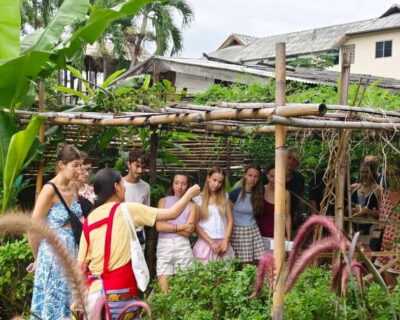
Cooking Class, Market & Thai Herbs Garden Tour
Read our review →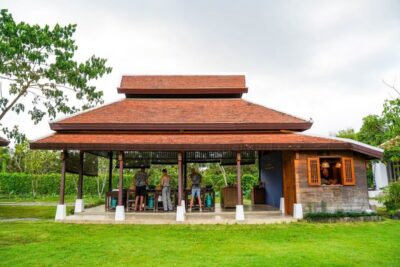
Authentic Cooking Class with Market & Farm Visit
Read our review →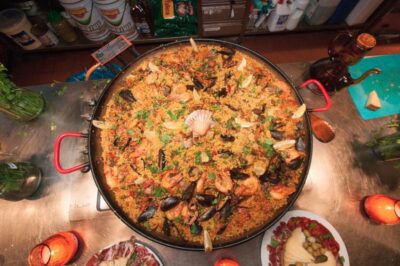
Paella Cooking Experience & Boqueria Market Tour
Read our review →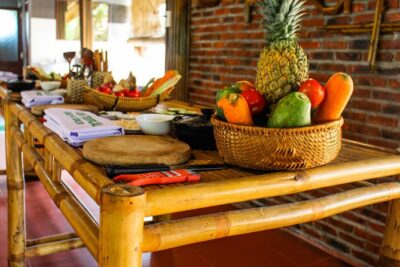
Cooking Class Hoi An:Local Market, Basket Boat, Fishing & Cooking
Read our review →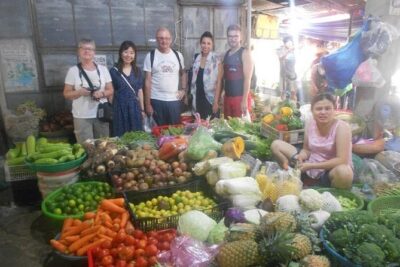
Hoi An Cooking Class(Market,BasketBoat Crabfishing&Cooking Class)
Read our review →Browse the lists this tour appears in