
Review · COLOMBO, SRI LANKA
Vegan Cooking Class Colombo with Market Tour
Fresh food tells Sri Lanka’s story. This five-hour Colombo experience pairs a local market visit with a private, hands-on cooking class, giving you more than a plate of curry at the end. I like the one-to-one format and the chance to learn spice mixes, vegetable selection, and clay-pot cooking from a local chef. The market stop is another strong point, since you see how ingredients are chosen before they reach the kitchen.
The main caution is that the details need clarifying before you pay. The experience is described as vegan, yet the sample menu includes chicken curry and a local beer, while the included items mention water, tea, coffee, and light refreshments only. Ask exactly what your menu includes, and confirm transport, timing, and the mention of an overnight villa stay.
Key points at a glance
- Market skills, not just sightseeing: You learn how to judge vegetables, spices, and other cooking ingredients in a local market.
- Clay-pot cooking: Traditional clay pots are used for slow cooking, helping curry stay moist and full of flavor.
- Private instruction: Only your group takes part, so you can shape the menu and ask questions freely.
- Several dishes in one class: Rice, curry, sambol, leafy mallum, papadum, fruit, and curd may all form part of the meal.
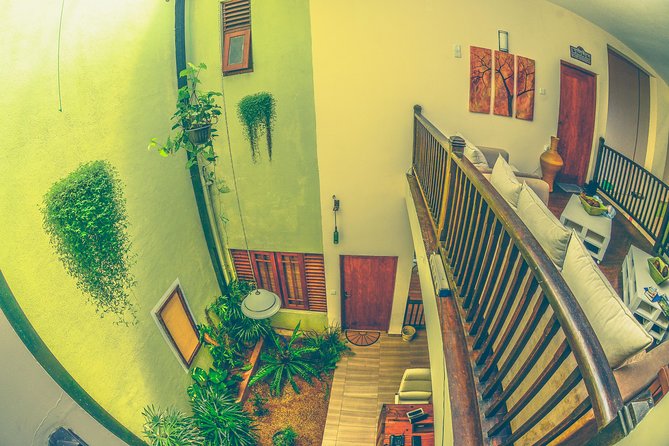
- A peaceful setting: The villa is near Sri Jayawardenepura Kotte and Diyawanna Lake, about 9 kilometers from central Colombo.
- Check the fine print: Vegetarian meals are available, but the advertised menu is not fully vegan unless arranged in advance.
Why this Colombo cooking class is worth your time
A cooking class can be a pleasant way to fill an afternoon. This one has a better idea behind it: start with the raw ingredients, then follow them into the kitchen.
That matters in Sri Lanka. Curry is not one fixed dish here. The taste changes with the spice blend, cooking method, coconut, leaves, vegetables, and amount of heat. Two curries may look similar but taste completely different.
I like that the class does not treat the market as a quick photo stop. You are meant to learn how to choose suitable vegetables and spices. That is useful knowledge you can take home, especially if you want to recreate the dishes instead of simply remembering the meal.
The private format also changes the mood. You are not standing at the back of a large demonstration while trying to see one cutting board. Your group gets direct instruction from the chef, and the cooking is designed to be hands-on. That makes the $80 price easier to justify for a small group that wants personal attention.
Still, the price is not automatically a bargain for every person. If you are mainly looking for a cheap meal, a restaurant will cost less. You are paying for the market visit, private teaching, ingredients, kitchen time, and the chance to ask detailed questions.
More Cooking Classes in the world:
- Hanoi Cooking Class: Culture, Local Market & Meaning CSR Impact
★ 5.0 · 5,147 reviews - 5 Traditional Dishes Hanoi Cooking Class with Market Trip
★ 5.0 · 4,890 reviews - Cooking Class and Lunch at a Tuscan Farmhouse with Local Market Tour from Florence
★ 5.0 · 4,831 reviews
Starting with fruit juice and a look around the villa
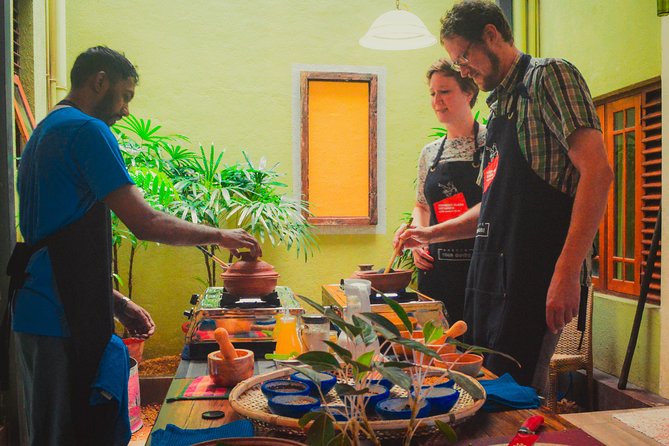
The experience begins with freshly made fruit juice or a herbal drink. You are then shown around the villa before preparing for the market visit.
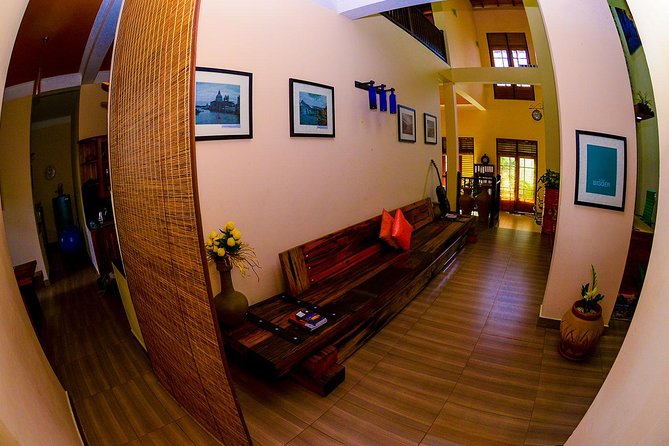
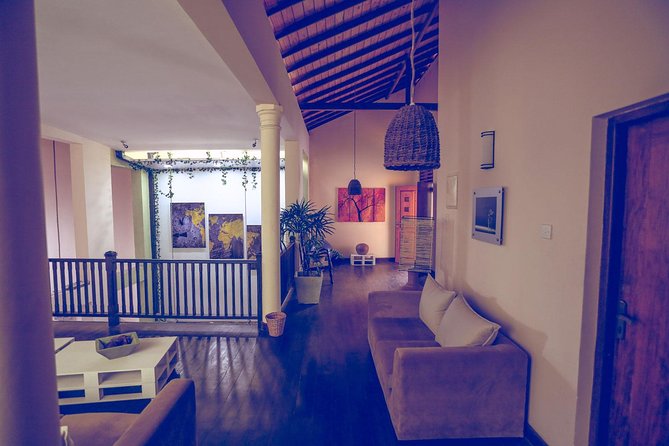
The setting is described as a quieter green area near Sri Jayawardenepura Kotte, Sri Lanka’s administrative capital. It is within walking distance of the Parliament area, Immigration Office, and Diyawanna Lake, and about 9 kilometers from Colombo city center.
That location may appeal to you if you want a break from central Colombo’s traffic and noise. The property is described as a place where you can hear birds and get away from the city rush. It is also near the expressway exit toward Colombo Airport, which may be convenient at the beginning or end of a trip.
There is an important point to check here. The experience is listed as lasting about five hours, yet the description also refers to checking into a room, staying overnight, and having free breakfast. Those arrangements do not clearly fit the advertised cooking-class schedule. Ask the provider if accommodation is part of your booking or if that wording belongs to a separate villa package.
The market visit teaches you what recipes cannot
The market section is one of the most useful parts of the experience. You are not only looking at unusual produce. You are learning how to choose vegetables at the right stage and how local cooks select spices and other ingredients.
The description compares the market to European eco-shops, while also pointing to the older Sri Lankan habit of using vegetables picked from the garden shortly before cooking. That contrast gives you a helpful sense of what makes the food work: freshness, timing, and proper preparation.
You can expect the chef or guide to help you identify ingredients and manage the language barrier. This is valuable because produce names and spice terms can be confusing when you are shopping alone.
The market is also where the class becomes more connected to daily life. You get to see the ingredients in their ordinary setting, not just arranged neatly in a cooking school. The experience is likely to feel less polished than a staged food demonstration, but that is part of its appeal.
Do not expect a long Colombo sightseeing tour during this section. The market visit is there to support the cooking lesson. If you want major city landmarks, you should plan a separate tour.
Building a Sri Lankan meal from the ground up
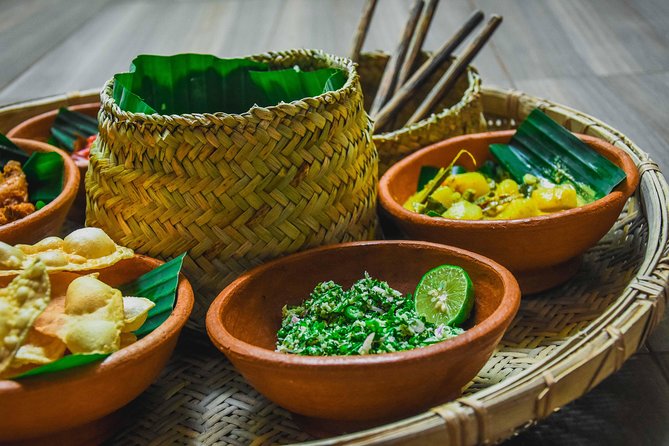
The advertised menu gives you several choices rather than one fixed set of dishes. For rice, you can choose white rice, yellow rice, or brown rice.
The curry options include dhal, coconut sambol, potato curry, fried mushroom, and Sri Lankan chicken curry. For a vegan or vegetarian booking, you will need to confirm which dishes are included and how they are prepared. The presence of chicken on the sample menu means you should not assume every participant receives a fully plant-based menu automatically.
The leafy mallum, a finely prepared Sri Lankan green salad, offers another choice. Options include gotukola, mugunuanna, cabbage, kankun, and aguna kola. If you have not tried mallum before, this is a good chance to understand how leafy vegetables can become a fresh, strongly seasoned side dish rather than a plain salad.
Papadum is listed as an enhancer. Depending on your chosen menu, you may also taste tropical fruit, tea or coffee, and buffalo curd with honey. These extras help round out the meal, though honey and buffalo curd are not vegan. Tell the provider your dietary requirements when booking, rather than relying on the word vegan in the title.
The class is especially useful for people who want to learn several techniques in one session. The dishes involve rice preparation, curry cooking, sambol making, leafy greens, and the use of spices and coconut. You are not simply stirring one pot for five hours.
A few more market tours around the world worth a look
- Jaipur Market Tour & Vegetarian Rajasthani Home Cooking Class
★ 5.0 · 113 reviews - Busan Tailored Korean cooking class (Vegan OK)with market tour
★ 5.0 · 66 reviews - Seville Vegan Tapas Food and Market Walking Tour
★ 5.0 · 40 reviews - Seoul: Gwangjang Market Vegan & Vegetarian Food Tour
★ 5.0 · 16 reviews
What clay-pot cooking adds to the class
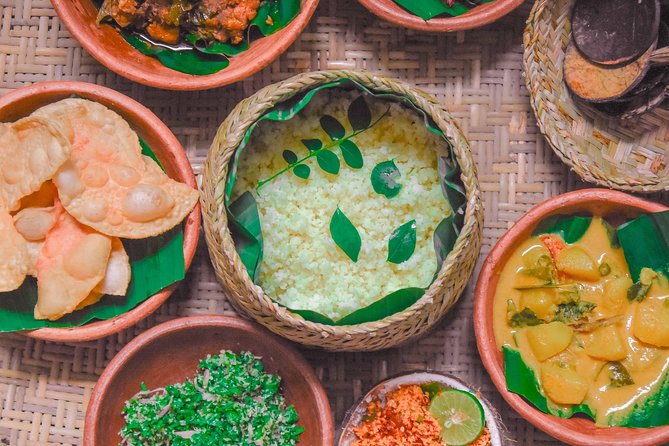
Cooking in clay pots gives the lesson a traditional touch and a clear practical purpose. Clay has long been used in Sri Lanka, and a properly made, seasoned pot can help food cook slowly without drying out.
The porous walls absorb and release moisture, which suits long simmering. That can help make curry tender and keep its texture soft. The pot also brings a different rhythm to the kitchen. You have to pay attention to heat, moisture, and time instead of rushing every step.
I like this part because it connects the equipment to the final taste. It is not just a craft demonstration. You learn why a particular pot is used and how it affects the food.
You should also keep your expectations sensible. A cooking class cannot turn you into an expert in clay cookware after one visit. The useful result is a better understanding of how traditional tools influence Sri Lankan dishes. If you want to repeat the recipes at home, ask about suitable substitutes for the clay pot and how to season one safely.
Private instruction and the hands-on advantage
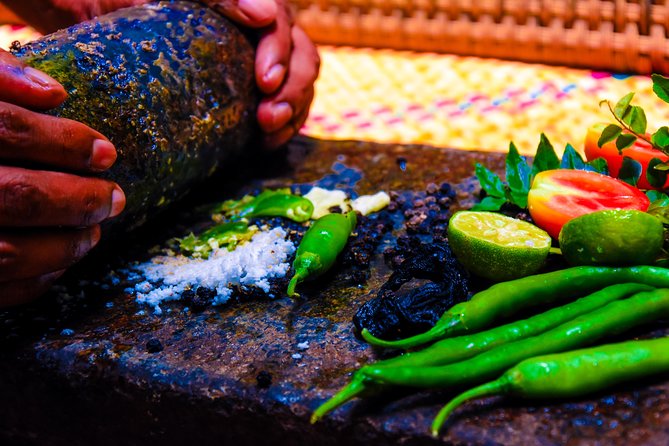
The class is private, so only your group takes part. That is a major benefit if your party has different preferences, food allergies, or varying levels of cooking experience.
You can ask the chef to explain a spice paste again, slow down while you chop, or show you how a particular curry changes as it cooks. In a larger group, those small questions often get lost.
The class is also designed to keep you involved in the work. You may prepare sauces, pastes, fillings, and appetizers from scratch, rather than watching everything happen in advance. That is the difference between a cooking show and a lesson you can use later.
Several detailed comments about the experience praise the chef and helper for answering questions and sharing tips and recipes. The teaching style appears to be a key strength. The chef is described as easy to follow, and the kitchen is fully equipped for the session.
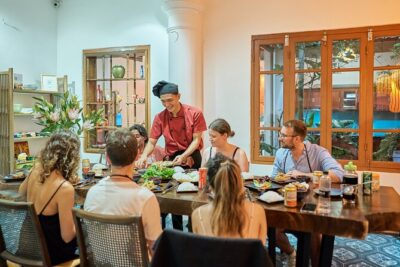
The class suits families and small groups particularly well. One account describes children helping recreate a first course after returning home. That suggests the recipes can be practical enough for home use, not just impressive during the class.
The meal at the end is part of the lesson
After the cooking is finished, you sit down to taste what you made. That final meal gives you a chance to compare the dishes and understand how they work together.
Rice provides the base. Curry supplies the main seasoning and texture. Sambol adds freshness and heat, while mallum brings a leafy vegetable element. Papadum adds crunch. Fruit, tea, or curd can finish the meal.
The advertised package includes bottled water, light refreshments, and tea or coffee. Alcoholic drinks are not included, although a local beer appears among the suggested items. If you want beer, expect to pay extra and confirm its availability.
The food is likely to be more satisfying because you have handled each stage yourself. You notice the spice, salt, coconut, and cooking time in a different way when you have prepared them. That is one reason a class can be more memorable than an ordinary restaurant meal.
Price, location, and transport details
At $80 per person, this is a midrange private food experience rather than a budget activity. The value depends on your group size and what is actually included.
For a solo participant or couple, the cost buys privacy, instruction, market guidance, ingredients, refreshments, and a multi-dish meal. For a larger private group, the per-person price may feel stronger because everyone can take part without waiting for a place at the counter.
Pickup information is not fully consistent. Pickup is advertised as available, but the exclusions also say hotel pickup and hotel drop-off are not included. The stated meeting point is Travel Footprint, SrilankaKollupitiya, in the Colombo area, and the activity ends back at the meeting point.
I would confirm your exact pickup arrangement before booking. Transfers can take longer in traffic, and the duration is only approximate. The published operating window is Monday through Sunday, 9:30 a.m. to 3:30 p.m., so do not assume an evening class simply because one description refers to an evening cooking experience.
Smart-casual clothing is requested. That is sensible for a market and kitchen visit. You should also provide dietary requirements at the time of booking, including a request for vegetarian food.
Who should book this experience
I would recommend it to you if food is one of the main reasons you are visiting Sri Lanka. It is also a strong fit if you want to learn rather than simply eat, or if you prefer a private class to a large group demonstration.
Families may like the hands-on format, especially if children are old enough to take part safely. Small groups celebrating a birthday or family occasion can also make good use of the private setting.
It is less suitable if you want a tightly scheduled city tour, a fully confirmed hotel transfer, or a strict vegan menu without extra planning. The menu needs clarification because chicken, honey, buffalo curd, and beer appear in the wider description.
The class may also frustrate you if you dislike markets, cooking, or time spent outside the main tourist center. The point is to learn the food from its ingredients upward, not to race between Colombo attractions.
Booking, cancellation, and practical checks
Confirmation is provided when you book. If you are arriving by cruise ship, you must give the ship name, docking time, disembarkation time, and re-boarding time.
Free cancellation is available if you cancel at least 24 hours before the start time. Changes or cancellations made inside that window are not accepted for a refund. Poor weather can also affect the activity, in which case you should be offered another date or a full refund.
Before booking, I would send four short questions:
- Is the menu fully vegan, or only vegetarian?
- Is hotel pickup included from my address?
- Is the villa room or overnight stay part of this booking?
- What dishes and drinks are included in the $80 price?
Those answers will remove the only real uncertainty around the experience.
Should you book the Colombo vegan cooking class?
Book it if you want personal teaching, a real market visit, several Sri Lankan dishes, and a traditional clay-pot session in one half-day. The strongest reasons are the private format, hands-on work, and practical help choosing ingredients.
I would not book it without first confirming the menu and transport. The experience title promises vegan cooking, but the published choices include non-vegan and meat dishes. Once that point is settled, this looks like a worthwhile choice for food-focused visitors who want recipes, skills, and a closer look at how Sri Lankan home cooking begins.
FAQ
How long does the cooking class and market tour last?
The experience lasts approximately five hours.
Where does the activity start and end?
The stated meeting point is Travel Footprint, SrilankaKollupitiya, Colombo, Western Province. The activity ends back at the meeting point.
Is this a private tour?
Yes. Only your group participates in the activity.
Is the cooking class fully vegan?
The experience is presented as vegan, but the menu also lists chicken curry, buffalo curd with honey, and beer. You should state your dietary requirements at booking and confirm a fully vegan menu directly with the provider.
What food can I learn to prepare?
The choices include white, yellow, or brown rice; dhal curry; coconut sambol; potato curry; fried mushroom; several leafy mallum options; and papadum. Chicken curry is also listed among the wider menu choices.
Is hotel pickup included?
Pickup is advertised as available, but hotel pickup and drop-off are also listed as exclusions. Confirm the exact transport arrangement with the provider before booking.
What happens if I need to cancel?
You can receive a full refund if you cancel at least 24 hours before the experience start time. Cancellations or changes made less than 24 hours ahead are not accepted for a refund.
More Food Trips in the world
- Dubai: Old Town, Creek, Museums, Souks, & Street Food Tour
★ 4.8 · 10,816 reviews - Dubai: Old Town, Souks, Street Food, Guided Tour & Abra Ride
★ 4.9 · 7,170 reviews - Bangkok by Night: Temples, Markets and Food Tuk-Tuk Tour
★ 5.0 · 3,752 reviews - Chef Guided Food Tour of Pike Place Market
★ 5.0 · 3,733 reviews
Just added around the world
- Small-Group Gourmet Evening Walking Tour of Copenhagen with Market Visit and Dinner★ 4.5 · 40 reviews
- Discover Colmar’s Christmas Market Magic with a Local★ 3.5 · 4 reviews
- Local Market Tour & Cooking Demo with Lunch from Colombo Harbor★ 5.0 · 2 reviews
- Market Tour and Cooking Class from Colombo★ 5.0 · 5 reviews
- Cincinnati’s Original Findlay Market Tour With Tastings★ 5.0 · 32 reviews
- Cologne Christmas Market and Kölsch Beer Small-Group Tour★ 5.0 · 29 reviews
- Sunday Brunch at Findlay Market Tour with Riverside Food Tours★ 5.0 · 65 reviews
- Offbeat Fulton Market Graffiti and Murals Street Art Tour★ 3.0 · 2 reviews
Cooking Classes, compared.
Hanoi Cooking Class: Culture, Local Market & Meaning CSR Impact
Read our review →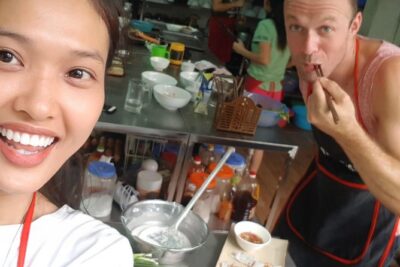
5 Traditional Dishes Hanoi Cooking Class with Market Trip
Read our review →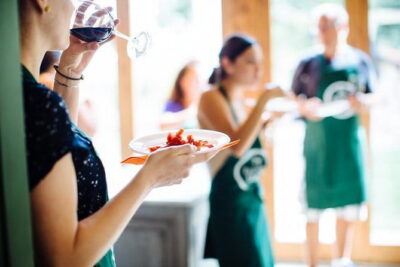
Cooking Class and Lunch at a Tuscan Farmhouse with Local Market Tour from Florence
Read our review →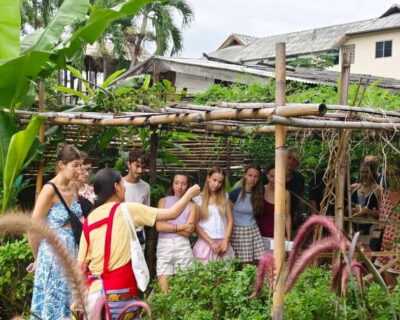
Cooking Class, Market & Thai Herbs Garden Tour
Read our review →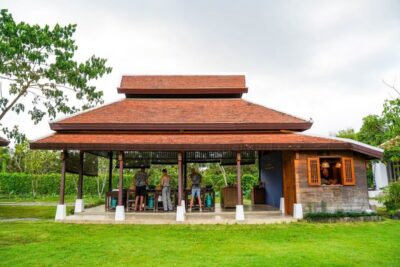
Authentic Cooking Class with Market & Farm Visit
Read our review →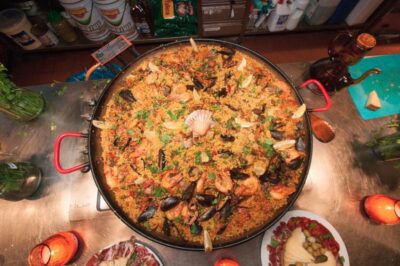
Paella Cooking Experience & Boqueria Market Tour
Read our review →
Cooking Class Hoi An:Local Market, Basket Boat, Fishing & Cooking
Read our review →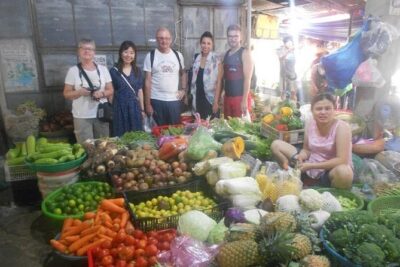
Hoi An Cooking Class(Market,BasketBoat Crabfishing&Cooking Class)
Read our review →Browse the lists this tour appears in