
Review · PORTUGAL
South of Lisbon: Local Market & Canned Sardines Factory Tour
Setúbal puts sardines at the center. This three-hour private walk takes you from a hilltop viewpoint through markets, churches, museums, and a working canned sardines factory in one of Portugal’s old fishing towns. I like the local focus and the chance to see a side of the Lisbon District that most short visits miss. My main caution is timing: the route lists many stops, so some visits may feel brisk.
The Livramento Market is the main prize, especially in the morning when fish, produce, and local shopping give the place its true purpose. I also like that entry to the Jesus Convent and the canned factory is included in the $91 price. The Fisherman’s Market is not available on afternoon departures, so your start time matters.
The guide adds the human touch. The available feedback gives special praise to Raquel for making the outing interesting, warm, and well organized, while another booking praised the guide’s friendly explanation of everyday life in Setúbal. That personal angle is important here: this is less about checking off monuments and more about understanding how the town works.
Key points to know before booking
- Setúbal’s fishing story is the heart of the tour: The city once had more than 400 sardine canning factories.
- Livramento Market needs a morning start: This is the best choice if fresh fish and local food stalls are your priority.
- The canned sardines factory is included: You do not pay an extra entrance fee for this part of the visit.
- The walk covers a lot in three hours: Expect a compact route through viewpoints, churches, museums, a market, and historic squares.
- You get a private group and a live guide: Tours are offered in Portuguese, English, and Spanish.
- The Jesus Convent adds serious architectural interest: It was designed by the same architect associated with Lisbon’s Jerónimos Monastery, but it is older.
Why Setúbal makes a good break from Lisbon
Setúbal sits about 40 minutes from Lisbon, yet it feels shaped by a different daily rhythm. Its identity comes from the sea, the fish trade, food shopping, and working neighborhoods rather than grand capital-city sights.
That makes this tour useful if you have already seen central Lisbon and want a more local setting. You are not simply looking at an old church from the outside. You are moving through places tied to ordinary life: a market where people shop, a former industrial trade based on sardines, and streets connected with Setúbal’s religious and civic past.
The fishing connection gives the visit a clear thread. More than 400 sardine canning factories once operated in the city, so the factory visit is not a random tourist stop. It helps explain why Setúbal grew around the waterfront and why canned fish remains part of Portugal’s food culture.
You should not expect a full-day food tour or an extended factory workshop. The experience lasts three hours, and the route includes many stops. Think of it as a guided introduction to Setúbal, with the market and sardines supplying the strongest local flavor.
More Farmers Market Tours in Portugal
- Porto Local Market Visit & Cooking Class / Showcooking
★ 5.0 · 206 reviews - Lisbon: Local Market, Food, and Culture Walking Tour
★ 4.7 · 40 reviews - Porto: Local Market Tour & Cooking Class/Showcooking
★ 4.9 · 32 reviews
Starting at Santo Domingo viewpoint
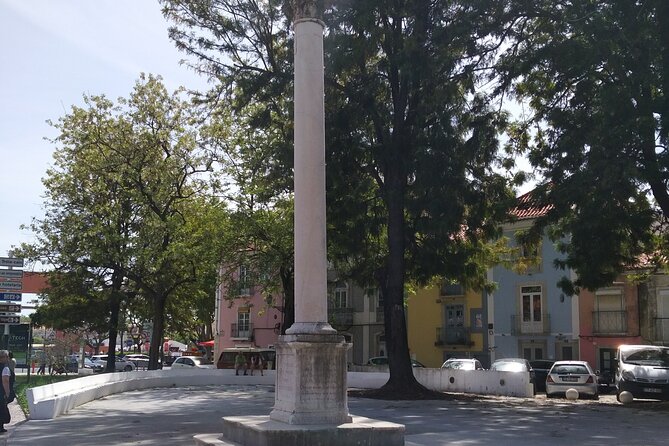
The walk begins at Santo Domingo viewpoint, giving you a high starting point and a chance to get your bearings before entering the city streets. A viewpoint is a sensible meeting place because it lets the guide frame Setúbal’s setting before the route becomes more detailed.
The information provided does not specify the exact view or how long you remain there, so do not book this expecting a long scenic stop. Its main value is orientation. From here, the guide can connect the town’s streets with its religious buildings, market life, and fishing past.
A private tour also helps at the start. You can ask for clarification right away, and the guide can adjust explanations to your interests more easily than on a large group outing.
Museu do Trabalho Michel Giacometti and local working life
The first listed indoor stop is the Museu do Trabalho Michel Giacometti, with a guided visit of about 20 minutes. Even without spending hours in the museum, this stop gives the tour a useful social angle.
The name points toward work and everyday occupations, which fits the tour’s larger focus on Setúbal as a working town. Rather than treating the city as a collection of pretty façades, the route asks you to think about the people and trades that kept it running.
Twenty minutes is enough for a focused introduction, but not enough for a slow museum visit. If you enjoy reading every display, you may find the pace quick. The guide’s explanation is therefore likely to matter more than trying to examine everything on your own.
Our Lady of Grace Cathedral and the religious center
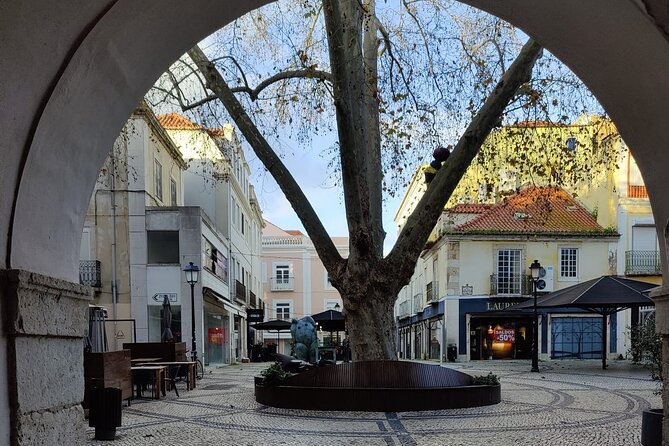
Next comes Our Lady of Grace Cathedral, also listed with around 20 minutes of guided attention. This gives you a look at Setúbal’s religious architecture and shows how close the city’s historic buildings are to one another along the walking route.
The stop is best understood as part of a larger picture. The tour does not isolate religion from daily life. Churches, market streets, civic squares, and older homes all sit within the same compact city center.
As with the other short visits, you will want to listen closely. The time is designed for a guide-led overview rather than a long, quiet architectural study.
Same place, a different set of stalls:
- Lisbon Market and Food Tour with Cooking Class and Lunch
★ 5.0 · 117 reviews - Chef Led Porto Market Tour and Portuguese Tapas Class with Wine
★ 5.0 · 92 reviews - Private Lisbon Market Tour & Portuguese Cooking Class with Paula
★ 5.0 · 89 reviews - Arrábida Jeep Tour – Incredible Market & Hidden Gems
★ 5.0 · 61 reviews
Largo da Misericórdia and Casa das Imagens Lauro António
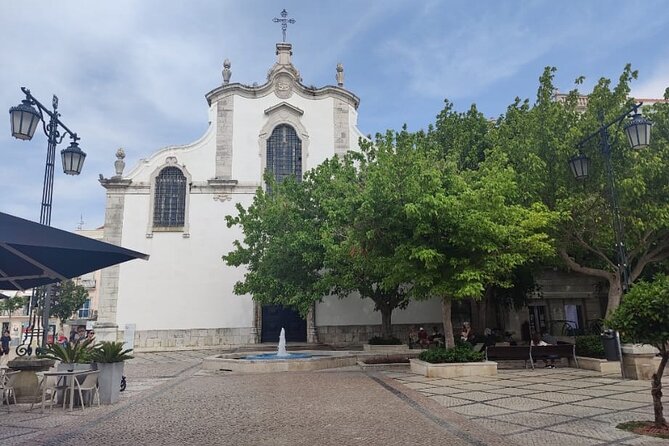
Largo da Misericórdia is another guided stop of roughly 20 minutes. Squares like this help you read the city at street level. They provide space between the churches and museums and give the guide room to explain how Setúbal’s center fits together.
The route then continues to Casa das Imagens Lauro António. The supplied details do not spell out the full collection or its displays, so I would treat this as a short cultural stop rather than plan the entire outing around it.
That uncertainty is worth noting. The tour promises access and guided attention, but it does not provide a detailed description of every museum interior. If one particular collection matters greatly to you, ask the guide about the day’s focus at the start.
Church of São Julião and Praça do Bocage
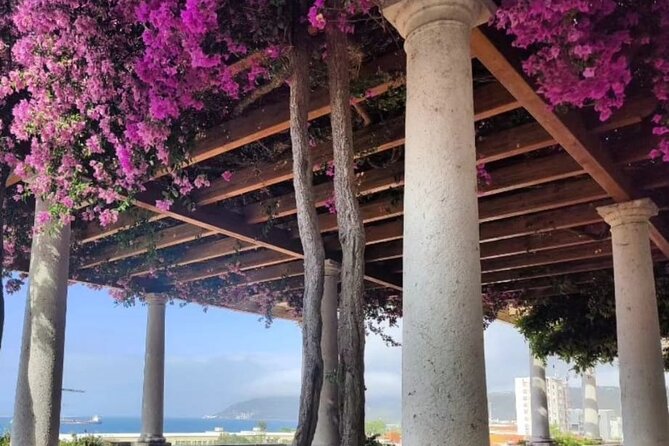
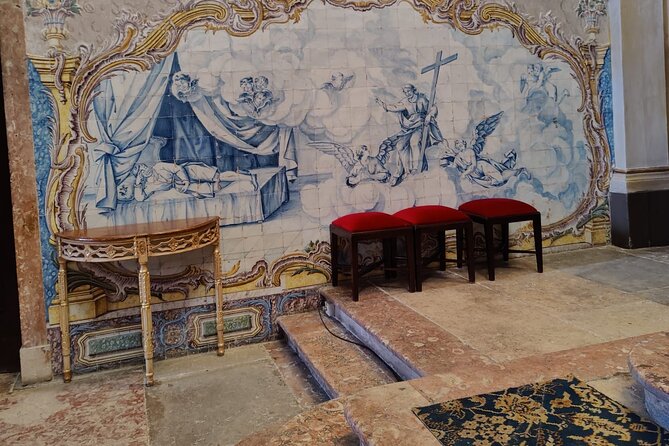
The Church of São Julião is another 20-minute guided visit. Together with the cathedral and Jesus Convent, it gives you several chances to compare Setúbal’s religious buildings rather than seeing only one famous monument.
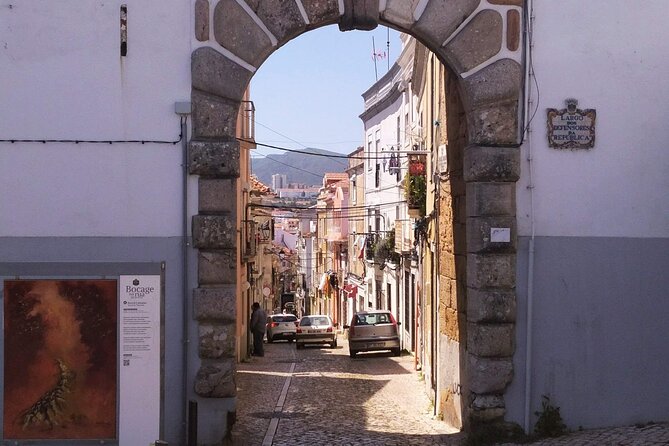
The walk later reaches Praça do Bocage, a civic square that helps shift the mood from interiors to public space. The square is a natural pause in a route filled with churches and museums, and it gives you time to notice the city’s street pattern and everyday movement.
The sequence is useful because the guide can connect separate sights into one story. On your own, you might see a church, a square, and a market as unrelated stops. With a local explanation, they become parts of the same town.
The Jesus Convent, older than Lisbon’s Jerónimos
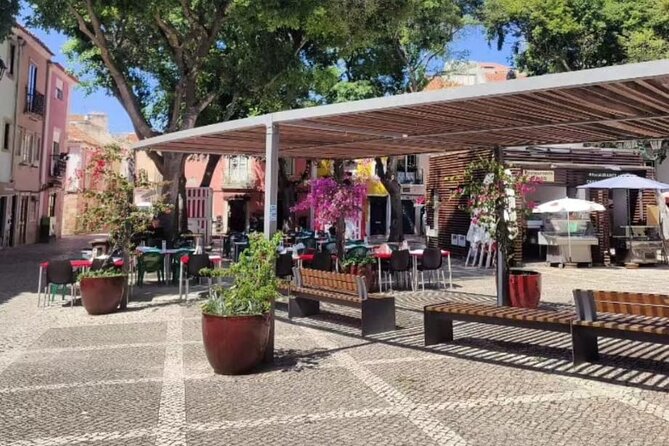
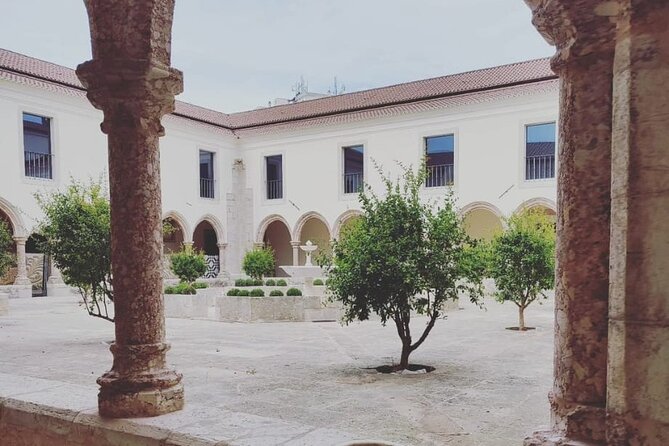
The former Monastery of Jesus is the strongest historic monument on the route. Entry is included, and the building was designed by the same architect associated with Lisbon’s Jerónimos Monastery, yet it is older.
That comparison gives the visit extra weight. You can place Setúbal’s monastery within Portugal’s wider architectural story without returning to Lisbon’s busiest monuments. The convent also keeps the tour from becoming only a food and market outing.
The provided schedule allows about 20 minutes for the Church of the former Monastery of Jesus. That is enough for a guided introduction, but not a detailed study of every architectural feature. If you care about religious art or early Portuguese design, pay attention to the guide and use the included entrance well.
Livramento Market, the real star of the morning
Livramento Market is described as one of the world’s most beautiful markets by USA Today, but the more useful reason to visit is simpler: local people come here to shop.
The market is where the tour feels most connected to present-day Setúbal. You can expect seafood and produce to be central, fitting the city’s fishing identity. A guide helps you understand what you are seeing instead of treating the stalls as a colorful backdrop.
The itinerary lists Livramento Market twice, once for about 20 minutes and again for about 30 minutes. That suggests the market receives extra attention, although the exact order and timing may vary. The total tour remains three hours, so the schedule should be viewed as a guide rather than a promise that every stop receives a full independent visit.
The market is available only on morning tours. This is the single most important planning point. If fresh fish, produce, and the working atmosphere of a Portuguese market are central to your plans, choose the morning departure and confirm the available start time before paying.
An afternoon tour may still include the historic sights and canned sardines factory, but it will not provide the market visit. For many people, that changes the character of the experience.
Inside the canned sardines factory
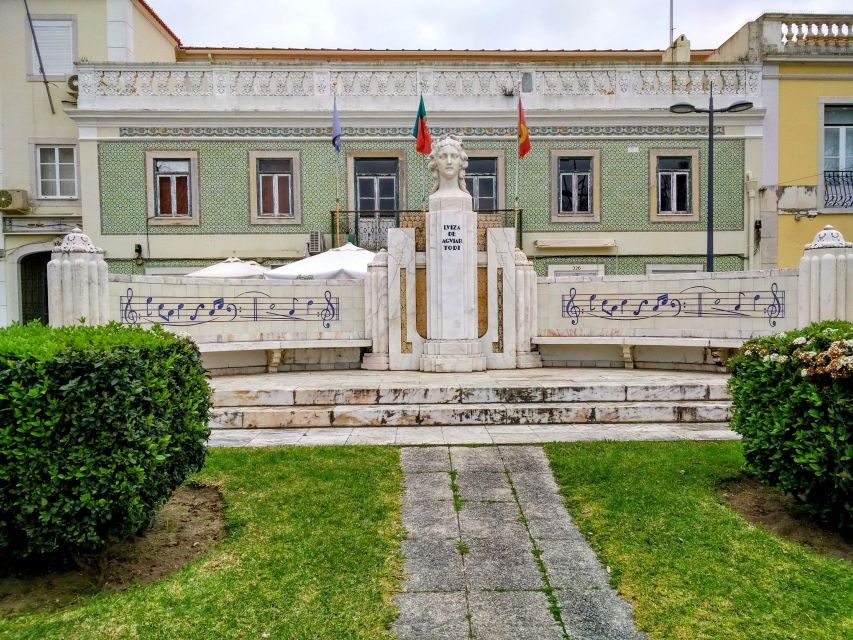
The factory visit links the market to Setúbal’s industrial past. The city once had over 400 sardine canning factories, so canned fish was not a minor local product. It was a major part of work, trade, and the town’s identity.
Entry to the canned factory is included. The supplied information does not state the exact factory name, operating process, or length of the visit, so you should not expect a detailed technical tour beyond what the guide and site provide that day.
Still, this is one of the most distinctive parts of the outing. Many Portuguese city walks focus on palaces, tiles, and viewpoints. This one makes room for an industry that shaped local life. You get a more grounded picture of Setúbal by seeing how sardines moved from the sea into a product that could be stored and sold.
The market and factory also work well together. At the market, you see the food economy at street level. At the factory, you see how fish became part of a wider commercial tradition.
Ending in Troino
The tour finishes at Troino, giving the route a clear end in another part of Setúbal rather than returning you to the starting viewpoint. That matters for planning. You should allow time afterward to orient yourself before continuing with your day.
The data does not specify transport back to Lisbon or from Troino to another attraction. This is a walking tour, and the starting and ending points are different, so check your onward plans before booking a tight connection.
Ending away from Santo Domingo viewpoint also means the tour feels like a walk through the city rather than a loop around one meeting point. That is a plus if you want to see more of Setúbal on foot, but it requires a little attention to where you are headed next.
What the $91 price gives you
At $91 per person, this is not a bargain-priced city stroll. The value comes from the private format, the live guide, and the included entries to the Jesus Convent and canned sardines factory.
A private group can make the cost worthwhile if you are traveling with family or friends and want the guide’s attention directed toward your interests. It is also useful if you prefer asking questions about food, architecture, or local life without competing with a large group.
The price is harder to justify if you only want to see Livramento Market. You could spend less by visiting a market independently, though you would lose the connected explanation about Setúbal’s fishing industry, churches, museum stops, and canning past.
The two available ratings are perfect, and the praise centers on the guides’ warmth and ability to make Setúbal’s life interesting. That is the key value here. You are paying for interpretation and access, not just transportation or a list of entrance tickets.
Who should book this Setúbal walk
I would recommend it to you if you want:
- A private introduction to Setúbal from Lisbon
- A morning market visit with seafood and produce
- A local guide speaking Portuguese, English, or Spanish
- A mix of food culture, industry, religious buildings, and city history
- A short outing that avoids a large group format
- A more everyday view of Portugal beyond Lisbon’s major sights
It may be less suitable if you want a slow museum day, a long factory demonstration, or plenty of free time at each stop. The route contains many places in only three hours, and the listed 20-minute visits leave little room for lingering.
The tour also suits repeat visitors to Lisbon better than someone with only one short day in the capital. Setúbal has its own character, but reaching it means giving up time that could otherwise go to Lisbon’s core sights.
Should you book this experience?
Book it if you want Setúbal explained through its food, fishing work, markets, and older buildings rather than viewed from a tour bus. Choose a morning departure so you do not miss Livramento Market, and allow for a brisk pace through the many listed stops.
I see the best value in the private format and the guide’s personal storytelling. Raquel receives especially strong praise for being interesting and warm, while the other available feedback also highlights friendly guidance and useful insight into Setúbal life.
Skip it if your priority is a slow visit to one monument or a long technical factory tour. For an authentic three-hour look at a Portuguese fishing town close to Lisbon, though, this is a smart choice with a clear local focus.
FAQ
How long does the South of Lisbon tour last?
The experience lasts three hours.
How much does the tour cost?
The listed price is $91 per person.
Is the tour private?
Yes. It is offered as a private group walking tour.
Which languages are available?
The live guide can conduct the tour in Portuguese, English, or Spanish.
Is entry to the Jesus Convent included?
Yes. The entry ticket to the Jesus Convent is included.
Is entry to the canned sardines factory included?
Yes. Entry to the canned sardines factory is included.
Can I visit Livramento Market on an afternoon tour?
No. The Fisherman’s Market visit is available only on morning tours.
Just added around Portugal
- West Algarve Tour Visit Tavira Olhão Market and Ayamonte in Spain★ 5.0 · 2 reviews
- Quarteira Market & Town Bus Trip from Albufeira★ 4.0 · 13 reviews
- From Market to Table with Paula (Loulé) – Private Cookery Class★ 5.0 · 21 reviews
- Algarve Wines Tasting Shared Experience at Mercado Municipal de Silves★ 5.0 · 11 reviews
- Loulé Market and Town Half-Day Bus Round Trip from Albufeira★ 4.5 · 14 reviews
- Quarteira Town & Gypsy Market Tour with Beach Bliss★ 3.5 · 14 reviews
- Loule Traditional Market Tour★ 4.5 · 17 reviews
- Authentic Algarve: Loulé Town Tour and Markets★ 4.0 · 19 reviews
Local & Farmers Market Tours, compared.
Hanoi Cooking Class: Culture, Local Market & Meaning CSR Impact
Read our review →
Cooking Class and Lunch at a Tuscan Farmhouse with Local Market Tour from Florence
Read our review →
Cooking Class Hoi An:Local Market, Basket Boat, Fishing & Cooking
Read our review →
London Bridge & Borough Market Food Tour with 7 Authentic Dishes
Read our review →

Hoi An Cooking Class(Local market,Basket Boat,Fishing & Cooking)
Read our review →
Browse the lists this tour appears in