
Review · INDIA
Old Delhi: Spices, Heritage and Bazaars Walking Tour
Old Delhi rewards curiosity. This three-hour walk brings you from Jama Masjid to Chandni Chowk and Khari Baoli, with plenty of local life between the major stops. I like the small group size, capped at seven, and the chance to see working markets rather than only polished monuments. I also like the guide’s personal touch, especially Jai Singh’s patient storytelling and care with solo visitors. One consideration: the lanes are crowded, uneven, and tiring, and some groups have found the walk lasting closer to four hours.
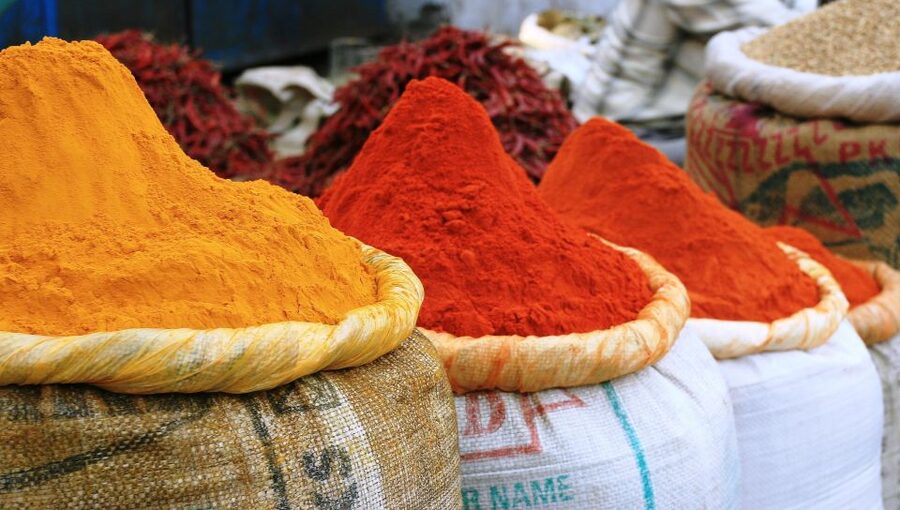
The spice market is the tour’s strongest hook. You smell sacks of cardamom, chilli, cumin, and other seasonings before you see them, then enter an old wholesale depot where merchants handle large commercial orders. The tour is also good value at $13, but remember that entry to Jama Masjid costs an additional INR 450 if you choose to go inside.
Five details that make this Old Delhi walk worth considering
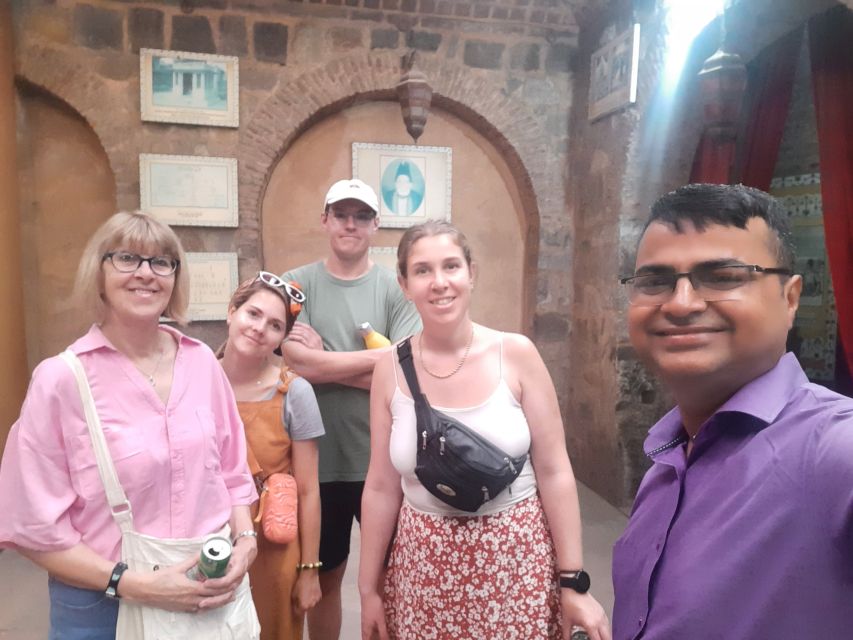
- Jama Masjid views: Begin beside Shah Jahan’s 400-year-old mosque, with an optional visit and views over the old city.
- Khari Baoli’s spice warehouses: See open sacks, wholesale trading, and rare Indian spices in Asia’s biggest spice market.
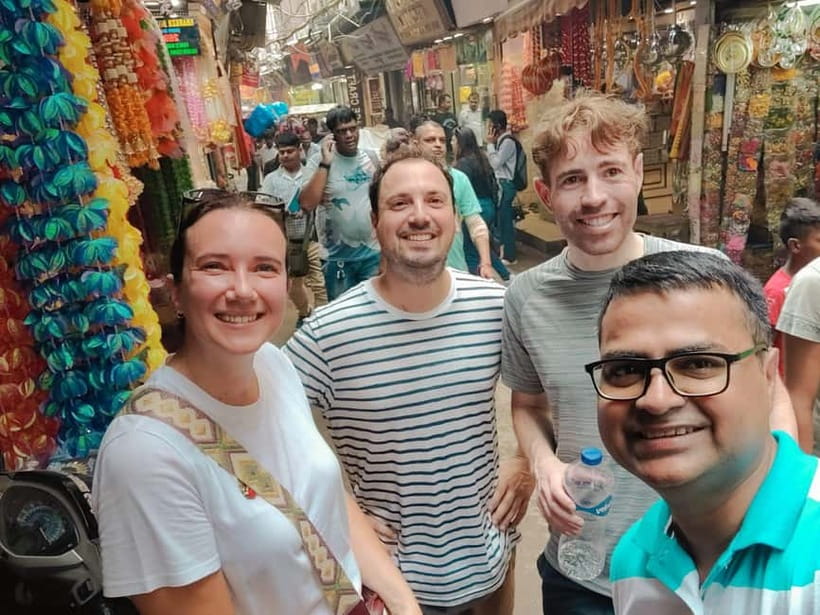
- Mughal-era market lanes: Walk through Chandni Chowk, Meena Bazaar, old havelis, textile shops, and jewellery quarters.
- A living goldsmith neighbourhood: Visit an old artisan area where goldsmith families have worked since the Mughal period.
- Small-group guidance: Groups are limited to seven, giving Jai Singh room to answer questions and adjust the pace.
- Useful local help: The experience includes one mineral water bottle, and the guide may help arrange a rickshaw, taxi, or Uber at the end.
Starting at Jama Masjid Metro Station
The meeting point is exit gate number 1 at Jama Masjid Metro Station. This is a sensible place to begin because you enter Old Delhi right beside one of its most important landmarks, but it can still take a little care to find your guide in the crush of traffic and pedestrians.
Give a WhatsApp number or local Indian number when booking. Jai uses direct messages to help people who end up a few metres from the meeting point, and this is especially useful if you arrive by Uber. The designated map pin is also provided with the booking details.
The walk is offered in English. Hotel pickup may be available from centrally located hotels, but the standard arrangement is to meet at the metro station. Large bags and luggage are not allowed, so carry only what you need for a few hours on foot.
The group limit of seven matters here. Old Delhi is not a place where you want to trail far behind a guide. A small group makes it easier to hear explanations, cross busy streets together, and stop inside narrow shops or courtyards without blocking the lane.
More Market Walking Tours in India
- Spice Knight (Cooking Class -> Meal -> Local Market walk)
★ 5.0 · 59 reviews - Private Heritage Walking Tour in Jaisalmer Fort and Old Bazaar
★ 5.0 · 306 reviews - Jaipur Bazaar & Food Walking Tour
★ 5.0 · 281 reviews
Jama Masjid and Shah Jahan’s Old City
The first major stop is Jama Masjid, built by Shah Jahan, the Mughal emperor also associated with the Taj Mahal. Broad stone steps lead up to the mosque, creating an immediate change from street-level noise to a wide architectural view of Old Delhi.
The scheduled guided visit lasts about 30 minutes. You can look across the old city from the mosque area and, depending on the visit arrangements, see the upper parts and minaret views described by some participants. The experience is not only about taking a photograph. Jai explains the building’s place in Delhi’s past and connects it to the streets you will walk through afterward.
Entering the mosque is optional. If you prefer not to pay the extra entrance charge of INR 450 per person, you can make a photo stop from outside and continue with the group. That choice keeps the tour affordable, though anyone eager to see the mosque’s interior should budget for the additional fee.
Dress and behaviour should be respectful at a religious site. The steps and footwear arrangements can also slow the group, so wear shoes that are easy to remove and put back on. The walk is not suitable for people with mobility impairments, and pregnant visitors may find the steps and crowded lanes uncomfortable.
Meena Bazaar: from imperial luxury to everyday shopping
From the mosque, the route enters Meena Bazaar. During the Mughal period, this market was linked with luxury goods and precious gems. Today, it serves a much broader public, with inexpensive items aimed at local shoppers.
That contrast is one of the useful lessons of the walk. Old Delhi is not a museum frozen in the Mughal age. Its old names, lanes, workshops, religious buildings, and trading habits have survived while the people and products have changed around them.
Expect budget clothing, household goods, accessories, and ordinary market trade rather than a carefully arranged souvenir street. The setting can feel hectic, but that is part of the point. You are seeing a market used by residents, not a stage set made for sightseeing.
This is a good section for questions. Ask Jai about prices, local shopping customs, or how the markets have changed. Several people found his explanations of social habits and local behaviour as useful as his dates and architecture.
Chandni Chowk’s lanes and old havelis
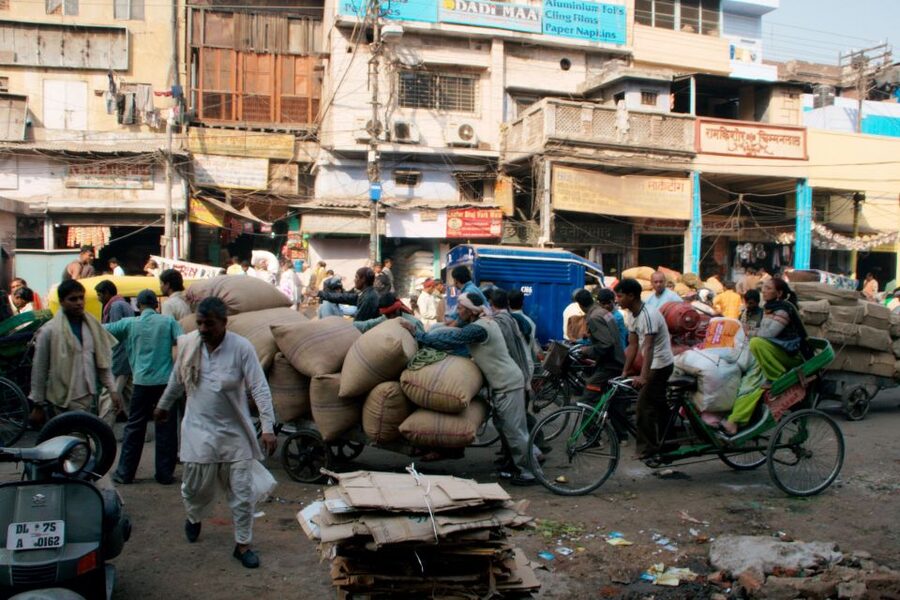
The walk then turns into the maze behind the main streets. Chandni Chowk is best understood on foot, where the narrow byways reveal old houses, workshops, religious spaces, food sellers, and family-run businesses that are easy to miss from a vehicle.
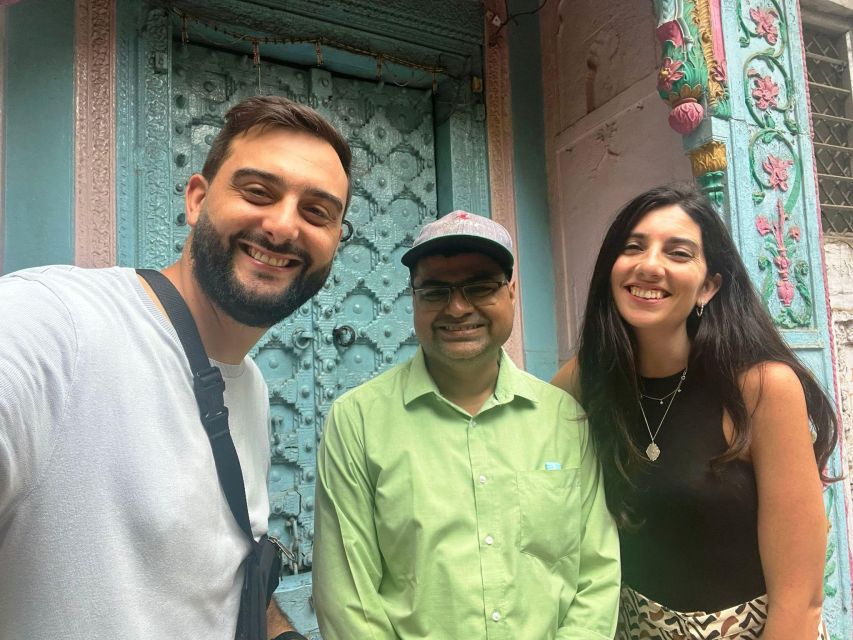
The route includes heritage homes known as havelis. These buildings reflect older domestic designs and give you a sense of how families once lived within the walled city. Some are worn, altered, or partly hidden behind newer shopfronts. That is precisely why a local guide helps. Without one, you might pass them as ordinary buildings.
The lanes also lead toward markets for ethnic clothing, wedding fabrics, jewellery, and textiles. One route variation has included a stop at an alley known for wedding cloth and a visit to a jewellery shop. Shopping is not the main purpose, but you can ask for help finding tea, spices, textiles, silverware, or other items if you have something specific in mind.
Be clear about your shopping intentions. The guide can help you understand local prices and direct you to suitable shops, but three hours passes quickly. If you stop at every stall, you may have less time for the spice market and historic quarters.
Jai Singh receives particularly strong praise for pacing. He has been described as calm, friendly, and willing to slow down for older relatives or answer a long run of questions. That is valuable in Old Delhi, where the group may need to pause often for traffic, steps, photos, or a particularly interesting shop.
More Market Walking Tours in New Delhi:
- Bangkok: City Highlights Temple and Market Walking Tour
★ 4.5 · 3,990 reviews - Tokyo Tsukiji Fish Market Food and Culture Walking Tour
★ 5.0 · 3,184 reviews - Marrakech: Ben Youssef, Secret Garden, & Souks Walking Tour
★ 4.6 · 2,802 reviews - Marrakech: Colorful Medina Souks Guided Walking Tour
★ 4.7 · 2,470 reviews
The goldsmith quarter and working neighbourhoods
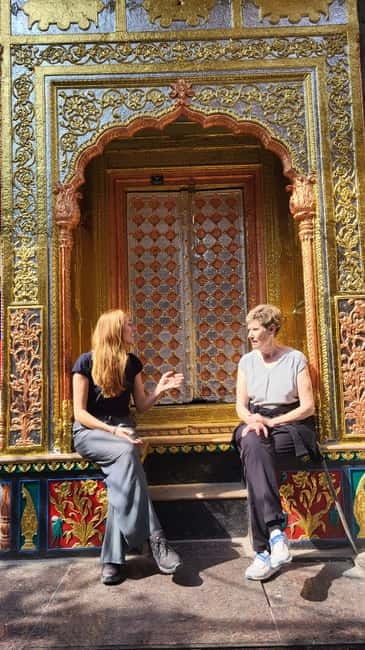
One of the more unusual elements is the visit to an old neighbourhood associated with goldsmith artisans. Families have lived and worked here since the Mughal era, giving the area a direct link between the city’s older craft economy and its present-day commercial life.
This stop adds substance to the tour. You are not just looking at goods in a bazaar. You are seeing the kind of specialist community that made Old Delhi a centre of trade and production. The experience may appeal especially to you if you prefer workshops, family businesses, and working streets to grand sights alone.
The exact time spent here can depend on the group’s interests and what is open. This is one of the places where a small group helps, since narrow lanes and active workshops do not suit a large procession.
Respect matters. Avoid treating artisans or residents as scenery, and follow the guide’s advice about photography. The value of this stop comes from observing a living neighbourhood with care.
Khari Baoli and the smell of the spice trade
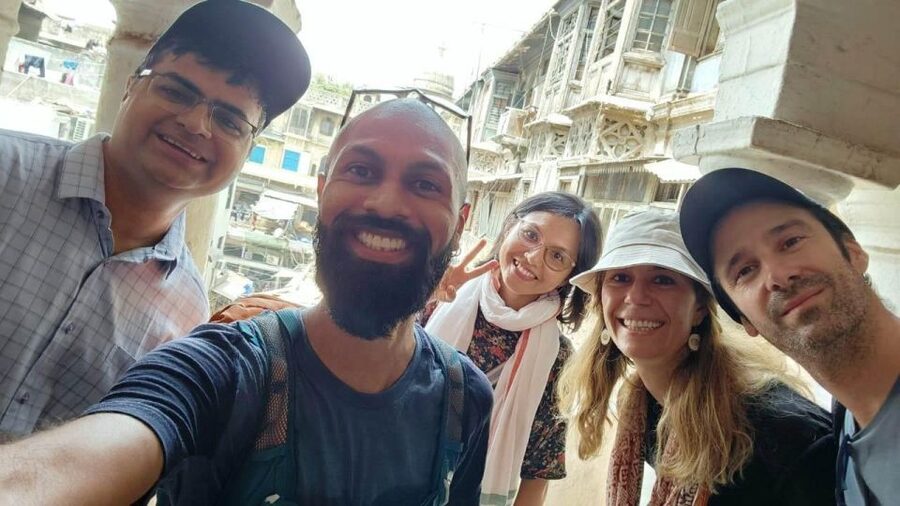
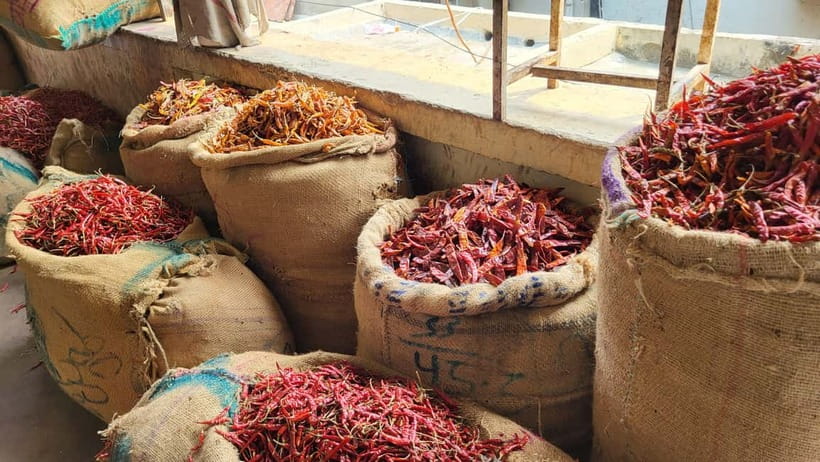
Khari Baoli is the tour’s main sensory event. It is described as Asia’s biggest spice market, and the route takes you into a large warehouse area where wholesale merchants handle major quantities of goods.
The first impression is likely to be scent. Large sacks are cut open for display, releasing the smell of spices into the air. You may see products in forms and quantities far removed from the neat jars sold in a supermarket. The guide explains familiar seasonings as well as less common Indian spices, their uses, and the way they enter everyday cooking.
You also visit an old spice depot or storehouse for a briefing. This is where the market becomes more than a colourful photo stop. Jai can explain how curry mixtures are composed, which spices are used for different dishes, and why spices that seem inexpensive in India can cost much more in other countries.
The market is a working wholesale centre, so expect dust, noise, narrow routes, and active loading or trading. You are not entering a quiet food museum. Stay close to the guide and keep phones and bags secure without bringing luggage.
Several routes have included masala chai, and some participants have tasted different varieties. Small food and drink stops may be offered when conditions allow, but they are not listed as formal inclusions. Food and drinks are otherwise not included, so bring some small cash if you want to buy tea or snacks.
Food, chai, and the useful extras
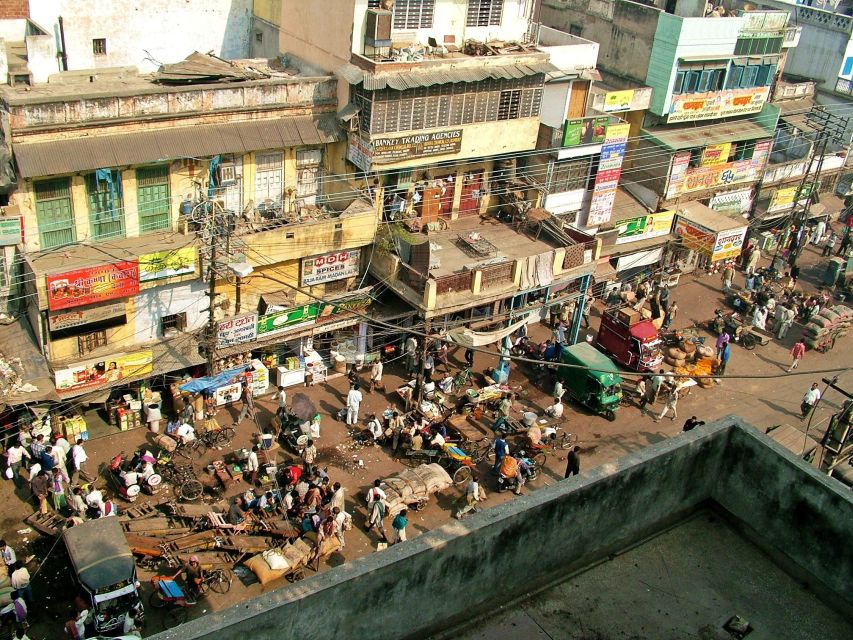
Although this is not sold as a food tour, the route may include local treats, samosas, masala chai, or another safe street-food stop. Jai has taken people to places for tea and snacks when they were hungry at the start, and he has sometimes helped them find tea and spices to take home.
Treat these stops as a bonus, not a promise. The main plan is the mosque, markets, lanes, artisan quarter, and spice depot. If you have allergies, dietary restrictions, or a sensitive stomach, explain them before accepting anything.
The included mineral water bottle is a small but practical touch. Three hours of walking through crowded lanes can leave you thirsty, especially in hot weather. You will still want comfortable shoes, sun protection, and a light bag that does not get in the way.
Some groups have also received a short rickshaw ride or help with local transport. These extras vary, so do not book the tour solely for them. The reliable value is the guided walk and the access to places you would be unlikely to find quickly on your own.
How much value do you get for $13?
At $13 per person, this is inexpensive for a three-hour English-language tour with a local guide and a maximum group size of seven. The strongest value is not the bottle of water or the basic sightseeing route. It is the time saved and the context provided in a neighbourhood that can be difficult to read on your own.
A first visit to Old Delhi can become a tiring sequence of wrong turns, traffic crossings, shop approaches, and uncertainty about where you can walk. A guide who knows the lanes can turn that confusion into a clear route. Jai’s help with transport, prices, shopping, and local customs adds practical value.
The extra mosque fee changes the final cost. If you enter Jama Masjid, add INR 450 per person. Food, drinks, tips, and hotel transport are also separate. Tips are not included, and a generous tip is appropriate if the guide spends extra time helping with taxis, shopping, or special requests.
One point to watch is duration. The advertised length is three hours, but some outings have lasted closer to four hours, particularly when the guide adds food, shopping, rickshaw rides, or extra sights. That can be a pleasant surprise if your schedule is open, but leave a buffer before your next appointment.
Who should book this walk?
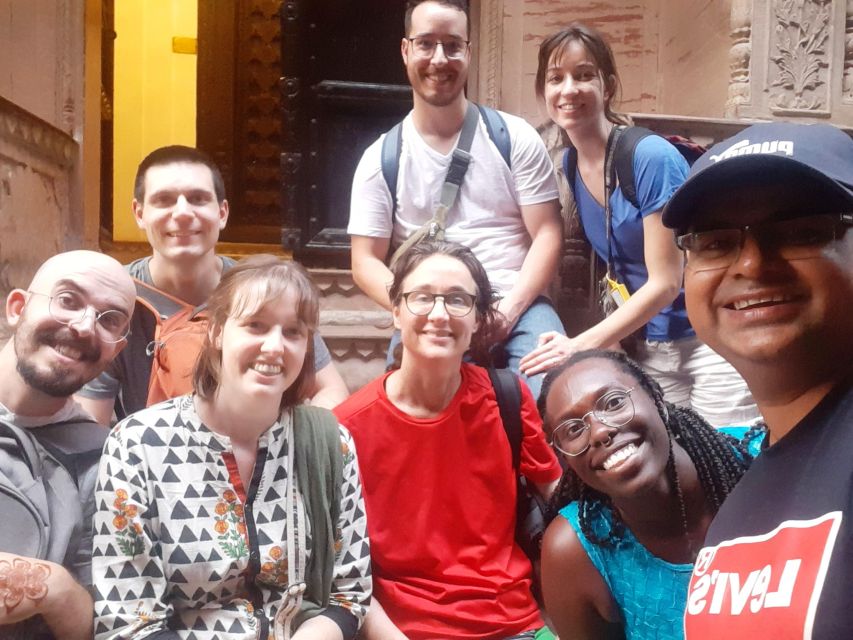
I would choose this experience if you want Old Delhi as a working city rather than a checklist of monuments. It suits solo visitors, couples, first-time Delhi visitors, and small groups who want a guide able to explain both Mughal-era buildings and present-day market life.
It is also a good fit for people interested in food culture, textiles, jewellery, craft work, or photography. Jai’s care with solo visitors and his willingness to help arrange a safe ride afterward are useful advantages, especially if you are unfamiliar with Delhi.
You should think twice if you dislike crowds, uneven streets, strong smells, or unplanned pauses. The route is not suitable for people with mobility impairments or pregnant women, and there is no room for large luggage. Anyone wanting a quiet, polished sightseeing experience should choose a different format.
Cancellation is free up to 24 hours before the start, and you can reserve now and pay later. Those flexible terms help if your Delhi plans are still shifting.
Final verdict: a strong first taste of Old Delhi
I recommend this tour for its route, price, and human scale. Jama Masjid gives you the grand opening, but the real reward comes afterward, in the havelis, artisan lanes, old bazaars, tea stops, and spice warehouses.
The guide is the key factor. Jai Singh is repeatedly praised for clear explanations, patience, safety-minded help, and genuine affection for Old Delhi. He has adjusted the pace for older people, stayed in contact with visitors who could not find the meeting point, and helped solo participants arrange onward transport.
Book it if you want a close look at the city’s markets and everyday communities, and if you can handle three to four hours on foot. Skip it if you need step-free access, a fixed finish time, or a quiet route. For most curious visitors, $13 is a modest price for a much more useful introduction to Old Delhi than a quick drive past its main sights.
FAQ
Where does the Old Delhi walking tour meet?
Meet the guide at exit gate number 1 of Jama Masjid Metro Station. If you arrive by Uber, use the provided Google Maps pin and share your WhatsApp or local Indian number so the guide can contact you.
How long does the tour last?
The planned duration is three hours. It can run longer if the group adds food, shopping, rickshaw rides, or extra stops.
Is entry to Jama Masjid included?
The mosque visit is optional. Entry costs INR 450 per person and is not included in the $13 tour price. You can instead stop outside for photographs.
What does the tour include?
The experience includes an English-speaking local guide and one mineral water bottle per person. Food, drinks, tips, and hotel pickup or drop-off are not included.
Is the tour suitable for people with mobility impairments?
No. The tour is not suitable for people with mobility impairments or pregnant women because it involves extended walking, steps, and crowded lanes.
Can I bring luggage?
No. Luggage and large bags are not allowed on the walk.
How many people are in each group?
The group is limited to seven participants. Hotel pickup may be available from centrally located hotels, depending on the selected option.
More History Tours in New Delhi
- Private Excursion to Floating Market and Ayutthaya World Heritage
★ 5.0 · 515 reviews - Palermo: Walking Tour of Historic Markets and Monuments
★ 4.9 · 478 reviews - Discover Palermo in 3 hours. Art, history, markets and street food
★ 5.0 · 352 reviews - 2 Hour Historic Market Food Tour and Hands-On Biscuit Class
★ 5.0 · 251 reviews
Just added around New Delhi
- Old Delhi: Khari Bawli – Asia’s Largest Spice Market★ 5.0 · 3 reviews
- Old Delhi Street Food and Spice Market Tour★ 5.0 · 12 reviews
- Old Delhi Temples and Spice Market Tour★ 5.0 · 5 reviews
- Delhi: Old Delhi’s Street Food, Temples & Spice Market Tour★ 5.0 · 30 reviews
- Delhi: Half-Day Old Delhi Private Guided Tour with Markets★ 5.0 · 2 reviews
- Delhi Markets: A Cultural Shopping Experience with an Expert★ 4.8 · 13 reviews
- Old Delhi Odyssey: A Tour of Religion, Spice Market, & Best Food★ 5.0 · 284 reviews
- Old Delhi & Spice Market Tour★ 5.0 · 98 reviews
Walking Tours, compared.

City Highlights Temple and Market Walking Tour
Read our review →
Tokyo Tsukiji Fish Market Food and Culture Walking Tour
Read our review →
Ben Youssef, Secret Garden, & Souks Walking Tour
Read our review →
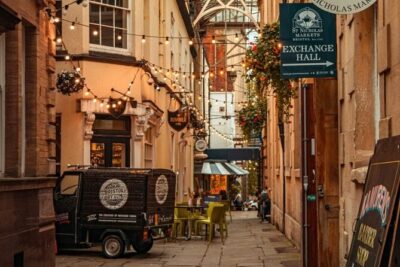
Air Raid Shelter + St. Nicholas Market Walking Tour
Read our review →

Nishiki Market Brunch Walking Tour (7 Tastings + Brunch)
Read our review →Tsukiji Fish Market Food and Culture Walking Tour
Read our review →Browse the lists this tour appears in