
Review · GHANA CENTRAL REGION, GHANA
Makola Market Walking Tour
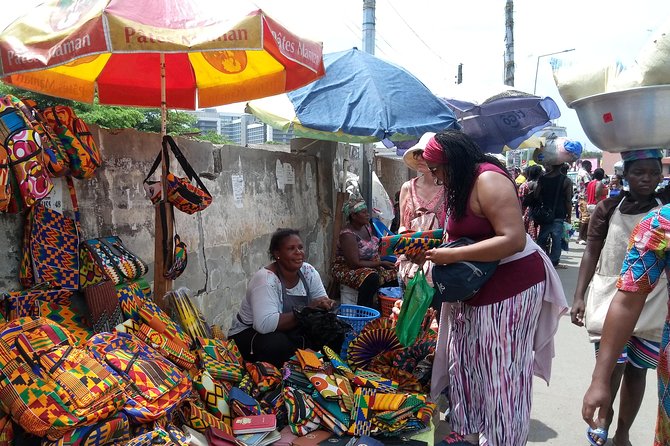
Makola is Accra at full volume. This walking tour takes you through food stalls, textiles, cosmetics, electronics, used clothing, and craft areas while a local guide helps you make sense of it all. I like the chance to see ordinary Ghanaian life up close, not a staged cultural show. I also like that the tour can adapt to what you want to find, from ingredients and fabrics to a replacement suitcase.
The strongest part is the guide. Ben helped visitors locate items, negotiate prices, and move through the market with confidence. Prince also earned praise for his broad knowledge of Accra and his thoughtful care. The main consideration is simple: Makola is crowded, noisy, and intense, so this is not a quiet sightseeing walk.
Key points at a glance
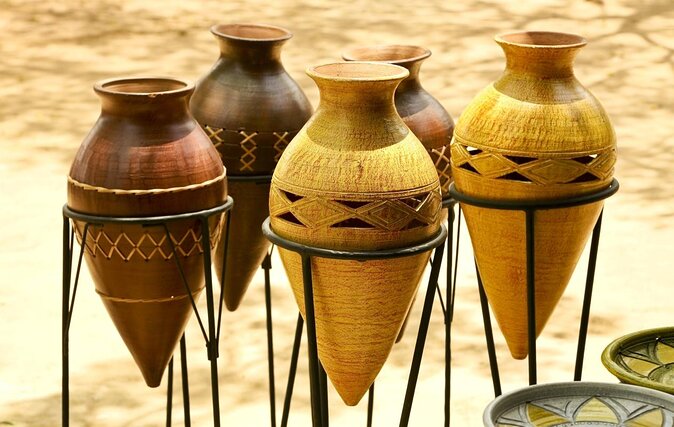
- A 2 to 3 hour walk through several market zones: Food, cosmetics, jewelry, textiles, medicines, groceries, electronics, clothing, and building supplies may all fit into the visit.
- A guide makes a real difference: Ben and Prince have been praised for navigation, local explanations, shopping help, and extra care.
- The food section gives you a look inside Ghanaian cooking: Expect palm oils, gari, spices, produce, fish, snails, and other local ingredients.
- Shopping help is part of the appeal: Your guide may help you find the right stall and negotiate a better price.
- The route can stretch beyond the central market: With enough time and energy, you may reach the Artisan and Timber Market, Agblobloshie, or the used clothing area.
- Private English-language touring: You receive water and local guiding in a private group, with pickup and return points based on the option you select.
Why Makola Market is worth your time

Makola Market is not simply a place to buy souvenirs. It is a working center of Accra, with different sections serving different needs. You may see food for household kitchens, fabric for clothing, medicines, building materials, secondhand shoes, and household goods all within the same broad market area.
That range gives the tour its value. You are not being led from one polished attraction to another. You are watching commerce happen in real time, with shoppers comparing goods, sellers arranging stock, and local products appearing in forms you may never see in a supermarket.
I especially like the way the tour begins with food. Food offers an easy way into Ghanaian culture because each ingredient has a practical role. Your guide can explain the red and white oils made from the palm tree, gari from cassava, local spices, fruits, and vegetables. The discussion is less abstract than a museum display. You see the ingredients, smell them, and understand how they fit into everyday cooking.
The setting can also be a lot to take in. Noise, movement, tight paths, and constant activity are part of the experience. If you prefer slow walks and quiet explanations, you may find the market tiring. If you want a direct look at Accra’s daily rhythm, that intensity is the point.
More Market Walking Tours in the world:
- Bangkok: City Highlights Temple and Market Walking Tour
★ 4.5 · 3,990 reviews - Tokyo Tsukiji Fish Market Food and Culture Walking Tour
★ 5.0 · 3,184 reviews - Marrakech: Ben Youssef, Secret Garden, & Souks Walking Tour
★ 4.6 · 2,802 reviews
Meeting your guide and getting oriented
The meeting or pickup point depends on the option you choose. Once you arrive, an English-speaking local guide takes charge and leads you into the market on foot. The private-group format is useful here because you can ask questions without trying to keep up with a large crowd.
A guide is more than a narrator in Makola. You need someone who can help you understand where one section ends and another begins. The market is made up of many areas, and the right route depends on what interests you and how much time and energy you have.
Ben received particularly warm praise for helping with purchases and finding a replacement for a broken suitcase, even though that took extra time. That detail tells you something useful about the tour’s character. The guide may be willing to solve practical problems, not just point at stalls and recite facts.
Prince was also praised for combining market guidance with wider information about Accra. One visitor paired this experience with an Accra Slave Tour and spent the day with him. Prince even went out of his way to drive past Jubilee House. That added assistance is not promised as part of this market walk, but it shows the kind of local support some guests have received.
The food market and Ghanaian kitchen
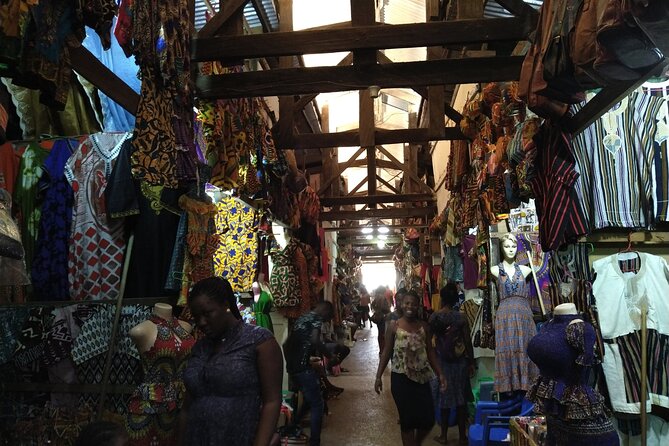
The food section is the best place to begin because it gives the market a clear human purpose. You get a look at what may appear in a Ghanaian kitchen, from basic staples to ingredients that might be unfamiliar to you.
The selection described for this part of the walk includes bush meat, fish, giant snails, edible cow hides, palm oils, gari, spices, fruits, and vegetables. Some of these sights may surprise you. The tour does not soften the reality of local food traditions, which is exactly why it can be so useful.
You should feel free to ask direct questions. What is an ingredient used for? How is it prepared? Is it bought for a home meal or a special occasion? The supplied tour details do not promise tastings, but one visitor enjoyed trying Agneli kaklo and tiger nuts during the market visit. Treat that as a possible extra rather than a guaranteed part of the schedule.
This section suits curious eaters and anyone interested in the practical side of culture. It may be less comfortable for people who are sensitive to seeing raw food or less familiar meats. Your guide’s role is important here, since clear explanations can turn an unfamiliar sight into a useful lesson.
Cosmetics, jewelry, textiles, and daily shopping
From food, the route continues into other market sections. You may see cosmetics, jewelry, textiles, groceries, pharmaceuticals, and electronics. Each area changes the feel of the walk and shows how much of daily life is handled through the market.
The textile section deserves your attention. Ghana is well known for colorful fabrics and clothing traditions, and a market visit gives you the chance to see materials as products people actually buy. You can ask your guide to help identify the right section if you have a particular fabric or item in mind.
The jewelry and cosmetics areas are good for browsing, but do not expect a neatly arranged department store. The appeal is the variety and human contact. You may need to compare goods, ask prices, and decide quickly if something catches your eye.
The pharmaceutical and electronics sections also underline how broad Makola is. This is not only a food market or craft market. You are seeing a major shopping center where useful, ordinary items sit beside clothing and locally made goods.
A private guide is especially handy if you know what you want. One practical tip from the experience is to decide in advance what you hope to buy. Tell your guide early. That person can direct you toward the right part of the market instead of spending much of your two hours wandering without a plan.
A few more market tours around the world worth a look
- Bangkok: Damnoen Saduak Market and Maeklong Railway Market
★ 4.5 · 26,723 reviews - The Old Siam: Damnoen Saduak and Maeklong Railway Market
★ 4.5 · 10,992 reviews - Dubai: Old Town, Creek, Museums, Souks, & Street Food Tour
★ 4.8 · 10,816 reviews - Bangkok: Train Market & Floating Market with Boat Ride
★ 4.7 · 9,547 reviews
The Artisan and Timber Market option
If you still have energy, the walk may continue toward the Artisan and Timber Market. This area is known for skilled makers and for materials connected with building. The tour description presents it as a place to find almost anything needed for construction.
That makes this section different from the food and clothing areas. You are seeing another side of the local economy, one based on tools, materials, and practical trade. It may appeal to anyone interested in craft, woodworking, construction, or the way a city supplies its own growth.
The extra route is not automatic. The experience lasts about two to three hours, and the wider market has enough ground to cover that you cannot assume every section will fit into one visit. Your guide can help you decide whether to spend more time shopping in the central sections or push farther out.
This is one reason the private format has an advantage. A fixed group might follow a set route, while a private visit can respond to your interests and energy. Still, do not treat the extended areas as guaranteed stops. Confirm your priorities at the start.
Agblobloshie and the used clothing line
The tour may also reach Agblobloshie, described as Ghana’s largest vegetable market. If fresh produce interests you, this can add another useful layer to the food story. You get to see how vegetables move through a major selling area rather than only viewing small retail stalls.
The used clothing section offers a very different experience. It is known locally as Broni wawu, translated in the tour details as the white man died, or as a bend-down boutique. The name reflects the way imported secondhand clothing is sold, with shoppers searching through piles and racks for useful finds.
You might find anything from underwear and shirts to shoes. That range makes the section memorable, but it may feel untidy compared with conventional shopping. If you enjoy finding unusual bargains, it could be a highlight. If you want a calm, polished retail experience, it probably will not be your favorite stop.
Again, time matters. The market is large, and the walking tour has a two to three hour limit. Tell your guide if Agblobloshie or used clothing matters more to you than cosmetics, electronics, or jewelry.
Shopping, bargaining, and what to bring
You do not have to shop, but buying something can make the visit more interactive. Your guide may help you locate a product and negotiate if a seller quotes an inflated price. That assistance was praised by several people, including Ben’s help with purchases and a suitcase replacement.
It is wise to set a rough budget before you begin. A market with many sections can encourage impulse buying, especially when you are moving from fabric to food to jewelry in a short time. You can ask your guide which areas are best for the items you want, then compare before committing.
Water is included, which matters on a walking tour in a busy market. Wear shoes you can walk in and bring patience. The tour is only two to three hours, but the amount of visual and audio information can make it feel full.
Your guide may help with prices, but the final decision is yours. You should inspect anything you buy and make sure you understand the cost before paying. The tour offers shopping assistance, not a guarantee that every price will be the lowest available.
Price, timing, and overall value
At $58 per person, this is not the cheapest way to enter a market. The price makes more sense if you value a private guide, local explanations, help with navigation, and practical shopping support.
Going alone might cost less, but you would lose the person who can direct you to the right section, explain unfamiliar ingredients, and help with bargaining. You may also spend valuable time trying to find your way through a market that covers many types of trade.
The tour lasts two to three hours, so you are paying for a focused introduction rather than a full-day market expedition. That is a reasonable length for people who want a strong first look without spending an entire day on foot.
The private format also improves the value for families, couples, or small groups with shared interests. If you are traveling alone and mainly want a quick look, the price may feel high. If you want context and personal help, it is easier to justify.
Free cancellation up to 24 hours before the start and the option to reserve now and pay later add flexibility. Starting times depend on availability, and the return points are listed around Accra Metropolis and the Accra Metropolitan Assembly.
Who should book this market walk
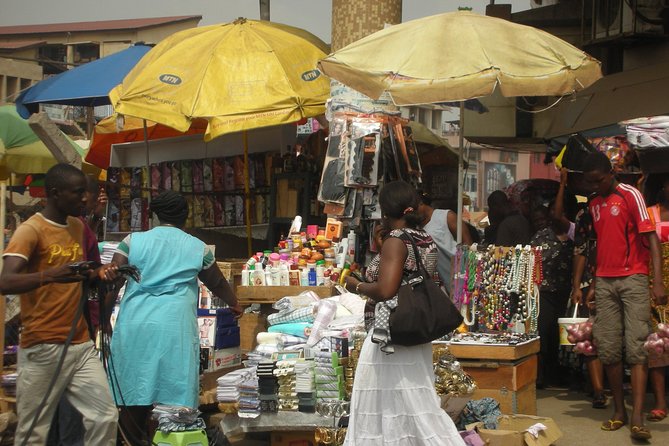
I would recommend it to first-time visitors to Accra who want a direct introduction to local shopping and food culture. It also suits photographers, curious cooks, fabric shoppers, and anyone who prefers everyday places to formal attractions.
It is a good choice if you want help speaking with vendors or need to find a particular item. The guide’s role is especially valuable if you are unsure how to move through the market or how to approach prices.
I would be more cautious about booking it for very young children, anyone who dislikes crowds, or anyone who needs a quiet and predictable route. The market can be physically and mentally demanding, and the experience is shaped by real trading activity rather than a carefully controlled visitor path.
My verdict on the Makola Market Walking Tour
Book this tour if you want Accra in working clothes, not a polished display. The food stalls, textiles, used clothing, craft areas, and shopping lanes give you a broad look at Ghanaian city life in a short time.
The biggest reason to book is the guide. Ben and Prince are specifically praised for care, local detail, navigation, shopping help, and flexibility. Just set your priorities before you arrive, accept that the market can be noisy and crowded, and leave room for the unexpected.
At $58, the tour is best for people who want assistance and context rather than simply a walk through stalls. If that sounds like you, Makola is a strong choice for an authentic Accra experience.
FAQ
Where does the Makola Market Walking Tour take place?
The experience takes place at Makola Market in Ghana’s Central Region, with the tour connected to Accra. The exact pickup point depends on the option selected.
How long does the tour last?
The tour lasts approximately two to three hours. The guided visit inside Makola Market is listed as about two hours, with extra time possible depending on the route.
What language is the tour conducted in?
The live tour guide provides the experience in English.
Is the tour private?
Yes. The activity is offered as a private group experience.
What is included in the price?
Water and guiding services from a local expert are included.
Can I shop during the tour?
Yes. Shopping is part of the market visit, and you can explore areas selling food, textiles, jewelry, cosmetics, groceries, electronics, clothing, and other goods.
Can the guide help with prices?
The guide may help you negotiate prices. Ben was specifically praised for helping people find items and obtain better prices.
Can I visit the Artisan and Timber Market, Agblobloshie, and the used clothing area?
These areas may be visited if you have enough time and energy. They are possible extensions of the market walk, not guaranteed stops for every tour.
Just added around the world
- Half-day Dandan Noodles Cooking Class with a Local Market Visit★ 5.0 · 8 reviews
- Three-Hour Private Chengdu Tea Wholesale Market Tour★ 5.0 · 4 reviews
- 3-Hour Herbal Wholesale TCM Market and a Local Wet Market Tour★ 5.0 · 4 reviews
- Moroccan Cooking Class with a Local Family & Market Visit★ 5.0 · 16 reviews
- Chania Old Town, Public Market and Chrisopigi Monastery Tour★ 4.5 · 6 reviews
- Chania: Old Town, Public Market, Hill of Prophet Elias, Agia Triada★ 5.0 · 35 reviews
- Charleston International Sweet Treats & Historic City Market Tour★ 5.0 · 22 reviews
- Cesarine: Market Tour & Home Cooking Class in Catania★ 4.0 · 6 reviews
Walking Tours, compared.

City Highlights Temple and Market Walking Tour
Read our review →
Tokyo Tsukiji Fish Market Food and Culture Walking Tour
Read our review →
Ben Youssef, Secret Garden, & Souks Walking Tour
Read our review →
Air Raid Shelter + St. Nicholas Market Walking Tour
Read our review →
Nishiki Market Brunch Walking Tour (7 Tastings + Brunch)
Read our review →Tsukiji Fish Market Food and Culture Walking Tour
Read our review →Browse the lists this tour appears in