
Review · ITALY
From market to Table Cooking lesson with a local in Sicily
The best Sicilian souvenir is a recipe. This four-hour experience takes you from the Ortigia market to a local family’s country home, where Letizia and her family teach you how to turn fresh ingredients into a proper Sicilian meal. I like the market visit because it gives the food a story, and I like the small group size, capped at seven people. The main thing to consider is the price: at $163.88 per person, this is not a cheap cooking class.
The day also includes a meal, wine, local cheeses, garden herbs, and hands-on work with dishes such as fresh pasta, caponata, bruschetta, and seafood. That makes the cost easier to justify if you want more than a demonstration. Just remember that the meeting point is the Temple of Apollo at 10:30 a.m., not your hotel.
Key points to know before booking
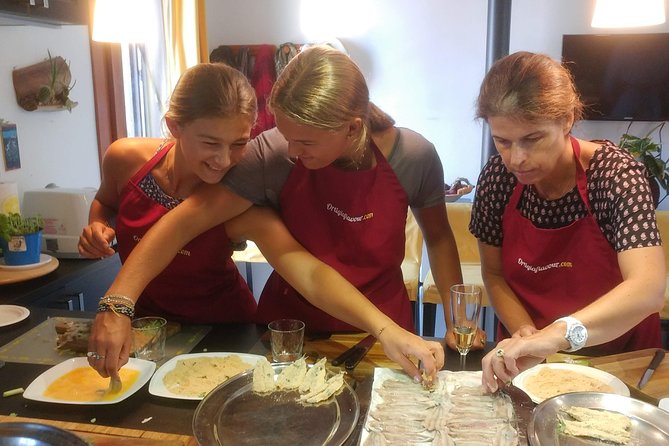
- Start at the Temple of Apollo: Meet at 10:30 a.m. in front of this ancient landmark in Syracuse.
- Shop before you cook: You visit the Ortigia market to choose seasonal vegetables, fish, and other ingredients for lunch.
- Cook in a family home: The class moves to a country house, where you prepare and eat the meal together.
- Expect a full Sicilian spread: Past menus have included fresh pasta, caponata, bruschetta, calamari, stuffed mussels, and homemade gelato.
- Small groups matter: The maximum is seven people, which gives you a better chance to chop, mix, shape, and ask questions.
- Plan ahead: The experience is often booked about 61 days in advance, so last-minute availability may be limited.
Why this market-to-table class feels different
Many cooking classes begin with ingredients already measured and waiting on a counter. This one begins with a market visit. That small change gives the day a stronger sense of place because you see the produce, fish, cheeses, olives, and nuts before they reach the plate.
You are not simply told that Sicilian cooking depends on fresh ingredients. You get to help choose them. The market also offers a useful introduction to Sicily’s layered food culture. Greek, Arab, Spanish, and other influences have shaped the island’s cooking over centuries, and the market is a natural place to see those connections in everyday form.
I especially like this approach for first-time visitors to Syracuse. The lesson links three parts of local life: the old city, the food market, and the family kitchen. You leave with more than a meal. You understand why a Sicilian dish might combine seafood, vegetables, herbs, pasta, citrus, pistachios, or olives in ways that seem surprising at first.
The class is offered in English, which makes the instructions practical for most international visitors. You can ask about ingredients as you shop, then see how those ingredients are prepared a short time later. That connection is the heart of the experience.
More Cooking Classes in Italy
- Cooking Class and Lunch at a Tuscan Farmhouse with Local Market Tour from Florence
★ 5.0 · 4,831 reviews - Small Group Cooking Class & Market Food Tour in Florence
★ 5.0 · 1,574 reviews - Seaview Cooking Class & Taormina local flavors with Chef Mimmo
★ 5.0 · 665 reviews
Meeting at the Temple of Apollo in Syracuse
Your day begins at 10:30 a.m. in front of the Temple of Apollo, at the Apollonion in Syracuse. This is a useful meeting point in Ortigia, especially if you are already exploring the old city on foot.
The temple gives you an easy landmark to identify, but do not treat the start time casually. The experience includes a market visit and then a trip to the family home, so arriving late could affect the whole group. Pickup is offered as a feature, but the stated meeting instructions ask you to meet at the temple. Confirm the exact arrangement when you book if you are hoping to be collected elsewhere.
The activity returns to the meeting point at the end. That makes it fairly easy to fit into a day of sightseeing in Syracuse, although you should allow the full four hours rather than assuming you will be free immediately after lunch.
The Temple of Apollo is also a pleasant place to begin because it puts you in the setting before the food starts. You are not being whisked straight from a hotel into a kitchen. You begin among the ancient remains of Ortigia, then move into the modern daily life of the city.
Reading the Ortigia market like a cook
The market stop is more than a shopping errand. Letizia or another member of the hosting family helps you identify seasonal ingredients and explains how local vendors and products fit into Sicilian cooking.
You might examine vegetables, herbs, fish, cheeses, olives, and pistachios, depending on the day’s menu. The exact dishes can change because the class is built around what is fresh and available. That is a strength, not a weakness. Sicilian cooking makes the most sense when the market shapes the meal.
A key benefit is learning what to look for. You are shown how to recognize good seasonal produce and how local ingredients can guide a recipe. This is practical knowledge you can use at home, even if you never manage to recreate the entire lunch.
The market also adds a social element. You are walking, looking, asking questions, and making choices as a small group. If you prefer cooking classes with a fixed menu and a polished studio, this may feel less predictable. If you want to understand how a local meal begins, the market is the most valuable part of the morning.
You should also expect the shopping portion to involve conversation and explanation rather than a formal lecture. The strongest moments come from seeing a product, hearing how it is used, and then tasting it later at the house.
From shopping bags to the country house
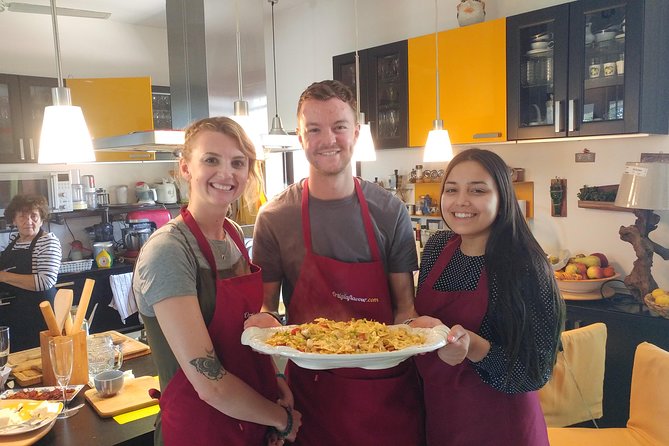
After the market, you go to the family’s country home. The exact transport arrangement is not detailed, but past experiences describe being taken or driven to the house. Since the home is outside the market setting, ask about the transfer if you need precise pickup information.
The change of setting is important. In Ortigia, you are surrounded by public streets and market stalls. At the house, the meal becomes personal. You may pick fresh herbs and vegetables from the garden, then carry them inside to use in the cooking.
That garden connection gives the class a pleasant rhythm. You see ingredients at the market, then encounter some of them growing at home. It also helps explain why Sicilian food can taste so direct. Fresh herbs and vegetables do not need complicated treatment when they are used soon after picking.
The family welcome is another major part of the day. The meal is prepared and eaten together, rather than served as a finished restaurant course. At the beginning, you might be offered local cheeses, including some made by the host’s father, along with pistachios, olives, and Prosecco.
These small tastings make the meal feel generous. They also give you a chance to try local flavors before you begin cooking. Do not expect a spare, strictly timed lesson. The day includes food, conversation, and hospitality at several stages.
Same place, a different set of stalls:
- Rome: Colosseum, Roman Forum & Trajan’s Market Exterior Tour
★ 4.3 · 2,038 reviews - Taste of Testaccio: Special 15 Year Anniversary Edition
★ 5.0 · 1,658 reviews - Bologna Food & Market Tour with 6 Tastings, Pasta, Wines & More
★ 5.0 · 1,328 reviews - Venice Street Food Tour with Local Guide with Local Food Market Visit
★ 5.0 · 822 reviews
What you may cook during the lesson
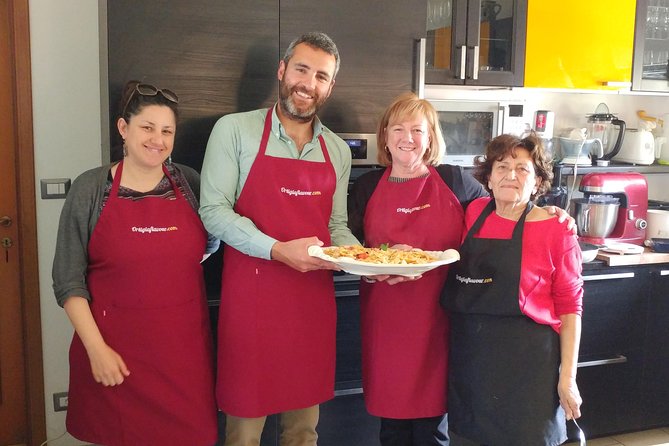
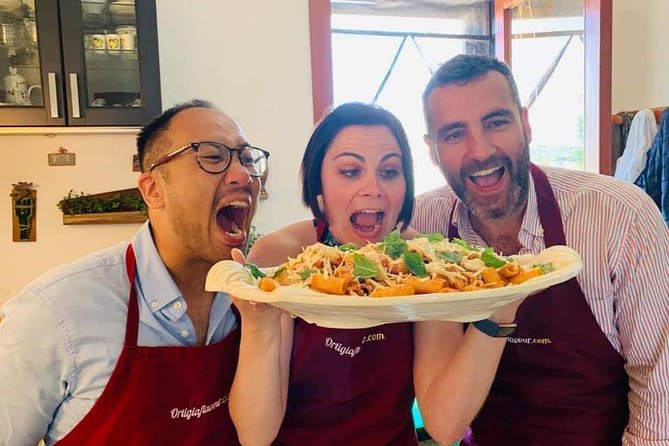
The exact menu depends on the ingredients purchased at the market, but the dishes described from this experience give you a good idea of the range. Fresh pasta is one of the recurring highlights. You take part in preparing it rather than simply watching someone make it.
Other reported dishes include bruschetta, caponata, calamari, and stuffed mussels. That is a broad menu, with vegetables, seafood, bread, and pasta all sharing the table. You may also prepare other dishes chosen by the host according to the season.
Caponata is especially useful as a lesson because it shows how Sicilian cooking balances vegetables, acidity, sweetness, and savory flavors. It is the sort of dish that looks simple but benefits from careful handling of each ingredient. Fresh pasta teaches a different skill, with more attention to texture and shaping.
The seafood dishes make the market visit feel worthwhile. You can see the ingredients before they are cooked, then understand how they fit into the meal. For anyone interested in Sicilian coastal food, calamari and mussels add a clear local character.
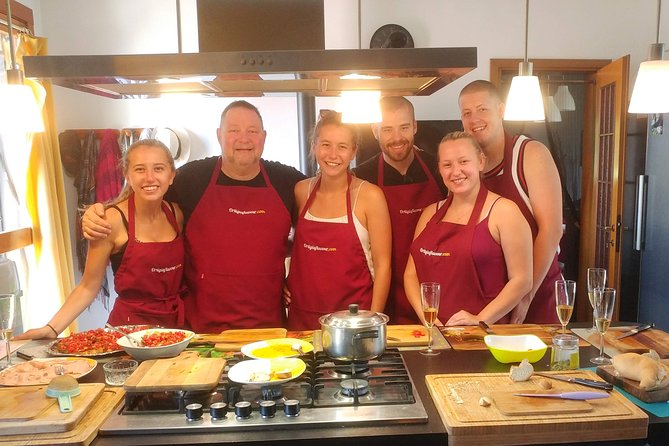
The class is hands-on, with everyone given a role. You might slice, dice, mix, shape pasta, prepare seafood, or help with other kitchen tasks. The small maximum of seven people makes this format more workable than a large demonstration class. Still, individual participation can vary, so tell the host if you particularly want to work with pasta, seafood, or vegetables.
Lunch is part of the experience, not an extra
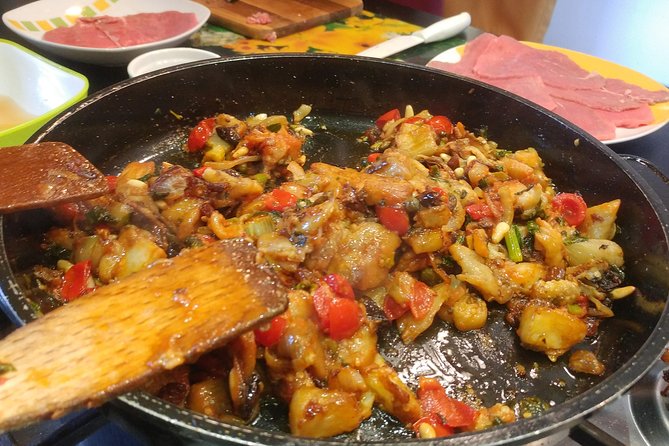
Once the dishes are ready, everyone sits down to eat together. This is where the four-hour format earns its keep. You are not rushing out after learning one recipe. You cook several components, then enjoy the result as a shared lunch.
Wine is included in the meal, and the food may be followed by homemade strawberry gelato. The combination of a prepared meal, local tastings, wine, and dessert helps explain the relatively high cost.
I would not book this solely to save money on lunch. You can eat in Syracuse for less than $163.88. You are paying for the market walk, the instruction, the ingredients, the transport to the home, the family setting, and the time spent preparing the meal.
The value is strongest if you enjoy food as a way to understand a place. It is also good value for people who want a social activity that combines sightseeing with cooking. If you only want a quick class and a recipe card, the price may feel steep.
The meal itself has a relaxed, communal quality. You are eating the food you helped make, with the people who taught you. That makes the flavors easier to remember and gives the day a natural ending.
The hosts and the feel of a small group
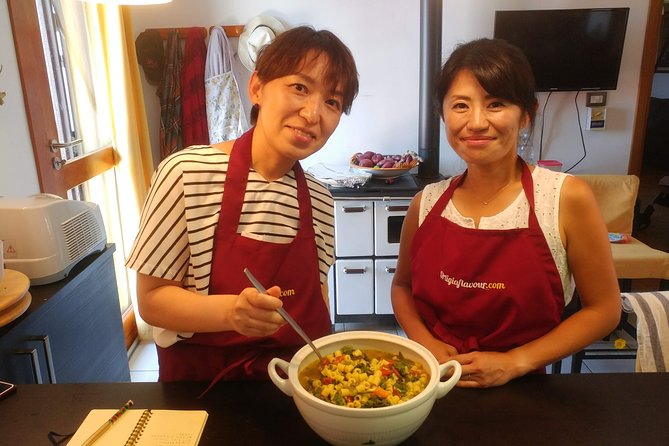
The experience is associated with Letizia and her family, while some sessions have been led by Giuseppe. That suggests the host may vary, but the family-home format remains central. The hosts described in the experience are involved in the market, cooking, and shared meal rather than handing the class over to a separate instructor.
A maximum of seven people is a real advantage. In a large class, you may spend much of the time watching someone else knead dough or clean seafood. Here, you have a better chance to take part directly and ask about the dishes as they are prepared.
The group size also affects the mood. A small table can feel friendly and conversational, while a larger group may suit people who prefer to keep to themselves. You should be comfortable sharing a meal and kitchen tasks with people you have just met.
This experience suits couples, families with older children, and solo visitors who enjoy meeting people through food. It may be less suitable if you dislike seafood, do not drink wine, or prefer a tightly structured cooking school. The available information does not describe dietary substitutions, so ask about restrictions before paying.
Timing, booking, and practical value
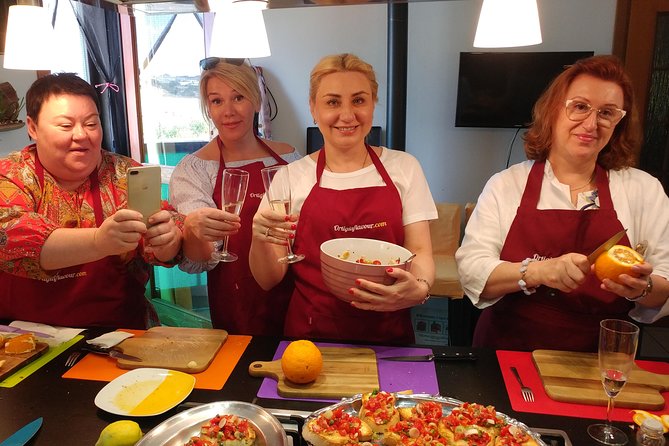
The class lasts about four hours and begins at 10:30 a.m. That places the end around early afternoon, though the exact finishing time can vary because you are shopping, cooking, and eating rather than moving through a fixed timetable.
The experience is often reserved about 61 days ahead. I would book early if your Syracuse dates are fixed, especially because the group maximum is seven. A small class can fill faster than a large city tour.
Confirmation is normally sent when you book. If you reserve within three hours of the start, confirmation is subject to availability and may arrive later. That makes a last-minute booking less certain.
The mobile ticket is convenient, and service animals are allowed. The activity ends back at the meeting point. Free cancellation is available if you cancel at least 24 hours before the local start time. Cancellations or changes inside that window are not refunded, and the experience may be canceled if its minimum number is not reached, with a different date, another experience, or a full refund offered.
These rules are standard enough, but the minimum-group condition is worth noticing if this class is the centerpiece of your day. Keep a little flexibility in your Syracuse plans.
Who should book this Sicilian cooking class?
I would choose this experience if you want to connect the food on your plate with the people and places behind it. The market, garden, kitchen, and dining table create a full story in four hours.
It is particularly well suited to you if:
- You enjoy hands-on cooking rather than watching a chef work.
- You want a small group with a maximum of seven people.
- You like seafood, fresh pasta, vegetables, local cheeses, olives, and wine.
- You want to learn about Sicilian food through family traditions.
- You appreciate a meal that changes with the season.
- You are staying in Syracuse or Ortigia and can reach the Temple of Apollo by 10:30 a.m.
I would think twice if you are looking for a low-cost meal, have strict dietary needs that have not been confirmed, or dislike shared cooking and dining. The class is also not ideal if you want every minute planned around a fixed list of recipes.
Should you book the Ortigia market-to-table experience?
Book it if food is one of your main reasons for coming to Sicily. The combination of market shopping, garden ingredients, family instruction, fresh pasta, seafood, wine, and dessert gives you a fuller experience than a standard kitchen demonstration.
At $163.88, it is a splurge. But the price covers a half-day activity, a substantial meal, ingredients, tastings, and personal instruction in a group of no more than seven. For a special day in Syracuse, that is a fair value if you will take part fully.
My practical advice is to reserve well ahead, meet at the Temple of Apollo on time, and ask in advance about pickup and dietary requirements. If you want to taste Sicily through its daily food traditions rather than only through restaurants, this is a strong choice.
FAQ
Where does the experience begin?
It begins in front of the Temple of Apollo, also called the Apollonion, in Syracuse.
What time should I arrive?
The stated start time is 10:30 a.m. You should be at the Temple of Apollo before then so the market visit can begin on schedule.
How long does the experience last?
The activity lasts approximately four hours.
Where does the activity end?
It ends back at the original meeting point at the Temple of Apollo.
Is pickup available?
Pickup is offered as a feature, but the meeting instructions specify meeting in front of the Temple of Apollo. Confirm the pickup arrangement when booking.
Is the experience offered in English?
Yes. The experience is offered in English.
How many people can join the class?
The maximum group size is seven people.
What food might be prepared?
The cooking may include fresh pasta, bruschetta, caponata, calamari, and stuffed mussels. The menu is based on seasonal ingredients purchased at the market.
Can I cancel for a full refund?
Yes, if you cancel at least 24 hours before the local start time. Cancellations or changes made less than 24 hours before the start are not refunded.
Just added around Italy
- Cesarine: Market Tour & Home Cooking Class in Catania★ 4.0 · 6 reviews
- Small Group Market tour and Dining Experience at a Cesarina’s home in Brindisi★ 4.5 · 6 reviews
- Small Group Market tour and Cooking class in Brindisi★ 4.5 · 8 reviews
- Cesarine: Market Tour & Cooking Class at Local’s Home in Bologna★ 5.0 · 19 reviews
- Private Market Tour and Cooking Class in Bologna with Giovanna C★ 5.0 · 20 reviews
- One day tour Christmas markets Innsbruck – Bressanone – Vipiteno★ 4.5 · 11 reviews
- Food markets tour with a local!★ 4.5 · 39 reviews
- Cesarine: Market Tour & Home Cooking Class in Bari★ 5.0 · 5 reviews
Cooking Classes, compared.
Hanoi Cooking Class: Culture, Local Market & Meaning CSR Impact
Read our review →
5 Traditional Dishes Hanoi Cooking Class with Market Trip
Read our review →
Cooking Class and Lunch at a Tuscan Farmhouse with Local Market Tour from Florence
Read our review →
Cooking Class, Market & Thai Herbs Garden Tour
Read our review →
Authentic Cooking Class with Market & Farm Visit
Read our review →
Paella Cooking Experience & Boqueria Market Tour
Read our review →
Cooking Class Hoi An:Local Market, Basket Boat, Fishing & Cooking
Read our review →
Hoi An Cooking Class(Market,BasketBoat Crabfishing&Cooking Class)
Read our review →Browse the lists this tour appears in