
Review · ETHIOPIA
Ethiopian Culinary Tour – Market, Coffee Ceremony and More
Come hungry, leave with new food skills. This six-hour Addis Ababa tour connects everyday Ethiopian food with the people and places behind it. I especially like the chance to bake your own injera and take part in a proper coffee ceremony, rather than simply watching someone else prepare everything. The visit to Merkato adds a useful local angle, with spice sellers, coffee, and bargaining in Africa’s largest open-air market.
The main consideration is pace. You cover several parts of the city in one day, so some stops are introductions rather than long visits. Merkato can feel intense, and the coffee ceremony and lunch both reward patience, not rushing. At $85 per person, the value is strongest if you want food, transport, city sightseeing, and a guide bundled together.
Key points at a glance
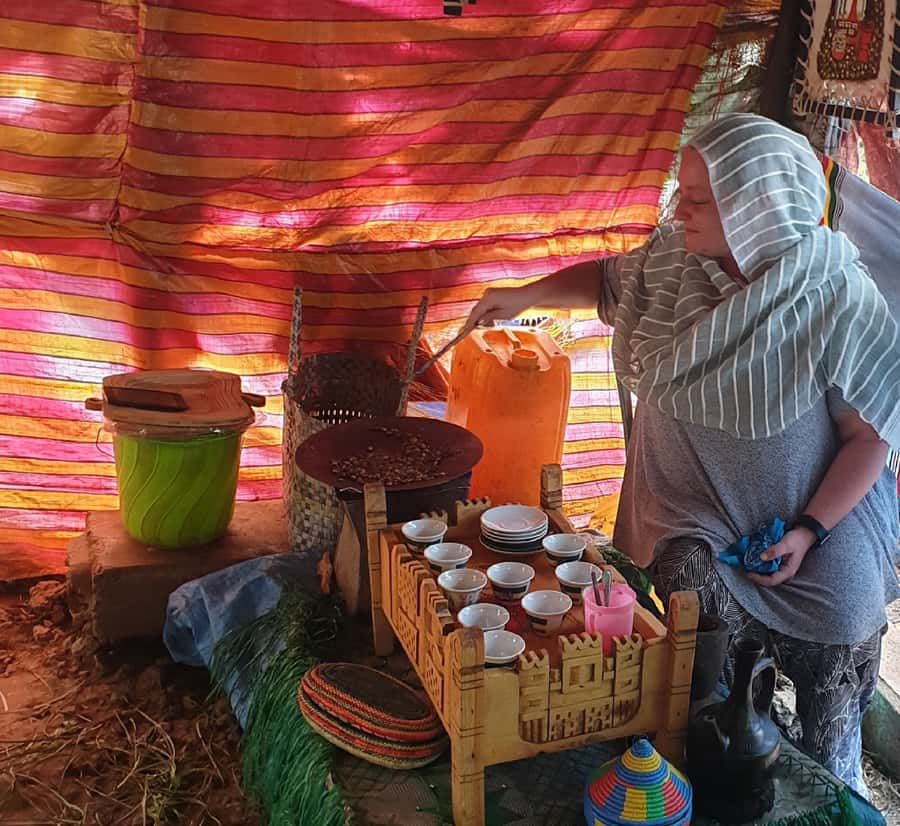
- Coffee has two chapters: Try Italian-style macchiato at Tomoca, then learn the slower Ethiopian coffee ceremony and roast beans yourself.
- Merkato puts spices in context: You see where many of the ingredients used in Ethiopian cooking are sold, with time to test your bargaining skills.
- You make injera, not just eat it: The hands-on bread lesson gives you a better sense of why this sour, spongy flatbread matters at the table.
- Tej adds a local drink stop: A honey-wine bar introduces you to Ethiopia’s traditional fermented honey drink.
- Lunch is practical and generous: A buffet at Ethiopia’s first hotel lets you sample several familiar dishes in one sitting.
- The guide matters: Guides including Desale, Seid, Zerefa, and others have been praised for city history, food knowledge, and an easygoing manner.
Why this six-hour food tour works
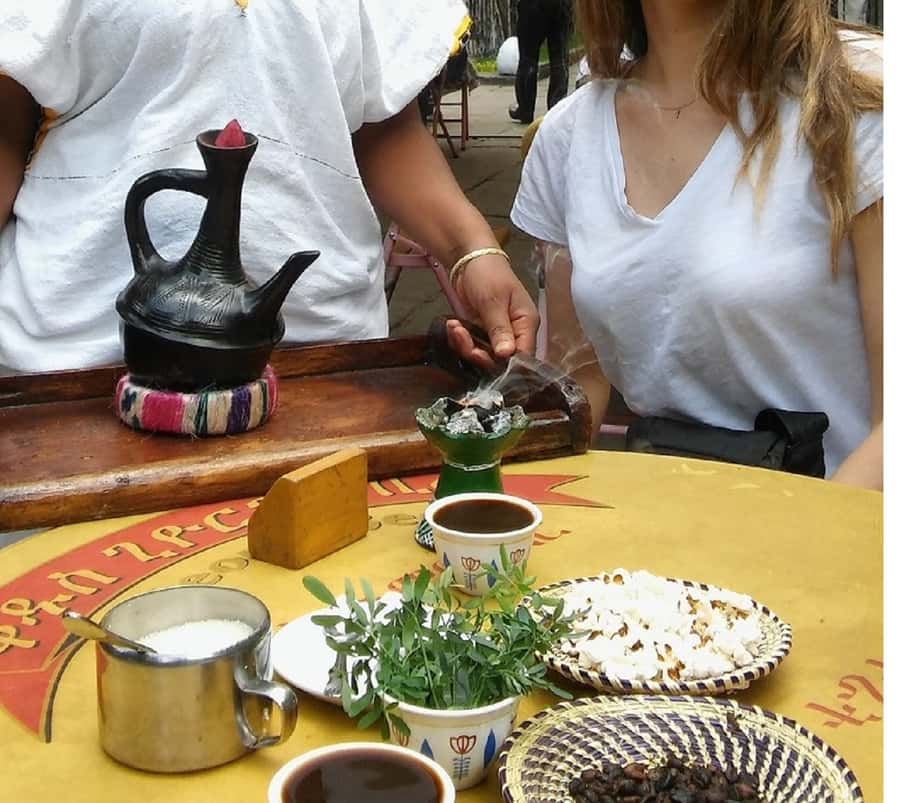
This is not a cooking class in isolation. It is a moving introduction to Addis Ababa, with food as the thread tying the day together. You go from coffee shops to a market, from a cooking lesson to a traditional drink, and then sit down for a full Ethiopian meal.
I like that the day includes both polished and ordinary settings. Tomoca gives you a taste of café culture and Italian influence. Merkato puts you among spice dealers and local commerce. The coffee ceremony brings you into a home-style tradition, while the lunch fills in the dishes you may have heard about but not yet tried.
The tour includes pickup and drop-off anywhere in Addis Ababa, including hotels, private homes, and the airport. A car, driver, fuel, and English-speaking guide are included. That matters in Addis, where fitting several stops into six hours is much easier with someone handling the driving and route.
The price is $85 per person. I would call that fair rather than cheap. You are paying for private transport, a guide, the food activities, lunch, hot drinks, and the convenience of a planned day. If you only want to visit one market or take a coffee stop, you can spend less on your own. If you want a food-centered city orientation without arranging several separate outings, the package makes better sense.
More Coffee and Tea Market Tours in the world:
- Active Volcano, Rice Field, Hot Spring, Fruit market, Tea Plantation with Lunch
★ 5.0 · 513 reviews - Da Nang Cooking Class with Coffee Tasting and Market Visit
★ 5.0 · 310 reviews - Kyoto: Nishiki Market Tea Ceremony with Koto Performance
★ 4.8 · 294 reviews
Tomoca Coffee and Ethiopia’s Arabica beans
The coffee portion begins with Tomoca Coffee, where you can try an Italian-style coffee or macchiato made with Ethiopian Arabica beans. This is a useful opening because Ethiopia’s coffee culture has more than one face. You get the quick café version first, then later see the slower ceremonial form.
The Tomoca stop is best for a short, focused tasting. Do not expect it to replace the full coffee ceremony. Its value is the contrast: a brisk espresso-style drink in a café, followed by a traditional preparation that takes its time.
Coffee is central to the day, and several people have particularly enjoyed the chance to roast their own beans during the ceremony. That small task gives you a physical link to the drink. You are not simply handed a cup and told that coffee matters. You see part of the process and take part in it.
One practical tip: save room for the later cups. Coffee is served as part of the ceremony, and you also have hot drinks with lunch. If caffeine affects you strongly, ask your guide how much you will be tasting at each stop.
Merkato’s spice stalls and city views
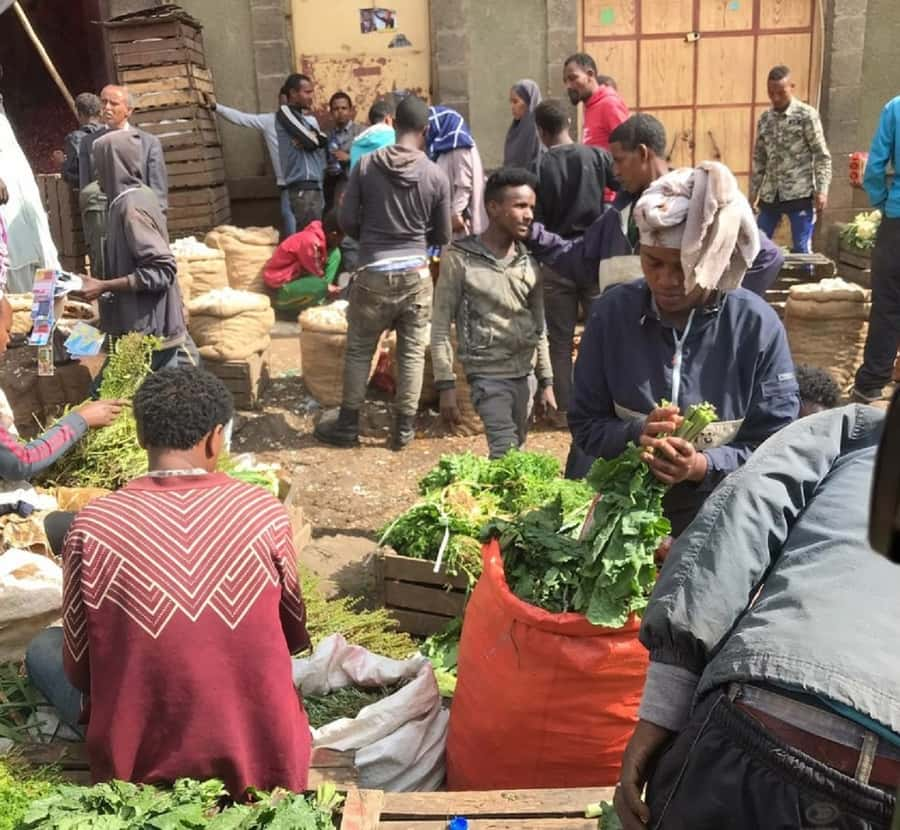
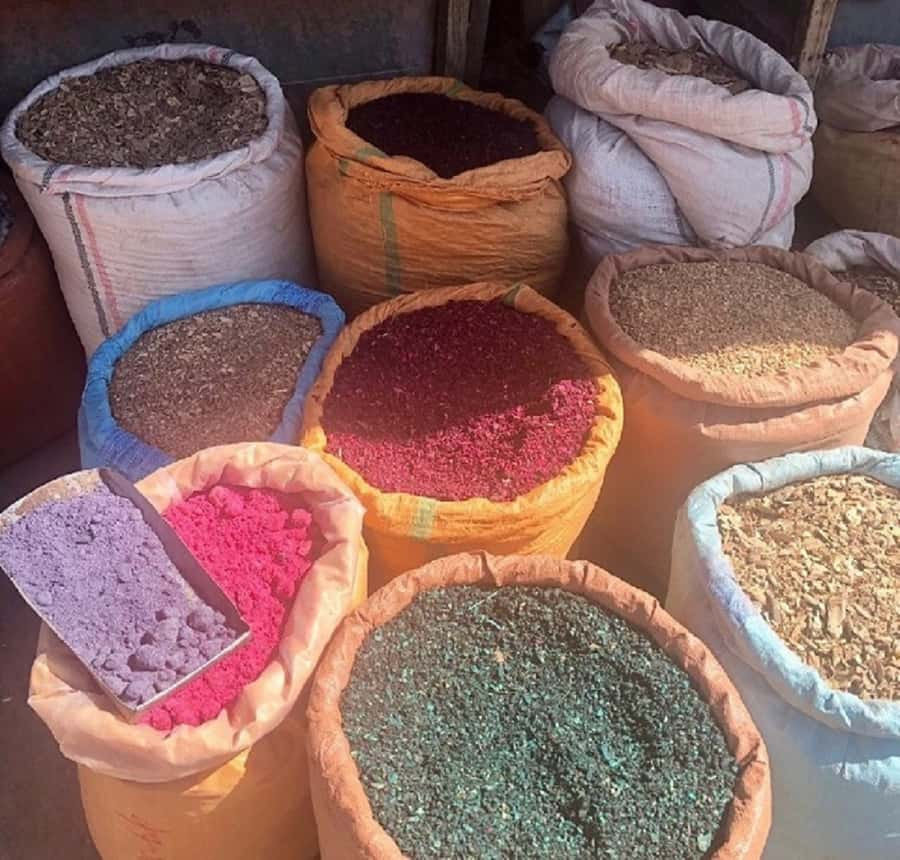
Merkato is one of the day’s most memorable settings. It is described as Africa’s largest open-air market, and the visit focuses on the spice trade, coffee, and the broad mix of goods sold there. You can expect a busy public market rather than a tidy food hall.
This is where the tour gains local texture. You see spices as working ingredients, not just colorful souvenirs in neat jars. You also get a chance to test your bargaining skills with spice dealers. Keep your tone friendly and treat bargaining as part of the exchange, not a contest you must win.
The market may be the most demanding stop for some people. It can be crowded and visually busy, and you will need to stay aware of your belongings and follow your guide. The tour includes transportation and a guide, which helps you spend more energy noticing the food and less energy worrying about where to go next.
The exact order of the day may vary. The planned description places Tomoca early, while one detailed account began with Merkato. That suggests you should think of the listed stops as the day’s main ingredients, not a promise of a fixed minute-by-minute sequence.
During the drives, guides have also pointed out major city sights and explained the background of different areas. This is a useful bonus. You are not only moving between food stops, you are getting a basic orientation to Addis Ababa.
Baking injera from batter to table
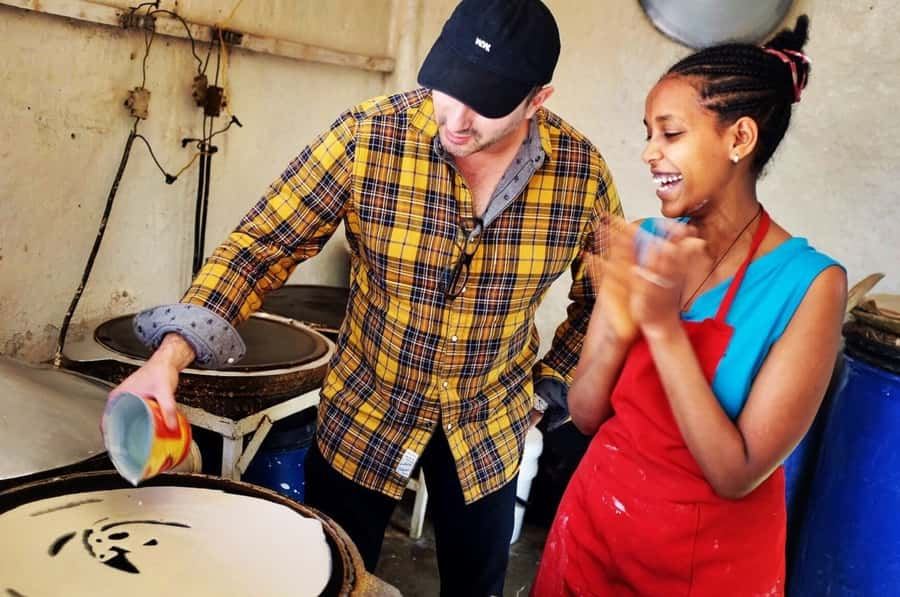
The injera lesson is the most hands-on part of the tour. Ethiopian injera is a spongy, slightly sour flatbread used both as food and as the base for a shared meal. You learn the baking process step by step and get to try your own result.
That attempt matters. Injera looks simple when it arrives on a platter, but making a good one takes control and practice. Your creation may not look perfect, and that is part of the fun. The lesson turns a familiar-looking bread into a skill rather than a mystery.
After baking, you can try the injera with a typical spice. This gives you an immediate sense of how the bread works with other flavors. It is not just a side dish. It helps carry food, provides texture, and forms part of the way the meal is eaten.
I would rate this stop especially highly for curious eaters and families with older children. It gives you something to do with your hands and a clear memory to take home. If you are hoping for an advanced cooking course with many recipes, keep your expectations in check. This is a practical introduction to one important Ethiopian food.
More Coffee Stops in the world:
- Hungry in Vienna? A Food Lover’s Coffee & Market Walk
★ 4.9 · 276 reviews - From rick’s coffee to local markets authentic casablanca
★ 5.0 · 90 reviews - Vienna Eats: Private Foodie Walk with Coffee & Markets
★ 5.0 · 77 reviews - Ethiopian Culinary Tour – Market, Food, Coffee Ceremony & more
★ 5.0 · 65 reviews
The Ethiopian coffee ceremony
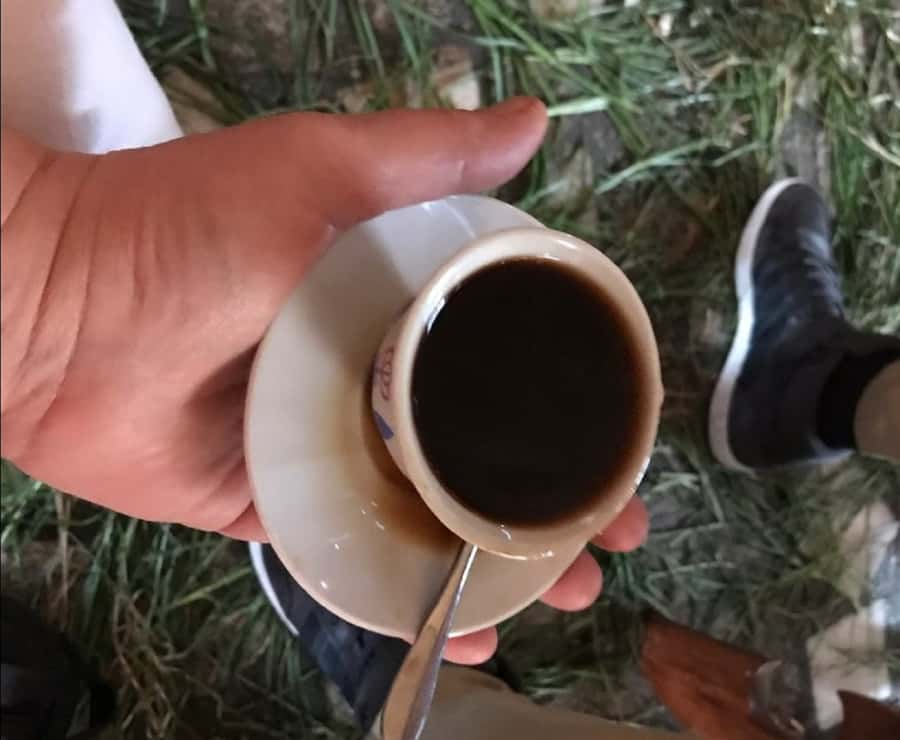
The traditional coffee ceremony is the cultural center of the day. Your guide demonstrates the stages, and you take part in preparing the coffee. You may also roast your own beans, then drink the finished coffee as part of the ceremony.
The slower pace is the point. A ceremony gives coffee a social role, not just a caffeine role. You have time to watch, ask questions, and understand how preparation becomes a shared occasion.
This can be one of the longer-feeling stops if you prefer fast sightseeing, but that is not a fault. It is the part of the tour that asks you to slow down. I would avoid booking this day if you want to race from one attraction to the next. The coffee ceremony works best when you let it unfold.
Several guides have been singled out for making this type of cultural explanation clear and enjoyable. Desale, for example, helped connect the food activities with wider Ethiopian customs and answered questions throughout the day. Seid was praised for combining city history with humor and enthusiasm, while Zerefa helped create a relaxed cultural exchange. The guide is important here because the ceremony becomes more meaningful when someone explains what you are seeing.
Lunch at Ethiopia’s first hotel
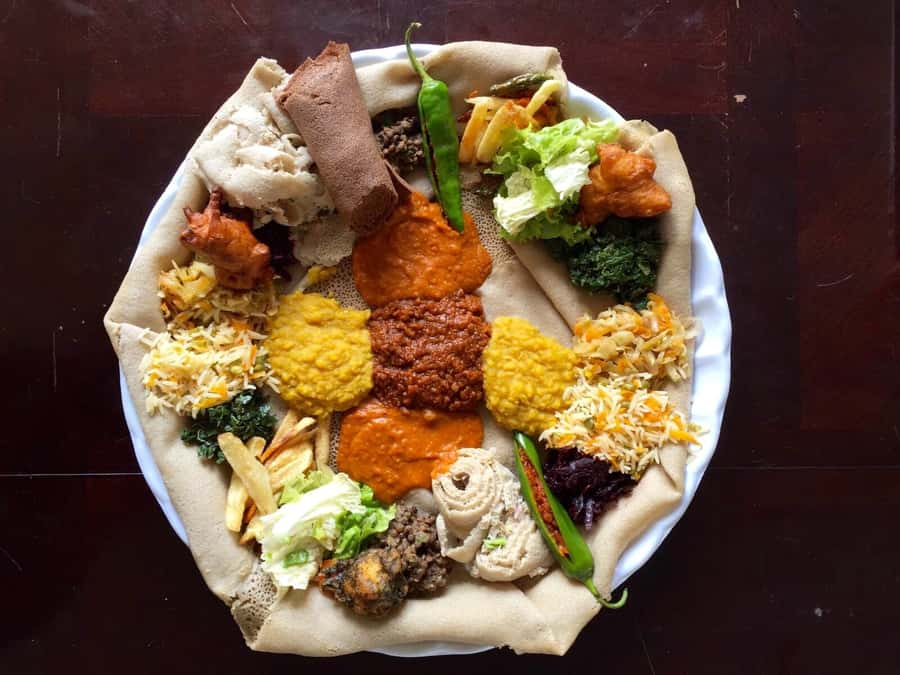
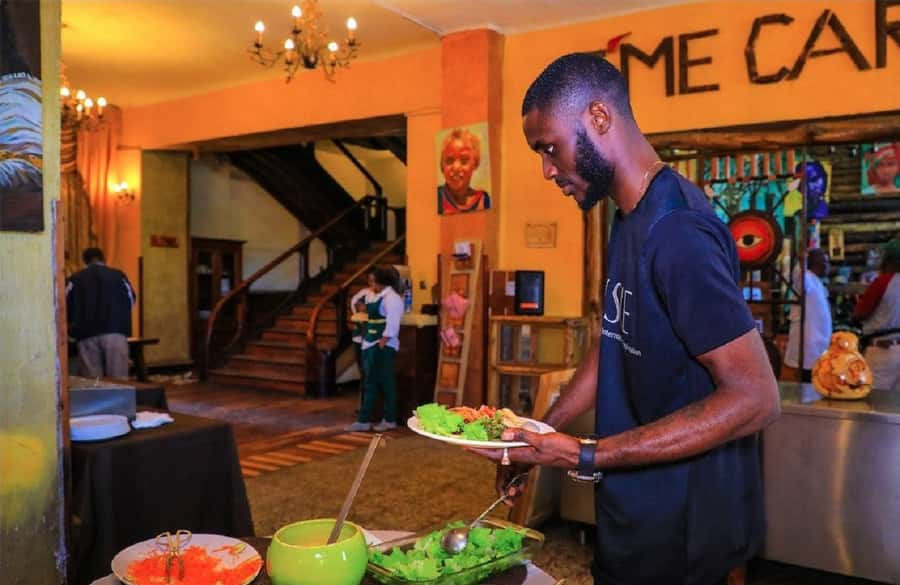
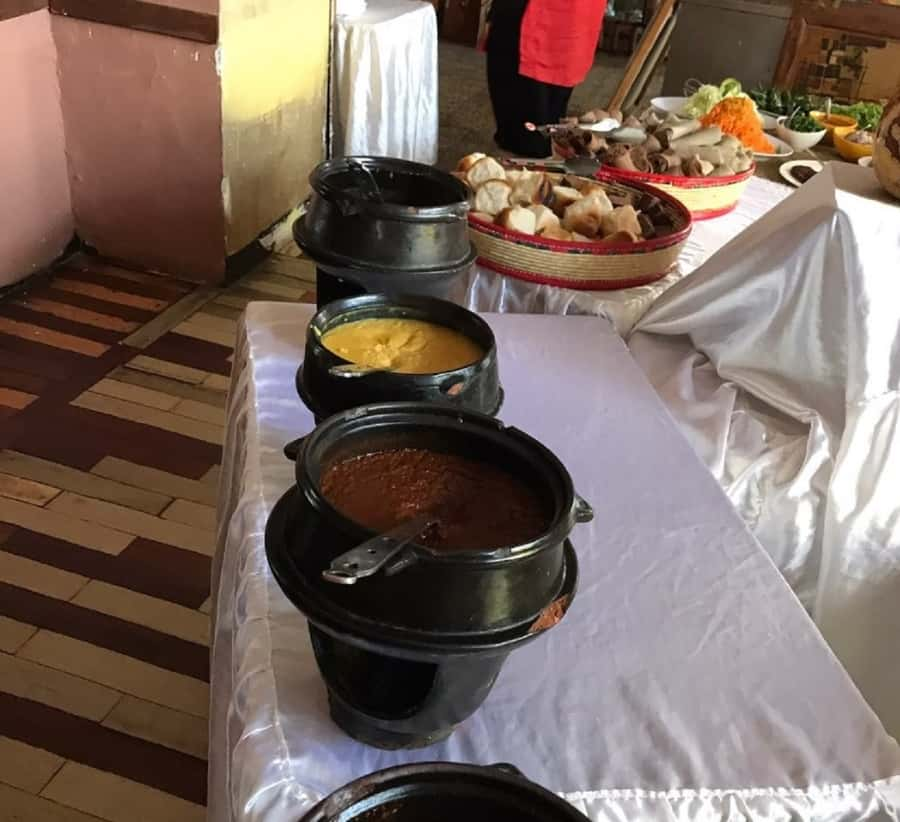
Lunch takes place at the oldest hotel, described as the first Ethiopian hotel, and is served buffet style. You receive a range of popular dishes rather than choosing one plate in advance.
This is a smart format for a food tour. You can sample several items without committing to a large portion of something unfamiliar. A vegetarian buffet also makes it easier to try different flavors, textures, and spice levels at your own speed.
The meal includes a bottle of water and hot drinks. Alcohol is not included, apart from the honey wine tasting later in the day. If you want another alcoholic drink with lunch, you should budget for it separately.
Lunch is also the point where the earlier stops come together. You have seen spices at the market, learned about injera, and tasted coffee in two different styles. Now you can sit down and understand how these elements fit into a regular Ethiopian meal.
A first taste of Tej honey wine
The final food-and-drink stop is a local Tej bar. Tej is a traditional Ethiopian honey wine, similar in broad terms to mead because fermented honey forms its base. You can tour the bar and taste samples.
This is a useful stop because it introduces a drink many people will not encounter in an ordinary café or restaurant visit. The tasting is included, but other alcoholic drinks are not. If you do not drink alcohol, the tour information does not promise a substitute tasting, so keep that in mind.
The Tej bar also gives the day a change of mood. After the market, bread lesson, coffee preparation, and buffet, you finish with a local drink and a chance to ask final questions. It is a social ending rather than another formal lesson.
Guides, transport, and the six-hour rhythm
The tour lasts six hours and includes a car, driver, fuel, and an English-speaking guide. Pickup and drop-off are available anywhere in Addis Ababa, including the airport. That makes this especially useful for a first day in the city or a long airport stop, provided your flight schedule allows enough time.
You should wait in your hotel lobby for up to 15 minutes before or after the scheduled pickup time. Bring your passport or ID card. The tour runs rain or shine, so carry something suitable for changing weather.
The guide can make a major difference. The strongest experiences described by participants included clear answers, city history during drives, and a sense of safety. Names associated with particularly strong days include Desale, Seid, Zerefa, and driver Muse. Guides may vary, but the pattern is clear: the best part of the job is not only leading you to food. It is explaining why the food and places matter.
Because the tour covers several locations, expect some time in the vehicle. That is the tradeoff for including Merkato, coffee, injera, Tej, and lunch in one half-day. You will see more than you would on a single cooking lesson, but you will not spend hours at each stop.
Who should book this Addis Ababa experience?
I would choose this tour if you have one day in Addis Ababa and want food to introduce you to the city. It suits first-time visitors, curious eaters, coffee fans, and people who prefer a guide when visiting a large market.
It is also a good match if you want participation instead of a sightseeing route made up only of photo stops. You bake injera, help with coffee, taste Tej, bargain for spices, and sample a buffet.
I would think twice if you dislike coffee, fermented drinks, or shared buffet meals. The tour can still offer city context and market interest, but food and drink are the main event. I would also avoid it if you need a quiet, slow-paced day in one location.
Should you book it?
Book it if you want a well-packed introduction to Addis Ababa through its food and drink. The $85 price is reasonable when you value private transport, an English-speaking guide, several tastings, a hands-on bread lesson, the coffee ceremony, Tej, and lunch in one package.
The best reason to go is the variety. You do not only eat Ethiopian food. You see spices being sold, prepare bread, learn how coffee is made, taste two coffee styles, and finish with honey wine. Give the day time to breathe, bring your ID, and arrive ready to try unfamiliar flavors. For a first Ethiopian food experience, that combination is hard to beat.
FAQ
How long does the Ethiopian culinary tour last?
The tour lasts six hours.
What is included in the $85 price?
The price includes pickup and drop-off in Addis Ababa, a car, driver, fuel, an English-speaking guide, the listed activities, lunch, a bottle of water, and hot drinks.
Where can pickup take place?
Pickup and drop-off are available at any location in Addis Ababa, including hotels, private homes, and the airport.
Is the coffee ceremony included?
Yes. The tour includes a traditional Ethiopian coffee ceremony with a step-by-step demonstration. The experience also includes a visit to Tomoca Coffee for Italian-style coffee or a macchiato made with Ethiopian Arabica beans.
Is lunch included?
Yes. Lunch is a buffet at the first Ethiopian hotel and includes samples of popular dishes, a bottle of water, and hot drinks.
What should I bring?
Bring your passport or ID card. The tour operates rain or shine, so you should also prepare for the day’s weather.
Just added around the world
- Half-day Dandan Noodles Cooking Class with a Local Market Visit★ 5.0 · 8 reviews
- Three-Hour Private Chengdu Tea Wholesale Market Tour★ 5.0 · 4 reviews
- 3-Hour Herbal Wholesale TCM Market and a Local Wet Market Tour★ 5.0 · 4 reviews
- Moroccan Cooking Class with a Local Family & Market Visit★ 5.0 · 16 reviews
- Charleston International Sweet Treats & Historic City Market Tour★ 5.0 · 22 reviews
- Chania Old Town, Public Market and Chrisopigi Monastery Tour★ 4.5 · 6 reviews
- Chania: Old Town, Public Market, Hill of Prophet Elias, Agia Triada★ 5.0 · 35 reviews
- Cesarine: Market Tour & Home Cooking Class in Catania★ 4.0 · 6 reviews
Coffee & Tea Market Tours, compared.
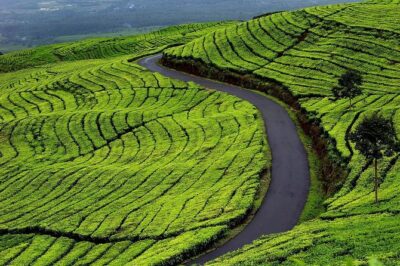
Active Volcano, Rice Field, Hot Spring, Fruit market, Tea Plantation with Lunch
Read our review →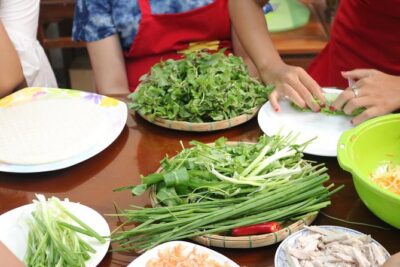
Da Nang Cooking Class with Coffee Tasting and Market Visit
Read our review →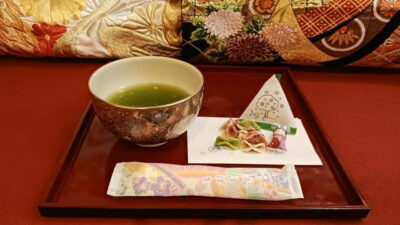
Nishiki Market Tea Ceremony with Koto Performance
Read our review →
Hungry in Vienna? A Food Lover’s Coffee & Market Walk
Read our review →
Delicious Doughnuts & Tea: Small-Group Borough Market Experience
Read our review →
Mini Hanoi Coffee Workshop: Pick Any Signature Coffee You Like
Read our review →
From rick’s coffee to local markets authentic casablanca
Read our review →
Vienna Eats: Private Foodie Walk with Coffee & Markets
Read our review →Browse the lists this tour appears in