
Review · MOROCCO
Essaouira: Sqala du Port, Citadel, Fish Market & Medina Tour
Essaouira reveals itself one wall at a time. This three-hour walk links the Sqala du Port and its old cannons with the Medina, Mellah, fish market, and Moulay Hassan Square. I like the clear route and the chance to see both grand defenses and ordinary local life. The $23 price is also fair for a licensed guide, monument access, and free time to look around.
The main consideration is that this is a walking tour with several stops packed into three hours. You get a strong first look rather than a slow, detailed visit to every site. Meeting instructions also mention both Bab Sbaa and Café Vera in Moulay Hassan Square, so check the WhatsApp message sent the day before for the final meeting point.
Key points to know before you book
- Sqala du Port comes first: See the seafront bastion, original cannons, and broad Atlantic views early in the walk.
- The Medina gets the most time: About an hour is set aside for whitewashed lanes, blue shutters, shops, and traditional crafts.
- The Mellah adds another layer: The old Jewish Quarter has distinct buildings and stories of Jewish and Muslim life in Essaouira.
- The fish market keeps things real: You finish near the daily Atlantic catch, where local trade matters more than polished sightseeing.
- Guides receive the strongest praise: Ahmed, Ayoub, Zaid, Said, Rachid, and Youness are all noted for friendly explanations and local knowledge.
- It works for solo bookings: The tour has gone ahead with just one person booked, though private and shared options should be selected carefully.
Starting at Bab Sbaa and finding your guide
The walk begins at Bab Sbaa, one of the main gates into Essaouira’s old town. The meeting information also refers to Café Vera in Moulay Hassan Square, directly in front of the gate area. That is not a problem if you confirm the details, but it is worth paying attention to the final WhatsApp message.
You receive the guide’s name and meeting location the day before. The operator says the guide may wait five to ten minutes for late arrivals, which is useful, but you should still arrive early. Essaouira’s old town is easy to reach on foot, yet a busy square and several nearby entrances can cause a little confusion at the start.
The opening orientation sets up the city’s role as an Atlantic port and former Portuguese-built stronghold. You hear about shipping, defense, trade, and the cultural contacts that shaped the town. That background gives the later stops a purpose. You are not simply moving from one photogenic wall to the next.
Guides speak Arabic, English, or French. English-language feedback is especially strong, with several people praising the clarity and warmth of guides such as Ahmed, Ayoub, Zaid, Said, Rachid, and Youness. Guide assignments can vary, so you cannot assume a particular person will lead your walk.
More Fish Market Tours in Morocco:
- Essaouira: Sqala du Port, Medina Ramparts & Fish Market Tour
★ 4.7 · 212 reviews - Tokyo Tsukiji Fish Market Food and Culture Walking Tour
★ 5.0 · 3,184 reviews - Tokyo: Tsukiji Fish Market Food and Walking tour
★ 5.0 · 1,724 reviews
The Sqala du Port: cannons above the Atlantic
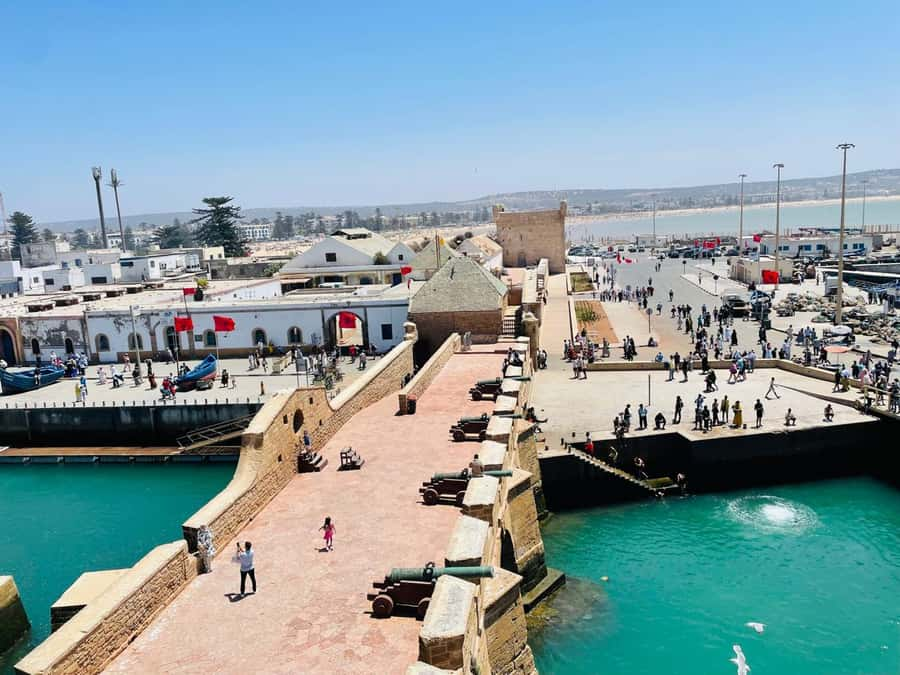
The Sqala du Port is the dramatic opening stop. This eighteenth-century seafront bastion was built to protect the harbor and the approach to the city. Its thick walls, aligned cannons, and position above the water make the military purpose easy to understand.
Allow about 40 minutes here, including the guided explanation, photographs, and free time. That is enough to appreciate the setting without rushing through it. From the ramparts, you get wide views over the Atlantic coast and the port area, with the old defenses forming a strong foreground for photographs.
This is likely the tour’s most immediately impressive stop, but the guide adds value beyond the view. You learn how the fortifications supported Essaouira’s role as a port and why the city needed such a powerful seaward defense. The references to Portuguese influence, later colonial contact, and trade help explain the mix of European-looking fortifications and Moroccan city life.
Bring a little patience if the wind is strong. Essaouira is known for its Atlantic exposure, and the open ramparts offer no quiet indoor shelter. The tour data does not specify weather equipment or seasonal conditions, so a light layer is a sensible choice based on the coastal setting.
Essaouira Citadel and the city’s defensive past
The next stop is the Essaouira Citadel, with about 20 minutes for a visit, explanation, photographs, and free time. The citadel is described as an optional entrance, while the tour also includes skip-the-line entry to the monuments. Confirm what is included in your selected booking option, since the wording combines an optional visit with included monument access.
This short stop works best as a continuation of the Sqala story. The first site shows the harbor defense from the seafront. The citadel lets you consider the city as a fortified settlement, shaped by trade routes, outside influence, and the need to protect valuable maritime activity.
Do not expect a long museum visit here. Twenty minutes is a compact allowance. You will get the main setting and the guide’s interpretation, then move on into the streets where the city’s daily character becomes more visible.
The Mellah, where architecture carries memory
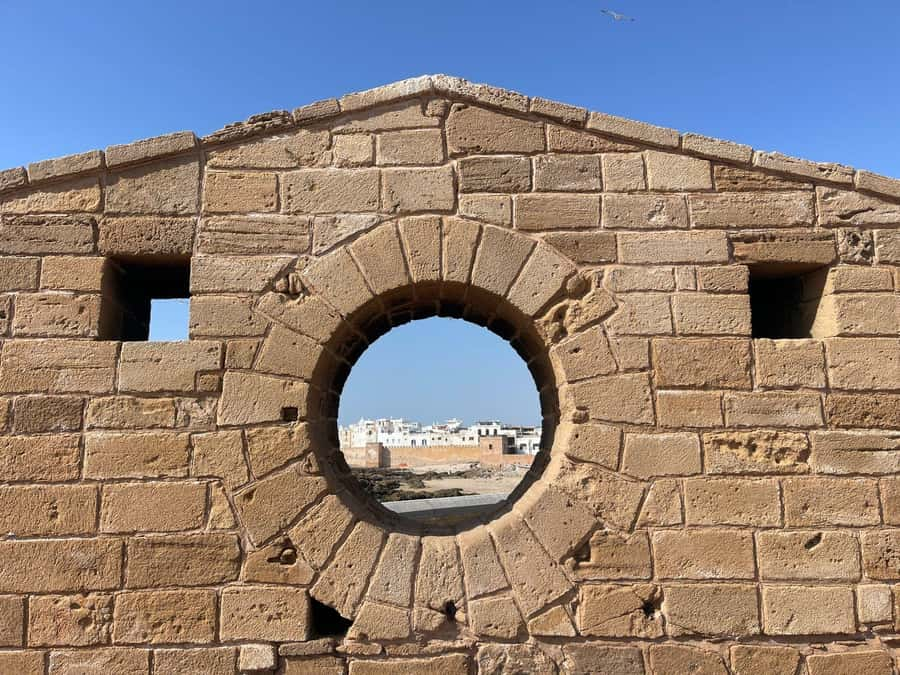
The walk then enters the Mellah, Essaouira’s old Jewish Quarter. The scheduled visit takes about 15 minutes, so this is an introduction rather than a full architectural study. Look for the area’s distinct building forms and listen as the guide explains the long period of Jewish and Muslim coexistence in the city.
This section gives the tour a human scale. Forts and ports explain power and commerce, but the Mellah points to the people who lived, worked, worshiped, and traded in Essaouira. The guide’s local perspective is useful here because street details can be easy to miss when you walk through alone.
The short timing is the main limit. If the Mellah is your main reason for coming, you may want to return independently after the tour. On the guided walk, it functions as one important chapter in a larger story about cultural blending.
A few more market tours around Morocco worth a look
- Marrakech: Bahia Palace, Saadian Tombs, Souk and Medina Tour
★ 4.7 · 4,974 reviews - Marrakech: Ben Youssef, Secret Garden, & Souks Walking Tour
★ 4.6 · 2,802 reviews - Marrakech: Colorful Medina Souks Guided Walking Tour
★ 4.7 · 2,470 reviews - Marrakech: Traditional Moroccan Cooking Class & Market Visit
★ 4.8 · 1,861 reviews
One hour inside the Medina
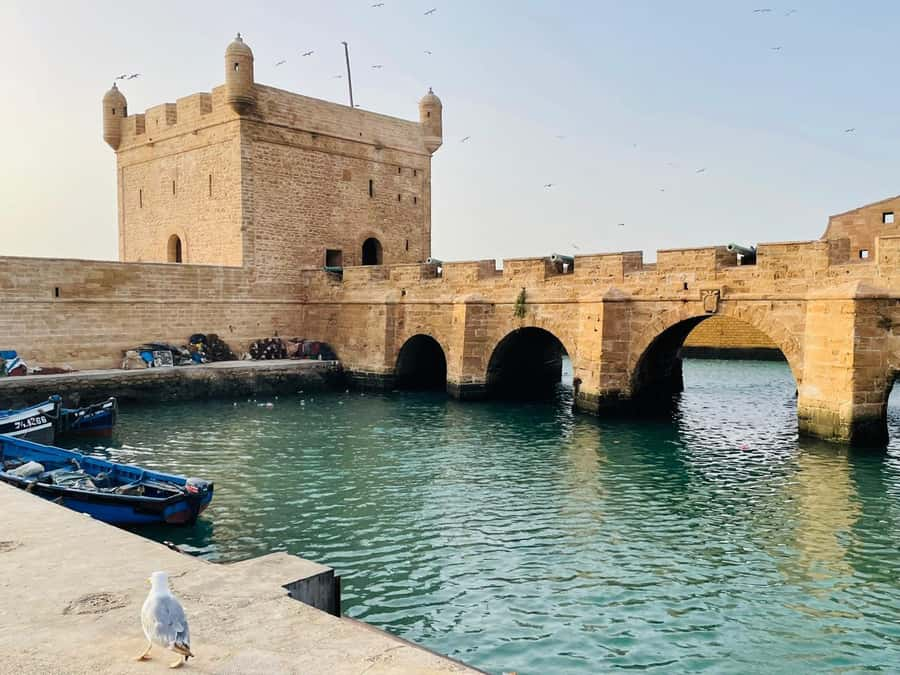
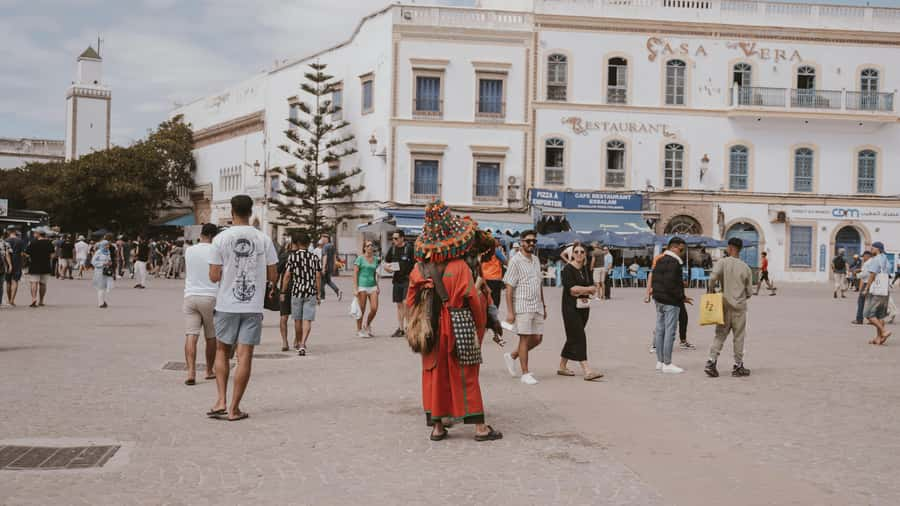
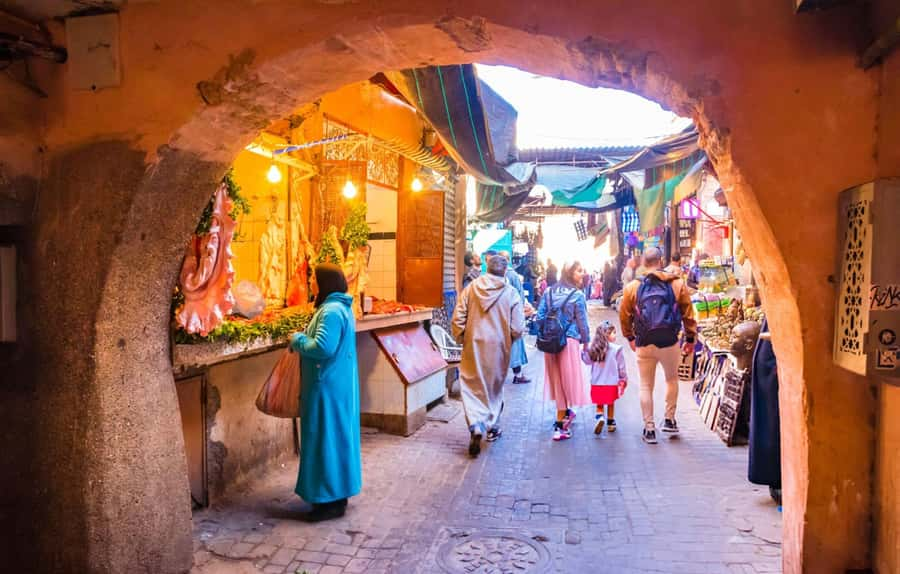
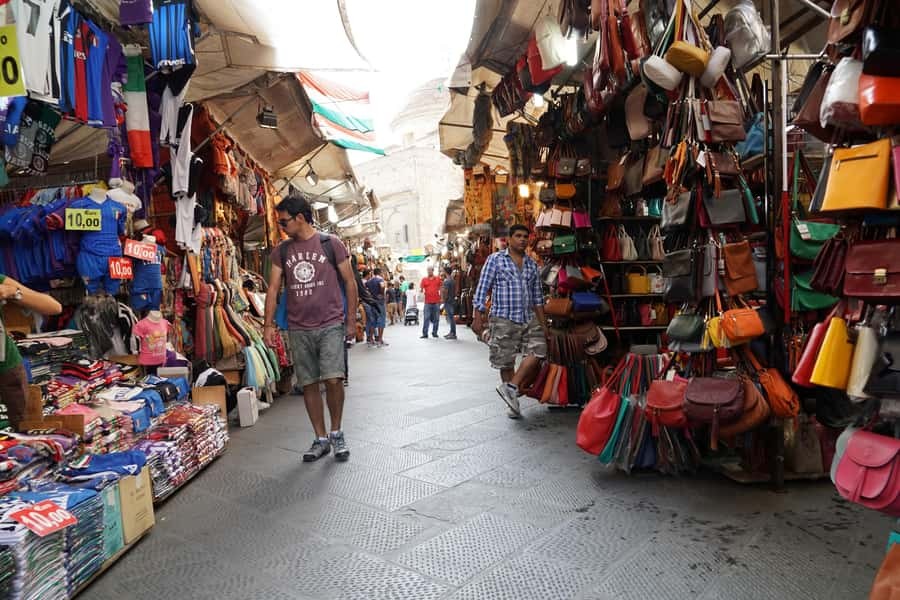
The Medina receives roughly an hour, the longest single portion of the tour. This is where the route slows down and lets you enjoy Essaouira’s whitewashed buildings, blue shutters, narrow lanes, artisan shops, and traditional crafts.
The Medina is UNESCO-listed, but the label alone does not tell you why the place feels different from a standard monument. Its appeal comes from the way ordinary streets, workshops, old walls, and small shops fit together. You might see woodcarving and weaving among the crafts highlighted on the walk, with the guide explaining what you are looking at and where to pay attention.
I like having a guide in this setting because the Medina can feel visually uniform at first. White walls and blue details repeat from lane to lane. A local guide helps you notice changes in architecture, points out less obvious corners, and gives you a sense of how the old town works beyond its shopping streets.
Several guide assessments praise this part of the experience. One guide, Ahmed, is described as having grown up in the Medina, giving him a personal connection to its lanes. Another guide, Said, helped explain fishing life as well as the city’s past and showed good places for photographs. Zaid was praised for explaining symbolism, not just dates and buildings.
You still have free time during the Medina portion. Use it for photographs, a closer look at crafts, or a quick return to a shop that caught your eye. The tour does not promise a long shopping session, and that is probably a benefit. You get context first, then decide for yourself where to spend time and money.
Moulay Hassan Square and the Atlantic outlook
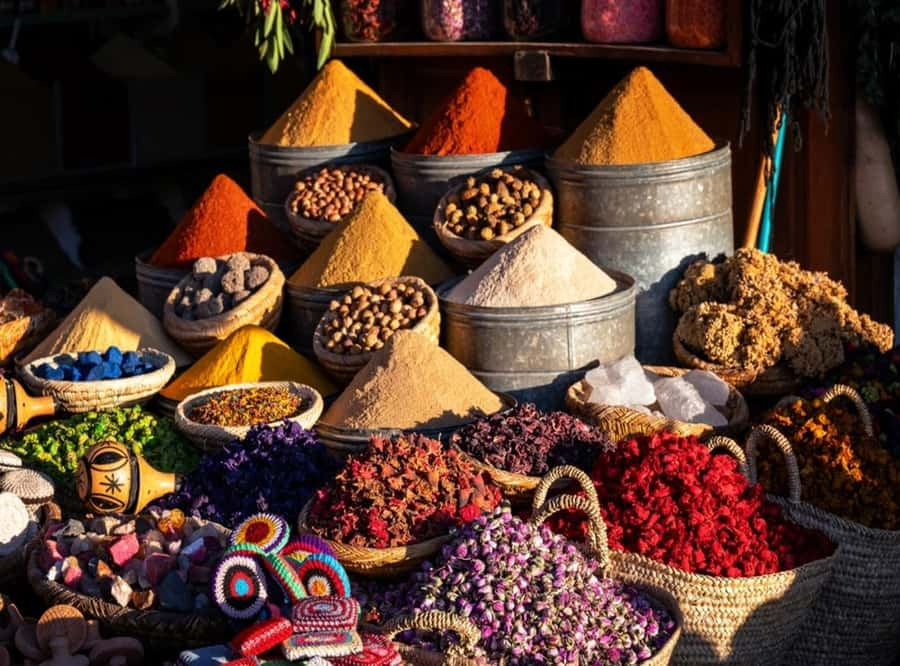
Moulay Hassan Square provides a natural pause between the old town and the port. The square offers panoramic coastal views and is also a practical reference point for the meeting arrangements. The tour includes a guided visit, photographs, and free time here before returning toward Bab Sbaa.
This is a good place to connect the city’s parts. From the square, you can think back to the ramparts, the Medina lanes, and the working port. It is less about a single monument and more about seeing how Essaouira’s public spaces face the sea.
The timing for this stop is not stated, so the guide may adjust it according to the group and the day. If you want a long break, ask early. The tour is designed to keep moving and cover several sights within three hours.
Ending at the fish market
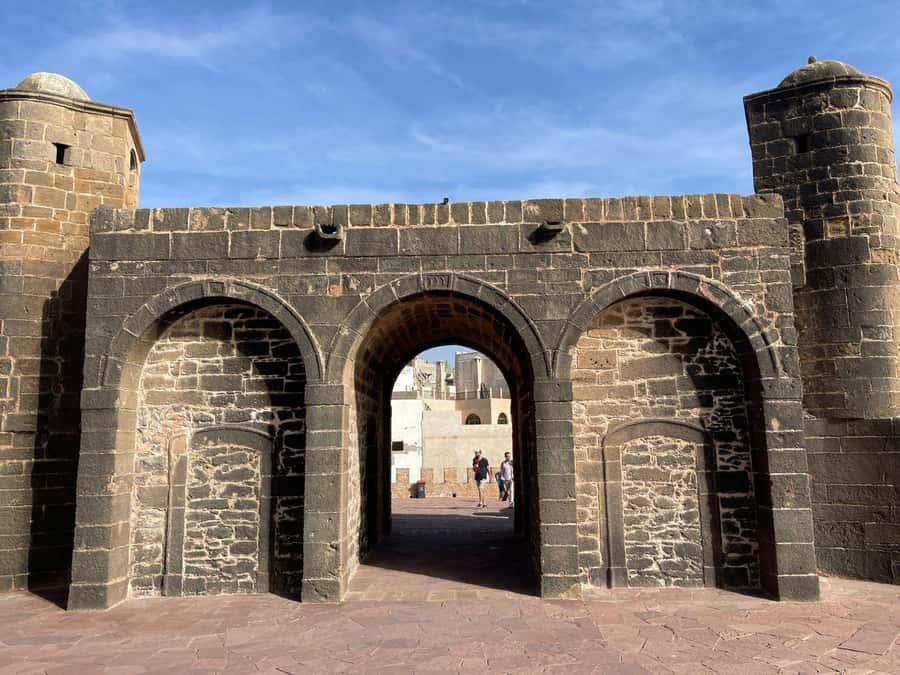
The final major stop is the fish market, where fresh Atlantic catch is traded locally. This is a useful ending because it shifts attention away from fortifications and architecture and toward the food economy that still gives the port its purpose.
You can expect a working market rather than a staged display. The setting may be active, wet, and strongly fish-scented. That is part of its value, though it may not suit anyone who prefers polished attractions. The tour description does not promise a meal or tasting, so come for the view into local trade, not a culinary stop.
Several guides have offered practical advice about buying fish and silver. Fatna’s guide, Ahmed, was specifically praised for recommendations on where to buy both. Ask questions, but remember that the guide’s suggestions are local tips, not a guarantee of prices or quality.
Ending here also gives you a choice. You can continue exploring near the port, return to the Medina, or make your own plans after the guide leaves. Since hotel pickup and drop-off are not included, you will need to arrange your own way back to your accommodation.
What the $23 price gets you
At $23 per person, this is good value if you want orientation, history, and a practical route through the old town. The fee includes a licensed guide, a tour of the UNESCO-listed Medina, free time at the main stops, and skip-the-line access to the monuments as described.
The strongest value comes from the guide rather than from transportation. This is a walking experience, so you are paying for interpretation and local direction. You avoid spending your first hours trying to work out how the port, fortifications, Mellah, and Medina fit together.
The price is less compelling if you already know Essaouira well or prefer to explore at your own pace. The tour covers a lot in three hours, which means some stops receive only a brief look. You may still want to revisit the Mellah, citadel, or market afterward.
Private groups are available, while shared small-group options are also offered. Choose carefully at booking, especially because the instructions specifically mention selecting between a private tour with Medina pickup and a small-group shared tour. A private format should suit you better if you want extra questions, a slower pace, or more control over photographs and free time.
Timing, comfort, and who should book
The advertised duration is three hours, although one account describes a four-hour walk. Treat three hours as the planned length and allow extra time afterward in case the route runs long or you stop to ask questions. A five to ten-minute delay at the start is possible if someone is late.
The tour is listed as wheelchair accessible, but the old-town setting includes fortifications, market areas, and Medina lanes. If you use a wheelchair, confirm the exact route and monument access with the operator before booking, especially for the Sqala and citadel portions.
I would recommend this walk for a first visit to Essaouira, especially if you have limited time. It also suits solo visitors who want a friendly introduction, couples who prefer history with their photographs, and anyone who wants a guide before exploring the Medina independently.
It is less suitable if you dislike walking, crowded market settings, or a fixed route. It is also not the best choice if your main goal is a long, quiet visit inside one monument. The tour’s strength is the combination of places.
Free cancellation is available up to 24 hours before the tour for a full refund, and you can reserve now and pay later. Those terms help if your Morocco plans are still shifting. The operator also offers Arabic, English, and French guidance, making it easier to choose a language that suits your group.
Should you book the Essaouira walking tour?
Book it if you want a well-priced first look at the city with the main historical and local-life stops arranged in a sensible order. The Sqala du Port views, the Medina hour, and the fish market give you three different sides of Essaouira in one morning or afternoon.
The guides are the deciding factor. Ahmed, Ayoub, Zaid, Said, Rachid, and Youness all receive especially warm praise for clear explanations, friendliness, and local insight. The tour has also gone ahead with only one person booked, which is a useful advantage for solo visitors.
Skip it if you already know the Medina or want to wander without a schedule. For most first-time visitors, though, $23 is a reasonable way to get your bearings, understand the city’s coastal defenses, and learn where to return on your own.
FAQ
Where does the tour start?
The meeting point is at Bab Sbaa. The instructions also refer to Café Vera in Moulay Hassan Square, so check the WhatsApp confirmation sent the day before for the exact meeting arrangement.
How long does the tour last?
The scheduled duration is three hours. One experience account describes a four-hour walk, so allow some extra time in case the group moves slowly or the guide extends the visit.
What languages are available?
Guides are available in Arabic, English, and French.
Is hotel pickup included?
No. Hotel pickup and drop-off are not included. You meet the guide at the agreed location near Bab Sbaa and Moulay Hassan Square.
Is the tour wheelchair accessible?
The activity is listed as wheelchair accessible. Since the route includes fortifications, the citadel, the Medina, and the fish market, confirm the precise route and monument access before booking.
Can I book a private tour?
Yes. Private groups are available. You should select the correct option between a private tour with Medina pickup and a small-group shared tour.
What is the cancellation policy?
You can cancel up to 24 hours in advance for a full refund. The activity also offers reserve now and pay later booking.
Just added around Morocco
- Moroccan Cooking Class with a Local Family & Market Visit★ 5.0 · 16 reviews
- Market Tour & Moroccan Cooking Class in Casablanca with Transfers★ 5.0 · 18 reviews
- Private Market Tour & Cooking Class in Casablanca with Transfers★ 5.0 · 20 reviews
- Casablanca Market and Street Food Walking Tour★ 5.0 · 3 reviews
- 5 am in Casablanca: Mosque, Medina, Beach , Souks , Coffee and more★ 5.0 · 11 reviews
- Half day tour : Agadir Goats in argan trees & Souk El Had Market★ 3.5 · 6 reviews
- Agadir city Tour with big Souk Elhad★ 5.0 · 5 reviews
- Guided Shared Day Trip Agadir to Marrakech medina & souks★ 4.0 · 14 reviews
Fish Market Tours, compared.
Tokyo Tsukiji Fish Market Food and Culture Walking Tour
Read our review →

Tokyo Sushi Making Class in Tsukiji with Professional Chef
Read our review →
Tsukiji Fish Market Guided Tour and Sushi Making with Pro Chef
Read our review →Tsukiji Fish Market Food and Culture Walking Tour
Read our review →
Tsukiji Fish Market: Street Food & Culture Walking Tour
Read our review →
Tsukiji Fish Market Small-Group Food Walking Tour
Read our review →
Tsukiji Fish Market Sushi Making Class with Pro Chef
Read our review →Browse the lists this tour appears in