
Review · PENANG, MALAYSIA
Chef Samuel’s Private Malaysian Cooking Class with Wet Market Tour
Penang’s best lessons begin at the market. Chef Samuel’s private cooking class combines an early visit to Ayer Itam Market, a traditional kopitiam breakfast, and hands-on instruction in Malaysian food. You choose the dishes, so the session can focus on Nyonya, Malay, Chinese, Indian, or street food cooking.
I especially like the one-to-one teaching and the chance to shape your own menu rather than accept a fixed list. The market stop also feels useful, not decorative: you see the ingredients, learn how they are chosen, and watch Samuel handle the shopping. The main drawback is the price, $116.46 per person, which is a serious spend for a five-hour activity, and the booking is non-refundable.
Key points to know before booking
- Ayer Itam Market comes first: Walk through Penang’s second-oldest market during its active morning trade.
- You choose the dishes: The menu can cover Nyonya, Malay, Chinese, Indian, and Malaysian street food.
- Private instruction matters: Your group receives full one-to-one attention from Chef Samuel.
- Breakfast is part of the local experience: Stop at a traditional kopitiam for roasted coffee and Malaysian food.
- The lesson is practical: You shop for ingredients, learn the reasons behind spice combinations, cook, and eat the finished dishes.
- Return transport is limited: Pickup is offered, but you arrange your own way home unless you join Samuel on his return toward George Town.
Why this Penang cooking class feels different
Many cooking classes begin in a spotless kitchen with bowls of prepared ingredients. This one starts earlier and closer to daily life. You meet in George Town, travel to Ayer Itam, and walk through narrow market lanes while Penang is doing its morning shopping.
That order matters. Before you cook, you see the raw materials in their normal setting. You may encounter seafood, poultry, spices, produce, and unfamiliar Southeast Asian ingredients. Samuel can explain what they are and how they fit into the dishes you have chosen.
I like this approach because Malaysian food is not one single style. Penang cooking brings together Malay, Chinese, Indian, and Nyonya traditions, along with the food sold at hawker stalls and coffee shops. A kitchen lesson makes more sense after you have seen the ingredients and heard how regional habits differ.
Chef Samuel has 15 years of experience cooking Malaysian regional food in hotels. He has hosted three Michelin chefs and has appeared in publications including the New Straits Times and The Australian. He also received silver awards for Char Koay Teow and Laksa at the Malaysia Culinary World Cup 2023.
Those credentials are useful, but the teaching style matters more for most people. The class is designed for a novice home cook, an enthusiastic food lover, or a professional chef looking at Malaysian flavors from another angle. You should not expect a quick demonstration followed by passive watching. The format is built around questions, practice, and choosing food that interests you.
More Wet and Camel Market Tours in the world:
- Singapore Market to Table Culinary Experience (Wet Market Tour included)
★ 5.0 · 479 reviews - Immersive Cooking Class & Wet Market Tour by Local Chef +Cookbook
★ 5.0 · 367 reviews - Cairo Unusual Day Tour Visit Camel Market in Birqash
★ 4.5 · 9 reviews
Ayer Itam Market before the cooking begins
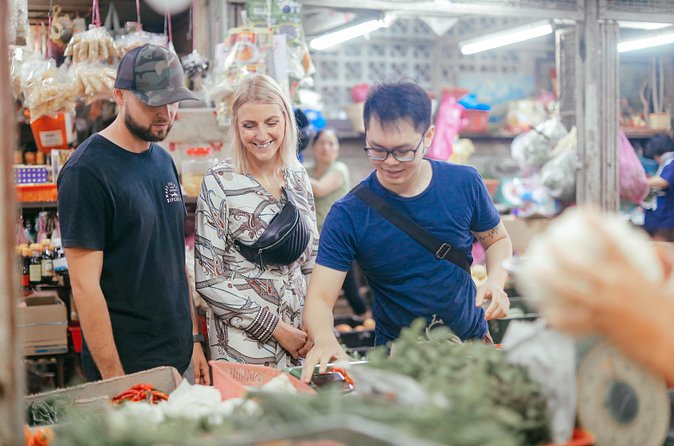
The first main stop is Ayer Itam Market, described as Penang’s second-oldest and busiest market. You visit early, when shopping and deliveries create the strongest sense of place.
The market is not presented as a polished food hall. You walk narrow passages and deal with heavy morning traffic around the shopping area. That can feel crowded and untidy, but it is also the point. You see an active local market rather than a staged attraction.
Samuel guides you through the ingredients needed for your selected dishes. His role is especially valuable here because a market can be confusing if you do not know the names, uses, or quality signs of Malaysian produce. He can show you what to buy and explain why a certain ingredient belongs in one regional dish but not another.
Some bookings include fresh seafood and chicken for the lesson, based on the menu selected. The exact shopping list depends on your choices, so you should discuss your preferred dishes with Samuel before the morning begins.
Allow yourself to walk at a relaxed pace. The market visit is not simply a transfer point before the real class. It is where you start learning how Malaysian cooking is built. If you prefer quiet, orderly sightseeing, the narrow lanes and morning traffic may test your patience. If you like food as a window into daily life, this is one of the strongest parts of the experience.
Coffee, breakfast, and the Penang kopitiam
The market outing includes a stop at a traditional kopitiam, where you can drink locally roasted coffee and eat a Malaysian breakfast. The setting is described as a place with few or no tourists, which gives the stop a more everyday feel than a restaurant selected only for visitors.
This is a small detail, but I consider it important. A kopitiam is part of Penang’s food culture, not just a convenient place to sit. Coffee, breakfast, and quick conversation are woven into the morning routine. You get a better sense of how food fits into local life when you pause here instead of rushing straight to the cooking studio.
The breakfast is also useful context for the lesson. You are tasting food prepared by someone else before you prepare your own. Pay attention to the balance of salty, sweet, sour, spicy, and aromatic flavors. Those ideas return later when Samuel explains Malaysian regional cooking.
The exact breakfast dishes are not fixed in the information provided, so you should not book this expecting a specific plate. The confirmed feature is the kopitiam visit, traditional roasted coffee, and Malaysian breakfast.
Choosing your menu with Chef Samuel
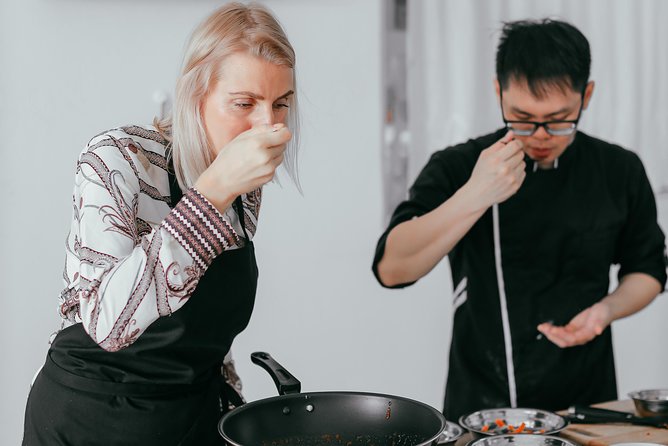
A major advantage is the freedom to choose what you want to learn. Samuel sends an extensive list of dishes after booking, covering Nyonya, Chinese, Malay, Indian, and street food styles. You then discuss your choices with him and settle on the menu.
This is much better than discovering on the day that the class centers on food you already know. You can select familiar dishes if you want a practical home-cooking lesson, or choose items you rarely find outside Malaysia.
Past menu choices have included dishes that participants described as uncommon in ordinary cooking classes. Char Koay Teow and Laksa are especially relevant because Samuel has won silver awards for both categories. The menu can also include dishes from several Malaysian communities, though the final options depend on your discussion with him.
I recommend picking dishes that teach different techniques or flavor bases. You might choose one dish that depends on spice pastes, another that shows noodle preparation, and a third that highlights a regional cooking style. The supplied information does not promise a fixed number of dishes, so confirm your preferred selection with Samuel before the class.
This flexible format works best when you know what interests you. Send a thoughtful list rather than saying you will eat anything. Tell Samuel if you want street food, Nyonya cooking, seafood, spicy food, or dishes that you could realistically make at home.
More Cooking Classes in the world:
- Hanoi Cooking Class: Culture, Local Market & Meaning CSR Impact
★ 5.0 · 5,147 reviews - 5 Traditional Dishes Hanoi Cooking Class with Market Trip
★ 5.0 · 4,890 reviews - Cooking Class and Lunch at a Tuscan Farmhouse with Local Market Tour from Florence
★ 5.0 · 4,831 reviews - Chiang Mai: Cooking Class, Market & Thai Herbs Garden Tour
★ 4.9 · 4,824 reviews
The private cooking studio and one-to-one teaching
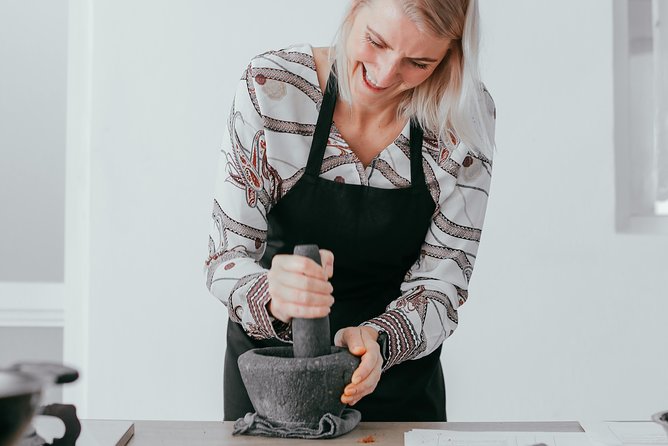
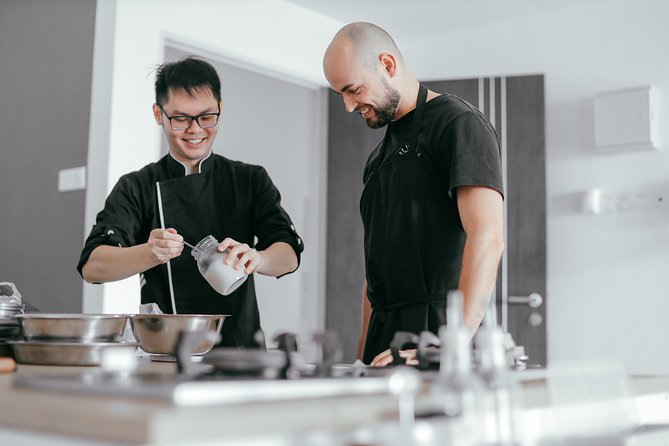
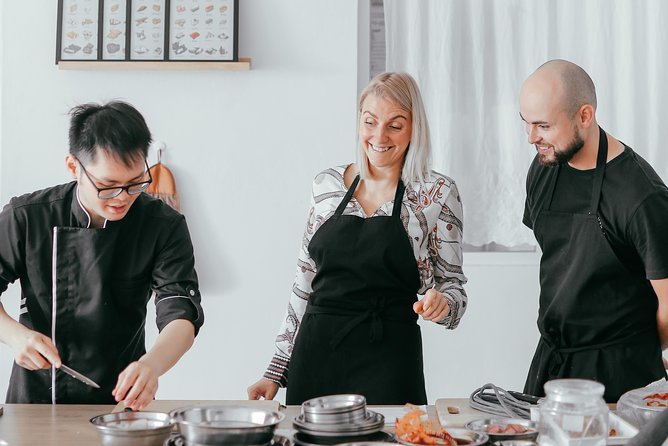
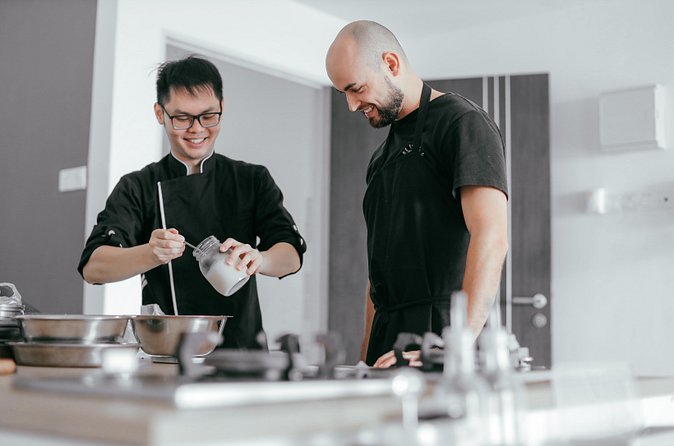
After the market, you go to a private cooking studio described in the activity details as a quaint space, with some sessions taking place at Samuel’s home. Your group receives the kitchen and the instruction for the class, rather than joining a large public lesson.
The private format is the biggest practical advantage. Samuel can adjust the pace, answer questions, and spend time on the parts you find difficult. If you cook often, you can ask about technique and substitutions. If you are new to Malaysian food, you can stop and ask basic questions without feeling rushed.
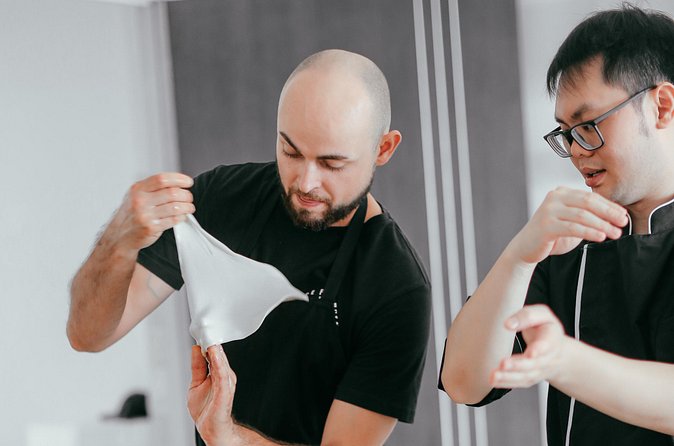
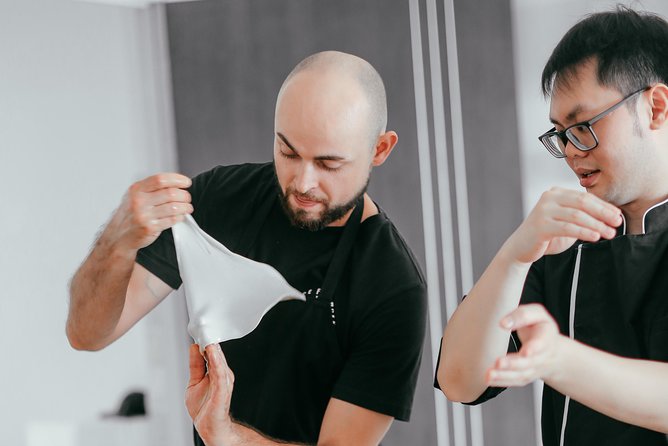
The lesson includes more than copying steps. Samuel explains the theory behind regional cuisine and the reasons different spices are combined. That is the part I value most because a recipe alone can be hard to repeat at home. Understanding the purpose of an ingredient helps you make sensible adjustments later.
You should still keep your expectations realistic. Five hours includes pickup, the market, breakfast, transport, cooking, and eating. This is a full morning or afternoon, but it is not a professional culinary diploma. You will return with useful methods and a better understanding of Malaysian flavors, not mastery of every regional cuisine.
The activity is also intimate enough for detailed conversation about food. One person may want to discuss the balance of spices, while another may care more about shopping or kitchen organization. That flexibility is difficult to provide in a large class.
Eating what you prepared
The lesson ends with a meal made by your group. You taste the dishes while Samuel serves a refreshing nutmeg drink, a flavor closely associated with Penang’s food culture.
Eating the result at the same table gives the lesson a clear purpose. You are not simply collecting recipes. You can judge the balance, texture, seasoning, and aroma while the method is still fresh in your mind.
This is also a good moment to ask what you would change at home. Malaysian ingredients may vary outside Penang, and you may not find every spice or fresh product in your local market. Samuel’s explanations about the role of each component can help you think through practical substitutions.
Several food-focused visitors praised the finished meal, but the value is not only in how much you eat. The real benefit is learning how the dishes were assembled, then tasting the result immediately. That link between market, kitchen, and table makes the five-hour schedule feel coherent.
What the $116.46 price includes in real terms
At $116.46 per person, this is not a bargain cooking demonstration. I would judge the cost against the full format: roughly five hours, a private group, pickup offered, the Ayer Itam market visit, a kopitiam stop, a custom menu, one-to-one teaching, and the meal you prepare.
The price makes more sense for couples, families, and small groups who want personal instruction. A person traveling alone may still value it, but the cost is harder to justify if you only want a quick taste of Malaysian food.
You are paying for access to Samuel’s time and judgment as much as for the food. He helps select dishes, shops for ingredients, explains regional differences, teaches the cooking, and eats with you afterward. That is a fuller experience than a standard class with a printed recipe and several other groups.
Pickup adds convenience, particularly for an early start. The meeting point is in George Town, and the activity ends back at that meeting point. Afterward, you arrange your own transport home, although Samuel may allow you to tag along for drop-off on his way back toward George Town.
The non-refundable policy deserves attention. Once booked, the experience cannot be refunded or changed for any reason. I would only reserve it after checking your schedule carefully.
Who should book, and who should think twice
I would recommend this class to anyone who plans a food-focused visit to Penang and wants more than restaurant meals. It suits home cooks, serious food lovers, couples, families, and professionals who want to study Malaysian regional dishes.
It is also a good match if you dislike fixed menus. You can discuss a broad selection and choose dishes based on your own interests. The private setting makes the class useful for different skill levels within the same group.
You may want to skip it if you are looking for a cheap group activity, a short demonstration, or a tightly timed sightseeing stop. The market can be crowded, the schedule takes about five hours, and the price is high compared with a simple meal.
I would also avoid booking without communicating your food preferences. The flexible menu is a major strength, but it works only if you take part in the selection process.
Should you book Chef Samuel’s class?
I would book this experience if food is one of your main reasons for visiting Penang. The market visit, kopitiam breakfast, custom menu, and private lesson form a useful chain from ingredient to finished dish.
The strongest reasons are Samuel’s direct attention and the ability to choose food from several Malaysian traditions. The main cautions are the high price, the non-refundable booking, and the fact that transport home is not fully included.
For a casual visitor who only wants to sample Penang cuisine, a food walk may cost less. For you if you want to understand how the food is bought, seasoned, cooked, and shared, this class offers much better value than a standard recipe lesson.
FAQ
Where does the cooking class take place?
The experience begins in George Town, Penang, and includes a visit to Ayer Itam Market. The cooking portion takes place at a private cooking studio, described in the details as a quaint space and, in some descriptions, Samuel’s home.
How long does the experience last?
The activity lasts approximately five hours.
Is pickup available?
Yes. Pickup is offered, with early pickup arranged for the market visit. The meeting point is in George Town.
Is the class private?
Yes. Only your group participates in the activity, with full one-to-one attention from Chef Samuel.
Can I choose the dishes I learn?
Yes. You discuss the menu with Samuel and choose dishes from a range that can include Nyonya, Chinese, Malay, Indian, and Malaysian street food.
Does the experience include a market visit?
Yes. The itinerary includes Ayer Itam Market, where you walk through the market and select ingredients for the cooking lesson.
What happens after the cooking class?
You eat the dishes you prepare and receive a refreshing nutmeg drink. You arrange your own transport home, or you may be able to join Samuel for drop-off on his way back toward George Town.
More Private Market Tours in the world
- Cairo 8 Hour Private Tour of Pyramids, Egyptian Museum and Bazaar
★ 5.0 · 2,931 reviews - Private Excursion to Maeklong Railway and Floating Markets
★ 5.0 · 850 reviews - Floating and Railway Market (Optional Waterfall): Private Tour
★ 5.0 · 827 reviews - Cairo: Private Pyramids, Museum & Bazaar Tour with Lunch
★ 4.6 · 744 reviews
Just added around the world
- Half-day Dandan Noodles Cooking Class with a Local Market Visit★ 5.0 · 8 reviews
- Three-Hour Private Chengdu Tea Wholesale Market Tour★ 5.0 · 4 reviews
- 3-Hour Herbal Wholesale TCM Market and a Local Wet Market Tour★ 5.0 · 4 reviews
- Moroccan Cooking Class with a Local Family & Market Visit★ 5.0 · 16 reviews
- Charleston International Sweet Treats & Historic City Market Tour★ 5.0 · 22 reviews
- Chania Old Town, Public Market and Chrisopigi Monastery Tour★ 4.5 · 6 reviews
- Chania: Old Town, Public Market, Hill of Prophet Elias, Agia Triada★ 5.0 · 35 reviews
- Chania: Morning Bites and Market Delights Food Tour★ 5.0 · 11 reviews
Wet & Camel Market Tours, compared.
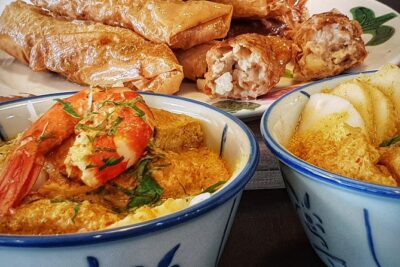
Singapore Market to Table Culinary Experience (Wet Market Tour included)
Read our review →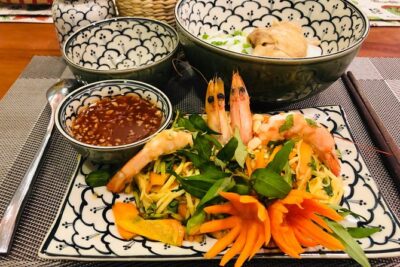
Immersive Cooking Class & Wet Market Tour by Local Chef +Cookbook
Read our review →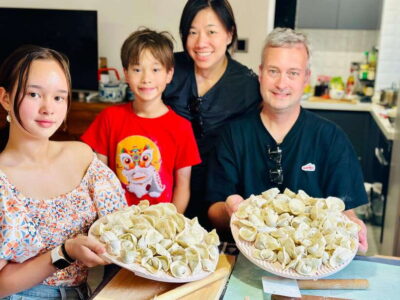

Cairo Unusual Day Tour Visit Camel Market in Birqash
Read our review →

4-Hr Shanghai Layover Tour: Maglev, Wet Market, Food, Landmarks
Read our review →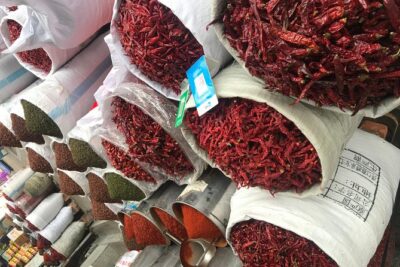
3-Hour Herbal Wholesale TCM Market and a Local Wet Market Tour
Read our review →
Hangzhou Insider Mini-Hike: TCM, Hill Views and Wet Market
Read our review →Browse the lists this tour appears in