
Review · HUNGARY
Budapest Cooking Class & Market Tour with Local Guide & Wines
Come hungry, leave with a recipe. This four-hour Budapest experience combines a guided visit to Central Market Hall with hands-on cooking, Hungarian food traditions, and a shared meal in a cozy local kitchen. I especially like the market shopping and tasting, plus the relaxed teaching style of guides such as Kinga, Mesi, Ben, and Birdie. The main consideration is that the class menu and group size may vary, and Sunday market visits can feel quiet.
At $99 per person, this is not a cheap meal, but it can be good value if you want more than a restaurant dinner. You get food, wine, a market tour, cooking instruction, and cultural context in one afternoon. If you expect every minute to be hands-on or want to prepare several elaborate dishes, you may find the pace too leisurely.
Key points to know before booking
- Central Market Hall comes first: You shop for ingredients, taste Hungarian pickles, and learn about local food traditions before cooking.
- Chicken paprikash often appears in practice: The advertised sample menu features sausage lecsó with dumplings, while many sessions have prepared chicken paprikash and homemade noodles.
- The setting aims for a Budapest home kitchen: Cooking and dining take place in a cozy apartment-style venue rather than a polished restaurant school.
- Wine is part of the experience: Local wines and a pálinka tasting accompany the food, with non-alcoholic choices available.
- Small-group limits matter: The stated maximum is 12 people, though the exact feel depends on the day and the group.
- Sunday is less lively at the market: Some stalls may be closed, so choose another day if the market visit is your main reason for booking.
Starting among paprika and pickles at Central Market Hall
The experience begins at Central Market Hall, Budapest’s grand indoor food market near the Danube. This is a smart starting point. Hungarian cooking makes more sense once you have seen the paprika, sausages, cured meats, cheeses, pickles, and produce that fill local kitchens.
Your guide leads you through the market and explains what you are seeing. The visit is not only a shopping errand. You taste traditional Hungarian specialties from local producers and pick up some of the ingredients needed for the meal.
I like this format because it gives you a reason to pay attention. Instead of walking through the hall and wondering which paprika or sausage to buy, you get a guide who can connect the products to everyday cooking. You also hear about Hungarian food customs, geography, and the way family recipes are passed along.
The tasting portion can include cured salamis, cheeses, unusual pickled vegetables, and a small serving of pálinka, the strong fruit brandy associated with Hungary. The samples make the market visit feel active, not like a lecture with food in the background.
Allow about 30 minutes of walking through the market. It is not a long city tour, but the hall can be crowded and noisy, and you may spend time stopping at stalls. If you have mobility concerns, take this seriously. One person described needing patience and extra care because of walking, an escalator, and a broken elevator during the visit. The route also includes a walk of roughly 5 to 15 minutes to the cooking venue.
Sunday deserves special attention. Central Market Hall can be much quieter then, and many stalls may be closed. You still get the building, the tastings, and the stories, but the shopping atmosphere will not be at its best. I would choose a weekday or Saturday if the market is a major reason you want this class.
More Cooking Classes in Budapest:
- Budapest: Small-Group Cooking Class & Market Tour with Local
★ 5.0 · 138 reviews - Hungarian Cooking and optional Local Market Tour
★ 4.5 · 98 reviews - Easy Cooking Class Budapest – with Market Walk (local wine & pálinka included)
★ 5.0 · 62 reviews
Walking from the market to a home-style kitchen
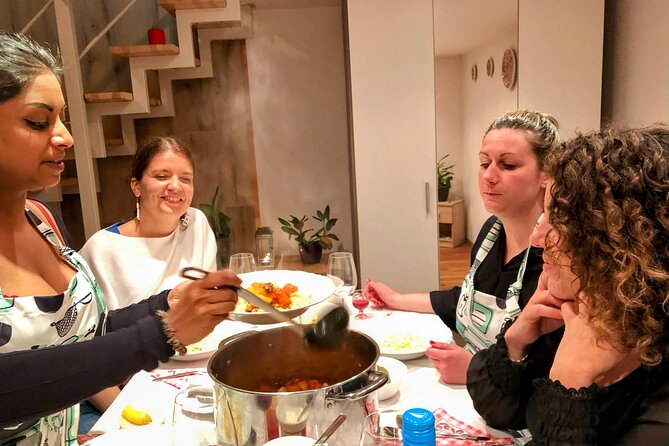
After the market, you continue to a Budapest-style apartment or apartment-like cooking venue. The setting is part of the appeal. It is designed to feel like a real kitchen where friends might gather, rather than a sterile classroom with rows of workstations.
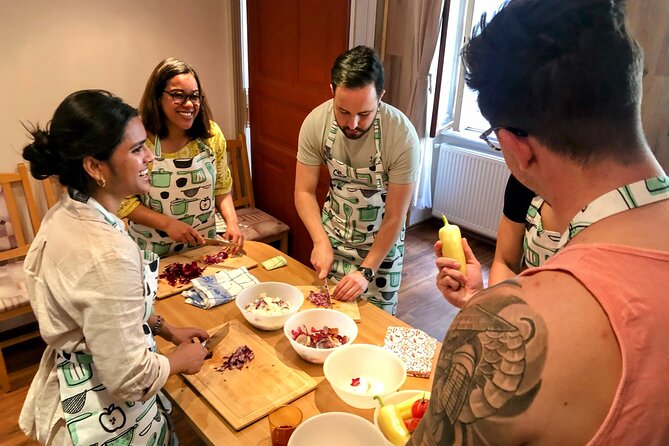
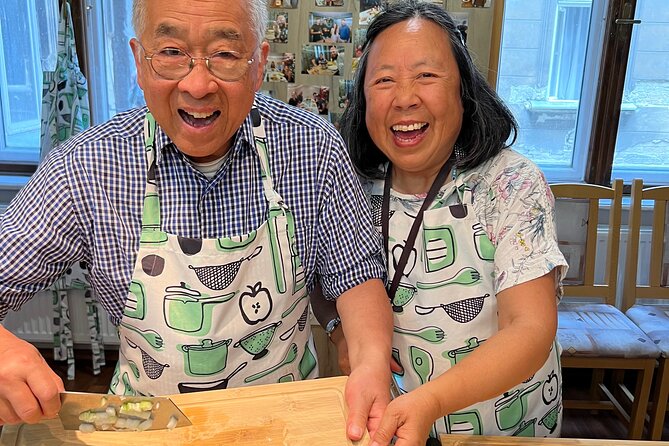
That informal setting helps the social side of the afternoon. You cook with people from different places, sit down together, and usually have plenty of time to talk. Several sessions have included families, older children, couples, and people with very different levels of cooking experience.
The group limit is listed as 12 people. That is a reasonable size for a social class, but it is not the same as a private lesson. You may not personally chop every ingredient or control every step. A larger group can also make it harder to hear the guide in the market or see a demonstration clearly.
There has been some confusion between this cooking class and a separate Budapest food-tasting tour. The food-tasting tour focuses on eating around the city and may involve a larger group. This experience is the one that combines Central Market Hall with cooking and a shared meal. Check the exact product name and description at booking so you do not arrive expecting a private class for four.
Cooking Hungarian food you can make at home
The kitchen lesson focuses on familiar Hungarian home cooking, not restaurant tricks. The published sample menu lists sausage lecsó with Hungarian-style flour dumplings, while many sessions have prepared chicken paprikash with homemade nokedli or similar dumplings.
That difference matters. The core idea is consistent, traditional comfort food, but the exact main dish may change. If you have your heart set on goulash, chicken paprikash, or sausage lecsó, ask ahead rather than assuming every class cooks the same menu.
Chicken paprikash is a particularly useful dish to learn because it offers a clear lesson in Hungarian flavors without requiring exotic equipment. You work with paprika, onions, chicken, and dumplings, then sit down to eat the result. Several people have found the finished dish easy enough to repeat at home, which is a good test of a cooking class.
The dumplings add a nice hands-on element. Hungarian nokedli resembles small, soft noodles or spätzle, and preparing them gives you a skill you can use with stews and sauces. The class also provides recipes, so you do not have to rely on memory once you return home.
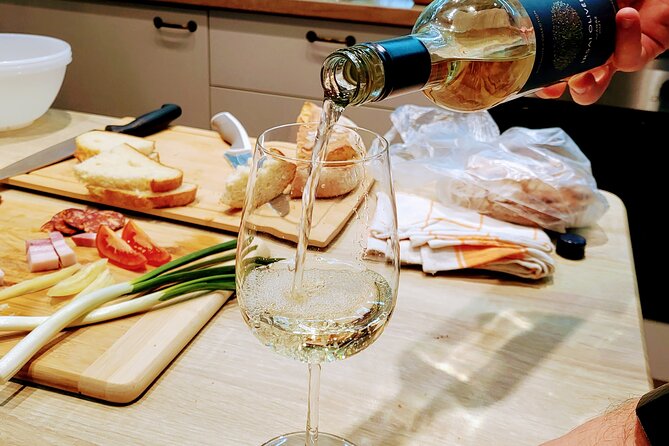
Some sessions include a starter spread of Hungarian salami and cheese before the main cooking begins. Pickles may return from the market as a snack or side dish. The sample menu also lists a traditional Hungarian pudding for dessert.
Here is the important caveat: the dessert is not guaranteed to be prepared in every session. One account specifically found that the class centered on one main dish and did not include the promised dessert. Cooking time, group pace, and the day’s menu can affect what is made. If dessert is important to you, confirm the current menu before paying.
You should also adjust your expectations about how much cooking you will do. This is a shared class, not a private chef lesson. You may chop, stir, shape dumplings, and help with other steps, but there may be pauses while food cooks. The payoff is a relaxed meal and social time, not nonstop activity.
Wine, pálinka, and a shared Budapest meal
Wine is woven into the afternoon. Local winery selections are served with the meal, and the experience includes a pálinka tasting. For many people, this adds a pleasant Hungarian touch and gives the meal a celebratory feel.
You do not have to drink alcohol. Non-alcoholic options are available, and the provider has said that wine and liqueurs are offered freely rather than as a requirement. Still, the amount of attention given to drinking may vary with the guide and group. If you do not drink, make that clear early so the host can look after you properly.
The shared meal is one of the strongest parts of the experience. You sit with the people who cooked beside you and eat food that you helped prepare. That changes the meal from a demonstration into a small social event.
The guides receive especially warm praise for their manner. Kinga is described as friendly, patient, and relaxed. Mesi is known for drawing everyone into the cooking and adding humor. Ben has been appreciated for making mixed-experience groups feel comfortable and for offering practical help. Birdie has also led sessions with an easy, welcoming style.
These details matter because a cooking class depends heavily on the teacher. A mediocre dish can still be useful if the instruction is clear, but a stiff host can drain the pleasure from the room. Here, the best sessions seem to succeed because the guide treats the group like friends around a kitchen table.
More Wine Tours in Budapest:
- Budapest Food Tour: Market to Tavern with 14+ Tasters & Wines
★ 5.0 · 434 reviews - Budapest: Food Tour Market to Tavern: 14+ Tasters & Wines
★ 4.9 · 375 reviews - Budapest Wonderland – A Christmas Market Tour with Chimney Cake & Mulled Wine
★ 5.0 · 15 reviews - Private Budapest Christmas Market Tour with Chimney Cake & Mulled Wine
★ 5.0 · 6 reviews
What the $99 price really includes
At $99 per person, the price is fair if you would otherwise pay separately for a market tour, a substantial meal, drinks, and a cooking lesson. You are paying for roughly four hours, food tastings, ingredients, recipes, instruction, wine, and a guide who explains Hungarian food culture.
The value is strongest for people who want context. A standard restaurant meal may be cheaper, but it will not show you how the ingredients look at the market or explain how the dish is made. A basic market walk may cost less, but it will not end with you cooking dinner in a local-style kitchen.
The value is weaker if you mainly want a long market visit or an advanced lesson. The Central Market Hall portion is fairly short, and the cooking may involve waiting while the food simmers. The class is also not built around preparing a large number of dishes.
I would compare it to paying for a good meal plus a half-day cultural activity. You get a recipe and a memory you can carry home, which is more useful than another restaurant menu if you enjoy cooking.
Dietary needs, mobility, and timing
Vegetarian and vegan choices are available, and gluten-free options are offered. However, the cooking takes place in a shared kitchen, so cross-contamination may be possible. If you have celiac disease or a serious allergy, contact the provider before booking and ask for clear details about ingredients, utensils, and preparation.
The standard meal includes meat, dairy, flour-based dumplings, cheese, cured meats, and alcohol, so dietary planning matters. The provider does not claim that the kitchen is fully allergen-free.
For mobility, plan on walking through Central Market Hall and then continuing to the nearby cooking venue. The market may involve escalators, and elevator access can vary. The class itself takes place in an apartment-style setting, so ask about stairs and access if that affects your decision.
The activity requires good weather, even though much of it happens indoors. If poor weather causes cancellation, you should be offered another date or a full refund. A minimum group size is also required, and a cancellation for that reason should come with a new date, another experience, or a full refund.
You can cancel for a full refund up to 24 hours before the start time. Changes or cancellations inside that window are not accepted for a refund.
Who will enjoy this class most
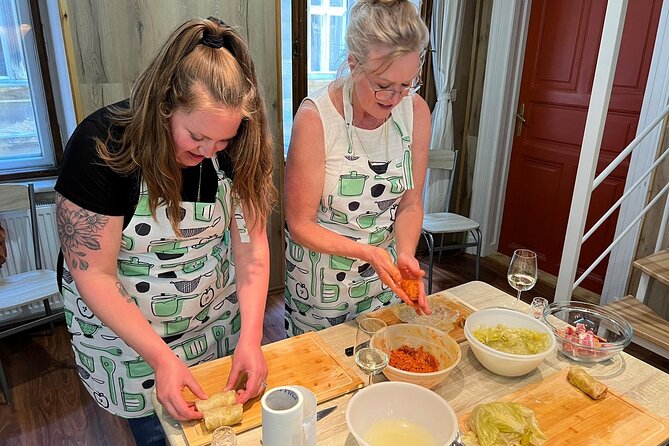
I would recommend this experience to you if you want a gentle introduction to Hungarian food and enjoy meeting people over a meal. It works well for couples, families with older children, solo visitors who like group activities, and cooks who want a recipe they can repeat at home.
It is also a good choice early in your Budapest visit. The guide may offer suggestions for the rest of your stay, and the market gives you useful clues about what to look for in restaurants and shops.
You may want a different activity if you need a private class, a strict schedule, or advanced culinary training. You should also think twice if a quiet Sunday market would disappoint you, if you dislike alcohol-centered social settings, or if you need a completely gluten-free kitchen.
For children, the class can work well when they enjoy helping in the kitchen. One family had a good experience with an 11-year-old, and another group found that children enjoyed the food. Still, the shared format means young participants need to stay involved and follow instructions.
My verdict on the Budapest cooking experience
I like this class because it connects three things that belong together: Hungarian ingredients, family cooking, and the people who eat the food. The market visit gives the cooking meaning, and the shared meal gives the lesson a satisfying finish.
The strongest version of the experience includes a lively market, a patient guide, an engaged group, and enough hands-on work for everyone. The weaker version may involve closed Sunday stalls, a crowded room, limited cooking tasks, or a menu that does not match your expectations.
I would book it if you want a friendly four-hour food experience rather than a formal culinary course. Choose a non-Sunday date when possible, confirm the main dish and dessert, state any dietary needs clearly, and expect a shared class rather than a private lesson. With those expectations in place, $99 is a reasonable price for a meal, market visit, cooking lesson, wine tasting, and a recipe worth making after Budapest.
FAQ
Where does the Budapest cooking class begin?
It begins at Central Market Hall in Budapest, Hungary. The activity ends back at the meeting point after the cooking and meal.
How long does the experience last?
The experience lasts approximately four hours.
What food might I prepare?
The sample menu lists Hungarian sausage lecsó with Hungarian-style flour dumplings, or potatoes for a gluten-free option. Many sessions have prepared chicken paprikash with homemade Hungarian dumplings, so the exact dish can vary.
Are vegetarian, vegan, and gluten-free options available?
Yes. Vegetarian, vegan, and gluten-free options are available. Because the class uses a shared kitchen, cross-contamination may still be possible.
Is wine included?
Yes. The experience includes wine pairings from local wineries and a tasting of Hungarian pálinka. Non-alcoholic alternatives are available.
How large is the group?
The stated maximum is 12 participants.
Can I cancel for a refund?
Yes. You can cancel at least 24 hours before the start time for a full refund. Cancellations or changes made less than 24 hours before the start time are not accepted for a refund.
Just added around Budapest
- Antiques and Curios – Private Flea Market Treasure Hunt★ 4.5 · 10 reviews
- Budapest’s Central Market Hall And Hosok Tere With A Local Host★ 5.0 · 2 reviews
- Private Budapest Christmas Market Tour with Chimney Cake & Mulled Wine★ 5.0 · 6 reviews
- Budapest Market Tour & Home Cooking Class with local Chef & Guide★ 5.0 · 23 reviews
- Exclusive Market Tour Budapest -Private Food Experience & Tasting★ 5.0 · 16 reviews
- Great Market Hall & Local Treats★ 4.5 · 11 reviews
- Easy Cooking Class Budapest – with Market Walk (local wine & pálinka included)★ 5.0 · 62 reviews
- Gourmet Market Walk at the Great Market Hall of Budapest★ 4.5 · 18 reviews
Cooking Classes, compared.
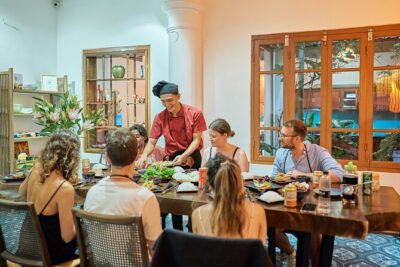
Hanoi Cooking Class: Culture, Local Market & Meaning CSR Impact
Read our review →
5 Traditional Dishes Hanoi Cooking Class with Market Trip
Read our review →
Cooking Class and Lunch at a Tuscan Farmhouse with Local Market Tour from Florence
Read our review →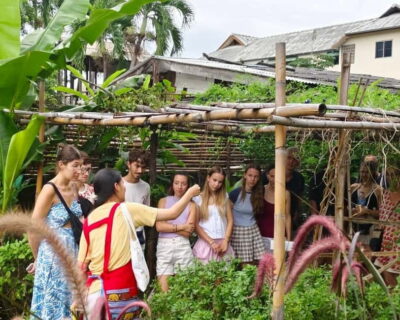
Cooking Class, Market & Thai Herbs Garden Tour
Read our review →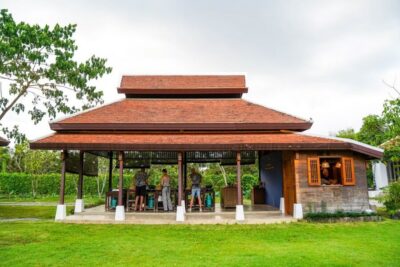
Authentic Cooking Class with Market & Farm Visit
Read our review →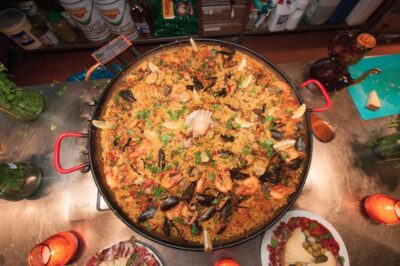
Paella Cooking Experience & Boqueria Market Tour
Read our review →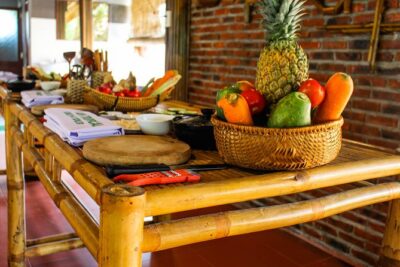
Cooking Class Hoi An:Local Market, Basket Boat, Fishing & Cooking
Read our review →
Hoi An Cooking Class(Market,BasketBoat Crabfishing&Cooking Class)
Read our review →Browse the lists this tour appears in