
Review · KWAZULU-NATAL, SOUTH AFRICA
Durban: Local Markets and Culture Guided Walking Tour
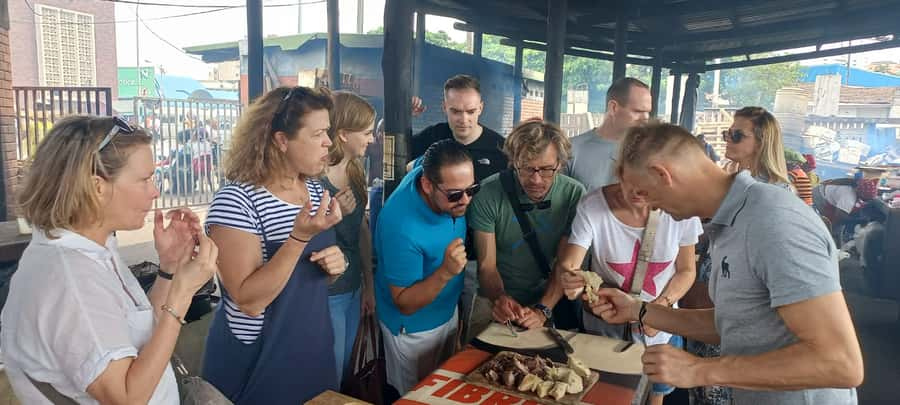
Durban is best understood on foot and by combi. This guided outing moves from a city viewpoint into Warwick’s markets, traditional medicine stalls, Indian shopping areas, and Victoria Street Market, then ends with Bunny Chow at North Beach. I like the way local transport becomes part of the lesson, not just a way to get from one stop to another. I also like that guide Johnny connects market life with Durban’s history, politics, food, and daily routines. The main consideration is comfort: expect about 8,000 steps, crowded market spaces, and a minibus ride that may feel basic if you are used to private taxis.
The tour costs $68 per person and lasts about five and a half hours on paper, though the practical schedule is described as four to five hours and can stretch when the group stops for food or conversation. Bunny Chow is included, while drinks and personal purchases are not. Bring cash, water, sun protection, and shoes you can happily walk in for much of the day.
Key points to know before booking
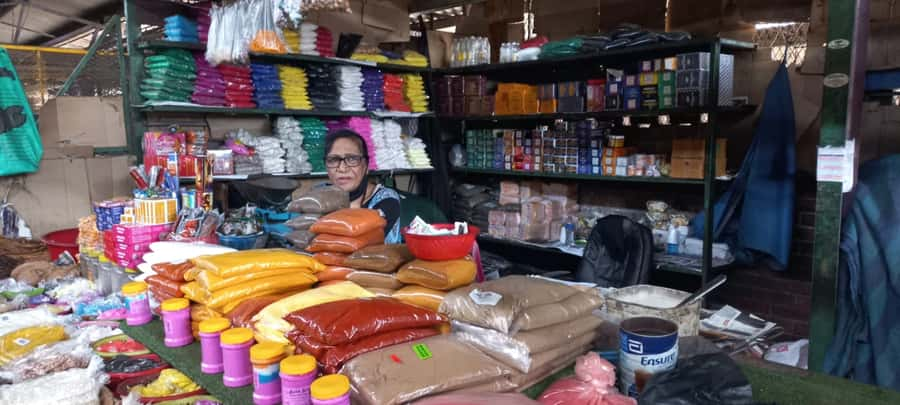
- Warwick’s markets are the heart of the tour: You visit several market areas in one morning, including the early morning, bridge, Indian, African, medicine, and Victoria Street markets.
- Johnny is the main advantage: His long experience in Durban and friendly relationships in the markets help you feel more at ease in places you may not choose to enter alone.
- The combi ride is part of the culture lesson: Local minibus transport gives you a practical look at how people move around Durban.
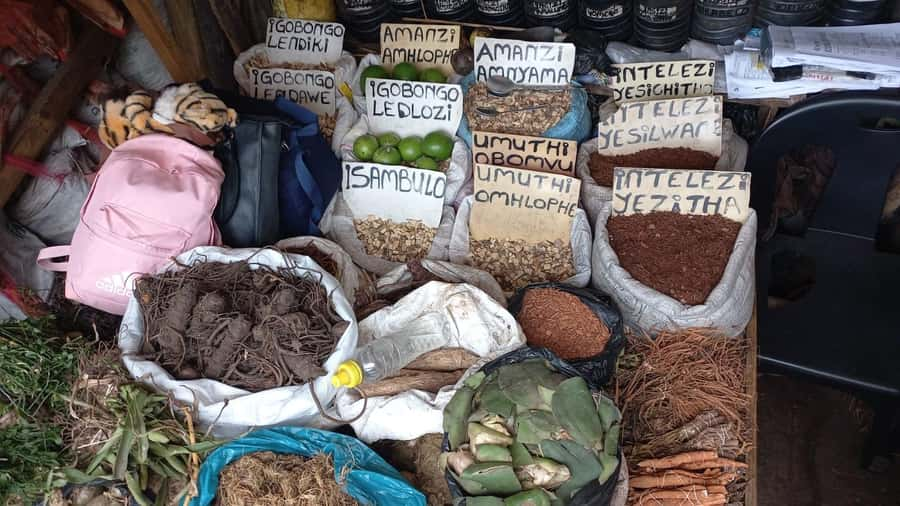
- The medicine market needs an open mind: You may see herbs, powders, oils, and animal-based items connected with traditional healing practices.
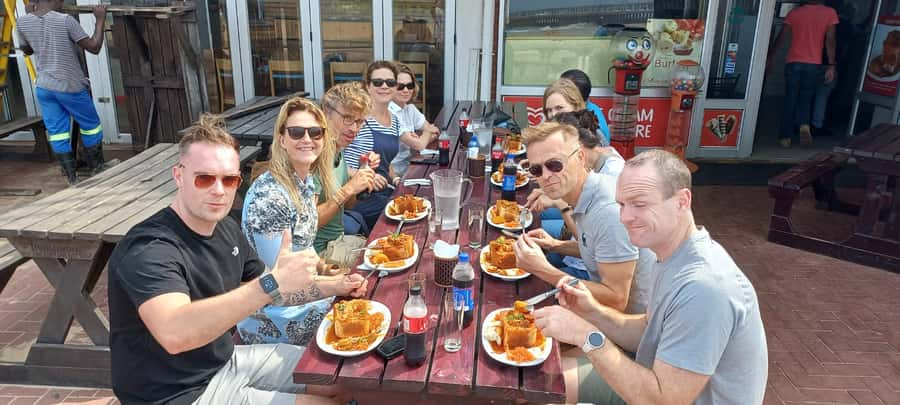
- The finale is simple and local: The tour ends at North Beach with Bunny Chow, a hollowed loaf filled with meat.
- This is active and flexible: Plan for walking, standing, heat, shopping stops, and possible changes in timing.
Why this Durban tour feels different
Many city tours keep you on a bus and point out major buildings. This one takes you into the working parts of central Durban, where shopping, commuting, food, and local customs all overlap. That gives the tour a more direct feel, but it also means you need to accept noise, crowds, uneven comfort, and a less polished route.
The guide is Johnny, sometimes written as Jonny in tour material. The strongest praise centers on his personal approach. He explains Durban’s past and present, answers questions about politics and culture, and knows many people in the market areas. That matters here because a guide does more than provide facts. He helps you understand where to pause, how to move through the market, and how to feel welcome without treating the area like a staged attraction.
The tour is also praised for showing parts of Durban that are difficult to understand from a hotel, beach resort, or standard sightseeing bus. You see the city through shopping stalls, local transport, food, and personal stories. If you want only famous sights and smooth transfers, this may feel too rough around the edges. If you want a closer look at daily life, that roughness is part of the value.
More Market Walking Tours in the world:
- Bangkok: City Highlights Temple and Market Walking Tour
★ 4.5 · 3,990 reviews - Tokyo Tsukiji Fish Market Food and Culture Walking Tour
★ 5.0 · 3,184 reviews - Marrakech: Ben Youssef, Secret Garden, & Souks Walking Tour
★ 4.6 · 2,802 reviews
Starting at 169 Ninth Avenue in Morningside
The meeting point is Tekweni Backpackers at 169 Ninth Avenue, just off Florida Road in Morningside. Your guide waits inside the premises, and safe parking is available if you arrive by car.
Starting away from the main market district gives Johnny time to set the scene. The opening history talk helps explain Durban’s mix of African, Indian, and other cultural influences before you enter the market areas. This is useful because the morning is not just a shopping trip. The stalls make more sense when you have some background on the city and its communities.
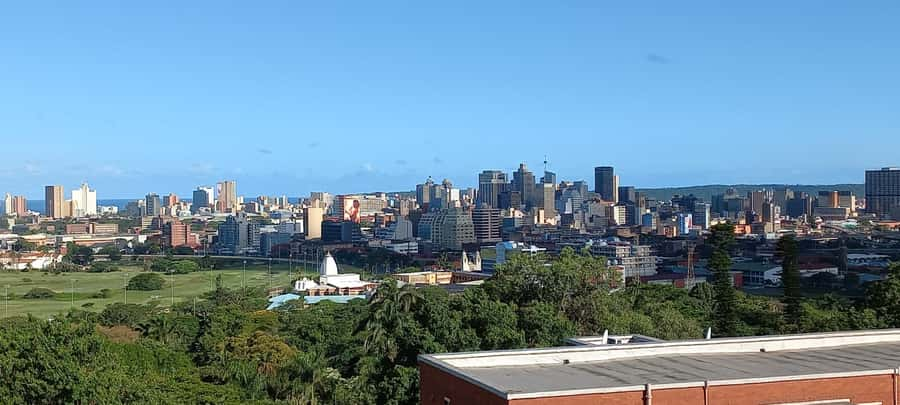
The route includes a viewpoint and photo stop before the first public transport section. The exact viewpoint is not specified, so you should treat it as a chance to see Durban from above rather than expect a named monument. It gives you a visual introduction before the close-up market walk begins.
Riding Durban’s local minibus taxis
The first public transport journey takes about 15 minutes, using a local minibus taxi, often called a combi. A second trip of about 15 minutes carries you from the market area toward the beachfront.
This is one of the most distinctive parts of the experience. You are not simply being driven between attractions. You learn how local transport works, where it fits into city life, and how to manage a form of travel that may be unfamiliar to you. Previous visitors particularly valued Johnny’s explanations because local minibus systems can be hard to understand without help.
There is a trade-off. A combi is not a private car, and waiting or riding in poor weather may test your patience. One person specifically found the transport less appealing on a rainy day and would have preferred a taxi. That is fair advice. If you need air-conditioning, guaranteed departure times, or a quiet ride, this tour may not suit you. If you want transport to be part of the experience, it adds real value.
Walking through the Markets of Warwick
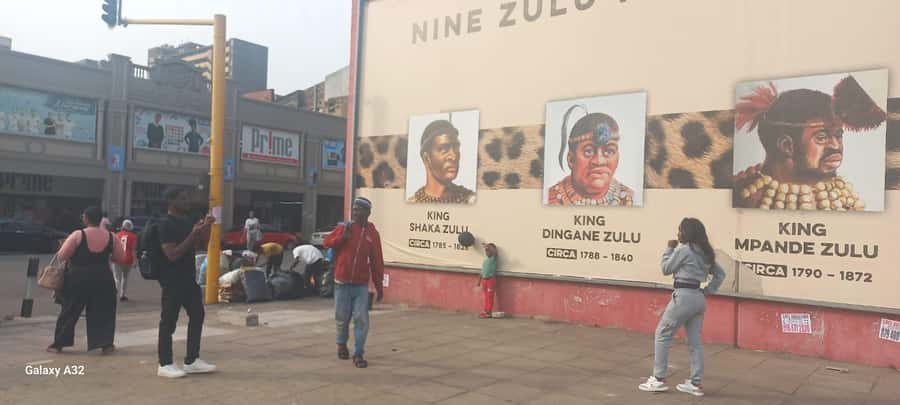
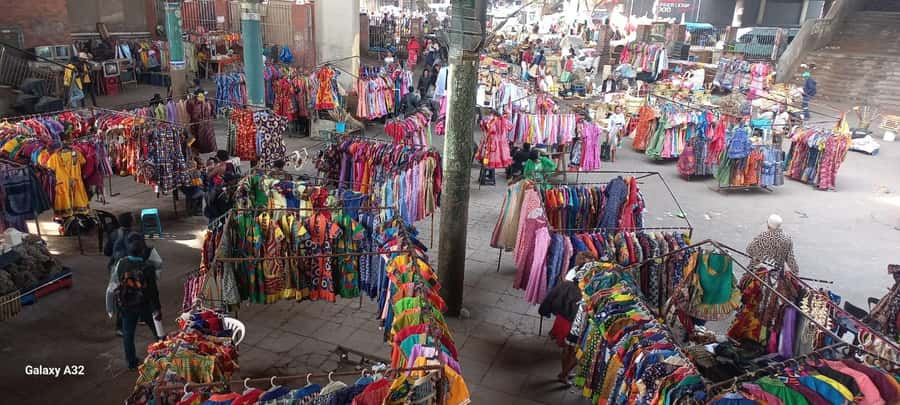
The main market visit takes place around the Markets of Warwick, with a guided walk through several connected areas. The route includes the early morning market, bridge market, Indian markets, African medicine market, African market, and Victoria Street Market.
That is a lot of ground for one morning, so expect an overview of several market cultures rather than a long, leisurely visit to every stall. The point is the range. You move from produce and everyday shopping to spices, clothing, crafts, traditional remedies, and other goods sold to local customers.
A few more market tours around the world worth a look
- Dubai: Old Town, Souks, Street Food, Guided Tour & Abra Ride
★ 4.9 · 7,170 reviews - Dubai: Frame Tickets, Creek, Souks & Blue Mosque Guided Tour
★ 4.8 · 5,980 reviews - Chef Guided Food Tour of Pike Place Market
★ 5.0 · 3,733 reviews - Marrakech: Colorful Medina Souks Guided Walking Tour
★ 4.7 · 2,470 reviews
Early morning and bridge markets
The early market gives you a look at the practical side of Durban’s shopping life. It is less about a neat display for visitors and more about goods moving through the city. The bridge market adds another layer, with stalls and foot traffic spread through an area that feels connected to ordinary city routines.
You may find the pace quick and the surroundings crowded. Keep your belongings close, stay with the guide, and ask before photographing people or products. The tour’s value comes from being present in a real market, so a respectful attitude matters more than trying to photograph every corner.
Indian and African markets
Durban’s Indian influence is an important part of its identity, and the Indian market areas bring food, spices, and shopping traditions into the route. Several people used the tour as a place to buy spices and local gifts at prices they considered better than tourist-oriented shops.
The African market gives you another view of the city’s trading culture. The experience is not presented as one single Durban identity. Instead, the guide helps you see how different communities and customs meet in the same city. That context is one reason the tour has been so well received by people interested in culture rather than just landmarks.
Bring cash if you plan to shop. Personal purchases are not included, and the tour information specifically recommends carrying money. A roomy bag is sensible too, especially if you intend to buy spices, small gifts, or other market goods.
The traditional medicine market
The medicine market may be the most striking stop. It can include herbs, powders, oils, and items associated with traditional healing. Some stalls are operated by traditional healers, and the products reflect practices that may be unfamiliar to you.
This is a place to listen rather than judge quickly. The market offers insight into beliefs and health traditions, but you should not assume that every product is suitable for use or consumption. Ask Johnny questions, and treat the stallholders and their goods with respect.
For some people, this will be the most memorable section. For others, animal-based items or unfamiliar remedies may feel uncomfortable. The tour does not hide that complexity, which makes it more useful than a polished presentation that leaves out difficult subjects.
Victoria Street Market
Victoria Street Market is one of the best-known names on the route and gives you a more recognizable shopping setting after the other market areas. It is a good place to look for spices, souvenirs, and local goods, but the guide’s familiarity with the wider market district is a key advantage.
Johnny has been leading this type of tour for more than 14 years, according to the supplied tour information. That long connection helps him point out sensible buys and steer you toward items that offer better value than tourist shops. Still, compare prices, buy only what you genuinely want, and remember that market shopping takes time.
Durban’s history through ordinary places

The tour makes history practical. Instead of limiting the subject to dates and buildings, Johnny links Durban’s past to its transport patterns, markets, food, inequalities, and cultural mix. He also answers questions about South Africa’s politics and traditions, so you can ask for context when something catches your attention.
That personal explanation is repeatedly described as a major strength. Johnny is praised for being open, humorous, professional, and passionate about Durban. Just as important, his relationships with local stallholders help create a calmer experience for people who might otherwise feel unsure about entering these areas alone.
Do not expect a detached academic lecture. The appeal is a guide who tells the city’s story through his own connection to it. That makes the tour lively, though the amount of information may depend on what you ask and where the group pauses.
Lunch at North Beach with Bunny Chow
After the market walk and the second minibus ride, the route ends on the beachfront at North Beach. Lunch is Bunny Chow, a Durban specialty made by hollowing out a loaf of bread and filling it with meat.
Bunny Chow is a filling, informal meal rather than a delicate beachside dish. The bread acts as the container, and the result is easy to understand as both comfort food and a piece of Durban’s food culture. Lunch is included, but beverages are not, so keep extra money available if you want a drink.
Ending at the beach gives the tour a change of pace. You move from tight market lanes and transport noise to the open promenade, with time to eat and take in the coastal setting. The stated lunch period is about one hour, though the full day can run longer if the group adds meals, shopping, or extra conversation.
How much value do you get for $68?

At $68, this is not the cheapest way to see Durban, but the price covers more than a walking guide. It includes Johnny’s guiding, the market route, both local transport sections, and lunch. You are also paying for access and orientation in areas that can be difficult to approach with confidence on your own.
The value is strongest if you would otherwise book separate transport, search for market areas independently, and spend time guessing where to go. It is also strong for anyone who wants cultural explanation rather than a list of sights. The tour may feel less worthwhile if you mainly want a short city walk, private transportation, or a shopping trip without much discussion.
The experience appears to be small and personal in feel, though no fixed group size is provided. The guide’s flexibility is another advantage. One long outing reportedly included extra food and ran closer to eight hours, while the stated duration is 330 minutes. Plan around the official four to five hour estimate, but leave room in your day.
Who should book this experience?
I would point this tour toward curious, reasonably active visitors who want to see Durban beyond the beachfront. It suits solo visitors, couples, and small groups who enjoy asking questions, trying local food, and learning through ordinary places.
You should be comfortable with:
- About 8,000 steps at a slow pace
- Market crowds and a busy city setting
- Local minibus taxis
- Carrying cash for shopping and drinks
- Warm sun, standing, and walking
- A traditional medicine market that may include unfamiliar items
Wear comfortable clothes and walking shoes. Sunglasses, a sun hat, sunscreen, and water are sensible. The tour is not suitable for wheelchair users, and the supplied information lists it as unsuitable for people over 95.
Free cancellation is available up to 24 hours before departure, and you can reserve with payment later. Starting times vary, so check availability for the date you want.
FAQ
Where does the Durban markets tour start?
It starts inside Tekweni Backpackers at 169 Ninth Avenue, just off Florida Road in Morningside. Safe parking is available if you arrive by car.
Where does the tour finish?
The tour finishes at North Beach on the beachfront promenade, after lunch.
How long does the tour take?
The listed duration is 330 minutes. The practical guidance describes it as about four to five hours, although extra food, shopping, weather, or conversation can make the day longer.
Is lunch included?
Yes. Lunch is included and consists of Bunny Chow, a traditional Durban meal made with bread and meat. Beverages are not included.
Does the tour use public transport?
Yes. The tour uses local minibus taxis, also called combis, for trips of about 15 minutes during the route.
Which markets will I visit?
The route includes the early morning market, bridge market, Indian markets, African medicine market, African market, and Victoria Street Market in the Markets of Warwick area.
What should I bring?
Bring comfortable shoes, sunglasses, a sun hat, sunscreen, water, comfortable clothing, and cash for personal purchases and drinks.
Is the tour suitable for wheelchair users?
No. The tour is listed as unsuitable for wheelchair users.
Can I cancel the booking?
Yes. You can cancel up to 24 hours in advance for a full refund. Reserve now and pay later is also available.
Should you book the Durban markets tour?
Book it if you want Durban explained through its people, markets, food, and everyday transport. Johnny’s local connections and clear passion for the city are the strongest reasons to choose it, while the included lunch and combi rides make the $68 price easier to justify.
Skip it if you need private transport, a quiet route, limited walking, or a tightly timed sightseeing schedule. For everyone else, this is a strong choice for seeing a less polished but more revealing side of Durban, with Bunny Chow waiting at the beach as a fitting finish.
Just added around the world
- Half-day Dandan Noodles Cooking Class with a Local Market Visit★ 5.0 · 8 reviews
- Three-Hour Private Chengdu Tea Wholesale Market Tour★ 5.0 · 4 reviews
- 3-Hour Herbal Wholesale TCM Market and a Local Wet Market Tour★ 5.0 · 4 reviews
- Moroccan Cooking Class with a Local Family & Market Visit★ 5.0 · 16 reviews
- Charleston International Sweet Treats & Historic City Market Tour★ 5.0 · 22 reviews
- Chania Old Town, Public Market and Chrisopigi Monastery Tour★ 4.5 · 6 reviews
- Chania: Old Town, Public Market, Hill of Prophet Elias, Agia Triada★ 5.0 · 35 reviews
- Cesarine: Market Tour & Home Cooking Class in Catania★ 4.0 · 6 reviews
Walking Tours, compared.

City Highlights Temple and Market Walking Tour
Read our review →
Tokyo Tsukiji Fish Market Food and Culture Walking Tour
Read our review →
Ben Youssef, Secret Garden, & Souks Walking Tour
Read our review →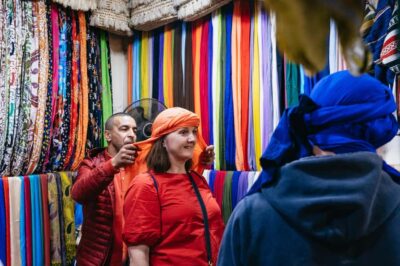
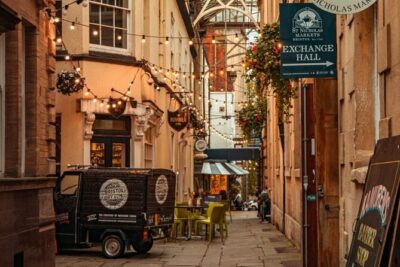
Air Raid Shelter + St. Nicholas Market Walking Tour
Read our review →
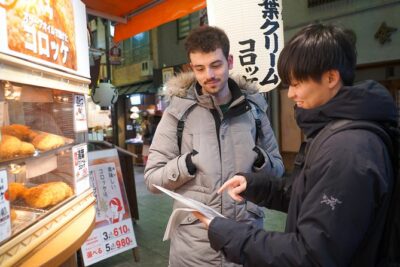
Nishiki Market Brunch Walking Tour (7 Tastings + Brunch)
Read our review →Tsukiji Fish Market Food and Culture Walking Tour
Read our review →Browse the lists this tour appears in