
Review · SOUTH KOREA
Dongmyo Flea Market Vintage Vibes Local Guided Tour
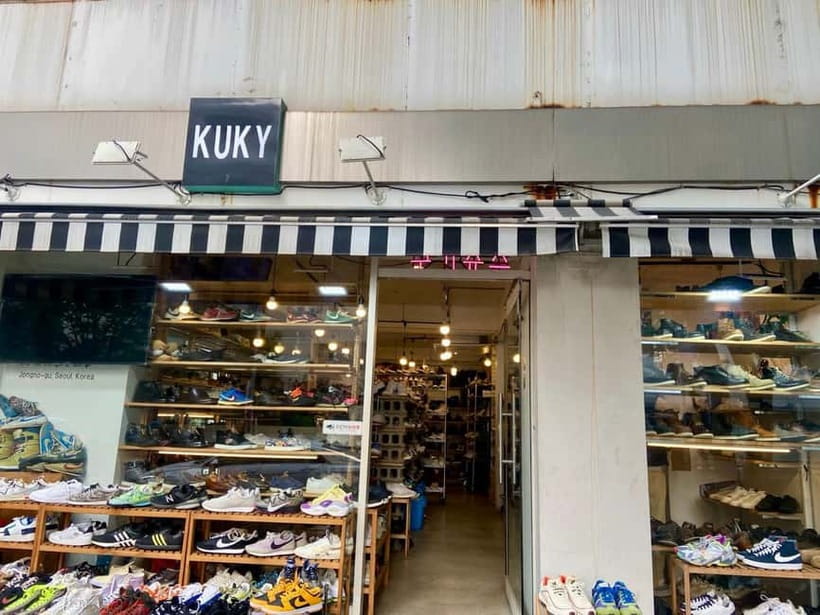
Seoul’s best bargains hide in plain sight. This $50 experience takes you through Dongmyo Flea Market with a local guide, helping you spot vintage clothes, old cameras, vinyl records, toys, and antiques that are easy to miss when you wander alone. I like the hand-marked market map and the practical bargaining advice, which give the outing some shape without taking away the fun of looking around.
I also like the way the experience finishes back at a café, where you can share your finds and stories over drinks. Guide SuYeon has been praised for making the market feel like thrifting with a friend. The main drawback is the market itself: it can be crowded, messy, and confusing, and your $50 does not cover purchases, transportation, or the café drink.
Key points to know before you go
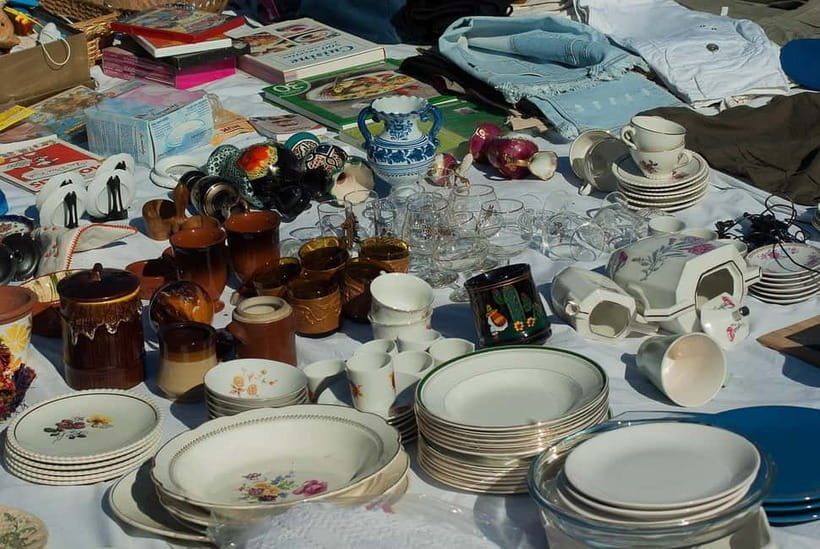
- Clothes can begin around 2,000 KRW: Expect low prices on some secondhand clothing, with leather jackets often around 50,000 to 60,000 KRW.
- A guide saves you time: You receive a market map and are shown shopping areas that are easy to pass by on your own.
- Dongmyo has a long secondhand tradition: The market grew around Dongmyo Shrine in the 1960s, when people traded military surplus and household goods.
- Bring cash and bargain politely: Bargaining is part of the fun, but you should be ready to inspect items carefully and make your own choices.
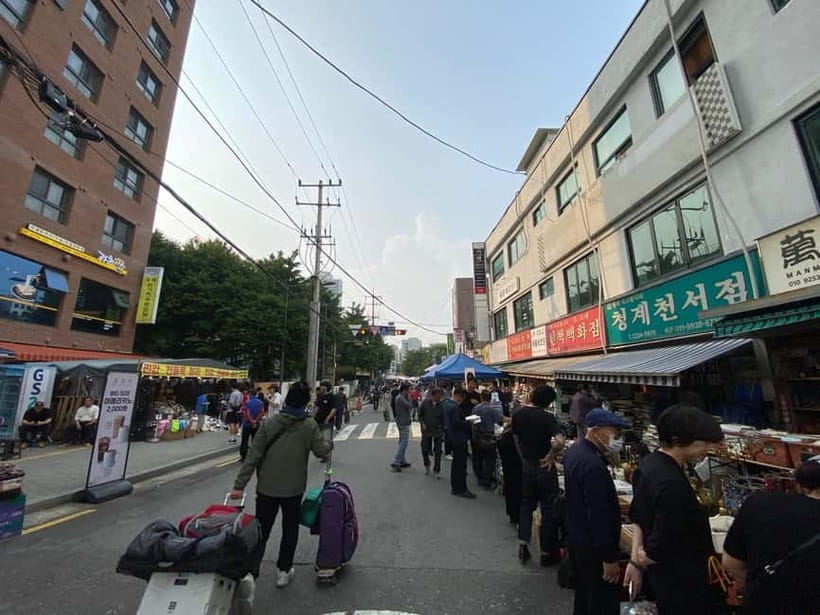
- The market is not polished Seoul: This is an open-air maze of blankets, tables, clothing piles, records, toys, and old household goods.
- The café ending adds a social touch: You return to the meeting point area for drinks, photos, and suggestions for nearby Euljiro.
Meeting at Dongmyo Station Exit 5
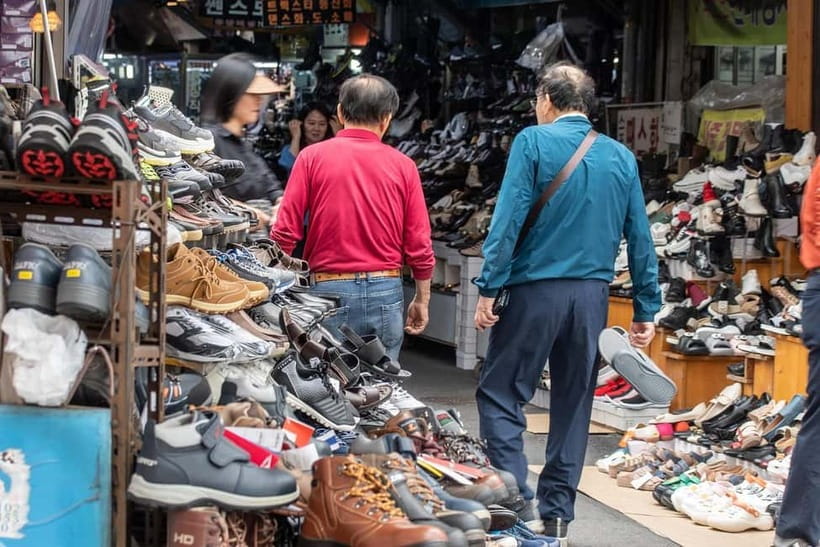
The experience begins outside Exit 5 at Dongmyo Station. That is a useful meeting point because you enter the market close to the action instead of spending your first half hour trying to figure out where the stalls begin.
You should arrive wearing comfortable shoes and clothes you can walk in. Sunglasses and water are also sensible. The market is a place for browsing at ground level, stepping around tables, and moving through crowded lanes, so this is not the time for delicate footwear or a tightly planned outfit.
Transportation to and from the market is not included. You are responsible for getting to the station and back afterward, but the end of the activity is at the same meeting point. That makes the outing easy to combine with other plans in Seoul.
The languages offered are English, French, and Korean. If language support matters to you, select the option that best fits your needs when booking.
More Flower and Flea Market Tours in Seoul:
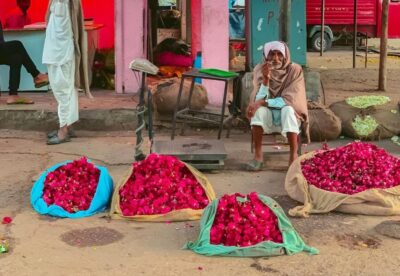
- Bangkok: Night Bike Tour with Temples & Flower Market Visit
★ 4.8 · 751 reviews - Bangkok: Night Bike Tour with Temples & Flower Market Visit
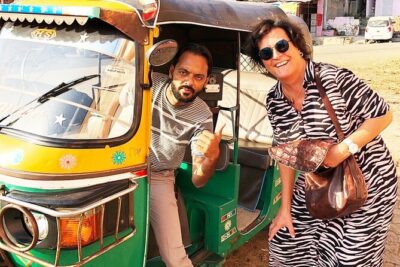
★ 5.0 · 223 reviews - Jaipur Tuk-Tuk Tour with Flower Market Visit
★ 5.0 · 124 reviews
Why a guide helps inside Dongmyo
Dongmyo is not a neat row of labeled shops. It is a large secondhand market with goods spread across tables, blankets, racks, small stalls, and informal outdoor displays. You can find plenty on your own, but the first visit can feel like a puzzle with no picture on the box.
That is where the guide earns the fee. You receive a hand-marked market map, an outline of the main shopping areas, and advice on where different types of goods tend to appear. The point is not to rush you from one fixed attraction to another. It is to give your wandering a little direction.
I especially like that the focus is on finding objects rather than simply taking photographs. The guide can point out vintage clothing, shoes, leather jackets, analog cameras, retro toys, old records, and unusual accessories. Some of these items may be tucked behind less appealing stock. A local eye helps you know where it is worth slowing down.
The strongest praise for the experience centers on this personal guidance. SuYeon was described as someone who showed a solo visitor places she would likely have walked past. That is a useful distinction. You are not just paying for company. You are paying for a better chance of noticing what makes Dongmyo special.
Still, you should not expect a formal antiques appraisal or a guarantee that you will find a particular designer item. The market changes, stock comes and goes, and secondhand shopping always involves luck.
The market’s 1960s roots and changing crowd
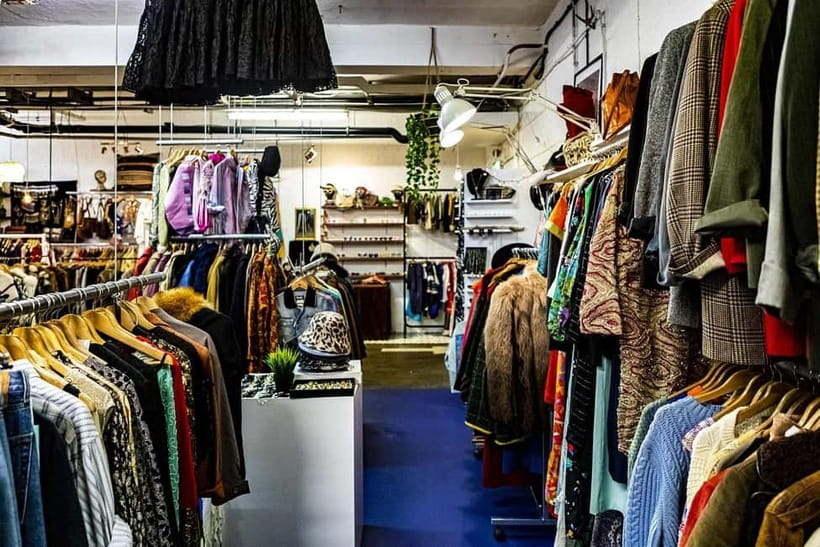
Dongmyo Flea Market began in the 1960s as a secondhand bazaar near Dongmyo Shrine. People traded military surplus, household goods, and other used items. Over time, the area became a place where older collectors, bargain hunters, vintage fans, and younger shoppers crossed paths.
That background gives the market more character than a standard retail district. A pile of clothing is not arranged to tell you a story, but the goods reflect different eras of Korean life and consumer culture. You might see post-war practical items beside pieces connected to 1990s style and more recent secondhand fashion.
The market has also become known for the way different generations use it. Elderly shoppers may be looking for useful goods or collectible objects, while younger visitors search for unusual clothing and old-school accessories. This mix is part of the appeal. You are seeing a working secondhand market, not a shopping center dressed up to look old.
Some descriptions compare Dongmyo with London’s Portobello Road Market or New York’s Brooklyn Flea. The comparison is useful only up to a point. Dongmyo has its own rougher, more improvised character. It feels less polished and more unpredictable, which is exactly why many people enjoy it.
Hunting through clothing, shoes, and leather
Clothing is likely to be one of the main reasons you book this outing. Prices can begin at about 2,000 KRW, while leather jackets may cost roughly 50,000 to 60,000 KRW. Designer pieces sometimes appear at a small part of their original price, though availability and condition will vary.
Those prices make Dongmyo appealing if you enjoy secondhand shopping and do not need a perfect retail experience. You may find something unusual for less than the cost of a new souvenir. The thrill comes from sorting through ordinary pieces and suddenly seeing one jacket, shirt, scarf, or accessory that feels right.
The tradeoff is that the market requires patience. Clothing may be packed tightly together, and you may need time to check size, fabric, stains, zippers, and wear. Do not assume a low price means a bargain. Inspect anything you are serious about before paying.
This is also where the bargaining guidance matters. The guide can explain local shopping customs and help you approach a negotiation with more confidence. Keep your tone friendly and be prepared to walk away if the price does not feel right. Bargaining should be part of the exchange, not a contest.
The experience suits people who enjoy the hunt more than people seeking a quick purchase. If you want a clean shop, fixed prices, fitting rooms, and easy returns, this market may test your patience.
A few more market tours around Seoul worth a look
- Seoul: Night Market Food Tour with Local Guide
★ 4.9 · 943 reviews - Seoul: Palace, Temple and Market Guided Foodie Tour at Night
★ 4.9 · 750 reviews - Seoul: Guided Food & Market Tour with 8+ Tastings
★ 4.9 · 342 reviews - Seoul: Guided Street Food Tour at Namdaemun Market
★ 5.0 · 10 reviews
Records, cameras, toys, and odd little finds
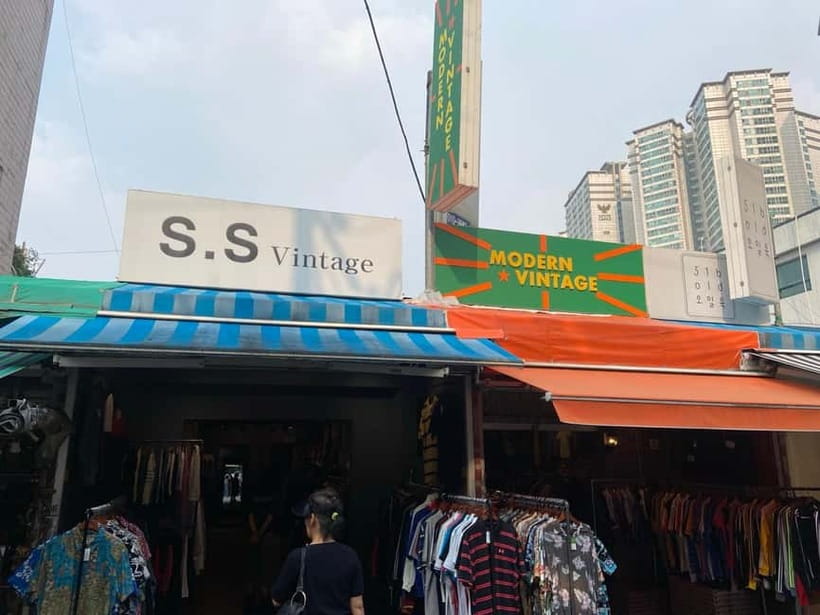
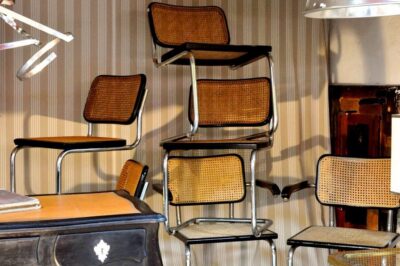
Dongmyo is not only a clothing market. The stalls may include dusty LPs, analog cameras, retro toys, old accessories, and small objects that have no obvious place in a modern department store.
The vinyl selection could be especially interesting for music fans. You might find a record by an artist you have never seen in your home country, tucked behind a stack of less familiar albums. There is no promise that your favorite record will appear, but the possibility gives the search a purpose.
Analog cameras and retro toys also add variety. Even if you do not buy anything, these objects help show how much the market differs from Seoul’s newer shopping areas. You are not moving from brand to brand. You are sorting through traces of older hobbies, tastes, and daily life.
I would bring a little room in your luggage, but not a large shopping plan. Your purchases are personal expenses and are not included in the $50 fee. Cash is specifically recommended, so do not rely only on a card or phone payment.
One practical rule: buy because you like the item, not because the guide points it out. The guide can help you notice and assess the market, but the best find will be the one that means something to you.
The café return and Euljiro suggestions
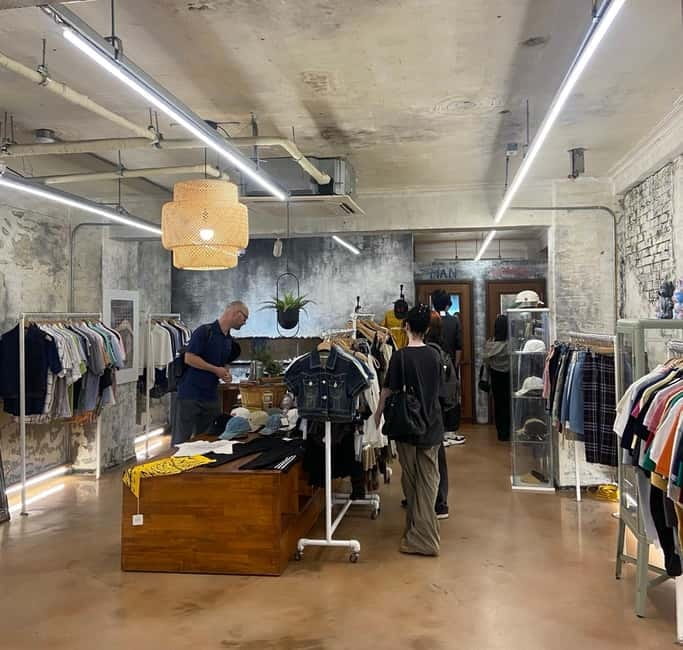
After the market hunt, the group returns to the café area near the meeting point. You can share what you found, talk about the search, and take nostalgic photos with other people who enjoy vintage shopping.
The café drink is not included, so budget for it separately. That small detail matters when you compare the total cost. The café stop is less about a full meal and more about giving the outing a relaxed ending after the noise and movement of the market.
You also receive suggestions for exploring nearby Euljiro, another Seoul area associated with retro style and creative spaces. The experience does not include a full Euljiro tour, so think of these suggestions as useful next steps rather than part of the guided route.
This ending works particularly well if you are traveling alone. One solo participant described the experience as feeling less like a formal tour and more like thrifting with a friend. The shared café time gives you a chance to compare finds instead of simply leaving the market and moving on.
If you prefer to shop entirely at your own pace, the group element may feel less useful. If you like exchanging tips and stories, it adds warmth to what could otherwise be a solitary afternoon.
Is $50 a fair price?
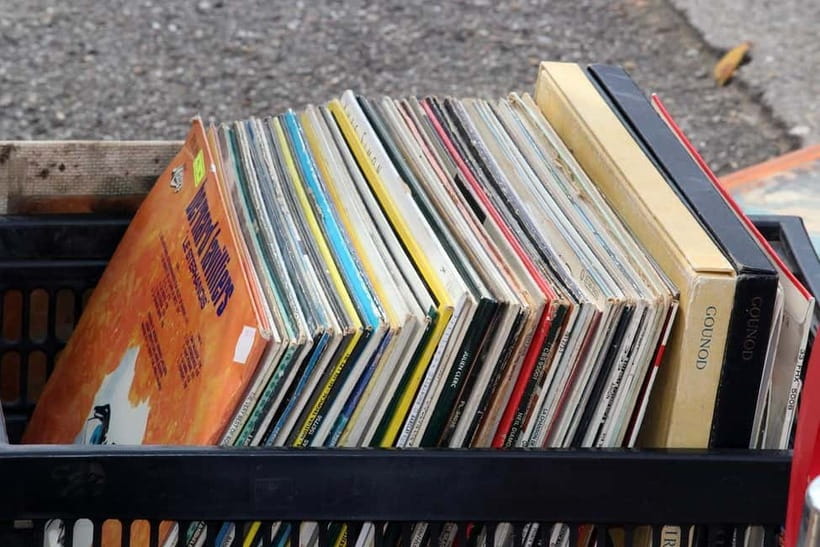
At $50 per person, this is not the cheapest way to visit Dongmyo. You can enter the market without paying a tour fee, and your purchases, transportation, café drink, and dinner afterward are all separate costs.
The value comes from the structure and local help. You receive a map, shopping advice, background on Dongmyo, bargaining guidance, a small snack experience, and a guided search through a confusing market. For a first visit, that can save time and help you focus on the most interesting parts.
I see the price as fair for someone who wants more than a quick look. The guide may help you spot items you would miss, explain how the market developed, and make bargaining less awkward. That is especially useful if you are visiting Seoul for a short time or feel unsure about shopping in Korean markets.
The value is weaker if you already know Dongmyo well, speak Korean comfortably, or prefer completely independent browsing. In that case, the $50 might be better spent on purchases, food, or another paid activity.
You should also keep your expectations practical. This is not a luxury shopping appointment, a private styling session, or a guarantee of designer finds. It is a guided introduction to an untidy, changing secondhand market.
Who will enjoy this experience most?
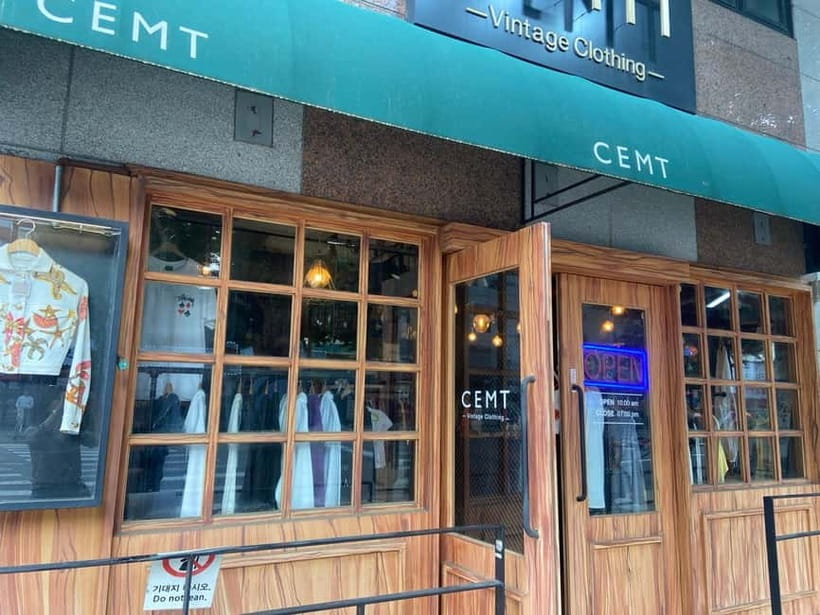
I would recommend it most strongly to people who enjoy secondhand clothing, records, cameras, antiques, unusual toys, and objects with a past. You will get the most from the experience if you enjoy searching and do not need every stop to produce a purchase.
It is also a good choice for solo visitors. A local guide gives you company, helps you get your bearings, and creates a natural way to share the experience with other vintage shoppers.
The outing may suit you if you want to see a less polished side of Seoul. You will not spend the afternoon in a trendy café district or a K-pop shop. Instead, you will see a messy, lively market where older goods and modern style overlap.
Families with young children may find the crowded lanes and piles of merchandise difficult, though the provided information does not specify an age policy. People with limited walking comfort should also consider the amount of standing and market walking involved. Comfortable shoes are strongly advised.
You should skip it if your main goal is luxury retail, fixed prices, a quiet setting, or a tightly timed itinerary. Dongmyo rewards curiosity, but it does not always reward speed.
Booking flexibility and practical details
You can reserve the experience and pay later, which helps if your Seoul schedule is still shifting. Cancellation is allowed up to 24 hours in advance for a full refund.
Bring cash for purchases, water for the walk, sunglasses, and clothes that are easy to move in. The market can be crowded, so keep your belongings secure and leave enough space in your bag for anything you buy.
The meeting point is outside Exit 5 of Dongmyo Station, and the activity ends there. You should plan your onward route before the tour begins, especially if you want to continue to Euljiro or eat dinner afterward.
Should you book the Dongmyo Vintage Vibes Tour?
Book it if you want a guided introduction to Seoul’s most unusual secondhand market and value local help more than a low-cost, self-guided visit. The map, bargaining tips, market background, and personal guidance make the experience easier to enjoy, especially on a first visit.
I would be most likely to recommend it to a solo visitor, a vintage clothing fan, a record collector, or anyone curious about everyday Seoul beyond its glossy shopping districts. The strongest part is the relaxed guidance: you get help finding your way without losing the pleasure of making your own discoveries.
Skip it if you dislike crowds, rummaging, bargaining, or paying for guidance in a market you could enter independently. Dongmyo is not tidy, predictable, or polished. That is also why it can be so memorable.
FAQ
Where does the Dongmyo Flea Market tour begin?
It begins outside Exit 5 at Dongmyo Station in Seoul.
Where does the activity end?
The activity ends back at the meeting point near Dongmyo Station.
What languages are available?
The experience is offered in English, French, and Korean.
What should I bring?
Bring comfortable shoes, sunglasses, water, comfortable clothes, and cash for purchases.
Are purchases and the café drink included in the price?
No. Personal purchases and the drink at the café are not included. Transportation and dinner afterward are also separate.
Can I cancel the booking for a full refund?
Yes. You can cancel up to 24 hours in advance for a full refund.
Just added around Seoul
- Seoul: The Biggest Sea-food Noryangjin Market Tour★ 4.3 · 30 reviews
- Seoul: Sokcho beach, market, hot spring and Seorak Cable Car★ 4.8 · 5 reviews
- Seoul Gwangjang Market Foody Walking Tour★ 4.1 · 7 reviews
- Seoul: Namdaemun Market Food Tour★ 4.9 · 34 reviews
- Seoul: Gyeongbokgung Palace Tour & Lunch at Authentic Market★ 4.5 · 2 reviews
- Seoul: Gwangjang Market Vegan & Vegetarian Food Tour★ 5.0 · 16 reviews
- Seoul: Fearless Foodie Gwangjang Market Food Adventure★ 5.0 · 10 reviews
- Seoul: Guided Street Food Tour at Namdaemun Market★ 5.0 · 10 reviews
Flower & Flea Market Tours, compared.
Night Bike Tour with Temples & Flower Market Visit
Read our review →
Night Bike Tour with Temples & Flower Market Visit
Read our review →
Browse the lists this tour appears in