
Review · INDIA
Delhi Markets: A Cultural Shopping Experience with an Expert
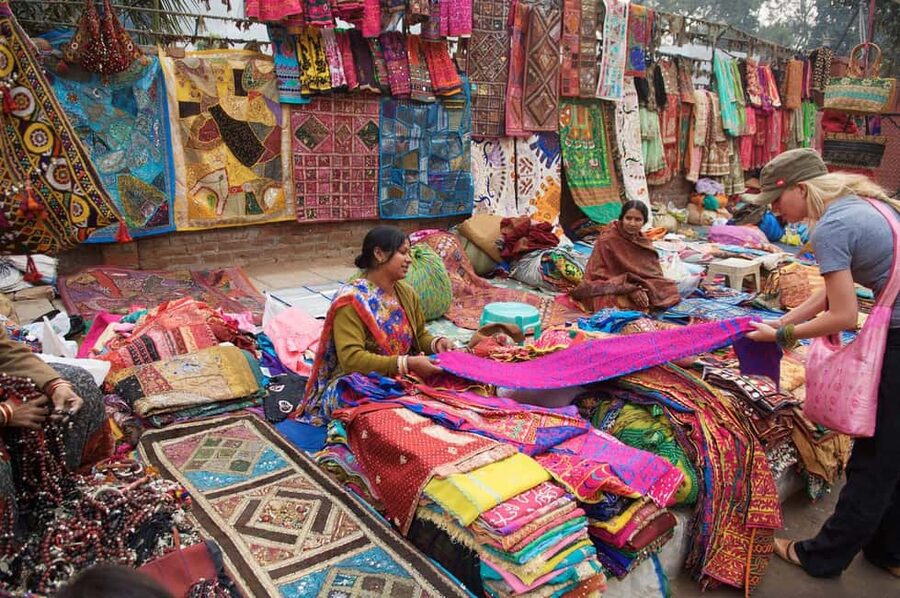
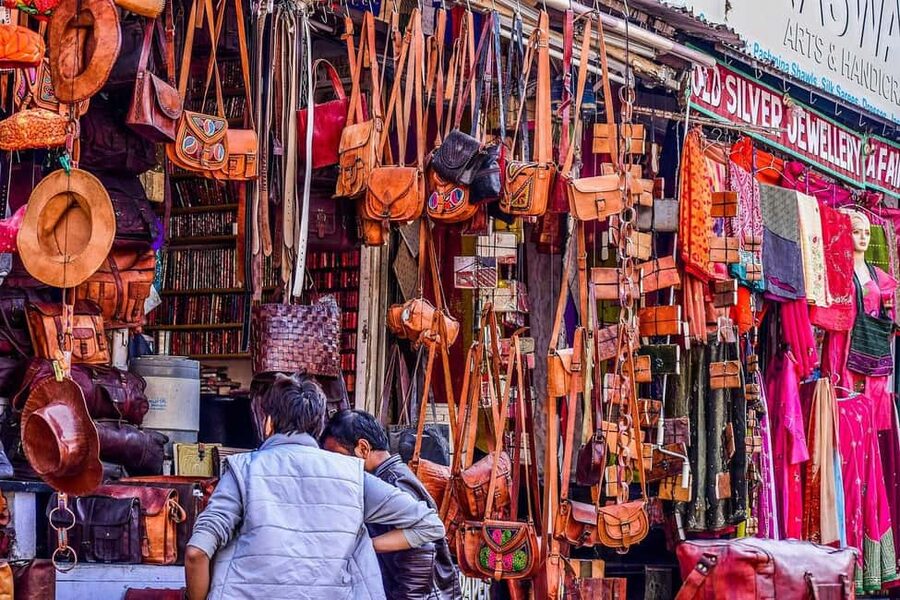
Delhi rewards curious shoppers. This four-hour private tour takes you through Kinari Bazaar, Matia Mahal, Janpath, and possibly another handpicked market, with a local guide to explain what you are seeing and help you shop with purpose. I like the mix of wedding goods, kitchenware, street food, clothing, and small handicrafts. I also like that the route can be shaped around your interests, from jewelry and textiles to photography and souvenirs.
The private format is a real advantage, especially if you are traveling alone or have a very specific shopping list. Guides such as Aamir, Samir, Riyaz, and Arham have received strong praise for being patient, helpful, and calm in crowded Old Delhi streets. The main caution is that the experience depends heavily on your guide. One guest reported little explanation and uncomfortable pressure to buy at out-of-the-way shops, so be clear about your budget and preferred markets before setting off.
Key things to know before you go
- Kinari Bazaar focuses on wedding finery: Look for embroidered trims, glittering bangles, decorative accessories, and the small details used in Indian celebrations.
- Matia Mahal combines shopping with food: The lanes near Jama Masjid bring kitchenware, spices, and optional street snacks into the same stop.
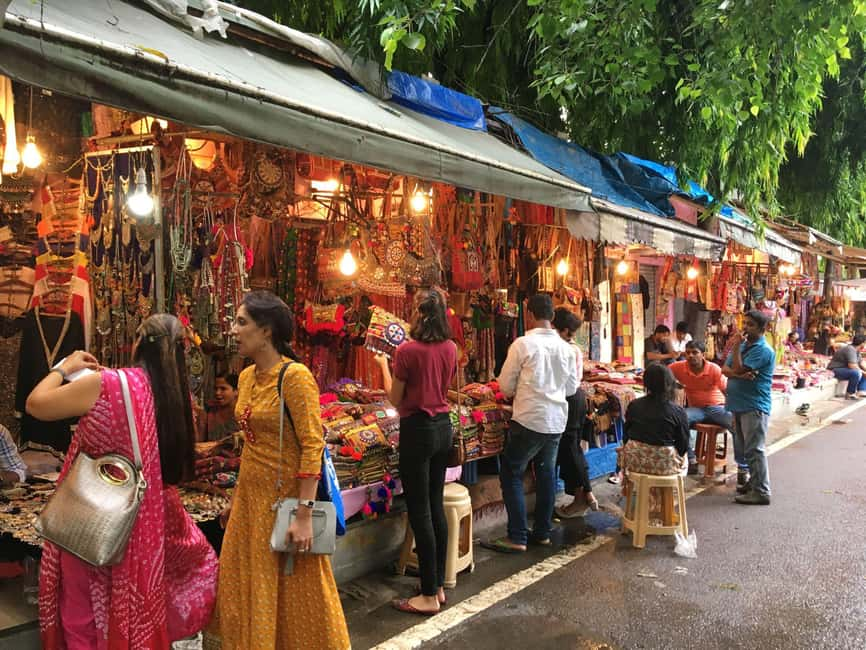
- Janpath has a different feel: Boho clothing, Tibetan trinkets, and indie fashion give you a change from Old Delhi’s traditional markets.
- Your guide teaches bargaining: You get help judging quality, comparing prices, and deciding when to walk away.
- Pickup covers a wide area: Hotel pickup and drop-off are available in Delhi, Gurgaon, Noida, Ghaziabad, Faridabad, and from Delhi Airport.
- The price is unusually low: At $9 per person, the tour offers strong value if you use the guide for local context and shopping help, not just transportation.
Why this four-hour market tour works
Delhi’s markets can be thrilling, but they can also be hard to read at first. Shops blur together, prices change quickly, and the best purchase is not always the brightest one. A local guide gives you a starting point, explains what each area is known for, and helps turn a crowded walk into a useful outing.
The route covers three or four markets, so you get variety rather than four hours in one shopping lane. That matters. Kinari Bazaar speaks to weddings and craft traditions. Matia Mahal brings food and household goods into the picture. Janpath shifts toward clothing, souvenirs, and modern street style.
You also get a private group rather than a large shared party. That makes it easier to pause at a shop, skip something that does not interest you, or ask for help finding a particular item. A solo shopper can ask for extra support. A couple can divide time between browsing and eating. A photographer can slow down for details and people-watching.
The tour costs $9 per person, with pickup, drop-off, a guide, walking between markets, and bottled water included. Personal purchases are extra, of course. At this price, the value comes less from the shopping itself and more from saving time, avoiding some early mistakes, and getting a local point of view.
More Shopping Tours in New Delhi:
- Private Custom Shopping Tour: Delhi’s Bustling Markets
★ 4.5 · 15 reviews - Hanoi: Handcrafted Wood Carving Workshop with Local Artisan
★ 5.0 · 733 reviews - Marrakesh: Guided Souk Shopping Tour with a Local Guide
★ 4.9 · 651 reviews
Kinari Bazaar and Delhi’s wedding details
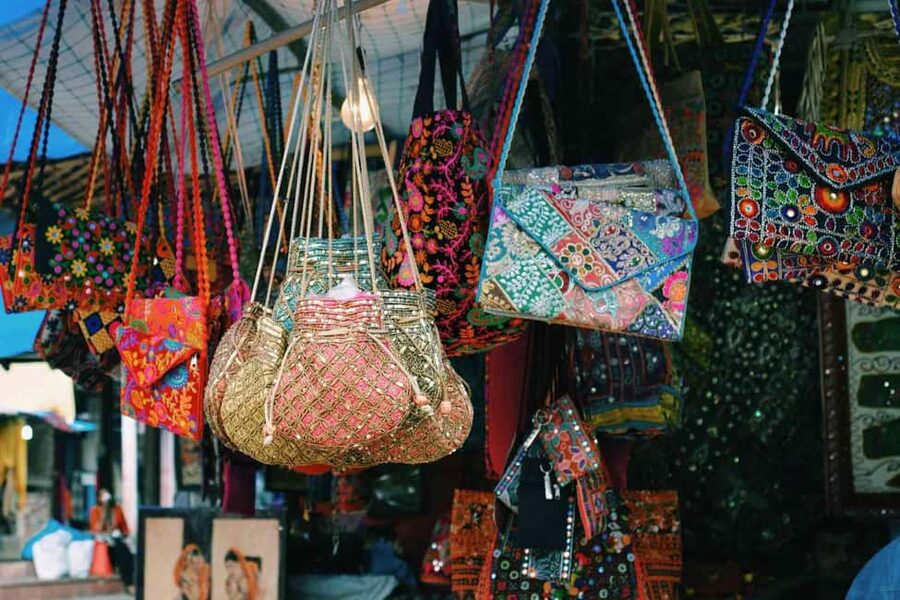
Kinari Bazaar is the most distinctive first stop because it is tied so closely to Indian wedding culture. The market is known for hand-embroidered trims, wedding accessories, glittering bangles, and decorative items that can transform clothing or ceremony spaces.
You may not need a wedding purchase, but that is not the point. The market helps you see how much design work goes into celebrations. Sequins, borders, beads, metallic thread, and small ornaments appear in combinations that can be easy to miss when you only view Indian clothing in a finished form.
I would ask your guide to explain which items are made by hand and which are factory-produced. That question gives you a better sense of value. You can also ask how a trim might be used, what kind of fabric suits it, and how to pack delicate pieces for the journey home.
Kinari Bazaar is a good place to practice looking before buying. Walk through several shops, compare similar items, and resist the urge to grab the first sparkling thing you see. A guide can help you identify better stitching and more carefully finished pieces, though you should still inspect your purchase yourself.
This stop will suit you if you like textiles, jewelry, costume, design, or cultural photography. It may be less appealing if you want a quiet, open shopping street. The lanes can feel intense, and your attention will be pulled in several directions at once.
Matia Mahal near Jama Masjid
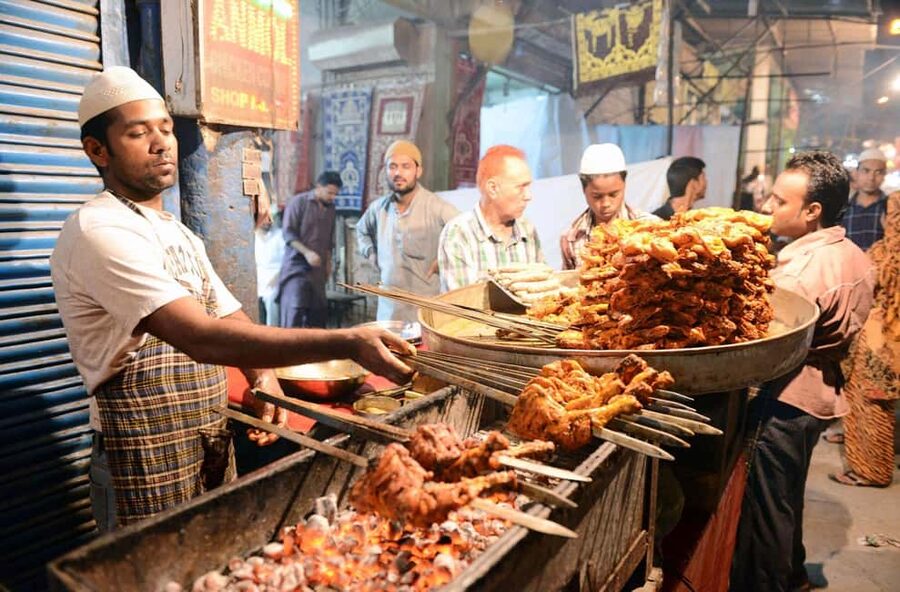
Matia Mahal changes the subject from wedding decoration to everyday life. Near Jama Masjid, the market combines kitchenware, spices, food, and narrow lanes filled with local activity. It is the kind of place where shopping and eating are hard to separate.
Look at the practical goods as well as the food stalls. Kitchenware offers a glimpse into ordinary homes and working kitchens, while the spice market adds color, scent, and texture to the walk. One outing included a visit to a spice market, a rickshaw ride, and street food, so your route may include similar additions depending on the guide and your interests. These extras are not described as fixed parts of every tour, so ask at the start.
Street food tasting is optional. If you select that option, you can sample local snacks with your guide nearby. This is useful because you can ask what you are eating and decide what fits your comfort level. If you prefer to keep the tour focused on shopping, you can skip the tasting.
This section may be the most rewarding for photographers. Metal utensils, spice displays, food preparation, shop signs, and passing shoppers create plenty of visual detail. Be thoughtful with your camera, and ask before photographing people or inside a shop.
The setting is also where the tour may feel most demanding. Old Delhi roads can be crowded, and one person specifically praised Aamer for handling intense crowds and jammed roads while helping her feel safe. That kind of practical assistance is valuable. A guide who knows where to walk and when to pause can make a major difference.
Janpath Market and the modern side of Delhi shopping
Janpath offers a clear change from Old Delhi’s wedding and food markets. Here you can browse boho clothing, Tibetan trinkets, indie fashion, souvenirs, and other small goods aimed at both local shoppers and visitors.
This is a useful place to test your bargaining skills. Ask your guide about a reasonable opening price, then compare a few stalls before making a decision. Bargaining is part of the experience, but it should remain friendly. You are not trying to win a contest over a small amount. You are trying to reach a fair price for an item you actually want.
Janpath is also a practical stop if your shopping list is broad. You might find clothing for everyday use, jewelry, decorative pieces, or a small gift that fits in your luggage. Since personal shopping is not included in the tour price, set a spending limit before you start. Carry both cash and a credit card, as the activity recommends bringing both.
The guide can also help you judge whether a piece is a handmade object, a mass-produced souvenir, or something in between. That distinction matters most when a seller presents an item as special or traditional. Ask where it was made, what material it uses, and how it should be cared for.
Janpath may feel more familiar to visitors who enjoy market browsing but want clothing and souvenirs rather than ceremonial goods. It is not the strongest stop if you want only antique or highly specialized craft items. Its appeal lies in variety and easy browsing.
A few more market tours around New Delhi worth a look
- Old Delhi Food-Spice Market-Temples Tour Soon Featured on NETFLIX
★ 5.0 · 304 reviews - Old Delhi Odyssey: A Tour of Religion, Spice Market, & Best Food
★ 5.0 · 284 reviews - Old Delhi: Spices, Heritage and Bazaars Walking Tour
★ 5.0 · 173 reviews - Old Delhi & Spice Market Tour
★ 5.0 · 98 reviews
Bargaining, quality checks, and shopping with purpose
The shopping advice may be the most useful part of the tour. Delhi markets are not supermarkets with fixed price tags, and first-time shoppers can pay too much simply because they do not know how to compare goods.
Start by deciding what you want. Tell your guide if you are looking for textiles, jewelry, clothing, wedding decoration, kitchen goods, or gifts. Specific requests help the guide choose suitable shops and avoid wasting time.
Use these simple habits:
- Check the finish, stitching, clasps, and edges before paying.
- Compare similar pieces in more than one shop.
- Ask whether the item is handmade, machine-made, or a mix of both.
- Set a price in your mind before bargaining.
- Keep your tone friendly and be ready to leave if the price feels wrong.
- Protect delicate purchases during packing and transport.
A guide can recommend shops, but you should remain involved in the decision. The one negative account from this activity raises an important concern: one guide reportedly offered little information and directed the guest to shops where there was pressure to buy. I would address this directly at the beginning by saying that you want explanations, several options, and no pressure.
The strongest guide reports describe Aamir as patient and fun, Samir as willing to search for requested items, Riyaz as friendly, and Arham as attentive during a busy Old Delhi route. Those details suggest that the best version of this tour is hands-on. You should expect your guide to walk with you, answer questions, and help locate things you genuinely want.
Food, rickshaws, and the pace of the route
The basic experience is a walking tour of three or four markets. The route can also include a street-food tasting if you choose that option. Bring water, although bottled water is included, and wear shoes suitable for several hours on foot.
A rickshaw ride was included in at least one reported outing around the Chandni Chowk area. Treat that as a possible route feature rather than a guaranteed part of every booking. If a rickshaw ride matters to you, ask whether it can be included when you arrange the tour.
Four hours is enough to see several areas without turning the day into an exhausting marathon. Still, shopping speed varies. If you stop often, try food, or spend time comparing textiles, you may cover fewer shops. That is usually a good trade. Five rushed markets are worth less than three areas you understand.
The private format lets you set the pace. You can ask for more time in Kinari Bazaar, focus on clothing at Janpath, or request food and spices around Matia Mahal. The tour is more useful when you treat it as a flexible shopping consultation rather than a fixed march from one address to the next.
Guides, pickup, and the practical details
Pickup and drop-off are included from Delhi, Gurgaon, Noida, Ghaziabad, Faridabad, and Delhi Airport. That wide pickup area is helpful if you are staying outside central Delhi or arriving before a hotel check-in. Confirm the exact meeting point and start time when you book, since availability determines the departure options.
The tour is offered in English, French, German, Hindi, Japanese, Russian, and Spanish. Language matching can make a real difference when you are discussing materials, prices, food, and local customs.
The group is private. That does not mean every guide will have the same style, so explain your priorities early. Say if you are a serious shopper, a photographer, a solo visitor, or someone who mainly wants cultural explanation.
Free cancellation is available up to 24 hours before the activity for a full refund, and you can reserve now and pay later. Those policies help if your Delhi schedule is still changing. The activity also includes skip-the-ticket-line treatment, though market visits themselves are not built around standard admission tickets.
Who should book this Delhi market experience?
I would recommend this tour most strongly to first-time visitors who want help getting oriented. It also fits solo shoppers who would rather not negotiate unfamiliar streets alone, and anyone with a clear interest in Indian textiles, jewelry, fashion, food, or craft.
It is a good choice for photographers who enjoy details and street scenes, provided they are respectful about taking pictures. It can also suit families or couples who want a private route instead of being tied to a large group.
You may want to skip it if you dislike bargaining, crowded market lanes, or shopping-focused activities. You should also be cautious if you want a formal history tour with long explanations at monuments. The cultural background is part of the experience, but the main purpose is to shop and understand the markets.
At $9 per person, the financial risk is low. The bigger question is guide quality. Set expectations early, keep control of your spending, and ask for the markets that match your interests. Done that way, the price offers excellent value.
Should you book it?
Book this tour if you want a practical introduction to Delhi shopping, especially with private pickup and a guide who can help you find specific goods. Kinari Bazaar and Matia Mahal offer the strongest cultural character, while Janpath is useful for clothing, gifts, and easier browsing.
I would not book it expecting a perfectly fixed route or identical service every time. The guide shapes the day. Choose the private option for flexibility, state clearly that you do not want pressure to buy, and carry both cash and a card. For a low-cost, four-hour introduction to Delhi’s markets, that is a sensible bargain.
FAQ
How long is the Delhi market tour?
The experience lasts four hours. Starting times depend on availability.
Which markets are included?
The tour visits three or four handpicked markets, including Kinari Bazaar, Matia Mahal, and Janpath. The exact selection can be shaped around your interests.
Is hotel pickup included?
Yes. Pickup and drop-off are available in Delhi, Gurgaon, Noida, Ghaziabad, Faridabad, and from Delhi Airport.
Is street food included?
Street food tasting is available if you select that option. It is not included in the basic tour unless chosen.
What languages are available?
The tour can be provided in English, French, German, Hindi, Japanese, Russian, or Spanish.
Is the tour private?
Yes. This is a private group experience with a local market guide. Personal shopping expenses are not included.
Just added around New Delhi
- Old Delhi: Khari Bawli – Asia’s Largest Spice Market★ 5.0 · 3 reviews
- Old Delhi Street Food and Spice Market Tour★ 5.0 · 12 reviews
- Old Delhi Temples and Spice Market Tour★ 5.0 · 5 reviews
- Delhi: Old Delhi’s Street Food, Temples & Spice Market Tour★ 5.0 · 30 reviews
- Delhi: Half-Day Old Delhi Private Guided Tour with Markets★ 5.0 · 2 reviews
- Old Delhi Odyssey: A Tour of Religion, Spice Market, & Best Food★ 5.0 · 284 reviews
- Old Delhi & Spice Market Tour★ 5.0 · 98 reviews
- Private Half-Day Delhi Flower Market Tour★ 5.0 · 5 reviews
Shopping Tours, compared.
Handcrafted Wood Carving Workshop with Local Artisan
Read our review →
Shopping in the Souks of Marrakech Private Tour
Read our review →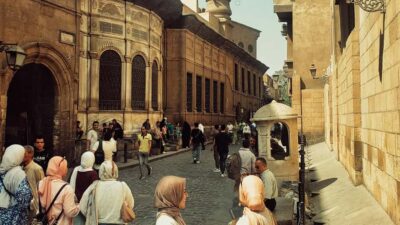
Local Markets & Khan el Khalili Private Shopping Tour
Read our review →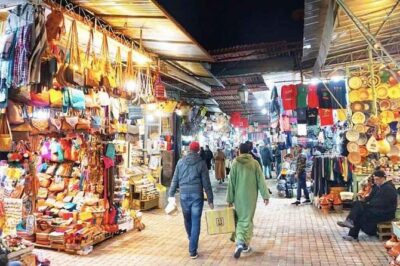
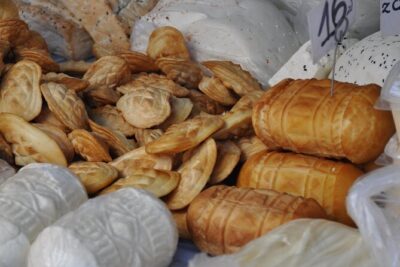
Pierogi Cooking Class with Market Shopping and Local Snacks
Read our review →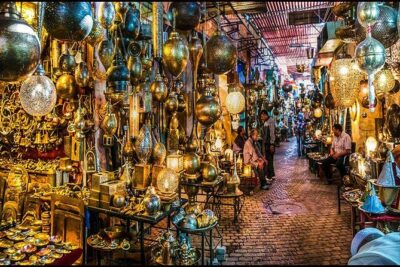
Exclusive Private Shopping Adventure in The souks
Read our review →Browse the lists this tour appears in