
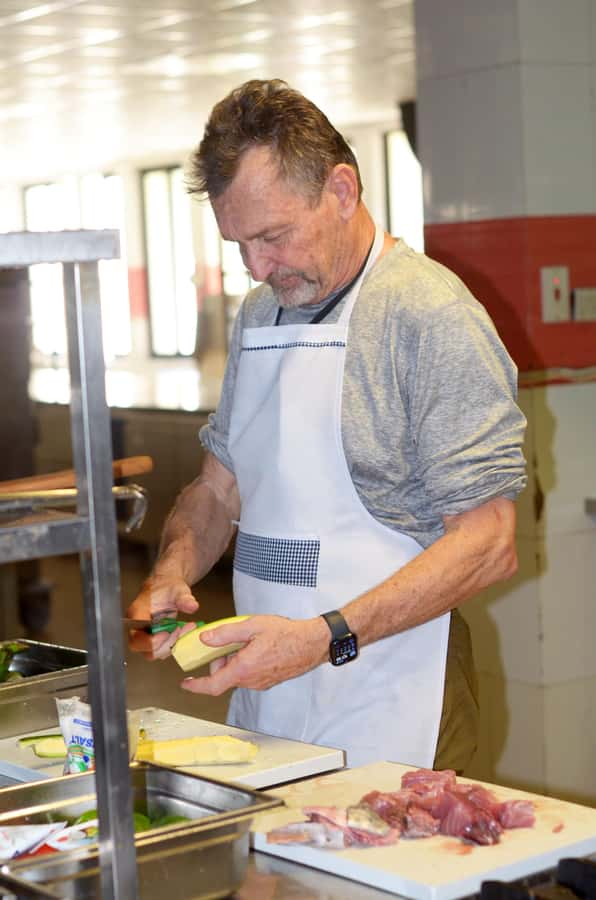
Review · TANZANIA
Dar es salaam Fish Market Adventure
The fish market wakes up hungry. I like the hands-on auction, where you choose seafood straight from the catch, and the chance to watch old cleaning methods before eating your selection. I also like that this is more than a meal: you visit nearby fruit and spice markets, enter a museum, and finish with lunch prepared by a local chef. The main consideration is the market’s noise, crowds, and strong smells, which may not suit every visitor.
At $110 per person, the value depends on how much you want included in one half-day outing. Transport, a guide, museum entry, bottled water, and lunch are all covered, so you are paying for an organized food adventure rather than simply buying a restaurant meal. The guiding team named by one verified guest, Almasi Rajab, Ashrafu Ramadan, and driver Hassan, helped make the day run smoothly.
Key points to know before you go

- Choose your own catch: You take part in the auction and select seafood directly from the market tables.
- Watch skilled preparation: Fish cleaning uses methods passed down through generations, giving the market visit a cultural side.
- Shop beyond seafood: The route can include nearby fruit and spice markets for ingredients used with your meal.
- Eat what you helped select: Local chefs prepare and cook your seafood before you sit down for lunch.
- Plan for a full six hours: The day includes transport, market time, preparation, food, and museum entry.
- Bring practical gear: Comfortable shoes, sun protection, comfortable clothes, and a passport or copy are required.
Arriving at Dar es Salaam’s fish market

The first part of the day places you in the middle of Dar es Salaam’s working fish trade. This is not a quiet food hall arranged for tourists. Fishers sell their catch to restaurant buyers and homemakers, and the action takes place around the tables where seafood is displayed.
I like this start because it gives you a direct look at how food moves from the water to the kitchen. The market is described as colorful and highly active, with the noise and urgency of a trading floor. You can expect plenty of movement, fast decisions, and close contact with everyday commerce.
That energy is also the main challenge. If you prefer polished attractions with clear signs and plenty of personal space, the market may feel intense. Wear shoes that can handle a wet setting, and choose comfortable clothing that lets you move easily.
Your guide matters here. A guide can help explain what is happening, assist with communication, and keep the auction from becoming confusing. The named team of Almasi Rajab, Ashrafu Ramadan, and Hassan the driver received particular praise for helping one guest manage the day.
More Fish Market Tours in the world:
- Tokyo Tsukiji Fish Market Food and Culture Walking Tour
★ 5.0 · 3,184 reviews - Tokyo: Tsukiji Fish Market Food and Walking tour
★ 5.0 · 1,724 reviews - Tokyo: Tsukiji Fish Market Guided Walking Tour
★ 4.9 · 1,397 reviews
How the live fish auction works
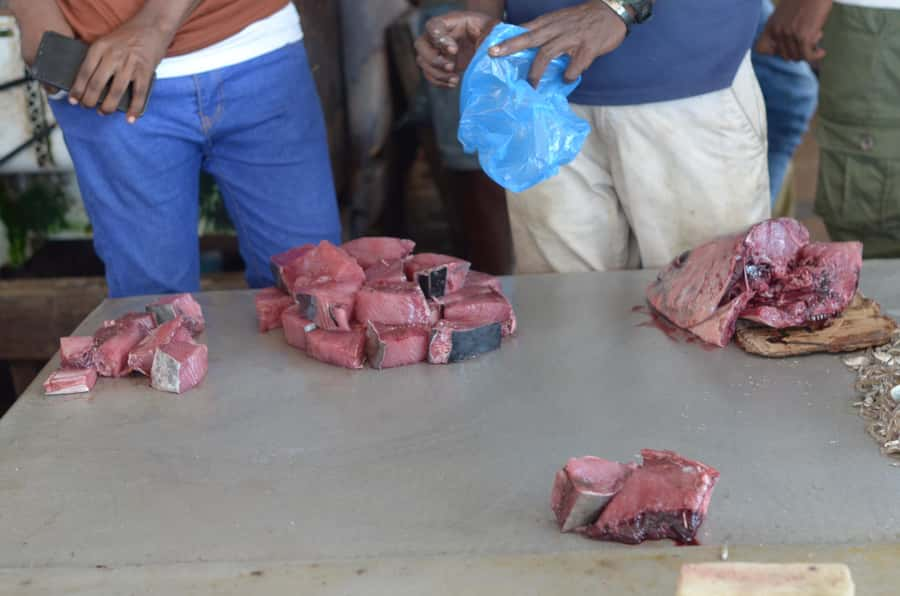
The auction is the heart of this outing. Instead of watching from the edge, you take part by moving among the tables and selecting a fish or other seafood from the day’s catch.
The supplied details do not promise a fixed menu or a particular species. One guest selected tuna straight from the water, but your choices can vary with the available catch. That uncertainty is part of the appeal. You are not choosing from a printed menu. You are responding to what is fresh and available that day.
The auction also gives you a better sense of local prices and buying habits. The comparison to Wall Street is useful, though the setting is very different. Here, the stakes are dinner ingredients, and the people bidding are closely connected to the local food trade.
I would ask your guide how the bidding works before you make a choice. You want to understand the process and the price before committing to a fish. The tour description says you secure your chosen catch through the lively auction, but it does not provide a separate spending allowance or a fixed seafood budget. For that reason, ask what is covered by the $110 price and what, if anything, you may pay during the purchase.
This is one area where a little preparation helps. Keep your passport or a copy with you, as requested in the practical information, and carry only what you need in the market.
Fish cleaning through local family methods

After you choose your seafood, you can watch it being cleaned. This is not treated as a quick back-room task. The cleaning process is presented as a skill passed down through generations, with attention to the way the fish is prepared for cooking.
I find this part important because it connects the auction to the meal. You see how a whole fish becomes something a chef can cook, and you gain a clearer idea of the work involved before seafood reaches a plate.
The cleaning area may not be comfortable for everyone. You should expect the sights and smells of a working fish market, rather than a cooking demonstration designed for a studio audience. If you are sensitive to strong odors or the handling of raw fish, this is worth considering before booking.
Still, the process gives the day a useful sense of place. You are not simply told that the seafood is fresh. You have chosen it in the market, watched it being prepared, and then followed it toward the kitchen.
Fruit and spice shopping near the market
The food side of the day continues beyond fish. A verified guest described buying tuna and then shopping for additional ingredients at nearby fruit and spice markets.
That detail adds welcome variety. Fish alone would make this a narrow seafood visit. Fruit and spices show how the meal is built, and they give you another view of local shopping. The market setting becomes a place to see ingredients being selected for real cooking, not only a stop for photographs.
The exact fruits, spices, and purchases are not fixed in the supplied details, so you should treat this as part of the day’s flexible character. Your guide can help explain what you are seeing and how the ingredients fit with the meal.
This section may be especially useful if you enjoy food culture but do not spend much time around seafood. It gives you more to look at and helps break up the raw fish preparation before lunch.
A few more market tours around the world worth a look
- Bangkok: Damnoen Saduak Market and Maeklong Railway Market
★ 4.5 · 26,723 reviews - The Old Siam: Damnoen Saduak and Maeklong Railway Market
★ 4.5 · 10,992 reviews - Dubai: Old Town, Creek, Museums, Souks, & Street Food Tour
★ 4.8 · 10,816 reviews - Bangkok: Train Market & Floating Market with Boat Ride
★ 4.7 · 9,547 reviews
From market table to frying area
Once your selection is cleaned, it moves to the frying area. Local chefs prepare and cook the seafood, with the process centered on bringing out the flavor of your chosen catch.
I like the direct connection here. You do not simply order fish at a restaurant and wonder where it came from. You participate in the selection, see the preparation, and then watch the cooking. The sizzling food and cooking aromas become part of the attraction.
The description refers to expert preparation and cooking, but it does not specify a set cooking style, side dishes, or spice level. If you have strong preferences, ask your guide or chef what can be adjusted. The supplied information confirms that your fish or seafood is cooked, but it does not promise a particular recipe.
The frying area can also be a busy working space. You may find it less formal than a restaurant kitchen, and that is part of the point. The focus is on fresh ingredients and local technique, not on a staged culinary show.
Lunch at a modest local restaurant
The final meal takes place at a modest local restaurant. You sit down to eat the seafood you helped select, along with the other ingredients gathered during the day.
Lunch is included in the price, which adds real value to a six-hour tour. You receive more than market access and transport. The meal completes the chain from purchase to preparation to eating.
Do not book this expecting a luxury dining room. The restaurant is described as modest, so the appeal is the food and the setting rather than polished service or an elaborate design. For me, that makes the meal feel more connected to the working market you just visited.
The full meal also makes the six-hour duration easier to understand. Market exploration, bidding, cleaning, ingredient shopping, cooking, museum entry, and lunch take time. This is not a quick two-hour tasting stop that leaves you free before midday.
Museum entry adds a second layer
Museum entrance is included, although the supplied details do not identify the museum by name or explain exactly where it fits in the route.
That means you should confirm the museum details before booking if this part matters to you. Still, its inclusion broadens the day beyond food. The fish market shows current daily life and commerce, while a museum visit can provide another point of context for the area.
Because the museum is included but not described in detail, I would not choose this outing solely for the museum. Think of it as an added stop within a food-focused day.
What the $110 price covers
At $110 per person, this is not the cheapest way to eat seafood in Dar es Salaam. You could certainly spend less on a local meal. The question is what you want from the day.
The price includes a tour guide, museum entrance, lunch, bottled water, and transport. It also brings structure to a market visit that could otherwise be difficult to manage, especially if you do not speak the local language or know how the auction works.
English and French guiding are available. That is useful when you need help understanding the auction, choosing seafood, or following the cleaning and cooking process.
The value is strongest for you if you want several parts of Dar es Salaam connected in one outing. You get a market, an auction, seafood preparation, nearby produce shopping, a museum, lunch, and transport within six hours. If your only goal is to eat fish, the price may feel high. If you want access and explanation as well as food, it makes more sense.
A reserve-now, pay-later option is available, and you can cancel up to 24 hours ahead for a full refund. Those terms give you some flexibility while planning, though you should still check the available starting times before reserving.
Timing, clothing, and practical comfort
The tour lasts six hours, but no single starting time is given. Check availability before you book, especially if you have an afternoon flight, another tour, or a fixed hotel schedule.
Wear comfortable shoes. A market day involves standing and walking, and the setting may be wet or uneven. Comfortable clothes are also recommended.
Dar es Salaam can be sunny, so pack sunglasses, a sun hat, and sunscreen. Bottled water is included, but sun protection remains your responsibility.
Bring your passport or a copy. This is listed as a requirement, so do not leave it behind at your hotel.
The tour is not suitable for children under six, wheelchair users, or people over 95 years old. The supplied information does not describe the group size, so ask about that if you prefer a private or small-group setting.
Who will enjoy this market adventure
I would recommend this day to you if you enjoy food, local commerce, and hands-on activities. It suits curious eaters who want to see how seafood is bought and prepared, not just served.
It is also a good choice if you have limited time in Dar es Salaam and want one organized outing with transport and lunch included. The combination of market, produce shopping, cooking, and museum entry gives the day more range than a standard restaurant visit.
I would be more cautious if you dislike raw seafood, crowded market conditions, strong smells, or uncertain menus. The auction is part of the fun, but it also means your meal depends on what is available that day.
The activity is offered in English and French, which makes it practical for many international visitors. Still, the exact seafood, museum stop, group size, and starting time should be confirmed before you pay.
Should you book the Dar es Salaam Fish Market Adventure?
Book it if you want to understand your meal from the first sale to the final plate. The best features are the live auction, the chance to choose your own catch, the traditional cleaning work, and the meal cooked from your selection.
The $110 price is fair when you use the transport, guide, museum entry, water, and lunch. It is less appealing if you only want an inexpensive seafood lunch or prefer a quiet, polished setting.
For the strongest day, bring sun protection, wear practical shoes, ask about the seafood price before bidding, and keep your schedule open for the full six hours. This is a lively working-market outing, not a carefully controlled food show. That is exactly why it can be such a memorable way to see Dar es Salaam.
FAQ
How long does the Dar es Salaam Fish Market Adventure last?
The activity lasts six hours.
How much does the tour cost?
The price is $110 per person.
What is included in the price?
The price includes a tour guide, museum entrance, lunch, bottled water, and transport.
Which languages are available?
Live guiding is available in English and French.
Do I get to choose the seafood?
Yes. You take part in the auction and select your own fresh fish or seafood from the market catch.
Is lunch included?
Yes. Lunch is included, and local chefs prepare and cook the seafood you select.
Can I cancel for a full refund?
Yes. You can cancel up to 24 hours in advance for a full refund.
Can I reserve now and pay later?
Yes. A reserve-now, pay-later option is available.
What should I bring?
Bring comfortable shoes, sunglasses, a sun hat, sunscreen, comfortable clothes, and your passport or a copy.
Who cannot take part in this activity?
The activity is not suitable for children under six, wheelchair users, or people over 95 years old.
Just added around the world
- Half-day Dandan Noodles Cooking Class with a Local Market Visit★ 5.0 · 8 reviews
- Three-Hour Private Chengdu Tea Wholesale Market Tour★ 5.0 · 4 reviews
- 3-Hour Herbal Wholesale TCM Market and a Local Wet Market Tour★ 5.0 · 4 reviews
- Moroccan Cooking Class with a Local Family & Market Visit★ 5.0 · 16 reviews
- Charleston International Sweet Treats & Historic City Market Tour★ 5.0 · 22 reviews
- Chania Old Town, Public Market and Chrisopigi Monastery Tour★ 4.5 · 6 reviews
- Chania: Old Town, Public Market, Hill of Prophet Elias, Agia Triada★ 5.0 · 35 reviews
- Cesarine: Market Tour & Home Cooking Class in Catania★ 4.0 · 6 reviews
Fish Market Tours, compared.
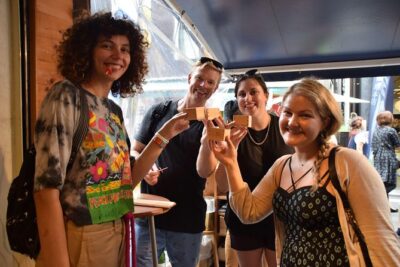
Tokyo Tsukiji Fish Market Food and Culture Walking Tour
Read our review →

Tokyo Sushi Making Class in Tsukiji with Professional Chef
Read our review →
Tsukiji Fish Market Guided Tour and Sushi Making with Pro Chef
Read our review →Tsukiji Fish Market Food and Culture Walking Tour
Read our review →
Tsukiji Fish Market: Street Food & Culture Walking Tour
Read our review →
Tsukiji Fish Market Small-Group Food Walking Tour
Read our review →
Tsukiji Fish Market Sushi Making Class with Pro Chef
Read our review →Browse the lists this tour appears in