
Review · SOUTH KOREA
Noryangjin Fish Market Dinner
Fish, friends, and a very Korean evening. This small-group dinner gives you a practical way to experience Noryangjin Fish Market, where a Korean-speaking guide helps you choose seafood, explains local customs, and leads you to a market restaurant for dinner. I especially like the maximum group size of seven and the chance to eat seafood selected that day rather than follow a fixed menu. The main consideration is that crab and lobster cost extra, drinks are not included, and the exact seafood depends on the market.
Guide Lee is praised for being kind, funny, helpful, and well connected with the vendors. I also like that the meal is followed by a walk to Sayuksin Park, adding a quiet historical stop and Han River views to an otherwise food-focused evening. At $112.55 per person for about two hours, this is not a bargain meal, but the guide, market help, dinner, and small group make it a reasonable choice for anyone who wants more than simply sitting down at a seafood restaurant.
Key points to know before booking
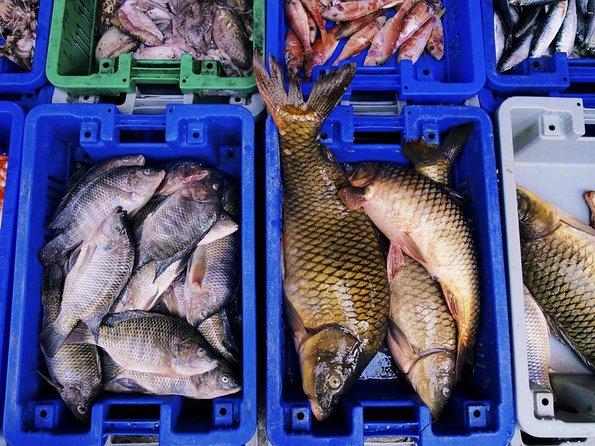
- Noryangjin handles huge volumes of seafood: The market trades roughly 250 to 300 tons of fishery products each day and accounts for about half of the Seoul metropolitan area’s volume.
- The group is capped at seven people: That keeps the market visit more personal and makes it easier to ask questions.
- Your seafood changes with the market: The guide chooses based on the season and daily conditions, so no two dinners need to be exactly alike.
- The dinner includes seafood, but not everything: Crab, lobster, drinks, personal spending, and optional extras are outside the stated price.
- Lee is the guide to look for: The experience is operated by Honey Trail, with a Korean-speaking guide who can help with vendors and food choices.
- The tour ends where it begins: You meet at Noryangjin Station in Seoul and return to the meeting point after the park walk.
Why Noryangjin Fish Market makes a good dinner stop
Noryangjin is not just a place to grab a seafood plate. It is a major wholesale and retail market serving Seoul, with aisles of live and fresh products and an impressive daily turnover. The scale matters because it gives you a look at how seafood moves from market stalls to the table.
You begin at Noryangjin Station, then enter the market with your guide. This is where the tour earns its keep. Seafood markets can be confusing if you do not read Korean or know how the buying process works. Lee helps you understand what is available, speaks with vendors, and guides the purchase so you are not left trying to point at unfamiliar sea creatures and negotiate alone.
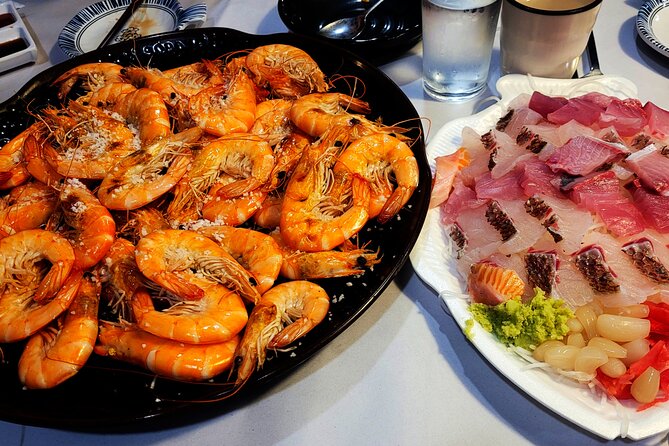
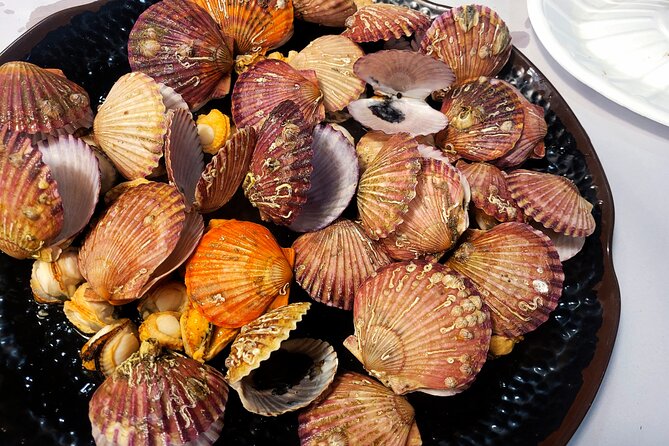
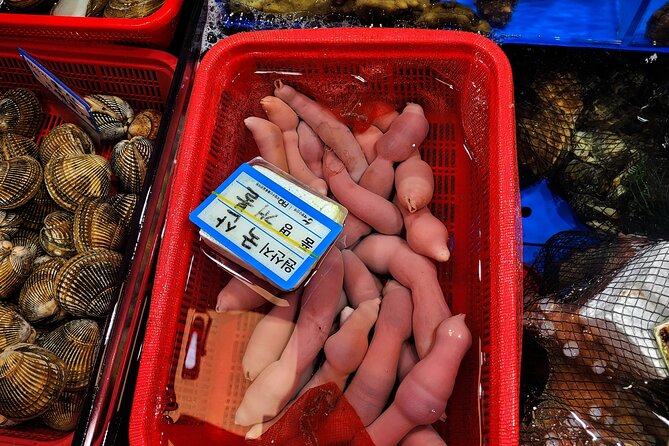
That local help is especially useful if you want to try foods beyond familiar sashimi. The meal may include several types of raw fish, shrimp, abalone, sea pineapple, sannakji, or spoon worms, depending on the day and the market. You should treat those examples as possibilities, not promises. The provider selects seafood according to seasonal supply and current prices.
I like this arrangement because it keeps the meal tied to the place. You are not being served a generic seafood dinner shipped in from somewhere else. You see the stalls, consider the catch, and then follow it into a restaurant inside the market for preparation.
More Fish Market Tours in South Korea
- Autumn Foliage-Mt. Seorak, Sokcho Fish Market, Sokcho Beach
★ 5.0 · 10 reviews - Seoul: Mt.Seorak(+CableCar Option)+Sokcho Fish Market&Beach
★ 4.5 · 9 reviews - Gamcheon Culture Village, Jagalchi fish market story telling Tour
★ 4.5 · 63 reviews
Choosing seafood with Lee
The selection process is the heart of the evening. Lee chooses the seafood, but the experience also allows some flexibility. One particularly useful feature is help purchasing additional seafood you may want to try, though any extra items are a personal expense.
This is a good setup for curious eaters. You might ask about a fish you have never seen, or point to something unusual and find out how it is normally prepared in Korea. The guide can also help you avoid ordering blindly. That matters at Noryangjin, where the range of seafood can be far wider than what appears on a standard restaurant menu.
The advertised dinner includes the seafood selected for the tour. However, the price can change with the season and market conditions, so the exact spread is not fixed. I would book this experience if you enjoy surprises and local food traditions. If you need a guaranteed menu, it may feel less comfortable.
Crab and lobster are specifically excluded from the included dinner. You may be able to buy them separately, but you should expect to pay more. Drinks are also not included, so keep that in mind when comparing the total cost with a regular restaurant meal.
What dinner at the market is like
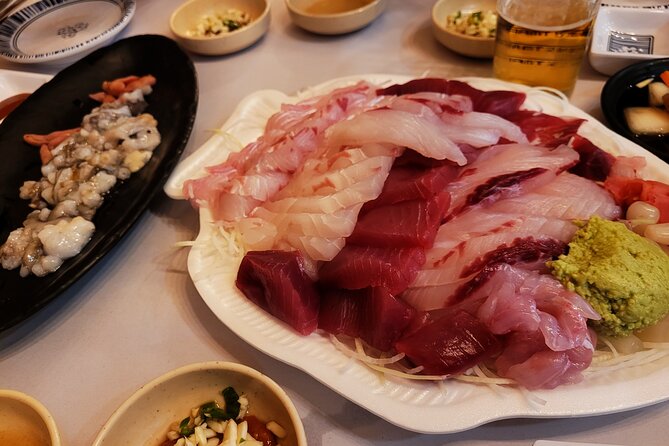
After the seafood is purchased, you go to a restaurant within the market. The restaurant prepares the selected items, turning the market visit into a proper sit-down meal.
This format gives you two kinds of insight. First, you see the raw ingredients and the sellers. Then you see how those ingredients become dinner. That connection is more interesting than arriving at a restaurant and receiving a finished plate with no sense of where the food came from.
The meal can include sashimi and other seafood preparations. The exact combination depends on the catch, season, and market situation. Some examples connected with this experience include shrimp, abalone, sea pineapple, sannakji, and spoon worms. If you are unsure about a dish, ask Lee for help before ordering or tasting it.
I would also keep an open mind about texture. Seafood such as sannakji and spoon worms may be unfamiliar to many people, and the appeal is partly in trying something that you would not likely order without guidance. You are not forced to treat the dinner as a food challenge, though. The guide can help create a spread that suits the group.
Because the tour lasts about two hours, dinner is not designed as a long, leisurely night out. It is a compact market visit, seafood purchase, meal, and short walk. That makes it easy to fit into a Seoul itinerary, but it also means you should not expect an extended evening of courses and conversation.
A small group changes the experience
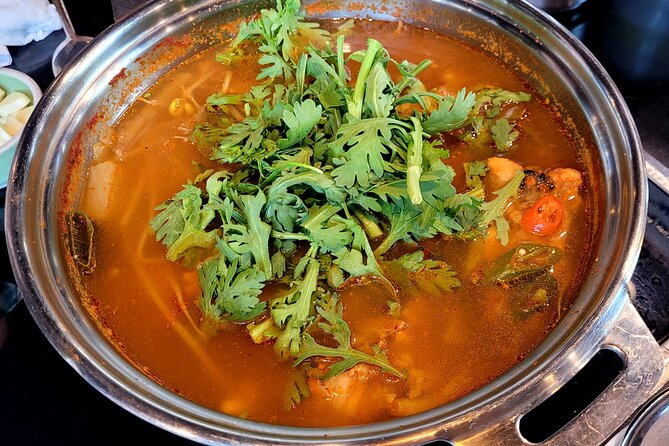
The group limit is seven people, and the activity requires at least two participants to operate. A restaurant can be booked for three or more people, so the provider explains that a larger minimum may apply for the restaurant arrangement. If too few people sign up, the experience may be canceled with a full refund or an alternative offered.
For you, the small group means more room to ask questions and more direct help during the market visit. Lee can spend time explaining ingredients, talking with vendors, and making recommendations. Several strong comments about the experience focus on Lee’s personal attention, and one person described the evening as feeling like dinner with a friend.
That personal style may be the best reason to choose this tour over visiting the market alone. You are paying not only for food but also for someone to make the setting easier to understand. Lee has relationships with vendors and can offer Seoul suggestions beyond the meal, which is useful if this is early in your stay.
The small group also makes the dinner more social. One person may want sashimi, another may want shellfish, and someone else may be eager to try an unusual item. A group of seven is still large enough for conversation but small enough for the guide to keep things manageable.
More Fish Market Tours in Seoul:
- Tokyo Tsukiji Fish Market Food and Culture Walking Tour
★ 5.0 · 3,184 reviews - Tokyo: Tsukiji Fish Market Food and Walking tour
★ 5.0 · 1,724 reviews - Tokyo: Tsukiji Fish Market Guided Walking Tour
★ 4.9 · 1,397 reviews - Tokyo Sushi Making Class in Tsukiji with Professional Chef
★ 5.0 · 1,177 reviews
The walk to Sayuksin Park
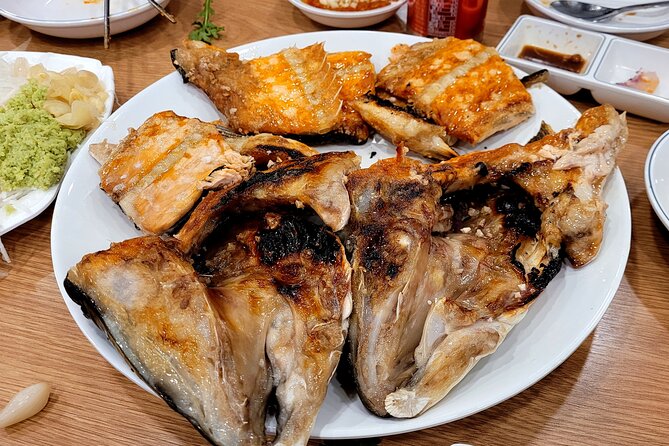
The experience does not end at the restaurant. After dinner, you walk to Sayuksin Park, a historical site connected with the tombs of King Danjong’s seven loyalists. The park also offers views toward the Han River.
This stop gives the evening a useful change of pace. Noryangjin is focused on seafood, commerce, and practical market activity. Sayuksin Park provides a quieter setting and a little historical context. You get a chance to walk off dinner and see a different side of Seoul without arranging a second activity.
The park is not presented as a long sightseeing visit. It is a short addition to the evening, and the activity ends back at the original meeting point near Noryangjin Station. If you want a major palace tour or a full history lesson, this will not replace one. If you like pairing food with a small local landmark, it rounds out the schedule nicely.
The Han River views are another reason the stop works. You are not simply returning to the station after eating. The walk adds a bit of air, scenery, and reflection after the market’s close-up seafood displays.
Is $112.55 a fair price?
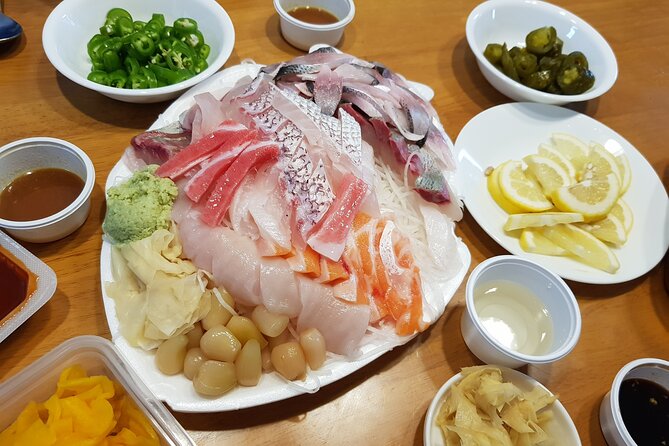
At $112.55 per person, this experience costs more than buying a simple meal at Noryangjin yourself. The value comes from the service around the food: a local Korean-speaking guide, help choosing seafood, vendor communication, dinner, and the follow-up walk to Sayuksin Park.
I would not book it solely to save money. You could likely spend less by visiting the market independently, ordering a smaller meal, and handling the buying process yourself. The tour makes sense if you value convenience, guidance, and the chance to understand what you are eating.
The included dinner is also not a fixed luxury tasting menu. Seafood costs shift by season and market supply, and crab or lobster are not part of the stated meal. That means you should judge the price as a guided market experience with dinner, not as a promise of a particular premium shellfish spread.
For a first visit to Seoul, the price may be worthwhile because it removes several common problems at once. You do not need to decode the market alone, guess which stall to use, or wonder how to get purchased seafood cooked. You also receive a guide who can answer questions about Korea and suggest places to visit later.
Who should book this experience?
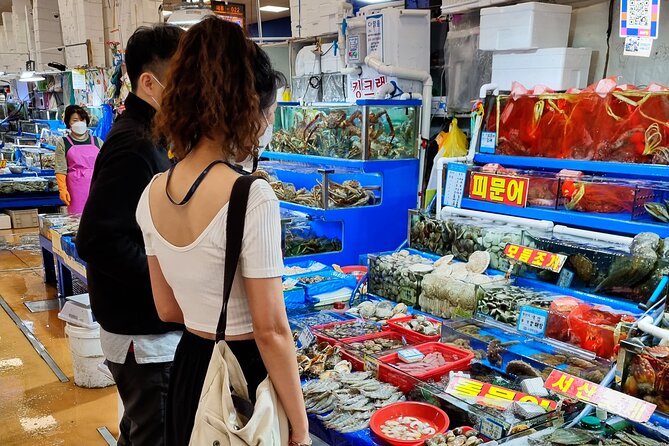
I would recommend it to you if you enjoy seafood, local markets, and small-group activities. It suits people who want to try sashimi and unfamiliar seafood but would prefer a guide nearby. It is also a good option for solo visitors, couples, or small groups who want a social dinner without joining a large bus tour.
Food-focused visitors will get the most from it. You should be comfortable with the possibility that the dishes change and that the meal may include raw or unusual seafood. If you only eat cooked food, ask in advance about your preferences, but do not assume the full seafood selection can be customized without extra cost.
This is also useful for anyone worried about the language barrier. Lee can communicate with vendors and make the buying process less stressful. The personal attention matters more here than it would at a standard restaurant because you are choosing ingredients in an active market.
I would be less likely to choose it if you dislike seafood, want a fixed menu, or expect crab and lobster to be included. It may also feel expensive if your main goal is simply to eat dinner. The two-hour schedule is efficient, not leisurely, so plan another activity afterward if you want a longer night.
Practical details that affect your evening
The meeting point is Noryangjin Station, with the activity beginning and ending there. The market is near public transportation, which makes it practical to reach without arranging a private transfer.
A mobile ticket is provided, and confirmation arrives when you book. Most people can participate, though the provider does not list a special accessibility program. If you have a mobility concern, check directly before reserving because the evening includes movement through a market and a walk to the park.
The experience is often booked well ahead, with an average lead time of about 45 days. That does not guarantee that every date sells out, but it is a useful warning for a Seoul itinerary planned around specific evenings.
Free cancellation is available until 24 hours before the start time. Cancellations or changes made inside that window are not refunded or accepted. Since the activity has a minimum number of participants, the provider may cancel if that number is not reached, in which case you receive another option or a full refund.
My verdict: book it for guidance, not just dinner
I would book the Noryangjin Fish Market Dinner if you want a friendly introduction to Korean seafood and prefer not to handle a large market on your own. The strongest parts are the small group, Lee’s personal guidance, the changing selection of seafood, and the simple walk to Sayuksin Park afterward.
Go in knowing what you are buying. Crab and lobster cost extra, drinks are separate, and the menu depends on the market. If those limits suit you, $112.55 buys more than a meal. It buys a guided look at one of Seoul’s major food markets, with enough local help to make the experience relaxed rather than confusing.
FAQ
Where does the Noryangjin Fish Market Dinner begin?
It begins at Noryangjin Station in Seoul, South Korea.
Where does the activity end?
The activity ends back at the meeting point near Noryangjin Station.
How long does the experience last?
The dinner and market experience lasts approximately two hours.
How many people can join the group?
The activity has a maximum of seven participants.
Is dinner included in the price?
Yes. Dinner is included, with seafood selected according to the season and daily market conditions.
Are crab and lobster included?
No. Crab and lobster are not included and cost extra.
Are drinks included?
No. Drinks are not included in the stated price.
Who selects the seafood?
The tour guide selects the seafood based on the market situation each day.
Does the experience include a guide who speaks Korean?
Yes. A Korean-speaking guide leads the market visit and helps with communication.
Is Sayuksin Park part of the experience?
Yes. After dinner, the group walks to Sayuksin Park, which has the tombs of King Danjong’s seven loyalists and views of the Han River.
More Meals Out in Seoul
- Naples Street Food Experience with local guide – Small Group Tour
★ 4.5 · 64 reviews - Semi-Private Venice Market and Cicchetti Food Experience
★ 5.0 · 62 reviews - Private Guangzhou Food Tour Michelin Restaurant&Local Food Market
★ 5.0 · 32 reviews - Exclusive Market Tour Budapest -Private Food Experience & Tasting
★ 5.0 · 16 reviews
More Dinner Trips in Seoul
- Paris Evening Cooking Class French Dinner and Market Visit Option
★ 5.0 · 430 reviews - Busan Seafood Tour : Jagalchi market Seafood Tour & Dinner
★ 5.0 · 74 reviews - Pyramids, The Egyptian Museum, Khan Khalili Bazaar & Nile Dinner Cruise in Cairo
★ 5.0 · 27 reviews - All inclusive 12 Hrs Giza Pyramids, Sphinx Egyptian museum Market Dinner cruise
★ 4.5 · 27 reviews
Just added around Seoul
- Seoul: The Biggest Sea-food Noryangjin Market Tour★ 4.3 · 30 reviews
- Seoul: Sokcho beach, market, hot spring and Seorak Cable Car★ 4.8 · 5 reviews
- Seoul Gwangjang Market Foody Walking Tour★ 4.1 · 7 reviews
- Seoul: Namdaemun Market Food Tour★ 4.9 · 34 reviews
- Seoul: Gyeongbokgung Palace Tour & Lunch at Authentic Market★ 4.5 · 2 reviews
- Seoul: Gwangjang Market Vegan & Vegetarian Food Tour★ 5.0 · 16 reviews
- Seoul: Fearless Foodie Gwangjang Market Food Adventure★ 5.0 · 10 reviews
- Seoul: Guided Street Food Tour at Namdaemun Market★ 5.0 · 10 reviews
Fish Market Tours, compared.
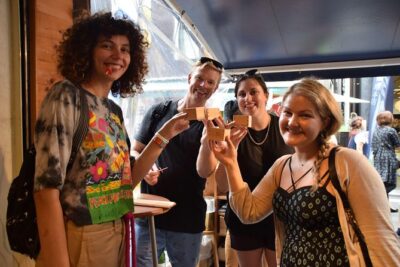
Tokyo Tsukiji Fish Market Food and Culture Walking Tour
Read our review →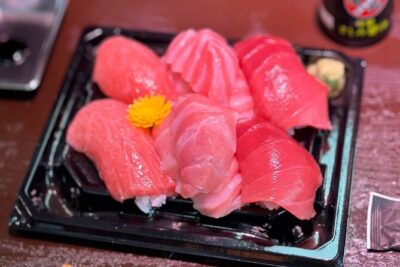
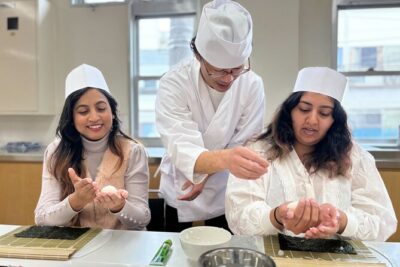
Tokyo Sushi Making Class in Tsukiji with Professional Chef
Read our review →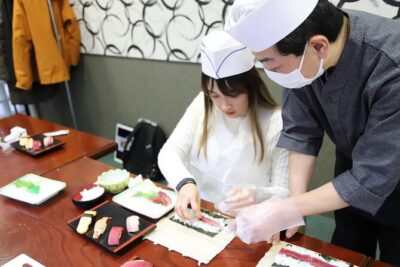
Tsukiji Fish Market Guided Tour and Sushi Making with Pro Chef
Read our review →Tsukiji Fish Market Food and Culture Walking Tour
Read our review →
Tsukiji Fish Market: Street Food & Culture Walking Tour
Read our review →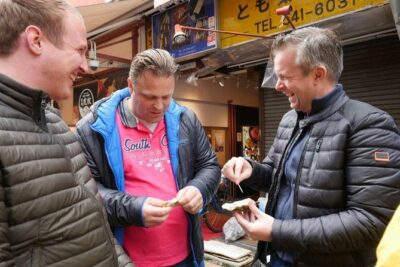
Tsukiji Fish Market Small-Group Food Walking Tour
Read our review →
Tsukiji Fish Market Sushi Making Class with Pro Chef
Read our review →Browse the lists this tour appears in