
Review · ITALY
Florence: Market to Table Cooking Lesson
A good meal begins before the kitchen. This half-day Florence experience starts at the central market, where you learn about Tuscan ingredients before making fresh pasta, sauce, a main course, and dessert. I like the market-to-table format and the chance to eat a complete meal with wine at the end. You are not simply watching a chef work. You are part of the preparation.
I also like the practical focus. Guides such as Julio, Emanuele, Andrea, and Thomas have been praised for clear instruction, humor, and useful cooking tricks. You may leave knowing how to make ragu, roll pasta, prepare bruschetta, and assemble tiramisu. The main caution is that some tasks are done as a group, so this is not a private lesson where you personally cook every part of every dish.
This is a 4.5-hour activity in English, beginning at Via Panicale 43/r near Florence’s central market. It suits food lovers, couples, families with older children, and solo visitors who enjoy meeting people over a shared meal. You will need to climb and descend stairs, and the class is not suitable for people with gluten intolerance.
Key points at a glance
- Market shopping comes first: Explore Florence’s central food market with the chef and learn about local meat, cheese, vegetables, and specialty products.
- Fresh pasta is the main lesson: Roll your own dough and learn techniques you can repeat at home.
- The meal is substantial: Past menus have included bruschetta, tagliatelle or linguine, ragu or Bolognese sauce, and tiramisu.
- The chef shapes the experience: Guides including Julio, Emanuele, Andrea, Antonio, and Thomas have been praised for patience, humor, and practical advice.
- Wine is served with lunch: You sit down to eat the meal you helped prepare, with Italian red or white wine.
- Sunday plans are different: The central market closes on Sundays and bank holidays, so the market visit is skipped on those days.
Why this Florence cooking class is worth your morning
Florence has no shortage of food tours, but this one gives you something useful to take home. You spend part of the morning learning how ingredients are chosen, then put them to work in a teaching kitchen. The reward is not only lunch. It is the confidence to try fresh pasta and Italian sauces in your own kitchen.
The activity lasts about 4.5 hours, which is long enough for a proper lesson without taking your entire day. You still have time afterward for Florence’s museums, churches, or an evening aperitivo. I would avoid scheduling a major timed attraction immediately afterward, though. Classes can run late if someone arrives late or the group needs extra instruction.
The setting also helps. The class begins at Via Panicale 43/r, 50123 Florence, close to the central market area. Check the meeting point carefully before setting out, since the first part of the experience takes place away from the cooking school. After the market visit, a minivan takes the group to the kitchen, and you return to the original departure point at the end.
More Cooking Classes in Florence
- Cooking Class and Lunch at a Tuscan Farmhouse with Local Market Tour from Florence
★ 5.0 · 4,831 reviews - Small Group Cooking Class & Market Food Tour in Florence
★ 5.0 · 1,574 reviews - Pasta and Tiramisu Cooking Class with optional Local Market Tour
★ 5.0 · 515 reviews
Inside Florence’s central market with the chef
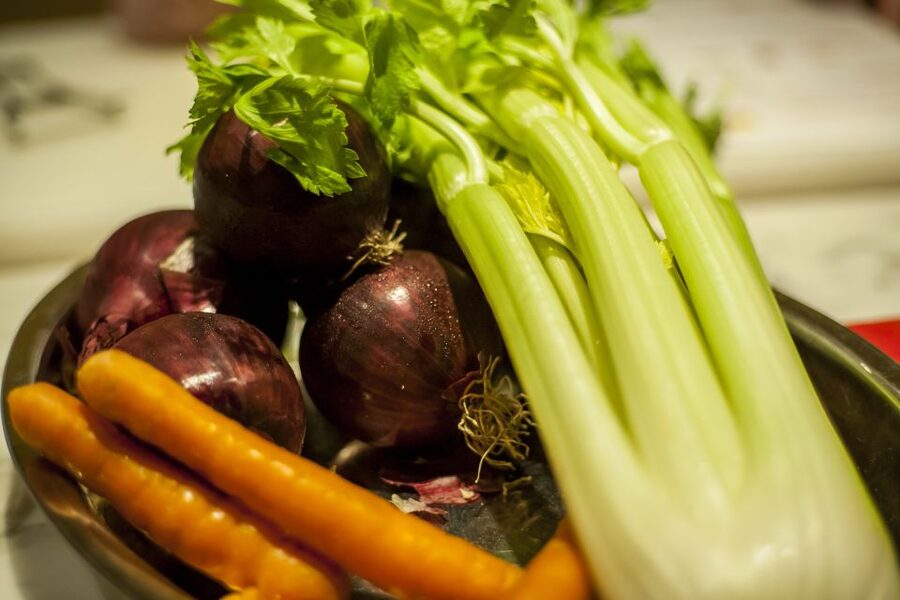
The market visit gives the cooking lesson a useful starting point. Instead of treating Tuscan food as a list of recipes, the chef explains where the ingredients come from and how local shoppers choose them. You can expect to see butchers, bakers, and vegetable sellers, with attention given to meat, cheese, produce, and other staples.
The market also provides a taste of Florence beyond the postcard center. One especially enjoyable element has been tasting truffle products, including oils, pastes, and cheeses. That is a small but memorable lesson in how strong ingredients can change a dish. The chef may also explain varieties of food, what to buy, and how to judge quality.
The exact market route can vary. One class participant found the visit useful but felt that the group spent too long discussing steak, only to buy ground beef for the ragu. Another noted that not every section of the market was covered and that fresh vegetables were not always purchased there. These are fair limitations. Think of the market portion as an introduction to Tuscan ingredients, not a full guided tour of every stall.
On Sundays and bank holidays, the central market is closed. The market visit is then skipped, so consider choosing another day if this part matters to you. The cooking class still forms the main part of the activity, but the opening food walk adds local context that you will miss.
From market ingredients to a working kitchen
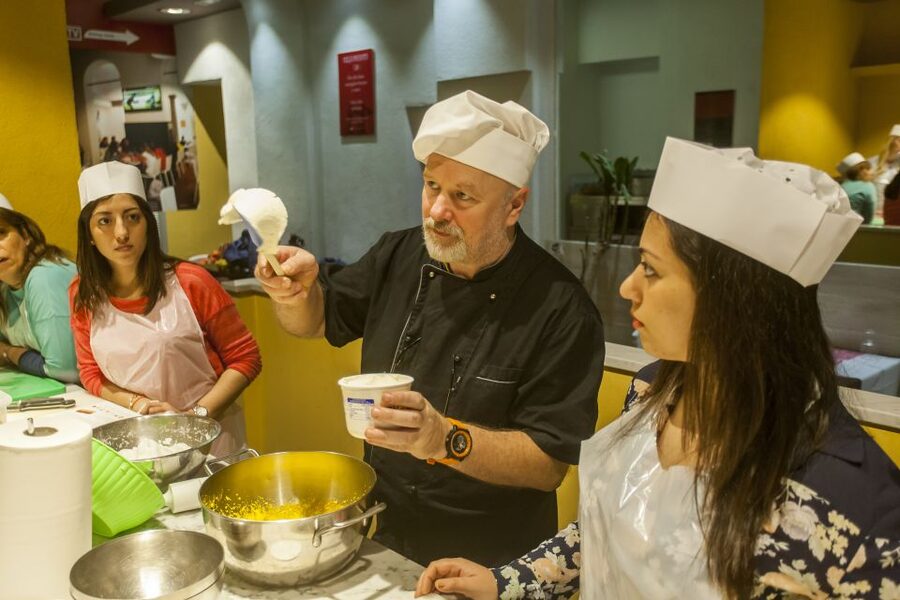
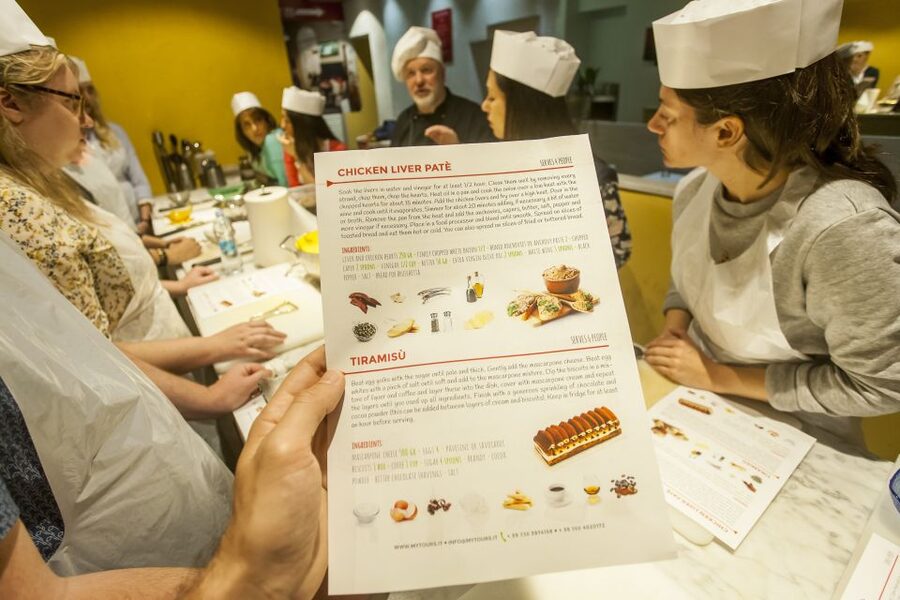
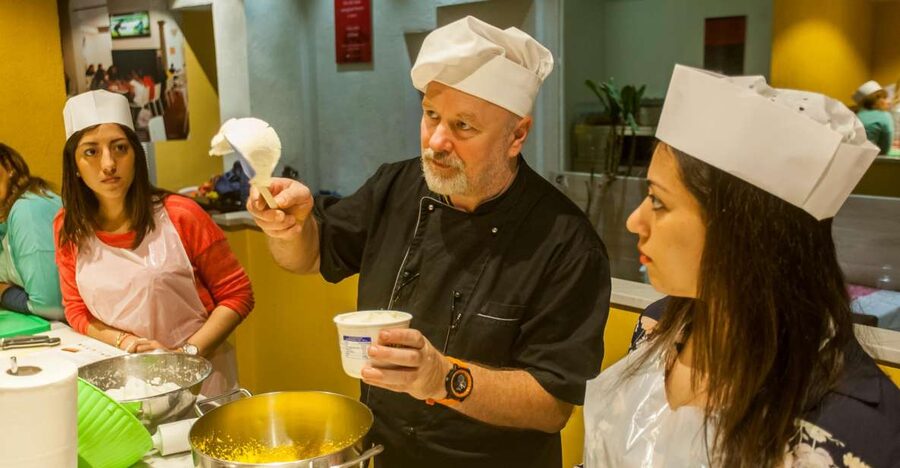
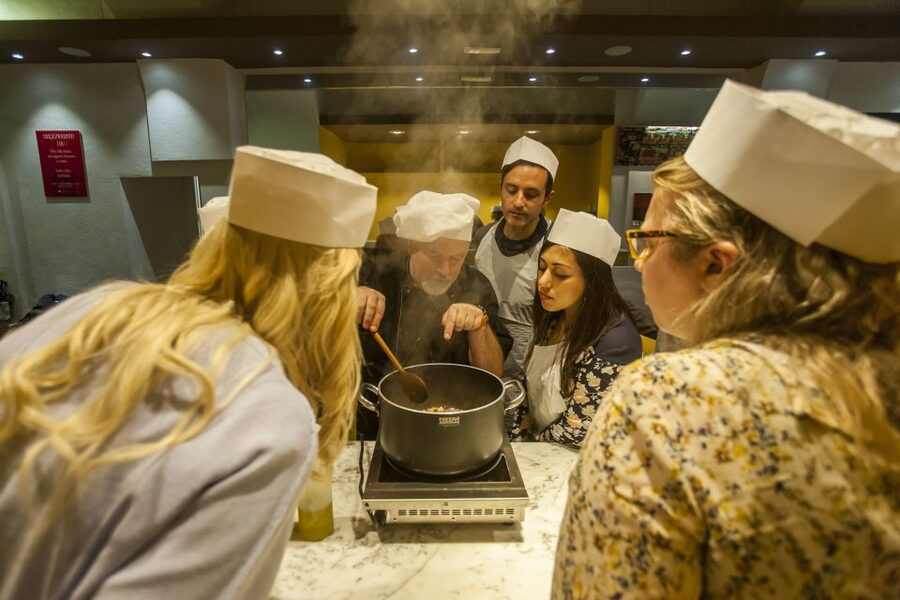
After the market, you travel by minivan to the cooking school. The chef talks through the dishes, explains their place in Italian cooking, and assigns jobs around the kitchen. The teaching style is hands-on, but not every participant performs every step.
That arrangement makes sense for a group class. Ragu needs time to cook, and some cutting or preparation would slow the lesson if every person repeated the same task. One practical report described a good balance: each person rolled pasta dough, while the chef handled some slower jobs to keep the meal moving.
You may chop vegetables, learn knife skills, stir the sauce, help with pasta, and assist with dessert. The class has included groups as small as six or seven, as well as larger groups of around 17. A smaller group will naturally give you more time at the work surface. In a larger group, you may watch more and wait your turn.
The class takes place on your feet for much of the cooking. Several people wished for stools, especially after walking through Florence earlier in the day. Wear comfortable shoes and plan for a long morning of standing. You also need to be able to use stairs at the cooking venue.
Making fresh pasta, ragu, and bruschetta
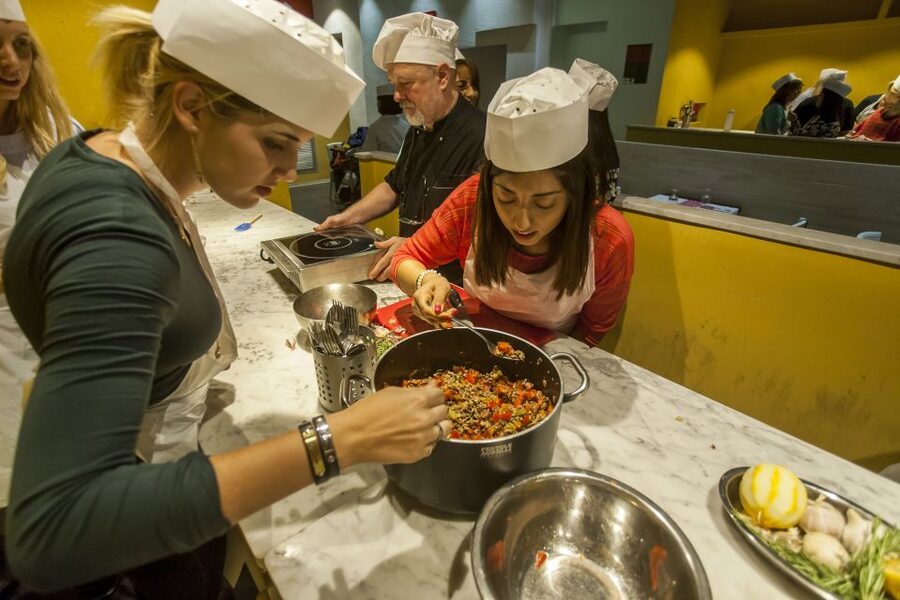
Fresh pasta is the clearest practical highlight. You learn the basic ingredients and work with the dough by hand, then roll and shape it. The finished pasta has appeared as tagliatelle or linguine, depending on the class menu.
This is the part I would value most if you already cook at home. The lesson breaks pasta-making into simple actions rather than treating it as something reserved for Italian grandmothers. You learn how the dough feels, how to handle it, and how to turn it into a meal with a sauce.
Ragu or Bolognese sauce is another regular favorite. The chef explains the ingredients and method, with an emphasis on letting the food provide its own flavor. One useful lesson is the Italian preference for restraint: a few good ingredients, prepared carefully, rather than a heavy load of herbs and spices.
Bruschetta often begins the meal. It is a simple course, but that is exactly why it works in a cooking class. You can see how bread, tomatoes, seasoning, and good preparation matter. The dishes are approachable enough to repeat at home, which is more useful than learning an elaborate recipe that requires specialist equipment.
More Cooking Classes in Italy
- Florence: Cooking Class with Local Food Market Tour
★ 4.9 · 407 reviews - Florence: Cooking Class at a Tuscan Farm & Local Market Tour
★ 4.9 · 354 reviews - Florence Cooking Course with Historic Local Market Visit
★ 4.5 · 151 reviews - Florence: Market Visit and Cooking Class
★ 4.4 · 16 reviews
Meat, fish, dessert, and the final meal
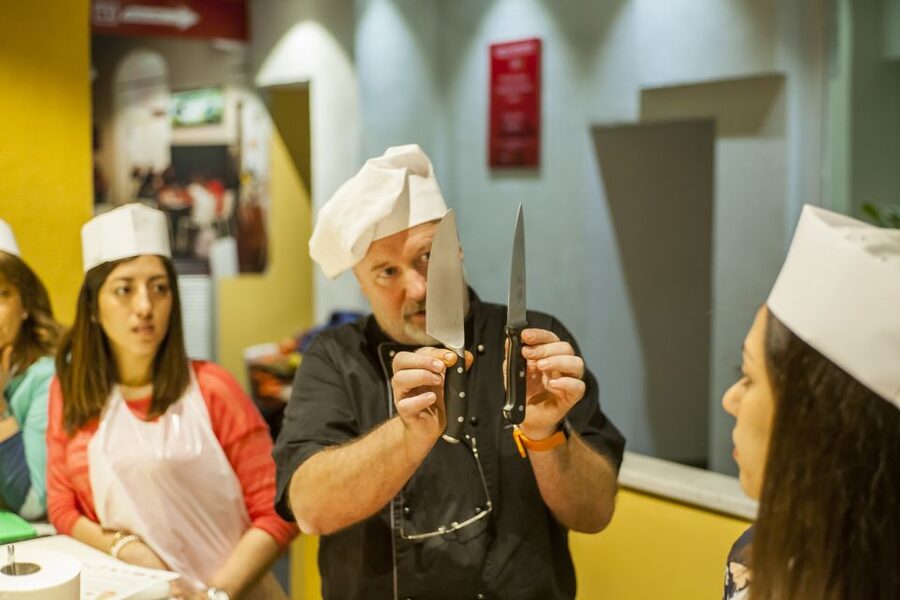
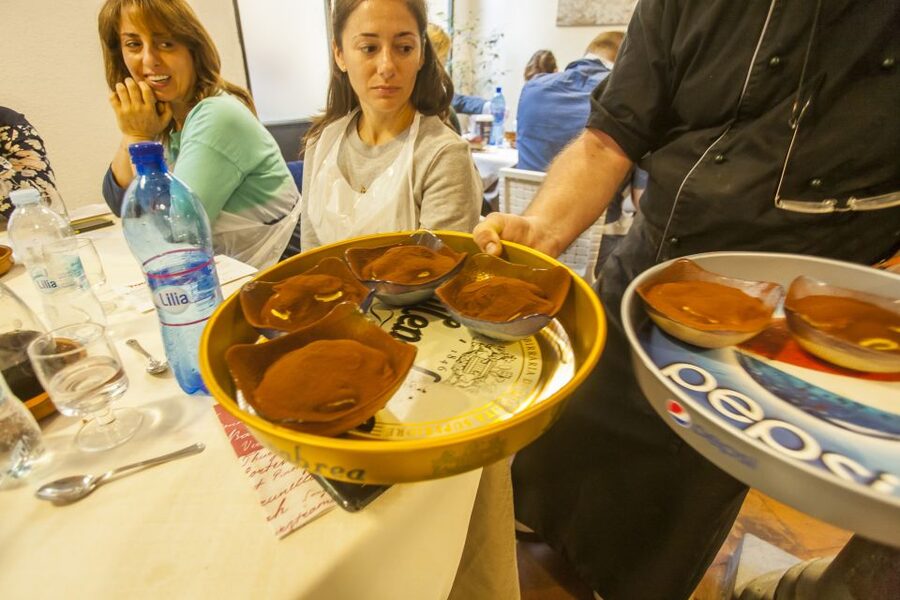
The outline includes a meat or fish course, followed by dessert. The exact menu can change with the season and available ingredients, so you should not assume that every class will serve the same main dish. The best-known menu examples include bruschetta, fresh pasta with ragu, and tiramisu.
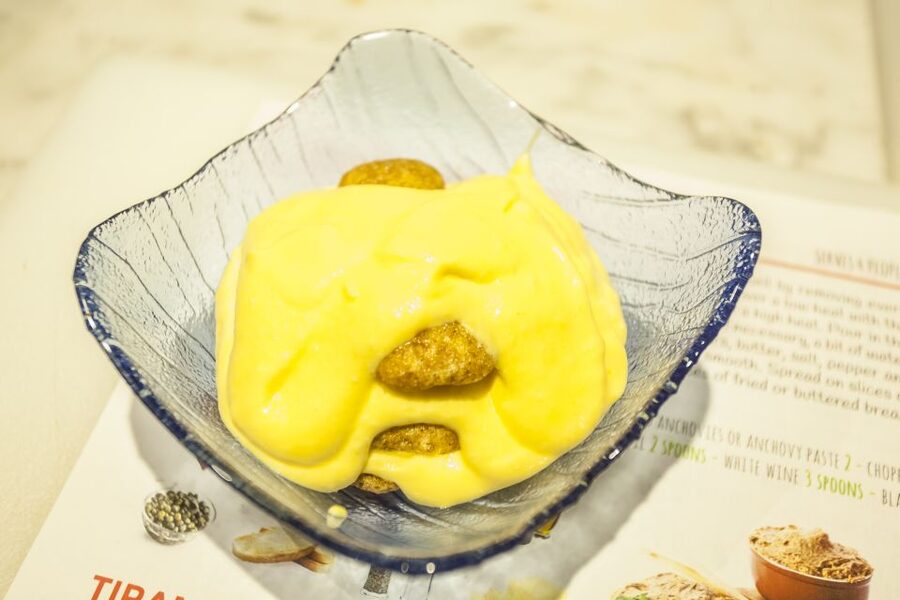
Tiramisu has been a particular success. The class teaches you how to make it from scratch, and several people later planned to repeat it for family celebrations. That makes it a good choice for a visitor who wants a dessert lesson that feels practical rather than decorative.
Once the dishes are ready, the group sits down together. You eat the food you helped prepare and drink quality Italian wine, with a choice of red or white wine mentioned in the experience details. This shared meal is more than a convenient finish. It gives the class a social shape, especially if you arrive alone or with only one companion.
The food has generally been praised as delicious, with particular affection for the ragu, pasta, and tiramisu. One useful caution is that the meal can feel rich if you are not used to generous Italian cooking. Come hungry, but do not expect a light snack.
The chefs make the difference
The strongest part of this experience is the teaching. Julio has been praised for being funny, patient, and informative. Emanuele has been described as an entertaining instructor who kept the pace moving. Andrea has received praise for both the market walk and his patience in the kitchen.
Other classes have featured Antonio and Thomas, with similar praise for friendly instruction and enthusiasm. Since guides can change, you should not book on the assumption that one particular chef will lead your session. Still, the repeated pattern is encouraging: the chef is central to the experience, and the class works best when that person explains not only what to do, but why.
The instruction is aimed at ordinary home cooks. You do not need advanced skills to join. You may learn basic cutting techniques, how to make pasta dough, how to build ragu, and how to keep Italian cooking simple. If you are already comfortable in a kitchen, you will still pick up useful tips, but you may find some demonstrations familiar.
Language can affect the pace. The advertised instruction is in English, but a mixed-language group has occasionally required translation, slowing the flow for English-speaking participants. The guides have handled this with patience, but it is worth knowing if you want a fast, tightly timed lesson.
Group size, pace, and what you actually do
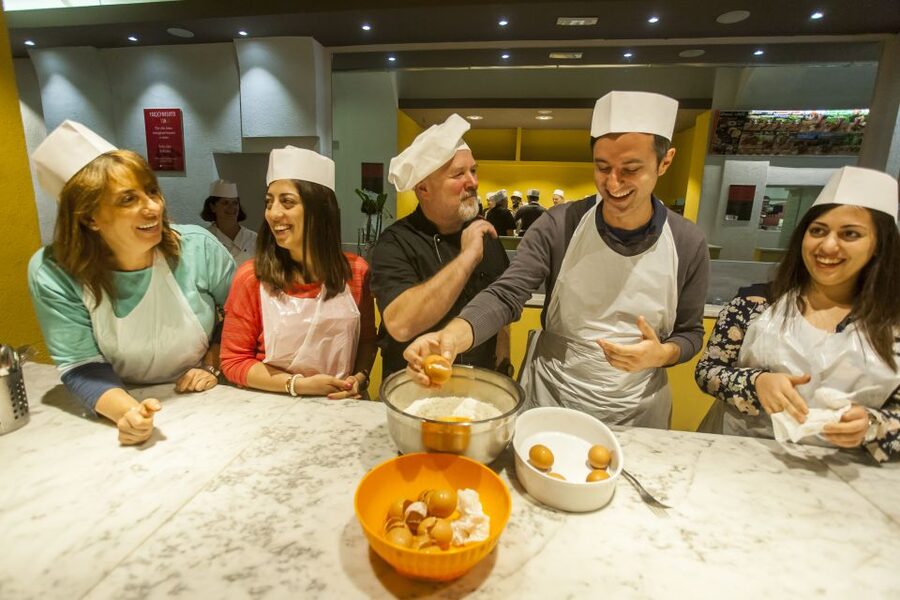
The class can feel personal in a small group. A group of six or seven allows more direct help and more time with the pasta dough. Larger groups can still work well, but you should expect shared jobs and periods of watching.
This is not a silent demonstration. You get to participate, and the pasta-making portion is especially hands-on. At the same time, the chef must manage food safety, timing, and a complete lunch for everyone. You will not independently cook every course from start to finish.
That balance suits most visitors. You learn enough to understand the method, then the chef takes over when a process needs steady attention or extra time. If your main goal is to spend four hours personally preparing every dish, a private or very small-group class would be a better match.
The pace has usually been described as lively, with the four hours passing quickly. A late arrival by one participant once pushed the start and finish back by about 15 minutes. Leave a little space in your schedule, especially if you need to catch a train or reach a timed museum entry.
Value, booking flexibility, and practical limits
No price is provided here, so I cannot judge the exact cost against other Florence classes. In value terms, you are paying for more than a meal. The experience includes a market introduction, transportation to the cooking school, chef instruction, ingredients, a multi-course lunch, wine, and a graduation certificate.
That package can be good value if you would otherwise book a market tour and a restaurant lunch separately. It is less attractive if you mainly want to eat and have little interest in cooking. You spend much of the morning standing, preparing food, and listening to explanations.
The experience offers free cancellation up to 24 hours before the start time, and you can reserve now and pay later. That helps if your Florence schedule is still changing. The class is offered in English, and the meeting point is in central Florence.
People with gluten intolerance should not book this experience. The class focuses on pasta and other wheat-based dishes, and there is no stated gluten-free alternative. The stair requirement also matters if you have limited mobility.
A certificate is provided at the end, although past participants have occasionally had trouble receiving recipes or certificates after leaving early for a train. If the recipes matter to you, confirm how they will be delivered before departing. The practical value of the class comes from remembering the methods, but written recipes are useful when you return home.
Who should book this cooking lesson?
I would recommend it to you if you want an active food experience rather than another sightseeing walk. It works especially well for couples, friends, families with older children, and solo visitors who like meeting people around a table.
It is also a good choice for anyone who wants to recreate part of the trip at home. Fresh pasta, ragu, bruschetta, and tiramisu are approachable dishes. You do not need a professional kitchen or rare ingredients to make a version of them later.
I would be more cautious if you dislike group activities, cannot stand for several hours, or want a highly technical culinary course. The lesson can include shared preparation, mixed-language pauses, and a market visit that varies in length. Sunday and bank holiday sessions lose the market portion.
Should you book Florence: Market to Table Cooking Lesson?
Book it if you want to understand Tuscan food by handling it yourself. The best parts are the central market introduction, fresh pasta lesson, friendly chef instruction, and relaxed meal with wine. The class gives you a useful memory of Florence and several recipes you can try again.
Skip it if you need a gluten-free menu, dislike standing, or want complete control over every stage of cooking. For everyone else, this is a well-rounded half-day choice, especially when you have already seen Florence’s major sights and want to spend time doing something local, social, and delicious.
FAQ
Where does the cooking experience begin?
It begins at Via Panicale, 43/r, 50123 Florence. The listed coordinates are 43.77748489379883, 11.253640174865723.
How long does the activity last?
The experience lasts 4.5 hours, including the market visit, transport to the cooking school, cooking lesson, meal, and return to the departure point.
What language is the class offered in?
The advertised language is English, with a live English-speaking guide.
Is the central market visit included every day?
No. The market visit is skipped on Sundays and bank holidays because the central market is closed.
What food will I learn to prepare?
Menus have included homemade pasta, sauces such as tomato, ragu, Bolognese, or pesto, bruschetta, a meat or fish course, and tiramisu. The exact menu can vary.
Is wine included with the meal?
Yes. The meal you prepare is served with quality Italian wines, including red or white wine.
Is the class suitable for someone with gluten intolerance?
No. People with gluten intolerance should not take this class because pasta and other wheat-based foods are central to the lesson.
Do I need to be comfortable with stairs?
Yes. Participants must be able to climb and descend stairs at the venues.
Just added around Florence
- Florence: Markets and Food Tasting Tour★ 5.0 · 2 reviews
- Florence: Market Visit and Cooking Class★ 4.4 · 16 reviews
- Florence Street Food Tour: Central Market & Duomo Area★ 4.9 · 45 reviews
- Florence:Dolce Vita by Day Market Tour & Pasta Making Class★ 5.0 · 2 reviews
- Florence Central Market Food Tour with Eating Europe★ 5.0 · 4 reviews
- Florence: Sant’Ambrogio Market Food Tour of 10+ Local Dishes★ 4.6 · 21 reviews
- Florence: Local Food, Wine & Market Walking Tour★ 5.0 · 6 reviews
- Florence: Market and Cooking Class at a Local’s Home★ 5.0 · 9 reviews
Cooking Classes, compared.
Hanoi Cooking Class: Culture, Local Market & Meaning CSR Impact
Read our review →
5 Traditional Dishes Hanoi Cooking Class with Market Trip
Read our review →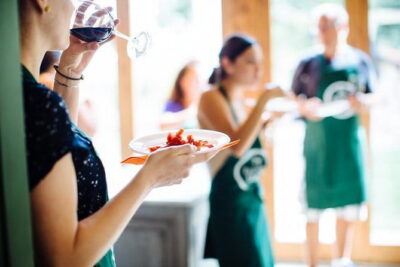
Cooking Class and Lunch at a Tuscan Farmhouse with Local Market Tour from Florence
Read our review →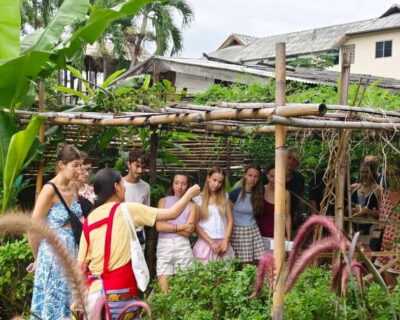
Cooking Class, Market & Thai Herbs Garden Tour
Read our review →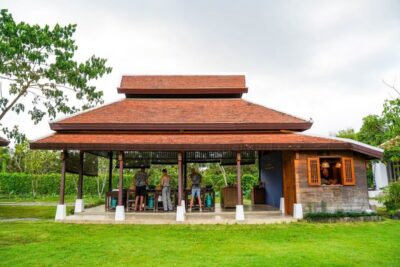
Authentic Cooking Class with Market & Farm Visit
Read our review →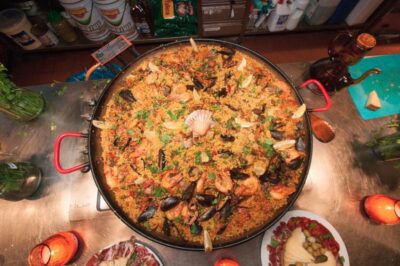
Paella Cooking Experience & Boqueria Market Tour
Read our review →
Cooking Class Hoi An:Local Market, Basket Boat, Fishing & Cooking
Read our review →
Hoi An Cooking Class(Market,BasketBoat Crabfishing&Cooking Class)
Read our review →Browse the lists this tour appears in