
Review · PERU
Cusco: Peruvian Cooking Class, Cocktails & Local Market Tour
Taste Peru through its markets and kitchen. This four-hour Cusco experience begins at San Pedro Market, then moves to a clean cooking studio where you prepare ceviche, causa limeña, and quinoa tamales with a professional chef. I especially like the market visit and the chance to make two pisco cocktails, with non-alcoholic versions available.
The class is limited to 10 people, which keeps the teaching personal. Chef Jesus is named in the activity details, while sessions have also been led by Jorge and Eric. The main consideration is that the cooking involves plenty of preparation and assembly, but not every dish is made entirely from scratch.
Key points to know before booking
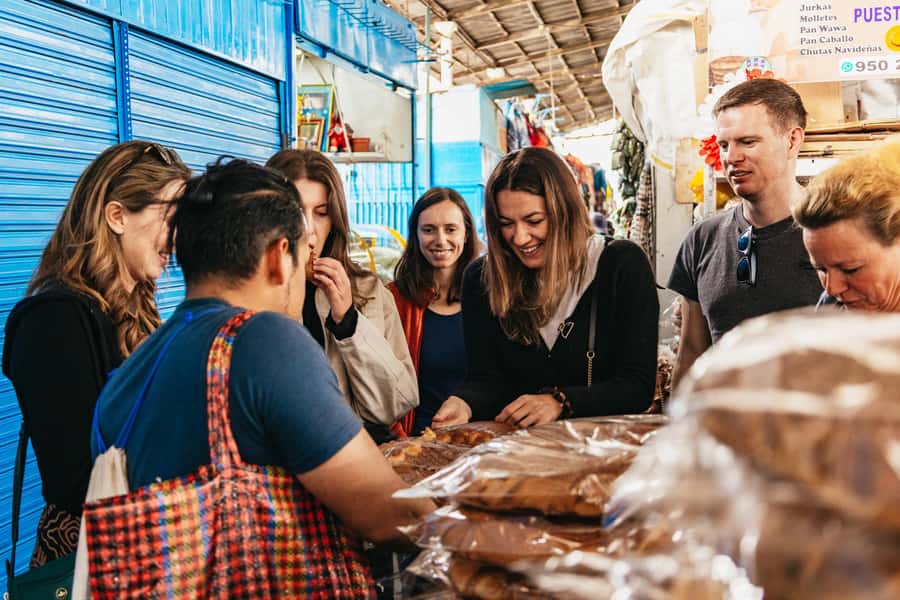
- San Pedro Market comes first: You explore local cheese, bread, chocolate, cacao, fruit, quinoa, potatoes, and other Peruvian ingredients before cooking.
- Three classic dishes are included: You prepare ceviche, causa limeña, and quinoa tamales, then finish with picarones and honey.
- Two cocktails add a social touch: You make pisco cocktails during the class, with mocktail versions available.
- Dietary needs are taken seriously: Vegetarian, vegan, and gluten-free menus are available, and non-alcoholic drinks can be prepared.
- The group stays small: With no more than 10 participants, you get more help at the worktables.
- It is a filling half-day: Four hours gives you time to eat, learn, and talk, so arrive ready for a substantial meal.
Starting at San Pedro Market in central Cusco
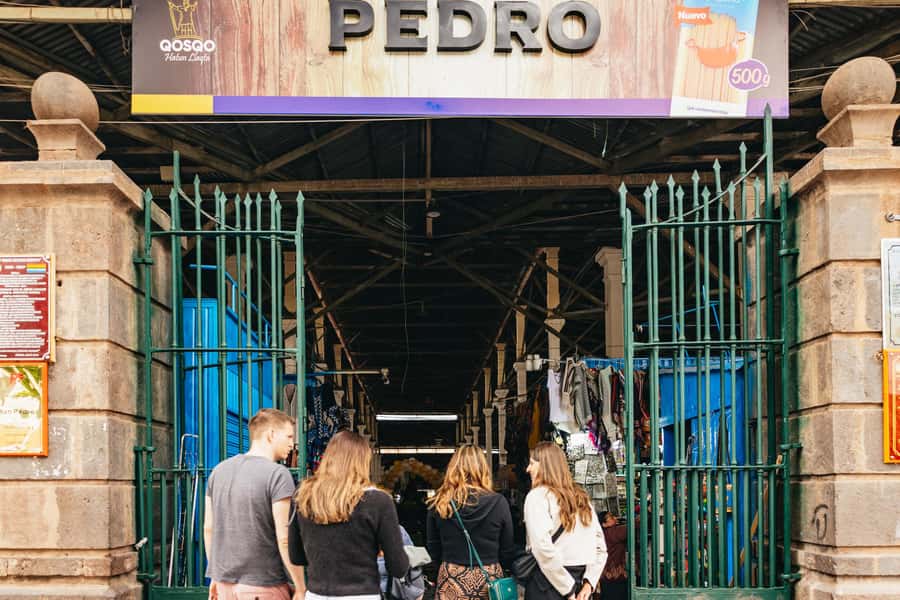
Meet at Door Number 1 of San Pedro Market. This is a practical starting point because the market gives you immediate contact with the ingredients that shape Peruvian cooking.
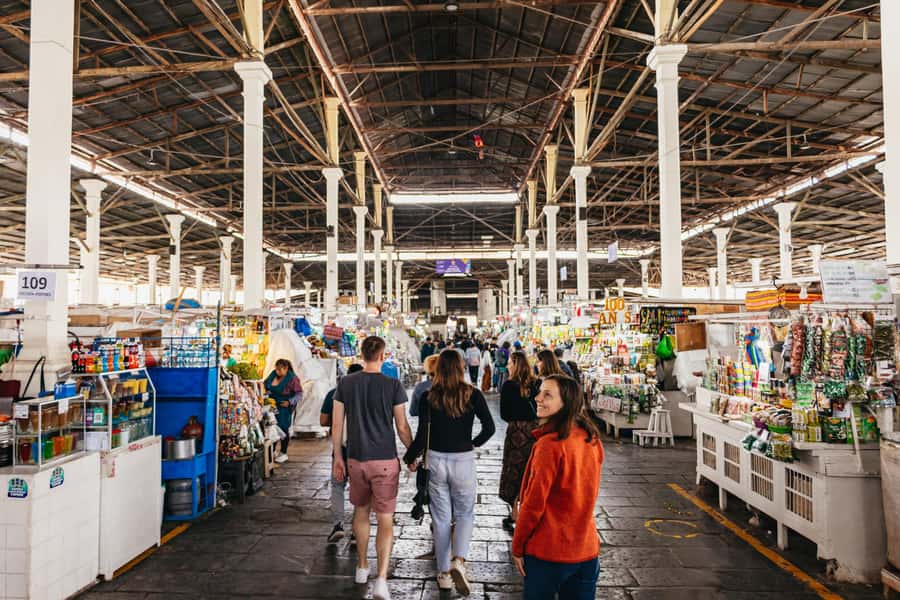
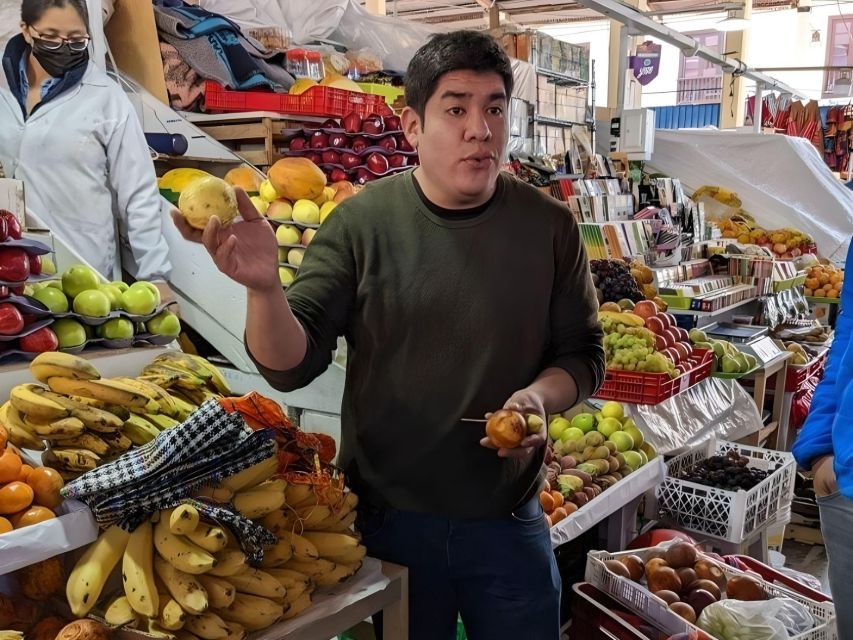
San Pedro is one of Cusco’s oldest markets. The tour takes you through sections featuring local cheeses, bread, chocolate, cacao, quinoa, potatoes, fruits, and other produce. You are not simply looking at food behind glass. The point is to see what people buy, learn how ingredients fit into local cooking, and identify items that will later appear in your meal.
The market section is one of the strongest parts of the experience. Several people particularly enjoyed tasting cheese, bread, chocolate, coffee, and fruit before moving on. That sampling makes the food lesson more useful because you can connect a finished dish with the ingredients in their original form.
You might also appreciate the way the market gives context to dishes that can seem unfamiliar on a restaurant menu. Quinoa is not just a fashionable grain here. Potatoes are not limited to one or two varieties. Cacao, fruit, herbs, and local staples all have a place in the food culture you are about to cook.
Wear comfortable shoes. The activity starts with walking through the market and then continues with a short walk to the cooking studio in Cusco’s historic center. Comfortable clothing is also sensible, especially since you will spend the rest of the afternoon working around a kitchen table.
More Farmers Market Tours in Peru:
- Lima: Food Tour on Local Market
★ 5.0 · 8 reviews - Full Day Lima: Local Market+ CityTour+ Barranco & Miraflores
★ 5.0 · 3 reviews - Hanoi Cooking Class: Culture, Local Market & Meaning CSR Impact
★ 5.0 · 5,147 reviews
Walking from the market to the cooking studio
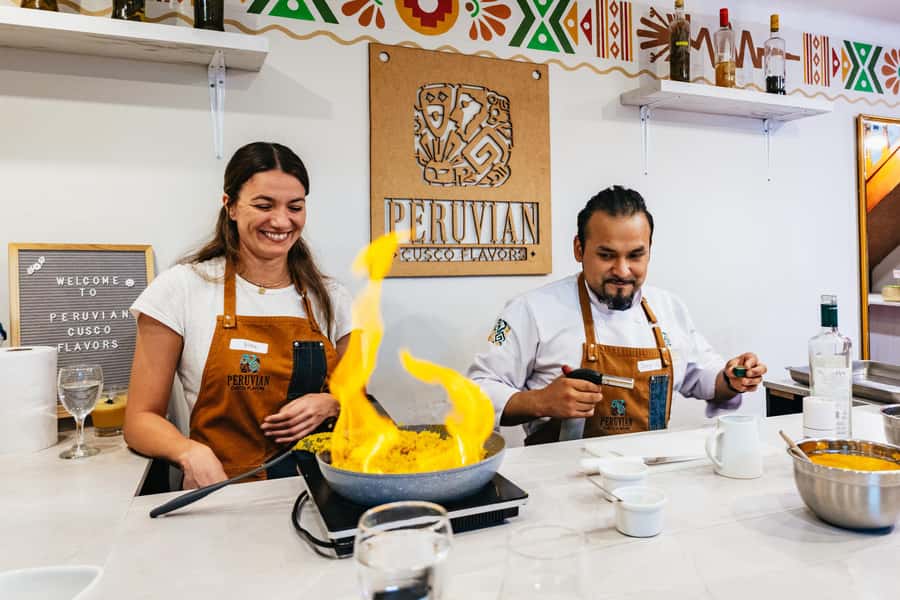
After the market, you walk to the studio, put on an apron, and settle into the kitchen. The change of setting works well. The market supplies the sights, sounds, and ingredients, while the studio gives you a clean, organized place to prepare and eat.
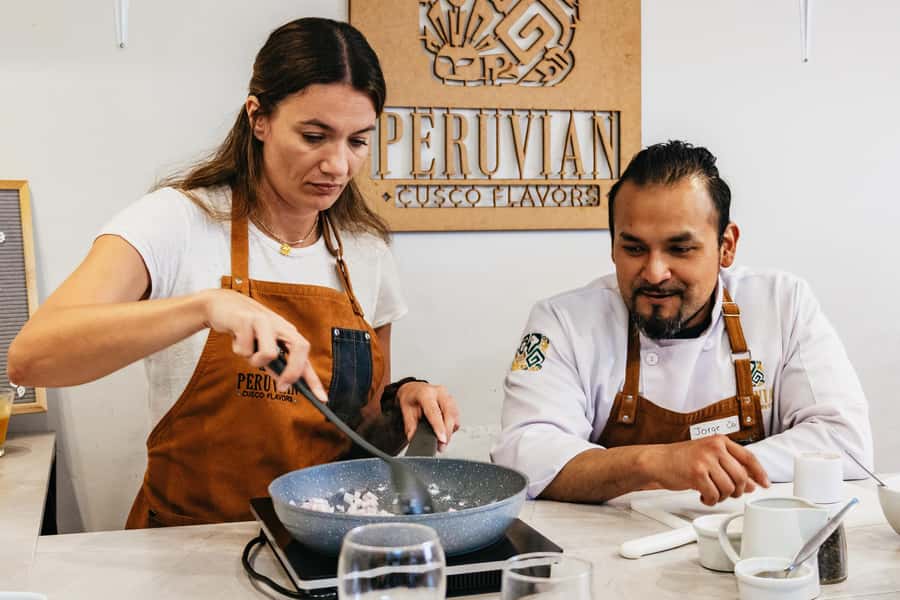
The kitchen is described in several firsthand accounts as modern and very clean. That matters in a class where raw fish, vegetables, sauces, and dough all share the workspace. You get the lively market experience without having to cook in a cramped or improvised setting.
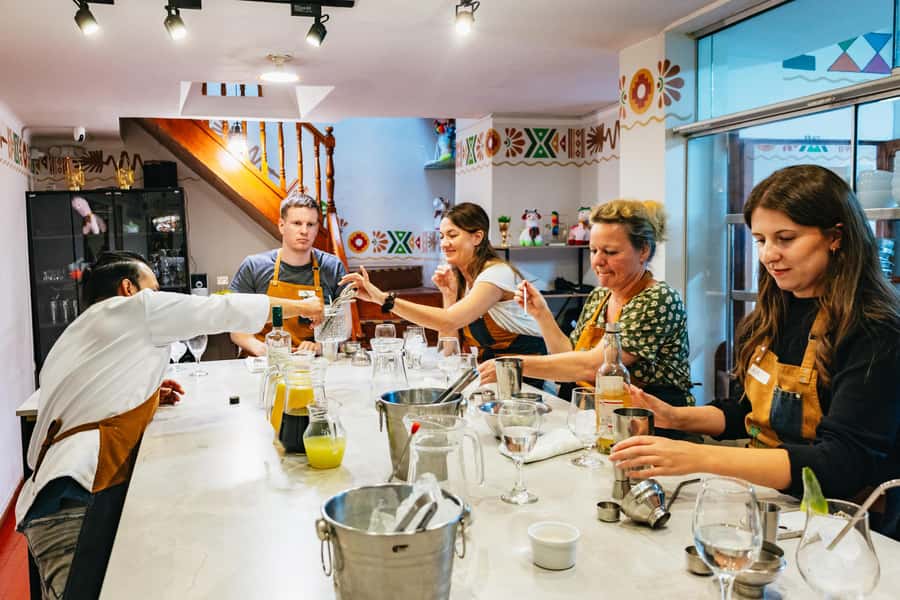
The small group size is another advantage. A maximum of 10 participants gives the chef room to explain each stage and help with plating. It also makes the meal more social. Cooking alongside people from different countries tends to break the ice faster than sitting at a restaurant table.
Chef Jesus is highlighted in the activity information, and many sessions have been guided by chefs called Jorge or Eric. The consistent strength is the teaching style: clear instructions, stories about Peruvian food, and plenty of help when someone needs a little assistance. If you book this activity, check the current guide name at confirmation, since the chef may vary by date.
Making two pisco cocktails
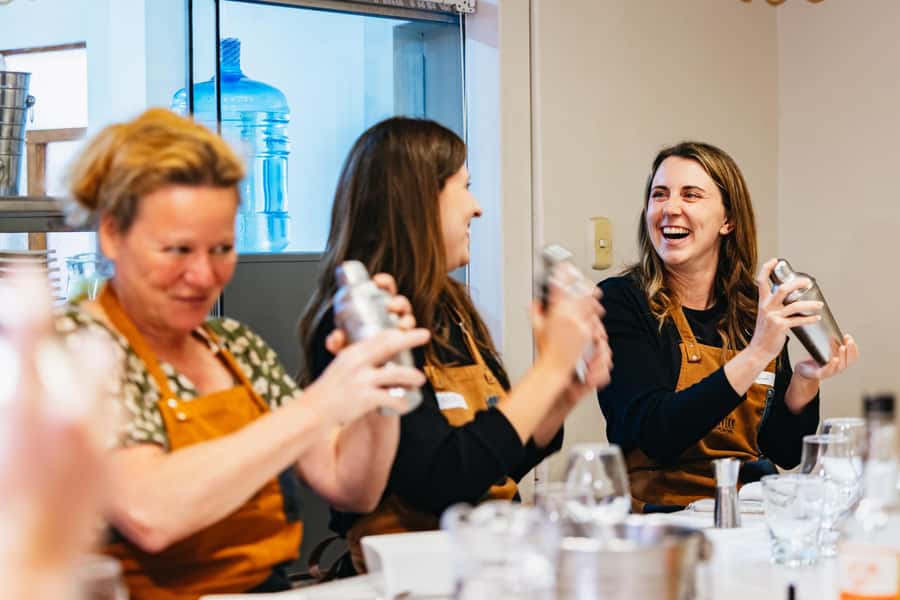
The class begins in the kitchen with a Peruvian cocktail. You prepare two drinks during the session and sip them as you work through the food.
This is a good design choice. Pisco is closely associated with Peru, and making the drinks yourself turns a tasting into a short lesson in local ingredients and technique. It also gives the group something easy to share while the chef explains the recipes.
You do not need to drink alcohol to enjoy this part. Non-alcoholic recipes are available, and participants have successfully made mocktails while the rest of the group prepared pisco drinks. That makes the class suitable for people who do not drink, as well as for anyone pacing themselves at high altitude.
The drinks are part of the value here, but keep the full afternoon in mind. You will also receive several courses and a dessert. I would not plan another large meal afterward.
Preparing ceviche, causa, and quinoa tamales
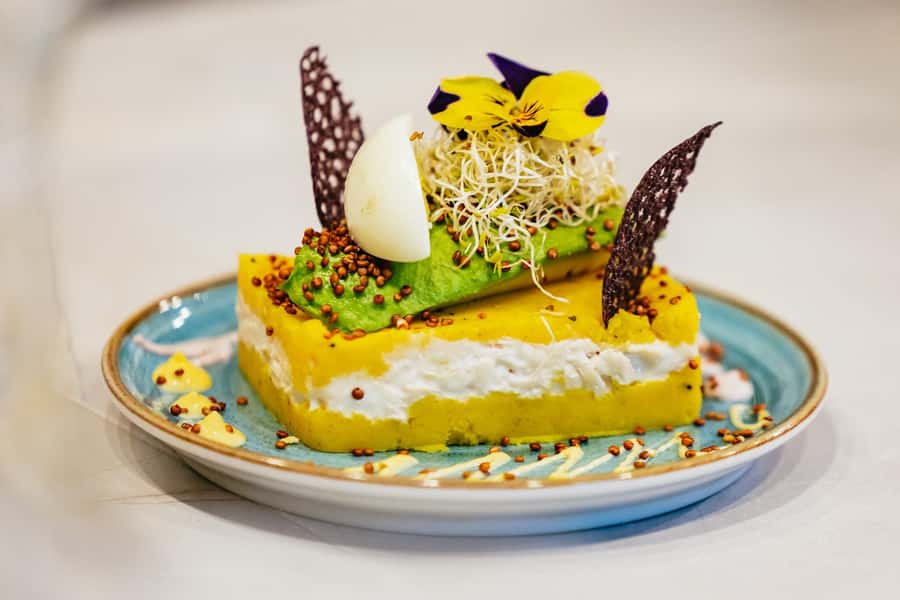
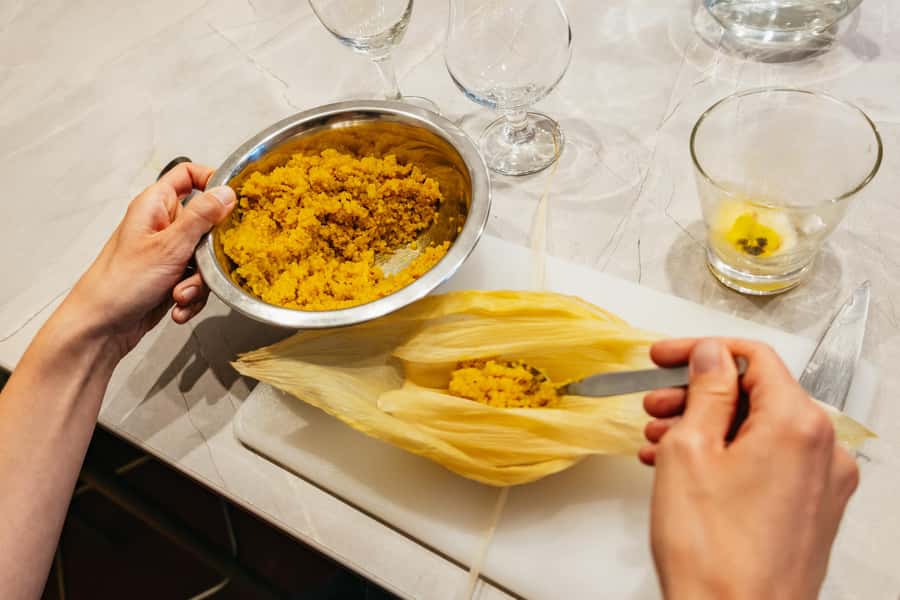
The central lesson covers three well-known Peruvian dishes: ceviche, causa limeña, and quinoa tamal. The chef explains the steps, gives you ingredients, and guides the preparation before everyone sits down to eat.
Ceviche is the boldest dish of the three. It gives you a chance to understand how Peruvian cooking uses fresh ingredients, acidity, seasoning, and careful timing. Since ceviche depends on freshness and balance, the chef’s explanation is just as important as the mixing itself.
Causa limeña is especially approachable for home cooks. It is built around seasoned potato and is shaped and plated with care. One participant described feeling like a professional after assembling the causa with Chef Eric. That is a useful clue: the dish offers a rewarding result without requiring advanced knife skills or restaurant equipment.
The quinoa tamal brings a highland ingredient into the meal. Quinoa is strongly linked with the Andes, so this dish helps connect Cusco’s setting with its food. It also gives the class a different texture and preparation style from the ceviche and causa.
There is an important practical point here. This is not a four-hour chef-training course. Some work is prepared in advance, and parts of the class involve assembling, seasoning, and plating rather than doing every task from the beginning. That is not a flaw for most people. It keeps the pace manageable and lets you focus on learning the character of each dish. But if you want a class where you chop and cook every ingredient from raw, you may find this format lighter than expected.
The chef also discusses the background of the dishes and Peru’s many food influences. The best moments come when cooking instructions are tied to a reason: why an ingredient is used, how a dish is traditionally served, or what makes a local version different.
More Cooking Classes in Peru:
- Cooking class and market tour with a local chef
★ 5.0 · 186 reviews - Market Tour, Tasting of 35 Fruits, and 4-Course Peruvian Cooking Class in Lima
★ 5.0 · 86 reviews - Cusco: Peruvian Cooking Class & Market Tour
★ 4.9 · 19 reviews - Lima: Market Tour and Cooking Class with Pisco Sour
★ 5.0 · 3 reviews
Eating what you prepared
Once the dishes are ready, you sit around the table and eat together. This is where the activity becomes more than a demonstration.
The food is fresh, colorful, and substantial. You can taste the same ingredients you saw at San Pedro Market, now combined into recognizable Peruvian dishes. The group meal also gives the class a relaxed finish. People trade stories, compare their plates, and continue the conversation started over the cocktails.
You should arrive hungry. The menu includes three savory dishes, two cocktails, and a sweet finish. One participant specifically advised coming with an empty stomach, and that is sound advice.
The class also teaches presentation. The chef shows you how to plate the food so it looks as good as it tastes. That small detail matters if you want to recreate the recipes at home. Several participants received the recipes by email, which makes the experience more useful after your trip.
Ending with picarones and honey
The final tasting is picarones with honey. Picarones are a Peruvian sweet, and they provide a proper ending after the savory dishes.
This dessert is included rather than treated as an optional extra. It rounds out the meal and gives you one more taste of local cooking beyond the better-known ceviche and pisco. Sugar-free and gluten-free options are available, so tell the chef about your needs before the class begins.
Dietary accommodations appear to be one of the activity’s strongest practical features. Vegetarian and vegan menus are available, and gluten-free participants can be catered for. The safest approach is to state your needs during booking and repeat them at the start, since one participant experienced some confusion about a gluten-free request. The food can be adjusted, but clear communication helps the kitchen prepare properly.
What $67 buys you in Cusco
At $67 per person, this is not the cheapest way to eat lunch in Cusco. It is also more than the price of a simple market meal. The value comes from the combination of four separate elements: a guided market visit, a professional cooking class, two cocktails, and a full meal with dessert.
You also receive ingredients, water, and instruction from a chef. The small group limit makes the price easier to justify because you are not standing at the back of a large demonstration. You get time to ask questions, prepare food, and receive help with plating.
I see this as good value for someone who wants a single, well-organized food experience rather than several unrelated tastings. It is less attractive if you mainly want a cheap lunch or if you already have extensive cooking plans in Cusco.
The four-hour length is useful. A shorter class could feel rushed, especially with the market visit included. Here, the afternoon has room for shopping, cocktails, cooking, eating, and conversation. It is long enough to feel like a main activity, but not so long that it takes over an entire day.
The best time to fit it into your Cusco plans
This class works well early in a Cusco visit, especially while you are getting used to the altitude. You spend much of the time at a manageable pace, and the activity does not require a long hike or strenuous physical effort.
Several participants used it as an easy way to get their bearings before the Inca Trail. That makes sense. You learn about local food, walk through a central market, and spend the rest of the time indoors. Still, cocktails and a large meal may not suit everyone during the first hours after arriving at altitude. If you are feeling unwell, choose water and the non-alcoholic options.
It also works near the end of a Peru trip. You leave with recipes, a better sense of the ingredients you have seen around the country, and a meal that brings together several parts of Peruvian cuisine.
Avoid placing it on a day when you want to visit many other attractions. Four hours is the stated duration, and the market, walk, cooking, and meal need their full amount of time.
Who will enjoy this class most
I would recommend this experience to you if you:
- Want an active food experience instead of another restaurant meal
- Like markets and enjoy learning what local ingredients are used for
- Prefer a small class with direct help from the chef
- Want to make classic Peruvian dishes without needing advanced cooking skills
- Are traveling with a vegetarian, vegan, or gluten-free companion
- Enjoy social activities where the meal is part of the conversation
It is also a good fit for couples, friends, solo visitors, and families with older children. The stated minimum age is 10, and the class is available only in English.
You may want to skip it if you dislike group activities, do not want cocktails, or expect to prepare every dish entirely from raw ingredients. The format combines demonstration, preparation, assembly, and tasting. That is ideal for a relaxed cultural class, but not for intensive technical training.
Should you book the San Pedro Market cooking class?
Yes, if you want a practical introduction to Peruvian food in one well-paced afternoon. The market visit gives the class a local foundation, while the cooking studio provides comfort, structure, and a reliable place to eat what you make.
The strongest reasons to book are the small group, the chefs’ clear teaching, the generous amount of food, and the flexible menus. Chef Jesus, Jorge, and Eric are all singled out in the activity information or participant feedback for their friendly instruction and food knowledge. The market is often the highlight, especially when samples and fresh ingredients connect directly to the recipes.
Book it with realistic expectations. You will learn and prepare a lot, but some elements are assembled rather than cooked from start to finish. At $67, the price is fair for the market tour, cocktails, three dishes, dessert, ingredients, and four hours of guided time. If that sounds like your kind of afternoon, this is one of the more useful food activities to add to a Cusco stay.
FAQ
Where does the Cusco cooking class begin?
The meeting point is Door Number 1 at San Pedro Market in Cusco.
How long does the experience last?
The activity lasts four hours. Starting times vary, so you should check availability for your preferred date.
Which dishes will I prepare?
You will learn to prepare ceviche, causa limeña, and quinoa tamal. Picarones with honey are served as a final tasting.
Are cocktails included?
Yes. Two pisco cocktails are included. Non-alcoholic recipes are available.
Can the class accommodate dietary restrictions?
Yes. Vegetarian, vegan, and gluten-free menus are available. Sugar-free and gluten-free options are also available for the picarones.
Is the class suitable for children?
The activity is not suitable for children under 10 years old. The class is conducted in English and is limited to 10 participants.
Just added around Peru
- Lima: Food Tour on Local Market★ 5.0 · 8 reviews
- Lima: Peruvian cooking class and tour of Surquillo market★ 5.0 · 2 reviews
- Lima: Market Tour and Cooking Class with Pisco Sour★ 5.0 · 3 reviews
- Full Day Lima: Local Market+ CityTour+ Barranco & Miraflores★ 5.0 · 3 reviews
- Lima Food Experience with local Markets & Barranco Tour★ 5.0 · 2 reviews
- Lima: Market Tour, 35 Fruits Tasting & Cooking Class★ 5.0 · 3 reviews
- Cusco: Coricancha, Cathedral & San Pedro Market Walking Tour★ 5.0 · 2 reviews
- Cusco: Peruvian Cooking Class & Market Tour★ 4.9 · 19 reviews
Local & Farmers Market Tours, compared.
Hanoi Cooking Class: Culture, Local Market & Meaning CSR Impact
Read our review →
Cooking Class and Lunch at a Tuscan Farmhouse with Local Market Tour from Florence
Read our review →
Cooking Class Hoi An:Local Market, Basket Boat, Fishing & Cooking
Read our review →
London Bridge & Borough Market Food Tour with 7 Authentic Dishes
Read our review →
Hoi An Cooking Class(Local market,Basket Boat,Fishing & Cooking)
Read our review →
Browse the lists this tour appears in