Review · THAILAND
Chiang Rai: Night Walking Tour – Local Market & Food Tasting
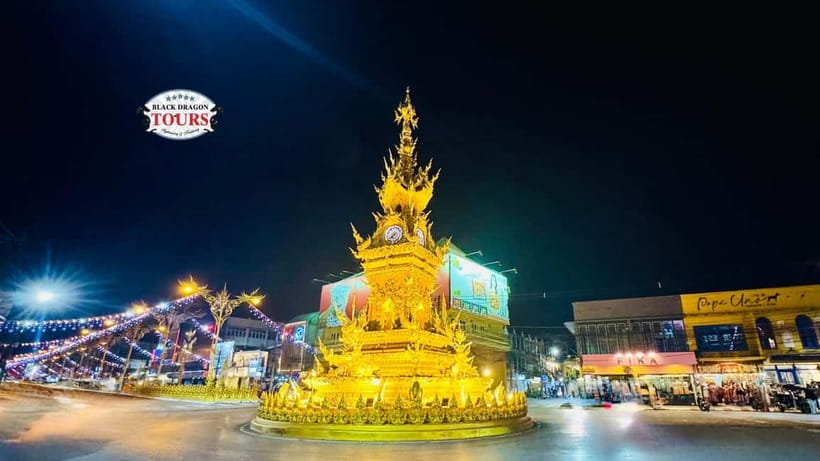
Temples glow differently after sunset. This four-hour Chiang Rai evening combines two beautifully lit Buddhist sites with local markets, fresh food, and a private English-speaking guide. I especially like the chance to see the Blue Temple at a cooler, quieter time and the stop at a fresh market where local people shop for dinner. I also like that guides such as Bank and Poppy have helped visitors understand the meaning of the temples rather than simply pointing out photo spots.
The main consideration is that this is not a fully walking-only tour. Hotel pickup and transport connect the sights, while the market visits involve walking and standing. The food tasting can also be adventurous, with one visitor trying silkworm, and personal food costs are not included in the $64 price.
Highlights at a Glance
- Blue Temple after dark: Wat Rong Suea Ten takes on a dramatic look under evening lighting, with sapphire-colored interiors and a mystical feel.
- The towering Guanyin statue: Wat Huay Pla Kang offers a calm temple visit and a huge white Goddess of Mercy figure overlooking Chiang Rai.
- Two kinds of markets: You visit a fresh market used by local residents, then continue to the Chiang Rai Night Bazaar and other evening stalls.
- A personal guide: The small group is limited to nine people, with hotel pickup and an English-speaking local guide.
- Northern Thai tasting: Expect traditional snacks, street food, and seasonal tropical fruit, with the freedom to buy extra items using Thai cash.
- Strong guide service: Bank is praised for clear communication, safe driving, photos, and fluent English. Poppy is noted for his explanation of Buddhism and temple symbolism.
Why Chiang Rai Works So Well After Sunset
Chiang Rai can feel gentler at night. The heat eases, temple lights sharpen architectural details, and the markets become the center of ordinary local life. You are not just moving from one famous building to another. You are also watching families shop for dinner, vendors prepare food, and monks collect offerings.
This experience works because it puts spiritual sights and daily life side by side. The temples give you a sense of place and belief. The markets show how people eat, shop, and spend an ordinary evening.
The private format matters here. A guide can explain why a statue looks the way it does, help you choose a snack, and answer questions as they arise. A large group would make a market visit less nimble, especially when stalls are crowded or food choices need explaining.
You should expect an evening that mixes guided sightseeing with casual wandering. The temple visits are structured, while the market portion is more social and flexible.
More Farmers Market Tours in Thailand
- Phuket: Half Day Easy Thai Cooking Class & Local Market Tour
★ 4.9 · 725 reviews - Chiang Mai: Evening Cooking Class and Local Market Visit
★ 4.9 · 648 reviews - Evening Cooking Class in Organic Farm with Local Market Tour
★ 5.0 · 394 reviews
Wat Huay Pla Kang and the White Goddess of Mercy
The first major stop is Wat Huay Pla Kang, where the large white statue of Guanyin, the Goddess of Mercy, dominates the site. The figure looks particularly peaceful under evening light, and its position above the city gives the stop a sense of space and calm.
The planned visit lasts about one hour. That is enough time for a proper explanation, photographs, and a closer look at the temple setting without turning the stop into a rushed photo break. Poppy was praised for giving a clear introduction to Buddhism, which is useful here because the symbolism may not be obvious if you are seeing the site on your own.
I like this stop as an opening because it creates a quiet start before the food and market activity. You have time to settle into the evening and get context from your guide.
There are practical limits. The site includes walking, and the tour is not suitable for wheelchair users or people using non-folding wheelchairs. Anyone with heart problems should also consider the physical demands before booking. Wear comfortable shoes, and bring long trousers or a long skirt for temple visits.
The Blue Temple Under Evening Lights
Wat Rong Suea Ten, usually called the Blue Temple, receives about 105 minutes on the schedule. Its strong sapphire colors and ornate interior make it one of Chiang Rai’s most memorable modern temple visits, and evening lighting adds to its unusual mood.
The blue and gold details can look especially striking after dark. Rather than relying only on the guidebook description, you can ask about the figures, colors, and Buddhist ideas shown inside. That personal explanation is one of the best reasons to choose a private or small-group visit.
The timing also helps with comfort. A nighttime temple tour avoids the strongest daytime heat, although you should still bring comfortable walking shoes and clothing that covers your knees. Photography is allowed, but you should keep your voice low and act respectfully in temple areas.
The generous time allocation may appeal to anyone who enjoys architecture and photography. If you prefer a quick overview, 105 minutes could feel long, especially if you are more interested in food than temples. The guide can help keep the visit engaging by explaining the meaning behind the design.
From Temple Calm to the Fresh Market
After the temples, the mood changes at a local fresh market. This is not simply a market arranged for sightseeing. It is a place where local people buy food for the evening, so you can watch ordinary shopping rather than a performance made for visitors.
The scheduled food and snack portion lasts around 30 minutes, though the full market portion includes the Chiang Rai Night Bazaar and other market areas. You may see prepared foods, traditional Northern Thai snacks, tropical fruit, and ingredients used in everyday cooking.
This is where a local guide adds real value. Food stalls rarely come with explanations in English, and unfamiliar dishes can be hard to identify. Bank was praised for introducing traditional Thai food and helping make the tasting easy. You can ask what an item contains, how it is eaten, and whether it is sweet, salty, spicy, or unusual.
Bring a small amount of cash. Personal purchases are not included, and you may want to buy an extra snack, fruit, craft item, or regional product once you find something you like.
More Street Food Market Tours in Thailand
- Chiang Mai: Evening Local Street Food Market Tour
★ 4.8 · 604 reviews - From Bangkok: Maeklong Railway and Floating Market Food Tour
★ 4.9 · 224 reviews - Fresh Local Market Tour – Food tour in Chiang Mai
★ 5.0 · 113 reviews - Bangkok Street Food and Night Lights by Tuk Tuk
★ 4.6 · 49 reviews
Chiang Rai Night Bazaar and Local Street Food
The Chiang Rai Night Bazaar gives you a livelier final market stop. Families browse for dinner, vendors sell handmade goods, and food stalls offer a chance to try small portions instead of committing to one large meal.
The food focus is broad rather than fixed. You might taste Northern Thai snacks, freshly prepared street food, seasonal fruit, or a local specialty such as silkworm. That last item is not for everyone, but it is exactly the kind of unusual tasting opportunity that can make a market visit memorable.
One useful detail is that you do not need to arrive hungry. The evening includes more than one food stop, and one visitor reported already being full by the time the night bazaar meal came around. You can treat the market food as sampling rather than a full dinner.
This approach is good for curious eaters. It is less suitable if you need a carefully controlled menu or have serious food restrictions, since the supplied information does not specify allergy handling or vegetarian options. Ask the guide before eating anything that concerns you.
The bazaar also gives the tour a broader purpose. Spending directly with small vendors and artisans supports the people who make and sell local products. You do not need to buy anything, but the chance to see regional crafts adds another layer beyond eating.
What the Private Guide Changes
The tour is described as a small group limited to nine participants, with hotel pickup in the Mueang Chiang Rai area. That is small enough for questions and conversation without the price of a completely private vehicle for just one person.
The guide role here is more than transportation. Bank has been praised for being cheerful, organized, and fluent in English. He also took photographs, communicated clearly, and drove in a way that made people feel safe. Those details matter on an evening tour because you are moving between temples and markets, sometimes carrying food or personal purchases.
Poppy is noted for explaining Buddhism and the meaning of the temples. If you care about culture rather than just taking pictures, that kind of explanation can make the stops much more rewarding.
Guide quality can vary from one departure to another, so you should view these names as examples of the service offered rather than a guarantee that one specific person will lead your date. Still, the pattern is encouraging: clear communication, good local explanations, photography help, and careful driving.
Is $64 a Fair Price?
At $64 per person, this is not the cheapest way to visit Chiang Rai’s temples or markets. You could arrange separate transport and visit a market independently for less, especially if you are comfortable navigating on your own.
The value comes from combining several tasks in one evening. Your hotel pickup, transport between locations, temple visits, English guidance, market introduction, and food tasting are packaged into four hours. You also avoid spending time working out where to go next or trying to identify every unfamiliar food stall yourself.
The private-guide format is most worthwhile for couples, families, and small groups who want conversation and flexibility. If you are traveling alone and watching every baht, the price may feel high. If you value comfort, local explanation, and a smooth evening, it is easier to justify.
Remember that personal expenses are not included. Set aside cash for extra food, drinks, souvenirs, or market purchases. Alcoholic drinks are not allowed in the vehicle, so this is a cultural food outing rather than a bar-focused evening.
Practical Details Before You Book
The tour lasts four hours and operates with pickup from your hotel lobby in Mueang Chiang Rai. Starting times vary, so you need to check availability for your date.
Wear shoes that are comfortable for walking and standing. Bring long trousers or a long skirt for the temples, since respectful clothing is required. Photography is allowed, but temple areas call for quiet behavior and care around worshippers.
The activity is not suitable for babies under one year, people over 95, people weighing more than 140 kilograms, or people with heart problems or altitude sickness. It is also not suitable for wheelchair users, and non-folding wheelchairs, strollers, baby carriages, and electric wheelchairs are not accepted.
Weapons and sharp objects are prohibited. These rules are easy to follow, but check your belongings before pickup so you do not lose time at the start.
Cancellation is flexible up to 24 hours before departure for a full refund, and you can reserve now and pay later. That makes the tour easier to fit into a changing Chiang Rai schedule.
Who Will Enjoy This Evening Most?
I would recommend this experience to anyone visiting Chiang Rai for the first time who wants a mix of culture, food, and local street life without arranging each part alone.
It suits:
- Couples who want an easy evening with atmospheric temples and food stops
- Small families with older children who enjoy trying new snacks
- People interested in Buddhism and temple symbolism
- Visitors who want help ordering or identifying local food
- Anyone who prefers a guide and hotel pickup over independent navigation
It may not suit you if you want a long, sit-down dinner, a completely private itinerary for two people, or a fully accessible route. It is also not ideal if you dislike unfamiliar foods or need confirmed dietary arrangements.
Should You Book the Chiang Rai Night Tour?
Book it if you want Chiang Rai after dark to feel like more than a series of photo stops. The strongest parts are the Blue Temple, the huge Guanyin statue, the fresh market used by local residents, and the chance to taste food with someone who can explain what you are seeing.
I would especially choose it for a first evening in the city. Bank’s careful driving and communication, along with Poppy’s temple explanations, show the kind of personal service this format can provide. The $64 price is fair when you value transport, guidance, and a well-shaped evening, but less attractive if you are happy exploring markets and temples alone.
Bring modest clothing, comfortable shoes, and cash for extras. Arrive ready to try something unfamiliar, perhaps even silkworm. That small spirit of curiosity is what makes this tour work.
FAQ
How long does the Chiang Rai night tour last?
The experience lasts four hours.
Where does pickup take place?
Pickup is included from your hotel lobby in Mueang Chiang Rai.
Which temples are included?
The tour visits Wat Huay Pla Kang and Wat Rong Suea Ten, also known as the Blue Temple.
Is the tour conducted in English?
Yes. The live tour guide speaks English.
How large is the group?
The group is limited to nine participants.
Are food tastings included?
Traditional snacks and street food tastings are included. Personal expenses, including additional purchases at the markets, are not included.
Should I bring cash?
Yes. A small amount of cash is recommended for personal expenses at the night market.
What should I wear to the temples?
Wear comfortable walking shoes and bring a long skirt or long trousers for respectful temple clothing.
Can I cancel the booking?
Yes. You can cancel up to 24 hours in advance for a full refund. You can also reserve now and pay later.
More Food and Drink Trips in Thailand
- Bangkok by Night: Temples, Markets and Food Tuk-Tuk Tour
★ 5.0 · 3,752 reviews - Bangkok: Markets, Temples and Food Night Tour by Tuk Tuk
★ 4.9 · 2,371 reviews - Takua Pa: Food Market, Tsunami Museum, Temple, & Old Town
★ 4.9 · 165 reviews - Train & Floating Market Food Adventure + Scenic train ride
★ 5.0 · 102 reviews
More Market Walking Tours in Thailand
- Bangkok: City Highlights Temple and Market Walking Tour
★ 4.5 · 3,990 reviews - Chiang Mai: Local Food and Markets Guided Walking Tour
★ 4.3 · 175 reviews - Bangkok Wat Pho and Flower Market Historical Walking Tour
★ 5.0 · 28 reviews - Hua Hin: Thai Street Food & Market Walking Tour
★ 4.9 · 8 reviews
Just added around Thailand
- Morning Buddhist Almsgiving, Grand Palace and Flower Market Tour in Bangkok★ 3.5 · 9 reviews
- Private 4 days : Bangkok, Floating market and Ayutthaya★ 5.0 · 2 reviews
- Floating & Railway Markets and Erawan Waterfall [Optional Luxury]★ 5.0 · 43 reviews
- Bangkok Udomsuk Thai Cooking Class with local market tour★ 5.0 · 5 reviews
- Train & Floating Market Food Adventure + Scenic train ride★ 5.0 · 102 reviews
- Discover Ayutthaya at Sunset: Historic Temples & River Cruise★ 4.5 · 29 reviews
- Floating Market & Railway Market near Bangkok★ 4.0 · 5 reviews
- Hands On Thai Cooking Class & Market Tour in Sathon, Bangkok★ 5.0 · 87 reviews
Street Food Market Tours, compared.
Old Town, Creek, Museums, Souks, & Street Food Tour
Read our review →
Old Town, Souks, Street Food, Guided Tour & Abra Ride
Read our review →
London Bridge & Borough Market Food Tour with 7 Authentic Dishes
Read our review →
Old Town, Souks, Street Food, Guided Tour & Abra Ride
Read our review →
Small Group Cooking Class & Market Food Tour in Florence
Read our review →