
Review · CHINA
Half-Day Chengdu Cooking Class with a Local Market Visit
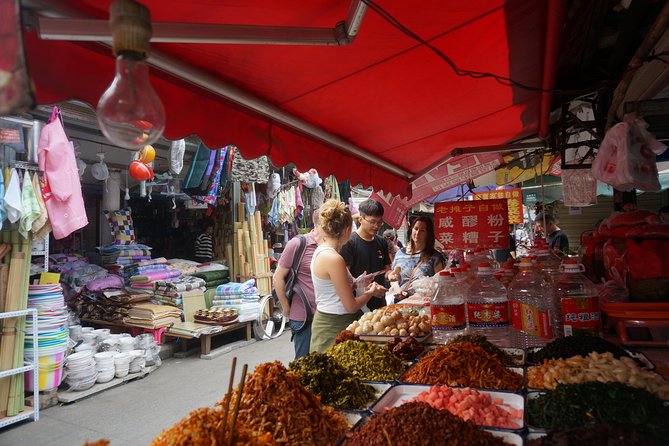
Chengdu tastes better from a wok. This four-hour market-to-table cooking class pairs a guided visit to Liangjiaxiang market with hands-on Sichuan cooking at Chilli Cool’s Kitchen. I like the clear link between the market ingredients and the meal, and I like that English-speaking hosts such as Lance and Jerry help explain both food and local life. The main consideration is spice: Sichuan food can be fiery, and the class involves walking, standing, and working in a kitchen.
You pay $90 per person, with ingredients, drinks, food tastings, recipes, and lunch or dinner included. That is a fair price if you want more than a cooking demonstration. The class is capped at 15 people, but a larger group may mean less one-on-one time at the stove.
Key points at a glance
- Liangjiaxiang market comes first: You see the spices, vegetables, snacks, and daily food shopping before cooking with similar ingredients.
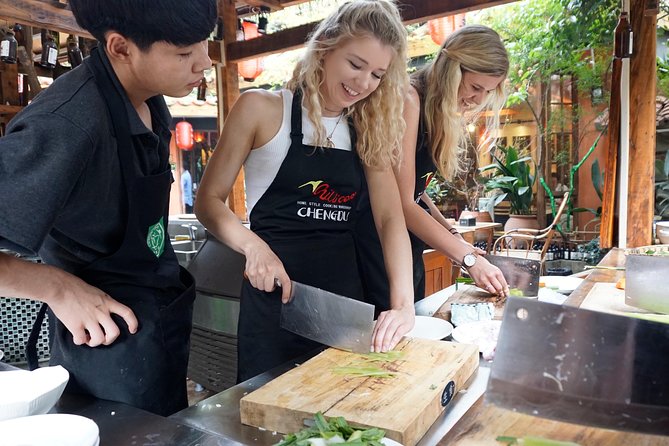
- Three dishes are a common format: Past menus have included mapo tofu, kung pao chicken, stir-fried cabbage, twice-cooked pork, and cucumber salad.
- Lance and Jerry add real value: Their English explanations and translation help turn unfamiliar ingredients into useful cooking lessons.
- The kitchen meal is part of the tour: You eat the food you prepare, with beverages, tea, dumplings, or other light refreshments depending on the session.
- Vegetarian cooking is available: Tell the provider when booking if you need a vegetarian menu or have other dietary needs.
- The practical details are simple: The tour begins and ends at 163-11 Yi Huan Lu Bei San Duan, near public transportation, and operates in all weather.
Why this Chengdu cooking class works
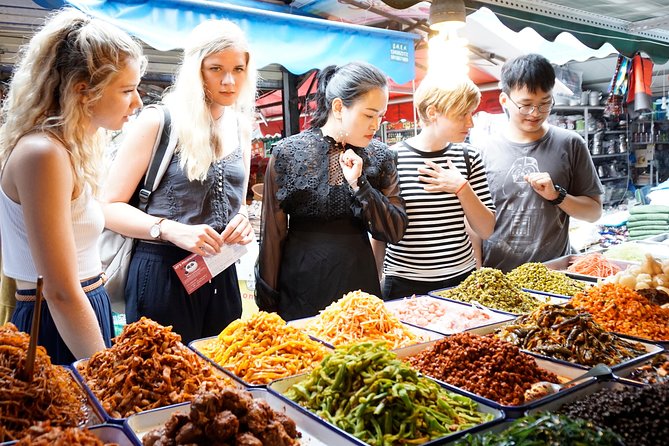
Many cooking classes begin with bowls of pre-measured ingredients. This one starts earlier, at a local food market in Chengdu’s Jinniu District. That change matters. Before you chop anything, you get help identifying the peppers, vegetables, sauces, and spices that give Sichuan food its punch.
The market visit is not a quick photo stop. Your guide leads you through the stalls and explains how ingredients are used. You may see produce that looks familiar until you realize you have no idea what it is called or how to cook it. That is part of the fun, and the guides help remove the guesswork.
The class also gives you a useful bridge between eating Sichuan food in restaurants and making a version at home. You learn how the wok, oil, heat, aromatics, and sauces work together. You do not need to become a Chinese chef by the end. You do need to leave with a better sense of why a dish tastes the way it does.
The experience receives a 5-star rating from 465 reviews, with 100 percent recommending it. Those numbers do not guarantee that every menu or guide will be identical, but they do point to a very consistent strength: friendly staff, clear explanations, clean facilities, and food that people enjoy eating as much as preparing.
More Cooking Classes in China
- Lijiang Naxi Cuisine Cooking Class & Market Visit
★ 5.0 · 48 reviews - Half-Day Xi’an Biang Biang Noodles Cooking with a Market Visit
★ 5.0 · 48 reviews - Chengdu: Cooking Class with Fresh Market Half Day Experience
★ 5.0 · 42 reviews
Meeting Lance, Jerry, and the Chilli Cool team
The hosts are a major part of the experience. Lance is often the English-speaking guide and translator, while Jerry has also led market walks and helped visitors at the kitchen. Other sessions have included Litchichi and chefs referred to as Chef Lei, Chef Lee, Auntie Lee, or Chef Jerry.
That range of names suggests the exact team can vary by date. The common thread is the guide’s role between you and the chef. Instructions do not get lost in translation, and you can ask questions about local ingredients, cooking methods, and daily life in Chengdu.
Lance is especially useful during the market section, where a translation app may tell you the name of an ingredient but not what to do with it. Jerry has been praised for making the walk relaxed and easy to follow. The hosts also help with basic Chinese phrases and ordering at market stalls, which adds a small language lesson to the food tour.
The class suits solo visitors well. It can be hard to book a food activity alone, but this experience accepts individual participants. Families can also join, since the minimum age is five, though younger children may need help with hot pans, knives, and busy kitchen tasks.
Reading Liangjiaxiang market before lunch
The market at Liangjiaxiang is the first real lesson. Rather than seeing Sichuan cuisine as a finished plate, you meet it in raw form: fresh vegetables, chili products, spices, and other foods used in local cooking.
Your guide can explain how people choose ingredients and why particular peppers, beans, oils, or aromatics appear in Sichuan dishes. The food stalls also give you a look at ordinary shopping in Chengdu, which is more useful than a polished food street designed mainly for visitors.
Several sessions have included tastings along the way. You might sample fruit, sweets, snacks, or other local foods. One version has included a stop at a baijiu shop, though you should not assume every class follows that exact route or includes alcohol tasting.
Dumpling making may also appear during the market portion. You might try shaping chaoshou or other dumplings at a stall before heading to the kitchen. Expect a few imperfect folds. The hands-on attempt is the point, and it gives you an early, low-pressure cooking task.
The market has been described as clean and easy to reach by subway. It is still a real food market, not a quiet museum. Wear comfortable walking shoes, and dress for the weather. The tour runs in rain or shine.
Tea, snacks, and a short pause before cooking
After the market, the group moves to Chilli Cool’s Kitchen. The setting is described as comfortable, clean, and homelike, with a well-equipped cooking area. Before the main class, you may have traditional tea and light refreshments in a calmer workshop setting.
This pause is useful. You can look over the ingredients, settle into the group, and ask questions before the burners are turned on. It also gives the class a sense of place. The tea is not simply filler between two activities. It connects the cooking lesson with a broader Chinese food tradition.
The included food and drinks add practical value to the $90 price. You do not need to buy the market ingredients yourself, pay extra for the meal, or hunt for lunch afterward. Beverages and beer are included, though the specific drink selection is not stated.
More Farmers Market Tours in China
- Half-Day steamed Buns Cooking Class with a Local Market Visit
★ 5.0 · 26 reviews - Half-Day Professional Mapo Tofu Cooking with a Local Market Visit
★ 5.0 · 19 reviews - Old Guangzhou Backstreet Alley Local Market Walking Private Tour
★ 5.0 · 18 reviews - Half-day Dandan Noodles Cooking Class with a Local Market Visit
★ 5.0 · 8 reviews
Cooking Sichuan dishes with a chef
The main class focuses on classic Sichuan techniques. You may chop vegetables, prepare sauces, heat the wok, add oil, and learn how to control the quick cooking process. The chef demonstrates while the guide translates and keeps the steps clear.
Menus vary, but examples from the classes include:
- Mapo tofu
- Kung pao chicken
- Stir-fried cabbage
- Twice-cooked pork
- Cucumber salad
- Dumplings or wontons
You should not expect every dish listed above in one four-hour session. The exact menu depends on the class option and schedule. One common format includes three dishes, often a meat dish, a tofu dish, and a vegetable or salad.
Mapo tofu is a useful dish to learn because it shows how Sichuan flavors are built. The tofu itself is mild, while chili, aromatics, and seasoning provide the heat and depth. Kung pao chicken offers a different lesson, with fast wok cooking and a balance of savory, sweet, spicy, and sour notes.
The process is practical rather than theatrical. You learn where the oil goes, when the aromatics enter, how quickly ingredients need to cook, and how to adjust flavor. These are the details that can make home cooking less intimidating.
Vegetarians are accommodated when requested in advance. The team has prepared meat-free versions and adjusted menus for dietary needs. Still, do not wait until the class begins to mention allergies or restrictions. Provide those details when booking.
Eating what you made
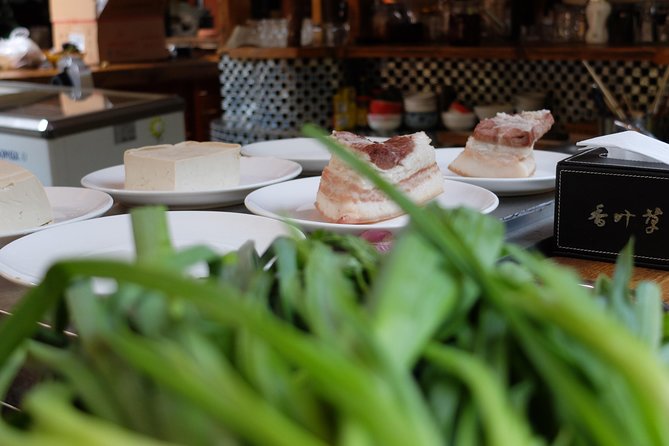
The best part comes after the cooking: you sit down and eat the meal. There is a certain satisfaction in seeing a plate of mapo tofu or stir-fried vegetables that you prepared yourself, even if your knife work was not restaurant-ready.
The meal is included as lunch or dinner, depending on the class schedule. Drinks are included too, and some sessions add dumplings or other refreshments. The shared table gives the experience a social finish, especially if you are traveling alone or want to meet other food-focused visitors.
You may also compare your version with the chef’s preparation. That helps you see where texture, heat, or seasoning changed. The lesson continues at the table, where you can ask why one dish tastes hotter, softer, saltier, or more fragrant than another.
Recipes are provided, which makes the class more useful after you leave Chengdu. Sichuan ingredients can be difficult to copy exactly at home, but the recipes give you a starting point. You can also ask about spices and ingredients to bring home as souvenirs, though any purchases outside the included experience are your responsibility.
What the $90 price really buys
At $90 per person, this is not the cheapest way to eat in Chengdu. A local restaurant meal costs far less. You are paying for the guide, market access and explanations, chef instruction, ingredients, kitchen use, food, drinks, recipes, and about four hours of attention.
The value is strongest if you want context. A meal teaches you what Sichuan food tastes like. This class helps explain how that taste is made and where the ingredients begin. The market walk also adds a local-life element that a cooking lesson inside a studio cannot provide.
The price is easier to justify for solo visitors, families, and anyone who would otherwise need separate activities for sightseeing and lunch. It is less compelling if you only want to watch a chef cook, or if you prefer to spend four hours eating at several restaurants.
Group discounts are available, and the class can be small-group or private. The maximum group size is 15, so ask about the format attached to your booking if personal instruction matters to you.
Timing, transport, and small practical matters
The experience lasts about four hours. It begins and ends at 163-11 Yi Huan Lu Bei San Duan in Jinniu District. The location is near public transportation, and the walk from the subway has been described as straightforward.
Some sessions have included a hotel pickup or a ride to a station, but that is not listed as a standard inclusion. Plan around the stated meeting point unless your booking confirmation says otherwise.
You receive confirmation when you book. A passport name, number, expiry date, and country are required for every participant. That is an easy detail to overlook, so have the information ready.
The tour operates in all weather. Wear comfortable shoes and clothing suitable for walking through a market and standing in a kitchen. If you are sensitive to chili or strong food smells, tell the guide early. The class is built around Sichuan flavors, not a mild Westernized menu.
Free cancellation is available up to 24 hours before the start time for a full refund. Changes or cancellations made inside that window are not accepted or refunded.
Who should book this experience
I would choose this class if you want to understand Chengdu through food rather than simply check off a meal. It suits people who enjoy asking questions, trying unfamiliar ingredients, and doing a little work before sitting down to eat.
It is also a strong choice for solo visitors. You get a planned activity, a guide who can bridge language gaps, and a shared meal at the end. Families can join as well, although adults should supervise young children around kitchen equipment.
Vegetarians should feel comfortable booking, provided they explain their needs in advance. The staff has shown flexibility with meat-free cooking, but the menu must be planned before the class.
You may want to skip it if you dislike spicy food, cannot stand for extended periods, or want a quiet private meal. This is an active class, and the market portion is part of the point.
Should you book the Chilli Cool China cooking class?
Book it if you want a friendly, hands-on introduction to Sichuan food, especially if mapo tofu, hot chilies, dumplings, and wok cooking already sound appealing. The combination of Liangjiaxiang market, clear English translation, chef instruction, and a meal made by you gives the four hours a useful shape.
I like that the experience does not separate food from daily life. You see the ingredients first, learn how they are handled, and then taste the result. At $90, it is a splurge compared with a normal Chengdu meal, but a sensible one if you value skill, context, and a memorable half-day.
FAQ
How long does the Chengdu cooking class last?
The experience lasts approximately four hours.
Where does the tour start and end?
It starts at 163-11 Yi Huan Lu Bei San Duan, Jinniu District, Chengdu, and ends back at the same meeting point.
What is included in the price?
The price includes an English-speaking guide, the market tour, food ingredients, beverages or beer, light refreshments, food tastings, lunch or dinner based on the class schedule, and recipes.
Is the tour suitable for vegetarians?
Yes. A vegetarian option is available, but you need to advise the provider when booking.
What is the maximum group size?
The activity can include a maximum of 15 participants. Small-group and private formats are available.
Is there a minimum age?
The minimum age is five years old.
Can I cancel for a full refund?
Yes. You can cancel at least 24 hours before the experience starts for a full refund. Cancellations or changes made less than 24 hours before the start time are not accepted or refunded.
More Half-Day Trips in China
- Half-Day Railway Market and Floating Market Tour in Thailand
★ 4.5 · 3,924 reviews - Dubai: Half-Day City Tour with Blue Mosque, Creek, and Souks
★ 4.8 · 3,059 reviews - Dubai Half-Day City Tour with Visit to Dubai Gold Souk
★ 4.0 · 1,741 reviews - Half-Day Spanish Cooking Class & Boqueria Market Tour
★ 4.9 · 383 reviews
Just added around China
- Half-day Dandan Noodles Cooking Class with a Local Market Visit★ 5.0 · 8 reviews
- Three-Hour Private Chengdu Tea Wholesale Market Tour★ 5.0 · 4 reviews
- 3-Hour Herbal Wholesale TCM Market and a Local Wet Market Tour★ 5.0 · 4 reviews
- Small Group Beijing Temple of heaven and Summer Palace with Pearl market★ 5.0 · 3 reviews
- Full-Day Private Tour Panjiayuan Antique Market and Beijing Capital Museum★ 5.0 · 3 reviews
- Private Distinctive Market Tour with Shaomai Lunch and Full Massage in Beijing★ 5.0 · 2 reviews
- Private Tour to Pearl Market Acrobatic Show & Peking Duck Dinner★ 5.0 · 5 reviews
- Half Day Tour:Market Shopping Acrobatic Show & Peking Duck dinner★ 5.0 · 2 reviews
Local & Farmers Market Tours, compared.
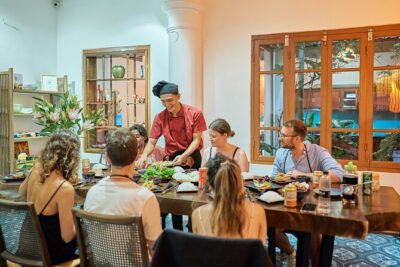
Hanoi Cooking Class: Culture, Local Market & Meaning CSR Impact
Read our review →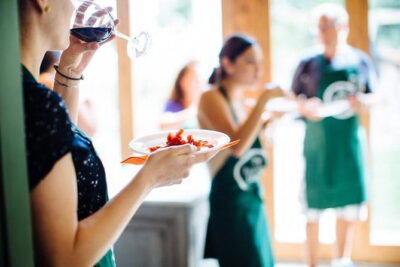
Cooking Class and Lunch at a Tuscan Farmhouse with Local Market Tour from Florence
Read our review →
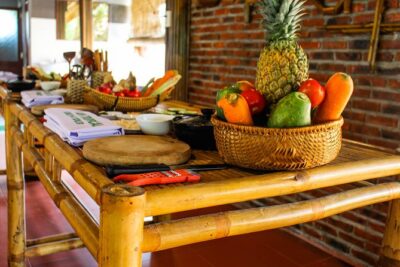
Cooking Class Hoi An:Local Market, Basket Boat, Fishing & Cooking
Read our review →
London Bridge & Borough Market Food Tour with 7 Authentic Dishes
Read our review →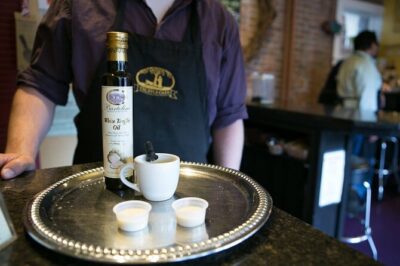
Hoi An Cooking Class(Local market,Basket Boat,Fishing & Cooking)
Read our review →
Browse the lists this tour appears in