
Review · SOUTH KOREA
Busan Local Food Cooking Class with Market Tour
Busan tastes better from the kitchen. This four-hour class pairs hands-on Korean cooking with a guided visit to Bupyeong Kkangtong Market, giving you more than a meal and a few snapshots. I like the small-group setting, capped at 10 people, and the chance to learn from Heeyoung, an English-speaking Korean food chef trained at one of Korea’s most prestigious culinary schools. The class also includes recipes, so the experience can continue after your flight home.
I also like the thoughtful finish: food, local rice wine, and a Korean tea ceremony. The main consideration is the price, $109.58 per person, which is not a bargain if you only want to eat. It makes better sense if you value instruction, cultural background, market guidance, and a full meal in one four-hour visit.
Key points to know before booking
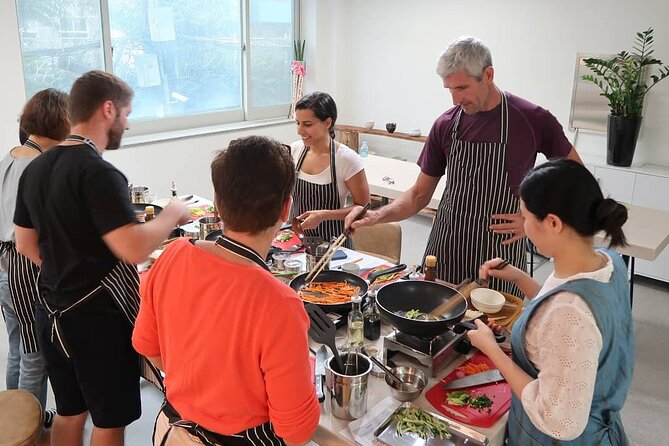
- Heeyoung leads in fluent English, explaining cooking methods, food customs, history, and culture in a clear, friendly way.
- You prepare several Korean dishes, then sit down to eat what you made with local rice wine.
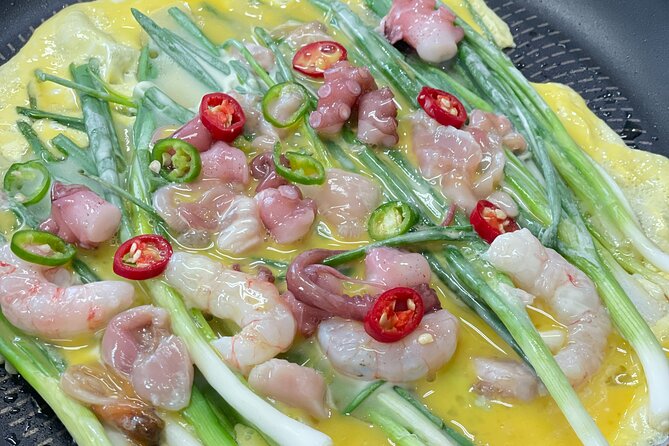
- Fresh Busan seafood is part of the food focus, giving the class a local connection rather than a generic Korean menu.
- Bupyeong Kkangtong Market follows the cooking class, with help understanding ingredients, delicacies, and local customs.
- A Korean tea ceremony closes the class, adding a calm cultural lesson after the meal.
- The group is limited to 10 people, though private bookings may sometimes be possible, depending on availability.
Why this Busan cooking class works so well
Many food activities in Korea stop at eating. This one asks you to handle the ingredients, follow the method, and understand why the dish belongs to Korean food culture. That change matters. You are not only tasting a finished plate. You are learning how the flavors are built.
The class takes place at Busan Cooking Class, 2f, 15 Gudeok-ro 186beon-gil in Seo-gu. It begins at 10:00 am and returns to the same meeting point. The location is near public transportation, which helps because you do not need to arrange a complicated transfer before a morning start.
The group limit of 10 is especially useful in a cooking class. You should have a reasonable chance to see the demonstrations and receive personal help rather than standing at the back of a crowded room. The experience is also suitable for different cooking levels. Heeyoung’s approach, based on the available feedback, is patient and flexible rather than rushed.
That relaxed pace is important. Korean cooking can involve unfamiliar ingredients, new cutting methods, and sauces that do not behave like standard Western pantry items. You want an instructor who notices when you are unsure and explains the next step without making the class feel like an exam.
More Cooking Classes in Busan:
- Busan Tailored Korean cooking class (Vegan OK)with market tour
★ 5.0 · 66 reviews - Hanoi Cooking Class: Culture, Local Market & Meaning CSR Impact
★ 5.0 · 5,147 reviews - 5 Traditional Dishes Hanoi Cooking Class with Market Trip
★ 5.0 · 4,890 reviews
Starting with Korean cooking and Busan seafood
The main part of the experience is an English-language cooking lesson led by Heeyoung, a professional Korean food chef. She trained at a leading Korean cuisine culinary school and has a strong interest in sharing local food culture. That background gives the class more authority than a simple demonstration arranged for visitors.
You make several typical Korean dishes and use fresh seafood from Busan. The exact dishes are not specified, so you should not book expecting one particular recipe. The useful promise is broader: you will work with familiar Korean food styles, learn practical techniques, and prepare food connected to the city’s coastal setting.
I like that the class is hands-on. You are not sitting quietly while a chef does everything. You should expect to take part in the preparation, follow instructions, and eat your own work afterward. That gives you a clearer sense of the labor behind Korean meals, including the small steps that are easy to miss when you only order food in a restaurant.
The instruction also covers Korean food culture in general. This may include the customs and background behind the dishes, though the precise lesson plan can vary. The food lecture is included, so the class is meant to explain more than ingredients and knife work.
A useful tip is to schedule this near the beginning of your Busan stay. The class can help you recognize ingredients and understand food customs when you later eat in markets or restaurants. If you wait until your final day, the experience can still be enjoyable, but you lose the chance to use that new understanding during the rest of your visit.
Eating your own work with rice wine
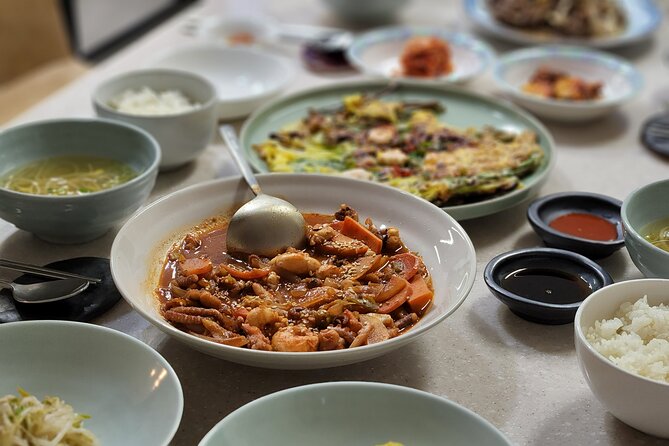
Once the cooking is finished, you eat the dishes prepared during the class. This is one of the best reasons to choose a cooking lesson instead of a standard tasting tour. You can connect the final flavor with the preparation, and you have the chance to ask questions while the food is still in front of you.
Local rice wine accompanies the meal. It is a small but meaningful addition, since the drink belongs to the wider food culture being discussed. If you do not drink alcohol, the supplied details do not specify an alternative, so it is sensible to ask before booking if that matters to you.
The meal also gives the group time to talk. The class has received strong praise for its friendly, personal atmosphere, with Heeyoung making an effort to include everyone. That matters in a shared class, where cooking ability, confidence, and language comfort can vary.
A private booking may feel especially personal when available. One account describes a private class with only the participants, allowing close guidance throughout the cooking and cultural discussion. Still, you should treat that as a possible booking format rather than a standard promise. The stated maximum is 10 people.
The Korean tea ceremony gives the class a calmer finish
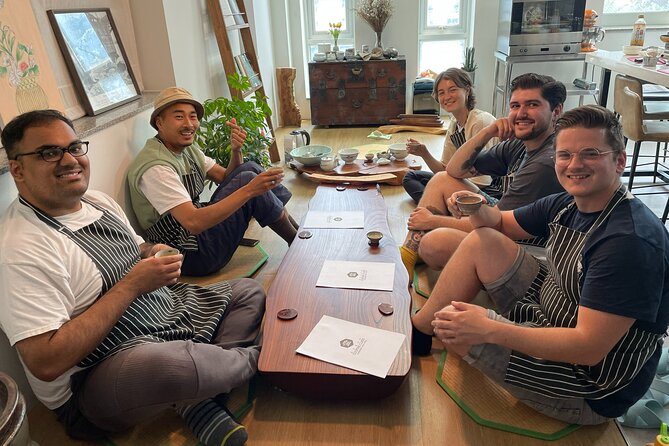
After the meal, the class moves to a Korean traditional tea ceremony. This is not just another drink break. It introduces customs around tea and gives the experience a quieter ending after the active cooking and eating.
The tea ceremony is included in the price, along with the food culture lecture, ingredients, apron, tableware, recipes, and Busan food recommendations. Taken together, these extras help explain why the cost is higher than the price of an ordinary meal.
I especially like the order of the day. You begin with instruction and preparation, eat together, then finish with tea. The sequence gives the class a natural rhythm rather than packing all the cultural material into a long lecture at the start.
The tea portion may be less appealing if you want nonstop cooking. That said, it is a valuable part of the experience for anyone interested in Korean customs beyond food. You should think of this as a cultural class with cooking at its center, not as a fast recipe workshop.
More Food and Drink Trips in Busan:
- Busan: Food Market Tour, Smash Seafoods and Street Foods
★ 4.8 · 80 reviews - Busan history and market food tour with local chef
★ 5.0 · 58 reviews - Busan: Gukje and Jagalchi Market Food Tour with Tastings
★ 4.6 · 27 reviews - Busan Food Market Tour Seafoods and Street Foods
★ 5.0 · 8 reviews
Bupyeong Kkangtong Market after the cooking
The market visit takes place at Bupyeong Kkangtong Market, a traditional market more than 100 years old. You visit with the chef after the meal, which means you can connect what you cooked with the ingredients and food customs found in a real Busan market.
Heeyoung helps explain local delicacies and can assist with translation. That is useful in a market, where labels and short exchanges may not be easy to understand if you do not speak Korean. You can ask about ingredients, notice how food is presented, and gain a clearer sense of local eating habits.
The market tour is not simply a shopping stop. Its value comes from having a local food guide beside you. You may find it easier to identify items you saw during the class, understand what is worth trying, and ask about customs that would otherwise pass by too quickly.
There is one practical point to keep in mind: the official plan identifies Bupyeong Kkangtong Market as the itinerary stop, but it does not promise a shopping budget or specific tastings there. Personal purchases are not included. Bring money only if you want to buy something, and treat the market visit primarily as a guided food and culture walk.
The timing also works well. You visit after eating, so you are less likely to feel pressured to buy food simply because you are hungry. Instead, you can pay attention to the market itself and use the chef’s explanations.
What the $109.58 price really covers
At $109.58 per person, this class costs more than a casual Busan lunch. It is fair value if you would otherwise pay separately for a cooking workshop, a food culture lesson, a market guide, and a tea experience.
The price includes:
- An English-language cooking class
- Apron and tableware
- All cooking ingredients
- Several prepared Korean dishes
- A Korean food culture lecture
- Local rice wine with the meal
- A Korean traditional tea ceremony
- Busan food recommendations
- Recipes to take home
- A guided visit to Bupyeong Kkangtong Market
The recipe handout adds lasting value. You can try the dishes again at home, although the supplied information does not specify whether every ingredient substitution or measurement is covered. Still, having the recipes turns the class into something more useful than a one-day holiday activity.
The strongest value comes from the English-speaking instruction. Clear guidance can make a major difference when you are learning unfamiliar techniques. The feedback consistently praises Heeyoung’s explanations, warmth, and ability to keep the group involved.
I would not choose this class if your only goal is the cheapest way to eat Korean food. Busan offers many less expensive meals. I would choose it if you want context, personal instruction, a market visit, and a meal in one compact morning and afternoon program.
Who should book this experience
This class suits first-time visitors who want a better introduction to Korean food. It also works well for people who enjoy cooking, couples, families with older children, and small groups looking for an activity with more substance than sightseeing from a bus.
You do not need to be an expert cook. The class is designed around instruction, and the praised teaching style suggests that beginners can take part without feeling hurried. People who enjoy asking questions will get the most from the food history, local customs, and market explanations.
It is also a good match for anyone who wants to understand Busan through seafood and markets. The use of fresh local seafood and the visit to Bupyeong Kkangtong Market connect the class to the city rather than presenting a general Korean cooking lesson that could take place anywhere.
You may want to skip it if your schedule is very tight, if you dislike group activities, or if you want complete control over the menu. The duration is about four hours, and the class includes several distinct parts. It is not a quick stop between major attractions.
The activity is capped at 10 people, which keeps the group from becoming unwieldy. Still, the experience is shared unless your booking is arranged privately. If personal space matters to you, check the available booking format before paying.
Timing, meeting point, and cancellation details
The class begins at 10:00 am at Busan Cooking Class, 2f, 15 Gudeok-ro 186beon-gil, Seo-gu, Busan. It ends back at the same meeting point. The venue is near public transportation, but the supplied details do not specify the closest station or the travel time from other parts of Busan, so allow enough time to arrive before the morning start.
Confirmation is sent within 48 hours of booking, subject to availability. The activity is booked an average of 52 days ahead, so popular dates may require planning, especially during a short visit.
Free cancellation is available up to 24 hours before the local start time. Cancellations or changes made inside that period are not refunded or accepted. The experience also requires good weather and a minimum number of participants. If poor weather or low numbers force cancellation, you are offered another date or experience, or a full refund.
Travel insurance and personal expenses are not included. Your cooking materials, apron, tableware, meal, rice wine, tea ceremony, market guidance, and recipes are covered.
Should you book the Busan cooking class?
I would book this experience if you want to understand Korean food by preparing it, eating it, and then seeing related ingredients in a real market. Heeyoung’s fluent English, patient teaching, cultural explanations, and friendly group style are the strongest reasons to choose it.
The $109.58 price is justified by the full package, but only if you plan to use the instruction and recipes. Book it early, preferably near the start of your Busan visit, so the market advice can improve the rest of your meals. Skip it if you want a cheap lunch or a tightly scheduled sightseeing stop.
For a food-focused morning with practical skills, local context, and a calm tea ceremony at the end, this is one of the more useful ways to spend four hours in Busan.
FAQ
How long does the Busan cooking class last?
The experience lasts approximately four hours.
What time does the class begin?
The class starts at 10:00 am.
Where does the experience start?
It starts at Busan Cooking Class, 2f, 15 Gudeok-ro 186beon-gil, Seo-gu, Busan, South Korea.
Where does the experience end?
The activity ends back at the meeting point.
Is the class conducted in English?
Yes. The cooking class is conducted in English, and the chef speaks fluent English.
How many people can join the class?
The activity has a maximum of 10 participants.
Is the market visit included?
Yes. The experience includes a visit to Bupyeong Kkangtong Market with the chef.
What is included in the price?
The price includes an apron, tableware, all ingredients, the English cooking class, a Korean food culture lecture, a traditional tea ceremony, Busan food recommendations, and recipes.
Can I cancel for a full refund?
Yes, if you cancel at least 24 hours before the local start time. Cancellations made less than 24 hours before the experience are not refunded.
More Food Trips in Busan
- Busan: Food Crawl with Fish Market, Soju Tents & Local Snacks
★ 5.0 · 8 reviews - Dubai: Old Town, Creek, Museums, Souks, & Street Food Tour
★ 4.8 · 10,816 reviews - Dubai: Old Town, Souks, Street Food, Guided Tour & Abra Ride
★ 4.9 · 7,170 reviews - Bangkok by Night: Temples, Markets and Food Tuk-Tuk Tour
★ 5.0 · 3,752 reviews
Just added around Busan
- Visit Busan night market and enjoy the night view of Busan harbor★ 5.0 · 6 reviews
- Jagalchi Sunset Cruise and Night Market Tour in Busan★ 3.5 · 2 reviews
- Colors of Busan: Sky Capsule, Jagalchi Market & Night Views★ 4.5 · 6 reviews
- Gamcheon Cultural Village & Skywalk & Markets★ 4.5 · 2 reviews
- Busan Food Market Tour Seafoods and Street Foods★ 5.0 · 8 reviews
- Busan history and market food tour with local chef★ 5.0 · 58 reviews
- Busan: Food Crawl with Fish Market, Soju Tents & Local Snacks★ 5.0 · 8 reviews
- Busan Night Tour: Market, Skywalk & Optional SnapShot★ 5.0 · 2 reviews
Cooking Classes, compared.
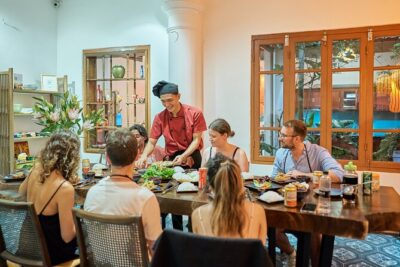
Hanoi Cooking Class: Culture, Local Market & Meaning CSR Impact
Read our review →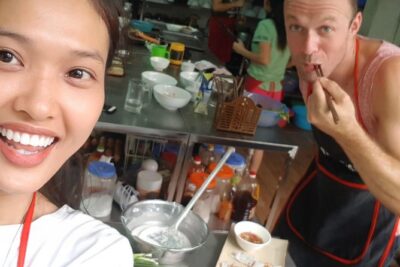
5 Traditional Dishes Hanoi Cooking Class with Market Trip
Read our review →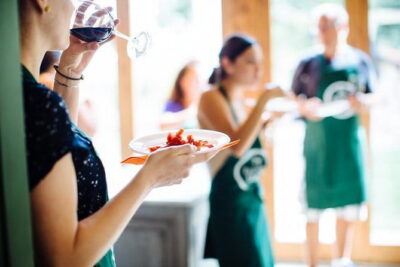
Cooking Class and Lunch at a Tuscan Farmhouse with Local Market Tour from Florence
Read our review →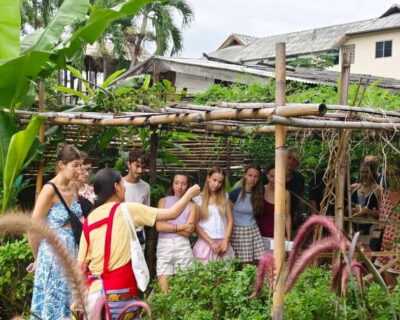
Cooking Class, Market & Thai Herbs Garden Tour
Read our review →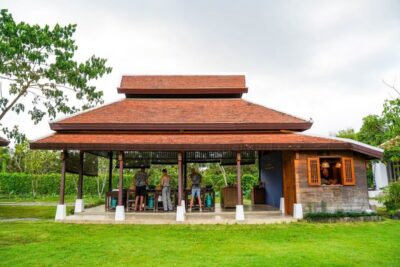
Authentic Cooking Class with Market & Farm Visit
Read our review →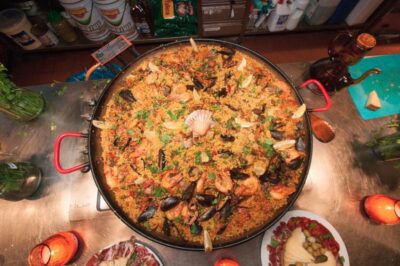
Paella Cooking Experience & Boqueria Market Tour
Read our review →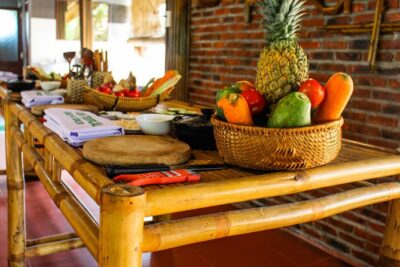
Cooking Class Hoi An:Local Market, Basket Boat, Fishing & Cooking
Read our review →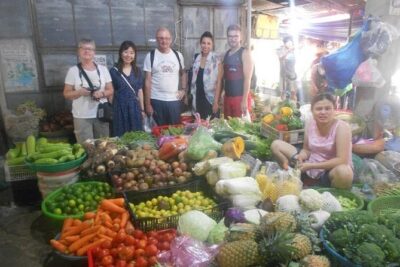
Hoi An Cooking Class(Market,BasketBoat Crabfishing&Cooking Class)
Read our review →Browse the lists this tour appears in