
Review · GREECE
Thessaloniki: Greek Cooking Class, Market Visit and Lunch
Good food starts at the market. This 3.5-hour Thessaloniki experience combines a visit to Kapani Market, a stop at Modiano Market, and a Greek cooking class followed by lunch. I like the chance to taste olives, choose vegetables with a local guide, and prepare familiar dishes such as tzatziki, dolmadakia, Greek salad, and stuffed vegetables. The main consideration is that the cooking may not be as hands-on or technically demanding as some people expect, especially if you want to work with filo pastry or tackle more advanced recipes.
The meeting point at Aristotelous Square, in front of the Electra Palace Hotel, is easy to find in central Thessaloniki. I also like that the experience is led in English by a local cooking guide, with Maria receiving especially warm praise for her friendly manner, clear explanations, and insight into Greek ingredients and everyday life. At $108 per person, the price is fair if you value the market visit, instruction, meal, and local company together, but less compelling if your main goal is a serious chef-level lesson.
Key points at a glance
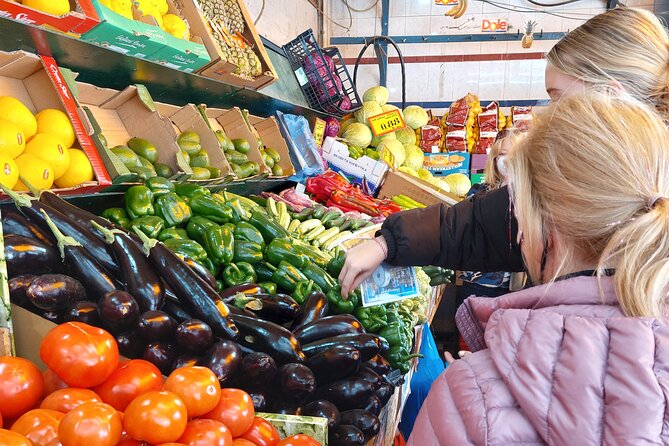
- Kapani Market shopping: Choose vegetables for the meal while seeing where many locals buy daily groceries.
- Two market stops: Taste Greek olives at the start and visit Modiano Market for local cheese.
- Classic home-style menu: Prepare tzatziki, dolmadakia, Greek salad, stuffed peppers and tomatoes, and chocolate salami.
- Lunch included: Eat the dishes you prepare in a traditional tavern in central Thessaloniki.
- Friendly local guidance: Maria has been praised for her warmth, helpfulness, and explanations of ingredients and recipes.
- Cooking level: Expect practical Greek food preparation rather than a demanding professional culinary course.
Starting in Aristotelous Square
The experience begins at Aristotelous Square, in front of the Electra Palace Hotel. This is a useful central meeting point, especially if you are already exploring Thessaloniki on foot. You do not need to make your way out to a distant suburb or arrange separate transportation for the start.
From there, the group heads into Thessaloniki’s food markets. The three-and-a-half-hour length matters here. You have enough time for shopping, tasting, cooking, and lunch, but this is still a half-day activity rather than a full culinary tour.
I would plan this for a morning or early afternoon when you want an activity with a clear rhythm. It gives you a look at local food culture without taking over your entire day. If your schedule is tight, the central meeting point and compact format make it easier to fit between sightseeing plans.
The experience is offered in English. That is important during a cooking class, since the value depends on understanding the guide’s instructions and the background behind the recipes. Maria has been singled out for making people feel comfortable and explaining not just what to do, but where ingredients and recipes come from.
More Cooking Classes in Greece
- Athens: Classic Cooking Class with Market Visit and Wine
★ 5.0 · 1,101 reviews - Athens: Food Market Visit and Cooking Class with Wine
★ 4.9 · 1,087 reviews - Walking Tour and Cooking Class on Naxos with Local Market Visit
★ 5.0 · 126 reviews
Tasting olives before shopping at Kapani
The first food stop is a quick tasting of fresh Greek olives. It is a small opening, but a smart one. Olives are not just a snack in Greece. They set the tone for the meal and give you an immediate taste of a staple ingredient before you begin choosing produce.
Kapani Market is the main shopping stop. You select vegetables for the recipes with help from the guide, rather than simply walking through stalls as a spectator. That difference gives the market visit a purpose. You are not only looking at piles of produce. You are deciding what will become lunch.
The market is described as a place where many locals do their daily grocery shopping. That makes it more useful than a staged food display. You can see the practical side of Thessaloniki’s food culture, with the guide helping you understand the ingredients that go into familiar Greek dishes.
I like this part because it connects the finished meal to its source. A tomato, pepper, cucumber, or bunch of herbs means more after you have selected it for a specific recipe. You also get the chance to interact with local traders, which adds a social element to the outing.
The drawback is that market time is necessarily limited. You will not have hours to compare every stall or shop for specialty products. If you are hoping for a full market tour with extensive tastings, Kapani is one part of a larger experience rather than the entire focus.
A second stop at Modiano Market
The program also includes a visit to Modiano Market, where you taste local cheese. This adds another layer to the market experience and gives you a chance to compare the feel of two central food venues.
The cheese tasting is particularly useful for anyone who wants to understand Greek food beyond the most familiar feta. The exact cheese selection is not specified, so you should treat this as a local tasting rather than a guaranteed lesson on a particular variety.
Having both Kapani and Modiano on the route keeps the food focus broad. Kapani supplies the vegetables for the cooking, while Modiano adds a separate taste of the city’s market culture. These stops also break up the class so the day does not feel like several hours spent standing in one kitchen.
If you are less interested in food markets, this portion may feel more like a pleasant introduction than a major attraction. But if you enjoy seeing what people buy, asking questions, and tasting ingredients before lunch, it is one of the strongest reasons to choose this experience.
Learning Greek recipes with a local cook
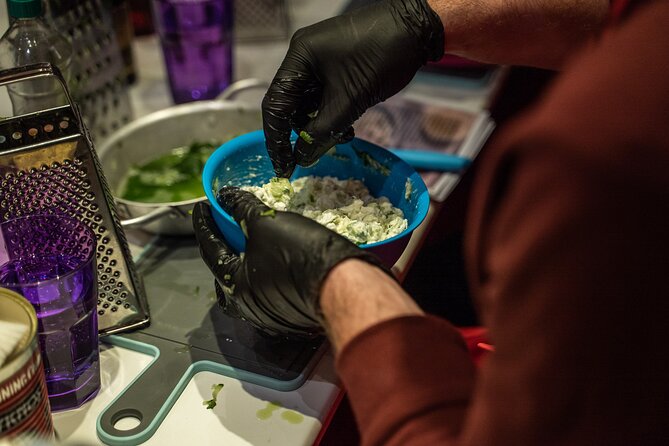
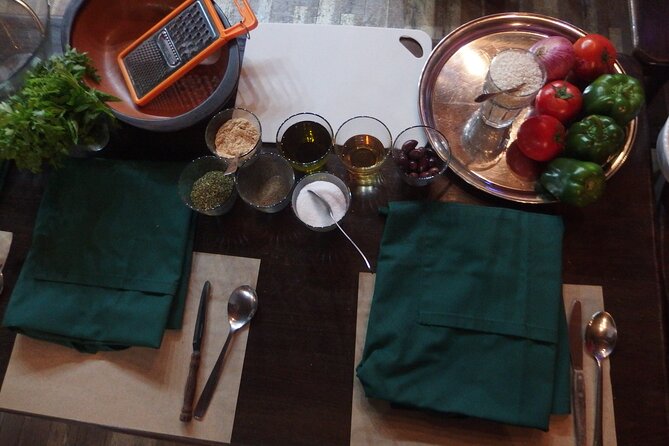
After shopping, you work with a professional cook and facilitator to prepare traditional dishes. The listed menu is familiar, approachable Greek food:
- Tzatziki made with yogurt, cucumber, and garlic
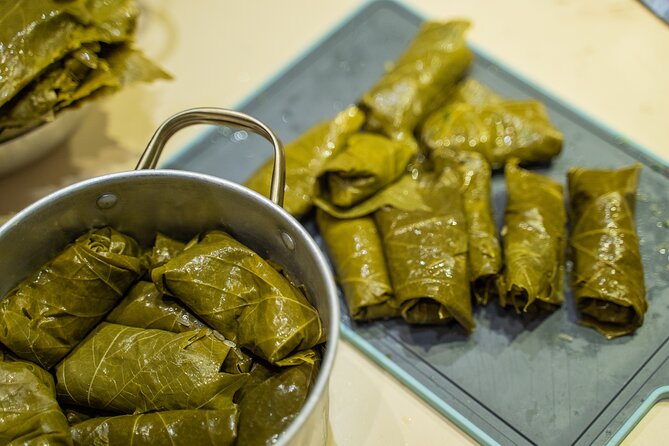
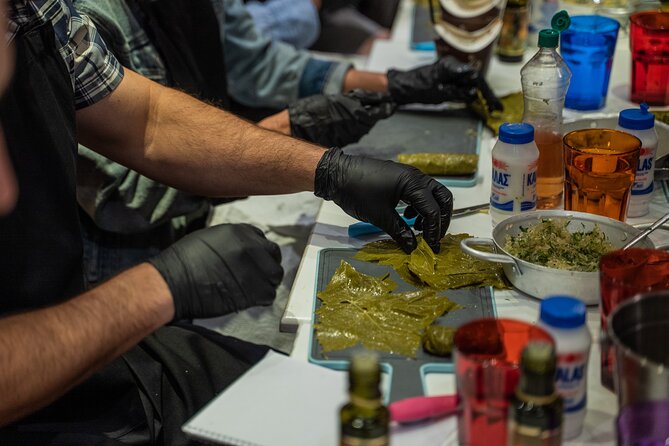
- Stuffed vine leaves, known as dolmadakia
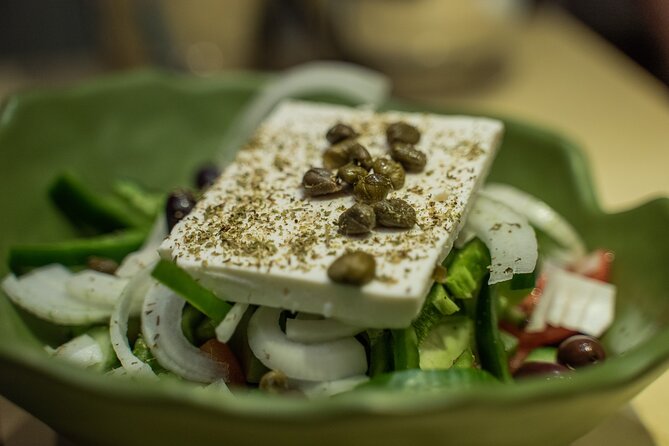
- Greek salad
- Stuffed vegetables, including peppers and tomatoes
- Chocolate salami for dessert
The menu gives you several types of preparation without becoming too elaborate. Tzatziki introduces a simple dip where balance matters: creamy yogurt, cool cucumber, and sharp garlic. Dolmadakia and stuffed vegetables show how Greek cooking uses vegetables and vine leaves as containers for a savory filling.
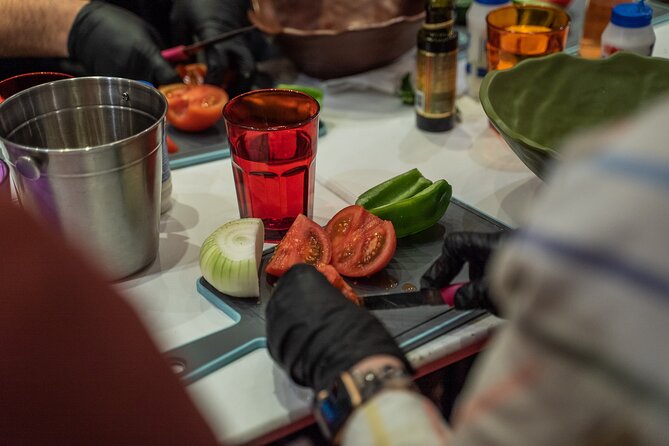
Greek salad may seem easy, but preparing it in a class gives the guide a chance to explain how everyday ingredients are combined. The experience is less about learning obscure restaurant tricks and more about understanding food you can realistically make at home.
Chocolate salami provides a playful finish. Despite its name, this dessert is not meat. It is a chocolate-based sweet shaped like a salami, and it gives the class a lighter final course after the savory dishes.
I would describe the class as home-style and practical. You can learn recipes that suit a normal kitchen, rather than techniques requiring specialist equipment. Maria has been praised for explaining the origins of ingredients and recipes, which adds useful context to the actual chopping, mixing, and filling.
There is one important limitation. One participant wanted more time doing the cooking and a more complicated menu, perhaps involving filo dough. If you are an experienced cook looking for advanced technique, this may feel gentle. The class appears better suited to people who want a welcoming introduction to Greek recipes than to serious culinary students.
Same place, a different set of stalls:
- Athens, Greek food tour including market visit
★ 5.0 · 618 reviews - Day Trip To Heraklion City Center & Market & CretAquarium
★ 4.5 · 205 reviews - Thessaloniki: Open Market Food Tour with Tasting
★ 4.8 · 186 reviews - Crete: Knossos Palace, Heraklion City, Market Guided Tour
★ 4.2 · 164 reviews
Eating your work in a traditional tavern
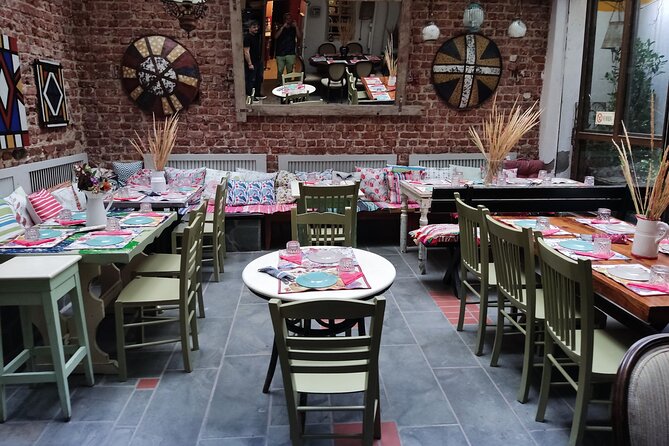
The food you prepare is served for lunch in a traditional tavern in the heart of Thessaloniki. This is more satisfying than cooking a few samples and leaving with a recipe card. You get to sit down and eat the full group of dishes as a proper meal.
The tavern setting also gives the class a sense of place. You are not simply practicing recipes in an anonymous classroom. The meal takes place in a traditional local venue, with the food connected to the city you are visiting.
The staff at the restaurant have been praised for being attentive and friendly. That matters because the lunch is part of the experience, not an afterthought. A good meal can turn a simple cooking lesson into a relaxed social occasion.
Still, you should keep expectations realistic. The meal is made from the dishes on the menu, so this is not a broad restaurant tasting with numerous courses beyond what you prepare. Its value comes from the connection between market, kitchen, and table.
I especially like the idea of eating food that you helped prepare after seeing the ingredients at the market. It gives the class a clear payoff. You can also leave with recipes and techniques that are more likely to be remembered because you used them yourself.
How the $108 price measures up
At $108 per person, this is not the cheapest way to eat in Thessaloniki. You could have a good meal for much less, and a simple market walk costs less still. The price makes more sense when you count the full package: a guide, market visits, tastings, cooking instruction, ingredients, and lunch.
The value is strongest for couples, families, and small groups who want an activity as well as a meal. You are paying for the time and organization that connect several parts of the food experience. You also avoid having to research a market, find a suitable cooking venue, buy ingredients, and figure out how to turn them into a coherent Greek lunch.
The value is weaker for a confident home cook who mainly wants advanced skills. The menu is traditional but not especially complex, and the hands-on time may not satisfy someone who wants every stage to be individually supervised.
I would also consider the social value. Cooking alongside other people, hearing a local guide explain ingredients, and eating together can be a better souvenir than another restaurant meal. If that sounds appealing, the price is easier to justify.
Free cancellation up to 24 hours before the activity reduces the risk of booking, and you can reserve now and pay later. The starting time varies, so check availability before planning the rest of your day.
Who will enjoy this experience most
This class suits you if you want a friendly introduction to Greek food and prefer doing something active rather than sitting through another guided tour. It is a good choice for first-time visitors who want help making sense of Thessaloniki’s markets.
Families may like the clear menu and the chocolate dessert. Couples and friends can also use it as a shared activity, especially if you enjoy meals that unfold through several stages.
It is also a practical pick for anyone who wants recipes to recreate at home. Tzatziki, Greek salad, stuffed vegetables, and chocolate salami are approachable dishes, and the guide’s explanations about ingredients can help you repeat them with more confidence.
You may want to skip it if you dislike group cooking, have very specific dietary needs that have not been confirmed, or want advanced pastry work. The available information does not promise a filo-based menu or a highly technical class, so do not book it expecting culinary school.
Practical advice before you book
Meet at Aristotelous Square in front of the Electra Palace Hotel, and allow enough time to find the exact spot. Since the tour includes walking through markets and cooking, comfortable clothing and shoes make sense.
Come ready to participate. The more questions you ask about ingredients, recipes, and Greek food traditions, the more you will get from the guide. Maria’s warm, helpful approach has been a repeated strength, while Ellie was also praised for her personable manner and explanations during the market portion.
If you want the most relaxed experience, avoid placing a demanding sightseeing appointment immediately afterward. The activity lasts 3.5 hours, and the meal gives the ending a leisurely feel even though the schedule is compact.
Should you book the Thessaloniki cooking class?
Book it if you want a social, food-focused half-day that links Kapani Market shopping, Greek cooking, and lunch in one central experience. The strongest points are the friendly guidance, the chance to choose ingredients yourself, the traditional menu, and the satisfaction of eating what you prepare.
Skip it if you want advanced cooking instruction or a long, highly technical workshop. For most visitors seeking an easy introduction to Greek home cooking, the $108 price is reasonable because it covers much more than lunch. You leave with a fuller sense of how local ingredients move from market stall to dining table, which is exactly what a good food experience should do.
FAQ
How long does the Thessaloniki Greek cooking class last?
The experience lasts 3.5 hours, including the market visits, cooking class, and lunch.
Where is the meeting point?
Meet in Aristotelous Square, in front of the Electra Palace Hotel.
What language is the experience offered in?
The live tour guide leads the experience in English.
Which markets are included?
The activity includes Kapani Market, where you help choose vegetables, and Modiano Market, where you taste local cheese.
What food will I prepare?
The menu includes tzatziki, stuffed vine leaves called dolmadakia, Greek salad, stuffed peppers and tomatoes, and chocolate salami for dessert.
Is lunch included?
Yes. You eat the appetizers, salads, main courses, and dessert you prepare in a traditional tavern in central Thessaloniki.
More Lunch Trips in Greece
- Cooking Class in Athens with Shopping in Central Market & Lunch
★ 5.0 · 55 reviews - Athens: Cooking Class, Market Visit & Lunch at Local Tavern
★ 4.9 · 27 reviews - Cooking Class and Lunch at a Tuscan Farmhouse with Local Market Tour from Florence
★ 5.0 · 4,831 reviews - Paris Cooking Class and Lunch with Wine plus Market Visit Option
★ 5.0 · 1,024 reviews
Just added around Greece
- Chania: Old Town, Public Market, Hill of Prophet Elias, Agia Triada★ 5.0 · 35 reviews
- Chania Old Town, Public Market and Chrisopigi Monastery Tour★ 4.5 · 6 reviews
- Chania: Morning Bites and Market Delights Food Tour★ 5.0 · 11 reviews
- Athens Street Food Markets and Hidden Gems Experience★ 5.0 · 18 reviews
- Cooking Class in Athens with Shopping in Central Market & Lunch★ 5.0 · 55 reviews
- Classic Athens Food Tour with Local Drink & Market Visit★ 5.0 · 34 reviews
- Street food tasting in the locals favorite hidden places★ 5.0 · 15 reviews
- Traditional breakfast in markets with olive oil and honey tasting★ 5.0 · 6 reviews
Cooking Classes, compared.
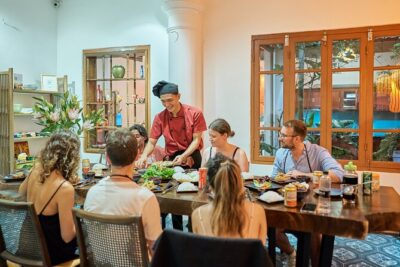
Hanoi Cooking Class: Culture, Local Market & Meaning CSR Impact
Read our review →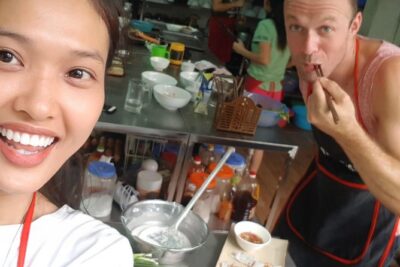
5 Traditional Dishes Hanoi Cooking Class with Market Trip
Read our review →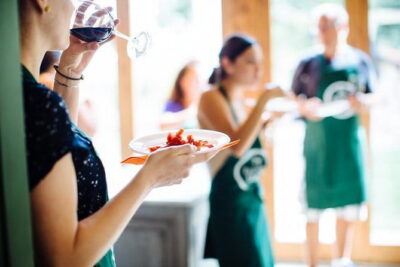
Cooking Class and Lunch at a Tuscan Farmhouse with Local Market Tour from Florence
Read our review →
Cooking Class, Market & Thai Herbs Garden Tour
Read our review →
Authentic Cooking Class with Market & Farm Visit
Read our review →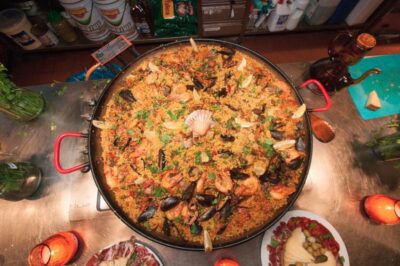
Paella Cooking Experience & Boqueria Market Tour
Read our review →
Cooking Class Hoi An:Local Market, Basket Boat, Fishing & Cooking
Read our review →
Hoi An Cooking Class(Market,BasketBoat Crabfishing&Cooking Class)
Read our review →Browse the lists this tour appears in