
Review · THAILAND
Thai Herbal Cooking Class & Market Tour in Bangkok
Thai food starts at the market. This Bangkok half-day experience combines a local market walk, hands-on cooking, herbal tea, and a family meal in a small group of no more than eight. I like the focus on fresh Thai herbs and the warm, home-style setting with Sunee and her family. I also like that you cook four savory dishes and a dessert, rather than simply watching a demonstration. The main consideration is the early 8:00 AM start and the moderate amount of walking and standing.
The $77 price is fair for Bangkok because it covers the market tour, ingredients, instruction, transfers between the market and cooking house, recipes, a certificate, and travel insurance. The daily menu changes, so you should check the cooking schedule before booking if you have your heart set on green curry, tom yum, pad Thai-style noodles, or another favorite.
Key points to know before booking
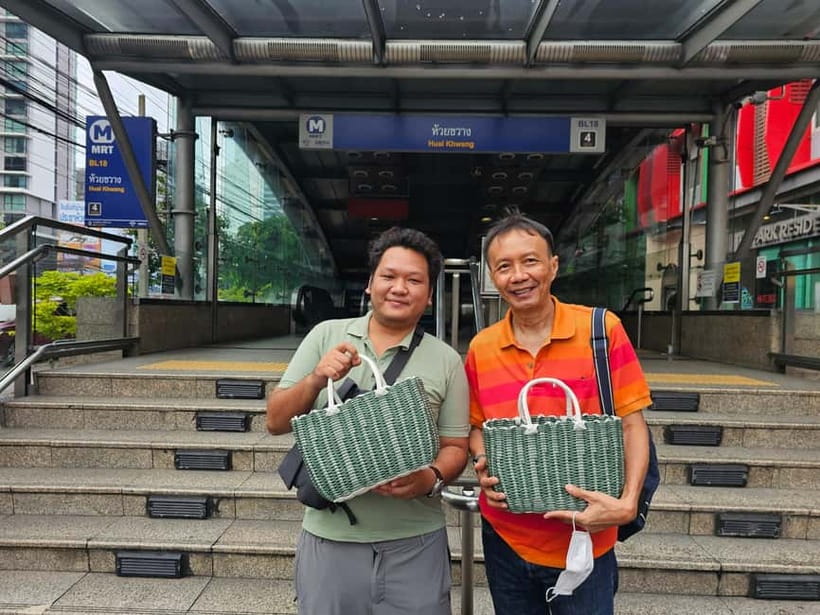
- Start with a real market walk: You meet at MRT Huai Khwang Exit 4 and help select the ingredients used later in class.
- Herbs have a starring role: You learn how Thai cooks use herbs for flavor, fragrance, and traditional wellness practices.
- Small groups make a difference: With a maximum of eight people, the class feels personal and leaves room for questions.
- The menu changes by day: Monday brings beef Panang curry, while Friday features green curry and Saturday focuses on salads and spicy dishes.
- You eat what you cook: The class ends with a family-style meal, herbal tea, recipes sent digitally, and a completion certificate.
- Sunee’s home adds warmth: The cooking takes place in a quiet residential setting rather than a polished restaurant classroom.
Why this Bangkok cooking class feels different
Many Thai cooking classes begin with neatly measured ingredients waiting in small bowls. This one starts earlier, at the market. That choice matters because Thai cooking depends on smell, texture, freshness, and knowing what an ingredient looks like before it reaches the cutting board.
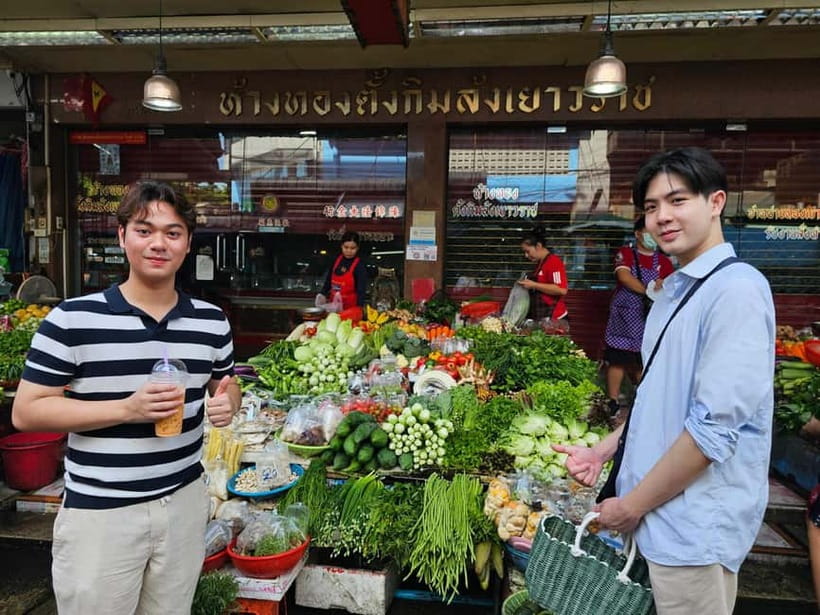
You walk through local stalls with a guide and learn how Thai people select herbs, vegetables, fruit, and other ingredients for daily meals. The market visit is not just a shopping errand. It gives you a useful introduction to the ingredients you will handle later, including their role in traditional Thai remedies.
The herbal focus is the main reason to choose this class over a standard curry lesson. Thai basil, pandan, coconut, chili, banana leaves, jasmine buds, and lotus flowers all connect food with scent, appearance, and custom. You may also learn how herbal teas fit into a meal and how Thai wellness traditions aim for balance rather than simply heat.
I especially like that the class treats herbs as more than decoration. You learn how they season food and how Thai culture has long valued plants for their everyday uses. The wellness discussion should not be mistaken for medical advice, but it adds cultural context that many cooking classes leave out.
More Cooking Classes in Bangkok
- Bangkok: Hands-on Thai Cooking Class and Market Tour
★ 4.9 · 1,614 reviews - Bangkok: Maliwan Thai Cooking Class with Market Tour
★ 4.9 · 1,133 reviews - Hands on Thai Cooking Class and Market Tour
★ 5.0 · 660 reviews
Meeting at Huai Khwang and entering the market
The day begins at 8:00 AM at MRT Huai Khwang Station, Exit 4. Your guide waits there, so arrive early enough to find the exit without rushing. Your transportation to the station is not included, but the later transfer from the market to the cooking venue is covered.
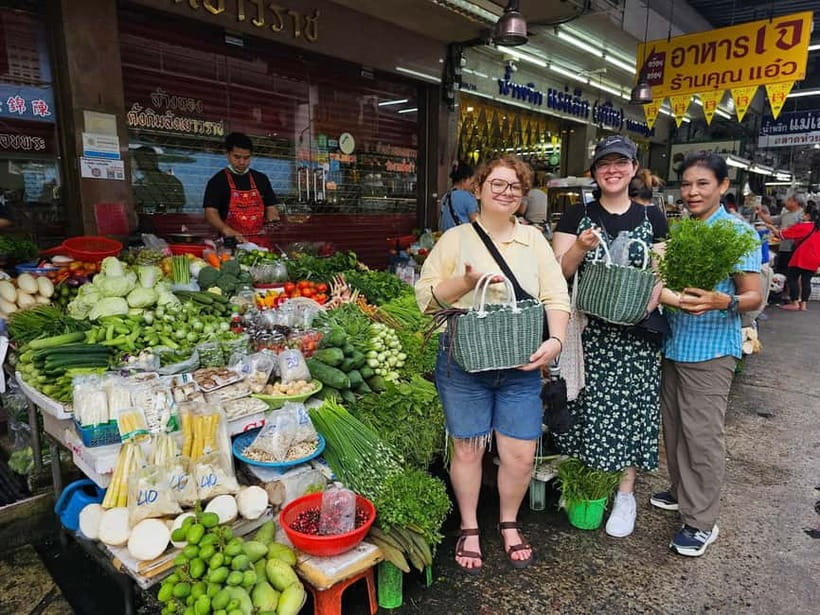
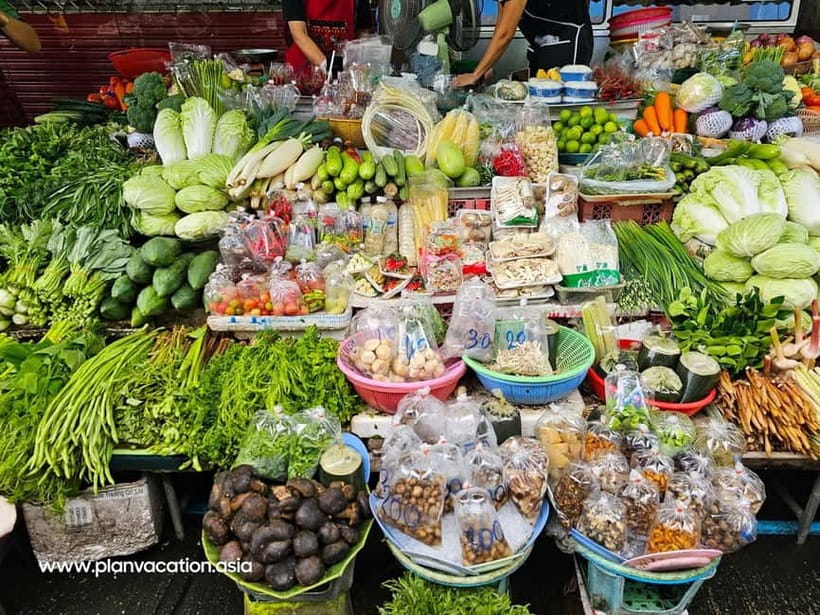
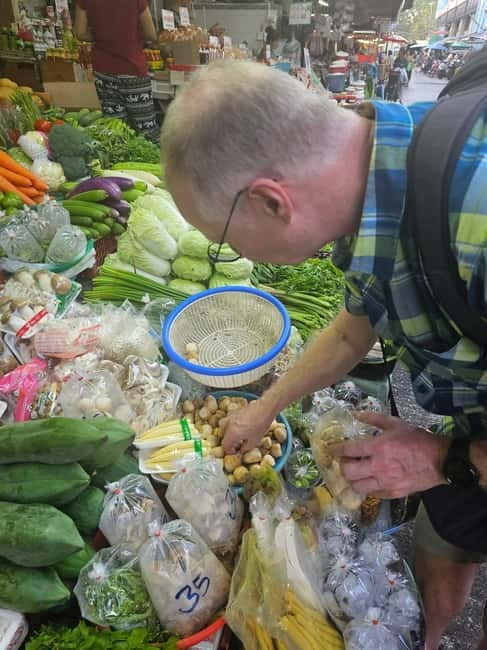
The market walk is a practical first lesson. You help choose fresh ingredients for the day’s dishes while learning how they are used in Thai kitchens. The exact market stops and ingredients will depend on the menu for that day, but expect herbs, vegetables, seasonal fruit, spices, and other produce.
This part suits you if you want to see ordinary food shopping rather than only tourist attractions. It also helps cautious eaters. You can ask what an unfamiliar vegetable is, how strong a herb tastes, or how a particular ingredient is cooked before you encounter it in your dish.
The trade-off is that markets require walking and standing. Wear comfortable shoes and clothes that will not bother you in a warm kitchen. Bring your passport or identification, as requested by the operator, and tell the organizers about allergies or dietary restrictions at least 48 hours before the class.
The ride to Sunee’s family cooking house
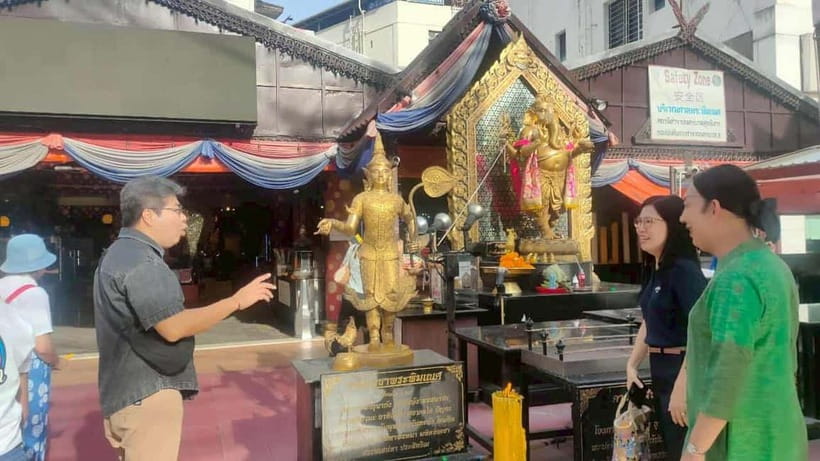
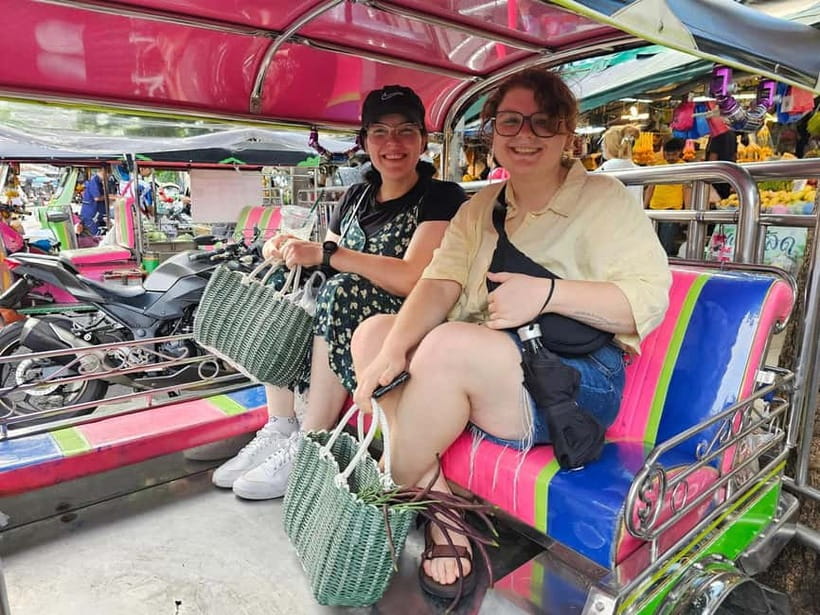
After the market, you transfer to the cooking venue. One outing included a tuk tuk ride, which added a small burst of Bangkok character to the journey, but the exact vehicle may vary. The important point is that transportation from the market to the cooking house is included.
The cooking takes place at Sunee’s home in a quiet part of Bangkok. This setting is central to the mood of the experience. You are not in a large commercial school with rows of identical workstations. Instead, the class has a family feel, with Sunee, her family, and staff helping you through the recipes.
A short garden tour introduces herbs and plants used in Thai food. This is a useful bridge between the market and the kitchen. You see how some plants look before they are chopped, pounded, folded into banana leaves, or brewed as tea.
At around 9:00 AM, the class turns to the building blocks of Thai cooking. You learn about the ingredients, coconut milk, and curry paste. Depending on the group and menu, you may also make your own chili paste. This hands-on work helps you understand why Thai curry tastes different from a jarred supermarket sauce.
Cooking four Thai dishes and one dessert
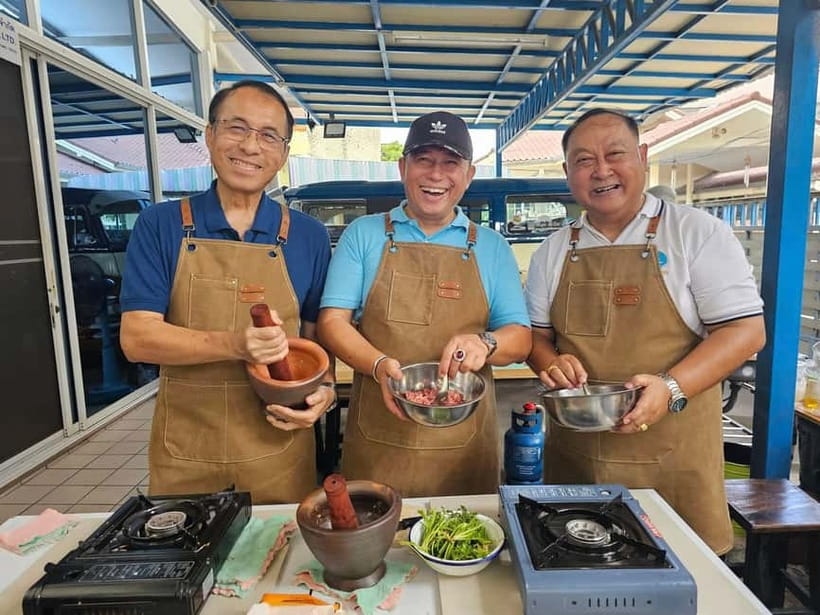
The main cooking session begins at about 10:00 AM. The class covers soup or stir-fry, salad, curry, and dessert, with the precise dishes changing each day. You receive step-by-step instruction in English, and all cooking equipment and ingredients are supplied.
The menus give you a good sense of the range:
- Monday includes beef Panang curry, stir-fried morning glory, poached eggs, fried chicken with Thai herbs, and Khanom Tom, coconut balls filled with a traditional sweet mixture.
- Tuesday brings Tom Kha Gai, tofu with bean sprouts, deep-fried pork with herbs, fried rice, and steamed pandan layer cake.
- Wednesday features hot and sour shrimp soup, chicken with holy basil, a Thai omelet, Thai-style fried noodles, and Kanom Tuay, a steamed coconut milk custard.
- Thursday offers bamboo shoot with curry paste, clear tofu soup, pork belly with herbs, Chinese-style fried noodles, and steamed banana cake.
- Friday centers on chicken green curry, kale with salted fish, garlic-and-pepper chicken, rice noodles with soy sauce, and a soft mung bean crepe.
- Saturday turns toward Som Tum, spicy minced meat salad, hot and spicy soup, fried chicken with Thai herbs, and banana in coconut milk.
- Sunday includes Tom Yum Gai, stir-fried Napa cabbage, beef with red curry paste, rice noodles with chicken, and poached pumpkin in coconut milk.
The schedule calls these four dishes plus a dessert, though the menu lists several preparations across the savory courses. The exact amount of work can vary with the group. In a very small class, participants have sometimes had more flexibility and even chosen dishes. With a larger group, plan on following the weekly menu.
That changing menu is both a strength and a limitation. It keeps the class fresh for repeat visitors and lets you sample more of Thai cooking, but it means you cannot assume your preferred dish will appear on a particular date. If Tom Yum or green curry is your priority, choose your day carefully.
The cooking is supervised rather than purely do-it-yourself. That is helpful if you are new to Thai ingredients or unsure how much chili to use. You get practical guidance without needing to bring any tools, and you can focus on smells, textures, and technique instead of worrying about kitchen equipment.
More Cooking Classes in Thailand
- Tingly Thai Cooking Class with Morning Market Tour
★ 5.0 · 589 reviews - Hands-on Thai Cooking Class & Market Tour in Sukhumvit
★ 5.0 · 571 reviews - Pink Chili – Thai Cooking Class and Market Tour in Bangkok
★ 5.0 · 416 reviews - Authentic Thai Cooking with the Largest market visit &TukTuk ride
★ 5.0 · 350 reviews
Herbal tea, flowers, and the meal at noon
At around noon, you sit down to eat the food prepared during class. The meal is served in a cozy, family-style setting, which gives you time to compare dishes and talk with the people around you. The food is not a separate restaurant lunch. You are eating the result of your own work, with guidance from the cooking team.
The herbal tea tasting is another worthwhile feature. You learn about Thai herbal teas and their traditional wellness uses while balancing the meal with a drink that is part of the country’s wider food culture. An herbal welcome drink is included when you arrive at the cooking house.
The experience can also include work with jasmine buds, banana leaves, and lotus flowers. These details add visual and cultural interest, especially if you have mostly encountered Thai food as takeaway dishes. They show how Thai food can involve fragrance, presentation, and seasonal plants as well as spice.
Sunee’s friendly teaching style is a major part of the appeal. The atmosphere is relaxed, and the small group gives you a better chance to ask questions or get help with a tricky step. The family setting also makes the meal feel less formal. If you prefer a polished, restaurant-style lesson with strict timing, this may feel informal. If you want a personal class with laughter and direct guidance, it should suit you well.
What the $77 price really covers
At $77 per person, this is not the cheapest way to eat in Bangkok. You can buy several excellent street meals for far less. The value comes from the full half-day package rather than the food alone.
Your price includes:
- The guided market tour
- The small-group cooking lesson
- Ingredients and kitchen equipment
- An herbal welcome drink
- The garden tour
- Transportation from the market to the cooking house
- Transportation back to the first meeting point
- English instruction
- Digital recipes after class
- A completion certificate
- Travel insurance
You also receive a cooked meal, which replaces the cost of lunch. When you add the market experience, instruction, transfers, and recipes you can use later, the price feels reasonable for a personal Bangkok activity.
Still, value depends on what you want. If your goal is simply to taste Thai food, spend the money on several meals instead. If you want to understand how the food is selected, prepared, and connected to Thai herbs, the class offers more lasting value.
The class ends around 1:00 PM back at MRT Huai Khwang Exit 4. That leaves the afternoon free for more sightseeing, though you should allow for the early start and the energy required by a morning of walking and cooking.
Who will enjoy this experience most
I would recommend this class to first-time visitors who want a direct introduction to Thai food culture. The market gives you context, the kitchen provides practical skills, and the shared meal brings the morning together.
It is also a strong choice for couples, solo visitors, and small groups who prefer conversation over a large classroom. A maximum of eight people means you should receive more personal attention than in a mass-market lesson.
Families may enjoy the variety, especially the colorful desserts and work with flowers or banana leaves, but the moderate walking and standing should be considered. The class is conducted in English, and you should notify the operator about dietary needs well in advance.
You may want to choose another activity if you need a late start, dislike market walks, or want complete control over the menu. The weekly schedule is fixed on most days, and the cooking house is more home-style than professionally staged.
Practical tips for a smoother morning
Arrive at MRT Huai Khwang Exit 4 before 8:00 AM. Being late could reduce your market time and affect the cooking schedule.
Wear comfortable shoes because the market involves walking, and wear clothing suitable for cooking. Do not bring pets, alcohol, or drugs. Personal purchases, extra snacks, and alcoholic drinks are not included.
Check the day’s menu before reserving. Monday suits a beef curry fan, Tuesday is a good choice for Tom Kha Gai, Friday is the green curry day, and Saturday offers a stronger salad and spicy-food focus. Sunday combines Tom Yum Gai, beef with red curry paste, noodles, and a coconut dessert.
At the end, you receive digital recipes and a certificate. You may also receive photos from the cooking session, depending on the arrangements that day. The recipes are the more useful souvenir, since they give you a chance to repeat the meal at home.
Should you book the Thai Herbal Cooking Class?
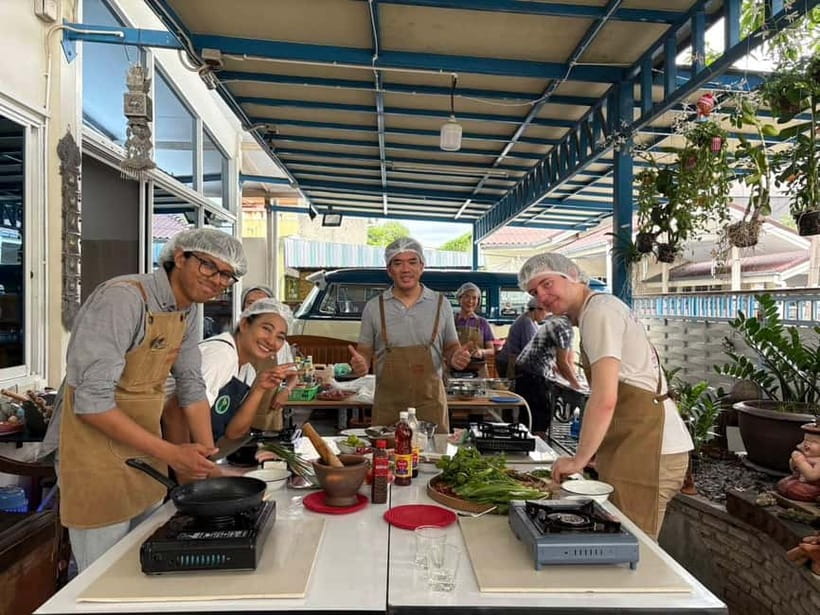
Book it if you want more than a quick cooking demonstration. The market visit, herb and garden focus, small group, family kitchen, and shared meal give the morning a clear sense of place. Sunee and her team add the personal touch that makes the class feel welcoming rather than mechanical.
Skip it if you want a late morning, a guaranteed menu, or a short activity with little standing. Also remember that the $77 cost is for the complete experience, not just lunch.
For most food-minded visitors, this is a good Bangkok choice. Pick your cooking day with care, arrive on time, and come ready to handle unfamiliar herbs. You will leave with recipes, a certificate, and a better understanding of why Thai cooking tastes the way it does.
FAQ
Where does the Thai Herbal Cooking Class begin?
The class begins at 8:00 AM at MRT Huai Khwang Station, Exit 4. Your guide will wait at the meeting point.
Where does the experience end?
The activity ends back at MRT Huai Khwang Exit 4 at about 1:00 PM.
How many people can join the class?
The class is designed for small groups of no more than eight people.
What food will I cook?
You prepare four Thai savory dishes and one traditional dessert. The menu changes each day of the week, with options such as green curry, Tom Yum Gai, Som Tum, Thai noodles, coconut desserts, and herbal chicken dishes.
Is transportation included?
Transportation from the market to the cooking venue and from the cooking venue back to the first meeting point is included. Transportation to the initial MRT meeting point is not included.
What should I bring?
Bring a passport or identification and wear comfortable shoes and clothing suitable for walking and cooking.
Can I tell the organizer about allergies or dietary restrictions?
Yes. You should provide details about allergies or dietary restrictions at least 48 hours before the class.
Just added around Bangkok
- Morning Buddhist Almsgiving, Grand Palace and Flower Market Tour in Bangkok★ 3.5 · 9 reviews
- Private 4 days : Bangkok, Floating market and Ayutthaya★ 5.0 · 2 reviews
- Floating & Railway Markets and Erawan Waterfall [Optional Luxury]★ 5.0 · 43 reviews
- Bangkok Udomsuk Thai Cooking Class with local market tour★ 5.0 · 5 reviews
- Floating Market & Railway Market near Bangkok★ 4.0 · 5 reviews
- Train & Floating Market Food Adventure + Scenic train ride★ 5.0 · 102 reviews
- Discover Ayutthaya at Sunset: Historic Temples & River Cruise★ 4.5 · 29 reviews
- Hands On Thai Cooking Class & Market Tour in Sathon, Bangkok★ 5.0 · 87 reviews
Cooking Classes, compared.
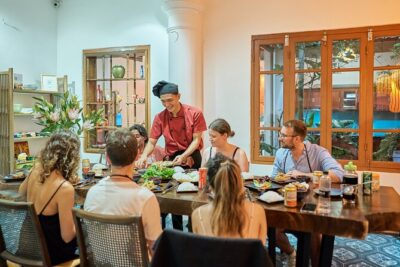
Hanoi Cooking Class: Culture, Local Market & Meaning CSR Impact
Read our review →
5 Traditional Dishes Hanoi Cooking Class with Market Trip
Read our review →
Cooking Class and Lunch at a Tuscan Farmhouse with Local Market Tour from Florence
Read our review →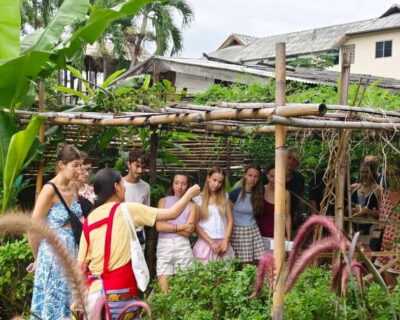
Cooking Class, Market & Thai Herbs Garden Tour
Read our review →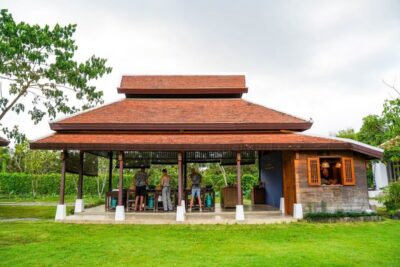
Authentic Cooking Class with Market & Farm Visit
Read our review →
Paella Cooking Experience & Boqueria Market Tour
Read our review →
Cooking Class Hoi An:Local Market, Basket Boat, Fishing & Cooking
Read our review →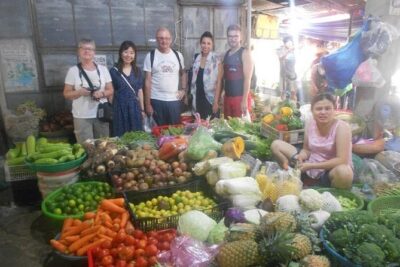
Hoi An Cooking Class(Market,BasketBoat Crabfishing&Cooking Class)
Read our review →Browse the lists this tour appears in