
Review · DALMATIA, CROATIA
Split: Historical & Gastro Treasures Tour with Green Market
Come hungry for Split’s best introduction. This three-hour tour combines Diocletian’s Palace and the Green Market with generous portions of prosciutto, cheese, seafood, pasta, black risotto, wine, and dessert. I like the way it joins food with place: you do not simply hear about Dalmatian customs, you taste them as you walk through the city.
I also like the relaxed local feel. Guides such as Hani, Olga, Christina, Vicky, Lucija, and Ana have been praised for making the tour friendly, funny, and easy to follow. The main consideration is the price, $135 per person, which is a serious spend. It makes better sense if you want a full meal, several drinks, and a history lesson in one outing. Non-drinkers may find the value a little less convincing, since wine and grappa are part of the experience.
- The Green Market begins the meal: Taste prosciutto, cheese, peka bread, soparnik pie, and grappa among Split’s everyday produce stalls.
- Diocletian’s Palace becomes your dining room: See Peristil Square, the Golden Gate, and Pjaca while learning how the old palace is used today.
- The portions are generous: This is not a nibble-and-move-on food walk. Come with a real appetite.
- The tavern meal is the main event: Seafood, two traditional pasta dishes, black risotto, and local wine from Brač make up the substantial second half.
- The guide shapes the experience: The strongest praise goes to guides who explain food preparation, answer questions, and connect dishes to local life.
- The timing matters: Morning tours include the Green Market. Afternoon tours replace that market visit with similar foods at a local tavern.
Why This Three-Hour Tour Works
Split is easy to admire and easy to misunderstand. You can walk through Diocletian’s Palace, photograph its stone gates, and still miss how much ordinary life happens inside the old Roman core. This tour helps connect the ruins, the market, and the food on your plate.
The route begins with a guide at Hrvojeva 1, although the exact meeting point can depend on the option you book. From there, you spend about three hours walking, tasting, listening, and eating. There is no hotel pickup or drop-off, so plan to reach the meeting point on your own.
The strongest feature is the balance. This is not only a food tour with a few historical facts added between courses. It is also not a palace lecture interrupted by tiny samples. The food gives the history a practical purpose, while the city walk gives the meal a sense of place.
I would especially consider booking it early in your stay. You will learn what local foods to look for, get a feel for the old center, and pick up eating ideas for later meals. Several past guests described it as a strong first-day activity for exactly that reason.
Starting at Split’s Green Market
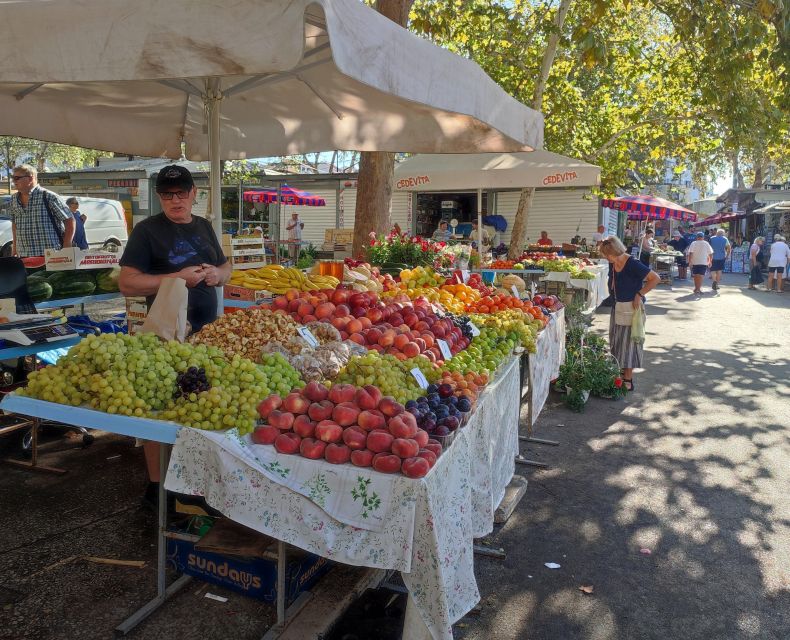
The morning itinerary opens at the Green Market, one of the most useful places to see local daily life. This is not a polished tasting room. You are around produce sellers and ordinary market activity, with the food tied to the way people shop and eat in Split.
The first tasting is described as a Mediterranean brunch. Expect prosciutto, cheese, traditional peka bread, soparnik pie, and grappa. The combination gives you several sides of Dalmatian food at once: cured meat, dairy, bread, savory pastry, and a strong local spirit.
Soparnik is particularly useful to try here because it is a traditional Croatian pie rather than a generic restaurant snack. The tour gives you a chance to taste it while learning about the foods of the region, instead of ordering blindly from a menu later.
The Green Market portion has received some of the warmest praise. The walk through the stalls, the chance to see local produce, and the generous bread and prosciutto make it feel grounded in Split rather than designed only for sightseeing. One guide, Olga, has been praised for explaining differences between Croatian foods and describing what to notice in their flavor and preparation.
Bring an appetite from the start. The first stop is called brunch, but it is only the beginning. You still have a full tavern-style meal ahead, followed by dessert.
If you choose an afternoon departure, the Green Market will not be open. The food is replaced with similar tastings at a local tavern. That keeps the culinary side of the tour intact, but it changes the feel. If seeing the market matters to you, book the morning option.
More History Tours in the world:
- Private Excursion to Floating Market and Ayutthaya World Heritage
★ 5.0 · 515 reviews - Palermo: Walking Tour of Historic Markets and Monuments
★ 4.9 · 478 reviews - Discover Palermo in 3 hours. Art, history, markets and street food
★ 5.0 · 352 reviews
Walking Through Diocletian’s Palace
After the market food, the tour moves into the ancient center and covers key parts of Diocletian’s Palace. The listed sights include Peristil Square, the Golden Gate, and Pjaca, a medieval Venetian square.
Peristil is the grandest of these stops. It gives you the clearest sense of the palace as a monumental imperial complex, while the surrounding streets show how the site has changed over the centuries. The value of a local guide here is not just naming the columns or gates. A good guide explains how the palace evolved and how people use it today.
The Golden Gate gives the walk a strong sense of arrival and departure. You can connect the old defensive entrance with the modern city around it, rather than treating the gate as an isolated photo stop.
Pjaca adds another layer. The medieval Venetian square helps show that Split is not frozen in its Roman past. Roman, medieval, Venetian, and modern elements sit close together, and the tour uses food and architecture to make those changes easier to understand.
The historical part is delivered in an informal way. Hani has been praised for explaining the palace’s origins and changes while keeping the group laughing. Olga and Christina have also been praised for making the architecture and city story clear without turning the walk into a heavy lecture.
This is still a food tour, so do not expect an exhaustive archaeological visit. If you want every architectural detail or a long museum stop, you may prefer a dedicated palace tour. If you want enough context to understand what you are seeing before lunch, the balance is effective.
Sitting Down in a Dalmatian Konoba
The tour then moves to a konoba, a tavern-style restaurant. This is where the experience shifts from market grazing to a proper meal.
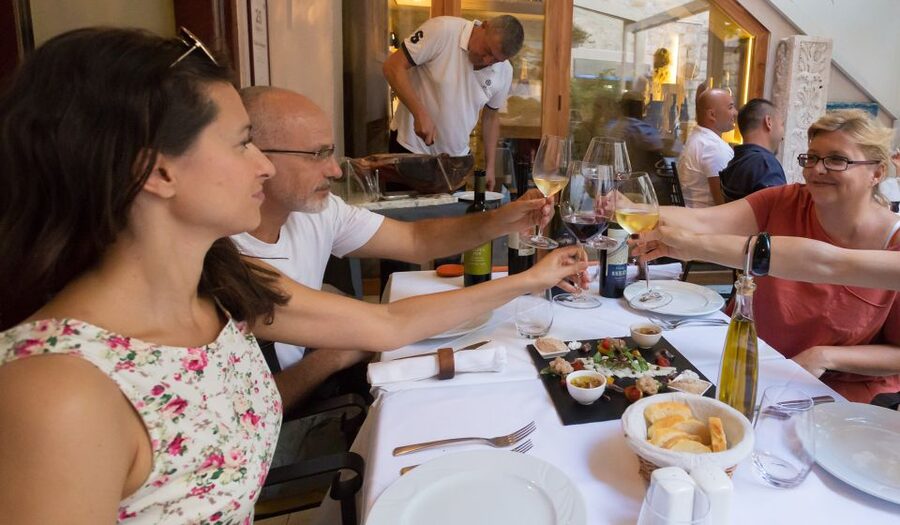
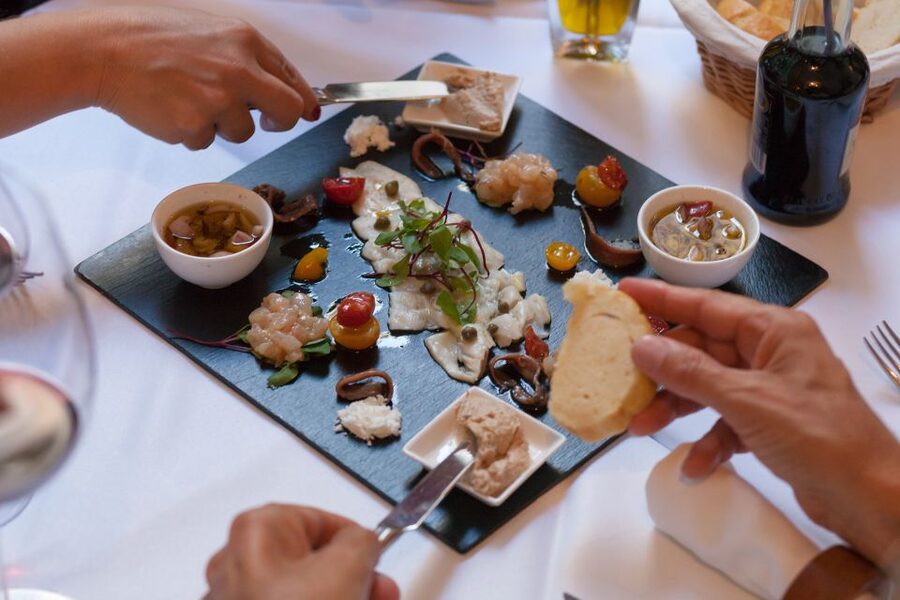
The first restaurant course is a traditional seafood starter with white wine. The exact dishes can vary, but the food descriptions and past tasting experiences point toward regional seafood and preparations that many visitors might not order on their own.
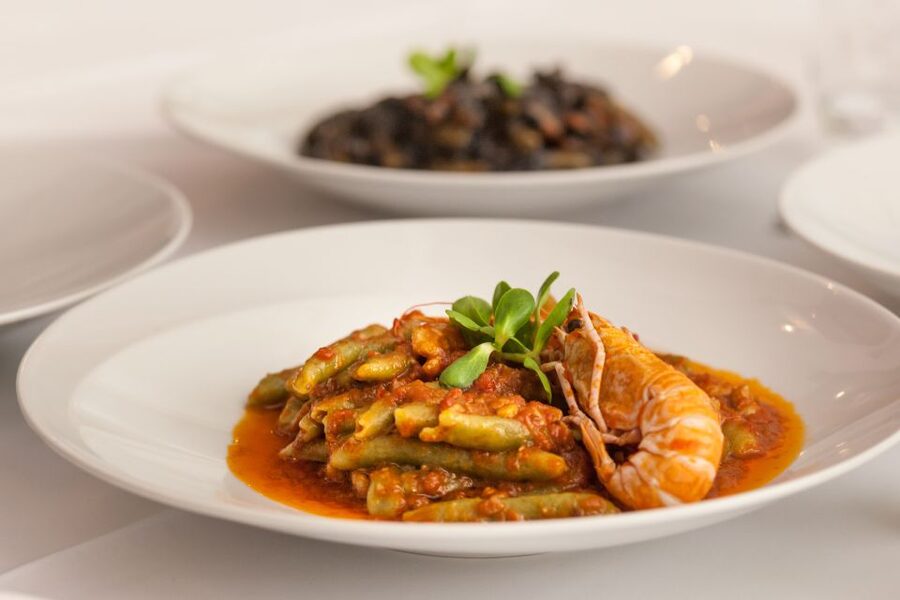
The second course is particularly substantial. You are served two types of traditional pasta and famous black risotto, paired with local red wine from Brač island. Black risotto is made with cuttlefish, and the dark color can surprise you if you have not tried it before. One past participant specifically enjoyed being introduced to dishes such as octopus stew and cuttlefish risotto, foods they would not normally have chosen independently.
This is one of the tour’s best reasons to exist. A menu can tell you what a dish is, but a guide can explain how it fits into Dalmatian cooking and help you approach unfamiliar flavors with more confidence.
The meal is also social. Guides are praised for including everyone at the table, explaining how dishes are prepared, and pairing wines with the courses. The pace is described as relaxed rather than rushed, which matters when the meal itself is a major part of the outing.
Still, the meal is not built for a light lunch. Several portions are described as generous, and the tour ends with dessert. Eat a smaller breakfast if you book the morning option, and do not plan another large meal immediately afterward.
Wine, Grappa, and Dietary Details
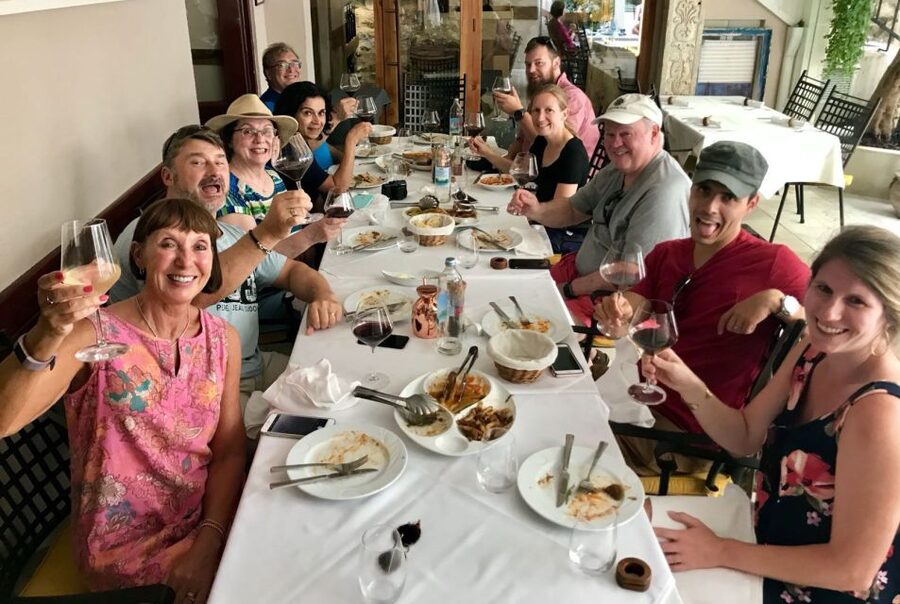
Wine is woven through the experience. You receive white wine with the seafood starter and local red wine from Brač with the pasta and black risotto. Grappa appears with the Green Market brunch.
That is good news if you enjoy trying regional drinks and want the meal pairings included in the price. It is less useful for someone who does not drink alcohol. One person considered the price slightly high for a partner who did not drink, even though they still enjoyed the outing.
You should report food allergies and dietary restrictions when booking. The tour has accommodated vegetarian guests and made adjustments for food restrictions, but the provider needs that information in advance. Do not assume every dish can be changed at the table.
The information provided does not promise a fully alcohol-free or vegan menu. If either is important to you, ask before paying so you know what can be arranged.
A few more market tours around the world worth a look
- Bangkok: Damnoen Saduak Market and Maeklong Railway Market
★ 4.5 · 26,723 reviews - The Old Siam: Damnoen Saduak and Maeklong Railway Market
★ 4.5 · 10,992 reviews - Dubai: Old Town, Creek, Museums, Souks, & Street Food Tour
★ 4.8 · 10,816 reviews - Bangkok: Train Market & Floating Market with Boat Ride
★ 4.7 · 9,547 reviews
Dessert and the Seasonal Finish
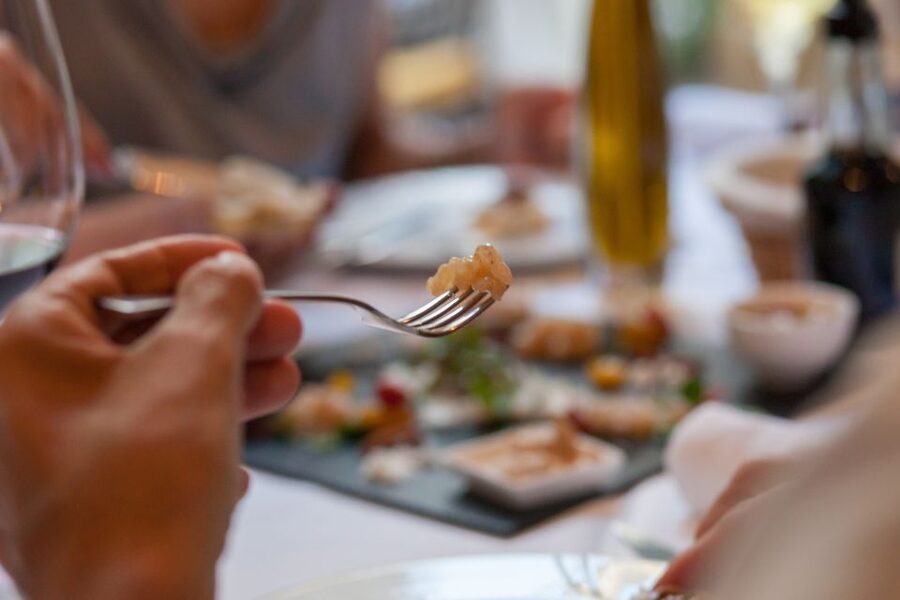
The tour ends with a light gelato or a traditional dessert, depending on the season. Spring, summer, and autumn may bring different final treats.
Gelato is familiar and easy to enjoy after a large meal. The traditional dessert offers a more local finish, and one person specifically wished the traditional cake had been offered instead of gelato. That small comment points to a genuine choice: if you want another taste of Croatian food culture, ask what the traditional dessert is when the final course arrives.
You should not expect a large dessert course. The final stop is meant to close the meal lightly after the market tasting, seafood, pasta, risotto, bread, cured meat, cheese, and wine.
The Guides Make the Difference
The company is Aroma Delmatica j.d.o.o., and the tour is conducted in English by a licensed local guide. The guide assigned to your departure may differ, but many names appear in the tour’s feedback: Hani, Christian, Ana, Maria, Ella, Lucija, Olga, Christina, Vicky, Doris, and others.
The repeated strength is personal presentation. Hani has been praised for being professional, funny, and passionate about Split’s food and culture. Olga is frequently described as energetic, prompt, and ready with answers. Christina has been praised for helping people feel comfortable and shaping the information around the group.
That matters more than it might sound. A food tour can become a procession of dishes if the guide simply announces each course. Here, the best guides explain preparation, food traditions, historical changes, and local opinions while keeping the group talking.
You may also find the social side appealing. The meal is shared, and the relaxed pacing gives people time to talk. This suits solo visitors, couples, and small groups who enjoy meeting others at the table. If you prefer eating alone or moving quickly, the shared format may feel less comfortable.
Is $135 a Fair Price?

At $135 per person, this is not a budget walk. The price includes all food and wine, plus the licensed local guide. It does not include transportation to or from the meeting point.
The value depends on how you use the tour. If you count only the food, you may find cheaper ways to eat in Split. But the package includes a market brunch, a guided visit through major palace sights, a full tavern meal, several wines, grappa, and dessert. You are also paying for a guide who can help you understand ingredients and local customs.
The portions are a major part of the calculation. This is closer to a full culinary outing than a quick sample walk. If you arrive hungry and enjoy wine, the price is easier to justify.
The cost is harder to defend for a non-drinker, a light eater, or someone mainly interested in architecture. In that case, a standard city walk and an independent meal may suit you better.
The booking terms are practical. You can reserve and pay later, and cancellation up to 24 hours in advance qualifies for a full refund. These details make it easier to fit the tour into a changing Split itinerary.
Who Should Book This Split Food Tour?
I would recommend it to you if you want a friendly introduction to Split that combines food and place. It suits first-time visitors, people who enjoy trying unfamiliar dishes, and anyone who likes a guide to explain what they are eating.
It is also a good match for people who want local wine included rather than having to choose bottles or glasses on their own. The guide can put the dishes into context and point out flavors you might otherwise overlook.
You may want to skip it if you need a very light meal, avoid alcohol, or want a long, detailed archaeological tour. Afternoon bookings also lose the market visit, so choose the morning if the Green Market is one of your priorities.
FAQ
How long does the Split Historical and Gastro Treasures Tour last?
The tour lasts three hours.
What food is included?
The morning route includes prosciutto, cheese, peka bread, soparnik pie, grappa, a seafood starter, two types of traditional pasta, black risotto, wine, and a final gelato or traditional dessert depending on the season.
Is wine included in the price?
Yes. The cost includes the food and wine served during the tour. Grappa is also included with the Green Market tasting.
Does the tour visit Diocletian’s Palace?
Yes. The historical walk includes Peristil Square, the Golden Gate, and Pjaca.
Does every departure visit the Green Market?
No. The afternoon option does not visit the Green Market because it is closed during afternoon hours. Similar foods are tasted at a local tavern instead.
Where does the tour start?
The stated meeting location is Hrvojeva 1, but the meeting point may vary depending on the option booked. The tour ends back at the meeting point.
Can food allergies or dietary restrictions be accommodated?
You must provide information about allergies or dietary restrictions when booking. Adjustments have been made for dietary needs, but arrangements should be discussed in advance.
Is hotel pickup included?
No. Hotel pickup and drop-off are not included.
Should You Book It?
Book this tour if you want to eat your way into Split’s story. The strongest reasons are the Green Market, the generous tavern meal, and guides who make unfamiliar food approachable without losing the local character.
Choose the morning departure for the full market experience, arrive hungry, and tell the provider about dietary needs before you go. At $135, it is a premium outing, but the included meal, drinks, dessert, and palace walk make it worthwhile for food-minded visitors who want one well-organized introduction to Dalmatia.
Just added around the world
- Half-day Dandan Noodles Cooking Class with a Local Market Visit★ 5.0 · 8 reviews
- Three-Hour Private Chengdu Tea Wholesale Market Tour★ 5.0 · 4 reviews
- 3-Hour Herbal Wholesale TCM Market and a Local Wet Market Tour★ 5.0 · 4 reviews
- Moroccan Cooking Class with a Local Family & Market Visit★ 5.0 · 16 reviews
- Charleston International Sweet Treats & Historic City Market Tour★ 5.0 · 22 reviews
- Chania Old Town, Public Market and Chrisopigi Monastery Tour★ 4.5 · 6 reviews
- Chania: Old Town, Public Market, Hill of Prophet Elias, Agia Triada★ 5.0 · 35 reviews
- Cesarine: Market Tour & Home Cooking Class in Catania★ 4.0 · 6 reviews
Historical Tours, compared.
Private Excursion to Floating Market and Ayutthaya World Heritage
Read our review →
Discover Palermo in 3 hours. Art, history, markets and street food
Read our review →
Private Heritage Walking Tour in Jaisalmer Fort and Old Bazaar
Read our review →
2 Hour Historic Market Food Tour and Hands-On Biscuit Class
Read our review →
Abu Dhabi Sightseeing Tour: Sheikh Zayed Mosque, Heritage Village & Dates Market
Read our review →
Historic Center Street Food, Market, and Eateries Tour
Read our review →
Old Delhi: Spices, Heritage and Bazaars Walking Tour
Read our review →Browse the lists this tour appears in