
Review · VIETNAM
5 traditional dishes Da Nang cooking class with market trip
Food tells Da Nang’s story fast. This four-hour class brings you into Bắc Mỹ An Market before you cook five Central Vietnamese dishes, including bún bò Huế, bánh xèo, fresh rolls, jackfruit salad, and avocado ice cream. I like the market visit because it gives the recipes a local setting, and I like the menu because it covers several very different flavors in one sitting. The main point to consider is that some preparation may be shared, so you may not personally cook every part of every dish.
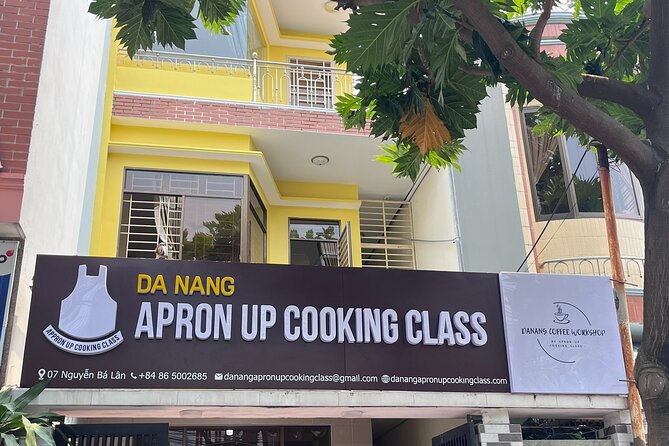
The class costs $39 per person and returns to its starting point at 07 Nguyễn Bá Lân in the Bắc Mỹ An area. The instructors receive especially strong praise for patience, humor, clear demonstrations, and working well with children. Blue, Bora, and Chi are named as particularly enjoyable teachers, though your instructor may vary.
Key points at a glance
- Bắc Mỹ An Market comes first: You shop for ingredients at a real local market instead of beginning in a sealed classroom.
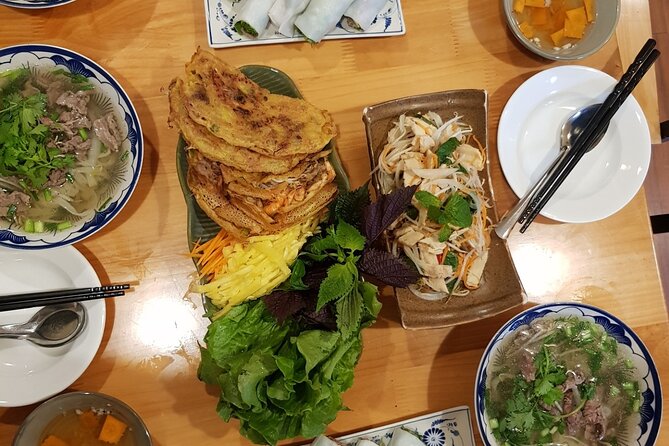
- Five dishes cover Central Vietnam: The menu includes bún bò Huế, bánh xèo, tam hữu fresh rolls, young jackfruit salad, and Da Nang avocado ice cream.
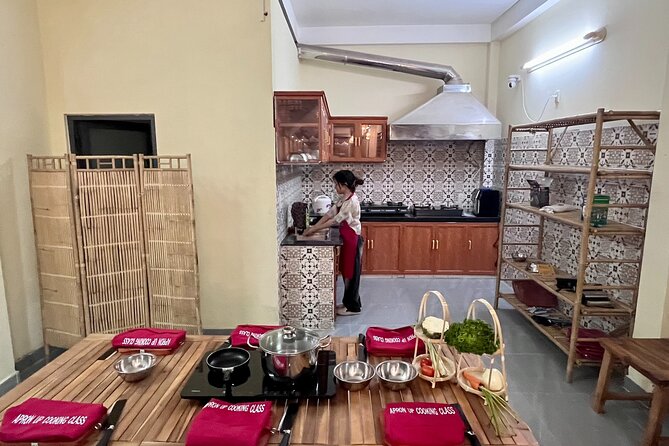
- The $39 price includes the meal: Cooking tools, coffee or tea, lunch or dinner, fruit, rice vodka, a recipe book, and a certificate are included.
- The format suits beginners: Instructors demonstrate each recipe and guide you through the work, with adjustments available for dietary needs.
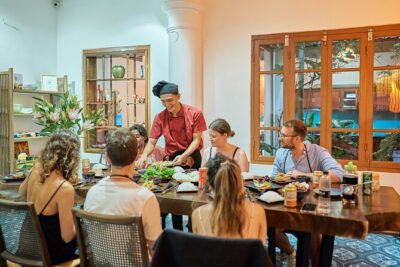
- A small-group feel is possible, but not guaranteed: The maximum is 30 people, while one reported class had only six.
- You return to the same address: There is no hotel pickup listed, and the activity ends back at 07 Nguyễn Bá Lân.
Why the market visit matters
The experience begins at 07 Nguyễn Bá Lân, about 10 minutes before the scheduled start. From there, you visit Chợ Bắc Mỹ An, a nearby market where the group buys the ingredients needed for the class.
This is more than a quick shopping errand. The market gives you a first look at the products behind the recipes: herbs, vegetables, noodles, fruit, and other ingredients used in Central Vietnamese cooking. Your instructor can explain what you are buying and how it fits into the meal, which makes the later cooking easier to understand.
I especially like this order. You see the raw ingredients before they appear cleaned, chopped, mixed, or cooked. That simple change helps you connect the dish on your plate with the food culture around you.
The market is also useful for anyone who feels unsure about buying food in Da Nang. You have a local guide with you, and the ingredients are selected for the class rather than left to guesswork. It is a practical introduction to local shopping without requiring you to navigate the market alone.
You should expect a working market rather than a staged food show. The market stop is described as nearby, but the exact time spent there is not provided. It is also a good place for photos, though you should keep your camera out of the way when people are shopping and working.
More Cooking Classes in Da Nang
- 5 Dishes Cooking Class with Market Trip in Da Nang
★ 5.0 · 466 reviews - Da Nang Cooking Class with Coffee Tasting and Market Visit
★ 5.0 · 310 reviews - Market Tour, Basket Boat Ride & Cooking Class by Hangcoconut
★ 4.8 · 95 reviews
Five dishes, five different lessons
The menu is the heart of the class. It is designed to give you a broad sample of Central Vietnamese food rather than five versions of the same dish.
Bún bò Huế
Bún bò Huế is the most substantial item on the menu. This beef noodle soup is associated with Huế, the former imperial capital, but it is a familiar choice in Central Vietnam and a useful lesson in balancing broth, noodles, meat, and seasoning.
The soup is prepared as a group recipe, according to one detailed account of the class. That setup makes sense for a broth, since soup preparation can require shared pots and longer cooking time. The tradeoff is clear: you may not handle every part of the dish yourself.
If your priority is learning a complete broth from start to finish, ask the instructor how the soup work will be divided. If your priority is tasting a central Vietnamese classic and learning its basic structure, the shared format should work well.
Bánh xèo
Bánh xèo is the dish most likely to test your timing. This crisp Vietnamese pancake needs the right balance of batter, filling, heat, and folding. One family particularly enjoyed learning how to make a perfectly browned pancake, and that is exactly the kind of technique a class can explain better than a recipe alone.
You will likely find this one of the most satisfying dishes to cook because the result is visible. A good bánh xèo should have a crisp edge and a cooked center, not a heavy, soft pancake. The class lets you see how the batter behaves and how the finished pancake is served.
This is also a useful recipe to take home. The ingredient list is approachable, but the cooking method benefits from seeing it demonstrated.
More Cooking Classes in Vietnam
- Home Cooking Class: Market, Garden and cooking 4 dishes
★ 5.0 · 61 reviews - Da Nang Cooking: Market tour, farming, and cooking class
★ 4.8 · 13 reviews - Hanoi Cooking Class: Culture, Local Market & Meaning CSR Impact
★ 5.0 · 5,147 reviews - 5 Traditional Dishes Hanoi Cooking Class with Market Trip
★ 5.0 · 4,890 reviews
Tam hữu fresh rolls
Tam hữu fresh rolls add a lighter, cooler dish to the meal. Fresh rolls are often simple in theory and fiddly in practice. The rice paper can tear, tighten, or refuse to stay closed if it becomes too wet.
One class member found this dish less successful than the others, describing a roll with lettuce and a little beef that fell apart and lacked flavor. That is a fair warning, especially if you are expecting every recipe to be equally polished in your first attempt.
Still, a cooking class is a good place to make this mistake. You can learn how much water to use, how quickly to work, and how to place the filling. If you care about practical technique, the imperfect roll may teach you more than a perfect demonstration.
Young jackfruit salad
Young jackfruit salad gives the meal a distinctly local touch. It is less familiar to many visitors than noodles, pancakes, or spring rolls, so it adds something new to the menu.
The recipe also shows how Vietnamese cooking can turn a plant ingredient into a dish with texture and character. You are not simply assembling a side salad. You are learning how a local ingredient fits into a meal and how vegetables can carry as much interest as meat.
Because dietary adjustments are possible, ask about the menu when you arrive if you need a vegetarian version or other changes. The class says it can adapt the menu to dietary requirements, but it is best to explain your needs clearly at the start.
Da Nang avocado ice cream
The final item is Da Nang avocado ice cream, with a vegetarian version available where needed. This gives the class a sweet finish and adds a local Da Nang favorite to the menu.
It is a smart choice for a cooking lesson because it breaks up the savory dishes. After soup, pancakes, rolls, and salad, a chilled dessert gives the meal a different texture and flavor.
The menu is called five traditional dishes, but the exact preparation level for each one may vary. Some elements can be made by the group, while others may be prepared together. If hands-on work is your main reason for booking, listen carefully to the instructor’s plan before cooking begins.
What the four-hour schedule feels like
The experience lasts about four hours. You meet at the cooking school, visit Chợ Bắc Mỹ An, return to the kitchen, prepare the dishes, and eat together before the class ends.
That is a sensible length for this menu. A shorter class would have to rush the market visit or reduce the food. Four hours gives the instructor room to explain techniques, let you work, and serve the completed meal.
The pace should feel active, but the class is not designed as a quiet demonstration where you only watch. The strongest part of the format is the transition from market to kitchen. You see the ingredients, handle them during preparation, and then eat the result.
The included coffee or tea helps at the beginning, while fruit and rice vodka are served with the meal. Lunch or dinner is included, depending on the scheduled session. You also receive a recipe book and certificate at the end.
One practical detail matters: the activity starts and ends at the same address. There is no hotel transfer listed, so you need to make your own way to 07 Nguyễn Bá Lân. The location is near public transportation, which helps, but allow time to arrive 10 minutes before the start.
Teaching style and group size
The instructors are the class’s biggest strength. Blue is described as friendly, patient, and clear. Bora receives praise for guiding the recipes and making the market stop worthwhile. Chi is described as a strong teacher who demonstrates techniques carefully. Another instructor, Jenny, is thanked for the full cooking experience.
The common thread is not formal culinary training. It is the ability to make Vietnamese cooking understandable for beginners. That matters when a recipe includes unfamiliar produce, unfamiliar tools, or a technique that looks easy until you try it.
Families should take note. The instructors have worked well with children aged 10 and 13, offering patient help and personal attention. The class appears suitable for mixed skill levels, from people who rarely cook to confident home cooks looking for Vietnamese recipes.
The maximum group size is 30, which is larger than the small group described in one account. That means the experience can vary depending on the date. A group of six allows more direct help and easier movement around the cooking area. A full class may feel less personal, especially during shared preparation.
You can ask about group size before booking if close instruction matters to you. The published maximum is important, even though some sessions may be much smaller.
How much value do you get for $39?
At $39, this is not just a meal with a recipe card. You are paying for roughly four hours of instruction, a market visit, cooking tools, coffee or tea, the completed meal, fruit, rice vodka, a recipe book, and a certificate.
The value is strongest if you want several parts of the experience in one booking. A market tour alone would show you ingredients but not what to do with them. A cooking class without the market would teach techniques but remove the connection to local shopping. This experience links the two.
The menu also improves the value. You get a soup, a pancake, fresh rolls, a salad, and dessert. That range gives you more useful ideas to take home than a class focused on one dish.
The main limitation is personal control. If the soup or another item is prepared as a group recipe, you may not be responsible for every stage. I would consider this a good value for food culture, social cooking, and a substantial meal, but a less perfect fit for someone seeking a private chef lesson.
Dietary needs and practical comfort
The menu can be adjusted to meet dietary requirements, and vegetarians can receive a vegetarian version of the menu. You should still state your needs clearly when booking and confirm them with the instructor at the beginning.
The listing includes cooking tools, but it does not provide a full equipment list. If you have mobility or other access concerns, contact the provider before booking rather than relying only on the general note that the activity is near public transportation.
Service animals are allowed. The experience is intended for a maximum of 30 people, and confirmation is received at booking.
The class may include fish sauce, meat, and other common Vietnamese ingredients, but the supplied information does not give a full ingredient list or allergy policy. If you have a serious allergy, ask for exact ingredient details before you arrive.
Who should book this class?
I would recommend it to you if you want to understand Da Nang through food rather than simply eat at restaurants. It suits first-time cooks, families with older children, solo visitors hoping to meet people, and anyone who wants recipes that can be tried at home.
It is also a good choice if you want a market visit with a clear purpose. You are not just looking around. You are buying food that will soon become your lunch or dinner.
You may want a different format if you need a private class, guaranteed individual preparation of every dish, or a tightly controlled group size. The maximum of 30 is worth keeping in mind, and the shared soup preparation may disappoint a serious home cook who wants full ownership of each recipe.
The class receives a five-star rating from 331 reviews, with 100 percent recommended. That strong record matches the repeated praise for the instructors, market visit, menu, and hands-on cooking. Still, the occasional criticism about shared plating and one less successful roll is useful. This is a friendly cultural cooking class, not a professional culinary workshop.
Cancellation and booking details
You can cancel up to 24 hours before the start time for a full refund. Cancellations or changes made within 24 hours are not accepted for a refund.
The class requires a minimum number of participants. If the provider cancels because that minimum is not reached, you will be offered another date or experience, or a full refund.
Should you book the Da Nang cooking class?
Book it if you want a well-rounded food experience at a moderate price. The market stop, five-dish menu, patient teaching, and included meal make this a stronger choice than a cooking lesson that begins and ends at the stove.
Before booking, decide what kind of cooking class you want. If you want local context, a social setting, and recipes you can try at home, this is an easy yes. If you want private instruction and to prepare every dish alone, ask about the group size and shared cooking plan first.
For most people spending a few days in Da Nang, this class offers a useful change from restaurant dining. You shop, cook, eat, and leave with a recipe book, a certificate, and a better sense of what is behind the food on your plate.
FAQ
Where does the cooking class begin?
The class begins at 07 Nguyễn Bá Lân, Bắc Mỹ An, Ngũ Hành Sơn, Da Nang 550000, Vietnam. You should arrive 10 minutes before the scheduled start.
Where does the market visit take place?
The market stop is at Chợ Bắc Mỹ An, a nearby local market where you learn about produce and buy ingredients for the cooking class.
How long does the experience last?
The experience lasts approximately four hours.
What dishes are included?
The menu includes bún bò Huế, bánh xèo, tam hữu fresh rolls, young jackfruit salad, and Da Nang avocado ice cream. A vegetarian version is available for vegetarians.
Is lunch or dinner included?
Yes. The meal prepared during the class is included, along with fruit and rice vodka.
Are cooking tools provided?
Yes. Cooking tools are included in the experience.
Do I receive anything to take home?
You receive a cookbook with the recipes and a certificate after the class.
Can dietary requirements be accommodated?
The class states that the menu can be adjusted for dietary requirements. You should explain your needs when booking and confirm them with the instructor.
What is the maximum group size?
The maximum group size is 30 people. Actual group sizes may be smaller.
What is the cancellation policy?
You can cancel at least 24 hours before the start time for a full refund. Cancellations or changes made within 24 hours are not refundable.
Just added around Da Nang
- From Da Nang: Hoi An Old Town Tour, Night Market & Boat Ride★ 4.5 · 35 reviews
- Da Nang Cooking: Market tour, farming, and cooking class★ 4.8 · 13 reviews
- Da Nang: Making 5 Vietnamese dishes with Local Market Trip★ 4.9 · 36 reviews
- Da Nang: Con Market And Seafood Street Experience★ 5.0 · 2 reviews
- Home Cooking Class: Market, Garden and cooking 4 dishes★ 5.0 · 61 reviews
- Private luxury Ba Na Hills & Hoi An Walking Tour, Night Market★ 5.0 · 22 reviews
- Guided Tour to Coconut Village,Basket Boat ride,Hoi An Walking Tour,Night Market★ 5.0 · 17 reviews
- Market Tour, Basket Boat Ride & Cooking Class by Hangcoconut★ 4.8 · 95 reviews
Cooking Classes, compared.
Hanoi Cooking Class: Culture, Local Market & Meaning CSR Impact
Read our review →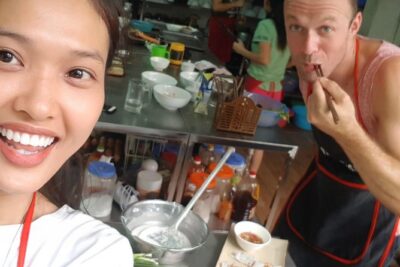
5 Traditional Dishes Hanoi Cooking Class with Market Trip
Read our review →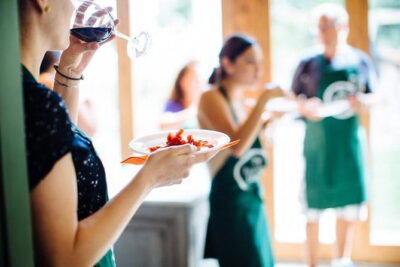
Cooking Class and Lunch at a Tuscan Farmhouse with Local Market Tour from Florence
Read our review →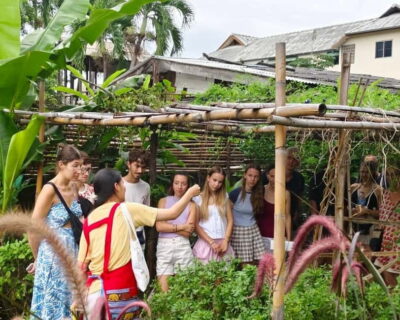
Cooking Class, Market & Thai Herbs Garden Tour
Read our review →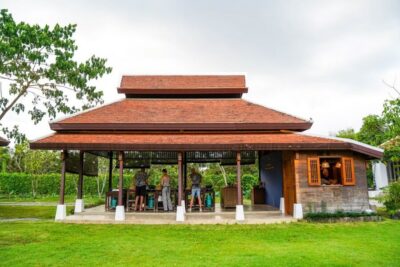
Authentic Cooking Class with Market & Farm Visit
Read our review →
Paella Cooking Experience & Boqueria Market Tour
Read our review →
Cooking Class Hoi An:Local Market, Basket Boat, Fishing & Cooking
Read our review →
Hoi An Cooking Class(Market,BasketBoat Crabfishing&Cooking Class)
Read our review →Browse the lists this tour appears in