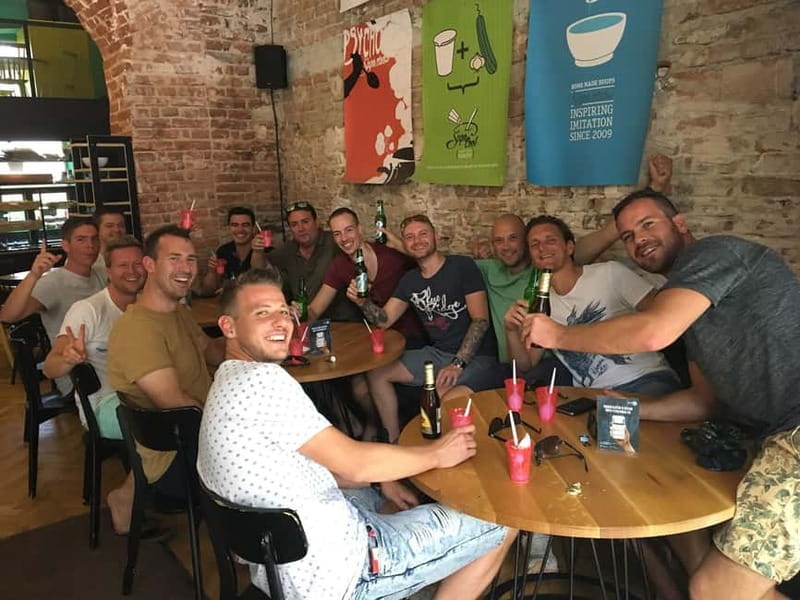
Review · SOFIA PROVINCE, BULGARIA
Sofia: Flea and Food Markets Tour
Markets tell Sofia’s story. This one links four of them with local food, city history, and a good deal of walking. I especially like the four food stops and the way each market represents a different period in Bulgaria’s past. The $50 price also feels fair if you value a guide who can explain what you are seeing, not just point out a food stall.
The main drawback is the pace and footing. You walk about 3 kilometers, or 2 miles, with stops, and the tour is not suitable for wheelchair users or people with mobility impairments. One guest also found that a late start pushed the finish into evening plans, so confirm the starting time before booking.
Key points at a glance
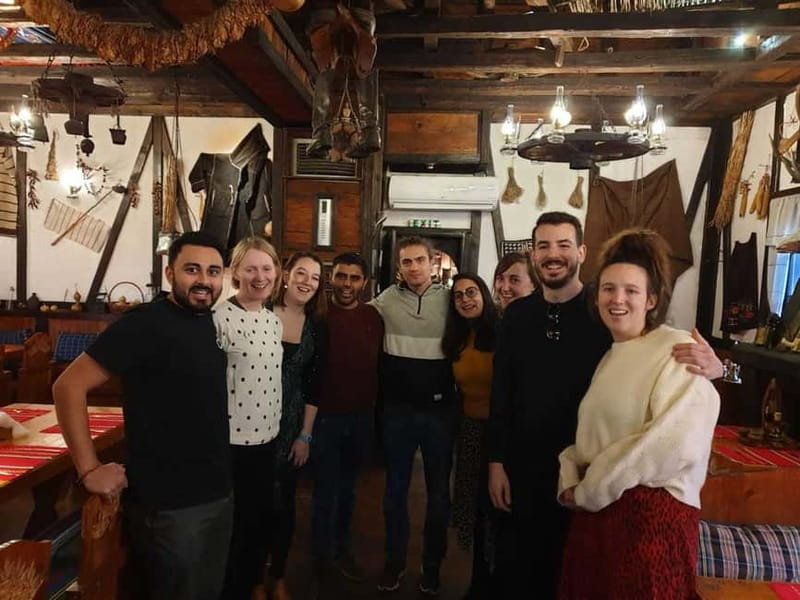
- Four markets, four historical periods: Connect Sofia’s Flea Market, Central Market Hall, Hali Market, and Women’s Market with the postcommunist era, Communism, the Kingdom period, and Ottoman influence.
- Four food stops: You sample traditional Bulgarian dishes and drinks along the route, with a soft drink included at the final stop.
- A history walk as well as a food tour: The route passes Alexander Nevsky Cathedral, Saint Sofia Church, The Largo, Roman ruins, Banya Bashi Mosque, Sofia Synagogue, and Lion Bridge.
- Strong local guiding: Guides including Theodora, Nesi, Ivo, Daniella, and Dany have been praised for explaining Bulgarian food, culture, and history in a friendly way.
- A useful first-day activity: The markets and landmarks help you get your bearings before exploring Sofia on your own.
- Bring sensible shoes: This is an urban walking tour, not a quick tasting appointment.
Why Sofia’s markets make a good introduction
Sofia can feel like several cities layered on top of one another. Roman remains sit near Ottoman buildings, Orthodox churches share the center with a synagogue and mosque, and modern market life carries on around them. This tour gives you a practical way to see those layers without treating them as separate museum stops.
I like that the focus is not only on famous buildings. The markets show how people shop, eat, browse, and meet. You are not simply looking at Sofia from the outside. You are moving through places that have served different communities and different political periods.
The route also works well at the start of a Bulgaria visit. The guide can answer the small questions that help a city make sense: how Ottoman rule shaped food and architecture, how Communist-era life affected public spaces, and how Sofia changed after Communism. One person who took the tour early in a stay found it useful for getting a feel for the city. That is exactly where this experience is strongest.
More Food and Drink Trips in the world:
- Dubai: Old Town, Creek, Museums, Souks, & Street Food Tour
★ 4.8 · 10,816 reviews - Dubai: Old Town, Souks, Street Food, Guided Tour & Abra Ride
★ 4.9 · 7,170 reviews - Bangkok by Night: Temples, Markets and Food Tuk-Tuk Tour
★ 5.0 · 3,752 reviews
Starting at the split-head monument in Crystal Park
The meeting point is the Stefan Stambolov Monument, a sculpture of a split head in Crystal Park. It is an unusual landmark, so it should be easier to spot than an ordinary street corner. Plan to arrive 10 minutes early, especially if you are unfamiliar with central Sofia.
This is a walking tour from the start. You do not need to arrange transport between the markets, and that is part of the value. The route lets you watch the city change block by block. At the same time, walking means you should not treat the advertised one-day validity as a full-day, open-ended activity. The exact starting time needs to be checked when you reserve.
The tour is in English with a live local guide. The guide matters here because the markets are more interesting when you understand their place in Bulgarian life. Past guides have included Theodora, Nesi, Ivo, Daniella, and Dany. Their approach has been praised for being warm, clear, and willing to answer questions. Smaller groups may allow more conversation, and one booking became a private-feeling experience for just two people.
The Flea Market and Sofia’s postcommunist character
The Flea Market is the place to browse rather than rush. You might find souvenirs, old household objects, and antiques, though the exact selection will change from day to day. If you enjoy looking through objects with a past, leave yourself a little attention for the stalls instead of treating this stop as a quick photo opportunity.
Its value is partly historical. The market is presented as a window into the postcommunist era, when old goods, personal possessions, and inexpensive finds could take on a new life. Your guide helps explain that setting rather than leaving you to guess what an object means.
This is also where you should keep your expectations sensible. A flea market is not a guaranteed antiques shop, and no specific purchase is promised. I would see shopping as a bonus. The real benefit is the chance to connect everyday objects with Bulgaria’s recent past.
You may also want to keep purchases small. The tour continues on foot, so a heavy souvenir can become an unwanted companion before the final food stop.
Central Market Hall and the Communist period
The Central Market Hall gives the food side of the tour a more structured setting. Here, you can see a market space associated with the Communist period and learn how public food shopping fit into that time.
The guide’s explanation is more important than the building alone. Sofia’s markets can look like ordinary commercial spaces if you do not know what changed around them. The tour adds the political and social background that turns a simple walk through a hall into a lesson about daily life.
Food is part of the stop, but the tour does not promise a fixed menu in the information provided. You should expect traditional local sampling rather than a restaurant meal with a printed course list. That flexibility is useful because market food changes, but it also means you should not book expecting one exact dish.
The four food stops are described as tasty and plentiful by people who took the tour, and one group was still full afterward. I would arrive hungry, but not assume that every bite will suit every palate. The point is to try several local foods and hear where they fit in Bulgarian culture.
More Food Trips in the world:
- Chef Guided Food Tour of Pike Place Market
★ 5.0 · 3,733 reviews - Tokyo Tsukiji Fish Market Food and Culture Walking Tour
★ 5.0 · 3,184 reviews - Bangkok: Markets, Temples and Food Night Tour by Tuk Tuk
★ 4.9 · 2,371 reviews - London Bridge & Borough Market Food Tour with 7 Authentic Dishes
★ 5.0 · 1,972 reviews
Hali Market and the Kingdom period
Hali Market represents the Kingdom period in the tour’s historical framework. This stop helps connect Sofia’s market culture with an earlier stage of the city, before the Communist era and before the political changes of the late 20th century.
The useful idea here is comparison. Instead of seeing four markets as interchangeable places to buy food, you learn to notice how their roles and settings differ. The guide can tie the market to the city’s changing identity, then relate that story to the food you taste.
This is one reason the tour is better suited to curious eaters than to people who only want a list of recommended snacks. You are given context along with the food. If you ask questions, guides such as Ivo and Daniella have been praised for spending time on both the city’s past and its culinary customs.
The tour also passes important landmarks between market stops. You may hear about Saint Sofia Church, Alexander Nevsky Cathedral, and the Roman ruins along the way. You will not be taking a full interior tour of every sight, so think of these as well-chosen orientation points rather than substitutes for dedicated sightseeing visits.
The Women’s Market and Ottoman influence
The Women’s Market is linked to the Ottoman presence in Bulgaria. This gives the tour a chance to explain how centuries of contact shaped Sofia’s food and urban culture.
A useful review of this experience praised the way it connected Ottoman influence with Bulgaria’s development and included information about yogurt and spring water. Those details show the tour’s wider reach. It is not only about eating something and moving on. The guide uses food and drink to explain how outside influences became part of local life.
The Women’s Market also adds a more everyday feel to the route. You are looking at a working market rather than only at polished monuments. The atmosphere can be more practical than picturesque, which is exactly why it helps you understand the city as a place where people live and shop.
Again, do not expect a guaranteed shopping list. You might find ingredients, small gifts, or antiques, but the appeal is the mix of commerce, food, and history. Keep your wallet ready for an optional purchase, but do not count on a specific item being available.
The four food stops and what you actually receive
The tour includes four food stops with local dishes, plus a soft drink at the last stop. Traditional street food and drinks form the backbone of the day, and the tastings are spread through the walk rather than saved for one large meal.
That arrangement suits Sofia. You can try something, walk a while, learn about a neighborhood or landmark, then stop again. It keeps the tour from becoming a long seated meal and gives the food more context.
The exact dishes are not specified, so I would not book this if you need a fixed menu or have strict dietary requirements that need advance confirmation. The available information does not promise vegetarian, vegan, allergy-friendly, or gluten-free adaptations.
For most people, the food is a major strength. The tastings have been described as excellent, delicious, and plentiful. The strongest praise goes to the combination of flavor and explanation: you learn about the origins and cultural meaning of what you are eating.
The final soft drink is included, but other drinks are not specifically listed as included. If you want something beyond the stated tastings, be prepared to pay separately.
Landmarks that turn a food walk into a city lesson
The route includes several of Sofia’s major sights:
- Alexander Nevsky Cathedral
- Saint Sofia Church
- The Largo
- Roman ruins
- Banya Bashi Mosque
- Sofia Synagogue
- Lion Bridge
This list gives the tour more range than a standard market crawl. The Largo and Roman remains show how Sofia’s center combines ancient and modern layers. Banya Bashi Mosque and Sofia Synagogue point to the city’s religious and cultural variety. Lion Bridge helps extend the walk beyond the most photographed central buildings.
You should be clear about what you are getting. The tour passes by these sights and includes historical explanations, but the main subject remains the markets and food. If you want a detailed architectural tour or long interior visits, add separate sightseeing time.
I like this balance for a first day. You get a map in your head, a handful of major landmarks, and practical knowledge of where Sofia’s markets are located. Later, you can return to the places that caught your attention.
How much value do you get for $50?
At $50 per person, the tour is not the cheapest way to buy snacks in Sofia. You could spend less by visiting a market alone and choosing your own food. That comparison misses the main service, though.
The price covers an English-speaking local guide, four food stops, and a soft drink at the final stop. It also buys interpretation: history, cultural background, help understanding unfamiliar foods, and a route that ties markets to landmarks.
I consider the price reasonable if you want a guided introduction and expect to eat enough to make the tastings count as a substantial part of your day. The value is better for first-time visitors, solo visitors who want conversation, or anyone who would otherwise pass through the markets without understanding them.
The value is weaker if you already know Sofia well, prefer to eat independently, or want a highly structured sightseeing tour with exact timing at every stop. One person had a good experience but found that a late departure disrupted evening plans. Confirm the start time and leave some flexibility afterward.
Walking demands, clothing, and group comfort
The route covers about 3 kilometers, or 2 miles, with stops. That is not a huge distance, but market floors, city pavements, and frequent standing can make it feel longer than a simple stroll.
Wear comfortable shoes and comfortable clothes. This is basic advice, but it matters more here than it might on a bus tour. You will need to walk between sites, pause at food stops, browse markets, and keep going after each explanation.
The experience is not suitable for people with mobility impairments or wheelchair users. The supplied information does not give a detailed breakdown of pavement conditions, seating, or step-free access, so contact the provider before booking if you have concerns.
The guides appear to adjust well to the people in front of them. A private-feeling tour for two people and a small group with plenty of questions both worked well. Still, group size is not guaranteed, so book for the content rather than expecting a private tour.
Who should book this Sofia experience?
I would recommend it most strongly to first-time visitors who want food and orientation in the same afternoon. It is also a good fit for anyone who enjoys history but does not want to spend the whole day inside museums.
You will probably appreciate it if you like:
- Trying local food without choosing every stop yourself
- Asking a guide about Bulgarian culture and history
- Browsing markets for souvenirs or antiques
- Walking through different parts of central Sofia
- Learning how Ottoman, Kingdom, Communist, and postcommunist periods shaped the city
You may want a different plan if you need wheelchair access, dislike walking, want a fixed food menu, or have evening plans that cannot move. You should also allow extra time if you want to linger at the Flea Market or shop for antiques.
The tour has earned a 4.8 rating from 63 reviews, with repeated praise for the food, guides, and historical explanations. That matches the experience’s main strength: it gives you a friendly introduction to Sofia that is easy to enjoy but still teaches you something.
FAQ
How long is the Sofia Flea and Food Markets Tour?
The activity is listed as valid for one day, with starting times available when you check. The walking route covers about 3 kilometers, or 2 miles, with stops.
What markets does the tour visit?
The tour visits the Flea Market, Central Market Hall, Hali Market, and Women’s Market.
How many food tastings are included?
You receive four food stops with local dishes. A soft drink is also included at the final food stop.
What language is the tour conducted in?
The tour has a live English-speaking guide.
Where is the meeting point?
Meet at the Stefan Stambolov Monument, the split-head sculpture in Crystal Park. You should arrive 10 minutes before the activity begins.
Is the tour suitable for wheelchair users?
No. The activity is not suitable for wheelchair users or people with mobility impairments.
Should you book it?
Book this tour if you want a tasty, human introduction to Sofia rather than a simple checklist of landmarks. The four markets give the day a clear shape, while the food stops and guide explanations add the local meaning that independent browsing can miss.
I would book it near the start of a Sofia stay, wear good shoes, arrive hungry, and keep the evening flexible. Skip it if mobility is a concern or if you need a precise timetable and fixed menu. For most first-time visitors who enjoy walking, conversation, and trying unfamiliar food, $50 is a fair price for a useful first taste of the city.
Just added around the world
- Half-day Dandan Noodles Cooking Class with a Local Market Visit★ 5.0 · 8 reviews
- Three-Hour Private Chengdu Tea Wholesale Market Tour★ 5.0 · 4 reviews
- 3-Hour Herbal Wholesale TCM Market and a Local Wet Market Tour★ 5.0 · 4 reviews
- Moroccan Cooking Class with a Local Family & Market Visit★ 5.0 · 16 reviews
- Charleston International Sweet Treats & Historic City Market Tour★ 5.0 · 22 reviews
- Chania Old Town, Public Market and Chrisopigi Monastery Tour★ 4.5 · 6 reviews
- Chania: Old Town, Public Market, Hill of Prophet Elias, Agia Triada★ 5.0 · 35 reviews
- Chania: Morning Bites and Market Delights Food Tour★ 5.0 · 11 reviews
Food & Drink, compared.
Old Town, Creek, Museums, Souks, & Street Food Tour
Read our review →
Old Town, Souks, Street Food, Guided Tour & Abra Ride
Read our review →
Bangkok by Night: Temples, Markets and Food Tuk-Tuk Tour
Read our review →
Tokyo Tsukiji Fish Market Food and Culture Walking Tour
Read our review →
Markets, Temples and Food Night Tour by Tuk Tuk
Read our review →
London Bridge & Borough Market Food Tour with 7 Authentic Dishes
Read our review →