
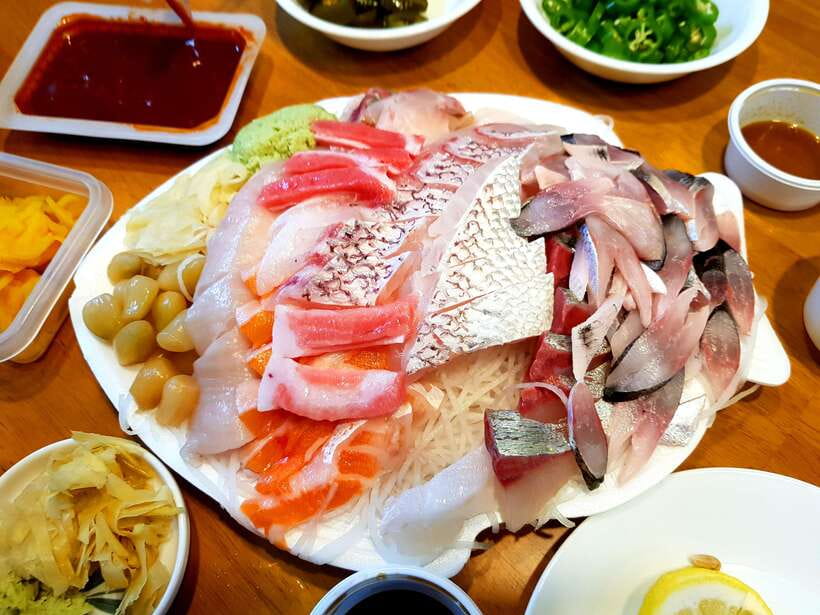
Review · SOUTH KOREA
Seoul: Noryangjin Fish Market Dinner
Fish markets are best before the plate arrives. This two-hour Seoul experience takes you through Noryangjin Fisheries Wholesale Market, where your English-speaking guide helps choose seafood and arranges for it to be cooked upstairs or inside the market restaurant area. I like the fresh-market setting and the chance to try foods you might not order alone. I also like that cooking fees and seafood are included, which makes the price easier to understand.
The main drawback is clear: crab and lobster are not included. You should also enjoy fish and be willing to try unfamiliar textures. One guest paid extra for crab, but that is an individual example rather than part of the advertised package. If seafood is not your thing, this is not the place to hope for a surprise menu change.
What makes this dinner different
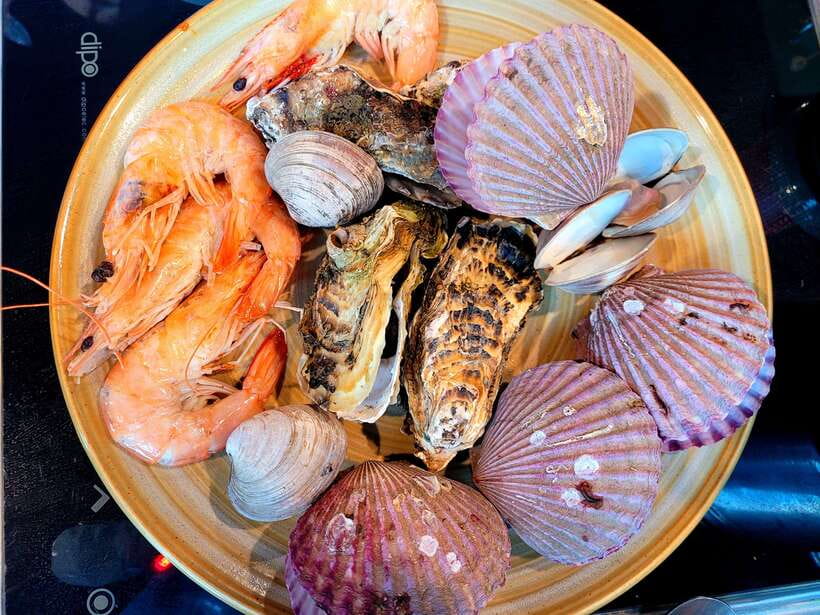
- Noryangjin handles up to 300 tons of seafood daily, giving you a close look at one of Seoul’s major food markets.
- The market supplies almost half of the metropolitan area’s seafood volume, so this is more than a small food stall stop.
- Your guide helps select the seafood, a useful service when names and preparation methods are unfamiliar.
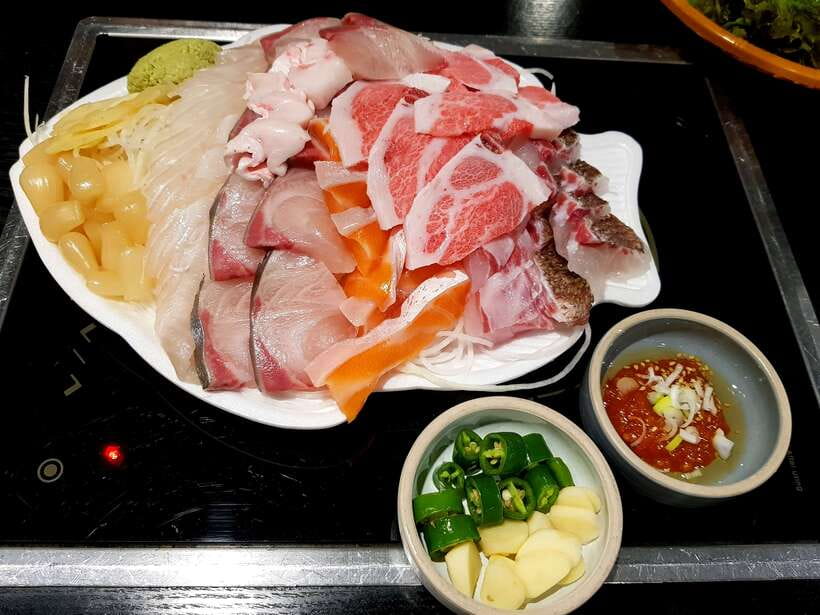
- Seasonal seafood is cooked at the market, turning a shopping visit into a sit-down Korean dinner.
- The small group is limited to nine people, allowing more room for questions and guidance.
- Guide Lee adds cultural context, including Korean seafood customs, language, and everyday life.
Meeting at Noryangjin Station Exit 7
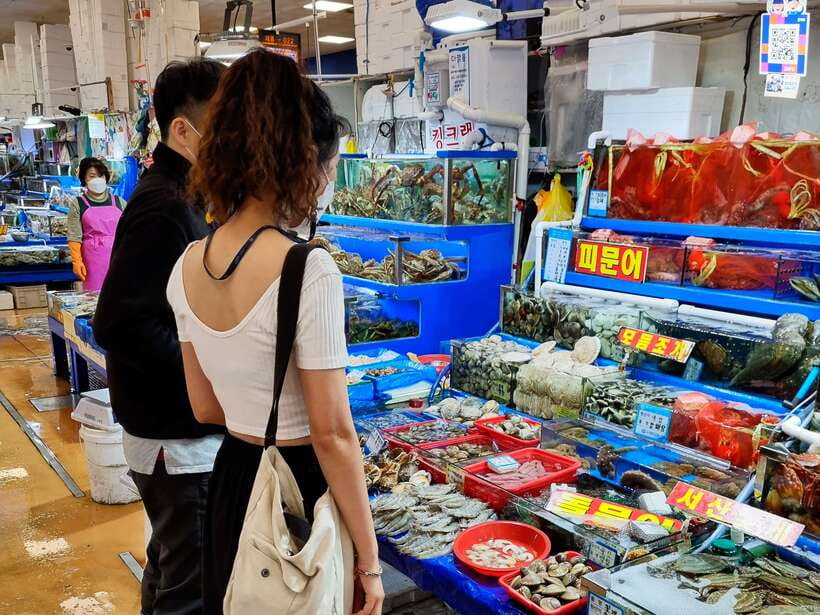
Your meeting point is Noryangjin Station on Line 1, Exit 7. That detail matters because the market is large, and arriving at the wrong exit could leave you wandering before the two-hour visit even begins.
I would arrive with enough time to find Exit 7 and get your bearings. The tour does not begin at a hotel, restaurant, or central sightseeing landmark. You meet directly at the station, then enter the market with your guide.
The meeting arrangement keeps the experience focused. You are not spending the first part of the evening on a long transfer or waiting for a group to assemble at several hotels. Once everyone is together, the guide can explain how the visit will work and lead you into the seafood stalls.
The experience is offered in English. That is especially useful here because the market includes many fishery products, seasonal items, and preparation choices that may not be obvious from appearance alone.
More Fish Market Tours in South Korea
- Gamcheon Culture Village, Jagalchi fish market story telling Tour
★ 4.5 · 63 reviews - Noryangjin Fish Market Dinner
★ 5.0 · 21 reviews - Autumn Foliage-Mt. Seorak, Sokcho Fish Market, Sokcho Beach
★ 5.0 · 10 reviews
Entering Seoul’s largest fish market
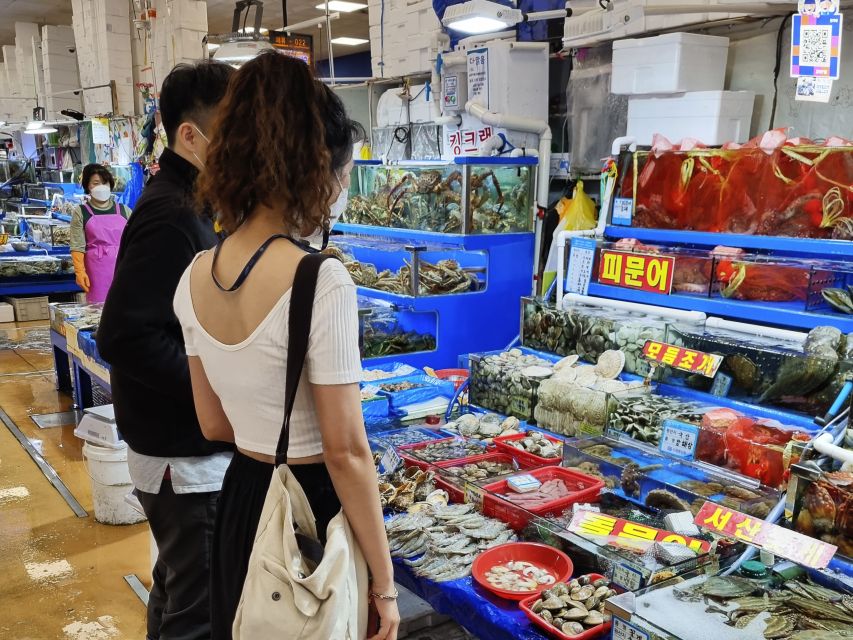
Noryangjin Fisheries Wholesale Market is a working food market, not a polished attraction built only for sightseeing. Its scale is the first thing to notice. The market handles close to 50 percent of the Seoul metropolitan area’s seafood volume and trades as much as 300 tons of fishery products in a day.
Those numbers help explain why this visit feels different from ordering grilled fish at a restaurant. You see the products before they reach the kitchen. Tanks, displays, and stalls create a direct link between the seafood on offer and the meal you are about to eat.
I like this part because it gives your dinner a sense of place. You are not merely consuming a Korean seafood dish. You are seeing the market that supplies the ingredients and learning how seafood fits into local food culture.
The market can also be intense for people who prefer quiet dining. Fish markets have movement, wet floors, strong smells, and plenty of activity. The supplied information does not promise a calm or refined setting, so I would choose this experience for contact with everyday food culture rather than for comfort or romance.
Letting the guide lead the seafood selection
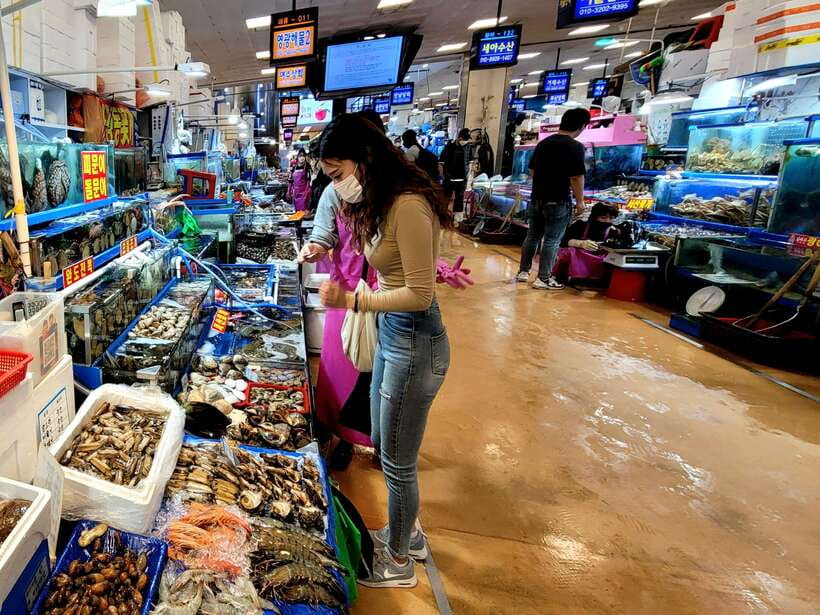
The guide selects the seafood for the group, while the experience also gives you the chance to look at seasonal choices and try different delicacies. In practice, this is one of the most useful parts of the booking. You can see many options, but you do not need to identify every fish or understand every preparation style on your own.
A guide can help turn an unfamiliar display into a manageable meal. That is valuable if you have never visited a Korean fish market or do not speak Korean. You can ask about what is seasonal, how an item is usually eaten, and which textures may be more challenging.
The food can include products you would not normally order. One person described trying live octopus for the first time. Another appreciated being guided toward several seafood dishes that would otherwise have been difficult to choose independently.
You should keep an open mind, but you do not need to pretend to like everything. The right approach is to tell your guide about allergies, strong dislikes, or dietary limits before the selection begins. The supplied details do not promise allergy accommodation, so clear communication is important.
The package includes seafood and the cooking fee. That is a useful distinction from market visits where you pay for ingredients first and then face a second, unexpected restaurant charge. Here, those two parts are covered in the listed $116 price per person.
From market stall to cooked dinner
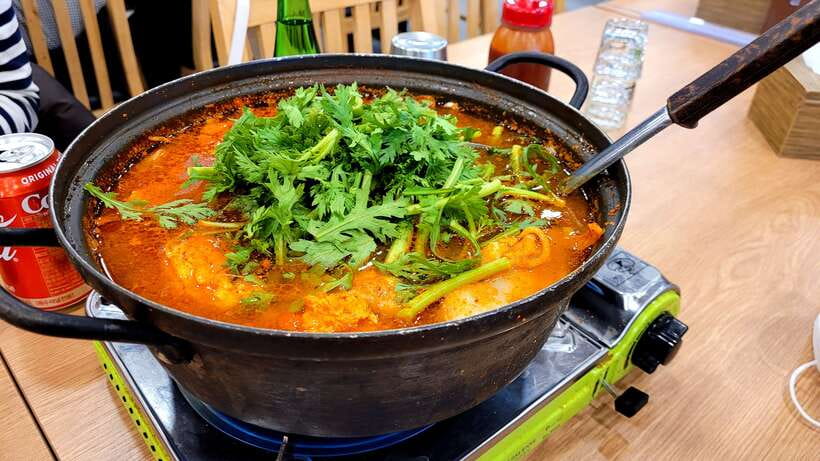
After the seafood is selected, you sit in a restaurant in the market and have the food prepared. This change from open market to shared meal gives the tour a clear rhythm: see the ingredients, choose the food, then eat it.
The seafood is seasonal, so the exact meal can vary. That is a strength if you want a meal tied to what is available in Seoul at the time of your visit. It is less suitable if you want a fixed menu or have a particular dish in mind.
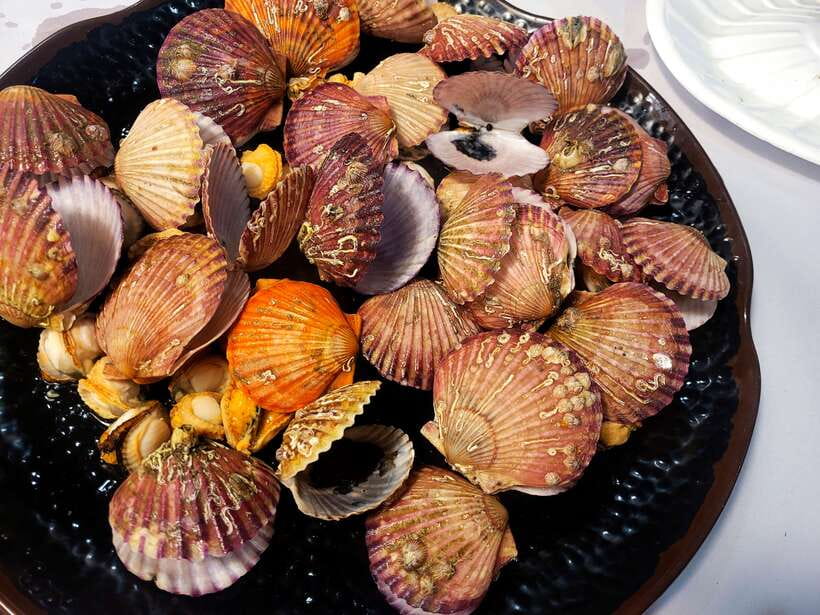
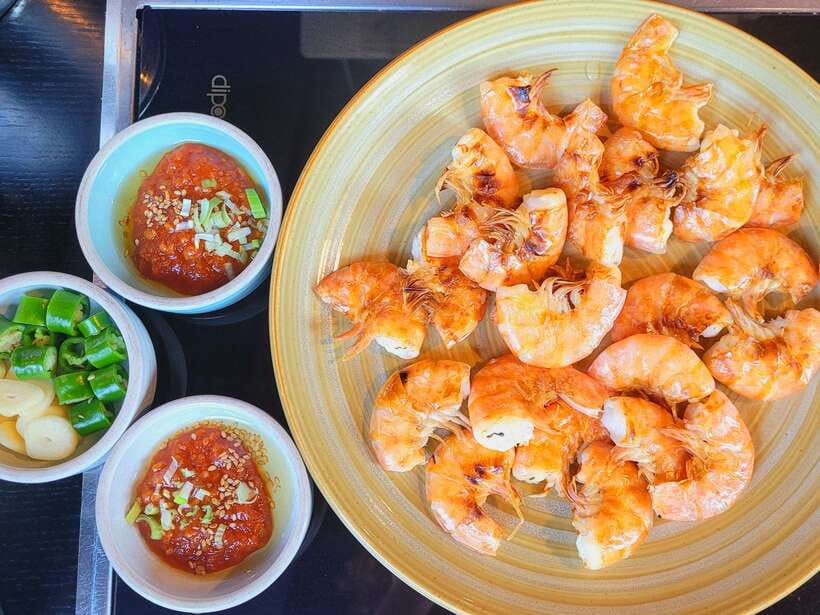
The experience is designed around tasting. You may encounter several preparations and textures in one sitting, rather than one standard entrée. That makes the dinner feel like a guided introduction to Korean seafood, with the guide helping explain what is on the table.
I would not book this expecting a long restaurant meal with an elaborate sequence of courses. The full activity lasts two hours, and part of that time is spent walking through the market and choosing food. The dinner is important, but the market visit is equally central.
One practical point is the seafood exclusion. Crab and lobster do not come with the package. If you specifically want either one, ask the provider before you go about availability and extra cost. A past participant reported paying extra for crab, but you should not assume that option is always available or included.
Same place, a different set of stalls:
- Seoul Street Food Market Tour
★ 5.0 · 1,226 reviews - Local Home Korean Cooking Class & Market Adventure in Seoul
★ 5.0 · 1,024 reviews - Seoul: Night Market Food Tour with Local Guide
★ 4.9 · 943 reviews - Seoul: Palace, Temple and Market Guided Foodie Tour at Night
★ 4.9 · 750 reviews
The cultural value beyond the meal
Food is the main reason to book, but the guide can add much more. A guest praised guide Lee for explaining Korean seafood and introducing aspects of Korean lifestyle and language. That is the sort of small cultural detail that can make a short evening more memorable.
You might learn how people approach seafood meals, what products are familiar in Korea, or how certain foods are discussed in daily life. The information provided does not list a set lecture, so the conversation may depend on the guide and the group. Still, the small format gives you a better chance to ask questions than a large bus tour would.
A second positive account praised a very friendly female guide and called the food fantastic. The guide’s role matters here because the market can feel confusing without context. Good guidance turns a collection of stalls into a story about shopping, cooking, and eating.
Do not expect a formal history lesson about Noryangjin or Seoul. This is a food-focused activity. Its cultural value comes through conversation and direct contact with the market, not through a long scripted presentation.
Is $116 a fair price?
At $116 per person, this is not a budget dinner. The value depends on what you want from the evening.
If you simply want seafood at the lowest possible cost, you may find cheaper options in Seoul. You are paying for more than the food here, though. The price includes the guide, seafood, and cooking fee, plus help with choosing unfamiliar items and managing the market experience in English.
That package can be useful for a first visit. Without guidance, you may not know which stalls to approach, what to buy, or how to arrange cooking. The tour removes much of that uncertainty.
The value is also stronger for people who care about context. You see a major working market, learn about Korean seafood, and eat the products in the same setting. That combination is harder to reproduce by simply sitting in a restaurant.
The price is less attractive if you are an experienced Seoul diner, speak Korean, and already know how to shop at Noryangjin. In that case, you may prefer to visit independently and control your menu and spending.
Remember that crab and lobster are excluded. If those are your main goals, the advertised price will not tell the whole story. Ask about additional charges before booking.
Who will enjoy this Noryangjin evening?
I would recommend the experience to several kinds of visitors:
- Seafood lovers who want more than a standard restaurant meal.
- First-time visitors to Seoul who want an easy introduction to Korean seafood culture.
- Curious eaters willing to try unfamiliar dishes, including unusual textures.
- Solo visitors and couples who prefer a small group and a guide’s help.
- Food-focused families with older children, provided everyone is comfortable with a market setting and seafood-heavy meal.
The small group limit of nine is a good middle ground. It is not a private tour, but it is small enough for questions and conversation. It should also make the selection process less confusing than it would be in a large group.
I would be cautious about booking if you dislike fish, cannot eat seafood, or want a quiet, predictable dinner. The experience centers on seafood from start to finish. It is also not the right fit if your priority is crab or lobster, since neither is included.
Practical tips for a smoother visit
Wear shoes and clothing that you do not mind taking into a working fish market. The supplied information does not describe the flooring or facilities, but a market handling hundreds of tons of seafood is not the place for delicate footwear.
Arrive at Noryangjin Station with the meeting point in mind: Line 1, Exit 7. A few extra minutes can help you avoid stress, especially if you are unfamiliar with Seoul’s station system.
Tell the guide early if you have allergies or cannot eat particular types of seafood. The package is built around selection, so this is the moment to make your limits clear.
Come ready to ask questions. The guide’s value is not only in pointing at seafood. You can ask about names, preparation, Korean eating habits, and language. Guide Lee received especially warm praise for this broader cultural help.
Most of all, expect some uncertainty. Seasonal food means the exact selection is not fixed. That is part of the appeal, but it also means you should not book this expecting a particular fish or dish.
The activity does not allow pets. The provider also places responsibility for loss, illness, injury, accidents, or property damage on participants, so use normal care in the market and restaurant setting.
Cancellation is flexible up to 24 hours before the activity for a full refund. You can also reserve now and pay later, which helps if your Seoul plans are still changing. Check the available start times because the experience lasts two hours and the exact schedule can vary.
Should you book the Noryangjin Fish Market Dinner?
Book it if you want a guided introduction to Seoul’s seafood culture, not just another restaurant meal. The best parts are the working market, the help choosing seasonal food, and the chance to taste something you might never order alone. The guide can also add useful context about Korean life and language, as Lee did for one particularly satisfied guest.
Skip it if you do not enjoy seafood, need a fixed menu, or mainly want crab and lobster. The $116 price is reasonable for a guided market visit with seafood and cooking included, but it is high for a simple dinner.
For an adventurous eater who wants a local setting and a little help crossing the gap between unfamiliar stalls and a Korean meal, this is a strong choice. Go with curiosity, tell the guide your limits, and let the market determine what reaches your plate.
FAQ
Where does the Noryangjin Fish Market Dinner meet?
The meeting point is Noryangjin Station on Seoul’s Line 1, Exit 7.
How long does the experience last?
The activity lasts two hours.
What language is the tour conducted in?
The live tour guide speaks English.
Is crab or lobster included?
No. Crab and lobster are not included in the seafood provided.
What does the $116 price include?
The price includes seafood, the cooking fee, and the guide.
Can I cancel for a full refund?
Yes. You can cancel up to 24 hours in advance for a full refund. You can also reserve now and pay later.
More Meals Out in South Korea
- Naples Street Food Experience with local guide – Small Group Tour
★ 4.5 · 64 reviews - Semi-Private Venice Market and Cicchetti Food Experience
★ 5.0 · 62 reviews - Private Guangzhou Food Tour Michelin Restaurant&Local Food Market
★ 5.0 · 32 reviews - Exclusive Market Tour Budapest -Private Food Experience & Tasting
★ 5.0 · 16 reviews
More Dinner Trips in South Korea
- Busan Seafood Tour : Jagalchi market Seafood Tour & Dinner
★ 5.0 · 74 reviews - Paris Evening Cooking Class French Dinner and Market Visit Option
★ 5.0 · 430 reviews - Pyramids, The Egyptian Museum, Khan Khalili Bazaar & Nile Dinner Cruise in Cairo
★ 5.0 · 27 reviews - All inclusive 12 Hrs Giza Pyramids, Sphinx Egyptian museum Market Dinner cruise
★ 4.5 · 27 reviews
Just added around South Korea
- Visit Busan night market and enjoy the night view of Busan harbor★ 5.0 · 6 reviews
- Jagalchi Sunset Cruise and Night Market Tour in Busan★ 3.5 · 2 reviews
- Colors of Busan: Sky Capsule, Jagalchi Market & Night Views★ 4.5 · 6 reviews
- Gamcheon Cultural Village & Skywalk & Markets★ 4.5 · 2 reviews
- Busan Food Market Tour Seafoods and Street Foods★ 5.0 · 8 reviews
- Busan Local Food Cooking Class with Market Tour★ 5.0 · 53 reviews
- Busan history and market food tour with local chef★ 5.0 · 58 reviews
- Busan: Food Crawl with Fish Market, Soju Tents & Local Snacks★ 5.0 · 8 reviews
Fish Market Tours, compared.
Tokyo Tsukiji Fish Market Food and Culture Walking Tour
Read our review →

Tokyo Sushi Making Class in Tsukiji with Professional Chef
Read our review →
Tsukiji Fish Market Guided Tour and Sushi Making with Pro Chef
Read our review →Tsukiji Fish Market Food and Culture Walking Tour
Read our review →
Tsukiji Fish Market: Street Food & Culture Walking Tour
Read our review →
Tsukiji Fish Market Small-Group Food Walking Tour
Read our review →
Tsukiji Fish Market Sushi Making Class with Pro Chef
Read our review →Browse the lists this tour appears in