
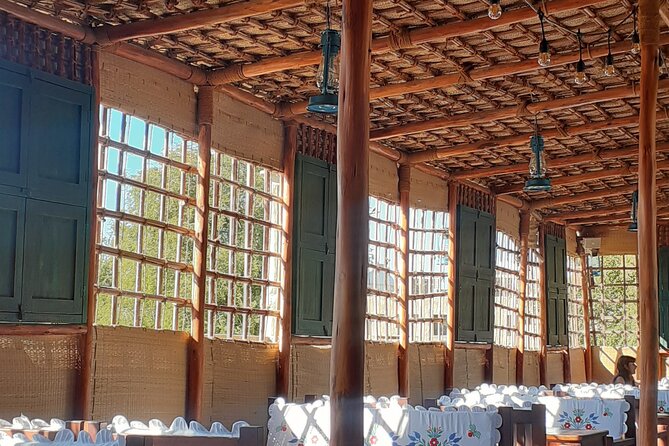
Review · DUBAI, UNITED ARAB EMIRATES
Old Dubai tour: Local Market, Tasting, Dubai creek with Abra ride
Dubai’s skyscrapers are only half the story. This 2 to 4-hour walking tour introduces you to Al Fahidi’s wind towers and narrow lanes, then carries you by traditional abra to Deira’s spice and gold souks. I like the compact route and the chance to see several historic districts without arranging separate tickets or transport. The camel milk chocolate tasting is a small but enjoyable extra. The main drawback is that museum access and the exact running order may vary, so you should not book this solely for guaranteed indoor exhibits.
The tour is especially appealing at $22.33 per person, provided your guide brings the history to life. Guides named Hichem, Mahmoud, Abdullah, and Azzem have been praised for clear explanations, humor, patience, and cultural insight. Still, some outings have felt rushed, included shopping pressure, or suffered from unclear meeting-time communication. Go for orientation and atmosphere, not an unhurried shopping expedition.
Key things to know before booking
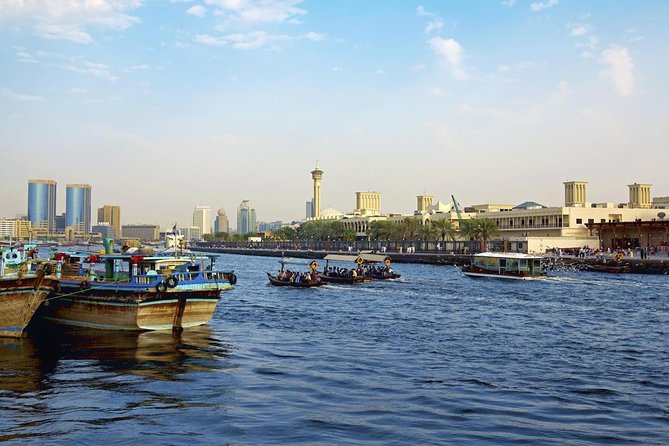
- Al Fahidi gives you Dubai before the towers: See traditional homes, wind towers, courtyards, museums, and art spaces in one compact quarter.
- The abra crossing is the tour’s best transport: This short wooden-boat ride across Dubai Creek connects Bur Dubai with Deira in the same way generations of residents have crossed.
- The route ends at the Gold Souk: You finish near a taxi stand and metro station, so you can continue exploring without paying for a return transfer.
- Small groups make questions easier: The maximum group size is 10 people, useful when you want to ask about religion, trade, family life, or local customs.
- Museum access needs checking: The Dubai Museum is included in the planned route, while the Coins Museum is described as opening soon. Conditions may change.
- Allow for heat and walking: The route includes several outdoor sections, and some people found the weather uncomfortable, especially when waiting or moving quickly between stops.
Why Old Dubai is worth your time
Modern Dubai can make the emirate seem like a city built entirely in the last few decades. This tour corrects that impression in a few hours, linking old homes, places of worship, markets, and the creek that supported trade long before the oil era.
I like the scale of the experience. You are not sent across the whole city in a coach. Instead, you walk through a small part of Bur Dubai, cross the water, and continue on foot through Deira. That keeps the focus on street life and local landmarks.
The price also makes sense for a first visit. At $22.33, you receive a guide, bottled water, the abra fare, market visits, and a tasting. You are paying mainly for the explanation and route planning. If your guide is engaged, the fee is good value. If the commentary is basic or the museums are closed, the same route can be explored independently for less.
The tour usually takes about 2.5 to 3 hours, though the advertised range is 2 to 4 hours. Expect walking, standing, short stops, and little time for a leisurely meal. Wear light clothing suitable for the weather and bring water, even though a bottle is provided.
More Farmers Market Tours in Dubai:
- Hanoi Cooking Class: Culture, Local Market & Meaning CSR Impact
★ 5.0 · 5,147 reviews - Cooking Class and Lunch at a Tuscan Farmhouse with Local Market Tour from Florence
★ 5.0 · 4,831 reviews - Chef Guided Food Tour of Pike Place Market
★ 5.0 · 3,733 reviews
Al Seef starts the story beside Dubai Creek
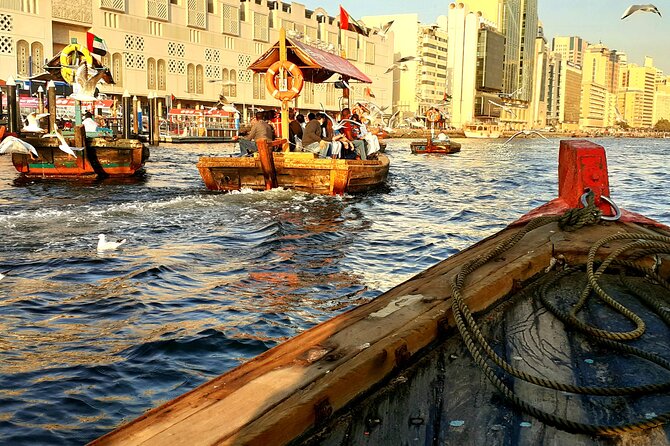
The meeting point is the Al Fahidi Marine Transport Station, beside Dubai Creek in Bur Dubai. The tour begins near Al Seef, a waterfront district that mixes heritage-style buildings with newer shops and restaurants.
Al Seef is not an untouched historic quarter. It is a polished leisure area, but it provides a useful introduction to the creek. From here, your guide can explain how the waterway supported fishing, pearl work, shipping, and trade between Bur Dubai and Deira.
The scheduled stop is about 15 minutes. That is enough for orientation and a few photographs, but not enough for serious shopping or a full meal. Think of it as the opening scene rather than a major attraction.
Al Fahidi’s lanes show an older Dubai
The tour’s strongest section is Al Fahidi Historical Neighbourhood, also called Al Bastakiya. You walk through narrow passages lined with traditional buildings, courtyards, galleries, and cultural spaces.
The wind towers are the detail to watch for. Before modern air-conditioning, these structures helped draw air into the rooms below. The buildings offer a useful reminder that Dubai’s older homes were designed around shade, airflow, privacy, and family life.
You receive about 35 minutes here, with some indoor stops included. That timing gives you a quick introduction, but it does not allow you to inspect every gallery or courtyard. Guides Hichem and Mahmoud have received especially warm praise for making this part more engaging with humor, stories, and explanations about UAE customs.
I would pay close attention to the guide’s commentary here. The buildings alone can look like attractive backdrops. The explanation about how people lived, worked, and hosted visitors is what turns them into a meaningful stop.
The Coins Museum adds a useful trade connection
The Coins Museum is a small stop, scheduled for roughly 10 minutes. It contains more than 470 rare coins from important periods in Middle Eastern history and helps connect Dubai with wider trade networks involving Britain, India, and other countries before independence.
This is not a large museum visit. You will not spend an hour studying displays. Instead, the stop gives you a quick look at money, commerce, and the outside links that shaped the region.
The practical issue is availability. The tour information says admission is included and also notes that the museum will open soon. That wording suggests the stop may not always be accessible. Ask about current opening conditions before booking if this museum matters to you.
More Food and Drink Trips in Dubai:
- Dubai: Old Town, Creek, Museums, Souks, & Street Food Tour
★ 4.8 · 10,816 reviews - Dubai: Old Town, Souks, Street Food, Guided Tour & Abra Ride
★ 4.9 · 7,170 reviews - Dubai: Old Town, Souks, Street Food, Guided Tour & Abra Ride
★ 5.0 · 1,664 reviews - Dubai: Old Town, Street Food, Creek, Souks, & Emirati House
★ 4.9 · 1,496 reviews
The Grand Bur Dubai Mosque gives the walk a cultural pause
The Bur Dubai Grand Mosque is another short stop, scheduled for about 15 minutes. Its features include a 70-meter minaret, geometric decoration, Quranic inscriptions, and stained-glass windows.
The mosque began in 1900 as a school for Quranic studies and was rebuilt in 1960 and again in 1998. That history gives your guide a chance to explain the place of religion and education in the community.
Treat this as an architectural and cultural stop rather than assuming a full interior tour. The supplied details do not promise a complete mosque visit, and the walking program moves at a steady pace. Dress respectfully and listen carefully to the guide’s instructions.
Dubai Museum puts daily life before the oil era
Dubai Museum is located inside Al Fahidi Fort. The museum opened in 1971 and presents Dubai before the discovery of oil through life-size scenes of homes, mosques, souks, date farms, and pearl-diving equipment.
The displays also include artifacts dating as far back as 3000 BC, along with swords, jewelry, boats, spices, and other objects. For a first-time visitor, this is useful context. It shows that the city’s story is not only about skyscrapers and luxury hotels.
Access is the important question. One poor experience described the museum as closed, while other accounts describe indoor visits to old homes and heritage buildings. Do not assume the museum will definitely be open on your date. If it is closed, the guide may still explain the fort and nearby heritage area, but that is not the same as seeing the exhibits.
The Old Souk is for atmosphere, not a shopping spree
The Old Souk in Bur Dubai is scheduled for about 25 minutes. You may find silk, wool, cashmere, perfumes, spices, dried fruit, scarves, abayas, thawabs, and tailored clothing.
This section can be fun if you enjoy browsing and bargaining. It can also feel intense. Shopkeepers may approach you, and the short stop leaves limited time to compare prices or negotiate carefully.
I would not plan a major purchase here unless you are comfortable making a quick decision. The tour is designed to introduce the market, not give you an afternoon to shop. Ask your guide where you can browse without pressure, and keep your belongings close in crowded passages.
Some feedback also raised concerns about shopping stops connected with spice-market tastings. The tour provider says the route includes the markets, but you should not feel obliged to buy anything. A polite no is enough.
The abra ride is the route’s simple highlight
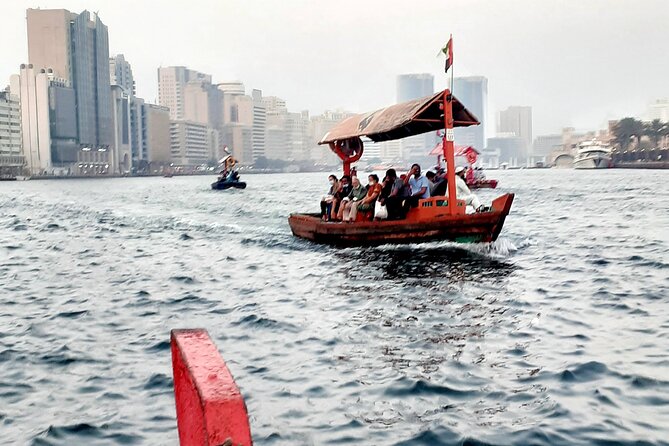
At Bur Dubai Abra Station, you board a traditional wooden boat for the crossing to Deira. The scheduled ride itself is only about five minutes, but it often becomes the most memorable part of the outing.
The creek is the reason these two districts developed as trade centers. From the water, you can see the relationship between the older waterfront, working transport, and the modern city beyond it.
This is not a private cruise or a long sightseeing trip. It is a short local crossing, which is exactly why I like it. You are using an everyday form of transport rather than sitting in a special tourist vehicle. Keep your camera ready, but do not expect a long commentary session during the crossing.
Spice Souk brings the strongest sensory stop
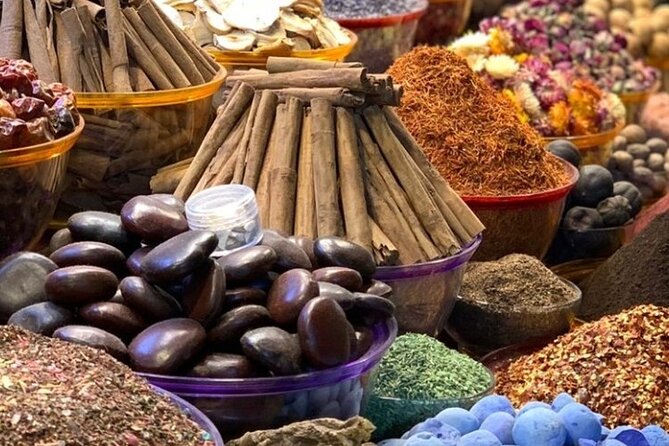
Once you reach Deira, the Spice Souk provides a change of mood. The market carries spices, herbs, dried fruit, nuts, perfumes, and traditional fragrance products. Its trading roots reach back to the late 19th century.
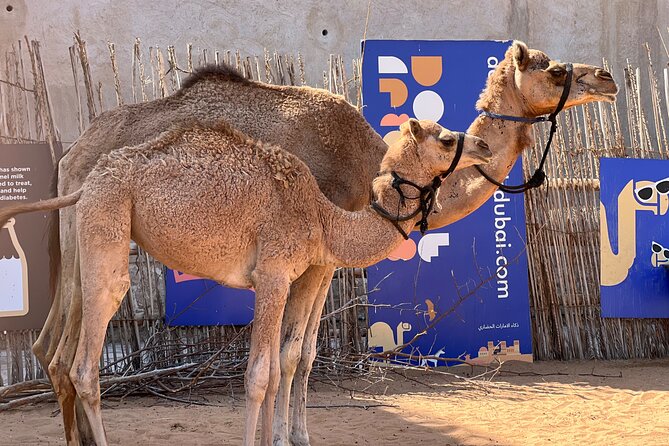
The scheduled visit lasts about 25 minutes. You can smell the spices, inspect colorful displays, and ask questions about unfamiliar ingredients. Camel milk chocolate tasting is included, and snacks may be included if you select the appropriate option when booking.
The tasting is modest, not a full meal. Some people liked the chance to try something different, while others found the food less appealing in the heat. I would eat beforehand if you need lunch, since the tour does not promise a substantial snack stop or seating.
Be alert to sales tactics. The market is a real place of commerce, but some sellers may encourage you toward higher-priced products or a particular store. Enjoy the aromas and ask about prices, weights, and packaging before buying.
Gold Souk finishes the walk in Deira
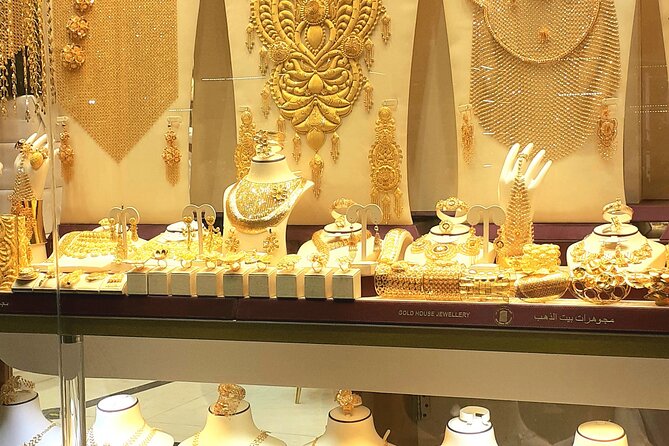
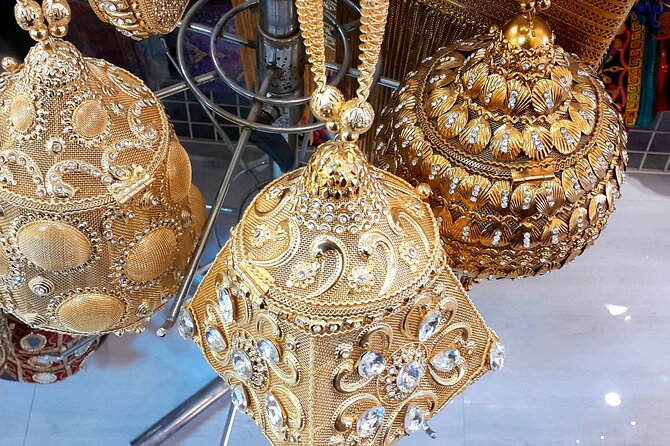
The final stop is the Gold Souk, one of Dubai’s best-known traditional markets. More than 350 retailers sell gold, diamonds, pearls, platinum, silver, and precious stones.
You do not need to buy anything to enjoy the display. The quantity of gold on view is the attraction, with necklaces, bracelets, rings, and other pieces arranged behind shop windows.
The allotted time is about 20 minutes, so serious shoppers may want to return later. The tour ends here, near a taxi stop and a metro station. That is practical because you can continue through Deira, return to your hotel, or explore another part of Dubai without paying for a drop-off.
If you do buy jewelry, compare several shops and ask about workmanship, weight, purity, and making charges. The tour provides an introduction, not a personal shopping service.
Guides make the biggest difference
The strongest part of this experience is the person leading it. Hichem has been praised for humor, patience, clear English, and the ability to explain the route in both English and French. Mahmoud Ahmed has been described as attentive and engaging, with a talent for making UAE history easy to follow.
Abdullah has been praised for answering questions about culture and daily life, while Azzem has been credited with offering useful insight into Arabic customs and UAE history. These details matter because the architecture and markets can be appreciated without a guide, but the context is what you are paying for.
The experience is capped at 10 people. That is small enough for questions, though the quality can still vary from one guide to another. Confirm the meeting time carefully, especially if the start time changes after booking. Arriving early is sensible because the meeting point is near the creek and outdoor waiting can be unpleasant in hot weather.
Who should book this Old Dubai tour?
I would recommend it to first-time visitors who want a quick introduction to Dubai beyond malls, towers, and resort beaches. Families can cover a lot in a few hours, and teenagers may appreciate the boat ride and market atmosphere more than a long museum visit.
It also suits visitors with a short stopover. The route ends near public transport, and the combination of heritage streets, museums, the creek, and souks gives you a useful first look at the city.
I would be more cautious if you want a slow shopping day, guaranteed museum entry, or a substantial food tour. The schedule is tight, the tasting is small, and some stops may be affected by opening conditions. People who dislike sales pressure may prefer to explore the markets alone.
Should you book it?
Book this tour if you value a guide-led introduction to Old Dubai, especially the Al Fahidi neighborhood, the abra crossing, and the connection between Bur Dubai and Deira. At $22.33, it is a reasonable way to combine several sights in one compact outing.
Skip it if you mainly want extended shopping time or guaranteed museum access. Before paying, confirm the meeting time, ask whether the Dubai Museum and Coins Museum are open, and choose the snack option if it is important to you. With those expectations in place, this is a useful, affordable first step into the older side of Dubai.
FAQ
How much does the Old Dubai tour cost?
The listed price is $22.33 per person.
How long does the tour take?
The tour lasts approximately 2 to 4 hours. Several experiences have taken about 2.5 to 3 hours.
Where does the tour start?
It starts at the Al Fahidi Marine Transport Station, Information and Ticket Office, beside D84 in the Dubai Creek area of Bur Dubai.
Where does the tour end?
The tour ends at the Dubai Gold Souk in Deira, near a taxi stop and a metro station.
Is the abra ride included?
Yes. The traditional abra boat ride across Dubai Creek is included.
Is bottled water provided?
Yes. Bottled water is included.
Is food included?
Camel milk chocolate tasting is included. Snacks are included only if you select the option that includes them.
Is the group large?
The maximum group size is 10 people.
Can I cancel for a full refund?
You can cancel at least 24 hours before the experience start time for a full refund. Cancellations or changes made less than 24 hours beforehand are not accepted for a refund.
Just added around Dubai
- Walking Tour in Dubai. Souks, museums, Local Food Testing★ 5.0 · 11 reviews
- Old Dubai Heritage Tour: Souks, Mosques & more hidden gems!★ 4.3 · 72 reviews
- Old Dubai Guided Tour With Photographer: Souks & Street Food★ 4.9 · 74 reviews
- Dubai Tour: Haritage Walking Guide, Gold & Spice Souq, Creek★ 4.5 · 11 reviews
- Dubai:Private Frame Entry, Mosque, Souks, Tastings& transfer★ 4.8 · 9 reviews
- Dubai Old Town, Creek, Abra boat, Souks Guided walking Tour★ 4.7 · 3 reviews
- Dubai: Discover Dubai Old Town, Souks, Museum & Street Food★ 4.9 · 25 reviews
- Dubai: Guided City Walking Tour to Spice and Gold Souk★ 5.0 · 3 reviews
Local & Farmers Market Tours, compared.
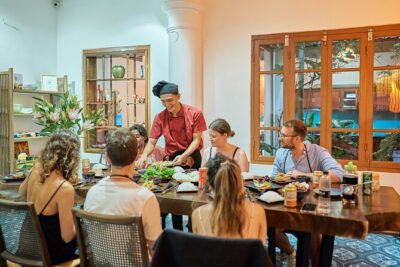
Hanoi Cooking Class: Culture, Local Market & Meaning CSR Impact
Read our review →
Cooking Class and Lunch at a Tuscan Farmhouse with Local Market Tour from Florence
Read our review →
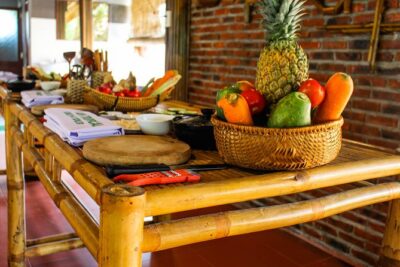
Cooking Class Hoi An:Local Market, Basket Boat, Fishing & Cooking
Read our review →
London Bridge & Borough Market Food Tour with 7 Authentic Dishes
Read our review →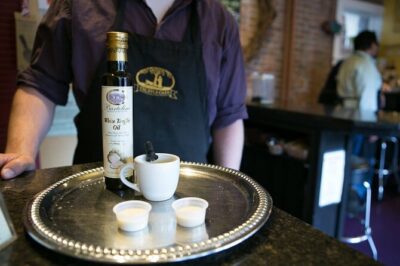
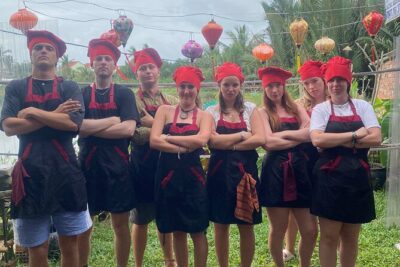
Hoi An Cooking Class(Local market,Basket Boat,Fishing & Cooking)
Read our review →
Browse the lists this tour appears in