
Review · ALBANIA
Old Bazaar-Cfake-Dunavat-Ali Pasha Bridge Walking Tour
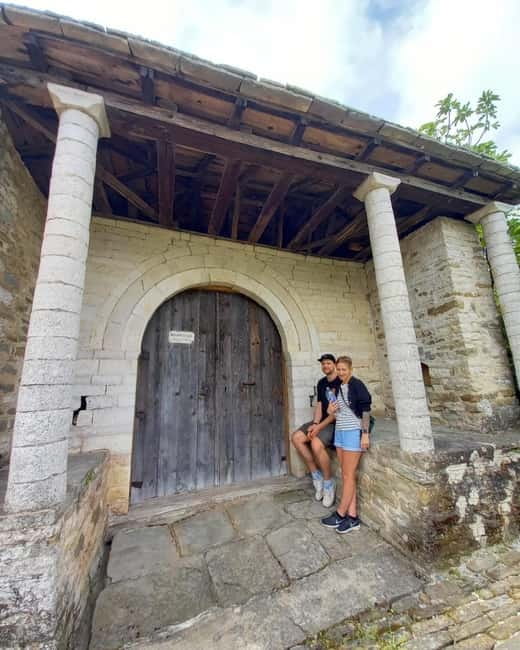
Step beyond Gjirokastër’s postcard center. This $17 walking tour takes you from Cerciz Topulli Square through the Old Bazaar, Cfake, and Dunavat to the dramatic remains of Ali Pasha’s 200-year-old aqueduct. I like the way it shows you the town’s everyday side, especially the old houses, Bektashi tekke, sheep-dotted hills, and quiet lanes that many visitors skip. I also like the personal touch of guides such as Besi, who has been praised for sharing family stories as well as local history.
The trade-off is the walking itself. Uneven cobblestones and rough terrain make this a poor choice for anyone expecting an easy town stroll. The route takes about three hours, and one published comment noted that the pace occasionally felt too quick, so wear proper shoes and be ready for a steady walk.
Key points to know before you go
- Ali Pasha Bridge is the payoff: The bridge is a surviving section of an aqueduct built more than 200 years ago to carry water to Gjirokastër Castle.
- The route leaves the tourist core: You begin at Cerciz Topulli Square, then move through the former Old Bazaar and into Cfake and Dunavat.
- Cfake and Dunavat feel more local: These older neighborhoods offer historic houses, a rebuilt mosque, a Bektashi tekke, and open views rather than rows of souvenir shops.
- The terrain is genuinely uneven: Comfortable sneakers are essential. This is a walking tour, not a gentle promenade.
- English guiding is included: The tour is led in English, with guides praised for warmth, courtesy, and clear information.
- The price is modest: At $17 per person for about three hours, the tour gives you a useful introduction to parts of Gjirokastër that are easy to miss on your own.
Starting behind the statue at Cerciz Topulli Square
The meeting point is the Experience Gjirokastra office at the main square, behind the statue of Cerciz Topulli. That is a practical starting place because it puts you right in the middle of Gjirokastër’s old town, close to the castle and the streets most people see first.
You do not begin with a long transfer or a complicated pickup. You meet your English-speaking guide and set off on foot. The walk is designed to move away from the familiar center, so the change in atmosphere begins quite quickly.
I like this kind of start because it gives you a clear sense of contrast. Gjirokastër is famous for its castle, stone roofs, and steep old streets, but this route asks you to look beyond the main sights. You still get the historic setting, but you also see how the town stretches into its older neighborhoods.
The stated timing includes about 30 minutes of walking to the viewpoint area, with the whole experience taking around three hours. You should treat that as a proper half-day activity rather than a quick add-on between museum visits.
More Market Walking Tours in Albania:
- Gjirokaster: Old Bazaar and Castle Private Walking Tour
★ 5.0 · 6 reviews - Bangkok: City Highlights Temple and Market Walking Tour
★ 4.5 · 3,990 reviews - Tokyo Tsukiji Fish Market Food and Culture Walking Tour
★ 5.0 · 3,184 reviews
The Old Bazaar, where the name outlived the shops
The first neighborhood is known as the Old Bazaar. Despite the name, it is not functioning as a bazaar today. That detail matters because you should not arrive expecting a busy market full of stalls and shopping.
Instead, this part of town is valued for its setting beneath the castle walls. It was the first neighborhood outside the castle walls, and its position gives you a useful sense of how Gjirokastër grew around its fortified center.
The cobblestone streets are one of the first visual clues that you are entering an older part of town. You also pass an Orthodox church and some of the town’s oldest houses. These are not presented as isolated monuments behind barriers. They are part of a living neighborhood, which makes the walk feel less like checking off attractions and more like reading the town street by street.
The paving is also your first warning about the route. Cobblestones can be tiring, particularly on a downhill or uphill walk, and the surface is not always comfortable. I would skip delicate shoes and choose sneakers with a firm sole.
Crossing the Nanxa stream toward Cfake
After the Old Bazaar, the route passes the Nanxa stream and continues toward Cfake. This transition is important because the tour gradually leaves the part of Gjirokastër most visitors cover.
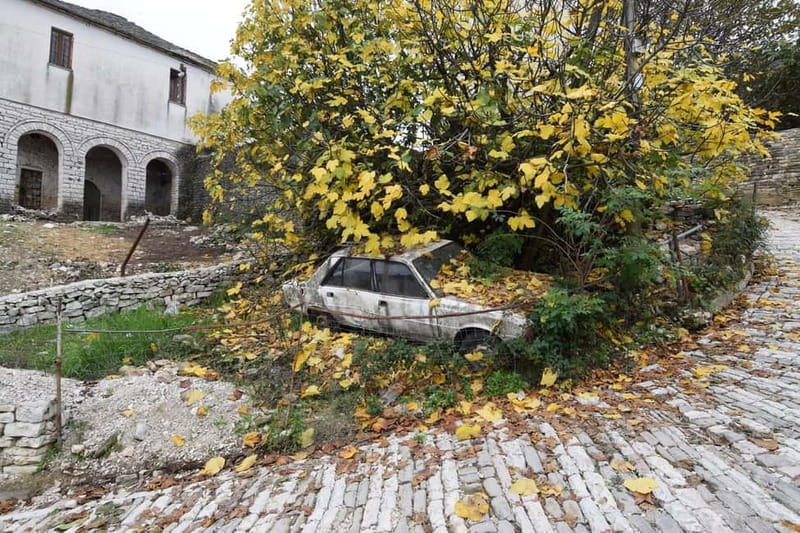
Cfake is described as an ancient neighborhood, and the focus here is on old houses classified as first-category monuments. That designation tells you these are buildings of particular historic importance, not simply old homes that happen to look attractive.
The value of this stop is in the combination of architecture and setting. You get to see how the town’s older buildings continue beyond the castle area, where the streets are less associated with the standard sightseeing circuit. The guide’s explanation helps connect the houses to the wider story of Gjirokastër rather than leaving you to admire the stonework without context.
You also pass a rebuilt mosque. The supplied details do not promise an interior visit, so think of this as an exterior stop and part of the neighborhood’s cultural record. The presence of an Orthodox church earlier in the route and a mosque here gives the walk a broader view of the town’s religious architecture.
This is one reason I find the route more useful than a simple viewpoint walk. It does not only chase scenery. It takes you through places where architecture, faith, and daily life sit close together.
Dunavat and the Bektashi tekke
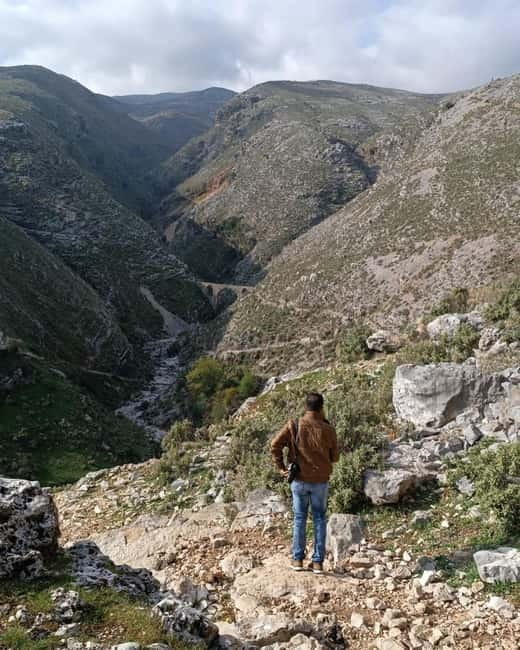
From Cfake, the walk continues into Dunavat, another old neighborhood with a different feel. Here the route combines houses, hills, and open countryside. The description specifically points to sheep on top of the hills, a small detail that helps explain why this section feels more rural than the central streets.
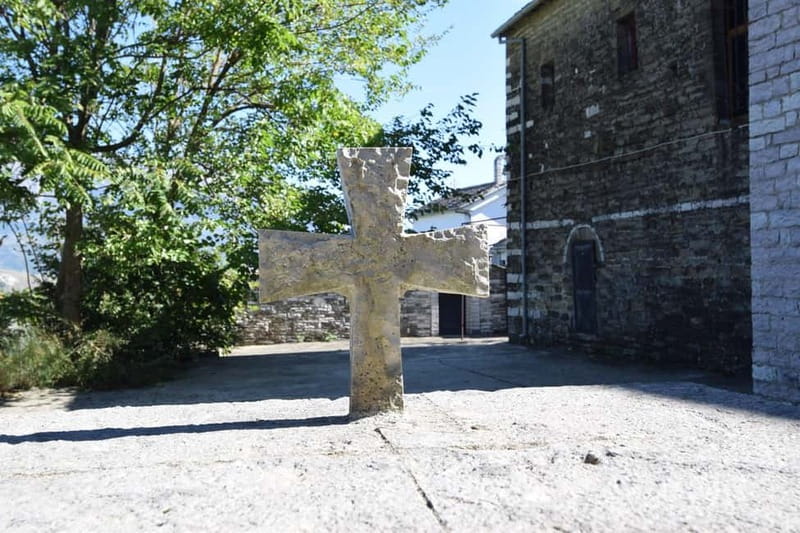
The main cultural stop in Dunavat is a tekke belonging to the Bektashi Order. A tekke is a place associated with the Bektashi religious tradition, and this one adds another layer to the route’s picture of Gjirokastër.
You should not expect a polished museum complex. The appeal is the setting and the chance to encounter a religious site within an older residential area. The tour gives you a reason to notice Dunavat instead of treating it as a route to the bridge.
I especially like the balance here. The walk is not all stone architecture and historical explanation. There is also open space, livestock, and a sense of the hills around the town. That shift keeps the three hours from feeling like one long procession of old buildings.
At the same time, this section may be the most demanding underfoot. The route is explicitly described as uncomfortable in places, and the combination of cobblestones, slopes, and rough ground can be hard on knees or ankles. If you need a level surface, this is not the right outing.
A few more market tours around Albania worth a look
- From Tirana: Kruja Castle, Old Bazaar & Sari Salltik View
★ 4.8 · 2,171 reviews - From Durres/Golem: Kruja Castle & Old Bazaar Day Tour
★ 4.9 · 1,317 reviews - Durres/Golem: Kruja Castle & Bazaar with Traditional Lunch
★ 5.0 · 632 reviews - Kruja castle, the old Bazaar & Sarisalltik- Departure from Tirana
★ 5.0 · 592 reviews
Ali Pasha Bridge and the remains of the aqueduct
The final destination is Ali Pasha Bridge, the strongest reason to choose this walk. The bridge is a remaining section of an aqueduct built by Ali Pasha Tepelena more than 200 years ago to bring water to the castle.
That function makes the structure more interesting than a scenic bridge alone. You are looking at part of the system that once supplied water to the fortified town above. The bridge’s location, reached after walking through older neighborhoods and into a quieter setting, gives the arrival a sense of purpose.
The tour description calls the bridge the highlight, and that feels justified. It is the point where the route’s themes come together: the castle, the old neighborhoods below it, the hills, and the practical infrastructure that supported life in the town.
You should keep your expectations realistic. This is described as a surviving part of the aqueduct, not a fully intact working structure or a large monument complex. Its appeal lies in the remains, the setting, and the explanation provided by the guide.
The route returns to the Experience Gjirokastra office after the outing. The information provided does not specify a separate vehicle transfer, so plan on this as a walking experience from start to finish unless the operator tells you otherwise.
What the guiding adds to the walk
The guides receive some of the clearest praise connected with this experience. Besi is singled out as a personable young guide who made people feel welcome, shared historical information, and added family stories and memories. He also paid attention to the group and offered help when needed.
That last point matters on this route. A guide who notices when someone needs assistance is useful when the path becomes awkward. Courtesy is not a substitute for good footwear, but it can make a demanding walk feel more manageable.
The tour is offered in English. The available rating is 4.6 out of 5 from five published ratings, with particular approval for the guides, the information about the town, and the views. One comment described the walk as pleasant and focused on the real Gjirokastër, which is a fair description of the route’s purpose.
There is one small caution. One person found the pace occasionally too fast. That does not mean the tour is rushed for everyone, but you should say something early if you need a slower pace or more time at a stop.
Is $17 good value for three hours?
At $17 per person, this is reasonably priced for a three-hour guided walk. The value is not in a long list of major ticketed sights. The value comes from having someone lead you through neighborhoods that are easy to overlook and explain what you are seeing along the way.
You are paying for route choice, local context, and the convenience of linking the Old Bazaar, Cfake, Dunavat, and Ali Pasha Bridge in one outing. On your own, you might reach some of these places, but you could also miss the significance of the monument-category houses, the Bektashi tekke, or the aqueduct remains.
The price is especially fair if you enjoy history and walking. It is less compelling if you only want a quick view of the castle or a relaxed introduction to the center, since those can be explored without committing three hours to uneven terrain.
Free cancellation up to 24 hours before the activity and the option to reserve now and pay later make the booking less rigid. Starting times depend on availability, so check the schedule before building the rest of your day around it.
Who should book this Gjirokastër walk?
I would recommend this experience to you if you have already seen, or plan to see, the main castle area and want a fuller picture of the town. It suits people who enjoy old neighborhoods, religious architecture, local stories, and views reached on foot.
It is also a good match if you prefer a small-scale cultural activity over a busier attraction. The route’s appeal comes from its quieter streets and less polished corners.
You should think twice if you dislike hills, rough cobblestones, or a steady three-hour walk. The operator directly advises sneakers, and that advice should be taken seriously. This is not a route for dress shoes or flimsy sandals.
Families with older children may find the walk interesting, but the supplied information does not give a minimum age or a detailed accessibility assessment. If mobility is a concern, contact Experience Gjirokastra before booking rather than assuming the route will be suitable.
Practical tips for enjoying the route
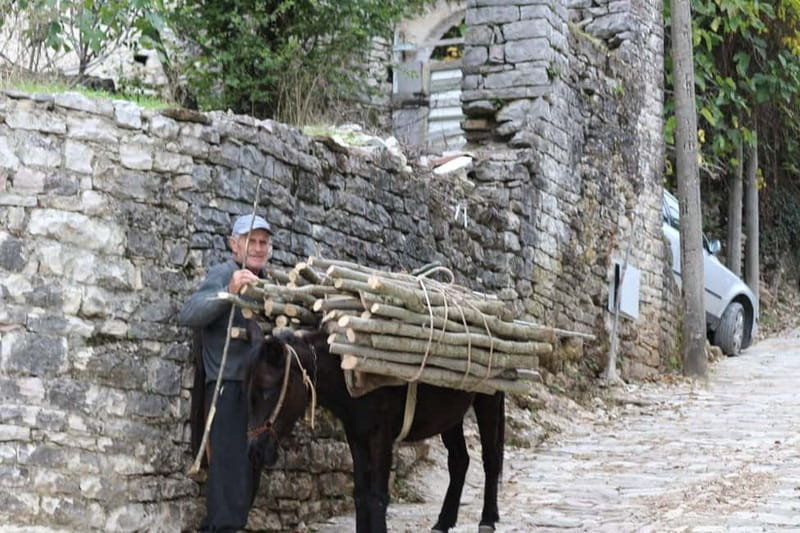
Wear sneakers with good grip and support. The route includes cobblestones and terrain described as uncomfortable, so comfort matters more than appearance.
Allow the full three hours. The itinerary includes several neighborhoods and a viewpoint walk, and the point is to notice the places between the start and the bridge.
Bring water, especially in warm weather. The supplied details do not list refreshments, so you should not count on them being provided.
Stay open to a slower, more observant style of sightseeing. The best parts may be the old houses, the church, the mosque, the tekke, and the changing views rather than one grand attraction.
If the guide is moving faster than you prefer, speak up politely. The walk is more useful when you have time to look, listen, and manage the uneven ground safely.
Should you book the Old Bazaar, Cfake, Dunavat, and Ali Pasha Bridge tour?
Book it if you want to see the less visited side of Gjirokastër and you are comfortable walking on rough ground. For $17, you get three hours of English guiding, a route through several historic neighborhoods, and a memorable finish at the remains of Ali Pasha’s aqueduct.
Skip it if your priority is an easy central stroll or a short castle-focused visit. The rough terrain is the main limitation, not a minor footnote.
For the right person, this is a thoughtful way to understand Gjirokastër beyond its famous stone roofs. Guides such as Besi add warmth and personal memory to the route, while Cfake, Dunavat, and Ali Pasha Bridge give you a side of the town that a standard center walk may leave out.
FAQ
Where does the walking tour begin?
It begins at the Experience Gjirokastra office in the main square, behind the statue of Cerciz Topulli.
How long does the tour last?
The tour lasts approximately three hours.
What language is the tour offered in?
The live tour guide speaks English.
What places does the tour visit?
The route goes through the Old Bazaar, Cfake, and Dunavat before reaching Ali Pasha Bridge. It also passes an Orthodox church, historic houses, a rebuilt mosque, and a Bektashi tekke.
What is special about Ali Pasha Bridge?
Ali Pasha Bridge is a surviving part of an aqueduct built more than 200 years ago to bring water to Gjirokastër Castle.
How much does the tour cost?
The listed price is $17 per person.
Is the route easy to walk?
The route includes uneven and uncomfortable terrain. Comfortable sneakers are recommended.
Can I cancel the booking?
You can cancel up to 24 hours in advance for a full refund.
Can I reserve the tour and pay later?
Yes. You can reserve your place and pay later, which keeps your plans flexible.
Just added around Albania
- Kruja by Night: Castle & Bazaar Tour from Tirana★ 5.0 · 5 reviews
- Gjirokaster: Old Bazaar and Castle Private Walking Tour★ 5.0 · 6 reviews
- Gjirokaster Walk Tour: Old Bazaar, Cfake, Dunavat, AliPasha!★ 4.2 · 9 reviews
- From Tirana/Durres: Kruja, Old Bazaar, Sari Salltik Day Tour★ 3.9 · 5 reviews
- From Tirana/Shkoder: Kruja Castle, Old Bazaar, Sari Salltik★ 4.9 · 6 reviews
- From Tirana/Durres/Golem: Kruja Castle & Old Bazaar Tour.★ 4.7 · 15 reviews
- From Durrës: Kruja Half-Day Tour, Old Bazaar & Holy Mountain★ 5.0 · 2 reviews
- From Durres & Golem: Kruja Castle, Old Bazaar★ 4.8 · 34 reviews
Walking Tours, compared.
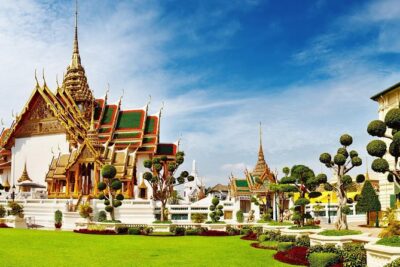
City Highlights Temple and Market Walking Tour
Read our review →
Tokyo Tsukiji Fish Market Food and Culture Walking Tour
Read our review →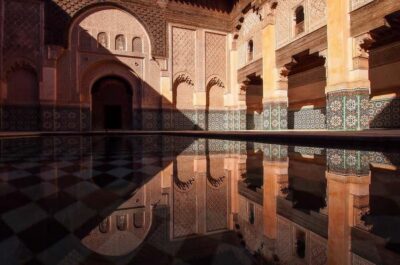
Ben Youssef, Secret Garden, & Souks Walking Tour
Read our review →
Air Raid Shelter + St. Nicholas Market Walking Tour
Read our review →

Nishiki Market Brunch Walking Tour (7 Tastings + Brunch)
Read our review →Tsukiji Fish Market Food and Culture Walking Tour
Read our review →Browse the lists this tour appears in