
Review · HUNGARY
German tour: Central Market Hall of Budapest with tastings
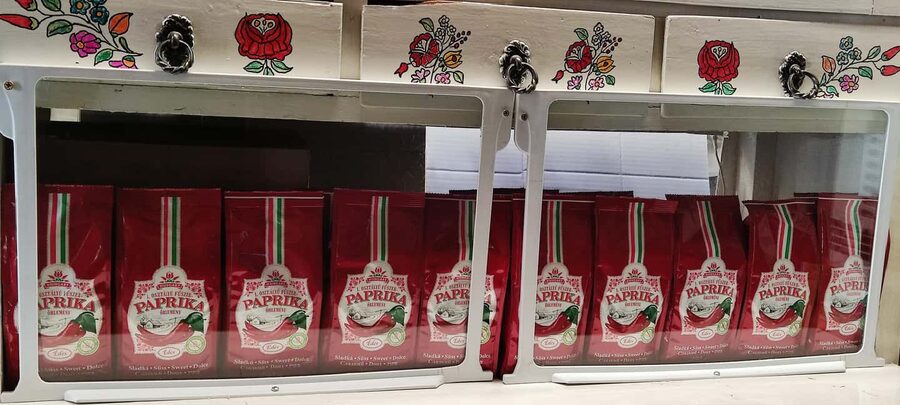
Paprika tells the story. This 90-minute walk through Budapest’s Central Market Hall gives you a tasty introduction to Hungarian food, from salami and pickles to honey, chocolate, and the famous Unicum. I like the clear cultural context and the chance to ask a local guide what Hungarians actually buy and use at home. I also like the useful digital restaurant, recipe, and wine guides you receive afterward. The main drawback is simple: the tour is in German, and the tastings are cold, so you should not expect goulash or other hot dishes.
Guides such as Gábor Glasner have earned praise for making the visit lively, friendly, and easy to follow. Other guides, including Lucia and Agnes, have also been warmly received for their detailed explanations and welcoming manner. At $35 per person, I see this as a good-value orientation to Hungarian cuisine, especially if you are unsure what to order during the rest of your Budapest stay.
Key points at a glance
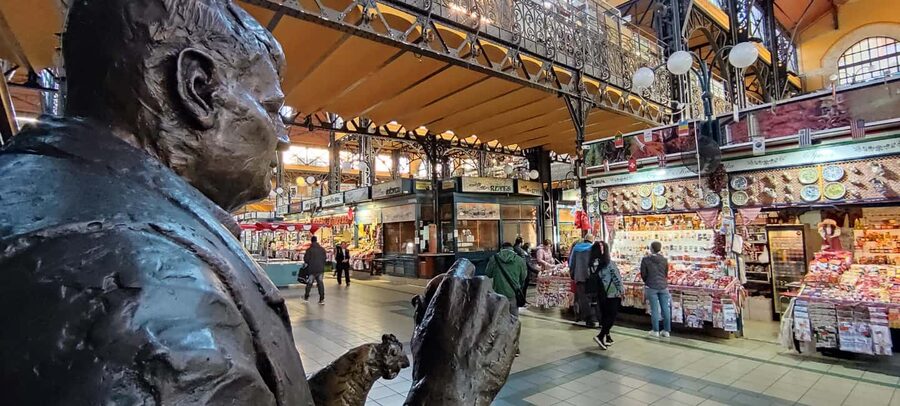
- Central Market Hall setting: Explore Budapest’s best-known food market while learning how local ingredients fit into Hungarian cooking.
- A broad tasting plate: Try salami, sausage, cheese, paprika, pickles, honey, chocolate, strudel, and other market specialties.
- Drinks with local character: The tasting finishes with Unicum and homemade syrup. Wine has appeared during some tours, but it is not officially included.
- Useful food advice: Your guide explains Hungarian dishes, ingredients, food customs, and places to eat and drink around the city.
- German-language format: The tour suits German speakers who want a personal introduction rather than a large, impersonal market walk.
- Cold food only: You will not receive goulash or other warm dishes, so plan another meal afterward.
Entering Budapest’s Central Market Hall
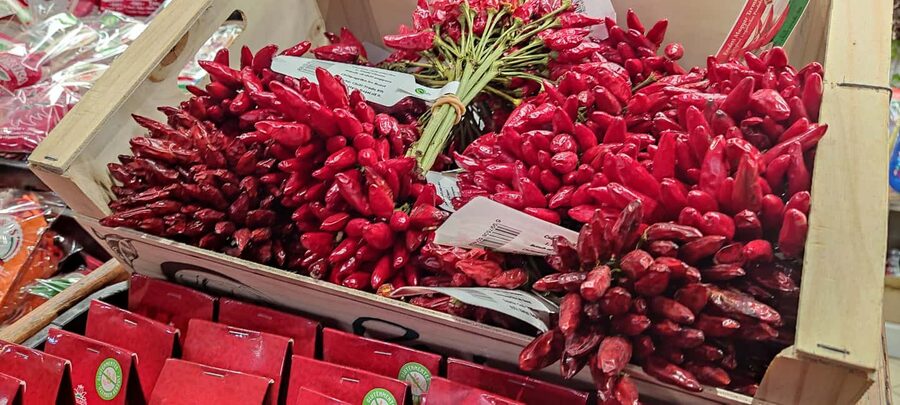
The meeting point is at Csarnok tér 1, at the entrance on the back side of the Central Market Hall, near the entrance to the garage of Hotel Meininger. Look for a guide with a red sticker marked GastroGuides Budapest.
That meeting detail matters. The market has more than one entrance, and arriving at the wrong side can waste precious minutes while you circle the building. I would arrive a little early and keep the guide’s name and meeting instructions handy.
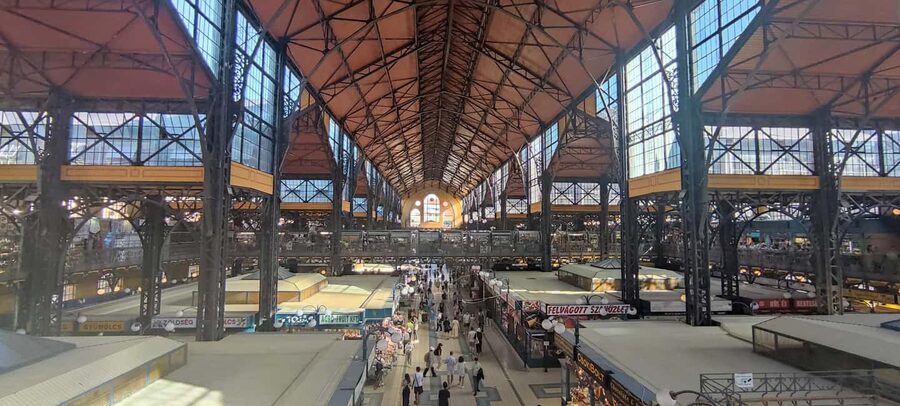
The Central Market Hall is a fitting place for this experience. Instead of meeting in a restaurant or a hotel room, you begin among the foods people associate with Hungarian kitchens. The visit is not just a sequence of samples. Your guide uses the market as a setting for explaining what the ingredients are, how they are used, and why they matter.
The pace is designed for a small or medium-sized group. That gives you a better chance to hear the guide, ask questions, and look closely at the products. It also keeps the experience more personal than a large group following a flag through the aisles.
More Farmers Market Tours in Budapest:
- Hungarian Cooking and optional Local Market Tour
★ 4.5 · 98 reviews - Budapest: Kickstart the City – Local Market Tasting Tour
★ 5.0 · 10 reviews - Budapest: Cooking School – Hungarian Menu & Local Market
★ 5.0 · 7 reviews
What the tasting table teaches you
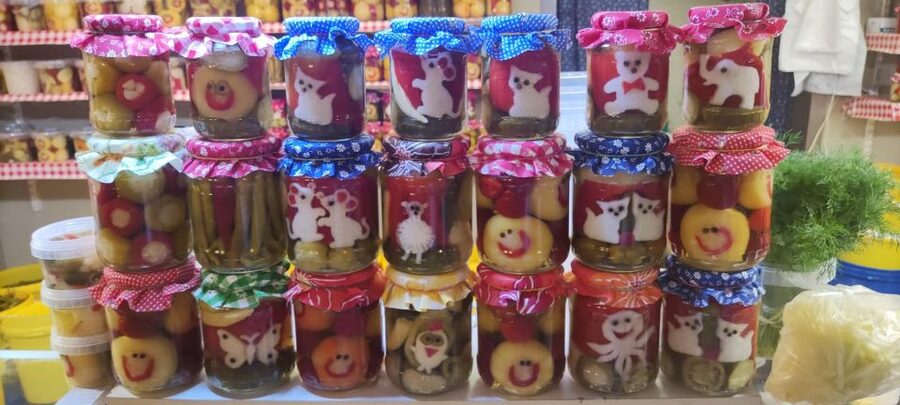
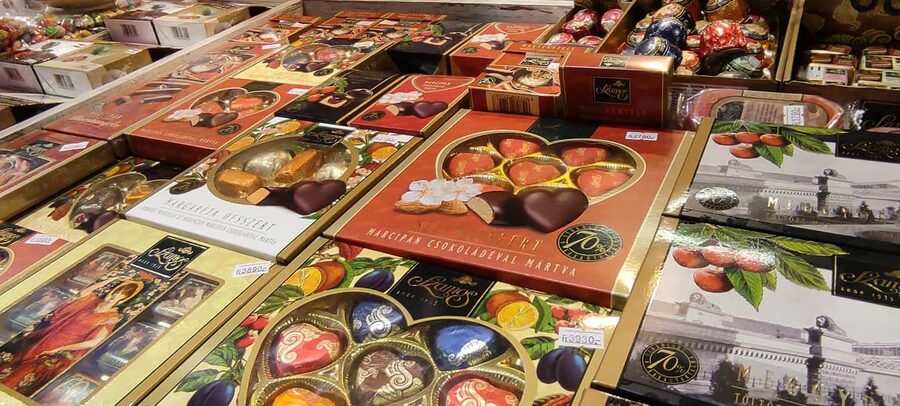
The tasting focuses on cold foods, but the selection is broad. You can expect Hungarian salami, sausage, cheese, paprika, pickles, honey, chocolate, bread, and other local specialties. Strudel has also been part of the food selection described by participants.
This variety is useful because Hungarian cuisine is not only goulash. Paprika gets much of the attention, but the market tour helps you see the wider pantry behind Hungarian cooking. Cured meats, dairy products, pickled foods, sweets, and seasonings all have a place in the country’s food traditions.
The guide explains how locals use these products rather than simply naming them. That distinction makes the tasting more valuable. You are not just trying a slice of salami and moving on. You are learning what to look for when you shop, what flavors belong together, and which foods may turn up on Hungarian menus.
You should also expect some background on Hungarian culinary history. The format is conversational, with room for stories, practical tips, and questions. Gábor has been praised for adding lively side comments that help connect food with culture and history. That sort of explanation can make unfamiliar dishes easier to understand later.
The portions are tasting portions, not meal portions. One person specifically found them a little small, so I would not book this as your only lunch or dinner plan. Think of it as a well-filled introduction to local flavors, followed by a proper meal elsewhere.
Paprika, pickles, and the practical side of Hungarian food
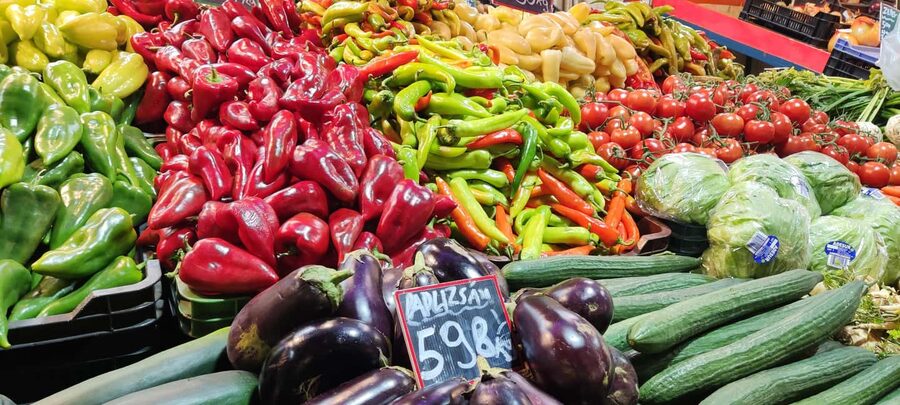
Paprika is one of the easiest Hungarian ingredients to recognize, but it is also easy to treat as a souvenir rather than a working part of the cuisine. The tour gives you a chance to learn how it fits into everyday cooking and how different Hungarian products work together.
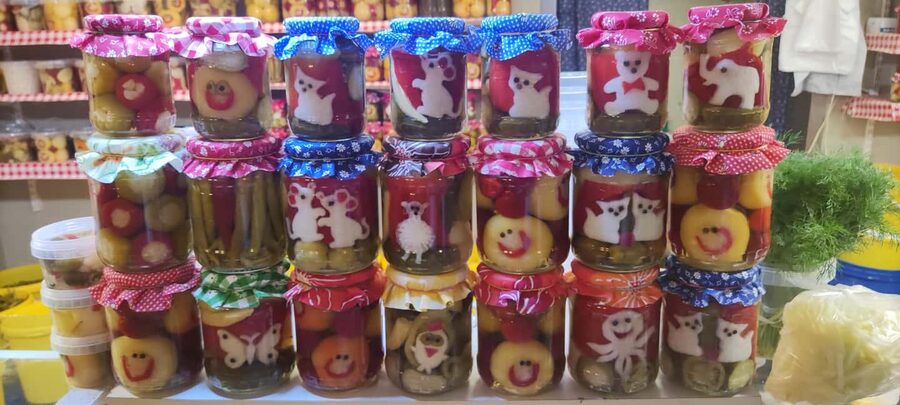
Pickles bring another useful contrast. Their sharp flavor helps explain why they are served alongside heavier foods such as sausage and salami. Cheese, honey, bread, and cured meats give the tasting a range of textures and flavors, so you can compare sweet, salty, smoky, sour, and creamy notes in one sitting.
The food explanations are especially helpful if you plan to eat at traditional Hungarian restaurants afterward. You will have more confidence reading a menu and choosing dishes. The experience does not promise to cover every regional specialty, but it gives you a strong starting point for understanding the country’s most familiar foods.
That practical value is one of the best reasons to take the tour early in your Budapest visit. You can use the advice during the rest of your stay, rather than hearing it on your last afternoon when there is no time left to test it.
Unicum and homemade syrup finish the visit
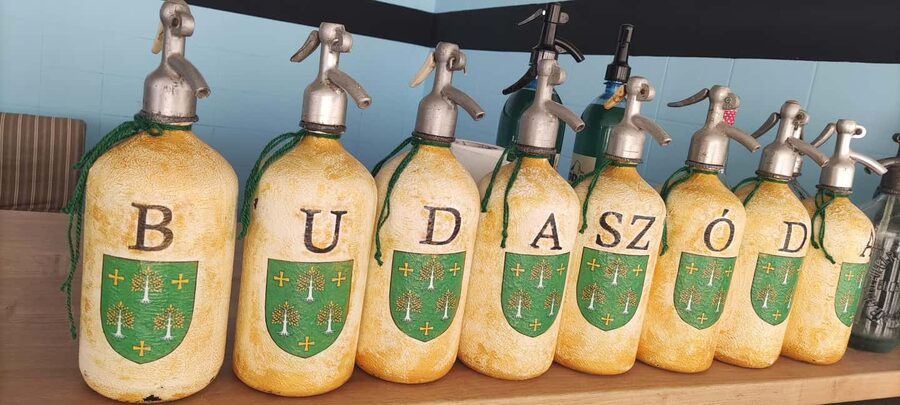
The tasting ends with two distinctly Hungarian drinks: Unicum and a homemade syrup. Unicum is a well-known Hungarian herbal spirit with a strong, bitter profile. It is not a gentle dessert drink, but trying it in this setting gives you cultural context and a chance to ask questions before deciding if it suits you.
The homemade syrup offers a sweeter finish and a useful contrast to the spirit. Together, the two drinks make the ending feel more like a proper food lesson than a final piece of cheese.
Wine needs a small note of caution. Wine is listed as not included, yet some accounts of the experience describe wine tastings along with local foods and spirits. I would treat wine as a possible extra rather than a guaranteed part of the $35 package. If wine is important to you, confirm the current arrangement before booking.
A few more market tours around Budapest worth a look
- Budapest Cooking Class & Market Tour with Local Guide & Wines
★ 5.0 · 553 reviews - Budapest Food Tour: Market to Tavern with 14+ Tasters & Wines
★ 5.0 · 434 reviews - Budapest: Food Tour Market to Tavern: 14+ Tasters & Wines
★ 4.9 · 375 reviews - Budapest: Small-Group Cooking Class & Market Tour with Local
★ 5.0 · 138 reviews
Why the guide matters more than the market
A market can be interesting on its own, but the guide determines how much you take away from it. The strongest part of this experience is the human explanation layered over the food.
Gábor is described as lively and fun, with a knack for adding context without turning the tour into a lecture. Lucia has been praised for being warm and full of information about Hungarian foods. Agnes prepared a selection that included charcuterie, bread, honey, wine, and other local foods, while another guide was noted for explaining Hungarian products in clear detail.
Those comments point to a consistent strength: the tour is personal. You are not simply pointed toward a stall and told what something costs. You get a chance to ask why a product matters and how it might be eaten.
The guide can also help you move beyond the familiar tourist version of Budapest food. If all you know is goulash, this is a useful correction. Hungarian cooking has more range than the standard restaurant menu suggests, and the market makes that range visible.
Since the tour is in German, your language level matters. The guide may speak clearly, but the experience depends on understanding explanations, food terms, and cultural details. If you do not speak German, choose an English-language alternative instead of hoping you can follow along. One person who did not normally use German still found the tour manageable, but that is not a reliable promise for everyone.
The three digital guides add value after the tour
You receive three digital resources at the end:
- A Budapest restaurant guide covering restaurants, cafés, bars, and other places to eat and drink
- A Hungarian recipe book with local foods and cooking ideas
- A Hungarian wine guide
These extras are more useful than a generic souvenir because they extend the experience into the rest of your trip. The restaurant guide can help you decide where to eat next, while the recipe book gives you a way to remember unfamiliar ingredients and dishes after returning home.
The wine guide is particularly helpful if you want to explore Hungarian wine beyond a single tasting. Since wine is not officially included in the tour price, the guide may be more valuable as a planning tool than as a record of what you sampled.
Digital materials are also easier to keep than printed brochures. You can refer to them from your phone while choosing a restaurant or shopping for food.
Price, timing, and what your $35 buys
At $35 per person, the experience is not a cheap market stroll, but it offers more than a simple tasting. You get 1.5 hours with a live German-speaking guide, a guided market visit, several food samples, two closing drinks, and three digital guides.
The value depends on how you use it. If you only want a full meal, the price will feel less attractive because the food is served in tasting portions and warm dishes are excluded. If you want a practical introduction to Hungarian cuisine, the price is easier to justify.
The 90-minute length works well for a first or second day in Budapest. It is long enough to cover the market without taking over your afternoon. It also leaves time for a proper lunch, sightseeing, or a visit to the nearby parts of the city.
Because the food is cold, I would schedule the tour before a later meal rather than around a fixed lunch expectation. If you are hungry, the samples may make you hungrier.
The activity offers free cancellation up to 24 hours before the start and allows you to reserve now and pay later. Those terms give you some flexibility, though you should still check the current starting times when booking.
Who will enjoy this Central Market Hall tour
I think this experience suits you best if you:
- Speak German comfortably
- Want food context, not just quick samples
- Enjoy asking questions about ingredients and traditions
- Plan to eat at Hungarian restaurants during your stay
- Prefer small or medium-sized groups
- Like markets but want help understanding what you see
It is also a good choice for someone who wants a gentle introduction to Hungarian food before trying more adventurous dishes. The guide can explain unfamiliar flavors before you encounter them on a restaurant plate.
Vegetarians and vegans should read the food focus carefully. Meat plays an important role in the tour, with salami and sausage among the featured foods. Some other samples may suit different diets, but this is only partly suitable for vegetarians and not designed for vegans.
There is conflicting information about wheelchair access. The activity details describe it as wheelchair accessible, while the suitability information says it is not suitable for wheelchair users. I would contact the provider before booking to confirm the current route and market conditions.
A few limits to keep in mind
The biggest limitation is the lack of hot food. You will not sample goulash or similar warm dishes, so anyone expecting a full meal or a classic stew tasting may feel disappointed.
The second limitation is portion size. The selection is varied, but the food is meant for sampling. You can taste many items without becoming too full, which is good for a food walk, but it also means you need another meal.
The German-only format is another firm boundary. This is not a multilingual tour with casual translation. Your enjoyment will depend on following the guide’s explanations.
Finally, wine is not guaranteed by the official inclusions. Some experiences have included wine, but the stated package excludes it. Ask before you count on wine being part of the session.
Should you book it?
Book this tour if you speak German and want to understand Hungarian food before ordering your way through Budapest. The combination of market access, cold tastings, local stories, Unicum, homemade syrup, and practical restaurant advice gives you a useful foundation in a short time.
Skip it if you want a large hot meal, a dedicated wine tasting, or a tour that works well for vegans. You should also choose another option if German is not comfortable for you.
For the right audience, $35 is fair value. You leave with more than a few bites. You gain a better sense of Hungarian ingredients, a clearer idea of what to order, and three digital guides to help you keep eating well after the market doors close.
FAQ
Where does the tour meet?
Meet at Csarnok tér 1, at the entrance on the back of the Central Market Hall near the entrance to the Hotel Meininger garage. The guide has a red GastroGuides Budapest sticker.
How long does the experience last?
The guided Central Market Hall visit lasts 1.5 hours.
What language is the tour in?
The tour is conducted in German with a live German-speaking guide.
What foods are included?
The cold-food tasting can include Hungarian salami, sausage, cheese, paprika, pickles, honey, chocolate, bread, strudel, and other market specialties.
Are hot dishes such as goulash included?
No. Warm dishes are not included. The tasting focuses on cold foods.
Is wine included?
Wine is listed as not included. Wine has been part of some described experiences, so confirm the current arrangement if wine matters to you.
Is the tour suitable for vegetarians or vegans?
The tour is only partly suitable for vegetarians and vegans because meat plays an important role in the Hungarian foods presented.
Just added around Budapest
- Antiques and Curios – Private Flea Market Treasure Hunt★ 4.5 · 10 reviews
- Budapest’s Central Market Hall And Hosok Tere With A Local Host★ 5.0 · 2 reviews
- Private Budapest Christmas Market Tour with Chimney Cake & Mulled Wine★ 5.0 · 6 reviews
- Budapest Market Tour & Home Cooking Class with local Chef & Guide★ 5.0 · 23 reviews
- Exclusive Market Tour Budapest -Private Food Experience & Tasting★ 5.0 · 16 reviews
- Great Market Hall & Local Treats★ 4.5 · 11 reviews
- Easy Cooking Class Budapest – with Market Walk (local wine & pálinka included)★ 5.0 · 62 reviews
- Gourmet Market Walk at the Great Market Hall of Budapest★ 4.5 · 18 reviews
Local & Farmers Market Tours, compared.
Hanoi Cooking Class: Culture, Local Market & Meaning CSR Impact
Read our review →
Cooking Class and Lunch at a Tuscan Farmhouse with Local Market Tour from Florence
Read our review →
Cooking Class Hoi An:Local Market, Basket Boat, Fishing & Cooking
Read our review →
London Bridge & Borough Market Food Tour with 7 Authentic Dishes
Read our review →
Hoi An Cooking Class(Local market,Basket Boat,Fishing & Cooking)
Read our review →
Browse the lists this tour appears in