
Review · BAGMATI ZONE, NEPAL
From Bazaar to Hippie Hub: Ason & Freak Street in Kathmandu
Kathmandu reveals itself one market at a time. This three-hour walk links Thamel, Asan Bazaar, Indra Chowk, Potey Bazaar, and Freak Street, giving you a useful first look at the city’s trade, faith, craft, and counterculture. With no more than five people, the guide can explain details that are easy to miss in a larger group.
I like the route’s range. You get the noise and color of old market squares, then move into the quieter story of Jhochhen, better known as Freak Street. I also like the price: $15 per person is fair for three hours with an English-speaking guide and several central landmarks included.
The main consideration is the walking itself. This is a city-street tour, not a gentle park stroll. Expect narrow lanes, busy market traffic, changing weather, and several walking sections. If you want temples with long interior visits or a formal sightseeing tour by vehicle, this will feel too informal. If you want to understand how Kathmandu works at street level, it is a strong choice.
Key points to know before booking
- A five-person maximum keeps the tour personal: Small numbers make it easier to ask questions and follow the guide through crowded lanes.
- Asan Bazaar is the sensory center: Spices, textiles, kitchen goods, and daily shopping reveal how Kathmandu’s old trading quarter still functions.
- The Temple of Annapurna adds a spiritual focus: You learn about the goddess of grain and prosperity while seeing local devotional activity.
- Potey Bazaar shows Kathmandu’s mixed heritage: Newar Muslim artisans make glass bead garlands worn traditionally by married women.
- Freak Street offers a different kind of history: Its cafes and shops preserve the memory of the 1960s and 1970s Hippie Trail.
- The route works well on a first day: It helps you get your bearings while introducing both tourist Kathmandu and everyday local life.
Starting with coffee in Thamel
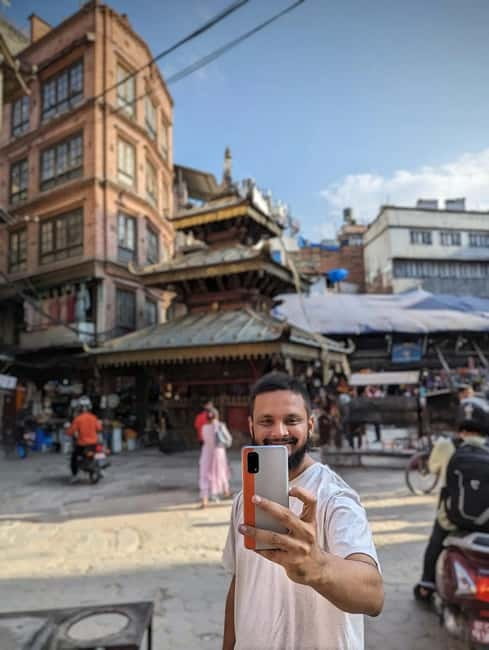
The meeting point is Pumpernickel Bakery, in central Thamel. The guide arrives 15 minutes before the scheduled meeting time with a sign reading Meeting Point, Amazing Kathmandu. That is a useful detail in a district where signs, shops, and lanes can begin to blur together.
Thamel is Kathmandu’s main tourist quarter, filled with shops, cafes, and narrow streets. It is a practical place to begin because you can arrive early for coffee or breakfast. Pumpernickel Bakery also serves cakes and all-day breakfasts, including gluten-free and vegan choices, though food and drinks are not part of the tour price.
I would use the meeting time to settle your day rather than arrive at the last second. Wear shoes that can handle three hours on hard streets, and carry water. The route does not include transportation, so you need to reach Thamel on your own and return there at the end.
The opening section introduces you to Kathmandu’s modern visitor center before the walk turns toward older commercial districts. That contrast matters. Thamel is designed for visitors, while Asan and Indra Chowk are working markets where local shopping remains central.
A few more market tours around the world worth a look
- Bangkok: Damnoen Saduak Market and Maeklong Railway Market
★ 4.5 · 26,723 reviews - The Old Siam: Damnoen Saduak and Maeklong Railway Market
★ 4.5 · 10,992 reviews - Dubai: Old Town, Creek, Museums, Souks, & Street Food Tour
★ 4.8 · 10,816 reviews
Walking from Thamel toward Asan Bazaar
The first walking section takes about 45 minutes. The distance is less important than the change in atmosphere. You leave behind the concentration of trekking shops, souvenir stores, and international cafes and move toward one of Kathmandu’s oldest market squares.
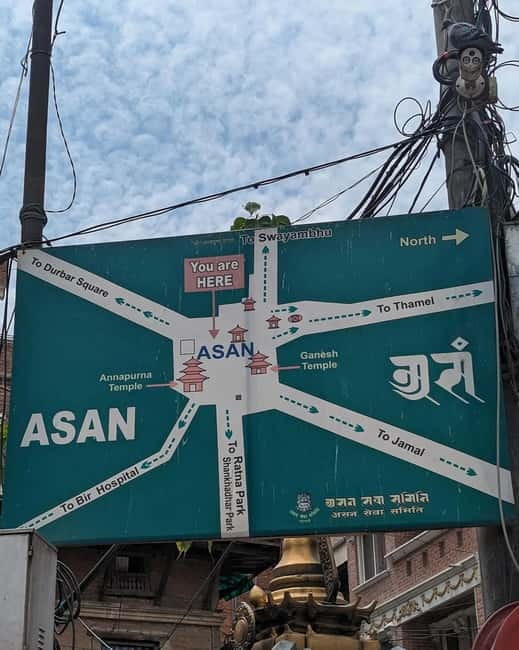
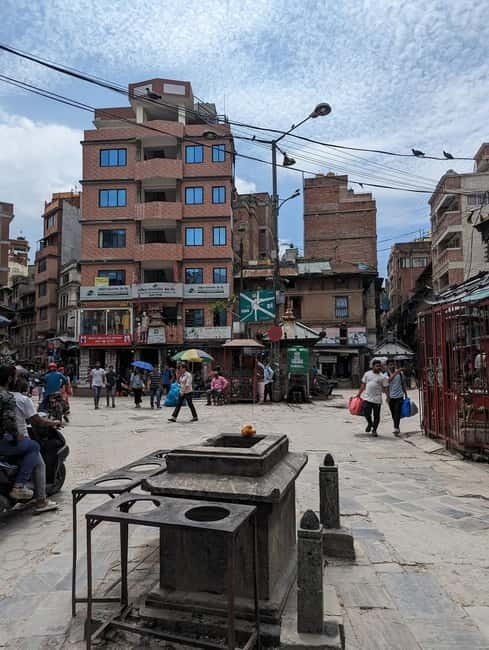
Asan Bazaar is not a polished attraction arranged for sightseeing. It is a place where people buy useful things. You may see vendors dealing in fragrant spices, colorful textiles, kitchenware, cosmetics, and ordinary household goods. The value of having a guide here is not simply finding the market. It is learning what you are looking at and why the area matters.
I like this part because it gives you a working view of Kathmandu. The city’s culture is not kept behind museum glass. It appears in shopping habits, street stalls, religious images, food ingredients, and the steady movement of people through the square.
The tradeoff is that Asan can be crowded and visually intense. You will need to stay close to the group, especially in the narrow lanes. Keep your belongings secure, and do not expect every photograph to be easy. A small group helps, but the market still has its own rhythm.
The Temple of Annapurna and daily devotion
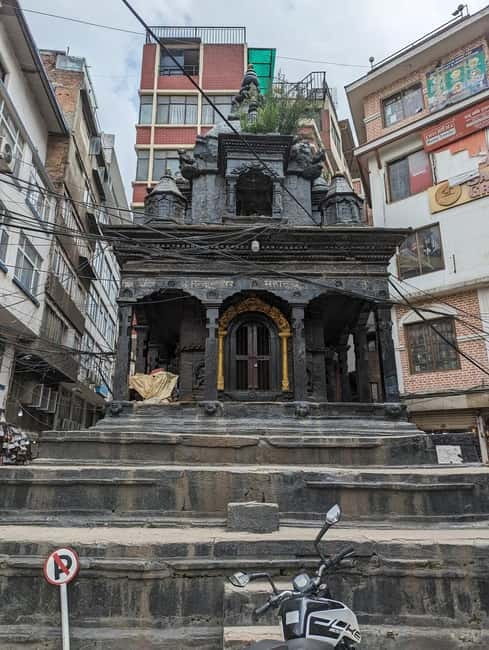
At Asan, the route includes the Temple of Annapurna. Annapurna is associated with grain and prosperity, so the temple connects spiritual life with the practical concern of feeding a household.
You can learn about the deity’s place in the local community and watch devotional rituals performed by worshippers. The key is to observe without treating the temple like a stage set. Photography is allowed, but you should remain aware of people praying and ask before photographing individuals at close range.
This stop gives the market a second layer. Asan is not only a place to buy goods. It is also a place shaped by belief, ritual, and neighborhood tradition. I find that combination more useful than a quick list of monuments because it explains how commerce and religion share the same streets.
You should also expect the guide to provide context rather than a long formal lecture. The tour’s strongest quality is its explanation of everyday places. That approach suits you if you prefer local meaning over a string of dates and architectural labels.
Indra Chowk and the craft of Potey Bazaar
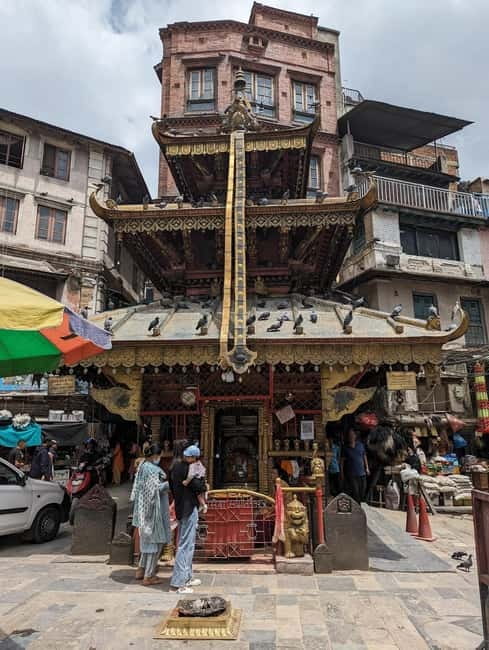
After Asan, the walk continues for about 30 minutes toward Indra Chowk. This is another busy market square, with lanes full of movement and small businesses. The route then reaches Potey Bazaar, one of the most distinctive stops on the walk.
Potey refers to glass bead garlands traditionally worn by married women in Nepal. At the bazaar, Newar Muslim artisans make and sell these colorful pieces, along with cosmetics and small household goods. The area offers a clear example of Kathmandu’s multicultural character. Craft, clothing, religion, and community identity all meet in a compact commercial quarter.
I especially like this stop because it gives you something specific to look for. Instead of hearing only that Kathmandu is diverse, you see that diversity in a traditional product and in the people who make it. The bead garlands are attractive, but their importance goes beyond decoration.
This is also a good place to think about shopping. The tour price does not cover personal purchases, so bring spending money if you want a small item. You should not assume that every stall takes cards or that every price is fixed, since no payment details are provided. Treat the bazaar first as a cultural stop, then decide if you want to buy.
Same place, a different set of stalls:
- Bangkok: Train Market & Floating Market with Boat Ride
★ 4.7 · 9,547 reviews - Dubai: Old Town, Souks, Street Food, Guided Tour & Abra Ride
★ 4.9 · 7,170 reviews - From Bangkok: Ayutthaya & Ayothaya Floating Market Day Trip
★ 4.7 · 6,084 reviews - Dubai: Frame Tickets, Creek, Souks & Blue Mosque Guided Tour
★ 4.8 · 5,980 reviews
New Road and the shift from old to modern
The next walking stretch takes about 15 minutes through New Road. This section shows Kathmandu’s modern commercial side and creates a bridge between the older market districts and Jhochhen.
New Road is described as a meeting point of old traditions and newer influences. That makes it less about one famous monument and more about the city changing around you. The sequence matters: you first see neighborhood markets, then pass through a modern commercial zone, and finally arrive at a street known for its international counterculture past.
I would not book this tour expecting every minute to feature a major sight. Some of the pleasure is in watching the city change block by block. The guide’s commentary is particularly useful here because the streets themselves may not explain the connection between the places you visit.
Freak Street and the old Hippie Trail
The final major stop is Jhochhen, widely known as Freak Street. In the 1960s and 1970s, it became a major stop on the Hippie Trail, attracting people looking for alternative lifestyles, spiritual ideas, and artistic inspiration.
The street was associated with famous counterculture figures including Jimi Hendrix, George Harrison, Cat Stevens, Joni Mitchell, and Allen Ginsberg. Members of the Rolling Stones were also rumored to have visited. The point is not to turn Freak Street into a celebrity checklist. Its importance comes from the way Kathmandu became part of a larger overland journey through South Asia.
Freak Street offered a different kind of draw from today’s Thamel. Visitors came for Kathmandu’s spiritual practices, mystical reputation, and welcoming atmosphere, then stayed in a district with cafes and a bohemian mood. The government crackdown on drug use in the mid-1970s helped bring that era to an end, but the story still shapes how the street is remembered.
Today, you can look for echoes of that past in the cafes, small shops, and local character. The area is not a preserved 1960s time capsule, so keep your expectations sensible. You are seeing a living street with a famous past, not a museum exhibit devoted to the Hippie Trail.
I like ending here because the tour finishes with a question rather than a neat historical conclusion: how does a place absorb outside influence and then carry on as part of ordinary city life? That makes Freak Street a fitting final chapter after the markets and temples.
A small group changes the experience
The maximum group size is five people. That is a real advantage in Kathmandu, where crowded lanes can split up a large party and make questions difficult.
A small group lets you stay closer to the guide and hear explanations without constant repetition. It also gives the guide more room to point out an unusual shop, answer questions about a ritual, or make an off-route stop when conditions allow. The strongest feedback about this experience focuses on clear explanations, special stops away from the obvious path, and a personal feel in Thamel.
There is one limit. A small group does not make the streets quiet or spacious. You will still walk through active markets, and the pace may need to adjust around shoppers, vendors, and worshippers. Think of the group size as a help with communication, not a promise of a calm walk.
The tour is conducted in English. If you want detailed cultural explanation in another language, this is not the right option based on the available information.
Is $15 good value?
At $15, the tour offers three hours of guided walking, several central districts, market interpretation, a temple visit, and the story of Freak Street. You pay for context and route planning more than for admission tickets, since the experience is built around public streets and cultural landmarks.
I consider that good value for a first day in Kathmandu. You get a practical orientation to Thamel and the old city, while the small group gives the guide a chance to explain what you are seeing. A private guide would normally cost more, while a large group might be cheaper but less flexible.
The price does not include food, drinks, transport to or from Pumpernickel Bakery, or personal expenses. Plan for your own breakfast or coffee, water, and any shopping. You may also want a little flexibility for weather, since the walk takes place outdoors.
Free cancellation is available up to 24 hours before the activity for a full refund. You can also reserve now and pay later, which helps if your Kathmandu schedule is still changing.
Who should book this Kathmandu walk?
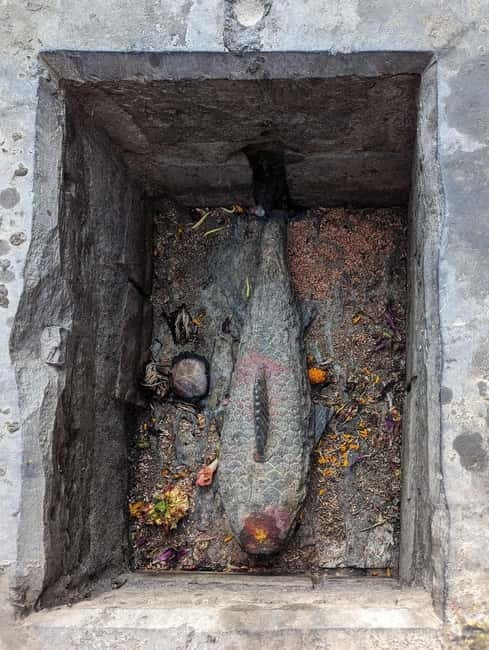
I would recommend it to you if you want an introduction to Kathmandu that mixes shopping streets, religious practice, local craft, and modern history. It suits first-time visitors especially well, since the route begins in familiar Thamel and gradually leads you into less visitor-focused areas.
It is also a good match for anyone curious about the cultural meaning of ordinary objects. The glass bead garlands at Potey Bazaar, the grain and prosperity symbolism of Annapurna, and the goods sold at Asan all offer more substance than simple sightseeing.
You may want another kind of tour if you dislike crowded streets, need frequent seated breaks, or prefer a slow visit inside major monuments. The route involves several walking sections of about 45, 30, 15, and 30 minutes, and the information provided does not promise accessibility features or vehicle support.
Pack comfortable shoes, water, and a light layer for changing weather. Dress and behave respectfully around temples and worshippers. Keep your camera ready, but let people’s privacy come before the perfect street photograph.
Should you book From Bazaar to Hippie Hub?
Yes, if you want a compact, affordable introduction to Kathmandu’s street life. The best reasons to book are the five-person limit, the unusual Potey Bazaar stop, and the way the route connects present-day markets with Freak Street’s counterculture past.
I would choose it for a first or second day, especially if you want a guide who explains the city rather than simply marching you between famous sights. Book it with realistic expectations: this is a walking tour through active neighborhoods, not a polished parade of monuments. For $15, that honest look at Kathmandu offers solid value.
FAQ
How long is the From Bazaar to Hippie Hub tour?
The tour lasts three hours.
How many people can join the tour?
The group is limited to a maximum of five participants.
What language is the tour conducted in?
The tour is conducted in English with a live guide.
Where does the tour start and finish?
The tour starts and finishes at Pumpernickel Bakery in Thamel.
What places does the tour visit?
The route includes Thamel, Asan Bazaar, the Temple of Annapurna, Indra Chowk, Potey Bazaar, New Road, and Jhochhen, also known as Freak Street.
Is food included in the price?
No. Food and drinks are not included. Transportation to and from the meeting point and personal expenses are also excluded.
What should I bring or wear?
Wear comfortable walking shoes, prepare for changing weather, and carry water and snacks if needed. Photography is allowed, but you should respect local customs and people’s privacy.
Just added around the world
- Half-day Dandan Noodles Cooking Class with a Local Market Visit★ 5.0 · 8 reviews
- Three-Hour Private Chengdu Tea Wholesale Market Tour★ 5.0 · 4 reviews
- 3-Hour Herbal Wholesale TCM Market and a Local Wet Market Tour★ 5.0 · 4 reviews
- Moroccan Cooking Class with a Local Family & Market Visit★ 5.0 · 16 reviews
- Charleston International Sweet Treats & Historic City Market Tour★ 5.0 · 22 reviews
- Chania Old Town, Public Market and Chrisopigi Monastery Tour★ 4.5 · 6 reviews
- Chania: Old Town, Public Market, Hill of Prophet Elias, Agia Triada★ 5.0 · 35 reviews
- Cesarine: Market Tour & Home Cooking Class in Catania★ 4.0 · 6 reviews
Market Tours, compared.
Damnoen Saduak Market and Maeklong Railway Market
Read our review →
The Old Siam: Damnoen Saduak and Maeklong Railway Market
Read our review →
Old Town, Creek, Museums, Souks, & Street Food Tour
Read our review →Train Market & Floating Market with Boat Ride
Read our review →
Old Town, Souks, Street Food, Guided Tour & Abra Ride
Read our review →
Ayutthaya & Ayothaya Floating Market Day Trip
Read our review →
Frame Tickets, Creek, Souks & Blue Mosque Guided Tour
Read our review →
Hanoi Cooking Class: Culture, Local Market & Meaning CSR Impact
Read our review →Browse the lists this tour appears in