
Review · ITALY
Eat Like a Roman – Traditional Food, Local Market & History
Rome tastes better one small bite at a time. This three-hour food walk pairs more than 20 food and wine tastings with stories about Roman life, local families, and archaeological secrets in the Vatican district. I like the strong focus on family-run businesses, and I like that the food comes in a clear local sequence, from coffee and pastry to cheese, fried street food, pasta, wine, and gelato.
The best parts are the visit to Italy’s biggest farmers market and the special access to Rome’s oldest pasta shop. The main consideration is the pace: three hours is a lot of eating and walking, so this suits you best if you want a full daytime meal in tasting form. Vegans should skip it, and comfortable shoes matter since the tour runs rain or shine.
Key reasons to consider this Roman food walk
- A full tasting menu on foot: You receive more than 20 food and wine samples, including coffee, cornetti, mozzarella, prosciutto, aged cheese, supplì, olive oil, pizza, pasta, wine, and gelato.
- Italy’s biggest farmers market: You explore a working local market and learn how Romans shop, eat, and choose familiar ingredients.
- A century-old pasta tradition: The tour includes exclusive access inside Rome’s oldest pasta shop, where pasta has been made for more than 100 years.
- A Pope-approved gelateria: The final sweet stop is a small gelato shop said to be the Pope’s favorite.
- Family stories at every turn: Several shops remain in the hands of the same families across generations.
- A rooftop finish: You end with a 360-degree view of Rome from a rooftop, a fine way to let the meal settle.
Coffee and homemade cornetti with a Roman nonna
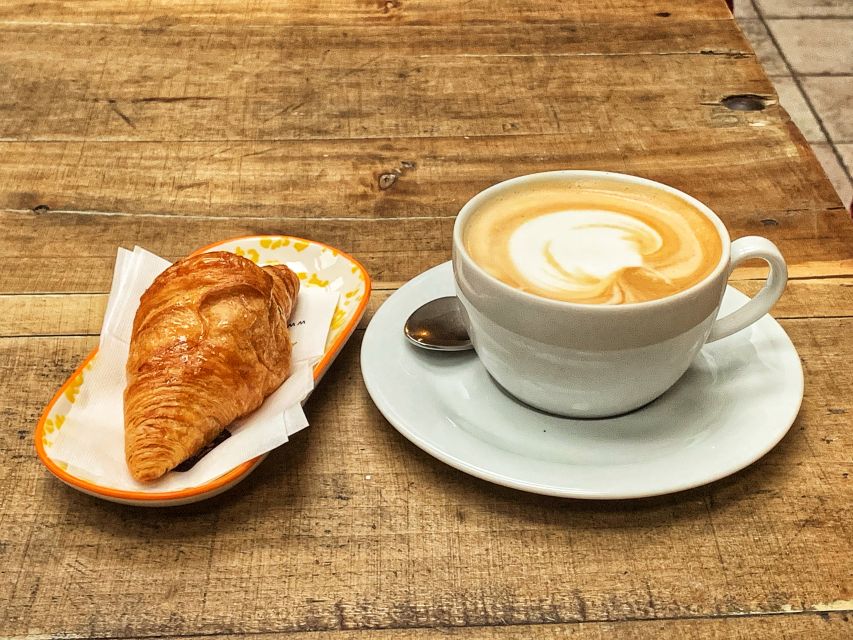
The tour begins in a local bar, where you learn how Romans handle coffee. This is not just a quick caffeine stop. The guide uses the ritual to explain local habits, and you get a chance to understand the difference between standing at the counter and treating coffee as a long café visit.
The homemade cornetti are made with care by a 70-year-old grandmother, or nonna. That detail gives the first tasting a human face. You are not starting with a generic pastry from a hotel buffet. You are starting with something tied to a family and a neighborhood routine.
I would pay attention here to how the guide explains local customs. Coffee culture can seem simple, but small choices matter in Italy. This opening also gives you a gentle start before the food becomes more substantial.
Greta receives particular praise for making the experience interesting, welcoming questions, and keeping the group comfortable. That matters on a food walk, since a good guide needs to explain both what you are eating and why it belongs in Roman life.
More Farmers Market Tours in Italy
- Farmers’ Market Shopping with Cooking Class and Pasta Making
★ 5.0 · 91 reviews - Rome: Street Food, Local Market and Hidden Gems Tour
★ 5.0 · 57 reviews - Tasty Trionfale Farmers Market Food Tour and Local Wines Tasting
★ 5.0 · 43 reviews
Shopping like a Roman at the local market
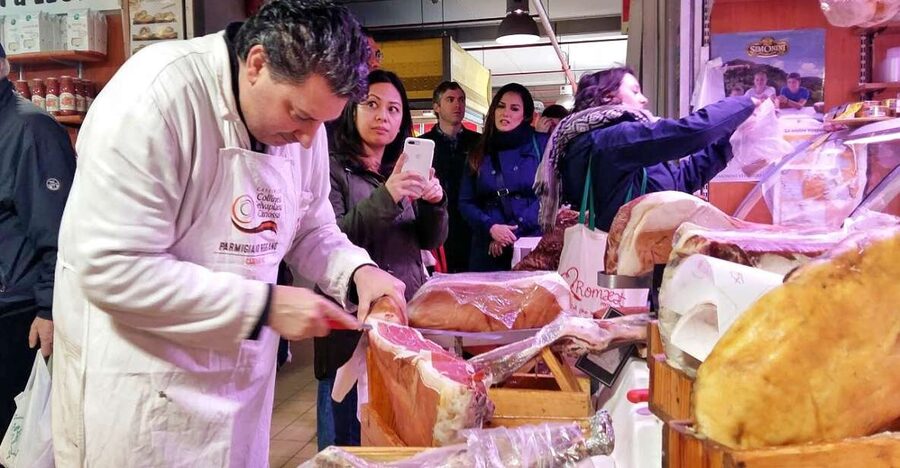
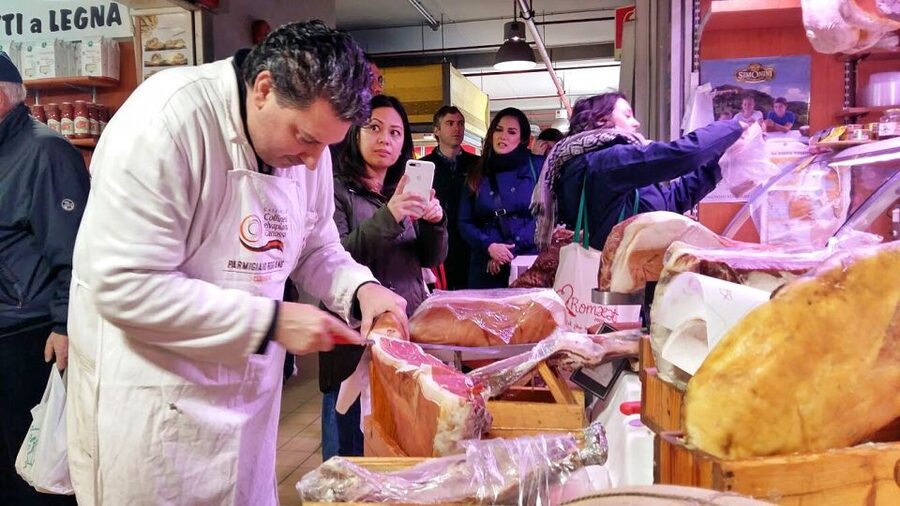
The farmers market is the centerpiece of the morning. It is described as the biggest farmers market in Italy, and the tour uses it as more than a backdrop for photographs. You visit the stalls, meet local vendors, and learn the family stories behind the food.
This part is valuable because markets show how a city feeds itself. You can see the connection between the raw ingredients and the prepared dishes that come later. The guide also explains the habits of local shoppers, helping you understand what Romans look for when buying cheese, cured meat, and fresh produce.
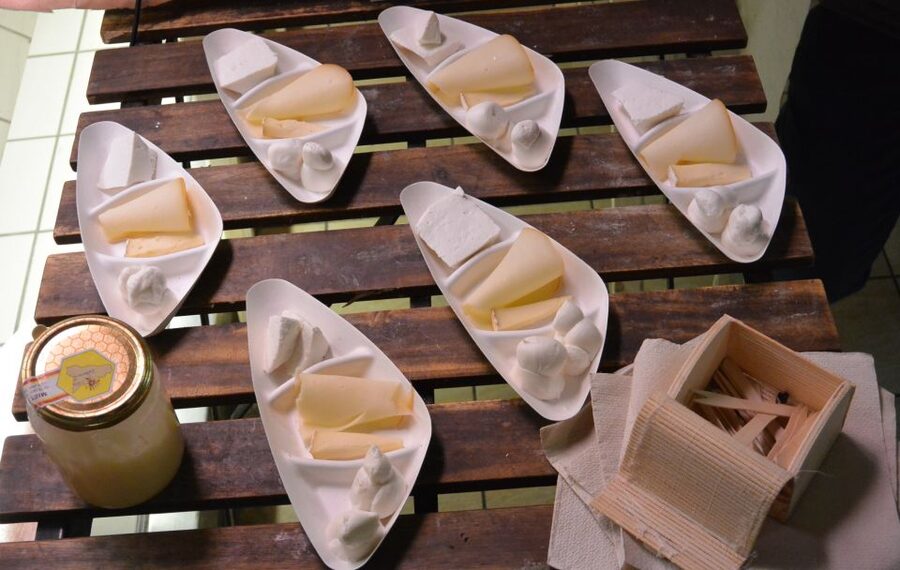
The tastings include mozzarella, prosciutto, and aged cheeses. These are familiar foods, but quality and handling make a real difference. The benefit of tasting them in a market setting is that you get context rather than a disconnected plate of samples.
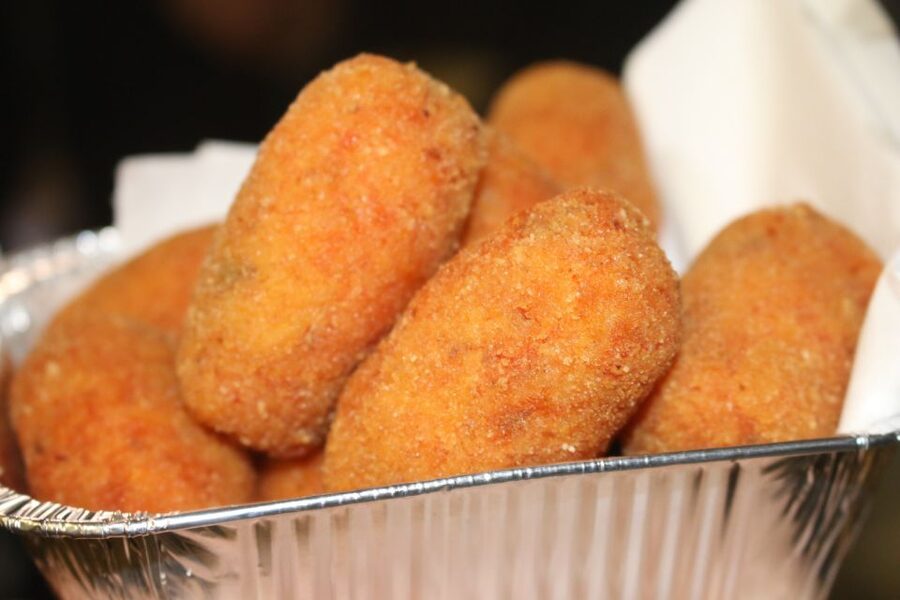
The tour also includes supplì, one of Rome’s best-known fried street foods. This rice croquette is fried fresh for the group, so you get it at its most appealing: hot, crisp, and soft inside. Supplì is sometimes treated as a minor snack, but here it receives the attention it deserves as a local staple.
You should arrive ready to eat, but not stuffed. The food comes steadily, and the three-hour format leaves little room for a long pause between tastings.
Olive oil and the oldest bakery in the area
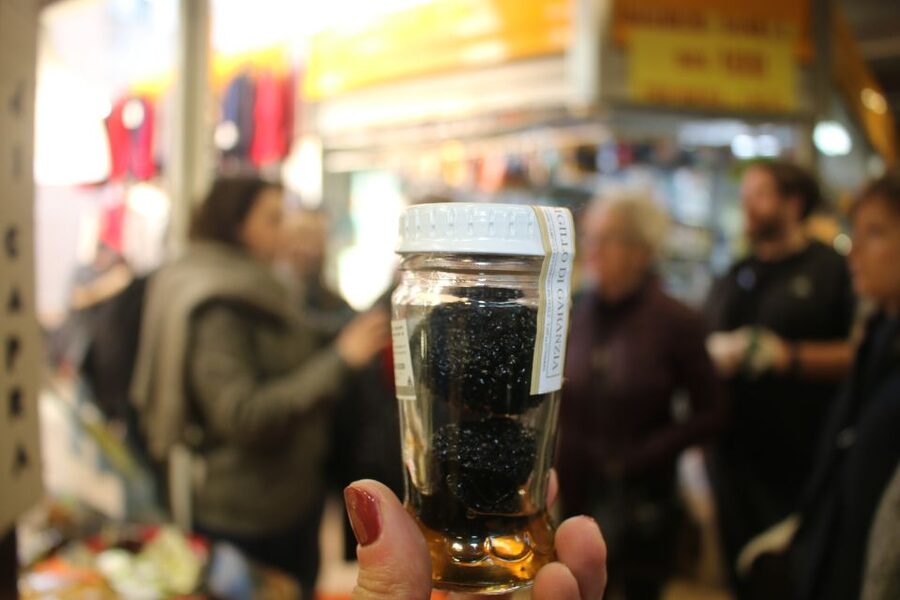
After the market, the group tastes organic olive oil that won the award for best in the world in 2018. The supplied information does not identify the producer or award organization, so you should treat this as a tasting moment rather than a full olive oil class.
Still, oil is a useful addition to the experience. It teaches you to pay attention to aroma, texture, bitterness, and the way a good oil changes bread or vegetables. The guide’s stories give this tasting a place in the wider food culture instead of presenting it as a luxury sample.
Next comes crunchy pizza from the oldest bakery in the area, opened in 1915. The bakery’s long history adds weight to a simple slice. Rome has several styles of pizza, and this stop focuses on the crisp, bakery-style version rather than a restaurant pizza eaten at a table.
That distinction is practical. You will see how everyday Roman food often works as a quick meal between errands. The bakery stop also shows how a long-running business can become part of a neighborhood’s identity.
The tour may suit you if you prefer tasting small portions from several places rather than sitting down for one large lunch. If you want a full plate and plenty of time at each stop, the pace may feel quick.
Inside Rome’s oldest pasta shop
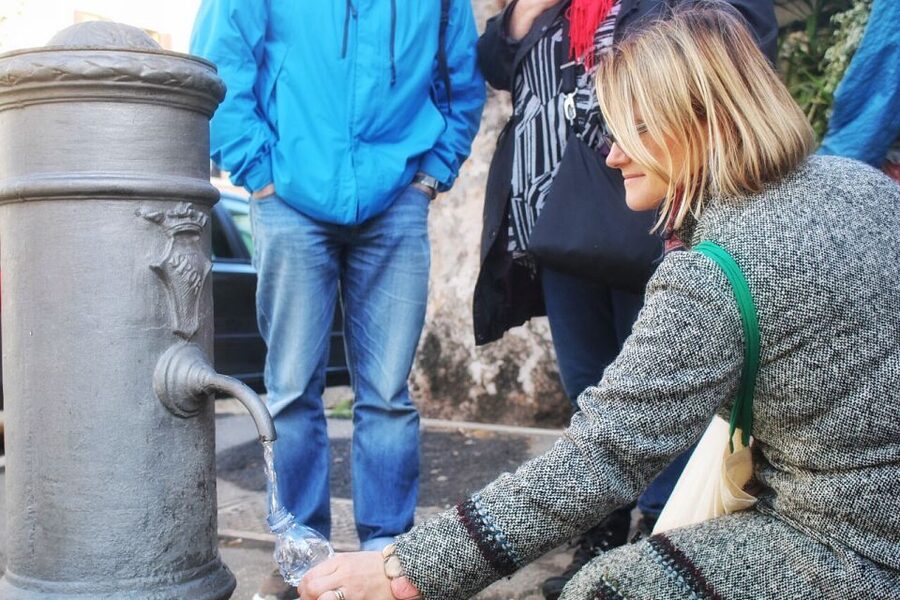
The pasta shop visit gives this food walk its strongest sense of access. You receive exclusive entry to the first pasta shop opened in Rome and learn how the business has made pasta for more than a century.
This is more than a tasting of noodles. You get a look at a food tradition that has survived through generations, with the shop itself serving as a link between old Roman cooking and modern city life. The family connection is important. The tour repeatedly introduces you to shops owned by the same families over many years, and the pasta stop brings that idea into sharp focus.
The information does not specify which pasta shape or preparation you will taste, so do not book expecting a particular dish. What you can expect is a story about how pasta is made and why the shop matters.
I like this stop because it offers something you cannot get from a standard restaurant meal. A plate of pasta may be delicious, but seeing the place and people behind it gives the food a stronger sense of place.
More Farmers Market Tours in Rome
- Rome: Vatican Street Food and Wine Tour with Farmers Market
★ 5.0 · 37 reviews - Farmers Market Shopping and Roman Full Course Class – SHARED
★ 5.0 · 12 reviews
Apulian street food and a glass of local wine
The route then shifts from Roman specialties to an Apulian street food shop. Apulia is a region in southern Italy, and this stop adds a small regional contrast to the Roman foods around it.
You also drink a local wine here. The supplied details do not name the wine, so the focus is on pairing a regional snack with a drink rather than on a formal wine lesson. This makes the stop relaxed and social.
Some readers may wonder why an experience about Roman cuisine includes food from Apulia. I see it as a reminder that Rome is a capital city shaped by people and foods from across Italy. The stop also breaks up the heavier fried and cured foods with a different regional accent.
If you do not drink alcohol, the information does not state whether a substitute is available. Ask the provider before booking if that matters to you.
Pope-favorite gelato in a tiny shop
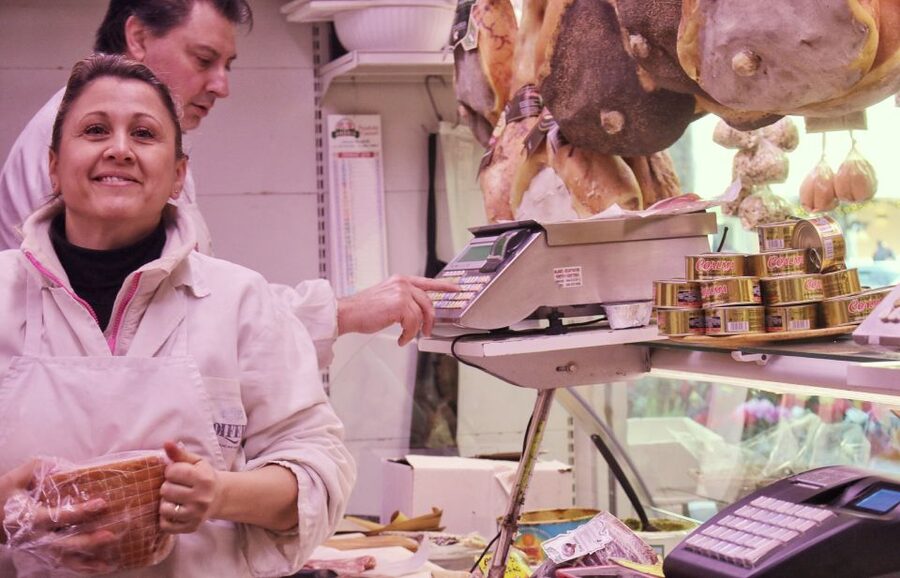
The sweet course comes at a small, tucked-away gelateria said to be the Pope’s favorite. That claim gives the stop a fun bit of local color, but the real reason to appreciate it is the chance to finish with traditional gelato rather than a mass-produced dessert.
A good gelato stop is useful on a food walk because it changes the texture and mood of the meal. After cheese, cured meat, fried supplì, olive oil, pizza, pasta, and wine, a cold sweet is a welcome reset.
The description calls this the best gelato in Rome, though taste is personal and the exact flavor choices are not listed. You should expect a real gelato tasting, but not assume every flavor or topping will be available on your date.
The small setting is part of the charm, though it can also mean less room to linger. The tour is designed to keep moving through the Vatican district, not to turn the gelateria into a long café break.
A rooftop view over Rome
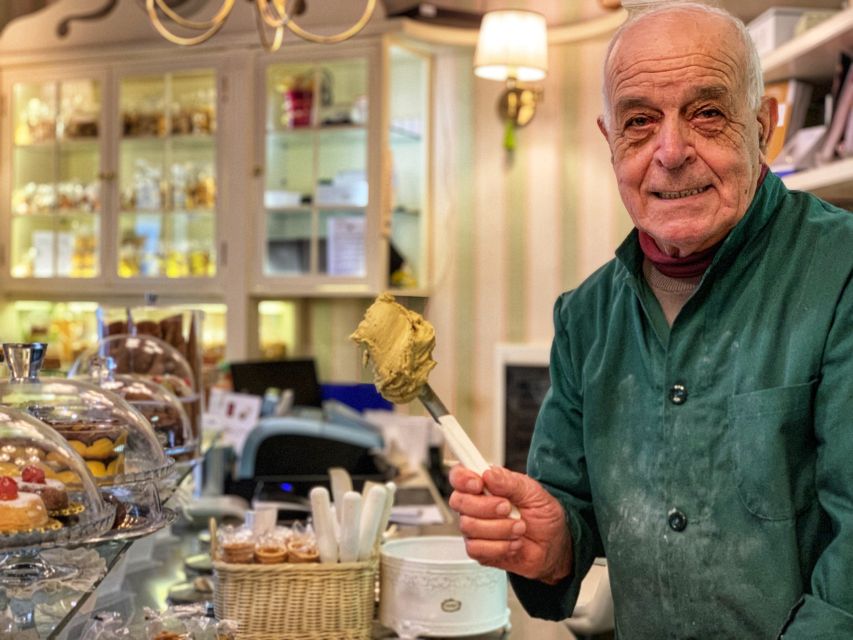
The final stop offers a 360-degree view of Rome from a rooftop. This gives the tour a strong visual finish after a morning spent looking closely at food, shops, and market stalls.
Views are not just decoration here. From above, you can place the Vatican district within the larger city and connect the guide’s stories about Rome to the streets you have just walked. It is also a chance to pause and enjoy the city without another plate immediately in front of you.
The exact rooftop location and seating arrangements are not specified. You should think of it as a scenic viewpoint included within the food walk, not a dedicated sightseeing visit with a long scheduled stay.
The food, price, and value
The price is $79.30 per person. For a three-hour experience with more than 20 tastings, that can be fair value, especially if the portions together replace a meal and the food comes from several established local businesses.
The price also covers the English-speaking guide, all food and wine tastings, and an organic cotton tote bag. The tote is a small extra, but it is useful if you buy something at the market or want a practical souvenir.
The real value depends on what you want from a food tour. You are paying for access, explanation, and variety, not just calories. The oldest pasta shop, the family-run stores, fresh supplì, the century-old bakery, and the rooftop view give the experience more range than a single restaurant meal.
I would compare the cost with what you might spend on several snacks, drinks, and a casual lunch in Rome. You are also saving the work of finding these places yourself. The price is less appealing if you eat very little, avoid wine, or prefer to choose every dish from a menu.
Who should book this experience?
I would recommend it to first-time Rome visitors who want food and local context in the same outing. It is also useful for returning visitors who have already seen the major sights and want a closer look at everyday life in the Vatican district.
The experience suits curious eaters who enjoy trying many small portions. It is a good match if you like hearing how businesses survive across generations and want a guide who welcomes questions. Greta is specifically praised for being patient, informative, and open to conversation, which is helpful when the group has different levels of food knowledge.
It is less suitable for vegans, since the tasting list centers on dairy, meat, fried food, pastries, and wine. Vegetarians may want to ask about the exact menu before booking, because the supplied details do not promise a vegetarian adaptation.
The tour is wheelchair accessible, but you should still note that it involves walking through a market district and visiting several shops. Wear comfortable clothing and shoes. The tour takes place rain or shine, so weather protection matters.
Transport from your hotel is not included. Plan your own way to the meeting point and allow enough time to arrive without rushing into the first coffee stop.
Should you book Eat Like a Roman?
Book this experience if you want a generous tasting route with real neighborhood connections, rather than a formal cooking class or a restaurant-only meal. The market, century-old pasta shop, family businesses, fresh supplì, and Pope-linked gelato stop give you plenty of memorable points.
Skip it if you are vegan, dislike eating on the move, or want a slow lunch with one carefully chosen dish. At $79.30, the tour earns its price through variety and access. For the right eater, it is a practical way to sample Roman food while seeing a quieter side of the Vatican district.
FAQ
How long does Eat Like a Roman last?
The experience lasts three hours. Starting times vary, so check availability for the options offered on your date.
How much does the experience cost?
The price is $79.30 per person.
What food and drinks are included?
All food and wine tastings are included. The experience offers more than 20 tastings, including coffee, homemade cornetti, mozzarella, prosciutto, aged cheeses, supplì, organic olive oil, pizza, pasta, local wine, and gelato.
Is the tour conducted in English?
Yes. The tour includes a live guide who speaks English fluently.
Is transport from my hotel included?
No. Transport to and from your hotel is not included.
Is the tour suitable for vegans?
No. The experience is not suitable for vegans.
Is the experience wheelchair accessible?
Yes. The experience is listed as wheelchair accessible. Comfortable clothing and walking shoes are recommended, and the tour operates rain or shine.
More Food Trips in Rome
- Rome E-Bike Tour: Ultimate Street Food and Market Feast
★ 4.9 · 50 reviews - Rome: Testaccio Food & Market Tour with Pasta & Wine
★ 5.0 · 38 reviews - Rome: Taste of Testaccio Food & Market Tour
★ 4.9 · 38 reviews - Rome: Campo De’ Fiori Market & Trevi 4-Hour Food & Wine Tour
★ 4.8 · 9 reviews
More Food and Drink Trips in Rome
- Roman Food Tour with Visit to the Trionfale Food Market
★ 5.0 · 471 reviews - Trevi Fountain, Pantheon, and Campo Dei Fiori Market Food and Wine Tour
★ 5.0 · 320 reviews - Rome: Food Tour with Market Visit
★ 4.9 · 200 reviews - Devour Rome Testaccio Market Food Tour
★ 5.0 · 180 reviews
Just added around Rome
- Testaccio Experience: Street Food, Market and Traditions★ 5.0 · 4 reviews
- Rome: Testaccio Food & Market Tour with Pasta & Wine★ 5.0 · 38 reviews
- Rome: The Vatican Market Experience Tasting and Class★ 4.7 · 10 reviews
- Rome: Taste of Testaccio Food & Market Tour★ 4.9 · 38 reviews
- Rome: Temples, Squares & Markets Guided Walking Tour★ 4.8 · 26 reviews
- Rome: Trajan’s Markets & Museum of The Imperial Fora Tour★ 4.8 · 4 reviews
- Farmers Market Shopping and Roman Full Course Class – SHARED★ 5.0 · 12 reviews
- Rome: Prati Food & Wine Market Tour with St. Peter Square★ 5.0 · 7 reviews
Local & Farmers Market Tours, compared.
Hanoi Cooking Class: Culture, Local Market & Meaning CSR Impact
Read our review →
Cooking Class and Lunch at a Tuscan Farmhouse with Local Market Tour from Florence
Read our review →
Cooking Class Hoi An:Local Market, Basket Boat, Fishing & Cooking
Read our review →
London Bridge & Borough Market Food Tour with 7 Authentic Dishes
Read our review →
Hoi An Cooking Class(Local market,Basket Boat,Fishing & Cooking)
Read our review →
Browse the lists this tour appears in