
Review · DUBAI, UNITED ARAB EMIRATES
Dubai Aladdin Tour: Souks, Creek, Old Dubai and Tastings
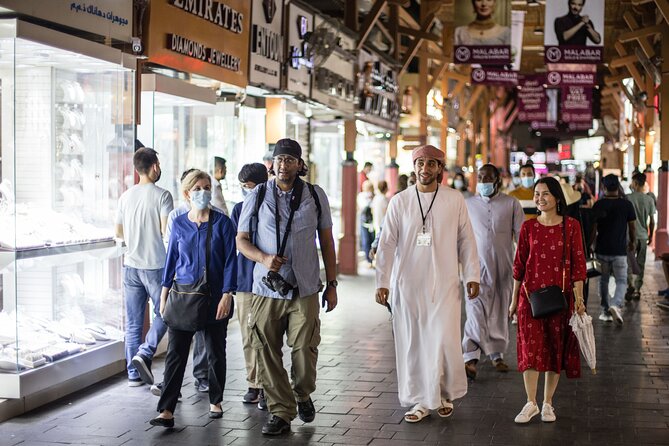
Old Dubai rewards curious walkers. This three-hour tour links the creek, Al Fahidi, Dubai Museum, traditional souks, and several tastings in one tidy route. I like the small group of up to 15 and the practical help with bargaining, especially if you are new to Dubai’s markets. I also like the short abra crossing, which gives the old city a welcome change of pace. The main caution is the food: some guests receive a satisfying mix of snacks and drinks, while others find the tasting more like a meal and a few samples than a true food tour.
The route is packed, but not rushed beyond reason. Guides such as Hamza, Hamsa, Seef, and Hazeem are praised for humor, clear explanations, and an ability to adjust the timing around the group. You should still prepare for heat, walking, sales pitches, and a few reconstructed heritage areas rather than a perfectly preserved old town.
What makes this Old Dubai tour worth considering
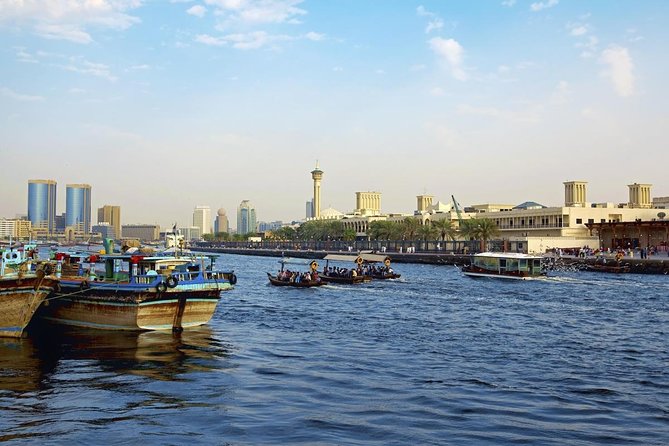
- A useful cross-city route: Start near Al Seef and finish at the Gold Souk after crossing Dubai Creek by abra.
- Market advice with your guide: Learn what items are worth, how to bargain, and when to walk away.
- Several cultural tastings: Expect combinations of tea, Arabic coffee, dates, chocolate, juice, street food, and spice-souk samples.
- A maximum of 15 people: The group size allows questions and makes the creek crossing feel personal.
- Strong guide-led storytelling: Hamza, Hamsa, Seef, and Hazeem receive special praise for wit, patience, and local insight.
- Good value at $21: For three hours with tastings, an abra ride, museum entry, and guidance through the markets, the price is hard to dismiss.
Starting at Al Seef beside Dubai Creek
The tour begins at Al Seef Heritage Hotel near Dubai Creek. This is a convenient introduction because Al Seef looks old, but much of it is a modern, purpose-built heritage district. Its mud-colored walls, narrow lanes, shopfronts, and creek views are designed to recall Dubai before its skyscrapers.
That does not make it worthless. Al Seef is easy to photograph, pleasant for getting your bearings, and filled with food places. Your guide can use it to explain the difference between Dubai’s polished heritage presentation and the working neighborhoods across the water.
You spend about 30 minutes here. That is enough time for photographs and an opening explanation, but not enough for a long meal or serious shopping. I would treat Al Seef as a visual introduction, not the most authentic stop of the morning or afternoon.
From there, the route follows Dubai Creek. The waterway is central to Old Dubai because it separates Bur Dubai from Deira and helped shape the city’s trading life. The creek walk is brief, around 15 minutes, but it gives you useful views of boats, docks, and the low-rise districts that feel very different from modern Dubai.
A few more market tours around Dubai worth a look
- Dubai: Old Town, Creek, Museums, Souks, & Street Food Tour
★ 4.8 · 10,816 reviews - Dubai: Old Town, Souks, Street Food, Guided Tour & Abra Ride
★ 4.9 · 7,170 reviews - Dubai: Frame Tickets, Creek, Souks & Blue Mosque Guided Tour
★ 4.8 · 5,980 reviews
Al Fahidi’s lanes, wind towers, and old homes
The Al Fahidi Historical Neighborhood is the heart of the walking portion. You move through narrow lanes lined with traditional homes, galleries, cultural spaces, and wind towers. These towers were built to catch air and help cool houses before air conditioning changed life in the Gulf.
The neighborhood is one of the better places in Dubai to picture daily life before the city’s rapid growth. Your guide can connect the buildings to trade, family life, hospitality, and the emirate’s shift from a small creek-based settlement to a global city.
The itinerary lists two separate visits in Al Fahidi, together lasting about 35 minutes. In practice, that means you should expect a continuous walk rather than two completely different attractions. The lanes offer shade in places, but you will still be outdoors, and the heat can make this section feel longer than the clock suggests.
A photo stop is included, along with a visit to the World of Illusions for playful pictures. This part may appeal to families and anyone who enjoys a quick social-media-friendly pause. If you prefer architecture and history, you may find it less important than the surrounding streets.
The guides are a major part of the experience here. Hamza is praised for keeping children engaged, while Hamsa is described as funny, clear, and especially good at connecting religious and cultural subjects. Seef and Hazeem also receive strong marks for friendly, easygoing commentary. Guide quality can vary on any group tour, but this experience appears to depend heavily on having someone who can turn a walk into a conversation.
Dubai Museum inside Al Fahidi Fort
The next major stop is Dubai Museum, located inside Al Fahidi Fort. The fort dates from the 1780s and is described as Dubai’s oldest building. Its walls provide a strong contrast to the glass towers seen elsewhere in the city.
You have around 30 minutes here. That is enough for a focused visit, though not for a slow museum study. The value lies in seeing the fort itself and placing Dubai’s growth in context. The exhibits help explain the older economy, local homes, desert life, and the changes brought by trade and oil.
Keep your expectations measured. Some people find the museum only moderately interesting, especially if they want a large, modern institution with extensive displays. Others appreciate the compact presentation because it fits into a half-day route without taking over the entire experience.
The museum visit also breaks up the walking. That matters in Dubai’s heat. Several stops take place indoors or in shaded areas, and cold drinks are sometimes provided. Bring your own reusable bottle anyway. Water was a repeated practical concern, even when the tour supplied drinks.
Bargaining lessons in the Old Souk
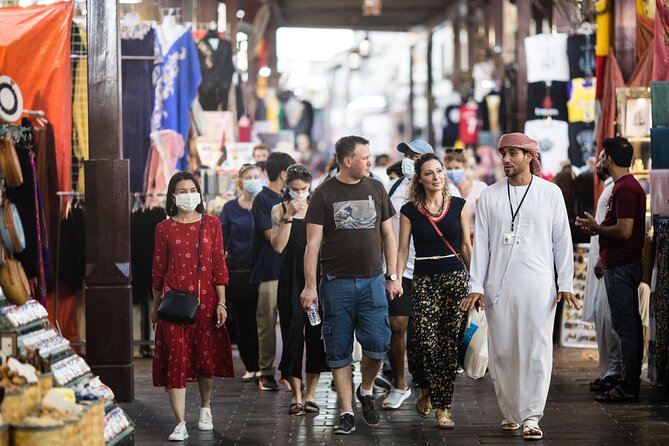
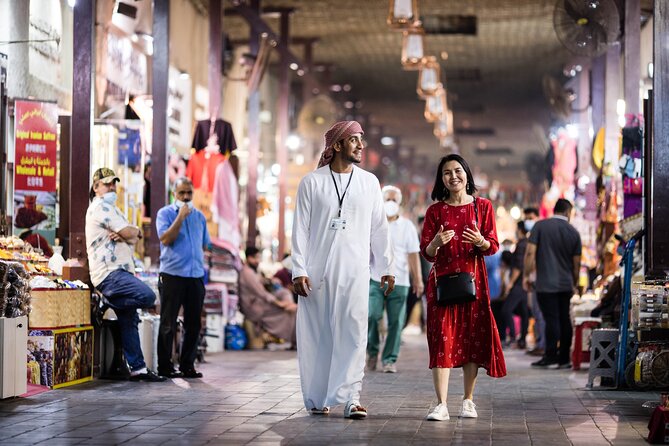
The Old Souk follows the museum and gives you about 30 minutes to browse. This is a market for textiles, shawls, souvenirs, and local snacks. It is also where the tour shifts from looking at Old Dubai to dealing with it.
Your guide’s bargaining advice is one of the strongest reasons to book this tour. You receive a basic sense of fair prices, how to compare goods, and how to handle the friendly but persistent sales approach. That can save you from paying the first price offered, though no guide can guarantee that every deal is a good one.
Go in knowing that many shops may carry similar merchandise. This is not necessarily a workshop district filled with makers at work. It is primarily a retail market, and the same styles can appear in several stores. If you want souvenirs, the guide’s advice is useful. If you want rare handcrafts or a quiet browsing experience, the sales pressure may wear thin.
You do not need to buy anything. The market is part of the cultural experience, and watching the bargaining is useful in itself. A good rule is to compare prices, ask calmly, and walk away if the amount feels wrong.
Same place, a different set of stalls:
- Dubai: Half-Day City Tour with Blue Mosque, Creek, and Souks
★ 4.8 · 3,059 reviews - Dubai Half-Day City Tour with Visit to Dubai Gold Souk
★ 4.0 · 1,741 reviews - Dubai: Old Town, Souks, Street Food, Guided Tour & Abra Ride
★ 5.0 · 1,664 reviews - Dubai: Old Town, Street Food, Creek, Souks, & Emirati House
★ 4.9 · 1,496 reviews
Crossing Dubai Creek by abra
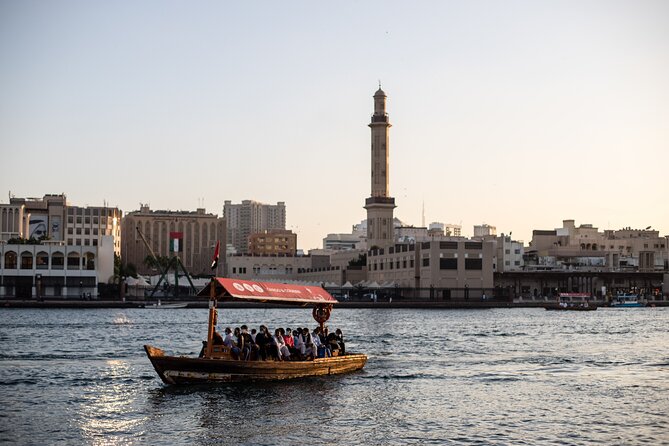
At Bur Dubai Abra Station, the group boards an abra for the short crossing to Deira. The ride takes about five minutes, so do not picture a long cruise. Its appeal is the simple shift from street to water, with the creek’s sounds and working boats around you.
The experience is described as a private abra for your group. That makes the crossing more comfortable than squeezing into a boat with a large crowd, and it gives the tour a clear sense of progression. You leave the textile-market side of the creek and arrive near Deira’s spice and gold markets.
This is one of the most memorable moments for the price. Dubai’s modern attractions are often built for spectacle, while the abra is ordinary transport with real local purpose. Even a short crossing helps you understand how the two sides of the old city relate to one another.
Deira’s Spice Souk and the Gold Souk finish
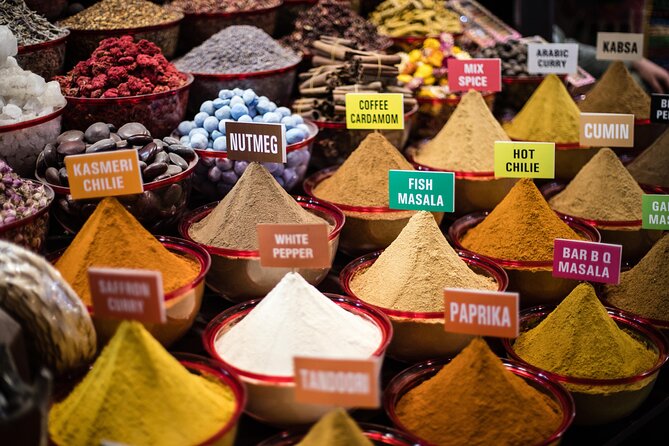
After arriving at the Deira Old Souk Abra Station, you walk toward the Spice Souk and Gold Souk area. The old markets here provide some of the best photo stops on the route, with displays of spices, dried goods, jewelry, silver, and precious stones.
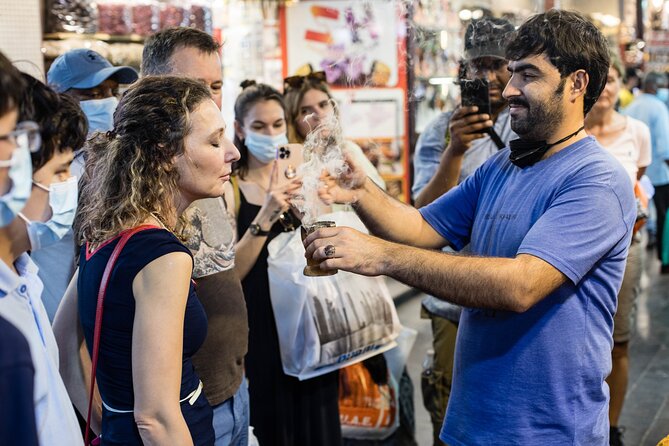
The Spice Souk receives about 30 minutes. Your guide helps explain the products and keeps the shopping experience less stressful. You may taste or sample spice-related foods, and the broader tasting program can include tea, coffee, dates, chocolate, juice, and street food.
This is where expectations about food matter most. Some people receive plenty of juices, snacks, and a delicious street-food meal. Vegetarian options have also been praised. Others expect a series of traditional dishes with detailed explanations and instead receive something closer to shawarma, a smoothie, and a few samples.
I would book this for a cultural walk that includes food, not as a dedicated culinary tour. If you want to taste many dishes and learn how each one is prepared, this may leave you wanting more. If you like having drinks, small bites, and a casual meal built into a market visit, it should meet your needs.
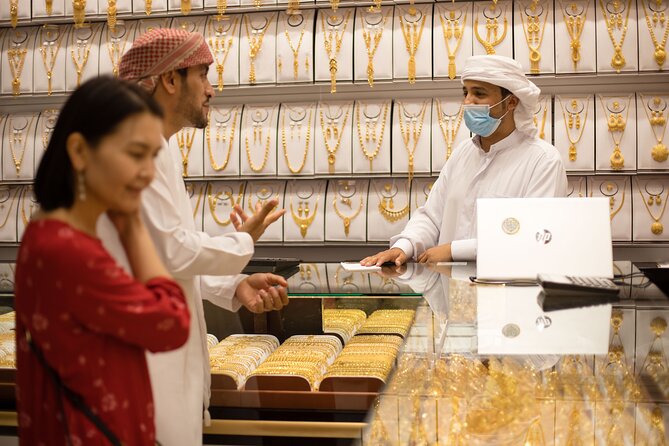
The tour finishes at the Gold Souk. You can browse hundreds of stores selling gold jewelry, silver, and precious stones without buying anything. The setting is often enough to make this a worthwhile final stop, particularly if you want a romantic souvenir or simply enjoy looking at elaborate jewelry.
The end point is in Deira, and the guide can drop you at a metro station or taxi stop. That is useful because the tour does not return you to Al Seef by default. Plan your next move before you arrive, especially if you have an evening reservation elsewhere.
What $21 gets you
At $21 per person, this is a strong-value introduction to Old Dubai. You receive about three hours of guiding, museum entry, an abra crossing, market orientation, and multiple tastings. Even a simple creek walk and souk visit can take effort to organize on your own, especially if you do not know which lanes connect the main sights.
The price is particularly attractive for first-time visitors with limited time. You avoid spending hours researching the route, and a guide can answer questions as the city unfolds around you. The maximum group size of 15 is large enough to keep the cost low but small enough for a guide to speak with people directly.
The value drops if your main goal is a serious food tour or a long shopping session. The schedule moves on after each stop, and the tasting selection is not always as extensive as the title might suggest. You are paying for a broad introduction to Old Dubai, with food as one part of it.
Pickup is offered, but the details need attention. The stated meeting point is Al Seef Heritage Hotel, while some arrangements include hotel pickup or a paid pickup option. Confirm what applies to your booking before you assume door-to-door service.
Heat, walking, and group size
This is an outdoor walking tour in Dubai. You should expect warm conditions, several stretches on foot, and limited time to linger at each attraction. One experience took place in roughly 40-degree heat, so weather can change your enjoyment more than the itinerary does.
Wear comfortable shoes and bring water. The operator may provide cold drinks, and guides sometimes use air-conditioned shops or shaded areas for breaks, but you should not rely on that alone. Loose, light clothing and sun protection will make the route easier.
The tour is suitable for most people, including families. One guide was praised for keeping children involved, and the route mixes history, boats, food, shopping, and picture stops. Still, anyone who struggles with heat or extended walking should consider the conditions before booking.
The group limit of 15 is a helpful middle ground. You will not have the flexibility of a private tour, but you can ask questions and receive personal help at the markets. A good guide can also adjust the timing and stops when the group needs it.
Who should book this experience
I would recommend it to first-time Dubai visitors who want more than malls and skyscrapers. It gives you a sensible introduction to the creek, old neighborhoods, traditional architecture, souks, and the city’s transformation.
It also suits anyone who feels uneasy about bargaining. A guide who explains prices and sales tactics can make the markets more enjoyable and less intimidating. Families may appreciate the short stops, photos, drinks, food, and abra ride.
You may want another option if you have already explored Al Fahidi and Deira on your own. The tour repeats the main sights rather than revealing a long list of obscure corners. Food-focused visitors should also choose it only if they are happy with casual tastings rather than a carefully planned meal-by-meal program.
Cancellation is free up to 24 hours before the start time. Changes or cancellations inside that window are not refunded, and poor weather or an insufficient number of bookings can lead to a rescheduled tour or full refund.
Should you book it?
Book this tour if you want a low-cost, well-organized first look at Old Dubai, especially with a guide who can explain the culture and coach you through the souks. The combination of Al Fahidi, the fort museum, the creek crossing, spices, jewelry, and snacks gives you a useful three-hour slice of the city.
Skip it if you want a quiet, private walk, long museum time, or an expert food itinerary. The food element can be uneven, and some market stops feel commercial. For most visitors, though, $21 buys a lot: a clear route, strong guide support, and a practical introduction to the Dubai that existed before the towers.
FAQ
How long does the Dubai Aladdin Tour last?
The tour lasts approximately three hours.
Where does the tour begin?
It begins at Al Seef Heritage Hotel Dubai, Curio Collection by Hilton, beside Dubai Creek on Al Seef Street in Umm Hurair 1.
Where does the tour end?
It ends at the Gold Souk in Deira, near Al Ras. The guide can drop you at a metro station or taxi stop after the tour.
How large is the group?
The maximum group size is 15 people, including you.
Is hotel pickup available?
Pickup is offered, but some pickup arrangements may cost extra. Check the details of your booking before the tour.
What is included in the tasting experience?
The tasting program can include tea, Arabic coffee, dates, chocolate, street food, juice, and samples at the Spice Souk. The exact selection can vary, and the experience is best viewed as food sampling during a cultural walking tour rather than a full food tour.
Just added around Dubai
- Walking Tour in Dubai. Souks, museums, Local Food Testing★ 5.0 · 11 reviews
- Old Dubai Heritage Tour: Souks, Mosques & more hidden gems!★ 4.3 · 72 reviews
- Old Dubai Guided Tour With Photographer: Souks & Street Food★ 4.9 · 74 reviews
- Dubai Tour: Haritage Walking Guide, Gold & Spice Souq, Creek★ 4.5 · 11 reviews
- Dubai:Private Frame Entry, Mosque, Souks, Tastings& transfer★ 4.8 · 9 reviews
- Dubai Old Town, Creek, Abra boat, Souks Guided walking Tour★ 4.7 · 3 reviews
- Dubai: Discover Dubai Old Town, Souks, Museum & Street Food★ 4.9 · 25 reviews
- Dubai: Guided City Walking Tour to Spice and Gold Souk★ 5.0 · 3 reviews
Market Tours, compared.
Damnoen Saduak Market and Maeklong Railway Market
Read our review →
The Old Siam: Damnoen Saduak and Maeklong Railway Market
Read our review →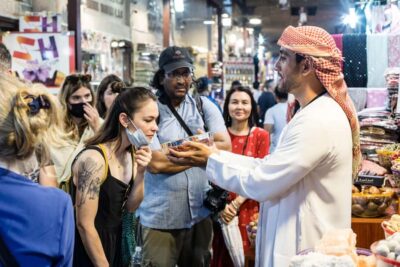
Old Town, Creek, Museums, Souks, & Street Food Tour
Read our review →Train Market & Floating Market with Boat Ride
Read our review →
Old Town, Souks, Street Food, Guided Tour & Abra Ride
Read our review →
Ayutthaya & Ayothaya Floating Market Day Trip
Read our review →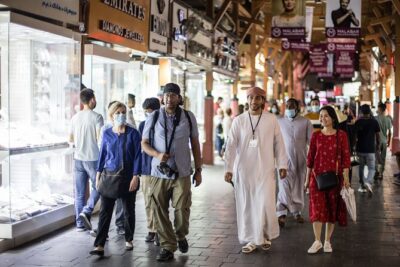
Frame Tickets, Creek, Souks & Blue Mosque Guided Tour
Read our review →
Hanoi Cooking Class: Culture, Local Market & Meaning CSR Impact
Read our review →Browse the lists this tour appears in