
Review · EGYPT
Cairo Unusual Day Tour Visit Camel Market in Birqash
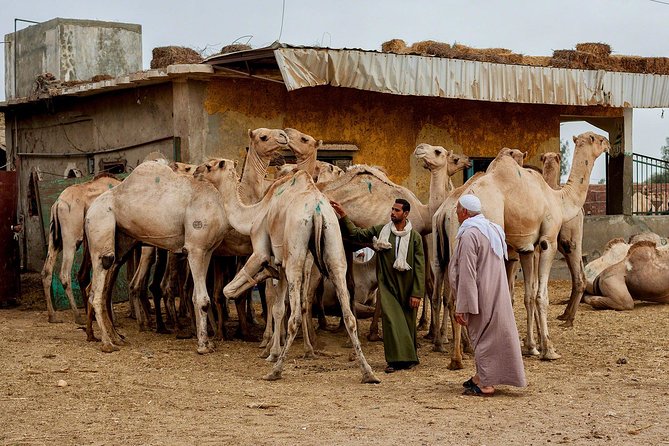
Expect a raw side of Cairo. This private morning trip takes you 35 kilometers northwest to Birqash, where Egypt’s largest camel market comes alive with dealers, auctioneers, merchants, and hundreds of camels. I like the local focus and the chance to see a working market rather than another polished sightseeing stop. I also like the private guide and door-to-door transport, which matter when the market opens early and sits outside central Cairo.
The main concern is animal treatment. This is not a gentle farm visit, and the supplied details openly warn that some traders handle the camels cruelly. I would choose this tour only if you can accept seeing difficult scenes, and I would confirm the pickup carefully because one customer reported a complete no-show with no response from the operator.
Key points at a glance
- Best timing: Friday and Sunday are the recommended days, with the strongest action from about 7:00 to 10:00 a.m.
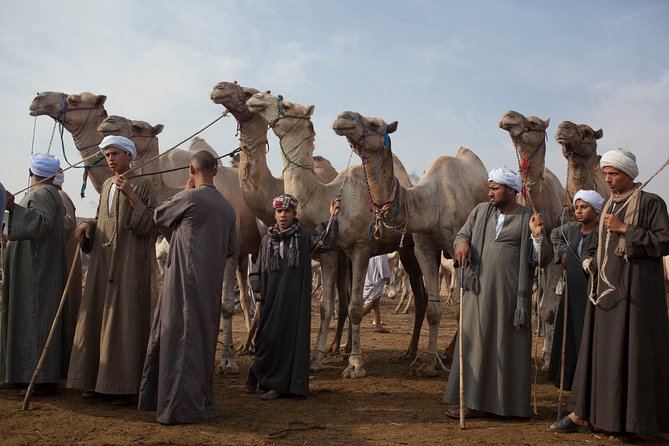
- A real working market: You may see hundreds of camels, dealers negotiating, auctioneers calling out sales, and animals being moved through the site.
- Private format: Only your group takes part, giving you a better chance to ask about camel breeds, trading customs, and local life.
- Simple pricing: At $50 per person, the cost covers transport, a guide, bottled water, taxes, and handling charges.
- Serious ethical concern: Some camel handling can be harsh, including animals being restrained or treated roughly.
- Allow about three hours: Hotel pickup and drop-off are included, but the market itself is the reason to go.
Leaving Cairo before the market wakes up
The tour begins with pickup at 7:00 a.m. from a hotel in Cairo or Giza. That early start is not decorative. The liveliest market activity takes place between 7:00 and 10:00 a.m., so a late departure could mean missing the strongest trading.
Birqash is about 35 kilometers northwest of Cairo, on the edge of the Nile Delta’s cultivated area. The distance is manageable, but the drive takes you away from the familiar tourist circuit around the pyramids, museums, and central Cairo. That change is part of the appeal. You are heading to a place built around local trade, not a site arranged for sightseeing.
I like the included hotel pickup because it removes one of the less pleasant parts of an early Cairo outing: arranging a taxi before breakfast and explaining a destination outside the usual tourist routes. The round-trip transfer also keeps the half-day practical. You can return to Cairo or Giza with much of the day still available.
Still, I would not treat the pickup as automatic. One customer reported that the driver and guide failed to appear and did not answer calls or WhatsApp messages. That appears to be an individual service failure rather than a description of every departure, but it is serious enough to justify confirming the pickup time and location the day before.
More Wet and Camel Market Tours in Cairo:
- Unusual Tour To The Camel Market Of Birqash
★ 5.0 · 2 reviews - Singapore Market to Table Culinary Experience (Wet Market Tour included)
★ 5.0 · 479 reviews - Immersive Cooking Class & Wet Market Tour by Local Chef +Cookbook
★ 5.0 · 367 reviews
Arriving at Souq al-Gamaal in Birqash
The market is also known as Souq al-Gamaal. It takes place in Birqash, a small village near the point where Cairo’s urban reach gives way to cultivated Delta land.
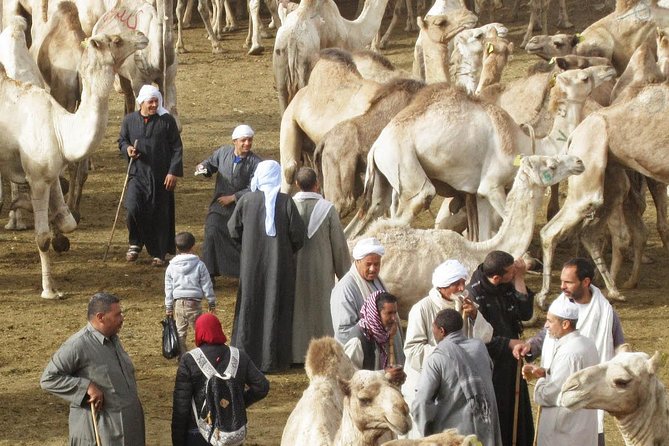
Do not expect a neat row of stalls with signs and marked walkways. The attraction is the working market itself: camels, merchants, dealers, auctioneers, and buyers sharing a noisy space. Hundreds of animals may be sold on a market day, creating a scene that is much more active than a standard animal display.
Your guide explains how the camel trade works and helps you read the activity around you. That is important because the market may otherwise seem like a wall of movement and shouting. A private guide can explain the role of the dealers, how the animals are presented, and what you are seeing as negotiations unfold.
The private format is one of the tour’s strongest features. You are not tied to a large group, and only your party takes part. That should make it easier to stop, ask questions, and move at a pace that suits your interest and comfort. If you are curious about the different camel breeds, the guide can also provide context. One highly positive account specifically praised learning how the camel breeding worked.
The trading floor, camels, and auctioneers
The market’s appeal is its unpredictability. You might see dealers leading camels through the crowd, merchants examining animals, and auctioneers selling them in different parts of the market. One account described hundreds of camels and dozens of auctioneers operating across the site rather than at one central sales ring.
That detail helps you set expectations. You are not simply walking to one viewing platform. The action may be spread out, and the guide’s job includes keeping you close and aware of what is happening around you.
The setting can also feel physically demanding. A customer described a guide watching closely and protecting them from being run over by a camel. I would take that seriously. These are large animals in an active trading space, so you should follow your guide’s instructions and avoid stepping into a path simply to get a closer photograph.
The market offers strong photo subjects: camels, merchants, auctioneers, and the rough edges of a trade that remains part of local life. The tour includes a professional photographer guide, but that does not necessarily mean a full set of edited photographs is included. Think of the guide as someone who can help you find useful angles and understand what you are photographing.
Ask before photographing people closely. The supplied details promise opportunities for shareable images, but they do not state a formal photography policy or guarantee that every merchant will welcome a camera. A little courtesy will serve you better than raising a lens in someone’s face.
The difficult truth about animal treatment
This is the point I would consider most carefully before booking. The market is described as not suitable for the faint of heart because many traders treat the camels with intense cruelty.
That warning should not be brushed aside as colorful description. You may see animals handled in ways that upset you. One account described camels running around with one leg tied up. The experience can be fascinating and culturally valuable while also being uncomfortable and ethically troubling. Both things can be true at once.
The tour does not present the market as a staged attraction. You are seeing a real trade with real consequences for the animals involved. That gives the visit its unusual value, but it also removes the protective distance found at a museum or heritage site.
I would not book this if you want a light, family-friendly animal encounter or if distressing scenes would ruin your morning. I would consider it if you want to understand a part of Egyptian commercial life that most standard Cairo tours leave out, and if you are prepared to observe without encouraging rough treatment.
Your guide’s presence matters here. A good guide can help you keep a safe distance, explain what is happening, and steer you away from the most dangerous or upsetting moments. The strongest account of the tour praised the guide for staying close and protecting the customer around the animals.
More Market Day Trips in Cairo:
- Day Tour to Giza Pyramids Complex, Egyptian Museum & Bazaar
★ 5.0 · 530 reviews - Old Cairo and Khan El Khalili Bazaar: Private Half-Day Tour
★ 4.6 · 251 reviews - Full Day Tour To Giza Pyramids Egyptian Museum and Khan Khalili Bazaar
★ 5.0 · 96 reviews - Best Full-Day Tour to Giza Pyramids Egyptian Museum and Bazaar
★ 5.0 · 93 reviews
Why the private guide adds real value
At many markets, a guide can become little more than a person who points toward the entrance. Here, the guide has a more useful role.
The market has its own rhythm and rules. A guide can explain the camel trade, identify what dealers are doing, discuss breeding, and help you avoid standing in the wrong place. Without that help, you might see plenty but understand little.
The private setup also changes the tone. You can ask basic questions without worrying about holding up a busload of people. If you are especially interested in animal trading, photography, rural commerce, or Egyptian village life, you can spend more time on those subjects.
The advertised inclusions name both a tour guide and a professional photographer guide. The exact division of those duties is not explained, so I would ask at booking whether one person handles both roles. Either way, the important benefit is having an informed escort in a crowded, active market.
Is $50 per person good value?
At $50 per person, the price is fair if you value private transport and a guide rather than simply paying for access to a market.
The fee includes hotel pickup and drop-off in Cairo or Giza, bottled water, taxes, fees, handling charges, and guiding. It also covers a private activity, meaning only your group participates. Those inclusions reduce the extra costs and planning work that can make an early trip outside Cairo less attractive.
The value is less clear if you are mainly looking for a polished sightseeing stop or a long list of included attractions. There is one principal destination, and the visit lasts about three hours. You are paying for access to an unusual working environment, transport, interpretation, and convenience, not for a full day of monuments.
Optional visits may be available depending on the chosen tour option, but they are not part of the basic description. I would not assume extra stops are included. Ask before paying if you want the morning expanded beyond Birqash.
The tour is booked an average of 28 days ahead, which suggests that you should not leave it until the last minute if the market is important to your Cairo plans. Friday and Sunday are the recommended days, so demand may be concentrated around those departures.
Who should book this Cairo outing?
I would recommend it most strongly to you if you have already seen the main Cairo sights and want a different kind of morning. The unusual subject is the point. One especially enthusiastic account came from a frequent Egypt visitor who had already visited museums and many of the country’s major sights.
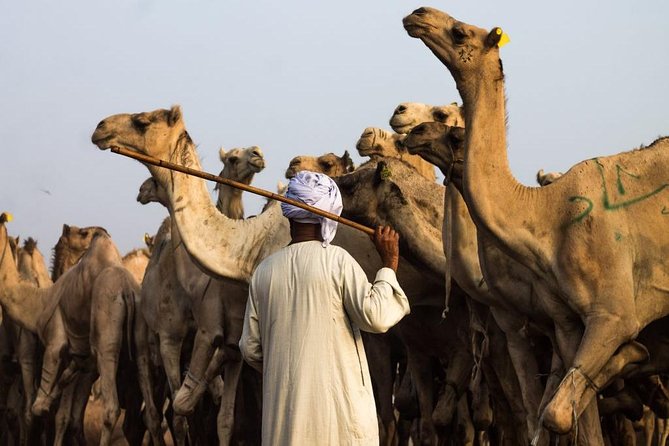
This also suits photographers who want people, animals, movement, and trade rather than formal architecture. The scene offers plenty to observe, but you need to be alert and respectful. A telephoto lens or some physical distance may be more useful than trying to get right beside the camels.
You may also enjoy it if you grew up around farms or working animals and want to compare how a livestock market operates in another country. The chance to learn about camel breeding and trading gives the visit more substance than a quick photo stop.
I would hesitate to recommend it to very young children, although the supplied information says most travelers can participate. The concern is not access. It is the noise, large animals, rough handling, and need to follow instructions closely. I would make that decision based on your child’s comfort with difficult scenes.
What to know before you go
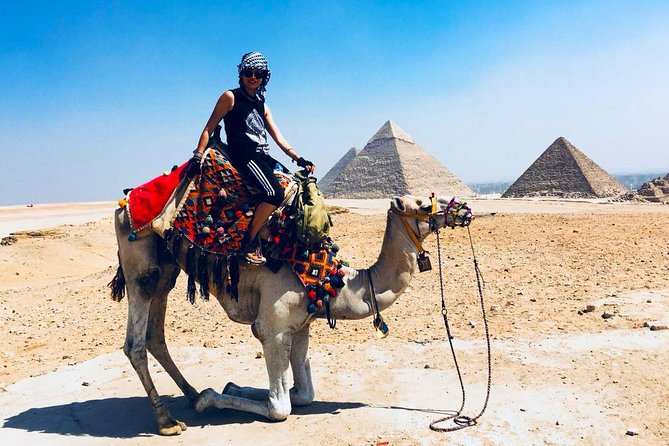
Plan on about three to four hours from pickup through return, with the market visit itself listed at roughly three hours. Since the market is most active early, do not ask for a late start unless you accept a quieter visit.
Wear practical clothing and shoes suitable for an uneven market environment. The supplied details do not specify a dress code or terrain, so I would keep it simple and comfortable rather than dressing for a formal Cairo attraction.
Bring your camera, but make safety the first rule. Camels are large, and the market can be active enough for animals to move suddenly. Stay beside your guide, do not block dealers, and ask before taking close portraits.
Bottled water is included. Food is not listed, so do not count on a meal during the tour. Since the visit begins early, arrange breakfast at your hotel or plan around that gap.
Confirmation is provided when you book. Because of the reported no-show, I would still reconfirm the pickup time and hotel location in advance. The operator is EMO Tours Egypt, and the cancellation policy allows a full refund if you cancel at least 24 hours before the start time. Changes or cancellations inside that 24-hour window are not refundable.
Should you book the Birqash Camel Market tour?
Book it if you want a private, unusual look at Egyptian working life and can handle seeing animal treatment that may be upsetting. The best reasons to go are the early access, local setting, private guide, included transfers, and chance to see a camel trade that most Cairo sightseeing plans skip.
Skip it if you want a calm animal encounter, a tidy attraction, or a tour with no ethical discomfort. I would also confirm the pickup carefully because the single serious service complaint concerns a missed departure and unanswered messages.
For the right person, this can be one of the most memorable mornings in Cairo. It is not polished, and that is precisely why it offers something different. Just go with open eyes, a respectful camera, and a clear understanding of what you may see.
FAQ
Where is Birqash Camel Market located?
Birqash is about 35 kilometers northwest of Cairo, near the edge of the cultivated Nile Delta area. The market is also known as Souq al-Gamaal.
What time does the tour start?
The stated start time is 7:00 a.m. The market is most active between about 7:00 and 10:00 a.m.
Which days are best for visiting?
Friday and Sunday are the recommended days for this tour.
How long does the tour last?
The market visit is listed at about three hours, while the overall experience is described as approximately three to four hours including transportation.
Is hotel pickup included?
Yes. Pickup and drop-off are offered from hotels in Cairo or Giza.
Is this a private tour?
Yes. Only your group participates in the private activity.
What does the $50 price include?
The price includes taxes, fees, handling charges, bottled water, a tour guide, a professional photographer guide, and hotel pickup and drop-off. Optional visits may cost extra depending on the selected option.
Just added around Cairo
- Cairo layover tour Giza pyramids Egyptian museum local bazaars Camel ride Lunch★ 4.5 · 2 reviews
- Private Tour Giza Pyramids ,Egyptian Museum and Local Market★ 5.0 · 3 reviews
- Private Walking Tour in ElMoez Street & Khan Elkhalili Market★ 5.0 · 15 reviews
- VIP guided Tour Khan El Kahili Market Private Tour and Shopping★ 5.0 · 4 reviews
- Unusual Tour To The Camel Market Of Birqash★ 5.0 · 2 reviews
- Shopping tour In Governmental Bazaars include guide’s advisor★ 5.0 · 8 reviews
- Private Cairo City Tour: Giza Pyramids, Egyptian Museum and Khan Khalili Bazaar★ 4.5 · 30 reviews
- Private tour to the Pharaonic Village and Khan El Khalili Market★ 4.5 · 9 reviews
Wet & Camel Market Tours, compared.
Singapore Market to Table Culinary Experience (Wet Market Tour included)
Read our review →
Immersive Cooking Class & Wet Market Tour by Local Chef +Cookbook
Read our review →
Chef Samuel’s Private Malaysian Cooking Class with Wet Market Tour
Read our review →
4-Hr Shanghai Layover Tour: Maglev, Wet Market, Food, Landmarks
Read our review →
3-Hour Herbal Wholesale TCM Market and a Local Wet Market Tour
Read our review →
Hangzhou Insider Mini-Hike: TCM, Hill Views and Wet Market
Read our review →Browse the lists this tour appears in