
Review · CHINA
Beijing Market Tour with 10-course Family Feast
Come hungry, leave with a new food story. This four-hour Beijing food experience combines a local market visit with a home-cooked feast, giving you a closer look at daily eating habits than a standard restaurant meal. I like that you help choose the ingredients, then see them used at the table.
I also like the warm, personal format. Dee, Susan, and the family cook, described by name in guest accounts, create a friendly setting with cooking help, conversation, dumpling-making, and Chinese drinks. The main consideration is practical: people with food allergies and wheelchair users cannot be accommodated, and the market portion requires walking.
Five things worth knowing before you book
- The meal begins at the market: You help select produce and other ingredients rather than simply arriving for a prepared dinner.
- The feast can exceed ten dishes: One meal included close to 20 different plates, so come with a serious appetite.
- The home visit is the heart of the experience: You cook alongside the host and share food in a real Beijing residence.
- The group is limited to two participants: This makes it easier to ask questions and take part in the kitchen.
- Liaogongzhuang is your meeting point: Meet at Exit D of Liaogongzhuang Station on Subway Line 6, then use the arranged transport to the host’s home.
Why this Beijing food tour feels different
Many food tours take you from one restaurant to another. This one asks you to take part in the meal from the start. You meet your guide at Liaogongzhuang Subway Station, walk through a local market, select ingredients, and then follow them into a family kitchen.
That change in pace matters. You are not simply being told what Chinese families eat. You can see the produce, ask how ingredients are used, and watch the food move from market stall to cooking pot. I find that process more useful than a polished tasting menu because it connects the food to ordinary shopping and home life.
The experience lasts four hours, with roughly one hour at the market and three hours at the family home. The market section gives you context, while the longer home visit leaves time for cooking, eating, questions, and conversation. You will not need to rush through a feast in the final ten minutes.
The small group size is a major benefit. The experience is limited to two participants, so you should have a better chance to speak with the guide, work beside the host, and ask about unfamiliar dishes. It also makes the home setting feel more personal than a large cooking class.
A few more market tours around Beijing worth a look
Meeting at Liaogongzhuang Station
Your day starts at Exit D of Liaogongzhuang Subway Station, on Beijing Subway Line 6. You are responsible for reaching this meeting point, so allow enough time to find the correct exit and meet the guide without rushing.
The guide gives you a short introduction to the plan and explains parts of Chinese food culture before you head onward. English, Chinese, and Korean are available, which makes this a useful choice for visitors who want more than a basic food vocabulary lesson.
The arranged transport covers the trip from the designated subway station to the host’s home and back. One account specifically praised the pickup and described the car as fresh and comfortable. The provided details do not specify every transfer route, so you should follow the meeting instructions from the operator on the day.
Wear shoes you can walk in. Bring water, especially if you are visiting Beijing during a hot spell. Smoking is not allowed during the experience.
One hour among Beijing market stalls
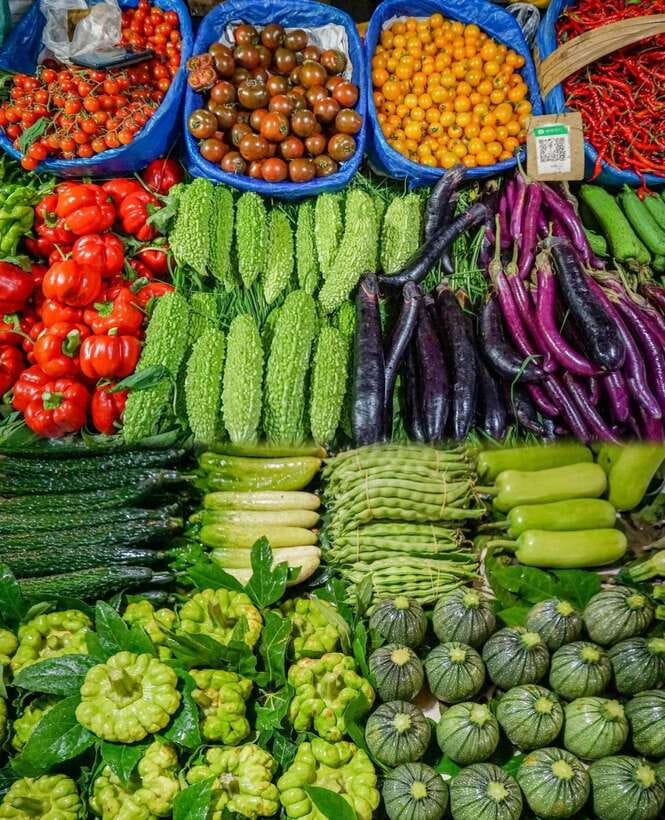
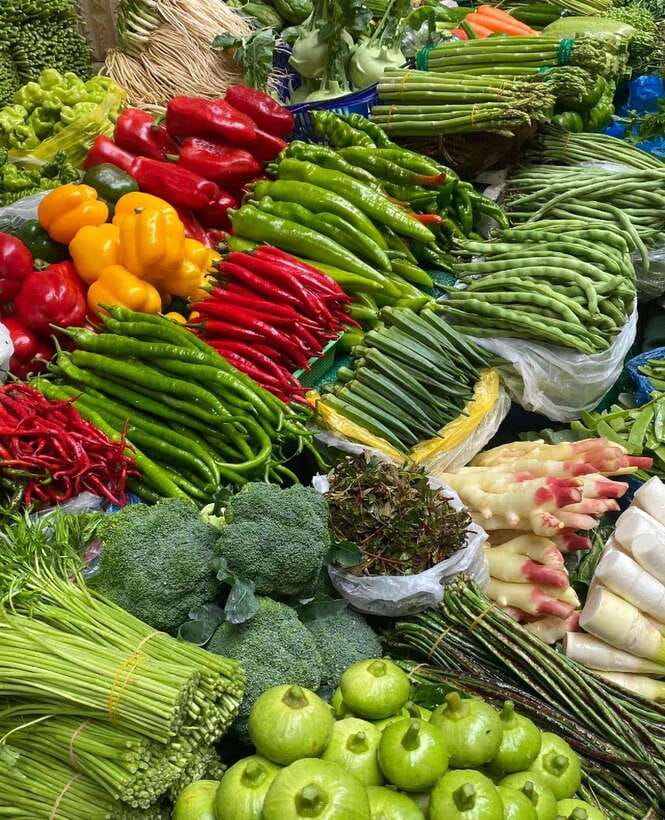
The market visit is not just a quick stop to collect ingredients. You spend about an hour looking at vegetables, fruit, spices, meats, and seafood while the guide explains how they fit into Chinese cooking.
I like this part because it gives you a practical entry into everyday food culture. Instead of seeing a dish only after it reaches the table, you can ask what an ingredient is, how families use it, and why it was chosen for the meal. The guide also helps you interact with vendors, giving you a glimpse of ordinary shopping in Beijing.
You get to select fresh ingredients for the meal. That small role changes the experience. You are not watching a demonstration from the sidelines. You are helping decide what appears later, which makes the final dishes easier to remember.
The market is also where you should expect the most walking and sensory overload. Stalls may be crowded, and the setting is designed for local shopping rather than sightseeing comfort. Keep your bag light, carry water, and stay close to the guide if the market gets busy.
Personal market expenses are not included. The ingredients for the shared meal are covered, but you should not assume that any private purchases you make will be part of the price.
From market basket to family kitchen
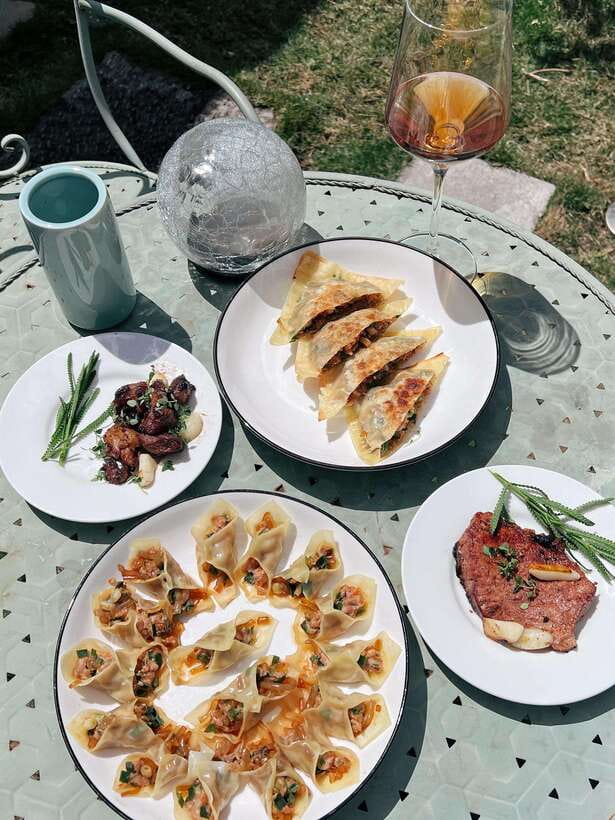
After shopping, you travel to a Beijing family’s home. This is the point where the tour shifts from food orientation to hands-on cooking.
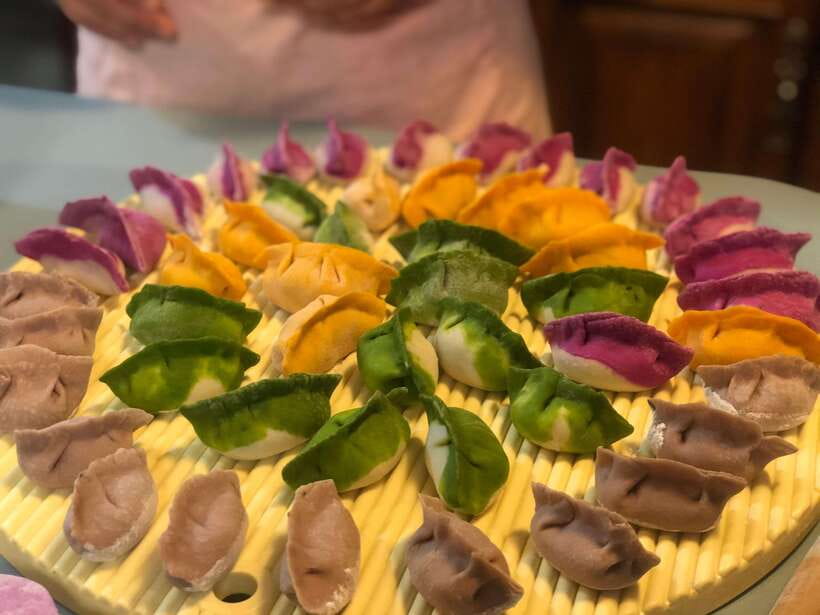
The host guides you through some of the preparation. The available details specifically mention making dumplings, a useful activity for first-time participants because it gives you something concrete to do with your hands. You may also assist with other parts of the meal, depending on the day’s menu and the family’s plans.
Do not expect a formal cooking school with printed recipes and timed stations. The appeal here is the home setting and personal instruction. You learn by working beside the host, asking questions, and watching familiar techniques used in a family kitchen.
The family’s cook is described as a warm host who takes time to answer questions. Dee and Susan also help explain Chinese food culture and history. That combination gives you both the practical side of cooking and the wider reasons behind certain habits, ingredients, and dishes.
This part suits curious eaters more than people who want to remain passive. You need to be willing to participate, handle ingredients, and join the conversation. If you only want a restaurant meal, the market and kitchen may feel like extra work. If you want to understand how a meal comes together, they are the reason to book.
Same place, a different set of stalls:
- Flavors of Beijing: Eat Like A Real Chinese
★ 5.0 · 78 reviews - Private Tour to Pearl Market Acrobatic Show & Peking Duck Dinner
★ 5.0 · 5 reviews - Lama Temple, Hutong and Silk & Pearl Market Private Day Tour
★ 5.0 · 5 reviews - Beijing: Vegan Home Cooking & Local Market Tour with Sanxia
★ 4.8 · 4 reviews
A ten-course meal that may be much larger
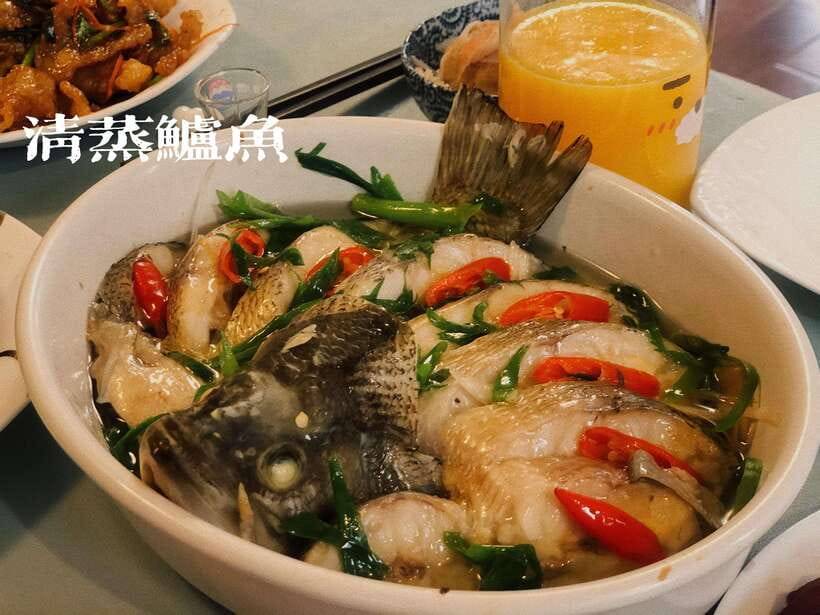
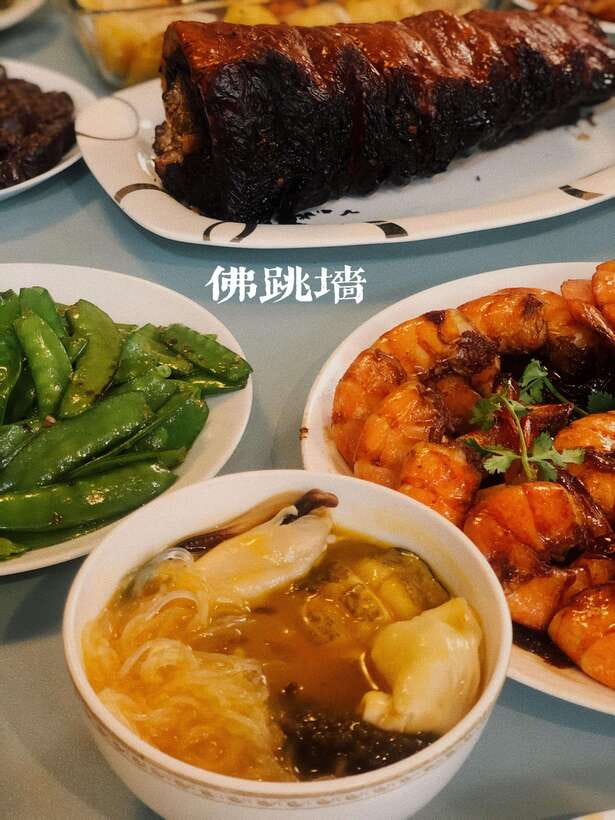
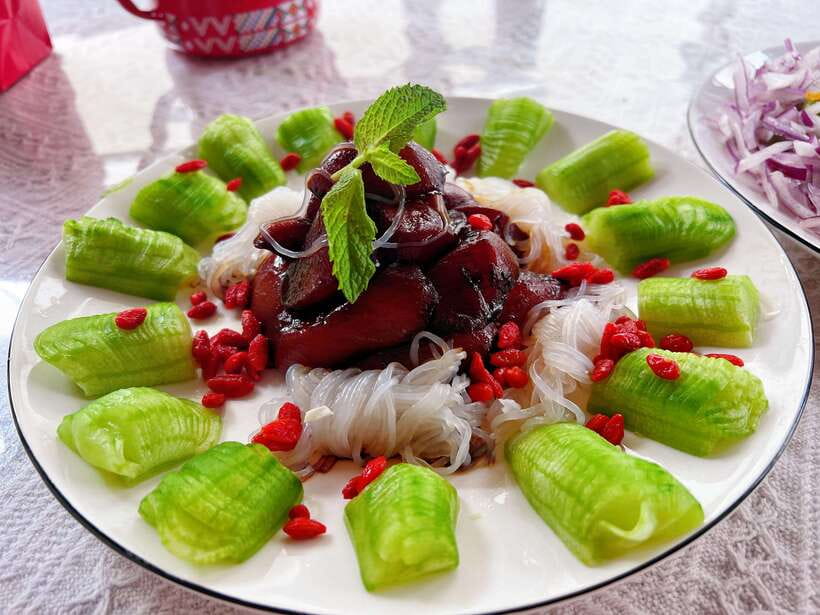
The advertised meal includes ten courses, but the portions can be far more generous than that number suggests. One account described nearly 20 different dishes, with enough food left over to take a favorite dish back to the hotel.
That is important when judging the $119 price. You are paying for more than dinner. The cost includes the guide, market visit, meal ingredients, local drinks, cooking instruction, home hospitality, and arranged transport between the subway station and residence. With a small group of two, the price is reasonable for a private-feeling food experience, especially if you value conversation and participation.
The menu is not fixed in the information provided, which is a plus for freshness but means you should not book expecting particular dishes. The ingredients you help choose shape the meal, and the host prepares them with care. You might taste several kinds of dishes, including dumplings, fresh produce, meat or seafood preparations, and other home-style plates.
Drinks are part of the meal. Homemade juice, fresh coconut, and other Chinese beverages have been served, and you are also welcome to bring drinks of your own. The experience includes local drinks, so you do not need to plan a separate beverage stop.
The sheer amount of food is one of the most praised features of this experience. You should not arrive after a large lunch. A small breakfast or light meal beforehand will leave you room to try the full spread.
What makes the home setting valuable
Eating in a family home gives the meal a different tone from dining in a Beijing restaurant. You can ask how people eat at home, hear personal stories, and connect the dishes to family routines. The conversation is part of the experience, not a side benefit.
The host family is also the best source for small details that a guidebook cannot provide. You may learn why certain ingredients appear together, how dishes change from one household to another, or which foods have a special place in family celebrations. The exact conversation will vary, but the format gives you time for these questions.
The setting is intimate, so you should be prepared for a social experience. You will sit down together, share dishes, and interact directly with the family. This is not ideal if you prefer to keep to yourself or if you need strict control over every part of a meal.
I especially like that the meal follows the shopping and cooking. You have already handled some ingredients and watched preparation, so the food carries a clearer sense of place. You are not just sampling something labeled Beijing cuisine. You are eating food selected and prepared in a local home.
Is $119 good value?
At $119 per person, this is not a cheap market walk. Its value depends on what you want from a Beijing food experience.
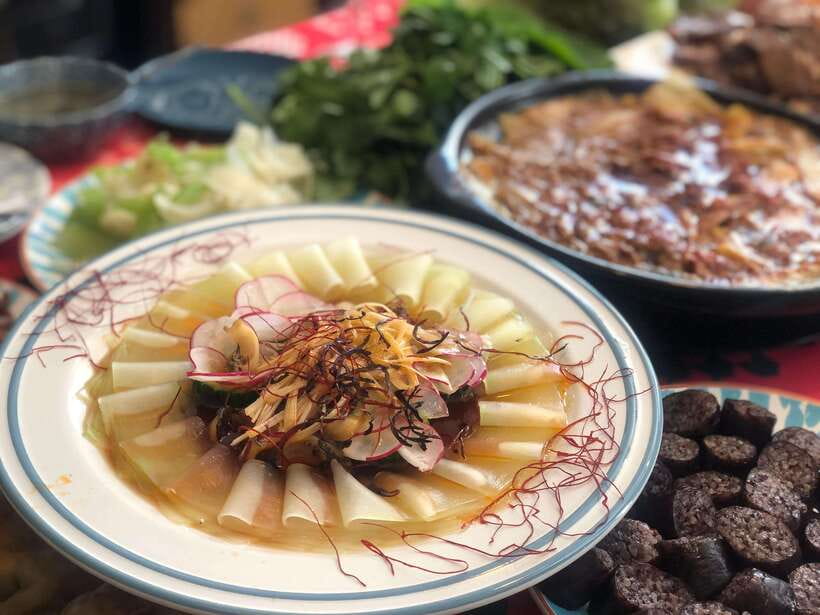
For the price, you receive a four-hour program with a guide, a market visit, ingredients, cooking participation, a large home meal, local drinks, and transport between the meeting point and host’s home. The group is limited to two people, which gives the experience a level of attention that is difficult to get on a lower-priced group tour.
The price makes less sense if your main goal is simply to eat a large meal. Beijing has plenty of restaurants where you can spend less. You are paying for access to the family setting, the market explanation, the chance to choose ingredients, and the time spent cooking.
It is also a good value for visitors who want cultural context without giving up comfort. You do not need to arrange a market on your own, guess which ingredients to buy, or figure out how to reach the home. The guide connects those pieces.
Free cancellation up to 24 hours before the start and the option to reserve now and pay later add useful flexibility. Still, check the available starting time before you book, since the tour operates at set times rather than whenever you arrive.
Who should choose this experience?
I would recommend it first to food lovers who enjoy trying unfamiliar dishes and asking how they are made. You should also consider it if you want a personal introduction to Beijing life rather than another meal in a commercial dining room.
It works well for couples, friends, and solo visitors who are comfortable joining a small social setting. The two-person limit is especially useful for people who want direct conversation with the guide and family.
The experience is less suitable for anyone with food allergies. The operator also lists it as unsuitable for wheelchair users, and the walking required at the market may be tiring for anyone with limited mobility.
You should also allow for a flexible attitude toward the menu. The number and type of dishes can vary, and the meal may be much larger than ten courses. That is part of its appeal, but it means this is not the right choice if you need a tightly controlled schedule or a predictable menu.
Practical tips for making the most of it
Arrive at Exit D of Liaogongzhuang Station with water and comfortable shoes. Bring a phone with enough battery for meeting messages and photos, but keep it out of the way while you are helping in the kitchen.
Eat lightly beforehand. The meal may include ten courses or far more, with drinks and generous portions. If the host offers a favorite dish to take away, bring a container only if the operator confirms that this is possible on your date, since the details can vary.
Ask questions early. The market is the best time to ask about ingredients, while the kitchen is the best time to ask about preparation. You will get more from the experience if you treat it as a conversation rather than a performance.
If you have dietary restrictions, contact the operator before booking. People with food allergies are specifically not suitable for this activity, so do not rely on last-minute changes.
Should you book the Beijing family feast?
Book it if you want a generous home meal tied to the market, the cooking, and the people who prepare it. The strongest parts are the two-person format, the chance to choose ingredients, the dumpling-making, and the warm family welcome.
Skip it if you want a quick restaurant tasting, need wheelchair access, or have food allergies. For everyone else, the $119 price buys a full afternoon of food and personal contact, not just a plate of dishes. Come hungry, wear practical shoes, and leave room for a feast that may stretch well beyond its ten-course promise.
FAQ
Where does the Beijing Market Tour begin?
It begins at Exit D of Liaogongzhuang Subway Station, on Subway Line 6.
How long does the experience last?
The experience lasts four hours. About one hour is spent at the market, followed by about three hours at the host’s home for cooking and the meal.
What is included in the price?
The price includes the guide, market visit, ingredients for the meal, a 10-course meal with local drinks, cooking participation, and round-trip transportation from the designated subway station to the host’s home.
Is transportation to the meeting point included?
No. You need to arrange your own transportation to Liaogongzhuang Subway Station. Round-trip transportation between the designated subway station and the host’s home is included.
Which languages are available?
The live guide can provide the experience in English, Chinese, or Korean.
Can I bring my own drinks?
Yes. You are welcome to bring your own drinks, although local drinks are already included with the meal.
Is the experience suitable for wheelchair users or people with food allergies?
No. The experience is not suitable for wheelchair users or people with food allergies.
Just added around Beijing
- Small Group Beijing Temple of heaven and Summer Palace with Pearl market★ 5.0 · 3 reviews
- Full-Day Private Tour Panjiayuan Antique Market and Beijing Capital Museum★ 5.0 · 3 reviews
- Private Distinctive Market Tour with Shaomai Lunch and Full Massage in Beijing★ 5.0 · 2 reviews
- Private Tour to Pearl Market Acrobatic Show & Peking Duck Dinner★ 5.0 · 5 reviews
- Half Day Tour:Market Shopping Acrobatic Show & Peking Duck dinner★ 5.0 · 2 reviews
- 3-Hour Private Shopping Tour at Panjiayuan Market from Beijing★ 5.0 · 2 reviews
- Lama Temple, Hutong and Silk & Pearl Market Private Day Tour★ 5.0 · 5 reviews
- Dumpling Cooking Class and Local Market Tour★ 5.0 · 3 reviews
Market Tours, compared.
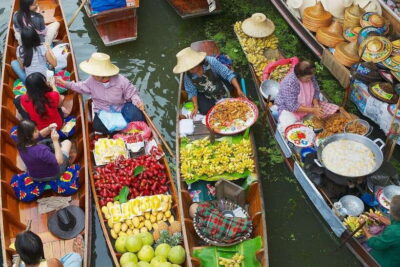
Damnoen Saduak Market and Maeklong Railway Market
Read our review →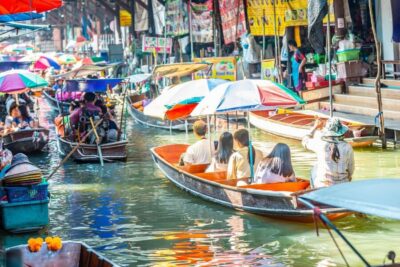
The Old Siam: Damnoen Saduak and Maeklong Railway Market
Read our review →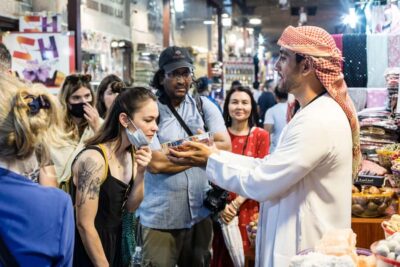
Old Town, Creek, Museums, Souks, & Street Food Tour
Read our review →Train Market & Floating Market with Boat Ride
Read our review →
Old Town, Souks, Street Food, Guided Tour & Abra Ride
Read our review →
Ayutthaya & Ayothaya Floating Market Day Trip
Read our review →
Frame Tickets, Creek, Souks & Blue Mosque Guided Tour
Read our review →
Hanoi Cooking Class: Culture, Local Market & Meaning CSR Impact
Read our review →Browse the lists this tour appears in