
Review · CANTON BASEL, SWITZERLAND
Basel: Farmer’s Market, Cheese, Chocolate & Pastry Tour
Basel tastes better with a local guide. This two-hour private walk combines the city’s key sights with Swiss cheese, chocolate, and Basel Läckerli, giving you a quick introduction to both place and plate. I like the mix of food and landmarks, especially the chance to see Basel Minster, the Town Hall, and Tinguely Fountain in one outing. I also like that the group is private, so you can ask questions and set the pace more easily.
The main consideration is value. At $194 per person, this is a costly two-hour experience, and the food portion may feel more like a shop-based tasting than a full market tour. One especially negative account described spending much of the time at a cheese business, so you should confirm what stops are planned if you expect a broad walk through Basel’s food market.
Key points at a glance
- Basel Town Hall meeting point: Meet your English-speaking guide in the main courtyard beside the Roman statue.
- Basel Minster and old-town sights: The route includes the cathedral, Grossbasel, the 500-year-old Town Hall, and Tinguely Fountain.
- Swiss cheese tasting: Expect several cheeses, including Gruyère AOP, Sbrinz, Appenzeller, Raclette, and Tête de Moine.
- Chocolate with a lesson: Tastings may include truffles, dark chocolate, chocolate almonds, or cocoa beans, along with an explanation of Swiss chocolate making.
- Basel’s signature biscuit: The final sweet is Läckerli, a spiced biscuit linked closely with the city.
- Private and accessible: The tour is conducted in English, is wheelchair accessible, and allows cancellation up to 24 hours before departure for a full refund.
Starting beside Basel’s Town Hall
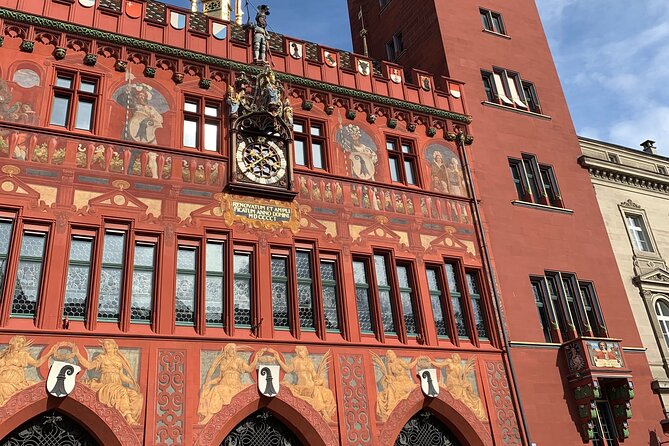
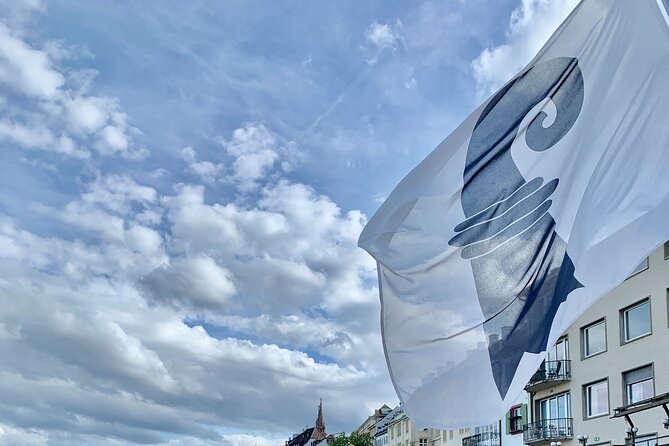
The tour begins at Basel Town Hall, or Rathaus, in the center of the old town. Your guide waits inside the main courtyard beside the Roman statue, so do not simply wait on the street outside. This is a useful meeting point because the red sandstone building is hard to miss, but the courtyard detail matters if you arrive early.
The Town Hall itself gives the tour a strong opening. Its painted decorations and 500-year-old setting introduce Basel’s civic past before you begin tasting anything. The building is not just a meeting point, and the guide may point out its unusual paintings and architectural details as you get oriented.
You then move into Grossbasel, the old town on the western side of the Rhine. The walk is part sightseeing and part food discovery. Since the group is private, you can ask about the buildings, local customs, or the origin of a particular food without worrying about holding up a large crowd.
I would arrive with comfortable shoes and a little room in your schedule afterward. The advertised duration is two hours, but the detailed timing describes one hour at Basel Minster and about 100 minutes in the old town, which adds up to more than two hours. That suggests the timing is approximate, or that some sections overlap.
More Farmers Market Tours in the world:
- Hanoi Cooking Class: Culture, Local Market & Meaning CSR Impact
★ 5.0 · 5,147 reviews - Cooking Class and Lunch at a Tuscan Farmhouse with Local Market Tour from Florence
★ 5.0 · 4,831 reviews - Chef Guided Food Tour of Pike Place Market
★ 5.0 · 3,733 reviews
Basel Minster and the city’s grandest views
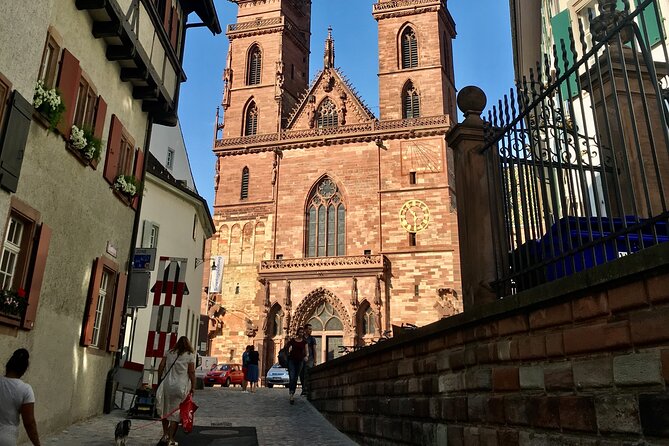
Basel Minster receives a guided visit of about one hour. Built in red sandstone, the cathedral is one of Basel’s defining landmarks, and it gives the tour a cultural backbone before the tastings begin.
The value here is not simply checking off a church. Basel Minster helps explain the city’s position as an old center of religion, trade, and public life. Your guide is meant to connect the building with Basel’s past, rather than rush you from one snack stop to the next.
The supplied information does not promise entry to every interior area, a tower climb, or a special access arrangement. I would therefore treat this as a guided visit to the cathedral and surrounding area, not as a dedicated cathedral tour. If you have a particular interest in art or architecture, ask the guide what you will see inside.
The route also includes the Tinguely Fountain, one of Basel’s most distinctive modern sights. Its mechanical figures create a sharp contrast with the old cathedral and historic streets. This pairing is one of the tour’s better ideas: you get medieval and civic Basel alongside the playful modern art associated with Jean Tinguely.
Grossbasel, markets, and the first food stops
After the main landmarks, the experience shifts toward Altstadt Grossbasel. The schedule allows about 100 minutes for a guided old-town walk, food tastings, and a visit to a local food market.
This is where your expectations matter most. The tour description presents a route through places connected with Basel’s food culture, but it does not name a specific market or promise a farmers’ market operating on every date. Market activity can also vary by day. If a genuine market visit is essential to you, ask in advance which market is included and whether it will be open at your start time.
The food stops are designed to show how Switzerland’s everyday specialties connect with local tradition. Instead of treating cheese and chocolate as anonymous souvenirs, the guide explains their production and place in Swiss culture. That makes the experience more useful during your first day in Basel, when you may still be deciding which foods to buy and take home.
The strongest praise for this format comes from people who enjoyed getting acquainted with Basel while eating. Several guides, including Jonas, Gina, and Jean, received especially warm personal praise for being friendly, patient, and good at explaining the city. Jean was also described as patient while a family group took time to shop, which is a practical benefit if you want to purchase food rather than simply sample it.
A closer look at the Swiss cheese tasting
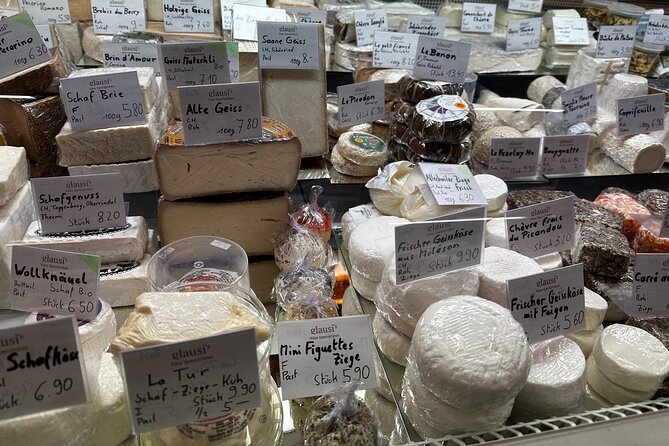
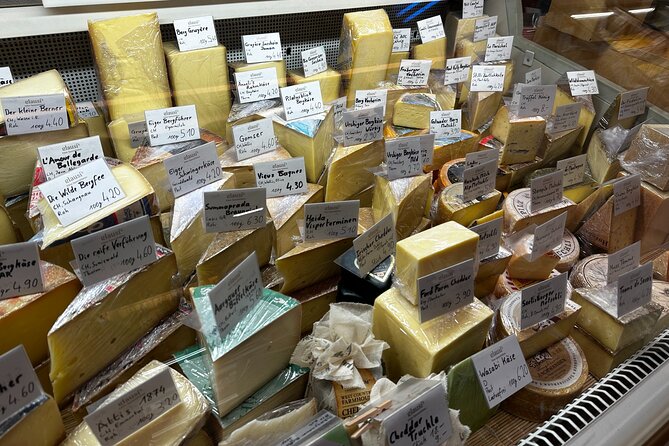
Cheese is the most distinctive part of the tour. The tasting is described as a lesson in Swiss AOP cheese and aging, led by a cheese sommelier and master ager. That wording suggests more than a plate of mild cubes. You should get some explanation of how age changes taste and texture, along with a chance to compare gentler and stronger cheeses.
The listed selection includes:
- Gruyère AOP
- Sbrinz
- Appenzeller
- Raclette
- Tête de Moine
Gruyère AOP is the familiar star, with a protected name and a flavor that changes as it matures. Sbrinz offers a harder, more concentrated style. Appenzeller is known for a stronger character, while Raclette is closely tied to the warm, melting dish many people associate with Switzerland. Tête de Moine is traditionally shaved into delicate rosettes, although the exact presentation is not specified here.
The emphasis on cheese without preservatives, food coloring, or flavor enhancers may appeal to anyone interested in traditional production. Still, you should not assume every cheese listed will be served in full portions or on every departure. The information presents these as examples of Swiss cheeses connected with the tasting.
One point deserves plain treatment. A negative account described the cheese stop as taking place at the guide’s own business, with much of the two hours spent standing at a counter while tasting products for sale. That is a serious concern at this price. Other accounts describe the food and city walk as worthwhile, so the experience may depend heavily on the guide and exact route. Ask directly if you will sit, walk through a market, visit independent shops, or spend most of the tasting at one business.
More Sweet Stops in the world:
- Basel Farmer’s Market, Cheese, Chocolate & Pastry Tour
★ 4.5 · 171 reviews - Budapest Christmas Market Tour with Basilica visit & Chimney cake
★ 5.0 · 18 reviews - Budapest Wonderland – A Christmas Market Tour with Chimney Cake & Mulled Wine
★ 5.0 · 15 reviews - Private Budapest Christmas Market Tour with Chimney Cake & Mulled Wine
★ 5.0 · 6 reviews
Swiss chocolate, from cocoa beans to truffles
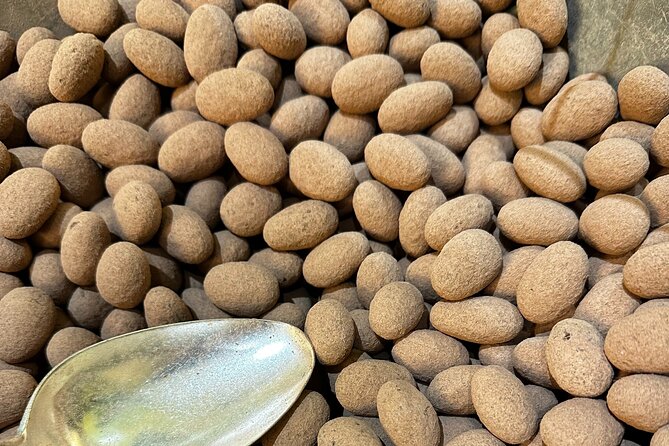
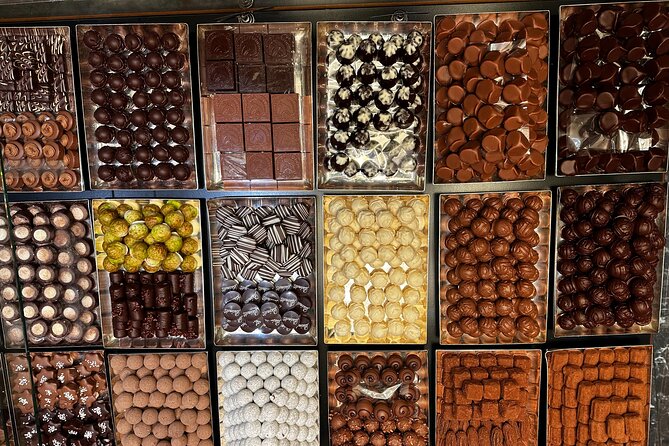
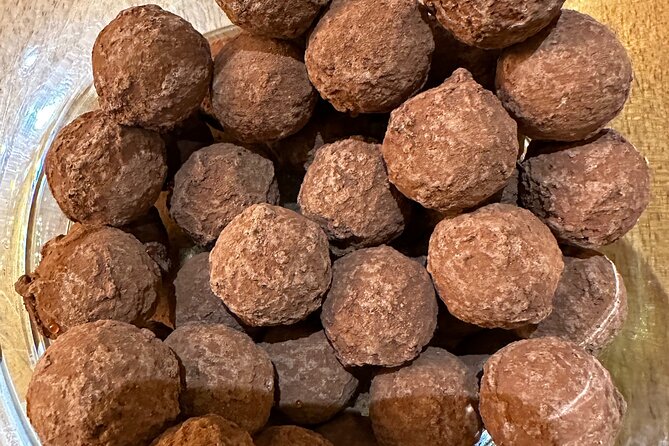
The chocolate section explains how Switzerland developed a global reputation for chocolate. You may taste truffles, hand-scooped dark chocolate, chocolate almonds, or small pieces of chocolate bars. One account also describes tasting chocolate beans, so the format may include a look at chocolate before it becomes a finished confection.
This is a good chance to compare textures and flavors rather than simply eat one famous bar. Dark chocolate can show bitterness and cocoa intensity, while truffles and chocolate almonds offer a sweeter, more familiar finish. The guide is also expected to explain the production process, which helps you understand why Swiss chocolate is treated as a craft product rather than just a souvenir.
The word freshly made appears in the tour description, but no particular chocolate shop is named. You should not assume a visit to a major factory, a behind-the-scenes workshop, or an unlimited tasting. This is a city tasting with historical context.
The chocolate stop received some of the clearest praise. One person specifically enjoyed the cheese and chocolate explanations, and another called the combination of chocolates, pastries, and cheese a fine way to begin a Basel stay. If chocolate is your main reason for booking, though, remember that this is not a dedicated chocolate tour. The cathedral and old-town walk take a substantial share of the time.
Basel Läckerli, the city’s traditional sweet
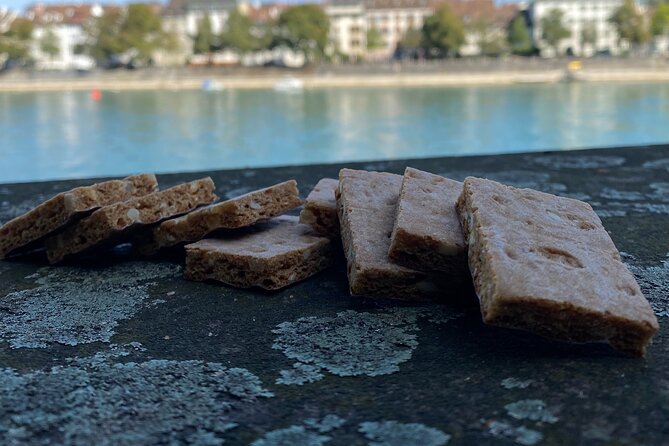
The final tasting centers on Läckerli, a traditional Swiss spice biscuit from Basel. It is associated with a 17th-century recipe passed down through households by spoken and handwritten instruction. The biscuit’s appeal is its firm texture and warm spice flavor, rather than the soft, creamy character of a pastry.
This stop adds something local that a standard cheese and chocolate tasting might miss. Swiss chocolate is famous across the country, and Gruyère is widely known, but Basel Läckerli gives you a direct connection to the city itself. The story of housewives producing the biscuit privately as an extra source of income also gives the sweet some social context.
The tour takes you to a local bakery or sweet shop for this final taste. The exact pastry selection is not guaranteed beyond the Läckerli description. One poor experience described a pastry shop visit where the guide collected pastries from the front window and handed them over in a bag. That may not match every departure, but it shows why you should ask whether you will enter the bakery, receive a plated tasting, or simply take away one item.
If you enjoy buying edible souvenirs, this is a useful stop. Läckerli travels better than many cream-filled pastries, and the tour gives you a chance to decide if the spice profile suits you before buying more.
What $194 per person really buys
The $194 price is high for two hours, even in expensive Switzerland. You are paying for a private English-speaking guide, personalized pacing, sightseeing, and several tastings rather than for food alone.
The price makes more sense for a first visit when you want someone to connect Basel’s landmarks with local specialties in a compact session. A private group can also be worthwhile for families or friends who value flexibility and direct conversation. If your group includes people with different interests, the mix of art, architecture, cheese, chocolate, and pastry helps keep the outing balanced.
The price is harder to justify if you mainly want a large quantity of food or a broad market tour. You could spend much less buying cheese, chocolate, and Läckerli independently. You are also not guaranteed a long sit-down meal, a cooking class, or a factory visit.
I would book this as an orientation tour, not as a bargain food crawl. The best value comes when the guide delivers a real city walk and gives useful context at each tasting. The weakest value comes when the experience becomes a sales visit at one shop.
Guides, group size, and practical details
This is a private group experience conducted in English. That setup gives you a quieter format than a large scheduled group and makes it easier to ask about ingredients, aging, chocolate production, or Basel’s landmarks.
Past guide names include Gina, Jean, and Jonas. Gina was praised for explaining both the food and the city, while Jonas was described as a strong choice for getting oriented at the start of a Basel visit. Jean’s patience with shoppers may appeal to families or anyone who wants time to buy local products.
The meeting point is the inner courtyard of Basel Town Hall, next to the Roman statue. The tour returns to the Town Hall after the old-town portion, so you are not left at an unfamiliar suburb or transport stop.
The activity is listed as wheelchair accessible, but the route includes historic Basel streets and a cathedral visit. Since the provided details do not describe street surfaces, entrances, or restroom access, you should confirm the exact route if you use a wheelchair or have limited mobility.
You can cancel up to 24 hours before departure for a full refund, and you can reserve now while paying later. Starting times vary, so check availability for your date.
Who should book this Basel tasting walk?
I would recommend it to first-time Basel visitors who want a quick introduction to the city and prefer a private guide. It also suits couples, families, and small groups who enjoy tasting several specialties without committing to a full-day food program.
It is a particularly good fit if you care about the story behind what you eat. The cheese-aging discussion, chocolate background, and Läckerli tradition give the tastings more meaning than a simple sample tray.
I would be more cautious if you expect a true farmers’ market experience, a generous meal, or a long list of independent food shops. The exact balance between walking and selling appears to vary, and the $194 cost leaves little room for disappointment.
Should you book it?
Book this tour if you want Basel landmarks and Swiss specialties in one private outing, and if you value a guide who can adjust the pace. The Minster, Town Hall, Tinguely Fountain, cheese tasting, chocolate lesson, and Läckerli stop create a sensible first look at the city.
Before paying, ask two direct questions: Which food market and shops will we visit, and how much time will we spend at the cheese business? If the answer confirms a real old-town walk with several tasting locations, the price may be reasonable for a private introduction. If most of the time is spent at one sales counter, choose a less expensive self-guided food plan instead.
FAQ
Where does the Basel food tour begin?
It begins inside the main courtyard of Basel Town Hall, next to the Roman statue.
How long does the experience last?
The stated duration is two hours. The detailed schedule describes about one hour at Basel Minster and roughly 100 minutes in Altstadt Grossbasel, so the exact timing may be approximate.
What language is the tour conducted in?
The live tour guide speaks English.
Is the experience private?
Yes. It is offered for a private group rather than as a shared group tour.
What foods are included?
The experience includes Swiss cheese, chocolate, and a local specialty. Listed cheese examples include Gruyère AOP, Sbrinz, Appenzeller, Raclette, and Tête de Moine. The sweet specialty is Basel Läckerli.
Can I cancel for a refund?
Yes. You can cancel up to 24 hours before the experience for a full refund.
More Cheese in the world
- Small Group Alkmaar Cheese Market and City Tour *English*
★ 5.0 · 49 reviews - Amsterdam: Traditional Cheese Market Tour to Alkmaar
★ 4.2 · 6 reviews - From Amsterdam; Alkmaar Cheese market & Zaanse Schans
★ 4.8 · 4 reviews - Amsterdam: Experience Edam, a Cheese Tasting, and a Windmill
★ 4.5 · 7 reviews
Just added around the world
- Half-day Dandan Noodles Cooking Class with a Local Market Visit★ 5.0 · 8 reviews
- Three-Hour Private Chengdu Tea Wholesale Market Tour★ 5.0 · 4 reviews
- 3-Hour Herbal Wholesale TCM Market and a Local Wet Market Tour★ 5.0 · 4 reviews
- Moroccan Cooking Class with a Local Family & Market Visit★ 5.0 · 16 reviews
- Charleston International Sweet Treats & Historic City Market Tour★ 5.0 · 22 reviews
- Chania Old Town, Public Market and Chrisopigi Monastery Tour★ 4.5 · 6 reviews
- Chania: Old Town, Public Market, Hill of Prophet Elias, Agia Triada★ 5.0 · 35 reviews
- Cesarine: Market Tour & Home Cooking Class in Catania★ 4.0 · 6 reviews
Local & Farmers Market Tours, compared.
Hanoi Cooking Class: Culture, Local Market & Meaning CSR Impact
Read our review →
Cooking Class and Lunch at a Tuscan Farmhouse with Local Market Tour from Florence
Read our review →
Cooking Class Hoi An:Local Market, Basket Boat, Fishing & Cooking
Read our review →
London Bridge & Borough Market Food Tour with 7 Authentic Dishes
Read our review →
Hoi An Cooking Class(Local market,Basket Boat,Fishing & Cooking)
Read our review →
Browse the lists this tour appears in